
NewsNEWCENTER
Featured products

Contact Us
Yokogawa Advances Industrial Automation with DCS Technology, Field Instruments and Smart Plant Solutions
2026-07-20The global industrial automation industry is experiencing continuous transformation as process manufacturers upgrade their control systems, instrumentation technologies, and digital capabilities to achieve higher efficiency, reliability, and operational flexibility.
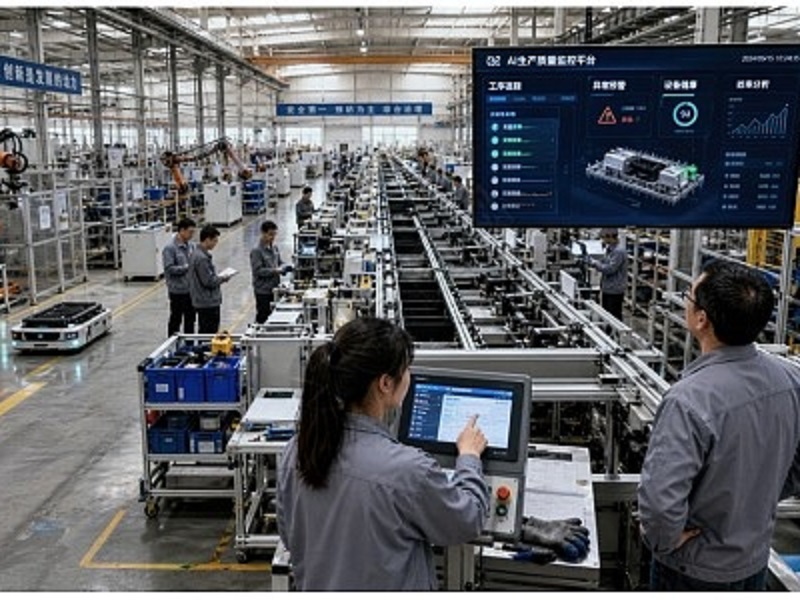
Industries including oil and gas, chemical production, power generation, pharmaceuticals, water treatment, and energy management depend on advanced automation technologies to maintain safe and stable operations.
As industrial processes become more complex, companies are moving beyond traditional control methods and adopting intelligent automation solutions that combine distributed control systems, field instrumentation, industrial communication, and data-driven technologies.
Yokogawa continues to support this transformation through advanced process automation technologies focused on reliable control, measurement accuracy, and smart plant development.
The evolution of Yokogawa distributed control system technology represents a major trend in the automation industry. Modern DCS platforms are becoming more than process monitoring systems. They are evolving into intelligent operational platforms that help companies improve production performance, optimize processes, and achieve more sustainable industrial operations.
For global process industries, the combination of DCS technology, field instruments, and digital solutions has become an important foundation for future smart plant development.
Process Industries Require More Advanced Automation Technologies
Process industries operate some of the most complex production environments in the world.
Facilities such as:
- Refineries
- Chemical plants
- Power stations
- Pharmaceutical factories
- Water treatment facilities
must operate continuously while maintaining strict requirements for:
- Safety
- Product quality
- Production efficiency
- Environmental performance
Traditional automation systems provided reliable control for industrial processes.
However, modern industrial environments require additional capabilities.
Companies now need automation systems that can support:
- Real-time process monitoring
- Faster problem detection
- Better equipment management
- Improved energy efficiency
- Advanced operational analysis
This has accelerated the development of intelligent automation architectures.
Modern process automation combines control systems, field devices, communication networks, and software technologies to create more connected industrial environments.
Yokogawa DCS Technology Supports Reliable Process Control
Distributed Control Systems remain one of the most important technologies in process automation.
DCS platforms are designed to manage continuous industrial processes where reliability and stability are essential.
Modern DCS systems help operators manage:
- Process variables
- Production conditions
- Equipment performance
- Alarm systems
- Plant operations
A process plant may contain thousands of measurement points and control loops.
These systems require accurate monitoring of:
- Temperature
- Pressure
- Flow
- Liquid levels
- Chemical conditions
Advanced DCS technology provides operators with a complete view of plant performance.
This allows engineers to:
- Maintain stable production
- Improve process efficiency
- Reduce operational risks
- Respond quickly to abnormal conditions
Field Instruments Provide Essential Industrial Data
Automation systems depend on accurate information from field devices.
Field instruments are responsible for measuring important industrial parameters.
Common measurement devices include:
- Pressure transmitters
- Flow meters
- Temperature instruments
- Level measurement devices
- Analytical instruments
These devices provide critical information to automation systems.
Without accurate field data, advanced control strategies cannot operate effectively.
Modern industrial automation requires close integration between:
- Field instruments
- DCS systems
- PLC controllers
- Industrial communication networks
This integration allows manufacturers to achieve better process visibility.
Accurate measurement improves:
- Product quality
- Process stability
- Equipment protection
- Production efficiency
Digital Transformation Creates Smart Plant Environments
Digital transformation is changing the future of process industries.
Industrial companies are increasingly using digital technologies to improve how they operate their facilities.
Modern smart plants combine:
- Automation systems
- Industrial networks
- Data platforms
- Analytics technologies
- Digital engineering tools
This creates a connected environment where operational information can be collected and analyzed.
Digital plant technologies help companies understand:
- Production performance
- Equipment conditions
- Energy consumption
- Maintenance requirements
With better information, companies can make faster and more accurate decisions.
Digital transformation allows industrial facilities to move from traditional operation models toward intelligent management.
Industrial Data Analytics Improves Operational Performance
Industrial facilities generate large amounts of operational data every day.
This information comes from:
- DCS systems
- PLC controllers
- Field instruments
- Sensors
- Production equipment
In traditional plants, much of this data was mainly used for basic control.
Modern automation allows companies to use operational data for deeper analysis.
Data analytics can help identify:
- Process inefficiencies
- Equipment problems
- Energy waste
- Production improvement opportunities
By analyzing industrial data, companies can continuously optimize their operations.
This supports:
- Better decision-making
- Improved productivity
- Reduced operational costs
Predictive Maintenance Improves Equipment Reliability
Equipment reliability is a major concern for industrial companies.
Unexpected equipment failures can create serious challenges, including:
- Production downtime
- Higher maintenance expenses
- Reduced operational efficiency
- Safety concerns
Predictive maintenance uses operational information to identify potential problems before failures occur.
Data from:
- Sensors
- Field instruments
- DCS systems
- Industrial equipment
can help maintenance teams understand equipment conditions.
Predictive maintenance allows companies to:
- Schedule repairs more effectively
- Reduce unexpected shutdowns
- Improve asset performance
- Extend equipment service life
As industrial automation becomes more intelligent, predictive maintenance will continue becoming a key application.
Integration Between PLC and DCS Improves Automation Flexibility
Modern industrial facilities often use multiple automation technologies together.
PLC systems and DCS platforms each provide important capabilities.
PLC systems are commonly used for:
- Machine control
- Equipment sequencing
- Local automation applications
DCS systems are commonly used for:
- Continuous process control
- Plant-wide monitoring
- Process optimization
The integration between PLC and DCS creates a more complete automation solution.
For example:
PLC systems control auxiliary machines.
DCS systems manage the overall process.
Industrial networks connect different automation components.
Operational data becomes available for analysis.
This integrated approach improves:
- Production flexibility
- System coordination
- Operational visibility
Smart Automation Supports Energy Efficiency and Sustainability
Energy management has become a major priority for industrial companies.
Process industries often consume significant energy through:
- Pumps
- Compressors
- Motors
- Heating equipment
- Production systems
Automation technologies help companies monitor and optimize energy usage.
Smart automation systems can analyze:
- Equipment operation
- Energy consumption trends
- Production efficiency
This enables companies to:
- Reduce energy waste
- Lower operational costs
- Improve sustainability performance
The connection between automation and energy management will continue becoming more important in future industrial development.
Industrial Cybersecurity Becomes Increasingly Important
As industrial automation systems become more connected, cybersecurity requirements continue increasing.
Modern plants connect:
- Control systems
- Industrial networks
- Digital platforms
- Remote monitoring technologies
While connectivity improves efficiency, it also requires stronger protection.
Industrial companies must protect:
- Automation infrastructure
- Production information
- Communication systems
Future automation development must combine:
- Intelligent functionality
- Reliable performance
- Strong cybersecurity practices
Challenges During Industrial Automation Upgrades
Industrial automation modernization provides many benefits, but companies must carefully manage several challenges.
Legacy Equipment Integration
Many facilities still operate older automation systems.
Upgrading these systems requires careful engineering to maintain production stability.
Technical Knowledge Requirements
Modern automation projects require professionals with expertise in:
- DCS systems
- PLC technology
- Industrial instruments
- Communication networks
- Digital solutions
Long-Term Investment Planning
Automation modernization requires investment in:
- Hardware
- Software
- Engineering services
- Employee training
However, improved efficiency and reliability can provide significant long-term benefits.
Future Outlook: Smart Plant Automation Will Continue Expanding
The future of industrial automation will depend on intelligent, connected, and reliable technologies.
Process industries will continue adopting:
- Advanced DCS systems
- Smart field instruments
- Industrial data analytics
- Digital plant solutions
- Predictive maintenance technologies
Yokogawa automation technologies represent the continued evolution of process control toward smarter industrial operations.
As global industries continue digital transformation, the integration of DCS systems, field instrumentation, and digital technologies will become increasingly important.
Smart plants of the future will rely on automation systems that can monitor processes, analyze information, and continuously improve operational performance.
Conclusion
Industrial automation is moving toward a new generation of intelligent process control systems.
Yokogawa DCS technology, field instrumentation solutions, and digital plant concepts demonstrate how modern automation can improve industrial efficiency, reliability, and sustainability.
By combining accurate measurement, advanced control, and digital technologies, process industries can create safer and more efficient production environments.
As global manufacturers and energy companies continue upgrading their facilities, intelligent automation solutions will remain a critical foundation for the future of industrial development.