
NewsNEWCENTER
Featured products



Contact Us
ABB Advances Process Automation Through Intelligent DCS Technology and Digital Industrial Solutions
2026-07-20The global process industry is entering a new stage of technological transformation as companies continue modernizing their automation systems with intelligent control platforms, digital solutions, and advanced data technologies.
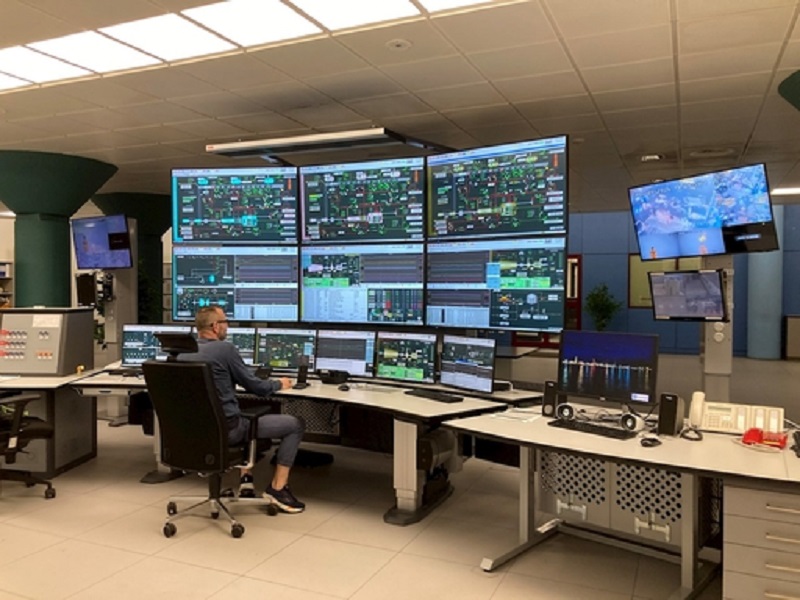
Industries such as oil and gas, chemical processing, power generation, mining, water treatment, and pharmaceuticals require highly reliable automation systems to maintain safe, stable, and efficient operations.
As industrial facilities become larger and more complex, traditional automation methods are evolving toward intelligent process automation architectures that combine distributed control systems, industrial communication, data analytics, and artificial intelligence technologies.
ABB continues to support the development of modern industrial automation by providing advanced solutions for process control, plant optimization, and digital transformation.
The development of ABB distributed control system technology reflects a major change in the automation industry. Modern DCS platforms are no longer limited to basic monitoring and control functions. They are becoming intelligent operational platforms that help companies improve production efficiency, enhance asset reliability, and make better decisions through industrial data.
For global process manufacturers, intelligent DCS technology has become an important foundation for building safer, smarter, and more sustainable industrial facilities.
The Growing Importance of DCS Systems in Process Industries
Distributed Control Systems have played a critical role in process automation for many decades.
Unlike discrete manufacturing applications where PLC systems often control individual machines, process industries require continuous monitoring and regulation of complex production environments.
DCS systems are widely used in industries including:
- Oil and gas
- Chemical manufacturing
- Power generation
- Pharmaceutical production
- Water and wastewater treatment
- Energy management
These industries require accurate control of important process parameters, including:
- Temperature
- Pressure
- Flow
- Level
- Equipment conditions
- Production variables
A modern DCS platform allows operators to manage thousands of signals from field instruments and industrial equipment.
Traditional DCS functions include:
- Process monitoring
- Control loop management
- Alarm handling
- Operator visualization
- Historical data recording
However, the requirements of modern industries have expanded.
Companies now need automation systems that can provide:
- Real-time operational analysis
- Equipment condition monitoring
- Predictive maintenance support
- Energy optimization
- Digital integration
This has accelerated the evolution of intelligent DCS technology.
ABB DCS Technology Supports Advanced Process Control Requirements
Modern industrial facilities operate under increasingly demanding conditions.
Production systems must maintain:
- High availability
- Stable operation
- Product quality
- Safety performance
Advanced DCS platforms help operators manage complex industrial processes more effectively.
In large facilities, automation systems continuously process information from:
- Field instruments
- Sensors
- Control devices
- Production equipment
This information provides visibility into plant operations.
Engineers can use operational data to:
- Identify process changes
- Improve production stability
- Optimize equipment performance
- Reduce unnecessary energy consumption
Modern DCS solutions provide a bridge between traditional process control and digital industrial management.
Digital Transformation Creates Smarter Process Plants
Digital transformation has become one of the most important trends in industrial automation.
Process industries generate enormous amounts of operational data every day.
This information comes from:
- DCS systems
- PLC controllers
- Industrial instruments
- Sensors
- Mechanical equipment
In traditional industrial environments, much of this information was used only for basic control purposes.
Digital technologies allow companies to extract more value from operational data.
Modern digital plants can analyze:
- Production efficiency
- Equipment performance
- Energy usage
- Maintenance requirements
- Process conditions
This creates opportunities for continuous improvement.
Instead of responding only after problems occur, companies can identify potential issues earlier and take preventive action.
Industrial AI Improves Process Optimization
Artificial intelligence is becoming an increasingly important technology in industrial automation.
Traditional process control relies on programmed logic, engineering knowledge, and operator experience.
Industrial AI provides additional capabilities by analyzing large volumes of operational information.
AI technologies can support:
Advanced Equipment Monitoring
Industrial assets such as:
- Pumps
- Compressors
- Motors
- Valves
- Turbines
require reliable operation.
AI-based analysis can identify unusual patterns and provide early warnings.
This helps companies:
- Reduce unexpected failures
- Improve maintenance planning
- Increase equipment availability
Process Performance Improvement
Industrial processes involve complex relationships between many operating variables.
AI technologies can analyze connections between:
- Production parameters
- Equipment performance
- Energy consumption
- Product quality
This helps engineers optimize operations.
Potential improvements include:
- Higher efficiency
- Better process stability
- Reduced resource consumption
Industrial AI is becoming an important tool for improving automation performance.
PLC and DCS Integration Creates Complete Automation Architectures
Although DCS technology is commonly used in process industries, PLC systems remain an important part of industrial automation.
Many modern plants use both PLC and DCS systems together.
PLC systems are often applied for:
- Machine control
- Equipment sequencing
- Packaging operations
- Local automation
DCS systems are commonly used for:
- Continuous process control
- Plant-wide monitoring
- Production optimization
The integration of PLC and DCS systems creates a more complete automation environment.
For example:
A PLC system controls auxiliary equipment.
The DCS platform monitors the overall process.
Industrial communication networks connect different systems.
Operational data becomes available for analysis.
This combined approach improves:
- System flexibility
- Production visibility
- Operational efficiency
Predictive Maintenance Enhances Industrial Asset Reliability
Equipment reliability is essential for process industries.
Unexpected failures can result in:
- Production interruptions
- Increased maintenance costs
- Reduced output
- Operational risks
Modern automation systems support predictive maintenance strategies through continuous data collection.
Information from:
- DCS systems
- Sensors
- Field instruments
- Equipment monitoring devices
can help identify early signs of problems.
Predictive maintenance enables companies to:
- Plan maintenance activities earlier
- Reduce unplanned downtime
- Extend equipment lifecycle
- Improve plant availability
This approach is becoming a standard direction for industrial automation development.
Smart Energy Management Improves Industrial Sustainability
Energy efficiency has become a major priority for industrial companies.
Large facilities consume significant energy through:
- Pumps
- Compressors
- Motors
- Heating systems
- Production equipment
Automation technologies provide better visibility into energy consumption.
Smart process automation can help companies monitor:
- Energy usage trends
- Equipment efficiency
- Production performance
With improved information, companies can identify opportunities to:
- Reduce energy waste
- Improve operating efficiency
- Support sustainability goals
The combination of automation and energy management is becoming increasingly important for future industrial development.
Industrial Cybersecurity Becomes a Key Automation Requirement
As industrial systems become more connected, cybersecurity has become an essential consideration.
Modern plants increasingly integrate:
- Automation networks
- Digital platforms
- Remote monitoring systems
While connectivity improves efficiency, it also creates new security challenges.
Industrial companies must protect:
- Control systems
- Communication networks
- Production information
Future automation solutions must balance:
- Intelligent functionality
- Reliable operation
- Cybersecurity protection
Challenges During Process Automation Modernization
Although intelligent automation provides significant advantages, companies must address several challenges.
Legacy System Upgrade
Many industrial facilities continue operating older automation systems.
Modernizing these systems requires careful engineering to ensure stable operation.
Technical Expertise
Modern automation projects require engineers with knowledge of:
- DCS engineering
- PLC programming
- Industrial communication
- Digital technologies
Investment Planning
Automation modernization requires investment in:
- Control hardware
- Software platforms
- Engineering services
- Workforce training
However, long-term improvements in efficiency and reliability provide significant value.
Future Outlook: Intelligent DCS Systems Will Shape Process Industry Development
The future of process automation will depend on intelligent control systems that combine traditional reliability with advanced digital capabilities.
Industrial companies will continue adopting:
- Advanced DCS platforms
- Industrial AI technologies
- Digital plant solutions
- Predictive maintenance systems
- Connected automation architectures
ABB DCS and process automation technologies represent the broader evolution of industrial control systems toward smarter and more efficient operations.
As global industries continue upgrading their facilities, intelligent automation will remain essential for improving:
- Safety
- Productivity
- Reliability
- Sustainability
The integration of DCS technology, PLC systems, industrial AI, and digital solutions will continue shaping the future of process industries.
Conclusion
Industrial automation is moving into a new era where distributed control systems are becoming intelligent digital platforms.
ABB process automation technologies demonstrate how modern DCS solutions can combine reliable industrial control with advanced analytics, digital connectivity, and intelligent optimization.
For energy, chemical, manufacturing, and infrastructure industries, intelligent automation provides opportunities to improve operational performance and achieve long-term sustainability.
As global companies continue their digital transformation journey, advanced DCS systems will remain a critical technology for creating safer, smarter, and more efficient industrial environments.