

ProductPRODUCT
Featured products
Contact Us
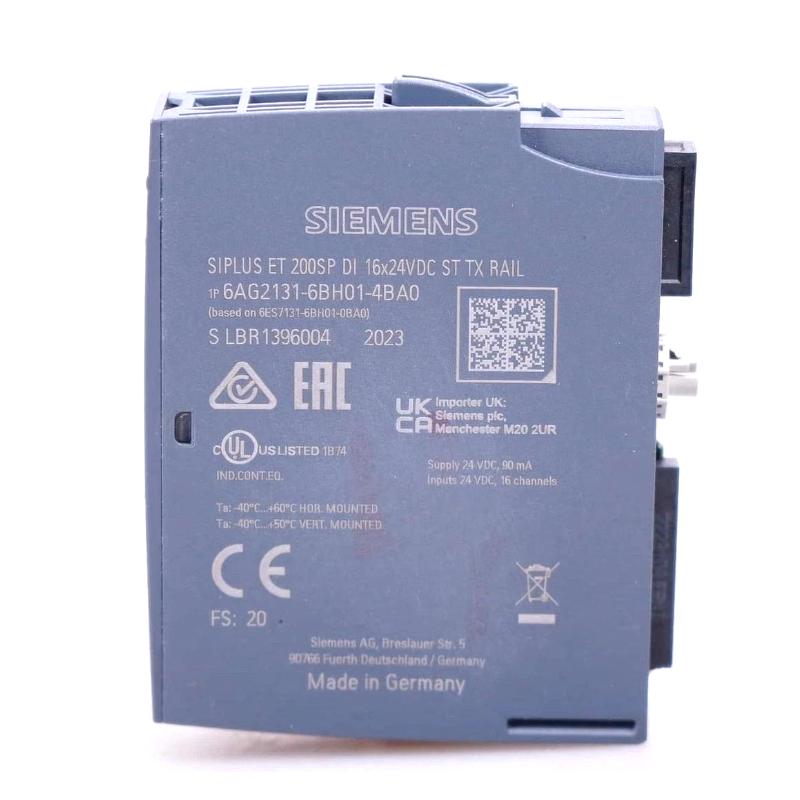
- Siemens
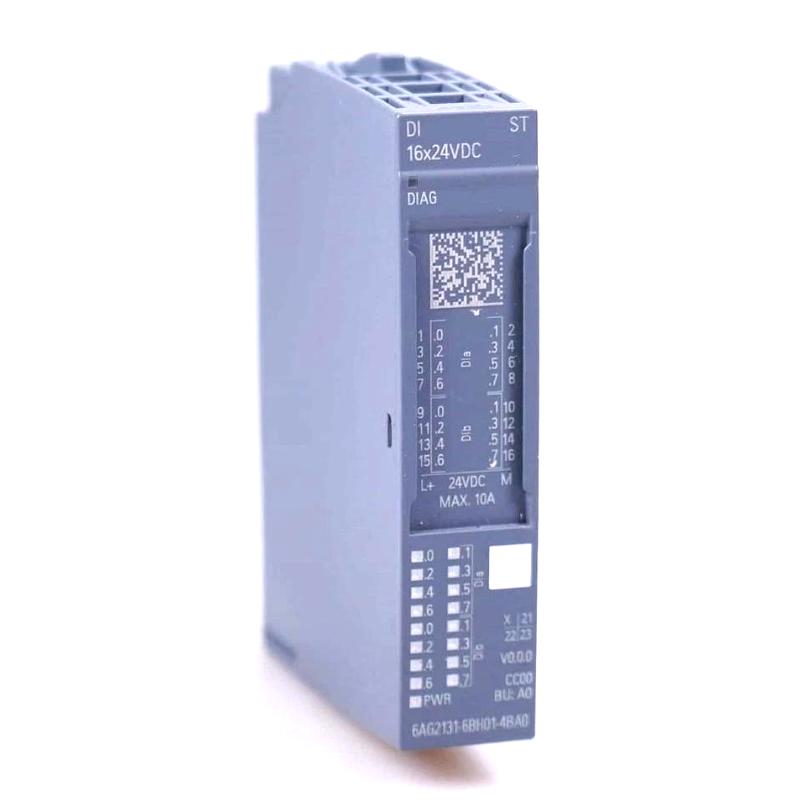
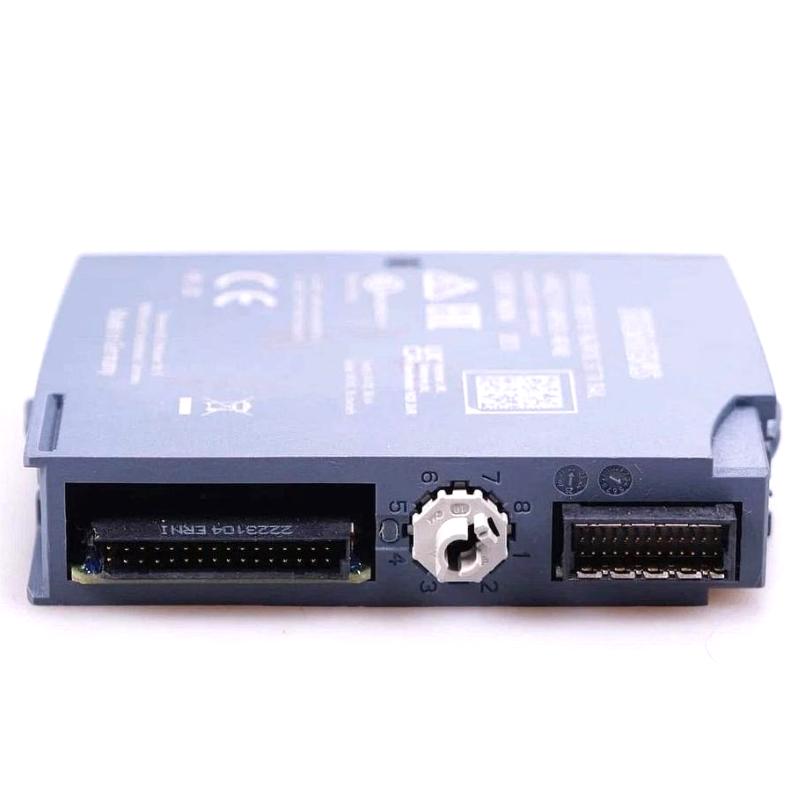
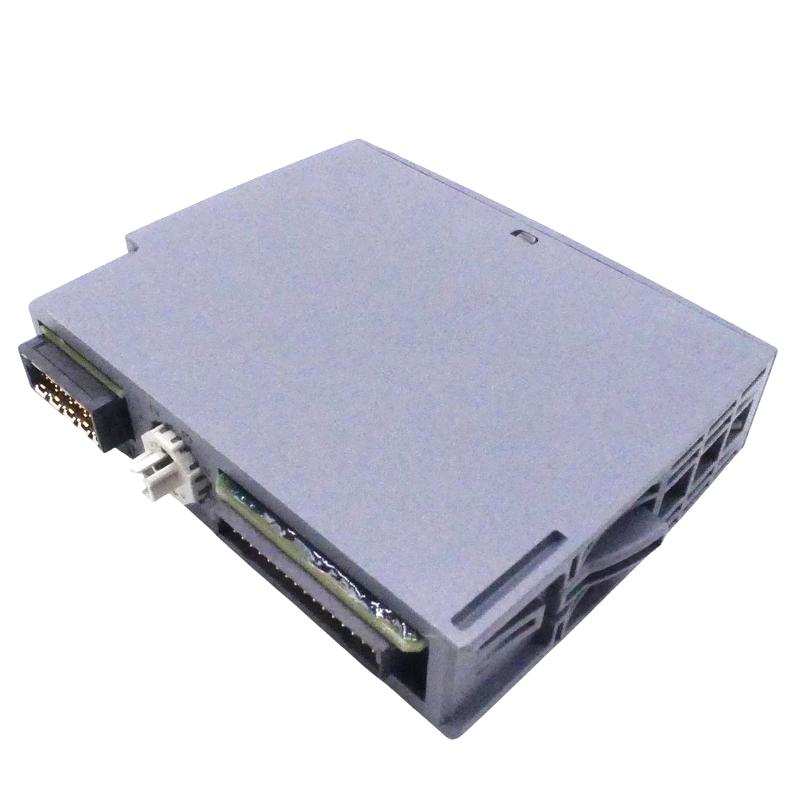
- 6AG2131-6BH01-4BA0
- Digital Input Module
- Germany
- 15 × 73 × 58 mm
- 0.038 kg
- Xiamen, China
- New & In Stock
- T/T, PayPal, Western Union
- 1 Year
- 1-3 Working Days
- DHL, UPS, TNT, FedEx and EMS.
- 24-Hour Service
- COO
- 5
Our advantage

Global Logistics
We have a 10-year logistics and express cooperation agreement, so our products can be shipped to any place in the world.

Brand new and original
Our products are imported in bulk from the place of origin. Because of the cooperative relationship, our products are all original and 100% new.

24-hour service
We provide 7*24 hours service to our customers. We will be there whenever you need us.

Price advantage
All our products are priced very favorably because we have our own warehouse and supply.
| Company Information | |||
| [email protected] | |||
| Mobile | +8615980777398 | ||
| +8615980777398 | |||
| 15980777398 |
Product Overview
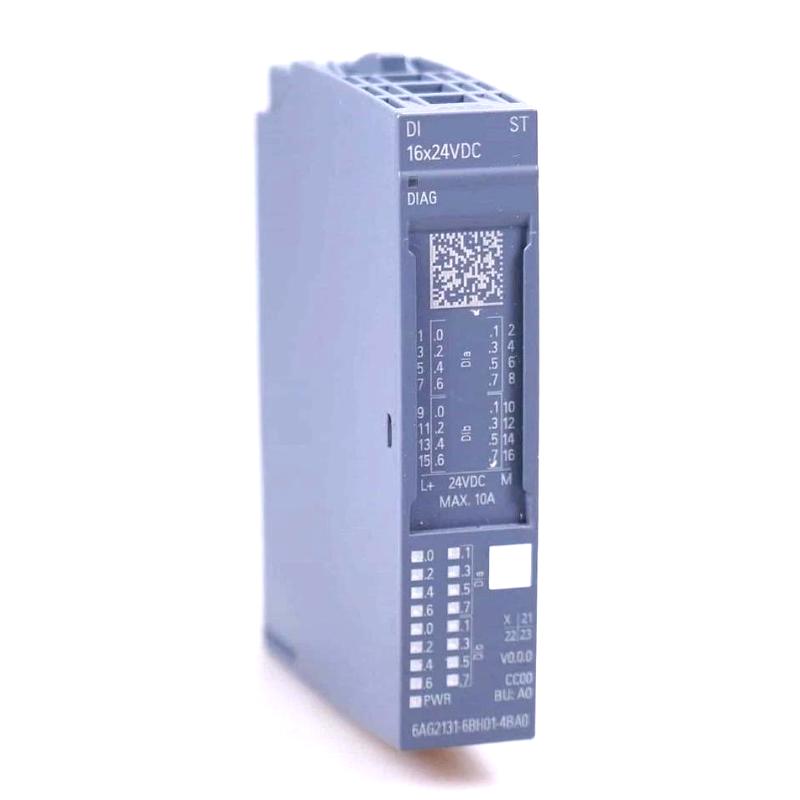
The Siemens 6AG2131-6BH01-4BA0 SIPLUS ET 200SP Digital Input Module is used to collect discrete signals from field devices in distributed automation systems. As part of the SIMATIC ET 200SP platform, it transfers input states to a connected controller, allowing the PLC to monitor equipment conditions and execute programmed control sequences.
Typical digital input signals come from push buttons, limit switches, proximity sensors, and other devices that report discrete operating states. The controller uses this information for machine sequencing, interlocks, status monitoring, and alarm handling.
In a distributed control cabinet, the module operates as part of an ET 200SP station with the corresponding interface and BaseUnit components. This architecture allows field signals to be collected near the equipment and communicated to the controller through the station’s configured network connection.
Technical Specifications
| Parameter | Specification |
|---|---|
| Product Type | Digital Input Module |
| Brand | Siemens |
| Order Number | 6AG2131-6BH01-4BA0 |
| Product Family | SIPLUS ET 200SP |
| Based on Product Platform | SIMATIC ET 200SP |
| Module Category | Digital input |
| Signal Type | Digital signals |
| Primary Function | Acquisition of discrete field signals |
| Automation Architecture | Distributed I/O |
| Controller Integration | Compatible SIMATIC automation systems |
| Station Integration | ET 200SP station with compatible BaseUnit |
| Configuration Environment | TIA Portal with applicable device support |
| Typical Signal Sources | Switches, push buttons, and compatible digital sensors |
| Dimensions | 15 × 73 × 58 mm |
| Weight | 0.038 kg |
Product Features
- Acquires discrete signals from connected field devices.
- Integrates into the Siemens ET 200SP distributed I/O architecture.
- Transfers input status to the connected controller for program processing.
- Supports monitoring of machine states and field-device feedback.
- Helps organize field signal acquisition in distributed control cabinets.
- Works with the corresponding ET 200SP BaseUnit and station components.
- Belongs to the SIPLUS product range for specialized industrial operating conditions.
Working Principle
The digital input module receives electrical signals from connected field devices and interprets them as discrete states according to its input circuitry. These states are made available to the controller through the ET 200SP station’s backplane communication.
The PLC program evaluates the received input states and determines the appropriate response. For example, when a limit switch changes state, the controller can use that signal to permit the next step in a machine sequence, stop a movement, or update an alarm condition.
The module collects and transfers input information; it does not independently execute the machine’s control sequence. The PLC remains responsible for processing the program and controlling connected outputs.
Role in a Distributed I/O Control Architecture
| Component | Role in the System |
|---|---|
| 6AG2131-6BH01-4BA0 Digital Input Module | Acquires discrete field signals |
| ET 200SP BaseUnit | Provides the module’s mounting and electrical connections |
| ET 200SP Interface Module | Connects the distributed I/O station to the automation network |
| SIMATIC PLC | Evaluates input states and executes control logic |
| Field Sensors | Detect machine or process conditions |
| Limit Switches | Report position or end-of-travel states |
| Push Buttons and Selector Switches | Provide operator commands and mode selections |
| Industrial Network | Transfers data between the I/O station and controller |
| HMI Operator Panel | Displays selected input states, alarms, and machine conditions |
Industrial Applications
| Application | Digital Input Function |
|---|---|
| Machine Automation | Monitors discrete machine states and operating conditions |
| Assembly Lines | Collects sensor and position-switch feedback |
| Packaging Equipment | Detects product presence and mechanism positions |
| Conveyor Systems | Monitors limit switches and equipment status |
| Process Skids | Acquires discrete signals from field instruments and switches |
| Material Handling | Reports position and status conditions to the controller |
| Distributed Control Cabinets | Collects field signals near the monitored equipment |
Installation and Maintenance
- Confirm the complete order number, 6AG2131-6BH01-4BA0, against the system bill of materials.
- Review the module’s electrical specifications before connecting field devices.
- Confirm compatibility with the ET 200SP station, interface module, and selected BaseUnit.
- Isolate the relevant power supply before installing the module or changing field wiring.
- Mount the module according to the ET 200SP system installation instructions.
- Check the BaseUnit and terminal assignment against the wiring diagram.
- Connect field sensors and switches using the specified terminal layout.
- Verify signal polarity, common connections, and supply arrangements where applicable.
- Configure the module in the engineering project and assign the required input addresses.
- Test each connected input by changing the field-device state and checking the corresponding controller status.
- Inspect the module, BaseUnit, terminals, and wiring for loose connections, contamination, or damage during maintenance.
- Record module replacement and configuration changes, then verify normal signal acquisition before returning the system to service.
Compatible System Components
| Component | Function |
|---|---|
| ET 200SP BaseUnit | Provides the mounting and electrical connection interface |
| ET 200SP Interface Module | Connects the I/O station to the controller network |
| SIMATIC PLC | Processes digital input states |
| Digital Field Sensors | Supply discrete status signals |
| Limit Switches | Detect mechanical positions |
| Push Buttons | Provide manual control inputs |
| Industrial Network Components | Support communication between the I/O station and controller |
| HMI Operator Panel | Presents selected input states and machine information |
| TIA Portal Engineering Software | Supports hardware configuration and I/O address assignment |
Recommended Related Models
| Model | Product Name | Application |
|---|---|---|
| 6AG2131-6BH01-4BA0 | SIPLUS ET 200SP Digital Input Module | Distributed digital signal acquisition |
| 6ES7131 Series | SIMATIC ET 200SP Digital Input Modules | Digital input expansion |
| 6ES7193 Series | SIMATIC ET 200SP BaseUnits | Module mounting and field wiring |
| ET 200SP Interface Modules | SIMATIC ET 200SP Interface Modules | Distributed station communication |
| SIMATIC S7-1500 | SIMATIC PLC System | Controller-level logic processing |
Key Advantages
- Collects discrete field signals within a distributed I/O architecture.
- Supports PLC-based monitoring of machine states and field-device feedback.
- Integrates with compatible ET 200SP station components.
- Helps organize field wiring in distributed control cabinets.
- Supports signal testing and maintenance through controller diagnostics.
Technical FAQs
What is the Siemens 6AG2131-6BH01-4BA0 used for?
It is a SIPLUS ET 200SP digital input module used to acquire discrete signals from field devices and transfer their states to a connected controller for processing.
Does this module operate independently of an ET 200SP station?
No. It operates as part of the ET 200SP distributed I/O system and requires compatible station components, including the appropriate BaseUnit and interface arrangement.
Which field devices can be connected to a digital input module?
Typical applications include switches, push buttons, limit switches, and compatible digital sensors. The input voltage and wiring method depend on the module’s electrical specifications.
What should be checked when replacing this module?
Check the complete order number, BaseUnit compatibility, terminal assignment, signal specifications, hardware configuration, and input address mapping. After installation, test the connected field signals and verify that the controller reads the expected states.