

ProductPRODUCT
Featured products
Contact Us
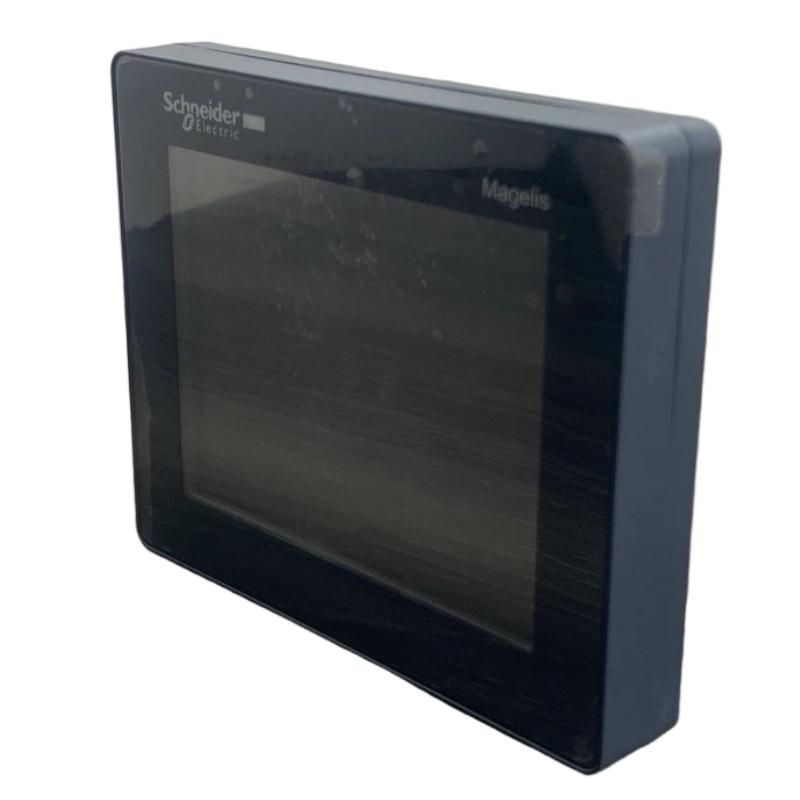
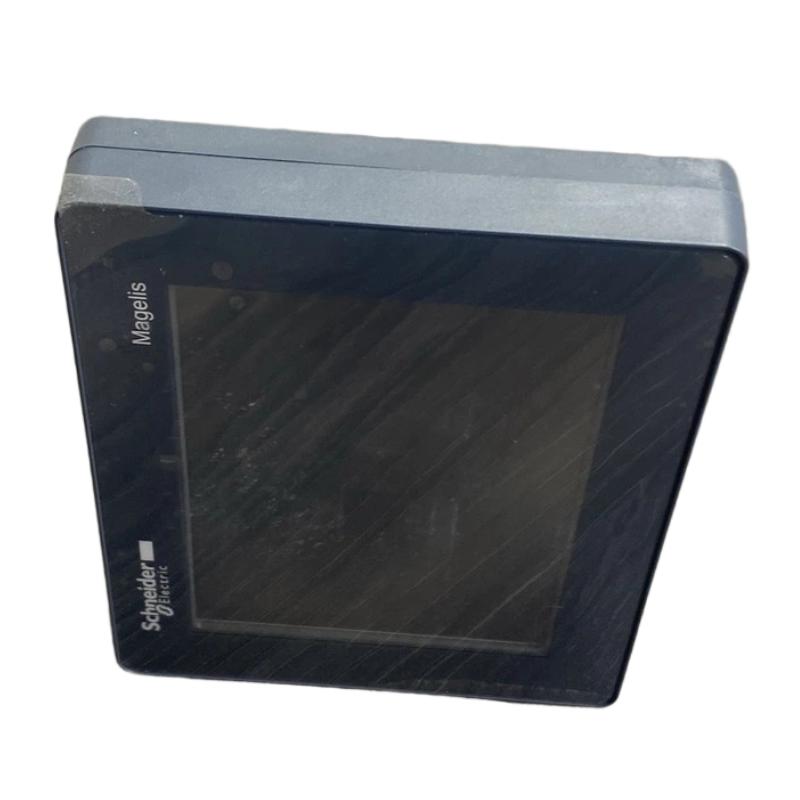
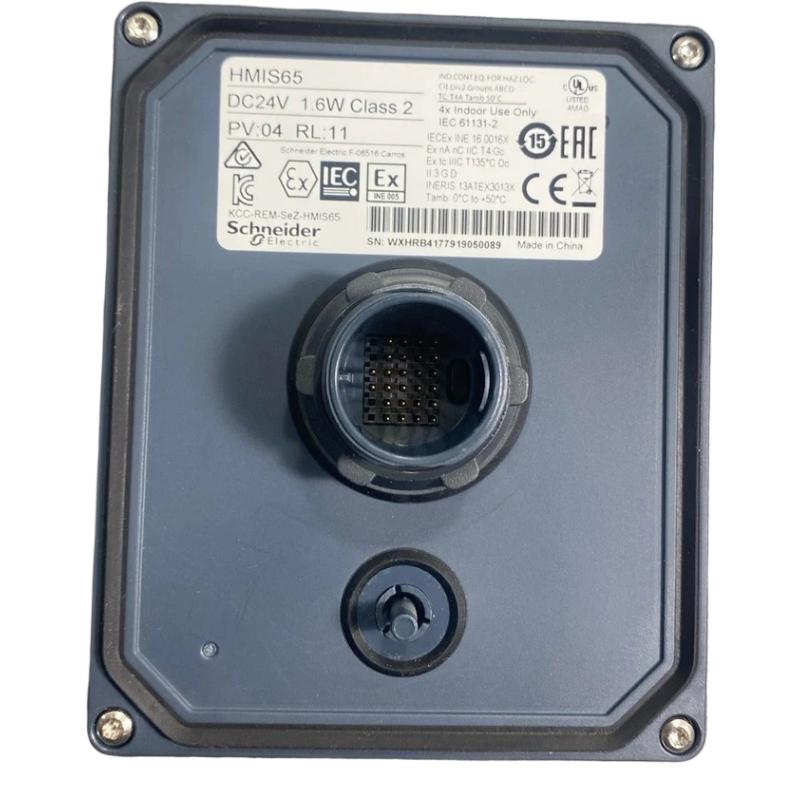
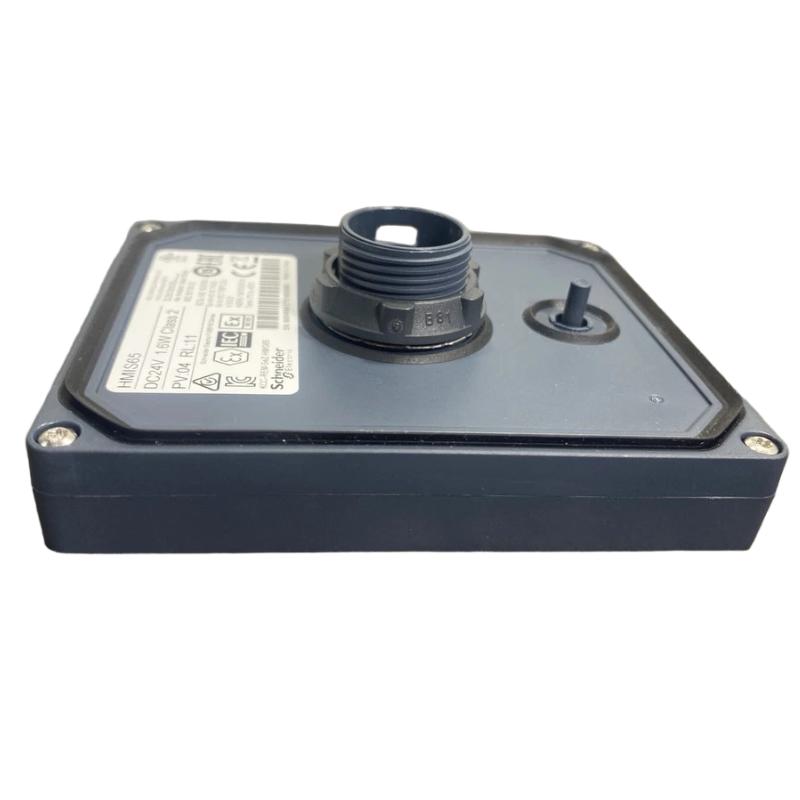
- Schneider
- HMIS65
- Small Touchscreen Display
- France
- 97.6 x 80 mm
- 0.53 kg
- Xiamen, China
- New & In Stock
- T/T, PayPal, Western Union
- 1 Year
- 1-3 Working Days
- DHL, UPS, TNT, FedEx and EMS.
- 24-Hour Service
- COO
- 4
Our advantage

Global Logistics
We have a 10-year logistics and express cooperation agreement, so our products can be shipped to any place in the world.

Brand new and original
Our products are imported in bulk from the place of origin. Because of the cooperative relationship, our products are all original and 100% new.

24-hour service
We provide 7*24 hours service to our customers. We will be there whenever you need us.

Price advantage
All our products are priced very favorably because we have our own warehouse and supply.
| Company Information | |||
| [email protected] | |||
| Mobile | +8615980777398 | ||
| +8615980777398 | |||
| 15980777398 |
Product Overview
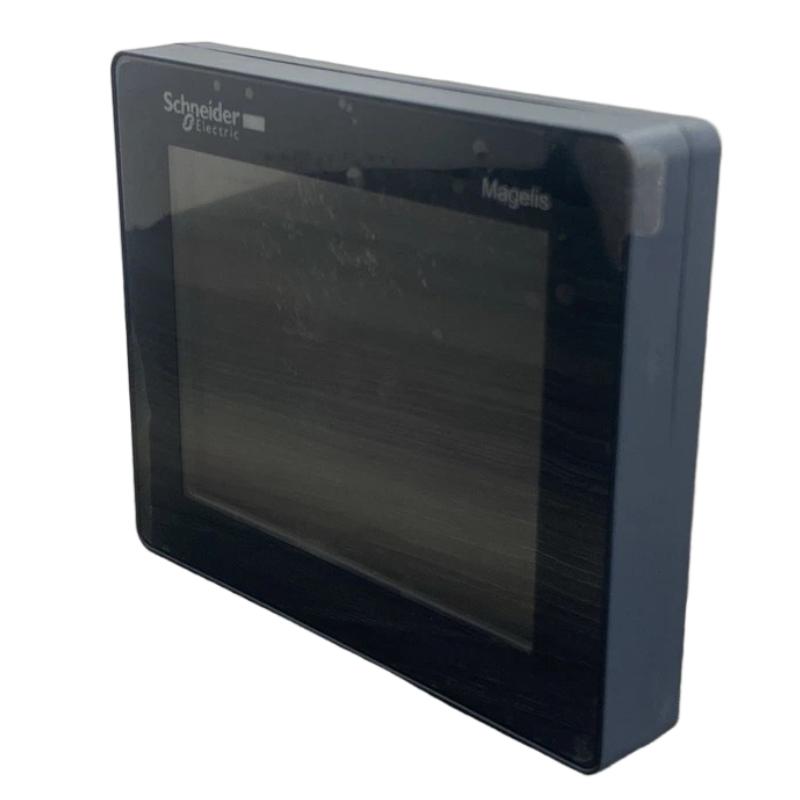
The Schneider Electric HMIS65 Small Touchscreen Display is a compact operator interface designed for industrial visualization and human-machine interaction. In automation environments, touchscreen displays provide operators with a convenient way to view equipment status, monitor process values, acknowledge alarms, and interact with control applications.
With listed dimensions of 97.6 × 80 mm and a weight of approximately 0.53 kg, the HMIS65 is suited to installations where space is limited and a compact display interface is required. Its small form factor can be advantageous for machinery control panels, equipment enclosures, and distributed operator stations where essential operating information must remain accessible without requiring a large HMI.
The display’s practical role depends on the associated controller, configured application, communication interface, and installation environment. Before integrating or replacing the HMIS65, users should confirm its exact hardware revision, supported functions, connection requirements, and compatibility with the intended automation system.
Technical Specifications
| Parameter | Specification |
|---|---|
| Manufacturer | Schneider Electric |
| Model | HMIS65 |
| Product Type | Small Touchscreen Display |
| Device Category | Operator Interface / Display |
| Primary Function | Industrial visualization and operator interaction |
| Display Format | Compact touchscreen interface |
| Dimensions | 97.6 × 80 mm |
| Weight | 0.53 kg |
| Installation | Compatible panel or equipment mounting arrangement |
| Typical Application | Industrial machine monitoring and operator control |
| System Integration | Subject to supported controller and communication configuration |
Note: Detailed specifications such as display resolution, screen size, supply voltage, communication ports, memory, environmental ratings, and software compatibility should be confirmed against the exact HMIS65 hardware documentation before installation or procurement.
Function and Working Principle
The HMIS65 serves as an operator-facing interface between personnel and an industrial automation system. Rather than directly performing all machine-control functions, a touchscreen display typically presents information generated by a controller and provides an interface for authorized operator commands.
Its operation can be understood through several functional stages.
1. Displaying Operating Information
The display can be used to present configured information such as machine status, operating values, production conditions, alarms, and system messages. The actual information available depends on the application programmed for the device.
2. Operator Interaction
A touchscreen interface allows users to interact with displayed controls, menus, and other configured interface elements. Depending on the application, these interactions may include navigating screens, selecting operating modes, acknowledging alarms, or entering permitted setpoints.
3. Communication with the Control System
In a typical HMI architecture, the display exchanges information with a PLC or another compatible controller through a supported communication interface. The controller executes the machine logic, while the operator interface provides visualization and user interaction.
The HMIS65’s exact communication options and supported protocols should be verified before selecting cables, configuring software, or connecting it to a controller.
4. Monitoring and Diagnostics
A properly configured operator interface can help personnel identify abnormal operating conditions by displaying alarms, status indicators, and diagnostic messages supplied by the automation application. This information can reduce the time required to locate faults and assess equipment conditions.
Role in Industrial Automation
Operator interfaces are an important part of modern industrial control systems because they make machine information easier to access and interpret. The HMIS65 can serve as a compact visualization point in an appropriately configured automation installation.
Its potential functions include:
- Displaying machine operating status
- Presenting process values and equipment conditions
- Providing access to configured operator commands
- Showing alarm and warning information
- Supporting basic troubleshooting activities
- Helping operators navigate between application screens
- Improving visibility of machine operation
The exact capabilities available in an HMIS65 installation depend on the supported features of the device and the application developed for the connected control system.
Industrial Applications
Compact Machinery
Small touchscreen displays can be useful on machines where control-panel space is restricted. They provide an operator-facing interface without requiring the footprint of a larger industrial display.
Packaging Equipment
Packaging machinery often requires operators to monitor operating status, production sequences, and fault messages. A compact HMI may provide access to selected machine information when supported by the control application.
Material Handling Systems
Conveyors and other material-handling equipment can use operator interfaces to display equipment states, operating modes, and diagnostic information.
Assembly and Production Stations
In manufacturing cells, an operator display can provide access to configured status screens and operating instructions, helping personnel interact with equipment more consistently.
Industrial Equipment Enclosures
The HMIS65’s listed dimensions may make it worth evaluating for compact enclosures and dedicated machine stations. Actual suitability depends on its mounting design, cutout requirements, environmental rating, and electrical specifications.
Installation and System Integration
Correct installation is essential for reliable operation. Before mounting or connecting the HMIS65, verify the complete model number and consult the applicable installation instructions.
Confirm the Device Identity
Check the product label and record the model number and hardware revision. If replacing an existing display, compare the original unit’s identification and connections with the replacement.
Check Mounting Requirements
Although the listed dimensions are 97.6 × 80 mm, these figures should not automatically be treated as the required panel cutout dimensions. Confirm the actual mounting dimensions, clearance requirements, fastening method, and enclosure thickness limits before preparing the panel.
Verify the Power Supply
Confirm the required supply voltage, current demand, polarity, and protective requirements from the correct technical documentation. Do not energize the device based solely on its model name or physical appearance.
Check Communication Connections
Identify the supported communication ports and the corresponding controller interface. Use compatible cables and the appropriate connection configuration. Incorrect wiring or unsupported communication settings may prevent the display from exchanging data with the controller.
Configure the Operator Application
The application should match the connected controller and the intended machine functions. Verify screen navigation, displayed values, alarm behavior, and permitted operator commands during commissioning.
Test Before Returning to Service
After installation, check startup behavior, screen response, communication status, and the accuracy of displayed information. Test operator commands under controlled conditions and confirm that the controller responds as intended.
Troubleshooting the HMIS65
When a display does not operate as expected, investigate the power supply, wiring, configuration, communications, and application before concluding that the hardware has failed.
Display Does Not Start
Possible causes include an incorrect power supply, loose wiring, a damaged connector, or an internal device fault.
Recommended checks:
- Confirm the specified power supply.
- Inspect the power wiring and terminals.
- Check connectors for damage or looseness.
- Look for visible signs of overheating or physical damage.
- Review available system indicators and diagnostic information.
No Communication with the Controller
A display may power on correctly while failing to exchange data with the PLC or other control equipment.
Check the communication cable, port selection, controller settings, network configuration where applicable, and application communication parameters. Confirm that the controller and display support the selected connection method.
Touchscreen Does Not Respond Correctly
Unresponsive or inconsistent touch operation may be associated with surface contamination, physical damage, unsuitable operating conditions, or a hardware problem.
Clean the screen using a method approved for the device. If the problem persists, check the device configuration and applicable diagnostic procedures.
Incorrect or Missing Information
If the display shows incorrect values or blank data fields, investigate the controller tags, application configuration, communication status, and data mapping. Confirm that the displayed information corresponds to the intended controller variables.
Unexpected Restart or Intermittent Operation
Intermittent behavior may be caused by unstable power, loose connections, electrical interference, excessive temperature, or a hardware defect. Inspect the installation environment and supply stability before replacing the unit.
Maintenance Recommendations
Routine inspection can help maintain dependable operation and reduce avoidable downtime.
- Clean the display: Use a suitable cleaning method that will not damage the touchscreen surface.
- Inspect wiring: Check cables, connectors, and terminals for wear, looseness, or physical damage.
- Monitor communication: Investigate recurring communication errors rather than repeatedly resetting the device.
- Protect the enclosure: Maintain appropriate conditions for temperature, humidity, dust, and vibration according to the device’s specified ratings.
- Back up application data: Keep an appropriate backup of the operator application and configuration where the system supports it.
- Review alarms: Investigate recurring alarms and unexpected changes in displayed values.
- Verify replacement compatibility: Confirm the exact model and revision before installing a replacement unit.
Maintenance should follow the equipment manufacturer’s instructions and the site’s electrical safety procedures.
Compatible System Components
The HMIS65 may be part of an automation installation containing several related components. Compatibility must be confirmed for the actual model and application rather than assumed from the manufacturer alone.
| Component | Role in the System |
|---|---|
| Compatible PLC | Executes machine logic and control sequences |
| Industrial Power Supply | Provides the specified electrical supply |
| Communication Cable | Connects the display to supported control equipment |
| Operator Application | Defines screens, values, menus, and operator interactions |
| Control Cabinet | Houses and protects electrical and automation equipment |
| Network Equipment | Provides connectivity when required by the supported architecture |
| Sensors and Actuators | Supply process information and carry out control actions through the controller |
The exact hardware combination depends on the HMIS65 interface, supported software, and host-system configuration.
Replacement and Procurement Considerations
When sourcing a Schneider Electric HMIS65 Small Touchscreen Display, verify the following information before placing an order:
- Exact model number: Confirm that the unit is marked HMIS65.
- Hardware revision: Compare the revision with the installed equipment.
- Physical dimensions: The listed dimensions are 97.6 × 80 mm; verify the actual mounting and cutout requirements separately.
- Weight: The listed weight is approximately 0.53 kg.
- Electrical requirements: Confirm the specified supply and connection details.
- Communication compatibility: Verify that the display supports the intended controller and communication method.
- Application compatibility: Check whether the existing application can be transferred or requires modification.
- Condition: For used or refurbished units, inspect the touchscreen, connectors, housing, and available functional-test records.
A replacement that fits physically may still be unsuitable if its communication interfaces, configuration, or application requirements differ from those of the original device.
Technical FAQs
What is the Schneider HMIS65?
The Schneider Electric HMIS65 is identified as a small touchscreen display intended for operator interaction and visualization in an appropriate industrial automation setup.
What are its dimensions and weight?
The supplied specifications list dimensions of 97.6 × 80 mm and a weight of approximately 0.53 kg.
What is the main function of a small industrial touchscreen display?
It provides a user interface for viewing configured operating information and interacting with supported control-system functions. The controller normally remains responsible for executing the underlying machine-control logic.
Can the HMIS65 connect to any Schneider PLC?
Compatibility should not be assumed for every Schneider Electric PLC. Confirm the display’s supported interfaces, communication protocols, software requirements, and controller compatibility before integration.
What should be checked if the display powers on but shows no process data?
Check communication wiring, interface settings, controller status, application configuration, and the mapping of displayed variables. A powered display does not necessarily indicate successful communication.
Is the listed size the required panel cutout?
Not necessarily. The supplied dimensions should be treated as product dimensions unless the applicable mechanical drawing explicitly identifies them as cutout dimensions.
What should be considered before replacing an HMIS65?
Verify the complete model designation, revision, mounting arrangement, electrical requirements, communication interface, and application compatibility.
Conclusion
The Schneider Electric HMIS65 Small Touchscreen Display is a compact operator-interface component intended to support visualization and human-machine interaction in compatible industrial automation systems. With listed dimensions of 97.6 × 80 mm and a weight of 0.53 kg, it may be suitable for applications where a small display footprint is an important consideration.
Reliable integration depends on more than physical fit. Correct power connections, compatible communications, suitable application configuration, and appropriate environmental conditions all contribute to stable operation. Before installation or replacement, verify the HMIS65’s exact technical requirements and compatibility with the intended control system to help ensure dependable operator access and efficient maintenance.