

ProductPRODUCT
Featured products
Contact Us
- HIMA
- F8625
- Ethernet Communication Module
- Germany
- 160 × 100 × 30 mm
- 0.34 kg
- Xiamen, China
- New & In Stock
- T/T, PayPal, Western Union
- 1 Year
- 1-3 Working Days
- DHL, UPS, TNT, FedEx and EMS.
- 24-Hour Service
- COO
- 7
Our advantage

Global Logistics
We have a 10-year logistics and express cooperation agreement, so our products can be shipped to any place in the world.

Brand new and original
Our products are imported in bulk from the place of origin. Because of the cooperative relationship, our products are all original and 100% new.

24-hour service
We provide 7*24 hours service to our customers. We will be there whenever you need us.

Price advantage
All our products are priced very favorably because we have our own warehouse and supply.
| Company Information | |||
| [email protected] | |||
| Mobile | +8615980777398 | ||
| +8615980777398 | |||
| 15980777398 |
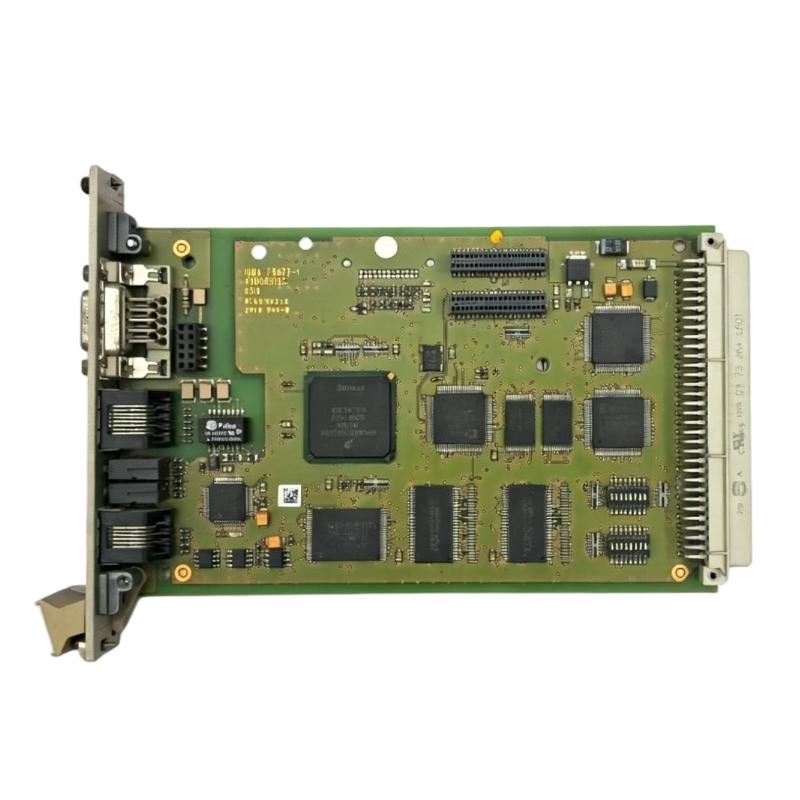
Product Overview
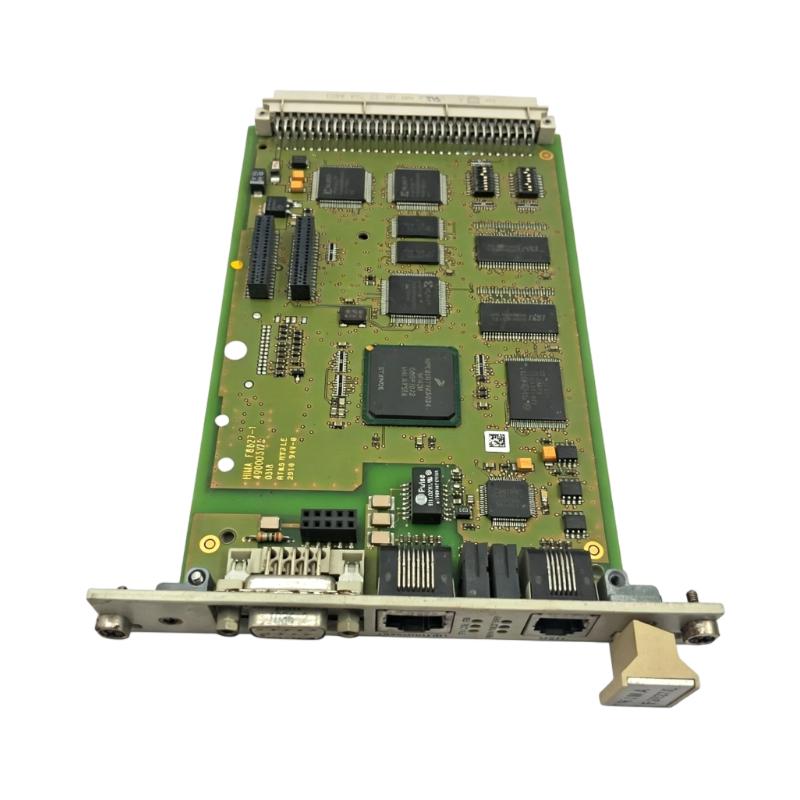
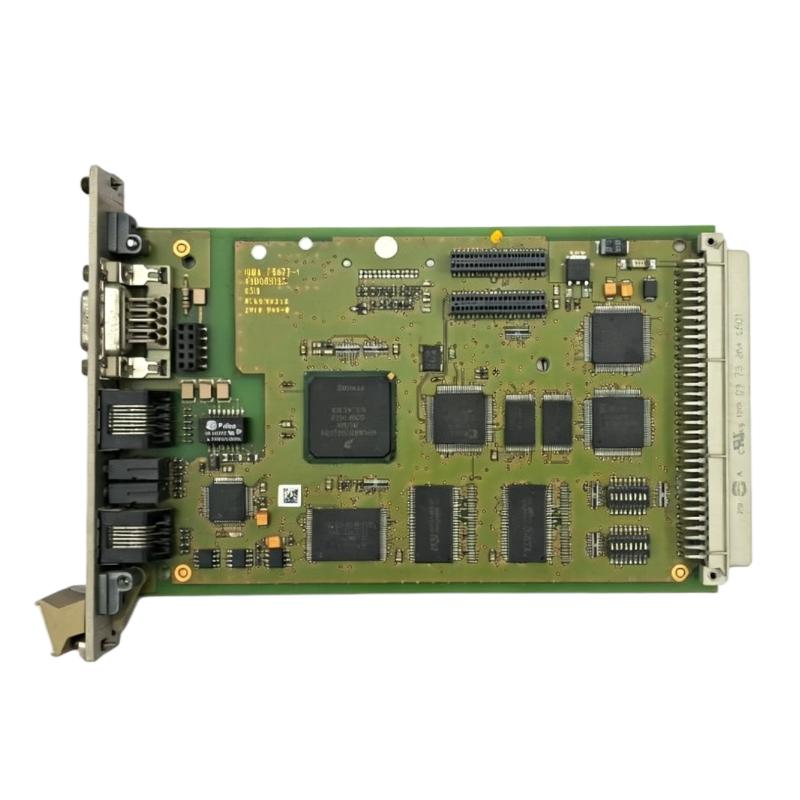
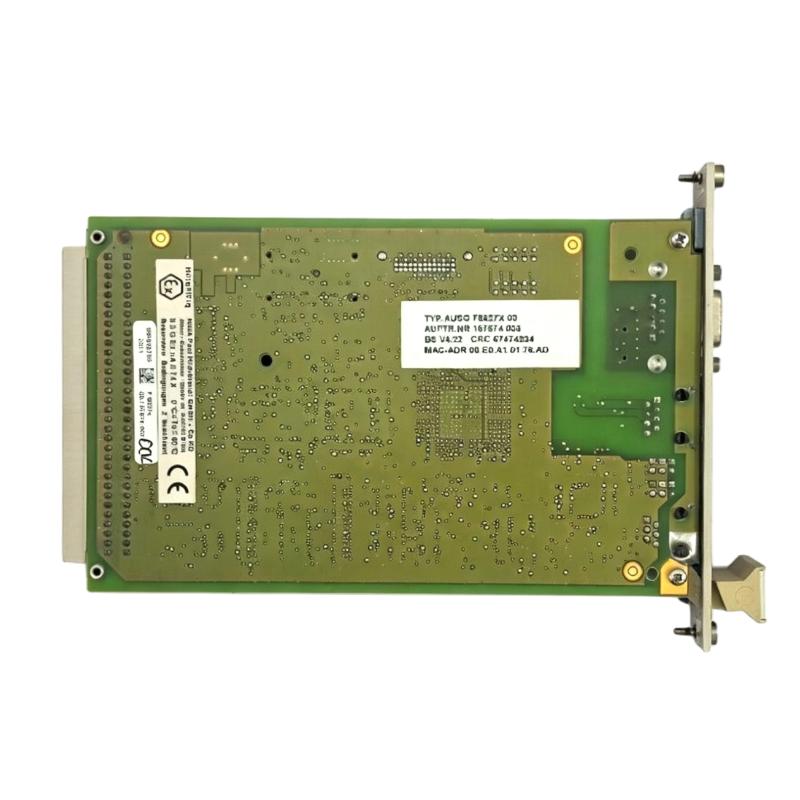
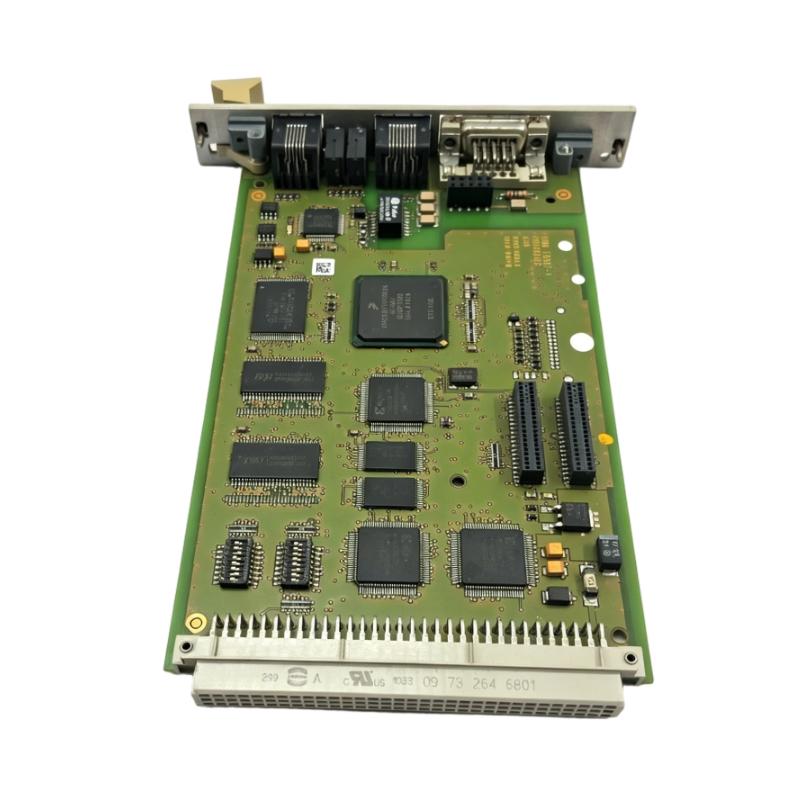
The HIMA F8625 H51q Ethernet Communication Module is a communication module for HIMA H51q programmable electronic safety systems (PES). It provides an Ethernet interface for communication between the control system and connected network equipment.
The F8625 is part of the H51q system’s modular hardware architecture. Its internal components include a 32-bit microprocessor, operating system, RAM for additional communication protocols, and dual-port RAM (DPR) for communication with the central module over the system bus. This architecture allows communication processing to be handled by a dedicated module rather than relying entirely on the central controller.
In an installed H51q system, the F8625 works alongside the central module and the configured communication software. The protocols and external communication functions depend on the system configuration and installed software. When maintaining an existing installation, engineers should confirm the required communication functions and software compatibility before replacing the module.
Technical Specifications
| Parameter | Specification |
|---|---|
| Manufacturer | HIMA |
| Model | F8625 |
| Product Family | H51q |
| Product Type | Ethernet Communication Module |
| Processor | 32-bit Microprocessor |
| Operating System | Integrated |
| Additional Protocol Memory | RAM |
| Internal Communication Interface | Dual-Port RAM (DPR) |
| System Connection | Bus 1 |
| Dimensions | 160 × 100 × 30 mm |
| Weight | 0.34 kg |
Product Features
- Ethernet interface: Provides network communication capability for compatible H51q control systems.
- Dedicated communication processing: Uses an onboard 32-bit microprocessor to handle communication-related functions.
- Additional protocol memory: Includes RAM for supporting additional communication protocols as configured by the system.
- Central-module data exchange: Uses dual-port RAM to communicate with the central module over Bus 1.
- Modular system integration: Installs as a dedicated communication component within the H51q control architecture.
- Configuration-dependent protocol support: Actual communication capabilities depend on the installed software and configured protocols.
Working Principle
The F8625 handles communication tasks within the H51q control system. Its onboard processor and operating system support communication processing, while the available RAM accommodates additional protocol requirements.
The module exchanges data with the central control module through dual-port RAM connected to Bus 1. This provides an internal data path between the communication module and the controller. On the network side, the Ethernet interface connects the system to compatible external equipment according to the configured communication software.
The general communication path is:
H51q Central Module ↔ Internal Bus 1 / Dual-Port RAM ↔ F8625 Communication Module ↔ Ethernet Network
The actual external data exchange depends on the configured protocol and connected device. Ethernet connectivity alone does not establish support for every industrial communication protocol.
During maintenance, engineers should check the module identification, central-module communication, network connections, and configured protocol requirements. Any software-dependent functions should be verified against the existing H51q installation.
Role in the H51q Control Architecture
The F8625 serves as a dedicated communication component in the H51q system. It connects the internal control architecture to an Ethernet communication interface and exchanges information with the central module through the internal bus.
| System Element | Function |
|---|---|
| HIMA F8625 | Handles configured communication functions through its Ethernet interface |
| H51q Central Module | Executes the main control program and exchanges data with the communication module |
| 32-bit Microprocessor | Processes communication-related operations |
| Operating System | Supports the module’s communication processing |
| Additional Protocol RAM | Provides memory for additional communication protocols |
| Dual-Port RAM | Enables data exchange with the central module |
| Bus 1 | Connects the communication module to the internal control architecture |
| Ethernet Network | Carries data between the module and compatible external devices |
Industrial Applications
| Application | Typical Use |
|---|---|
| H51q Safety Control Systems | Providing Ethernet communication within an installed HIMA control system |
| Industrial Process Automation | Exchanging configured data between control equipment and networked devices |
| Plant Control Networks | Connecting compatible external equipment through the H51q communication architecture |
| Legacy Control-System Maintenance | Replacing a communication module in an existing H51q installation |
| System Communication Diagnostics | Investigating network and internal communication faults |
| Control-System Refurbishment | Maintaining the communication interface while preserving the existing system configuration |
Installation and Maintenance
- Verify the module designation: Confirm that the replacement is HIMA F8625 and check the identification marking before installation.
- Confirm H51q compatibility: Verify that the existing programmable electronic safety system supports the F8625 communication module.
- Review protocol requirements: Identify the communication protocols required by the application and confirm that the relevant software configuration supports them.
- Record the existing configuration: Preserve the applicable network settings and communication configuration before carrying out replacement work.
- Follow electrical safety procedures: Apply the approved maintenance and isolation procedures for the safety-control system.
- Inspect the mounting position: Check the designated module slot and mating interfaces for damage or contamination.
- Check the internal connection: Ensure that the module is installed in the correct position and properly connected to the system bus.
- Inspect the Ethernet connection: Examine the network cable and connector for damage, loose contacts, or incorrect routing.
- Verify communication settings: Check the applicable network parameters and configured communication functions against the system records.
- Check central-module communication: Verify that data exchange between the F8625 and the central module operates as expected.
- Perform an approved functional test: Confirm the required communication functions and review available diagnostic information before returning the system to operation.
- Document the maintenance results: Record the replacement module, configuration changes, diagnostic findings, and functional test results.
Compatible System Components
| Component | Function |
|---|---|
| HIMA H51q Central Module | Executes the main control program and exchanges data with the F8625 |
| H51q Central Rack | Provides the mounting and internal connection environment for system modules |
| Internal Bus 1 | Carries communication between the central module and the F8625 |
| Dual-Port RAM Interface | Provides the internal data-exchange path |
| Ethernet Network Cabling | Connects the communication interface to external network equipment |
| Compatible Network Devices | Exchange data using the protocols configured for the system |
| Communication Software | Defines the supported external communication functions |
Recommended Related Models
| Model | Product Type | Selection Consideration |
|---|---|---|
| HIMA F8626 | Profibus-DP Communication Module | Intended for a different communication interface; not an automatic Ethernet replacement |
| HIMA F8627 | Communication Module | Verify the supported communication functions and H51q system configuration before comparison |
| HIMA F8628 | Profibus-DP Communication Module | Check the required network interface and system compatibility before considering substitution |
Key Advantages
- Dedicated Ethernet communication for compatible H51q control systems.
- Onboard processing for communication-related tasks.
- Internal data exchange with the central module through dual-port RAM.
- Memory resources for additional configured communication protocols.
- Modular integration into an established HIMA control architecture.
Technical FAQs
How does the F8625 communicate with the H51q central module?
The F8625 uses dual-port RAM (DPR) for data exchange with the central module through Bus 1. This internal connection supports communication between the dedicated module and the main control architecture.
What is the purpose of the onboard RAM?
The module includes RAM for additional communication protocols. The actual protocols available depend on the installed communication software and system configuration.
Is the F8625 interchangeable with the HIMA F8626?
No, the two models should not be treated as direct substitutes. The F8625 provides an Ethernet interface, while the F8626 is associated with Profibus-DP communication. Selection must match the required network interface and application configuration.
What should be checked if Ethernet communication fails after replacement?
Check the module identification, internal Bus 1 communication, Ethernet cabling, network settings, and configured protocol software. Review the available system diagnostics before making changes to the existing control configuration.