

ProductPRODUCT
Featured products



Contact Us
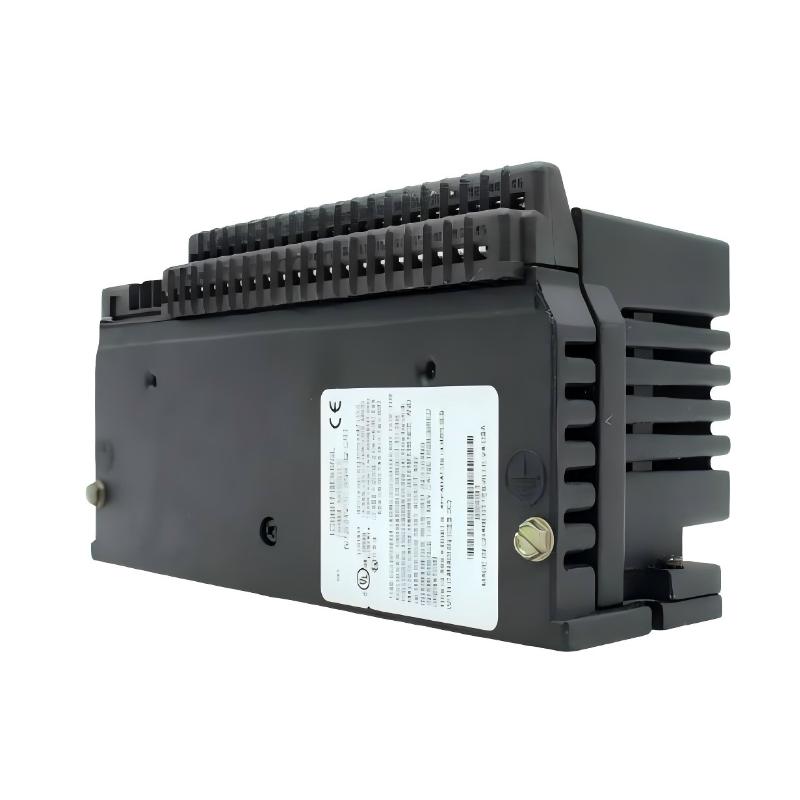
- GE
- IC660TBD025
- Terminal Assembly
- USA
- 222.4 x 88.9 x 100 mm
- 1.8 kg
- Xiamen, China
- New & In Stock
- T/T, PayPal, Western Union
- 1 Year
- 1-3 Working Days
- DHL, UPS, TNT, FedEx and EMS.
- 24-Hour Service
- COO
- 145
Our advantage

Global Logistics
We have a 10-year logistics and express cooperation agreement, so our products can be shipped to any place in the world.

Brand new and original
Our products are imported in bulk from the place of origin. Because of the cooperative relationship, our products are all original and 100% new.

24-hour service
We provide 7*24 hours service to our customers. We will be there whenever you need us.

Price advantage
All our products are priced very favorably because we have our own warehouse and supply.
| Company Information | |||
| [email protected] | |||
| Mobile | +8615980777398 | ||
| +8615980777398 | |||
| 15980777398 |
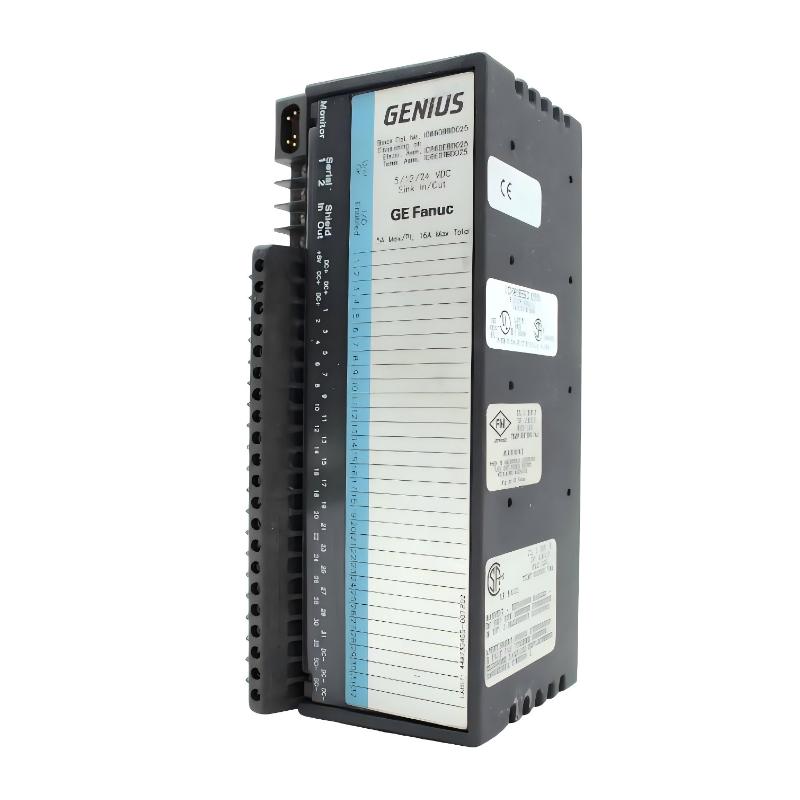
Product Overview
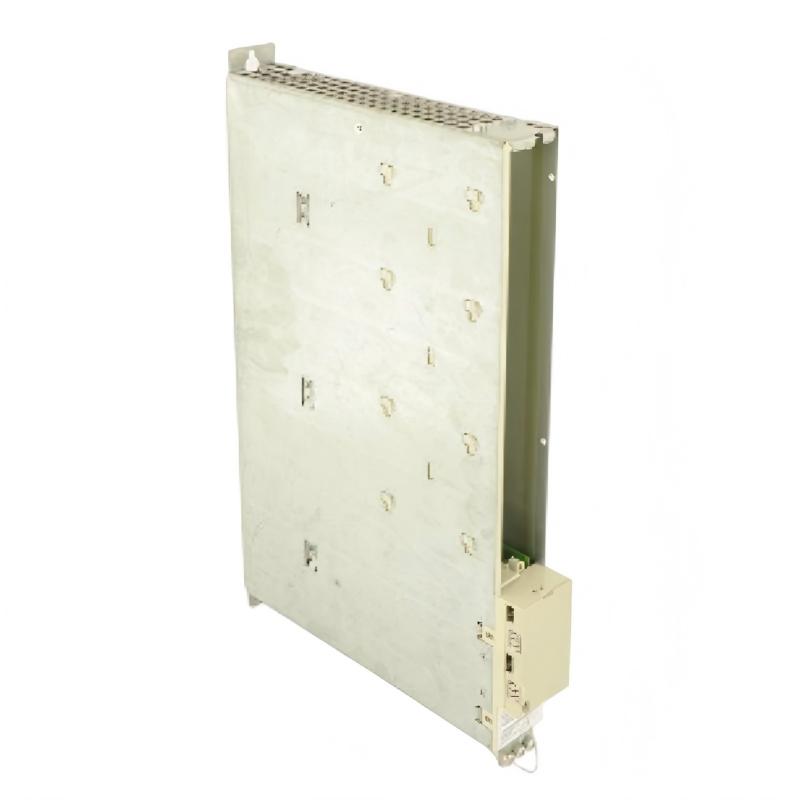
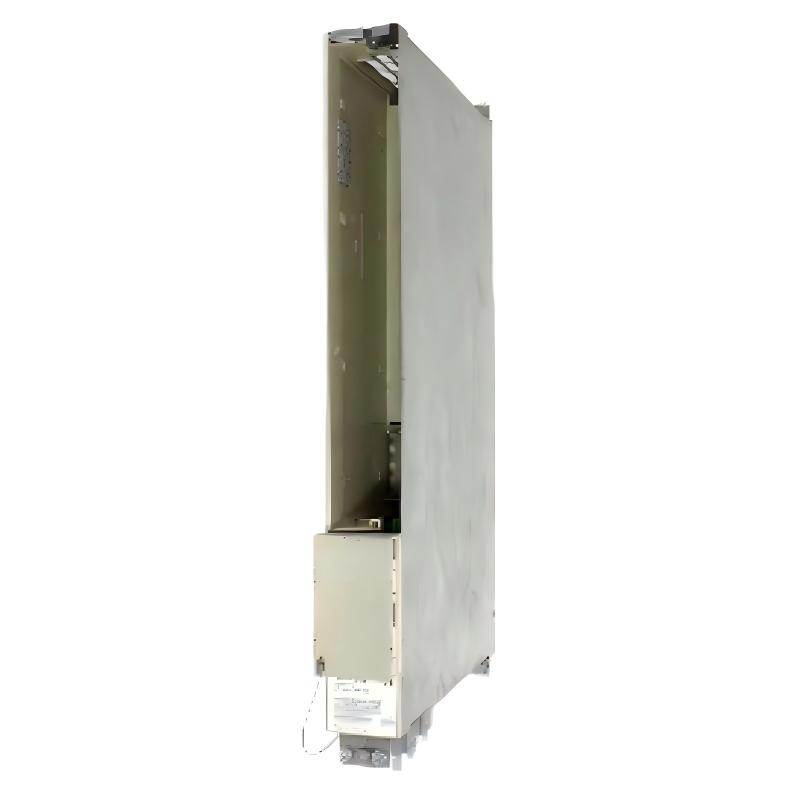
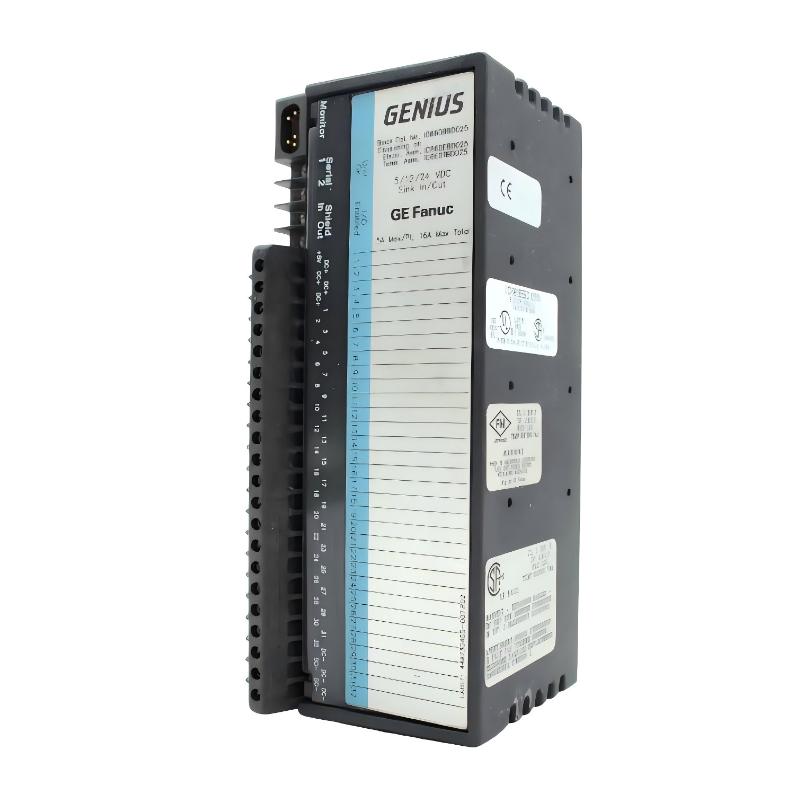
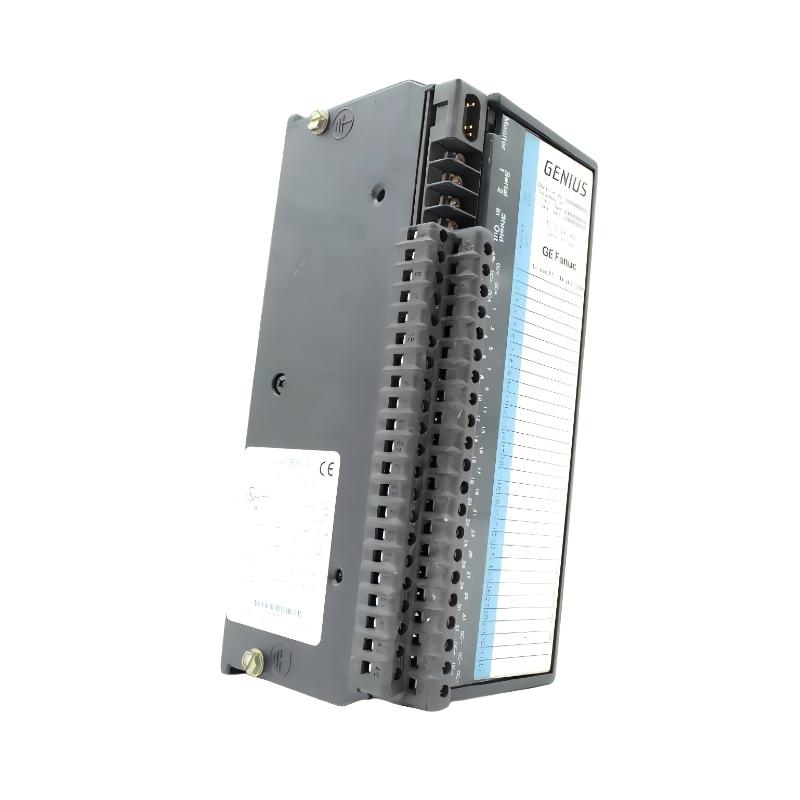
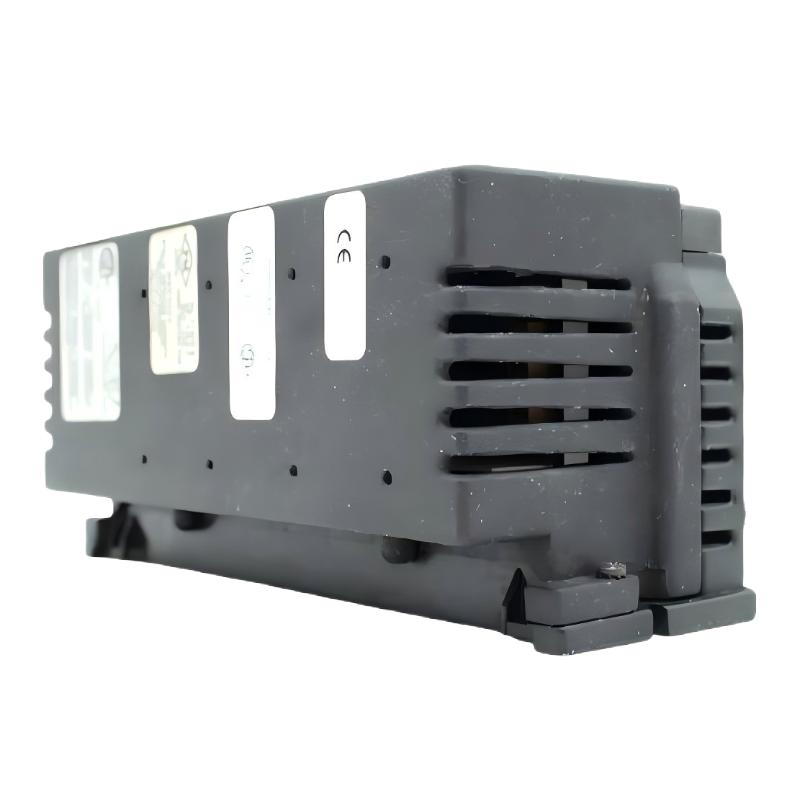
The GE IC660TBD025 Terminal Assembly is a key interface component within the GE Genius I/O distributed control system. It is designed to provide a structured and reliable wiring termination point between field devices and I/O modules, ensuring stable signal transmission and simplified maintenance in industrial automation environments.
This module is widely used in control cabinet installations where organized wiring, electrical reliability, and long-term operational stability are essential. It acts as a bridge between external field signals and internal control system processing units.
Technical Specifications
| Parameter | Specification |
|---|---|
| Manufacturer | GE |
| Model | IC660TBD025 |
| Product Type | Terminal Assembly |
| Function | Field wiring termination interface |
| Dimensions | 222.4 × 88.9 × 100 mm |
| Weight | 1.8 kg |
| Mounting Type | Panel-mounted / rack integration |
| System Compatibility | GE Genius I/O Series |
| Connection Type | Screw terminal block |
| Channel Configuration | 16-point (typical system design) |
| Rated Voltage | 24 / 48 V DC |
| Current Rating | Up to 2 A per channel |
| Operating Environment | Industrial-grade |
| Application Type | Distributed automation systems |
Function and Working Principle
The IC660TBD025 Terminal Assembly operates as a structured electrical interface between field wiring and GE Genius I/O modules.
Its working process includes:
- Receiving electrical input signals from field devices such as sensors and switches
- Providing secure screw-terminal connection points for organized wiring
- Ensuring stable signal continuity with minimal resistance and interference
- Transmitting processed signals to connected I/O modules for system execution
This design reduces wiring complexity while improving overall system reliability and diagnostic efficiency.
Role in Industrial Control Systems
Within GE Genius I/O architecture, the IC660TBD025 serves several critical functions:
- Acts as the primary field wiring termination interface
- Supports modular distributed control system design
- Enhances wiring organization inside control cabinets
- Improves signal integrity and system stability
- Simplifies maintenance and troubleshooting operations
It is an essential infrastructure component for scalable industrial automation systems.
Industrial Applications
The GE IC660TBD025 is commonly deployed in:
- Industrial automation production lines
- PLC-based control systems
- Oil and gas processing facilities
- Power generation and distribution systems
- Material handling and conveyor systems
- Chemical and manufacturing plants
Its robust structure ensures reliable performance in continuous industrial operation.
Installation and System Integration
Proper installation is essential for optimal performance:
- Install inside GE-compatible control cabinets or enclosures
- Securely mount onto panel or rack systems
- Ensure correct torque for screw terminal connections
- Maintain proper wire labeling for diagnostics
- Integrate with GE Genius I/O electronic modules
Following industrial wiring standards helps ensure long-term system stability.
Compatible System Components
The IC660TBD025 is typically used with:
- GE Genius I/O electronic modules
- PLC control processors
- Field sensors and industrial actuators
- System power supply units
- Communication interface modules
- Backplane or rack-based control systems
These components form a complete and scalable automation architecture.
Recommended Alternative Models
| Model | Type | Key Feature | Application |
|---|---|---|---|
| IC660TBD025 | Terminal Assembly | Standard 16-point interface | General automation systems |
| IC660TBD024 | Terminal Assembly | Proven industrial reliability | Standard installations |
| IC660TBD023 | Terminal Assembly | Enhanced durability design | Harsh environments |
| IC660TBD022 | Terminal Assembly | Stable signal performance | Medium-load systems |
| IC660TBA105 | Terminal Assembly | Heavy-duty structure | Industrial-grade applications |
Key Advantages
- Stable and reliable industrial wiring interface
- Designed for GE Genius I/O system integration
- Simplifies field wiring and installation processes
- Strong mechanical durability for harsh environments
- Supports continuous 24/7 industrial operation
- Enhances system maintainability and diagnostics
Technical FAQs
What is the main function of IC660TBD025?
It provides a structured terminal interface for connecting field wiring to GE Genius I/O modules.
Is it compatible with other GE IC660 modules?
Yes, it is part of the GE Genius I/O product family and is designed for full compatibility.
What type of systems use this module?
It is used in distributed control systems, PLC automation, and industrial process control.
Is it suitable for industrial environments?
Yes, it is designed for continuous operation in industrial-grade conditions.
Conclusion
The GE IC660TBD025 Terminal Assembly is a reliable industrial wiring interface designed for GE Genius I/O systems. It ensures stable signal transmission, simplified wiring management, and long-term operational reliability in demanding industrial environments.
For automation engineers and system integrators, it provides a robust solution for building scalable and maintainable control system architectures.