

ProductPRODUCT
Featured products
Contact Us
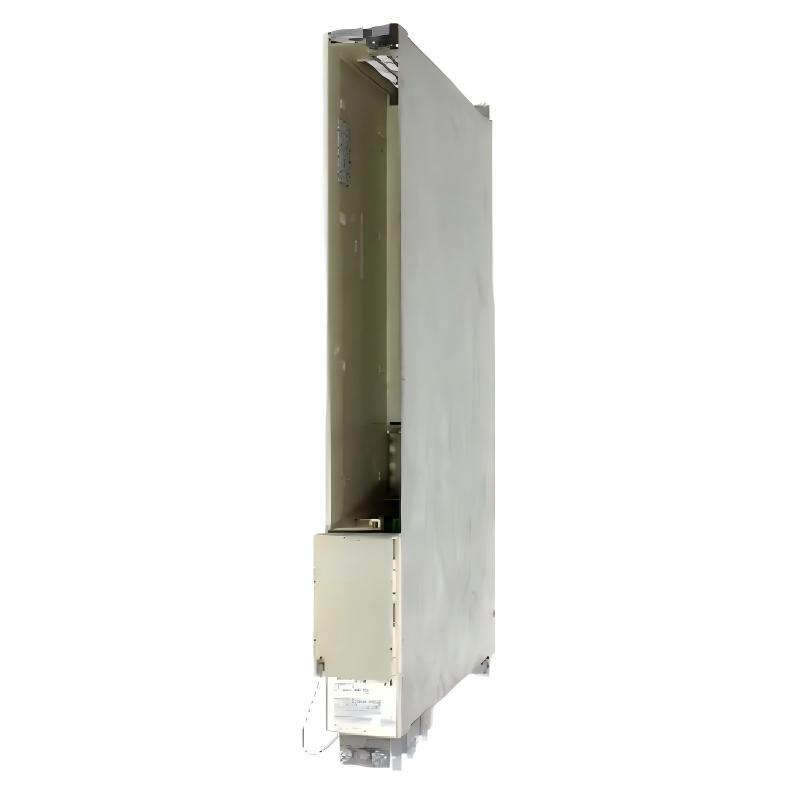
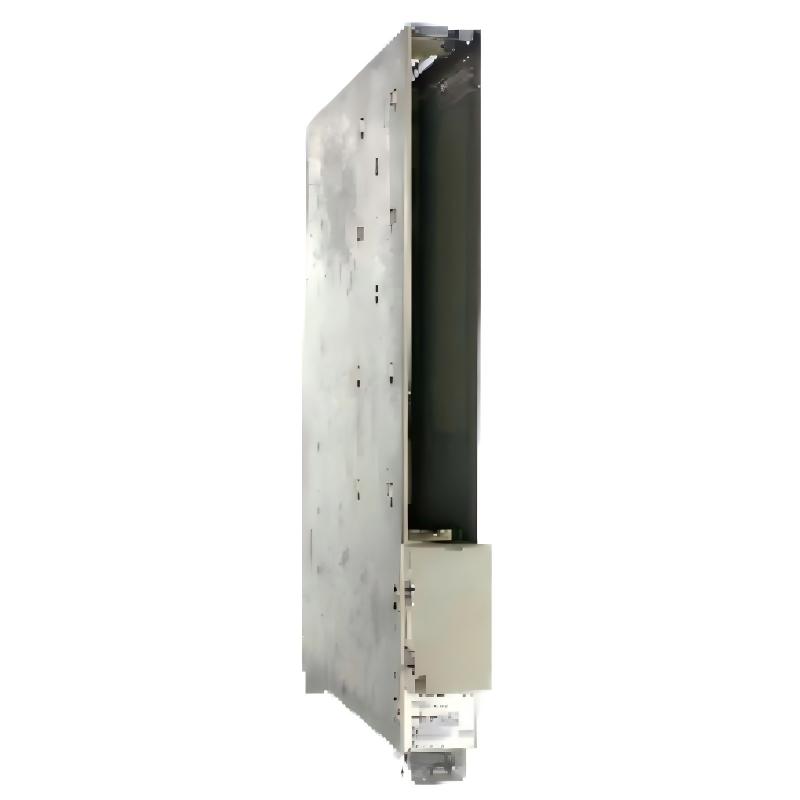
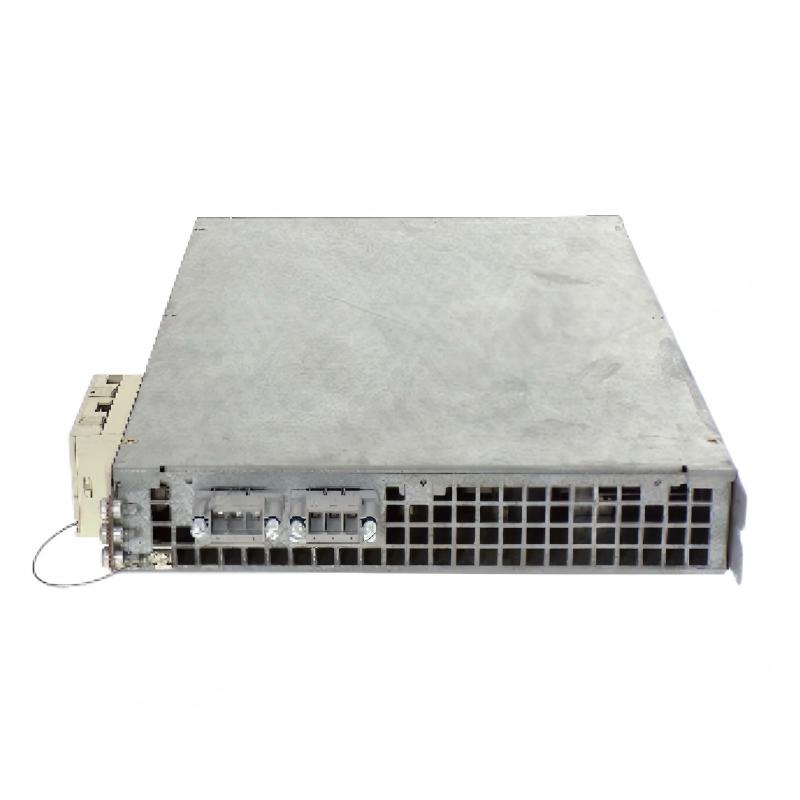
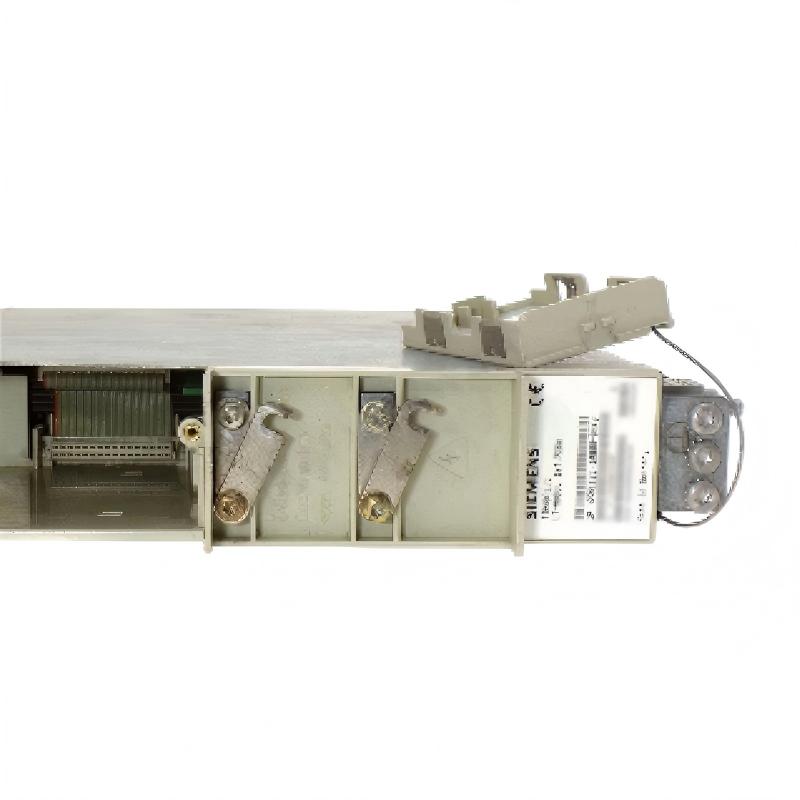
- Siemens
- 6SN1123-1AB00-0HA0
- Power Module
- Germany
- 305 × 760 × 483 mm
- 4 kg
- Xiamen, China
- New & In Stock
- T/T, PayPal, Western Union
- 1 Year
- 1-3 Working Days
- DHL, UPS, TNT, FedEx and EMS.
- 24-Hour Service
- COO
- 1
Our advantage

Global Logistics
We have a 10-year logistics and express cooperation agreement, so our products can be shipped to any place in the world.

Brand new and original
Our products are imported in bulk from the place of origin. Because of the cooperative relationship, our products are all original and 100% new.

24-hour service
We provide 7*24 hours service to our customers. We will be there whenever you need us.

Price advantage
All our products are priced very favorably because we have our own warehouse and supply.
| Company Information | |||
| [email protected] | |||
| Mobile | +8615980777398 | ||
| +8615980777398 | |||
| 15980777398 |
1. Product Overview
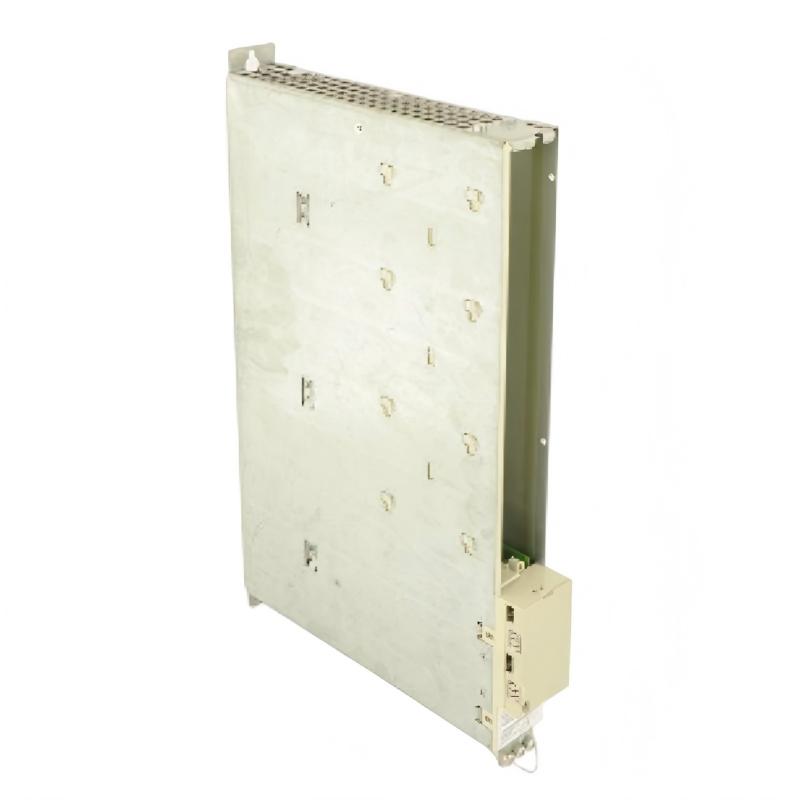
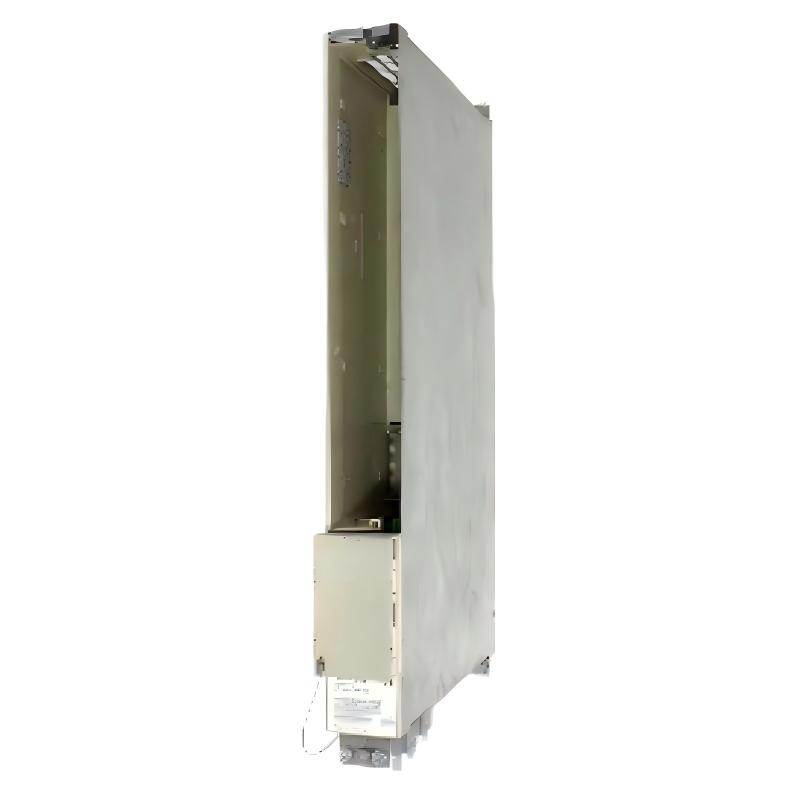
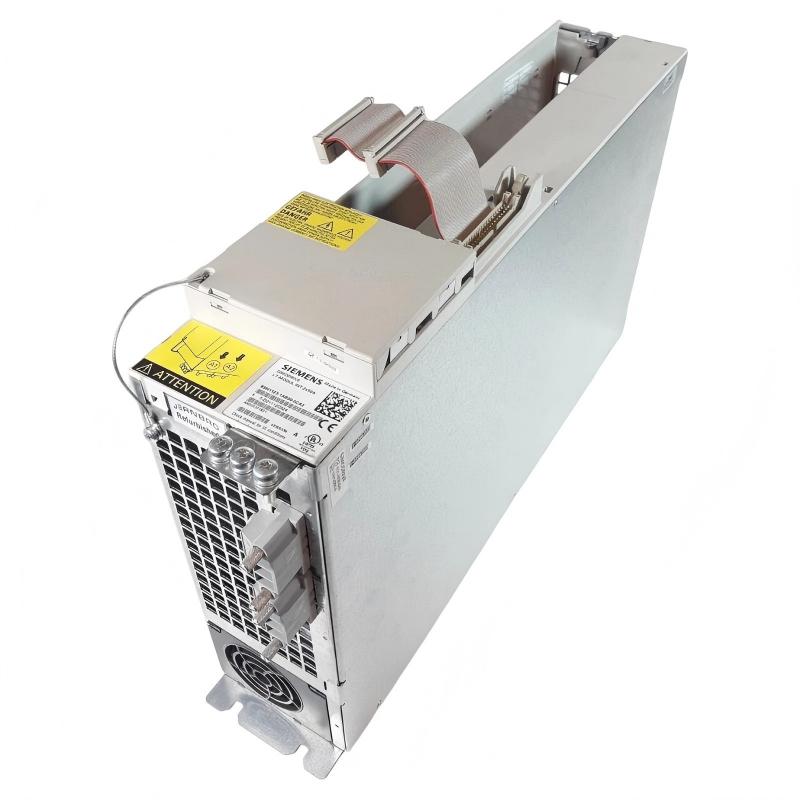
The Siemens 6SN1123-1AB00-0HA0 Power Module is an industrial automation component associated with drive and motion-control equipment. Power modules are important parts of industrial drive systems, where electrical power must be managed to support controlled motor operation and reliable machine performance.
In manufacturing environments, drive systems are used in applications such as machine tools, automated production equipment, material handling, and other machinery requiring controlled movement. The selection and maintenance of compatible drive components can directly affect system availability, equipment reliability, and production efficiency.
The Siemens 6SN1123-1AB00-0HA0 may be considered for maintenance, repair, or replacement work when its exact specifications match the installed drive configuration. Before purchasing or installing this component, users should verify the complete model number, electrical ratings, hardware revision, connector arrangement, and compatibility with the existing Siemens system.
For industrial spare-parts buyers, automation engineers, and maintenance professionals, accurate model identification is an essential step in reducing replacement errors and supporting long-term equipment maintenance.
2. Technical Specifications
| Parameter | Specification |
|---|---|
| Brand | Siemens |
| Model Number | 6SN1123-1AB00-0HA0 |
| Product Type | Power Module |
| Product Category | Industrial Drive and Motion-Control Equipment |
| Dimensions | 305 × 760 × 483 mm |
| Weight | 4 kg |
| Primary Application | Compatible industrial drive and automation systems |
| System Function | Power-system support, subject to the exact product configuration |
| Installation Environment | Appropriate industrial enclosure or designated equipment installation area |
| Typical Industry Sectors | Manufacturing, machine tools, industrial automation, and production equipment |
| Compatibility | Must be verified against the installed drive system |
Note: The dimensions and weight are based on the supplied product information. Electrical ratings, power capacity, supported motor types, cooling requirements, and specific drive compatibility should be confirmed using the product nameplate and technical documentation. The supplied dimensions should also be checked against the actual unit before cabinet planning or installation.
3. Function and Working Principle
Power modules form part of the electrical architecture used by industrial drive systems. Depending on the specific drive family, the power section may support the conversion, handling, or delivery of electrical energy required for motor operation.
The exact internal design and function of the Siemens 6SN1123-1AB00-0HA0 should not be inferred from its model number alone. Its role must be determined from the drive system in which it is installed.
3.1 Electrical Power Management
Industrial drive equipment must operate within defined electrical limits. Voltage, current capacity, protective devices, grounding, and supply conditions all influence system performance.
A correctly selected power module helps maintain compatibility with the intended drive configuration. Using an unsuitable component can result in faults, unstable operation, or equipment damage.
3.2 Coordination with Drive Controls
Drive systems typically combine power electronics with control electronics. The control section processes commands and manages operating conditions, while the power section supports the electrical requirements of the connected equipment.
Both sections must be compatible in terms of hardware, interfaces, and supported operating conditions. A replacement should therefore be evaluated as part of the complete drive system rather than as an isolated spare part.
3.3 Support for Motor-Driven Machinery
Industrial motors are used to move machine axes, conveyors, mechanical assemblies, and other equipment. The drive system manages motor operation according to its design and configuration.
The overall result depends on the power module, motor, feedback devices where applicable, control parameters, wiring, and mechanical load. Correct component selection supports predictable operation and reduces the likelihood of compatibility-related faults.
3.4 Protection and Diagnostics
Industrial drive installations may provide diagnostic information related to electrical faults, temperature, overloads, and other abnormal operating conditions. Available functions vary by system design.
When a fault occurs, technicians should examine the diagnostic messages and investigate the associated components before deciding that the power module needs replacement.
4. Role in Industrial Automation Systems
The Siemens 6SN1123-1AB00-0HA0 may be relevant to industrial drive-system maintenance and integration where the exact component is specified for the application.
4.1 Machine Tools and Motion Control
Machine tools depend on coordinated electrical and mechanical systems to perform cutting, positioning, and other machine operations. Drive-system reliability can affect production accuracy, cycle time, and equipment availability.
During maintenance, engineers must verify that replacement power components are suitable for the original drive configuration and its associated motors and control electronics.
4.2 Automated Production Equipment
Production lines commonly use drive systems for movement, feeding, positioning, and material transfer. A drive-related fault can interrupt one machine or affect multiple connected processes.
Maintaining accurate spare-parts records and confirming component compatibility can help reduce the time required to restore equipment operation.
4.3 Industrial Equipment Repair
When an existing drive system develops a fault, maintenance personnel should identify the root cause before replacing hardware. Problems that appear to originate in the power section may instead be caused by supply disturbances, motor wiring, cooling problems, or other components.
A systematic diagnostic procedure helps prevent unnecessary replacement and reduces the risk of recurring failures.
4.4 System Upgrades and Refurbishment
When upgrading or refurbishing an industrial machine, engineers should evaluate the entire drive configuration. A replacement component may require checks of electrical interfaces, cabinet space, mounting, cooling, protection settings, and commissioning procedures.
A compatibility review is especially important when the original equipment has been operating for many years or when several drive components are being replaced together.
5. Industrial Applications
The suitability of the Siemens 6SN1123-1AB00-0HA0 depends on its verified specifications and the requirements of the host system. Industrial environments that use compatible drive power components may include:
- Machine tools: Supporting the drive architecture used for controlled machine movement.
- Automated manufacturing: Contributing to drive systems used in production equipment.
- Material handling: Supporting compatible electrically driven mechanisms for moving materials.
- Industrial assembly equipment: Forming part of drive installations used for machine positioning and coordinated operations.
- Packaging machinery: Supporting compatible motor-drive systems within automated packaging lines.
- Maintenance and refurbishment projects: Serving as a replacement candidate when approved by the system specifications.
These are general application categories for industrial drive components, not a confirmation that every listed application is supported by this exact model.
6. Installation and System Integration
Correct installation helps protect the module, the drive system, and personnel. Installation and commissioning should be performed by qualified technicians following the applicable equipment instructions and electrical safety procedures.
6.1 Confirm the Exact Model
Before installation, verify that the component label identifies Siemens 6SN1123-1AB00-0HA0. Compare it with the original part and the approved equipment documentation.
Check electrical ratings, supported drive configuration, connectors, mounting requirements, cooling arrangements, and any hardware revision restrictions. Do not assume that similar model numbers are interchangeable.
6.2 Isolate the Electrical Supply
Before opening the equipment or handling the module, disconnect the appropriate power sources and follow the required lockout and isolation procedures.
Industrial drive equipment may retain hazardous electrical energy after shutdown. Wait for the specified discharge time and verify the absence of dangerous voltage using an approved procedure before beginning work.
6.3 Inspect the Enclosure and Surrounding Components
Check the installation area for:
- Dust, conductive debris, or contamination.
- Evidence of overheating or electrical damage.
- Damaged cables, connectors, or insulation.
- Restricted ventilation or cooling airflow.
- Loose mounting hardware or signs of vibration.
- Moisture, corrosion, or other environmental damage.
Resolve any underlying installation problems before fitting a replacement module.
6.4 Verify Dimensions and Mounting
The supplied dimensions are 305 × 760 × 483 mm, with a stated weight of 4 kg. Confirm these measurements against the physical unit and the relevant product documentation before planning the mounting arrangement.
Ensure that the enclosure provides adequate clearance, mechanical support, cable access, and ventilation. Use the specified mounting hardware and installation procedure.
6.5 Check Electrical Connections
Inspect connectors, wiring, protective grounding, and cable routing. Confirm that each connection matches the system wiring diagram and that no cables are damaged or incorrectly positioned.
Do not modify connectors or wiring based solely on appearance. Incorrect connections can cause equipment damage, unexpected faults, or electrical hazards.
6.6 Commission the Equipment
After installation, follow the approved commissioning sequence for the complete drive system. Depending on the equipment, this may involve checking configuration parameters, confirming the status of associated components, reviewing alarms, and testing operation under controlled conditions.
Return the machine to production only after the required safety and operational checks have been completed. Document the replacement, inspection results, configuration changes, and final operating status.
7. Troubleshooting Common Problems
A fault in a drive system does not automatically indicate that the power module has failed. A structured troubleshooting process can help distinguish component failure from problems elsewhere in the installation.
7.1 Drive System Fails to Start
Possible causes:
- Missing or incorrect electrical supply.
- An active interlock or safety condition.
- Loose or damaged wiring.
- A fault in another drive component.
- An incompatible replacement module.
Recommended checks:
- Review the drive’s alarm history and diagnostic information.
- Verify the supply and protective-device status using approved procedures.
- Inspect relevant connectors and cables after safe electrical isolation.
- Confirm the exact model and system compatibility.
- Follow the system-specific troubleshooting instructions before replacing additional components.
7.2 Overtemperature or Cooling-Related Alarms
Possible causes:
- Restricted airflow.
- Excessive ambient temperature.
- Cooling-system malfunction.
- High operating load.
- Contamination around ventilation openings.
Recommended checks:
Inspect the cabinet environment and cooling arrangements. Confirm that operating conditions meet the system requirements. Do not assume that a thermal alarm means the module itself is defective.
7.3 Repeated Electrical or Overcurrent Faults
Possible causes:
- Motor or cable problems.
- Excessive mechanical load.
- Supply instability.
- Incorrect configuration parameters.
- A fault in the power section or another drive component.
Recommended checks:
Review the alarm history and determine when the fault occurs. Inspect the motor, cables, mechanical load, and associated drive components using approved procedures. Avoid repeatedly resetting the equipment without identifying the underlying cause.
7.4 Intermittent Operation
Possible causes:
- Loose connections.
- Excessive vibration.
- Temperature-related instability.
- Unstable supply conditions.
- Intermittent faults in connected equipment.
Recommended checks:
Record the operating conditions and fault timestamps. Inspect the installation for mechanical and electrical problems after proper isolation. If the fault continues, conduct further diagnosis according to the drive system’s troubleshooting procedure.
7.5 Faults Continue After Replacement
Possible causes:
- The original fault was not caused by the module.
- The replacement is incompatible.
- Wiring or connectors are incorrect.
- Configuration or commissioning steps are incomplete.
- Another system component is defective.
Recommended checks:
Verify the complete model number and compatibility requirements. Review the wiring, configuration, and diagnostic information. Confirm that the replacement procedure was completed correctly before determining whether the replacement unit is faulty.
8. Compatible System Components
The module should be evaluated within the complete drive architecture. Depending on the installation, the following component categories may require compatibility checks.
| Component Category | System Role | Verification Requirement |
|---|---|---|
| Drive control electronics | Manages drive commands and operating functions | Confirm compatibility with the host drive |
| Motor | Converts electrical energy into mechanical movement | Verify motor ratings and drive suitability |
| Power cables | Connect electrical power to the relevant equipment | Check cable specifications and connection arrangements |
| Feedback devices | Provide position or speed information where applicable | Confirm interface compatibility |
| Power supply and protection | Supplies and protects the electrical system | Verify ratings and protective-device requirements |
| Cooling equipment | Maintains appropriate operating temperatures | Confirm required cooling arrangements |
| Machine controller | Coordinates machine-level commands | Check control interfaces and system integration |
The actual components required for the Siemens 6SN1123-1AB00-0HA0 must be established from the installed equipment configuration and applicable technical documentation.
9. Replacement and Alternative Selection
When sourcing a replacement power module, matching the product category alone is insufficient. Electrical characteristics, hardware interfaces, mounting arrangements, and supported drive configurations must also match.
| Selection Criterion | What to Verify |
|---|---|
| Exact model | Confirm Siemens 6SN1123-1AB00-0HA0 |
| Electrical ratings | Verify the required input, output, and current specifications |
| Drive compatibility | Confirm suitability for the installed drive system |
| Physical dimensions | Check the stated 305 × 760 × 483 mm measurements against the actual unit |
| Weight and support | Confirm the stated 4 kg weight and required mechanical support |
| Connectors | Verify the connector types and wiring arrangement |
| Hardware revision | Check any revision-specific requirements |
| Cooling | Confirm ventilation and thermal requirements |
| Commissioning | Identify required configuration and startup procedures |
If the original component is unavailable, select a manufacturer-approved replacement or an alternative confirmed by a qualified drive-system engineer. A similar model number or physical appearance is not sufficient proof of interchangeability.
10. Key Advantages of Proper Component Selection
Improved System Reliability
Selecting a component that matches the original system specifications helps reduce compatibility risks and supports reliable drive operation.
More Efficient Maintenance
Accurate model identification and documented replacement procedures help maintenance teams plan repairs and manage spare-parts inventory.
Reduced Installation Risk
Checking dimensions, electrical ratings, connectors, grounding, and cooling requirements before installation helps prevent avoidable errors.
Better Fault Diagnosis
A structured troubleshooting process helps distinguish module-related failures from problems involving motors, cabling, supply power, cooling, and control electronics.
Long-Term Equipment Support
Maintaining component records and verifying replacement suitability can help extend the useful service life of industrial machinery and simplify future maintenance.
11. Technical FAQs
Q1. What is the Siemens 6SN1123-1AB00-0HA0?
It is identified as a Siemens industrial power module associated with drive and automation equipment. Its exact function and system compatibility should be confirmed using the documentation for the specific installation.
Q2. What are the dimensions of the 6SN1123-1AB00-0HA0?
The supplied dimensions are 305 × 760 × 483 mm. Verify these measurements against the physical unit and the installation documentation before planning cabinet space.
Q3. What is the stated weight?
The supplied weight is 4 kg. Confirm the physical unit’s weight and mounting requirements when preparing the installation.
Q4. Can it replace another Siemens 6SN1123-series module?
Not automatically. Modules in the same series may have different electrical ratings, interfaces, or compatibility requirements. Confirm interchangeability before ordering or installation.
Q5. What should be checked before installation?
Verify the full model number, electrical specifications, drive compatibility, mounting arrangement, connectors, grounding, cooling requirements, and commissioning procedure. Always isolate hazardous energy before handling the equipment.
Q6. Why might the drive still report an alarm after replacement?
The alarm may originate from wiring, the motor, feedback devices, supply power, cooling, configuration, or another drive component. Review diagnostic information and investigate the complete system before assuming that the replacement module has failed.
Q7. Is this module suitable for every Siemens drive system?
No. Suitability depends on the exact drive architecture and its electrical and mechanical requirements. Confirm compatibility with the installed system before purchasing.
Q8. What information should be recorded after replacement?
Record the installed model, available serial and revision information, original fault symptoms, inspection results, configuration changes, commissioning checks, and final operating condition.
12. Conclusion
The Siemens 6SN1123-1AB00-0HA0 Power Module is an industrial automation component to consider for drive-system maintenance and replacement when confirmed compatible with the host equipment. The supplied product information lists dimensions of 305 × 760 × 483 mm and a weight of 4 kg.
Reliable installation depends on accurate model identification, verification of electrical and mechanical requirements, safe handling, appropriate cooling, and systematic commissioning. When troubleshooting, engineers should examine the complete drive system rather than assuming that every power-related alarm originates from the module.
For industrial spare-parts procurement, confirming the complete order number and system compatibility before purchase is the most effective way to reduce replacement risk and support reliable equipment maintenance.