

ProductPRODUCT
Featured products

Contact Us
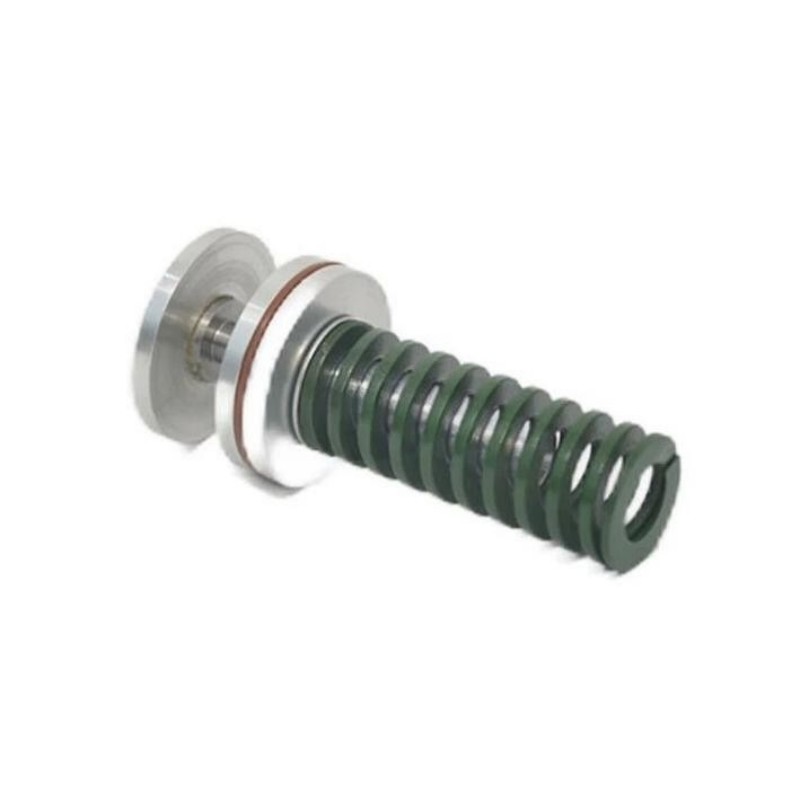
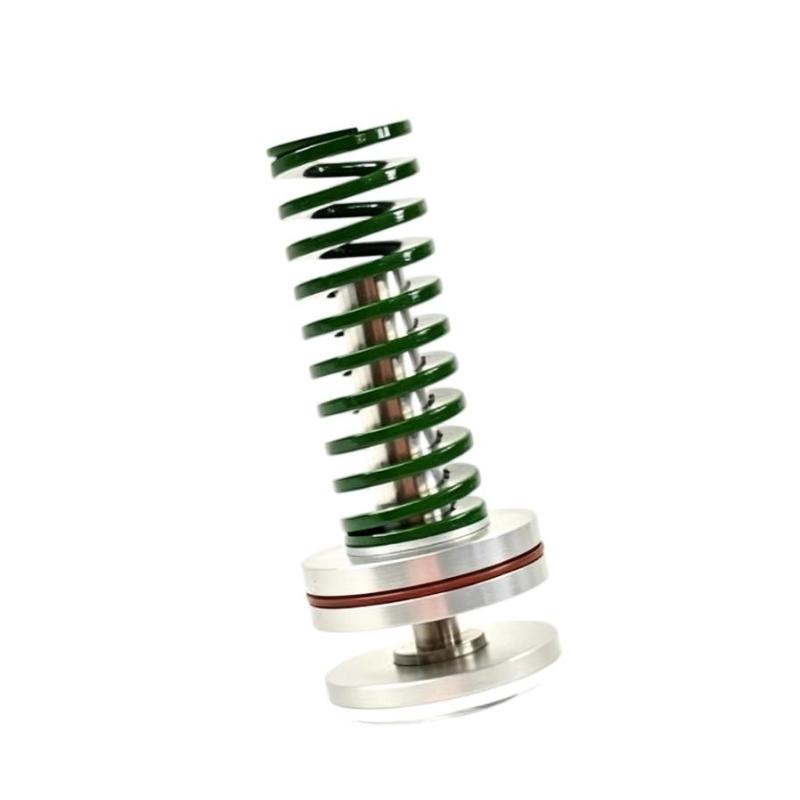
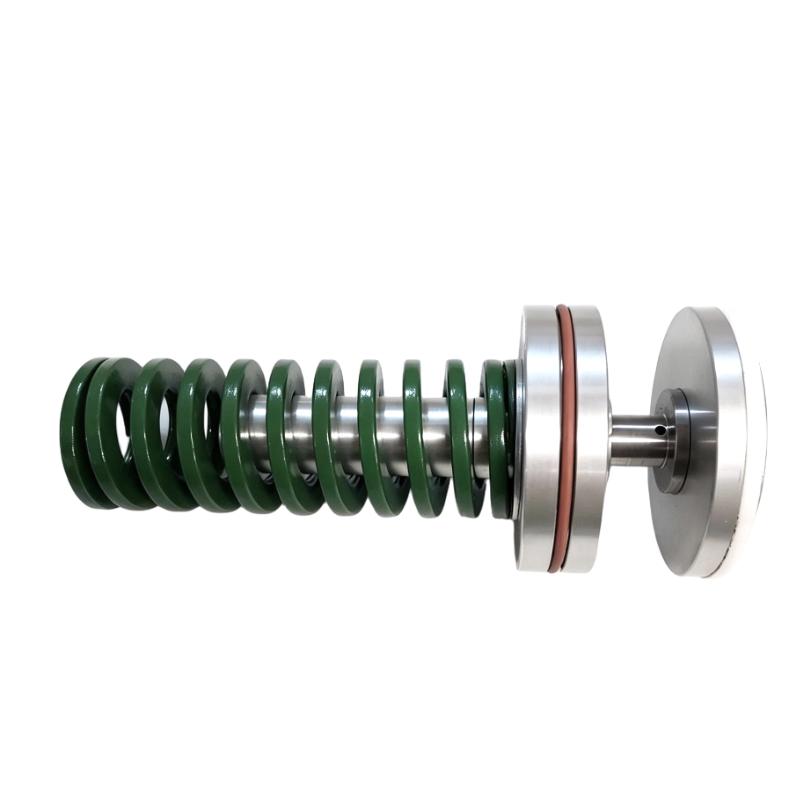
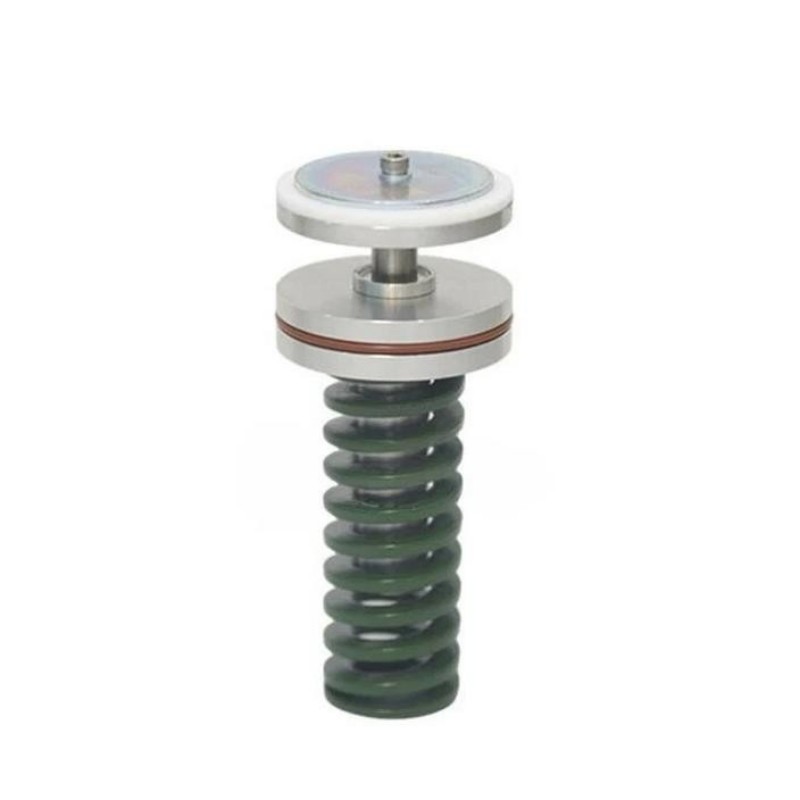
- Ingersoll Rand
- 47572173001 99289894
- Minimum Pressure Check Valve Repair Kit
- USA
- 84 × 84 × 202 mm
- 1.41 kg
- Xiamen, China
- New & In Stock
- T/T, PayPal, Western Union
- 1 Year
- 1-3 Working Days
- DHL, UPS, TNT, FedEx and EMS.
- 24-Hour Service
- COO
- 3
Our advantage

Global Logistics
We have a 10-year logistics and express cooperation agreement, so our products can be shipped to any place in the world.

Brand new and original
Our products are imported in bulk from the place of origin. Because of the cooperative relationship, our products are all original and 100% new.

24-hour service
We provide 7*24 hours service to our customers. We will be there whenever you need us.

Price advantage
All our products are priced very favorably because we have our own warehouse and supply.
| Company Information | |||
| [email protected] | |||
| Mobile | +8615980777398 | ||
| +8615980777398 | |||
| 15980777398 |
1. Product Overview
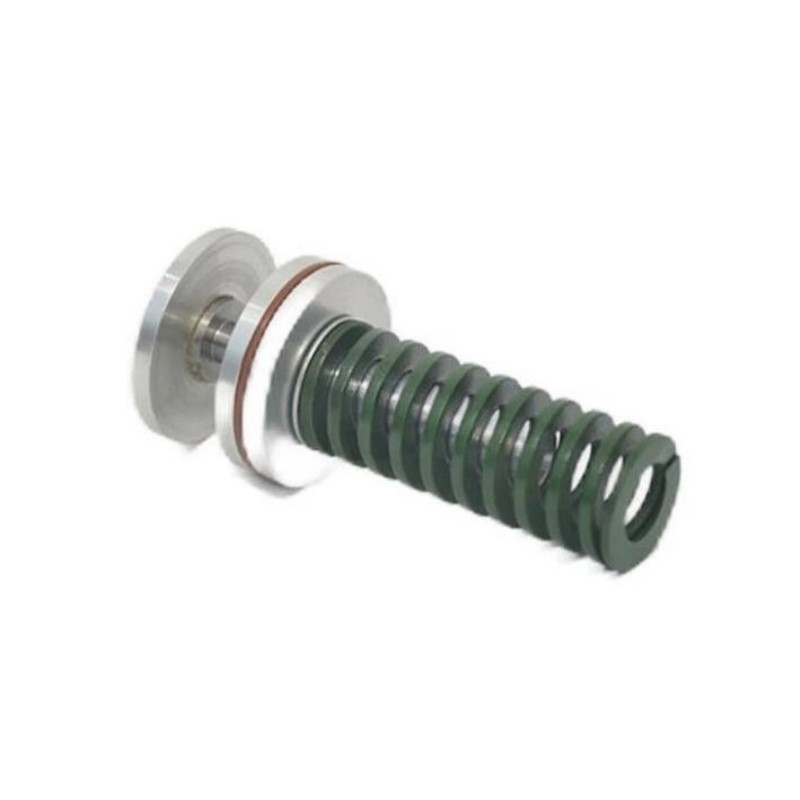
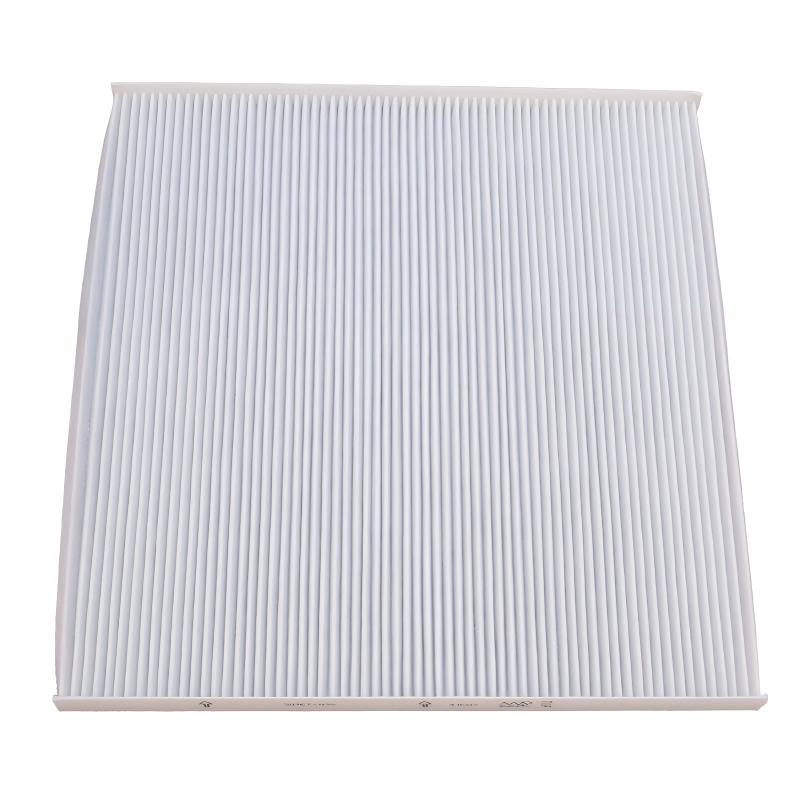
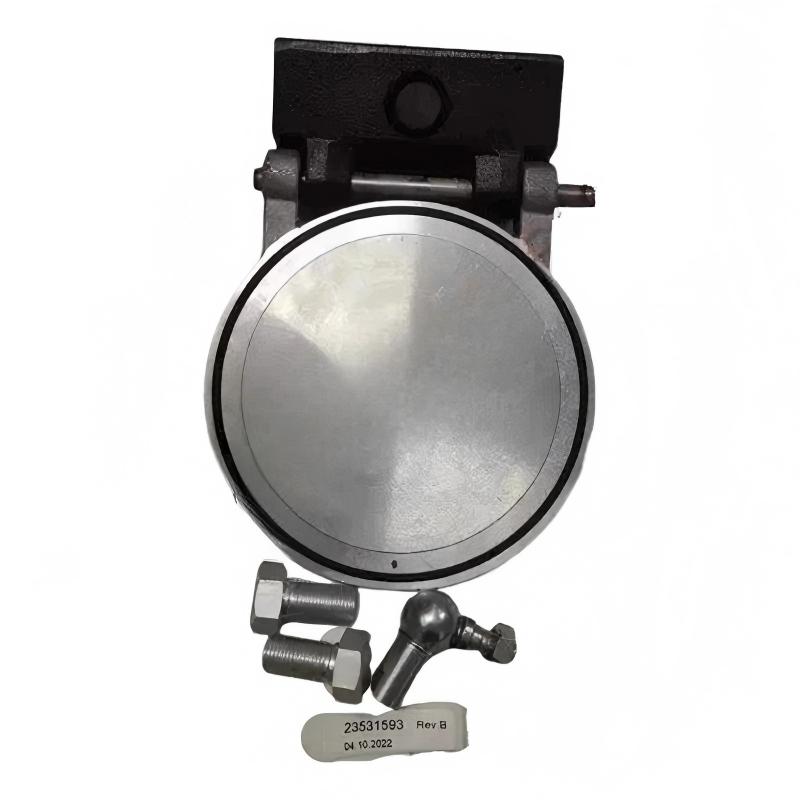
The Ingersoll Rand 99289894 Minimum Pressure Check Valve Repair Kit, identified by product reference 47572173001, is a maintenance spare part intended for servicing a compatible minimum pressure check valve assembly. This type of valve is commonly used in compressor systems to help maintain the required internal pressure and control airflow through the compressor circuit.
In a compressor system, the minimum pressure valve helps maintain an appropriate pressure level within the separator or associated pressure vessel during operation. Depending on the system design, the check-valve function also helps prevent reverse airflow when operating conditions change or the compressor stops. These functions support the intended operation of the compressor’s air and lubrication systems.
Over time, valve components and sealing elements may wear, become contaminated, or lose their ability to maintain the required sealing performance. A suitable repair kit can support planned maintenance by providing the parts needed to service the designated valve assembly, subject to the kit’s actual contents and equipment compatibility.
The Ingersoll Rand 99289894 Minimum Pressure Check Valve Repair Kit has listed dimensions of 84 × 84 × 202 mm and a weight of 1.41 kg. These details are useful for product identification, spare-parts inventory management, and procurement planning.
Before ordering or installing the kit, maintenance personnel should confirm the compressor model, valve assembly, part number, and kit contents against the applicable equipment documentation.
2. Technical Specifications
| Parameter | Specification |
|---|---|
| Brand | Ingersoll Rand |
| Product Reference | 47572173001 |
| Part Number | 99289894 |
| Product Name | Minimum Pressure Check Valve Repair Kit |
| Product Category | Compressor valve maintenance spare part |
| Dimensions | 84 × 84 × 202 mm |
| Listed Weight | 1.41 kg |
| Primary Function | Repair and maintenance of a compatible minimum pressure check valve |
| Equipment Type | Compatible industrial compressor systems |
| Installation Type | Valve assembly servicing |
| Replacement Requirements | Confirm the correct kit and component arrangement before installation |
The dimensions and weight above are based on the supplied product information. The exact kit contents, compatible compressor models, pressure settings, connection sizes, material specifications, and service limits should be verified for the specific part number.
3. Function and Working Principle
3.1 Maintaining Minimum Operating Pressure
A minimum pressure valve is designed to maintain a specified minimum pressure within a compressor system under particular operating conditions. In many oil-injected rotary screw compressors, maintaining internal pressure helps support the intended circulation and separation of oil from compressed air.
When the compressor starts, the valve may remain closed or restrict downstream flow until the required pressure conditions are reached. Once the appropriate operating conditions are established, the valve opens to allow compressed air to move into the downstream system.
The precise opening pressure and operating sequence depend on the compressor and valve design. They should not be assumed without the relevant equipment specifications.
3.2 Preventing Reverse Flow
The check-valve function helps limit reverse airflow through the valve when the pressure conditions change. Depending on the system design, this can help prevent downstream air from flowing back into the compressor circuit after shutdown.
If the valve’s sealing elements or moving parts become worn or damaged, reverse leakage may occur. Servicing the valve with the correct repair kit can help restore its intended function when the underlying problem is repairable and the valve body remains serviceable.
3.3 Supporting Pressure Stability
The minimum pressure valve contributes to the compressor’s intended pressure-control arrangement. If it sticks, leaks, or fails to open correctly, the system may experience abnormal pressure behavior, delayed air delivery, or other operational symptoms.
A repair kit provides maintenance components for the specified assembly. Successful repair still depends on correct diagnosis, inspection of reusable parts, and compliance with the manufacturer’s service procedure.
3.4 Maintaining Sealing Performance
Valve assemblies commonly rely on sealing components to prevent unwanted leakage. These components can deteriorate through normal service, contamination, temperature exposure, or repeated operating cycles.
Replacing the designated service parts can help restore sealing performance, provided the valve housing, spring, moving elements, and other reusable components remain within acceptable condition.
4. Role in Industrial Compressor Systems
4.1 Supporting Compressor Startup
During startup, the compressor may need to establish internal pressure before delivering compressed air to the downstream system. The minimum pressure valve helps manage this operating sequence according to the compressor’s design.
A valve that does not operate correctly may contribute to abnormal startup behavior or delayed system pressure buildup. These symptoms require diagnosis because other compressor components can produce similar problems.
4.2 Supporting Oil Circulation in Oil-Injected Compressors
In many oil-injected rotary screw compressors, internal pressure helps support oil circulation and separation. The minimum pressure valve forms part of the pressure-management arrangement used by the compressor.
If internal pressure is not maintained as intended, the compressor may exhibit abnormal oil-related behavior. However, not every oil-circulation problem originates from the minimum pressure valve; oil level, filters, separator condition, and other system components should also be considered.
4.3 Preventing Unwanted Reverse Airflow
The check-valve function helps limit reverse flow when the compressor shuts down or when downstream pressure exceeds the relevant upstream pressure. A faulty valve may allow pressure to return through the compressor circuit, depending on the system configuration.
Correct servicing helps maintain the intended directional-flow behavior.
4.4 Reducing Unplanned Maintenance
Scheduled inspection and timely repair of a defective valve can help reduce repeated operating problems and unexpected downtime. Maintenance personnel should monitor relevant operating symptoms and investigate abnormal pressure readings rather than replacing components without confirming the cause.
5. Industrial Applications
The Ingersoll Rand 99289894 Minimum Pressure Check Valve Repair Kit is intended for the compatible valve assembly identified by its part number. Typical application environments for minimum pressure check valve maintenance include:
- Industrial air compressors: Servicing a compatible minimum pressure and check-valve assembly.
- Manufacturing plants: Maintaining compressor systems that supply pneumatic equipment and production machinery.
- Industrial utility systems: Supporting compressed-air generation for plant services.
- Workshop compressor installations: Repairing compatible compressor valve assemblies according to the equipment requirements.
- Preventive maintenance programs: Replacing designated service components during scheduled compressor overhaul.
- Compressor repair facilities: Servicing a valve assembly after inspection identifies worn or damaged components.
These categories describe common industrial environments for this type of repair kit. They do not confirm compatibility with every Ingersoll Rand compressor model. Always check the relevant equipment parts list before installation.
6. Installation and System Integration
Correct installation is essential to restoring the intended operation of a minimum pressure check valve. The following procedure provides general maintenance guidance and must be adapted to the exact compressor and valve design.
6.1 Confirm the Repair Kit
Before beginning work, verify the following:
- Confirm the part number 99289894.
- Check the product reference 47572173001.
- Confirm compatibility with the compressor model and installed valve assembly.
- Review the kit contents and identify the components required for the repair.
- Check the condition of the replacement parts and packaging.
- Obtain the correct service instructions and any required replacement specifications.
Do not assume that a kit is suitable simply because it is listed for a similar compressor or has matching external dimensions.
6.2 Shut Down and Isolate the Compressor
Stop the compressor according to the approved shutdown procedure. Isolate the electrical supply and apply the required lockout/tagout measures.
Depressurize the relevant system sections according to the manufacturer’s instructions. Confirm that trapped pressure has been safely released before opening the valve assembly. Compressor vessels and connected piping can retain pressure even after the machine stops.
Allow hot components to cool and wear the appropriate personal protective equipment. Never dismantle a pressurized valve or pressure-containing assembly.
6.3 Remove the Valve Assembly
Follow the equipment-specific procedure to access and remove the minimum pressure check valve, if removal is required.
Record the position and orientation of relevant components before disassembly. Keep small parts organized and protect open ports from dirt, metal particles, and other contaminants.
Avoid applying excessive force to the valve body, threaded connections, or sealing surfaces.
6.4 Inspect the Valve Components
After disassembly, inspect the valve body and reusable components for:
- Wear or damage to sealing surfaces.
- Contamination or deposits that restrict movement.
- Corrosion or pitting.
- Damaged threads or connection surfaces.
- Sticking or abnormal movement of internal components.
- Cracks, deformation, or other defects that could affect safe operation.
A repair kit cannot correct a damaged valve body or a defective component that is not included in the kit. Replace the complete assembly when the condition of the reusable parts makes repair unsuitable.
6.5 Install the Repair Kit Components
Clean the service area using an approved method. Install the replacement components in the correct positions and orientations, following the equipment’s service instructions.
Use only lubricants, sealants, and assembly materials approved for the specific valve and compressor. Do not substitute materials or alter springs, shims, or other pressure-related components to achieve a desired operating result.
Follow the specified tightening sequence and torque values wherever applicable. Incorrect assembly may cause leakage, sticking, or abnormal pressure behavior.
6.6 Reinstall and Test the Valve
Reinstall the valve assembly according to the compressor manufacturer’s procedure. Reconnect the relevant lines and fittings, and confirm that all required seals and fasteners are correctly installed.
Before returning the compressor to normal service, perform the inspections and functional tests required by the equipment documentation. Check for leakage and abnormal pressure behavior under the specified test conditions.
If the valve does not operate within the required limits, stop the test and investigate the cause rather than adjusting the assembly without authorization.
6.7 Record the Maintenance Work
Record the installed kit part number, maintenance date, compressor identification, replaced components, and test results. These records help support traceability and provide useful information when investigating future valve or pressure-control problems.
7. Troubleshooting Common Problems
7.1 Compressor Takes Too Long to Build Pressure
Possible causes:
- The minimum pressure valve is sticking or opening incorrectly.
- The valve has internal leakage.
- The compressor has another pressure-control or air-delivery problem.
- A filter, separator, or related component is restricted.
- The system has an external air leak.
Recommended actions:
- Compare startup behavior with the equipment’s normal operating characteristics.
- Review relevant pressure readings and alarms.
- Inspect the minimum pressure valve according to the approved service procedure.
- Check other possible causes, including air leaks and restrictions.
- Repair or replace the affected component after confirming the fault.
Do not assume that a defective minimum pressure valve is the only cause of slow pressure buildup.
7.2 Reverse Airflow After Shutdown
Possible causes:
- The check-valve sealing components are worn.
- Contamination prevents the valve from closing properly.
- Internal components are damaged or incorrectly assembled.
- Another valve in the system is allowing reverse flow.
Recommended actions:
Inspect the relevant check-valve assembly after safely isolating and depressurizing the equipment. Verify the condition of the sealing surfaces and moving components. Use the correct repair kit when the valve is serviceable and the diagnosis supports repair.
7.3 Abnormal Pressure Behavior
Possible causes:
- The valve is sticking or operating inconsistently.
- The installed components do not match the required specification.
- The valve assembly has been incorrectly serviced.
- The pressure sensor or another control-system component is reporting inaccurate information.
- Another part of the compressor system is malfunctioning.
Recommended actions:
Compare measured pressure with the equipment’s specified operating range. Check sensor readings, valve operation, and the relevant control-system information. Verify the correct repair components and assembly procedure before returning the compressor to service.
7.4 Oil Carryover or Abnormal Oil Consumption
Possible causes:
- The minimum pressure valve is not maintaining the intended operating conditions.
- The oil separator or associated sealing components are defective.
- The oil level or oil type is incorrect.
- Other parts of the oil circulation system are malfunctioning.
Recommended actions:
Inspect the compressor’s oil and separation systems as part of a complete diagnosis. Check the minimum pressure valve if the operating symptoms indicate a possible fault, but do not replace the repair kit without investigating other likely causes.
7.5 Leakage Around the Valve Assembly
Possible causes:
- Seals or gaskets are damaged.
- Connections are loose or incorrectly assembled.
- Sealing surfaces are worn.
- The valve housing or connecting components are damaged.
Recommended actions:
Shut down and isolate the compressor before inspecting the assembly. Check the sealing components, connections, and housing condition. Replace defective parts and reassemble the valve according to the specified procedure.
8. Compatible System Components
The exact components used with the Ingersoll Rand 99289894 Minimum Pressure Check Valve Repair Kit depend on the compressor model and valve design.
| Component Category | Function in the Compressor System |
|---|---|
| Minimum Pressure Valve Body | Houses the valve mechanism and provides the required connections |
| Check-Valve Components | Help control reverse airflow |
| Sealing Elements | Support sealing at designated interfaces |
| Valve Spring or Moving Elements | Contribute to valve operation where included in the design |
| Air/Oil Separator | Separates oil from compressed air in applicable compressor systems |
| Pressure Sensors or Switches | Monitor pressure or provide control signals where fitted |
| Compressor Controller | Coordinates compressor operation and displays relevant alarms |
| Air Piping and Fittings | Carry compressed air between system components |
This is a general system-level overview, not a verified list of components included in the repair kit. Confirm the exact kit contents and compatible parts against the relevant equipment documentation.
9. Replacement and Alternative Selection
When sourcing a replacement for the Ingersoll Rand 99289894 Minimum Pressure Check Valve Repair Kit, prioritize the exact part number and equipment compatibility.
| Selection Option | Recommended Approach |
|---|---|
| Exact replacement kit | Verify part number 99289894 and product reference 47572173001 |
| Manufacturer-approved replacement | Confirm the approved replacement designation for the compressor model |
| Individual service components | Use only when individual-part servicing is permitted by the equipment procedure |
| Complete valve assembly | Consider when the valve body or other non-serviceable components are damaged |
| Alternative repair kit | Confirm component dimensions, materials, pressure requirements, and approved compatibility |
Before purchasing an alternative, check the valve model, compressor model, kit contents, sealing materials, operating pressure, temperature conditions, and assembly requirements.
A kit that appears similar may contain different sealing components or internal parts. Do not select a substitute based on weight, package size, or product name alone.
10. Key Advantages of Correct Repair Kit Selection
Accurate Part Identification
The full part number 99289894 and product reference 47572173001 help purchasing and maintenance teams identify the intended spare part.
Support for Valve Maintenance
A suitable repair kit allows designated service components to be replaced when the valve assembly remains in acceptable condition for repair.
Improved Maintenance Planning
Including valve inspection and servicing in a preventive maintenance program helps teams track recurring problems and schedule replacement work more effectively.
Reduced Risk of Incorrect Assembly
Verifying kit contents and following the correct service procedure helps reduce errors involving sealing components, internal parts, and valve orientation.
Better Equipment Reliability
Maintaining the minimum pressure and check-valve functions can help preserve the compressor’s intended operating sequence and reduce avoidable leakage or pressure-related problems.
11. Technical FAQs
Q1: What is the Ingersoll Rand 99289894 Minimum Pressure Check Valve Repair Kit?
It is a repair kit identified by part number 99289894 and product reference 47572173001, intended for servicing a compatible minimum pressure check valve assembly.
Q2: What are the dimensions of the repair kit?
The supplied dimensions are 84 × 84 × 202 mm.
Q3: What is the listed weight?
The listed weight is 1.41 kg.
Q4: What does a minimum pressure check valve do?
Depending on the compressor design, it helps maintain a specified minimum internal pressure and provides a check-valve function to limit reverse airflow.
Q5: Which Ingersoll Rand compressor models are compatible with this kit?
The exact compatible models must be confirmed using the equipment parts list or approved replacement documentation. Compatibility should not be inferred from the brand alone.
Q6: What symptoms may indicate a faulty minimum pressure check valve?
Potential symptoms include abnormal pressure buildup, reverse airflow after shutdown, leakage, or pressure behavior outside the expected operating range. These symptoms can also have other causes and require proper diagnosis.
Q7: Can the repair kit be installed without removing the valve?
The required procedure depends on the valve design and the manufacturer’s service instructions. Follow the approved maintenance procedure and never open a pressurized assembly.
Q8: Should the complete valve be replaced instead of using the repair kit?
A repair kit may be suitable when the designated service components are worn and the remaining valve assembly is serviceable. If the housing or other non-serviceable components are damaged, replacing the complete valve may be necessary.
Q9: What should be checked after installation?
Verify correct assembly, sealing, and operation according to the equipment’s maintenance procedure. Check the specified pressure and functional test results before returning the compressor to normal service.
12. Conclusion
The Ingersoll Rand 99289894 Minimum Pressure Check Valve Repair Kit, identified by product reference 47572173001, is a compressor maintenance spare part with listed dimensions of 84 × 84 × 202 mm and a weight of 1.41 kg.
A properly selected repair kit can support maintenance of the minimum pressure and check-valve functions in a compatible compressor system. Correct part identification, careful inspection, safe depressurization, accurate assembly, and post-maintenance testing are essential to reliable servicing.
For maintenance engineers, industrial spare-parts distributors, and procurement teams, confirming the compressor model and exact kit compatibility before ordering helps reduce replacement errors and supports effective maintenance planning. Always follow the equipment-specific service instructions and verify the required operating conditions before returning the compressor to service.