

ProductPRODUCT
Featured products

Contact Us
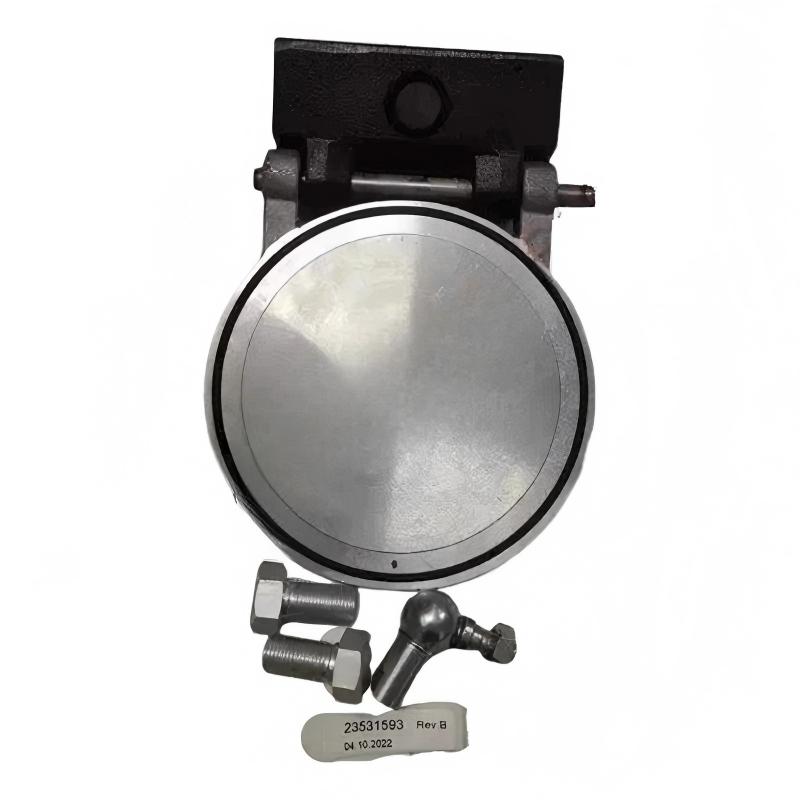
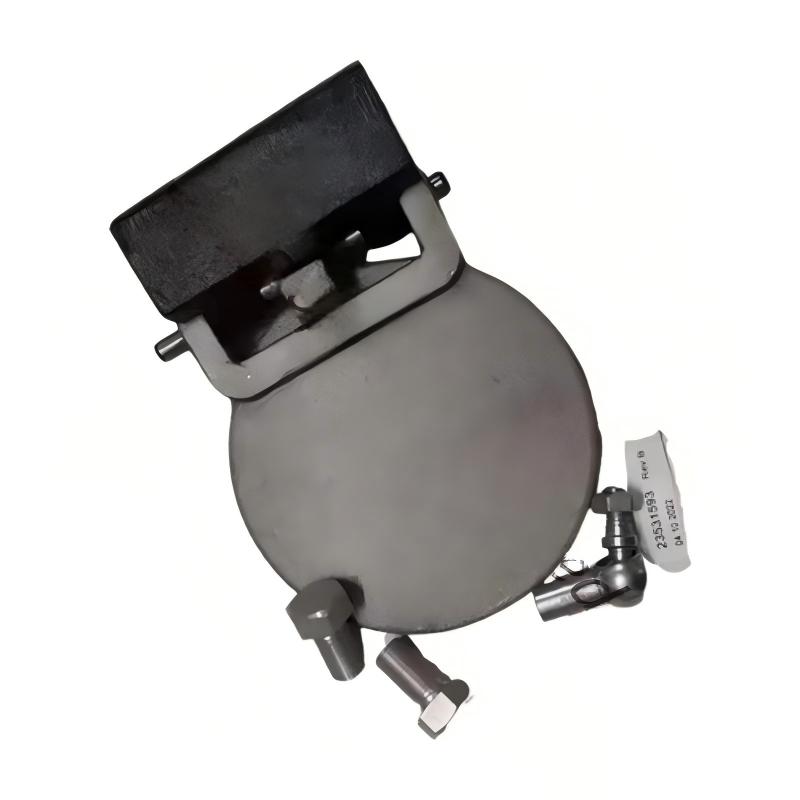
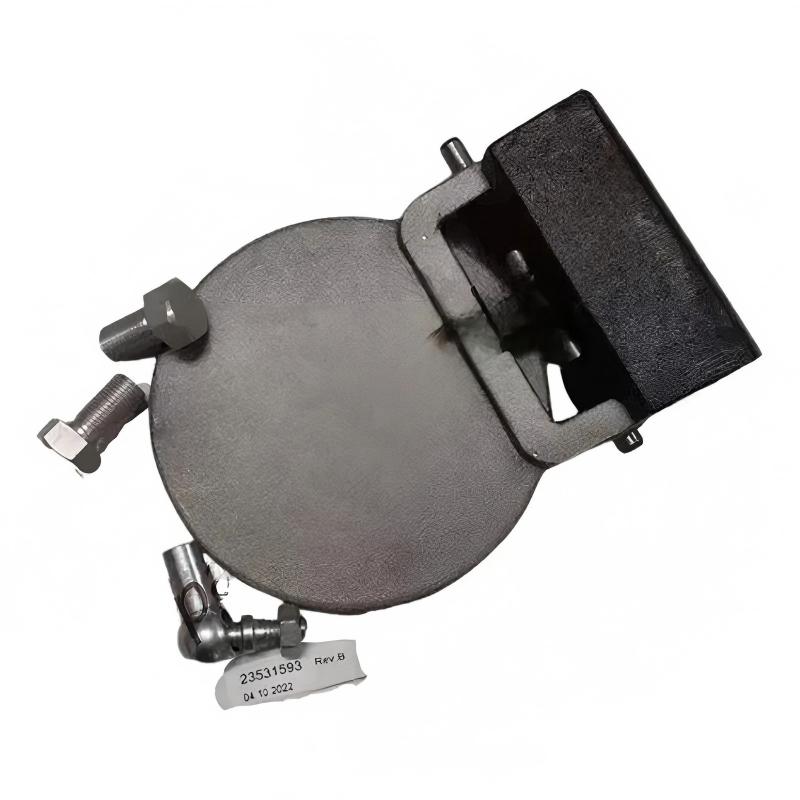
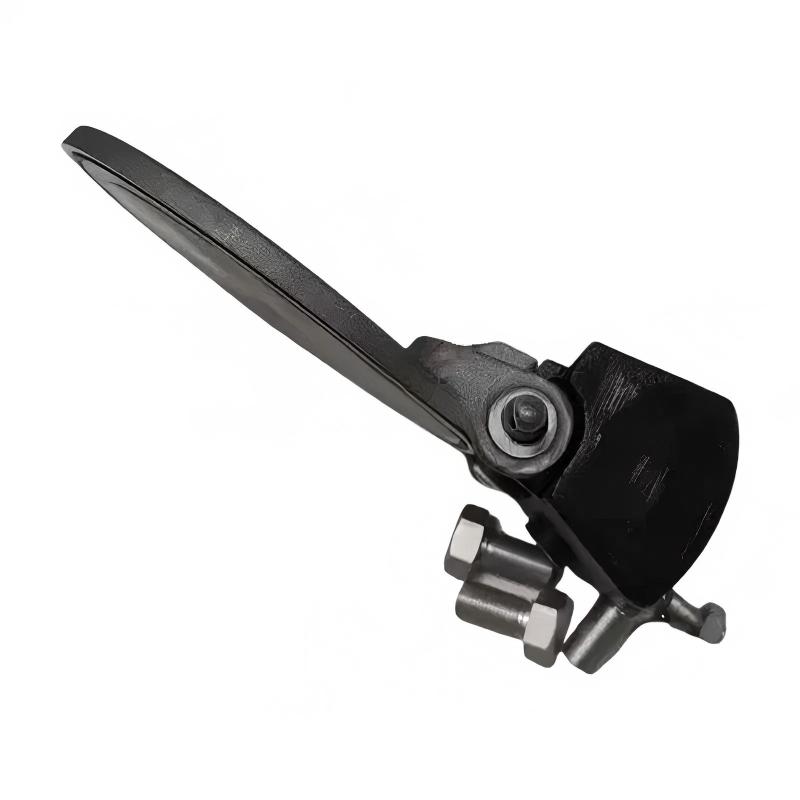
- Ingersoll Rand
- 47555211001 23531593
- Intake Valve Kit
- USA
- 300 × 250 × 200 mm
- 3.0 kg
- Xiamen, China
- New & In Stock
- T/T, PayPal, Western Union
- 1 Year
- 1-3 Working Days
- DHL, UPS, TNT, FedEx and EMS.
- 24-Hour Service
- COO
- 3
Our advantage

Global Logistics
We have a 10-year logistics and express cooperation agreement, so our products can be shipped to any place in the world.

Brand new and original
Our products are imported in bulk from the place of origin. Because of the cooperative relationship, our products are all original and 100% new.

24-hour service
We provide 7*24 hours service to our customers. We will be there whenever you need us.

Price advantage
All our products are priced very favorably because we have our own warehouse and supply.
| Company Information | |||
| [email protected] | |||
| Mobile | +8615980777398 | ||
| +8615980777398 | |||
| 15980777398 |
1. Product Overview
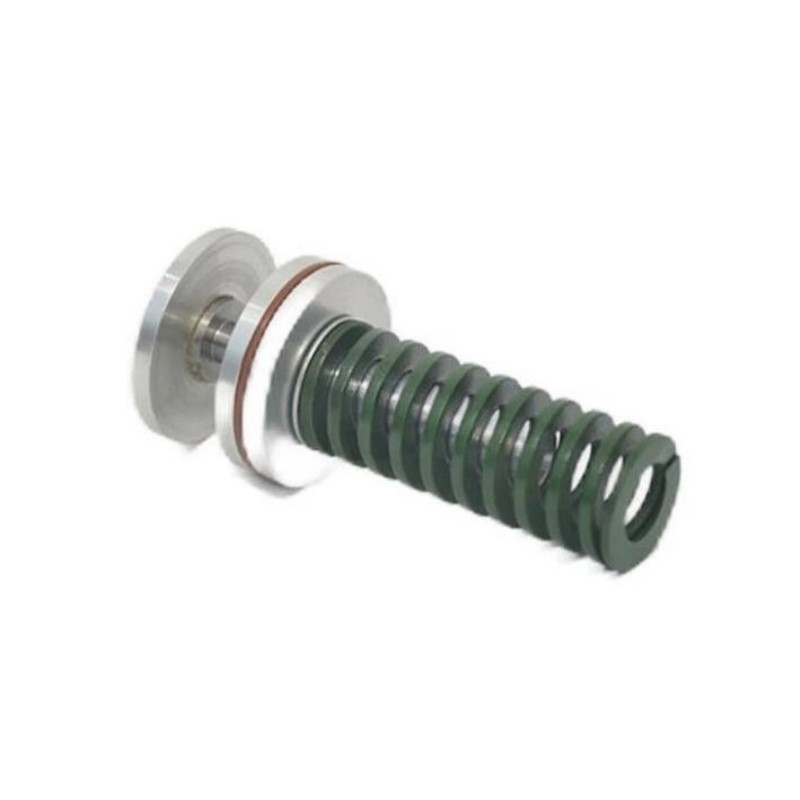
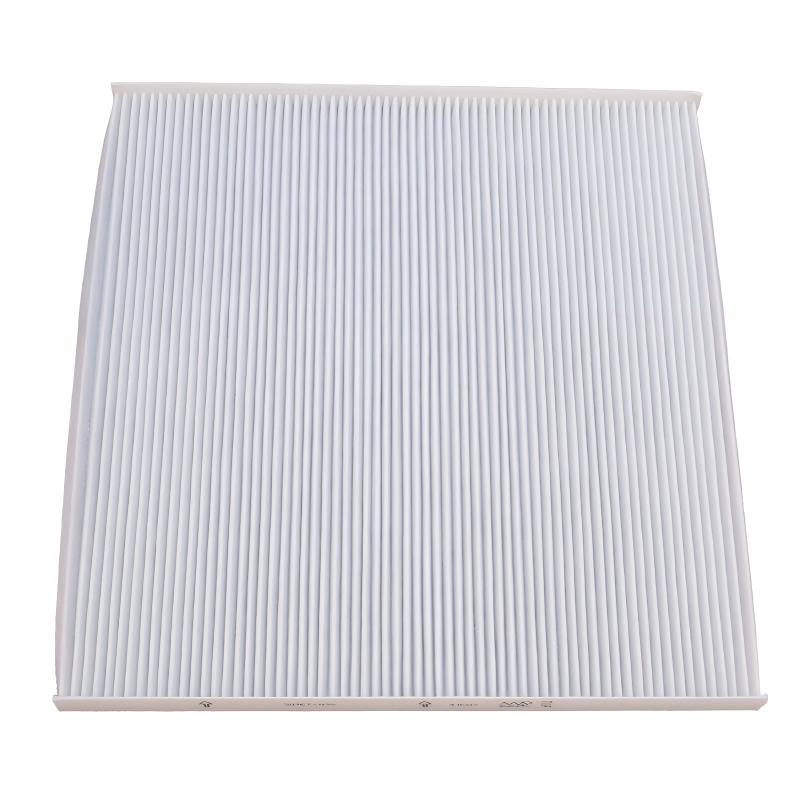
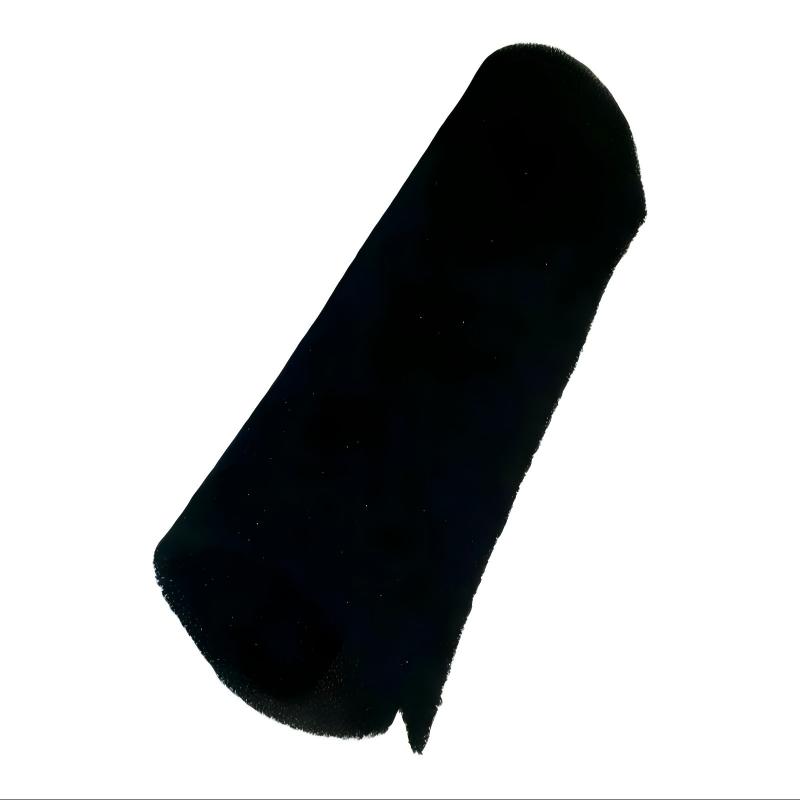
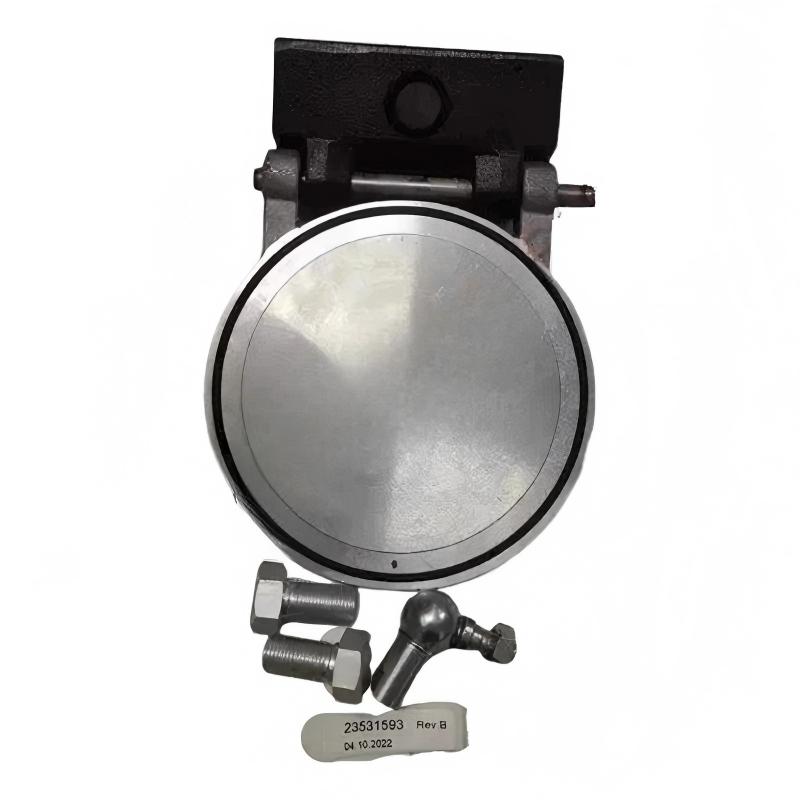
The Ingersoll Rand 47555211001 23531593 Intake Valve Kit is an industrial replacement component intended for intake valve maintenance in compatible compressor equipment. Intake valves play an important role in controlling the entry of air into a compressor, helping the machine operate according to its designed compression cycle.
In industrial compressed-air systems, valve condition can influence compressor performance, operating stability, energy consumption, and maintenance requirements. Worn, damaged, or incorrectly installed valve components may contribute to reduced air delivery, abnormal operating conditions, or unexpected equipment downtime.
An intake valve kit can support maintenance work by providing components intended for servicing a compatible valve assembly. Before ordering or installing the Ingersoll Rand 47555211001 23531593, users should verify the complete part number, compressor model, equipment configuration, and kit contents to ensure suitability for the intended application.
For industrial maintenance teams, compressor service providers, and spare-parts purchasers, correct component identification is essential to avoid installation problems and maintain the reliability of compressed-air equipment.
2. Technical Specifications
| Parameter | Specification |
|---|---|
| Brand | Ingersoll Rand |
| Part Number | 47555211001 |
| Additional Part Number | 23531593 |
| Product Name | Intake Valve Kit |
| Product Category | Compressor Replacement Parts |
| Dimensions | 300 × 250 × 200 mm |
| Weight | 3.0 kg |
| Primary Function | Intake valve servicing and replacement in compatible equipment |
| Application | Industrial compressor maintenance |
| Installation Environment | Compatible compressor system |
| Compatibility | Must be verified against the compressor model and original part number |
Note: Dimensions and weight are based on the supplied product information. The exact kit contents, supported compressor models, valve design, and service intervals should be confirmed against the equipment documentation and the identification information on the original component.
3. Function and Working Principle
An intake valve is part of the air-entry mechanism in a compressor. Its purpose and operating method depend on the compressor design, but it generally helps regulate the movement of incoming air into the compression system.
The Ingersoll Rand 47555211001 23531593 Intake Valve Kit is intended for servicing a compatible assembly. Its exact internal components and model-specific operating characteristics should be confirmed before maintenance.
3.1 Air Intake Control
During compressor operation, air must enter the compression mechanism under the conditions intended by the equipment design. The intake valve helps control this process.
If the valve does not operate correctly, the compressor may experience reduced air delivery, abnormal pressure behavior, or inefficient operation. The actual symptoms depend on the compressor type and the nature of the fault.
3.2 Support for Normal Compressor Operation
The intake system works together with other compressor components, including the compression mechanism, control system, seals, and associated air passages.
A properly maintained intake valve assembly helps the compressor operate according to its intended design. Replacement parts must match the original assembly to preserve correct fit and operation.
3.3 Valve Sealing and Mechanical Condition
Valve condition can affect airflow and system response. Wear, contamination, damaged sealing surfaces, or mechanical sticking may interfere with the intended intake function.
During servicing, technicians should inspect the valve assembly and related components for damage or contamination. Replacing parts without identifying the underlying cause may allow the same problem to recur.
3.4 Relationship with Compressor Controls
Some compressor systems adjust intake operation according to demand and operating conditions. Depending on the design, the intake assembly may interact with control mechanisms or other regulating components.
Before replacing the kit, technicians should determine whether the reported problem originates in the valve assembly, the control mechanism, an actuator, the air supply path, or another part of the compressor.
4. Role in Industrial Compressed-Air Systems
The intake valve assembly is one of the components that can influence the performance of a compressor. Maintaining it correctly helps support reliable compressed-air production in industrial environments.
4.1 Compressor Performance
A compressor must draw in air and process it according to its intended operating cycle. Problems with the intake system may affect air delivery, pressure response, and machine operation.
Regular inspection and timely replacement of worn components can help reduce the likelihood of unexpected performance issues.
4.2 Equipment Availability
Compressed air is used in many industrial processes, including pneumatic control, production machinery, material handling, and equipment cleaning. A compressor fault can interrupt operations across multiple areas of a facility.
Keeping the correct intake valve kit available can help maintenance teams prepare for scheduled servicing and respond more efficiently when a confirmed component failure occurs.
4.3 Maintenance and Repair
During compressor servicing, technicians may inspect the intake valve for wear, contamination, leakage, or mechanical restrictions.
The decision to replace the assembly or individual parts should follow the manufacturer’s service procedure and the condition of the equipment. The correct kit must be selected for the exact compressor configuration.
4.4 Preventive Maintenance
Preventive maintenance can help identify developing valve problems before they result in a major interruption. Inspection intervals should follow the compressor manufacturer’s recommendations and may be adjusted according to operating hours, air quality, duty cycle, and environmental conditions.
5. Industrial Applications
The Ingersoll Rand 47555211001 23531593 Intake Valve Kit may be suitable for maintenance applications where the exact part number is confirmed for the compressor being serviced.
Potential maintenance environments for compatible compressor equipment include:
- Manufacturing facilities: Maintaining compressed-air equipment used in production operations.
- Industrial assembly lines: Supporting compressor availability for pneumatic machinery and tools.
- Material-handling systems: Maintaining air supplies for compatible pneumatic equipment.
- Process industries: Supporting compressed-air equipment used in plant operations, subject to the compressor’s design and application.
- Maintenance workshops: Servicing compatible compressors used for industrial repair and equipment support.
- Compressor service operations: Replacing intake valve components during planned maintenance or fault repair.
These are general application environments for compressor intake components, not a confirmed list of compatible machines for this exact part number.
6. Installation and System Integration
Correct installation is important for valve performance, compressor reliability, and personnel safety. Maintenance should be carried out by qualified technicians using the service procedures applicable to the compressor model.
6.1 Confirm Part Number Compatibility
Before beginning work, verify both identifiers supplied for the kit: 47555211001 and 23531593. Compare them with the original component, compressor model, and approved parts documentation.
Confirm the kit contents, required seals, mounting arrangement, and any model-specific service requirements. Similar-looking intake valve kits may not be interchangeable.
6.2 Shut Down and Isolate the Compressor
Stop the compressor and follow the required lockout and isolation procedures. Disconnect the relevant electrical supply and isolate the compressed-air system.
Release stored pressure according to the equipment service instructions and verify that the system is safe before opening any component. Never remove an intake valve assembly while the compressor is operating or while hazardous pressure or energy remains.
6.3 Inspect the Existing Valve Assembly
Before removing the original parts, inspect the assembly and surrounding area for:
- Dust, oil deposits, or other contamination.
- Signs of mechanical wear or damage.
- Damaged sealing surfaces or seals.
- Loose or deteriorated fasteners.
- Restricted air passages.
- Evidence of abnormal heat or corrosion.
Determine whether contamination or another underlying problem contributed to the failure.
6.4 Remove the Existing Components
Follow the compressor-specific disassembly sequence. Record the original arrangement where appropriate and keep removed parts organized for inspection.
Avoid damaging mating surfaces, valve seats, threads, or adjacent components. Do not use excessive force on parts that remain attached.
6.5 Install the Replacement Kit
Compare the replacement components with the original assembly and confirm that the kit contains the required parts before installation.
Clean the designated mating surfaces using an approved method. Install components in the specified orientation and follow the prescribed torque values, lubrication requirements, and sealing procedures. Do not substitute generic fasteners or seals unless they are approved for the application.
6.6 Inspect and Test the System
After reassembly, verify that all components are secured and that tools or loose materials have been removed from the work area.
Restore the system according to the prescribed startup procedure. Check for abnormal noise, unexpected vibration, leakage, and unusual pressure behavior. Confirm that the compressor operates within its specified limits before returning it to normal service.
Document the maintenance work, replaced parts, inspection findings, and startup results.
7. Troubleshooting Common Intake Valve Problems
A compressor performance problem does not automatically indicate a defective intake valve. Troubleshooting should consider the entire intake and compression system.
7.1 Reduced Air Delivery
Possible causes:
- Intake valve sticking or restricted movement.
- Contamination in the intake path.
- A blocked intake filter.
- Leakage or wear in related components.
- Another compressor performance problem.
Recommended checks:
- Review the compressor’s operating condition and fault history.
- Inspect the intake filter and air passage according to the service procedure.
- Examine the valve assembly for contamination or mechanical damage.
- Check related components that could affect air delivery.
- Replace the valve components only after confirming compatibility and the likely cause.
7.2 Unstable Pressure or Abnormal Compressor Response
Possible causes:
- Intake valve malfunction.
- Problems with the compressor’s control mechanism.
- Air leakage.
- Incorrect operating settings.
- Faults elsewhere in the compression system.
Recommended checks:
Review pressure behavior and available diagnostic information. Inspect the intake assembly and associated control components. Confirm that the compressor settings match the intended application before replacing parts.
7.3 Unusual Noise During Operation
Possible causes:
- Mechanical wear.
- Loose components.
- Valve movement problems.
- Contamination in the intake system.
- Vibration from another compressor component.
Recommended checks:
Stop the compressor if the noise is severe or accompanied by abnormal vibration or other warning signs. Isolate the equipment safely and inspect the relevant components. Do not continue operating equipment when doing so may cause additional damage.
7.4 Intake Valve Sticking
Possible causes:
- Contamination or deposits.
- Mechanical wear.
- Damaged components.
- Incorrect installation.
- Conditions outside the equipment’s intended operating range.
Recommended checks:
Inspect the assembly using the approved service procedure. Clean or replace components only as permitted by the manufacturer. Verify that the replacement parts are correctly positioned and that the intake passage is unobstructed.
7.5 The Problem Continues After Kit Replacement
Possible causes:
- Incorrect kit selection.
- Incorrect installation or sealing.
- A damaged actuator or control mechanism, where applicable.
- Restricted intake airflow.
- A fault elsewhere in the compressor.
Recommended checks:
Recheck the kit identifiers, installation orientation, sealing surfaces, and service procedure. Review compressor diagnostics and inspect related components before concluding that the replacement kit is defective.
8. Compatible System Components
The intake valve kit operates as part of a larger compressor assembly. Depending on the specific equipment design, the following components may require inspection during servicing.
| Component Category | Function | Maintenance Consideration |
|---|---|---|
| Intake filter | Removes contaminants from incoming air | Check condition and service requirements |
| Intake valve assembly | Controls air entry according to the compressor design | Verify fit, movement, and sealing |
| Seals and gaskets | Help maintain the intended sealing arrangement | Use the specified replacement parts |
| Control mechanism | Regulates intake operation where applicable | Check movement and control response |
| Air passages | Direct incoming air into the compression system | Inspect for blockage or contamination |
| Compressor control system | Monitors and manages compressor operation | Review alarms and operating parameters |
| Compression mechanism | Compresses incoming air | Investigate related performance faults when necessary |
The actual components and service procedures depend on the compressor model. Compatibility should be confirmed before ordering replacement parts.
9. Replacement and Alternative Selection
Selecting the correct intake valve kit requires confirmation of the original equipment model and the exact part identifiers.
| Selection Criterion | What to Verify |
|---|---|
| Main part number | 47555211001 |
| Additional identifier | 23531593 |
| Product type | Intake Valve Kit |
| Compressor compatibility | Confirm the supported compressor model |
| Kit contents | Verify the included components and seals |
| Physical dimensions | Check the supplied 300 × 250 × 200 mm measurements |
| Weight | Confirm the stated 3.0 kg |
| Installation requirements | Review orientation, fastening, and sealing procedures |
| Service requirements | Confirm the applicable maintenance instructions |
If the original kit is unavailable, select an approved replacement confirmed for the exact compressor model. Do not rely on similar dimensions, appearance, or a related part number as proof of compatibility.
10. Key Advantages of Correct Intake Valve Maintenance
Supports Compressor Reliability
A correctly selected and installed intake valve kit helps maintain the intended function of the intake assembly and supports dependable compressor operation.
Helps Maintain Airflow Performance
Inspecting and servicing worn or contaminated intake components can help address certain airflow-related problems when the valve assembly is identified as the cause.
Reduces Unplanned Downtime
Keeping compatible service parts available can help maintenance teams respond more efficiently to confirmed component failures.
Supports Preventive Maintenance
Regular inspection of intake components can help identify wear, contamination, and installation issues before they develop into more serious operating problems.
Improves Maintenance Traceability
Recording part numbers, service dates, inspection findings, and replacement details helps maintenance teams plan future work and manage spare-parts inventory.
11. Technical FAQs
Q1. What is the Ingersoll Rand 47555211001 23531593?
It is identified as an intake valve kit for compatible Ingersoll Rand compressor equipment. The exact supported compressor models and kit contents should be verified before ordering.
Q2. What are the dimensions of this intake valve kit?
The supplied dimensions are 300 × 250 × 200 mm.
Q3. What is the weight of the kit?
The supplied weight is 3.0 kg.
Q4. Why is intake valve maintenance important?
The intake valve helps regulate air entry into the compressor. Wear, contamination, or mechanical problems may affect airflow and operating behavior, depending on the compressor design.
Q5. How can I confirm compatibility?
Check the compressor model, original part number, equipment configuration, and approved parts documentation. Confirm that both identifiers, 47555211001 and 23531593, match the intended application.
Q6. What should be checked before replacing the intake valve kit?
Inspect the intake filter, valve assembly, seals, air passages, and related control components where applicable. Identify the likely cause of the fault before replacing parts.
Q7. Can the compressor operate with a damaged intake valve?
Operation with a damaged or malfunctioning valve may affect performance and could lead to additional problems. Follow the compressor manufacturer’s operating and maintenance instructions, and stop the equipment if unsafe or abnormal conditions occur.
Q8. What safety precautions are necessary during installation?
Shut down and isolate the compressor, disconnect the relevant electrical supply, release stored pressure using the prescribed procedure, and verify that hazardous energy has been removed before opening the equipment.
12. Conclusion
The Ingersoll Rand 47555211001 23531593 Intake Valve Kit is a compressor maintenance component intended for applications where the part number and equipment configuration are confirmed to match. The supplied product information lists dimensions of 300 × 250 × 200 mm and a weight of 3.0 kg.
Proper intake valve maintenance involves accurate part identification, inspection of the surrounding air path, safe disassembly, correct installation, and verification of compressor operation after servicing. When performance problems occur, technicians should evaluate the entire intake and compression system rather than assuming that the valve kit is always the source of the fault.
For industrial spare-parts procurement, confirming the compressor model and both part identifiers before ordering helps reduce compatibility risks and supports reliable maintenance of compressed-air equipment.