

ProductPRODUCT
Featured products
Contact Us
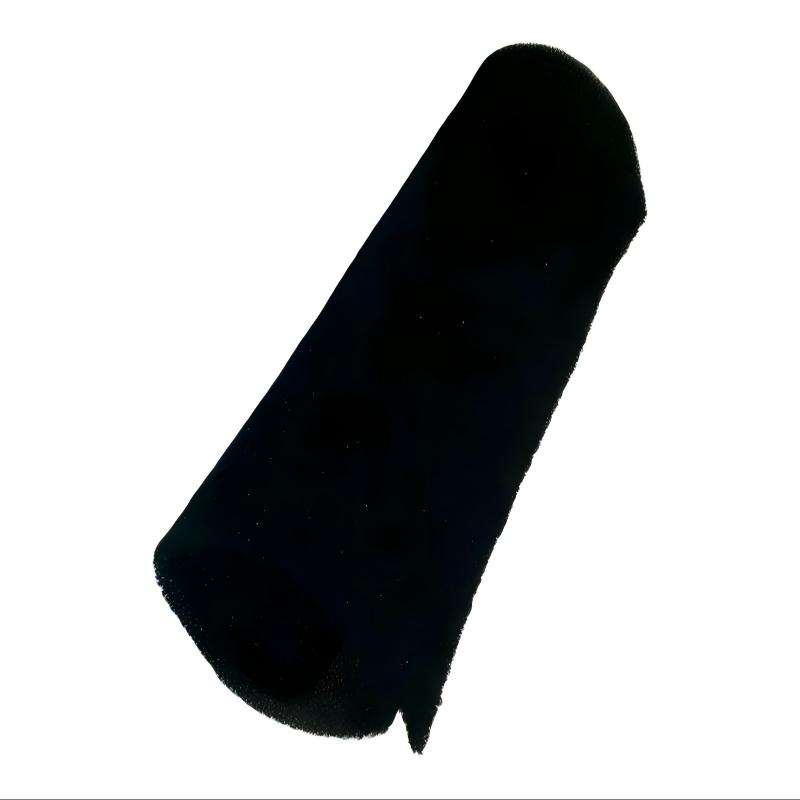
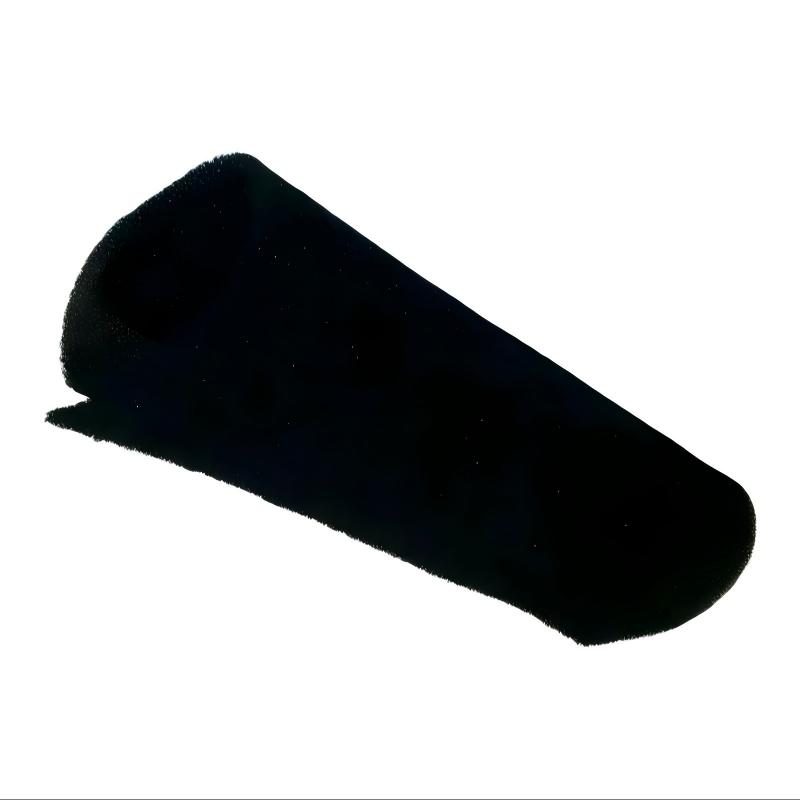
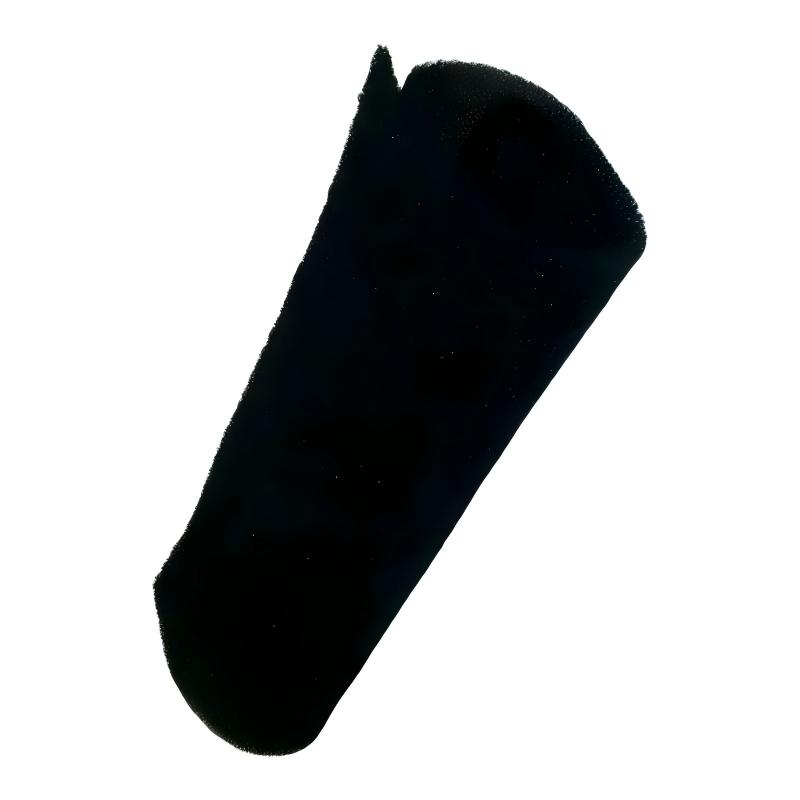
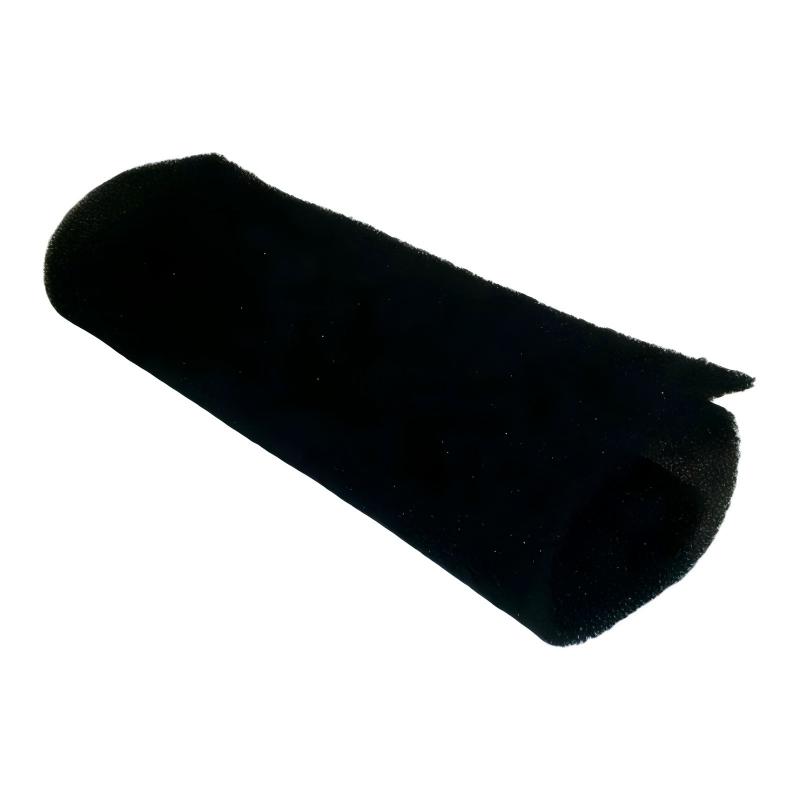
- Ingersoll Rand
- 47555211001 23497001
- Pre-Filter
- USA
- 510 × 510 × 10 mm
- 0.4 kg
- Xiamen, China
- New & In Stock
- T/T, PayPal, Western Union
- 1 Year
- 1-3 Working Days
- DHL, UPS, TNT, FedEx and EMS.
- 24-Hour Service
- COO
- 2
Our advantage

Global Logistics
We have a 10-year logistics and express cooperation agreement, so our products can be shipped to any place in the world.

Brand new and original
Our products are imported in bulk from the place of origin. Because of the cooperative relationship, our products are all original and 100% new.

24-hour service
We provide 7*24 hours service to our customers. We will be there whenever you need us.

Price advantage
All our products are priced very favorably because we have our own warehouse and supply.
| Company Information | |||
| [email protected] | |||
| Mobile | +8615980777398 | ||
| +8615980777398 | |||
| 15980777398 |
1. Product Overview
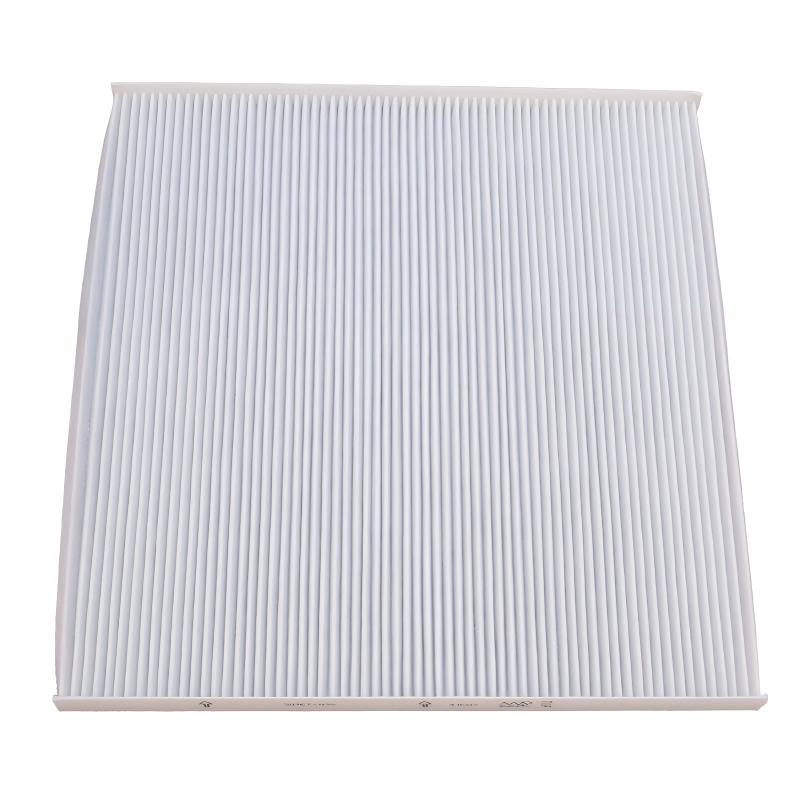
The Ingersoll Rand 47555211001 23497001 Pre-Filter is an industrial filtration component intended for use in compatible equipment. Pre-filters are commonly used to capture larger airborne particles and contaminants before air reaches downstream filtration stages or other sensitive equipment components.
In industrial environments, dust, fibers, and other airborne particles can affect equipment cleanliness, airflow, and maintenance requirements. A properly selected and maintained pre-filter helps reduce the amount of larger contaminants entering the system, supporting the performance of downstream filtration components where the equipment design incorporates multiple filtration stages.
The Ingersoll Rand 47555211001 23497001 Pre-Filter may be considered for replacement and preventive maintenance when its part number matches the installed equipment. Before purchasing, users should confirm the equipment model, filter dimensions, mounting arrangement, and required filtration characteristics.
For industrial maintenance teams, equipment operators, and spare-parts purchasers, selecting the correct pre-filter is important for maintaining airflow, reducing contamination, and avoiding installation problems.
2. Technical Specifications
| Parameter | Specification |
|---|---|
| Brand | Ingersoll Rand |
| Main Part Number | 47555211001 |
| Additional Part Number | 23497001 |
| Product Name | Pre-Filter |
| Product Category | Industrial Filtration Component |
| Dimensions | 510 × 510 × 10 mm |
| Weight | 0.4 kg |
| Primary Function | Preliminary filtration of airborne particles, subject to equipment design |
| Application | Compatible industrial equipment and filtration systems |
| Installation Environment | Designated filter housing or approved installation location |
| Compatibility | Must be verified against the equipment model and original filter specification |
Note: The dimensions and weight are based on the supplied product information. The filtration efficiency, filter media, airflow capacity, pressure-drop characteristics, and replacement interval have not been specified and should be confirmed against the requirements of the intended equipment.
3. Function and Working Principle
A pre-filter provides an initial stage of filtration by capturing particles carried in the incoming air. Its exact filtration performance depends on the media, construction, airflow conditions, and equipment design.
3.1 Capturing Larger Airborne Particles
Industrial air may contain dust, fibers, and other suspended particles. A suitable pre-filter helps capture some of these contaminants before they travel further into the equipment.
The amount and size of particles captured depend on the filter’s design and rated performance. A pre-filter should not be assumed to remove all fine particles or replace a higher-efficiency filter where one is required.
3.2 Supporting Downstream Filtration
In systems that use multiple filtration stages, the pre-filter can reduce the particle load reaching downstream filters. This may help preserve their performance and reduce the frequency of maintenance, provided the pre-filter is correctly specified for the application.
The exact filtration arrangement should be confirmed from the equipment configuration rather than assumed from the product name alone.
3.3 Maintaining Airflow
Filtration media creates resistance to airflow. As contaminants accumulate, the pressure drop across a filter may increase, potentially reducing airflow if the filter becomes excessively loaded.
Regular inspection and replacement according to the equipment’s maintenance requirements help maintain suitable airflow conditions.
3.4 Protecting Equipment from Contamination
Airborne contamination can contribute to dirt accumulation on internal surfaces and may affect components that depend on clean air. A correctly fitted pre-filter provides an initial barrier against contaminants entering the equipment.
Its protective role depends on proper installation, the condition of the filter media, and the performance requirements of the complete system.
4. Role in Industrial Equipment Maintenance
The Ingersoll Rand 47555211001 23497001 Pre-Filter is relevant to maintenance planning when the exact part number is specified for the equipment being serviced.
4.1 Air Quality Management
Industrial equipment may operate in environments containing dust, fibers, or other airborne contaminants. A suitable pre-filter helps manage the entry of larger particles into the equipment’s air path.
Selecting the correct filter is important because filtration performance must match the environmental conditions and equipment requirements.
4.2 Supporting Downstream Components
Where a system incorporates additional filters or air-sensitive components, the pre-filter can help reduce contamination reaching those components.
Maintaining the correct filtration stages can support equipment reliability and reduce unnecessary servicing caused by contamination.
4.3 Preventive Maintenance
Pre-filters should be inspected according to the equipment manufacturer’s maintenance schedule and the actual operating environment. Dusty locations may require more frequent inspection than relatively clean environments.
Replacing a filter before it becomes excessively restricted can help prevent avoidable airflow problems.
4.4 Spare-Parts Management
Accurate part-number records help maintenance teams order the correct replacement and avoid confusion between filters that have similar dimensions but different media or performance characteristics.
The complete identifiers, 47555211001 and 23497001, should be checked against the original filter and equipment documentation.
5. Industrial Applications
The exact application of this Ingersoll Rand pre-filter depends on the equipment for which it is specified. Industrial filtration components may be used in environments such as:
- Industrial air-handling equipment: Providing preliminary particle filtration where the filter is specified.
- Compressor-related installations: Supporting compatible air-management or ventilation arrangements when required by the equipment design.
- Manufacturing facilities: Helping reduce airborne contamination entering compatible equipment.
- Industrial equipment enclosures: Providing a preliminary filtration stage where filtered cooling or ventilation air is required.
- Maintenance and refurbishment projects: Replacing a worn, damaged, or contaminated filter with the correct specified part.
These are general filtration applications, not confirmation that every listed system is compatible with this exact part number. Confirm the intended equipment and filtration role before installation.
6. Installation and System Integration
Correct installation helps maintain filtration performance and prevents unfiltered air from bypassing the filter. Follow the maintenance instructions for the specific equipment.
6.1 Verify the Filter Part Number
Confirm both supplied identifiers: 47555211001 and 23497001. Compare them with the original filter, the equipment model, and the approved parts documentation.
Check the required dimensions, filter media, mounting arrangement, airflow direction where applicable, and filtration specification. Similar-looking filters may not provide equivalent performance.
6.2 Shut Down the Equipment
Follow the equipment’s shutdown and isolation procedures before opening the filter housing. If the filter is installed in a system with moving parts, electrical hazards, or pressurized airflow, ensure that the equipment is in a safe maintenance state.
Allow any required pressure or airflow conditions to stabilize before removing the existing filter.
6.3 Inspect the Filter Housing
Before installing the replacement, inspect the housing and surrounding area for:
- Accumulated dust and debris.
- Damaged mounting frames or retaining clips.
- Gaps that could allow air to bypass the filter.
- Damaged seals or sealing surfaces, where applicable.
- Moisture, oil, or other contamination.
- Restricted airflow paths.
Clean the housing using a method approved for the equipment. Avoid allowing accumulated contaminants to enter downstream components.
6.4 Verify Dimensions and Fit
The supplied dimensions are 510 × 510 × 10 mm, and the stated weight is 0.4 kg. Confirm the actual measurements and mounting requirements before installation.
The filter should fit correctly within its designated housing without excessive bending, compression, or gaps around the edges.
6.5 Install the Replacement Filter
Install the filter according to the equipment’s prescribed procedure. Observe the specified orientation or airflow direction if the design requires it.
Ensure that the filter is seated securely and that retaining components are correctly positioned. Do not modify the filter or housing to force an incompatible part into place.
6.6 Inspect and Restore Operation
After installation, check that the housing is closed correctly and that all retaining components are secure.
Restart the equipment according to the prescribed procedure. Where applicable, verify airflow, inspect for bypass gaps, and review any filter restriction indicators or pressure-drop readings provided by the system.
Record the replacement date, part number, inspection findings, and any relevant operating observations.
7. Troubleshooting Common Pre-Filter Problems
A filtration problem may result from the filter itself, the housing, the surrounding airflow path, or another system component. Diagnose the complete installation before replacing additional parts.
7.1 Reduced Airflow
Possible causes:
- Filter media loaded with dust or debris.
- Incorrect filter specification.
- Blocked air passages.
- Incorrect filter installation.
- A problem with the airflow-generating equipment.
Recommended checks:
- Inspect the filter for visible contamination.
- Review any available airflow or pressure-drop indicators.
- Check the housing and surrounding air passages.
- Verify the filter part number and required specifications.
- Replace the filter when required by the approved maintenance procedure.
7.2 Filter Becomes Dirty Too Quickly
Possible causes:
- High airborne dust concentration.
- Operating conditions different from those anticipated.
- A damaged or missing upstream filtration stage.
- Incorrect filter selection.
- Contamination entering through gaps or damaged housing components.
Recommended checks:
Inspect the operating environment and surrounding filtration stages. Check for bypass paths or damaged housing seals where applicable. Confirm that the filter is appropriate for the actual contamination load.
7.3 Dust Found Downstream of the Filter
Possible causes:
- Incorrect filter fit.
- Damaged filter media.
- Gaps around the filter perimeter.
- Incorrect installation orientation where relevant.
- A housing or sealing problem.
Recommended checks:
Inspect the filter and housing for damage. Verify that the filter is correctly seated and that the frame or sealing arrangement prevents bypass. Investigate downstream contamination before returning the equipment to normal service if it could affect safe or reliable operation.
7.4 Filter Deformation or Physical Damage
Possible causes:
- Incorrect handling.
- Improper installation.
- Excessive pressure difference.
- Contact with unsuitable cleaning agents.
- Use of an incompatible filter.
Recommended checks:
Replace damaged filter media rather than assuming it will continue to perform correctly. Inspect the housing and airflow conditions to identify why the damage occurred. Use only approved handling and cleaning methods.
7.5 Airflow Problems Continue After Replacement
Possible causes:
- Incorrect replacement filter.
- A blocked air passage.
- A faulty fan or other airflow-generating component.
- A housing obstruction.
- Another system fault.
Recommended checks:
Confirm the filter identifiers, dimensions, installation, and specified performance. If airflow remains abnormal, inspect the wider system and follow its troubleshooting procedure rather than repeatedly replacing the filter.
8. Compatible System Components
A pre-filter should be assessed as part of the complete filtration and airflow arrangement. Depending on the equipment design, the following component categories may be relevant.
| Component Category | Function | Maintenance Consideration |
|---|---|---|
| Filter housing | Holds and supports the filter | Check fit, frame condition, and sealing surfaces |
| Downstream filter stages | Provide additional filtration where fitted | Verify the specified filtration sequence |
| Air passages | Direct airflow through the equipment | Inspect for blockage and contamination |
| Seals and retaining components | Help prevent air bypass | Check condition and correct installation |
| Fan or airflow-generating equipment | Moves air through the system where applicable | Verify operation and airflow conditions |
| Filter restriction indicator | Signals increased resistance where fitted | Follow the equipment’s inspection procedure |
| Equipment control system | Monitors operating conditions where applicable | Review relevant alarms and maintenance indicators |
The exact components and filtration arrangement should be confirmed against the equipment documentation.
9. Replacement and Alternative Selection
Choosing a replacement pre-filter requires more than matching its external dimensions. The media, filtration performance, airflow capacity, and mounting arrangement must also meet the equipment requirements.
| Selection Criterion | What to Verify |
|---|---|
| Main part number | 47555211001 |
| Additional identifier | 23497001 |
| Product type | Pre-Filter |
| Dimensions | 510 × 510 × 10 mm |
| Weight | 0.4 kg |
| Filter media | Confirm the specified material and construction |
| Filtration performance | Match the required particle-capture characteristics |
| Airflow capacity | Confirm suitability for the intended operating conditions |
| Installation fit | Verify frame dimensions and mounting arrangement |
| Replacement interval | Follow the equipment manufacturer’s maintenance requirements |
If the original filter is unavailable, select an approved replacement that meets the exact equipment and filtration requirements. Do not assume that a filter with the same dimensions provides equivalent performance.
10. Key Advantages of Correct Pre-Filter Selection
Helps Reduce Contamination
A suitable pre-filter captures airborne particles according to its design and supports cleaner airflow into compatible equipment.
Supports Downstream Filtration
Where additional filtration stages are installed, an appropriately selected pre-filter can reduce the larger-particle load reaching downstream filters.
Helps Maintain Airflow
Regular inspection and timely replacement help prevent excessive filter restriction caused by accumulated contamination.
Simplifies Preventive Maintenance
Correct part identification and service records help maintenance teams plan inspections and replacements more effectively.
Supports Equipment Reliability
Maintaining the intended filtration arrangement helps reduce contamination-related maintenance risks and supports stable equipment operation.
11. Technical FAQs
Q1. What is the Ingersoll Rand 47555211001 23497001 Pre-Filter?
It is identified as an industrial pre-filter associated with Ingersoll Rand equipment. The exact supported equipment models and filtration characteristics should be confirmed before ordering.
Q2. What are the dimensions of this pre-filter?
The supplied dimensions are 510 × 510 × 10 mm.
Q3. What is the weight of the filter?
The supplied weight is 0.4 kg.
Q4. What is the purpose of a pre-filter?
A pre-filter provides an initial stage of filtration by capturing particles according to its design. In multi-stage systems, it may help reduce the contamination load reaching downstream filters.
Q5. How can I confirm compatibility?
Check both part identifiers, 47555211001 and 23497001, against the original filter, equipment model, and approved parts documentation. Confirm the dimensions, media, filtration performance, and mounting arrangement.
Q6. When should the pre-filter be replaced?
Follow the equipment manufacturer’s recommended service interval and any available inspection indicators. Actual replacement frequency may depend on airborne contamination, operating hours, and environmental conditions.
Q7. Can I clean and reuse the filter?
That depends on the filter’s construction and the manufacturer’s instructions. Do not clean or reuse the filter unless an approved procedure explicitly permits it, as unsuitable cleaning may damage the media or reduce filtration performance.
Q8. What should I check if airflow remains low after replacement?
Verify the filter part number, installation, housing condition, and airflow path. If the problem persists, inspect the airflow-generating equipment and other system components according to the approved troubleshooting procedure.
12. Conclusion
The Ingersoll Rand 47555211001 23497001 Pre-Filter is an industrial filtration component intended for compatible equipment. The supplied product information lists dimensions of 510 × 510 × 10 mm and a weight of 0.4 kg.
For reliable filtration, users should verify the exact part number, media specifications, installation dimensions, and equipment compatibility before ordering or replacing the filter. Correct installation, routine inspection, and timely maintenance help support airflow performance and reduce contamination-related problems.
For industrial spare-parts procurement, confirming both part identifiers and the requirements of the original equipment helps reduce replacement errors and supports effective maintenance planning.