

ProductPRODUCT
Featured products
Contact Us
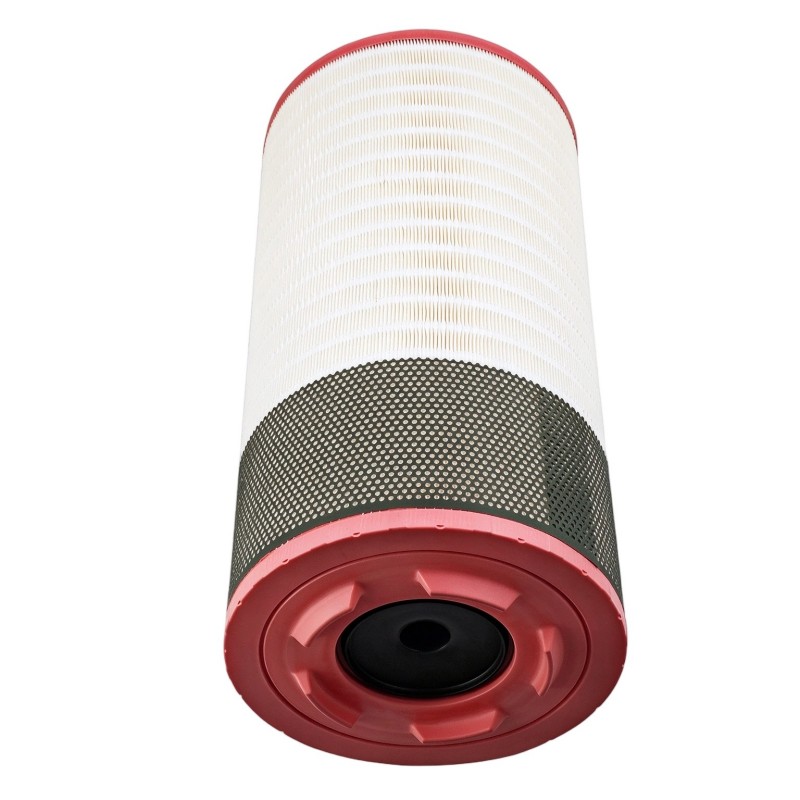
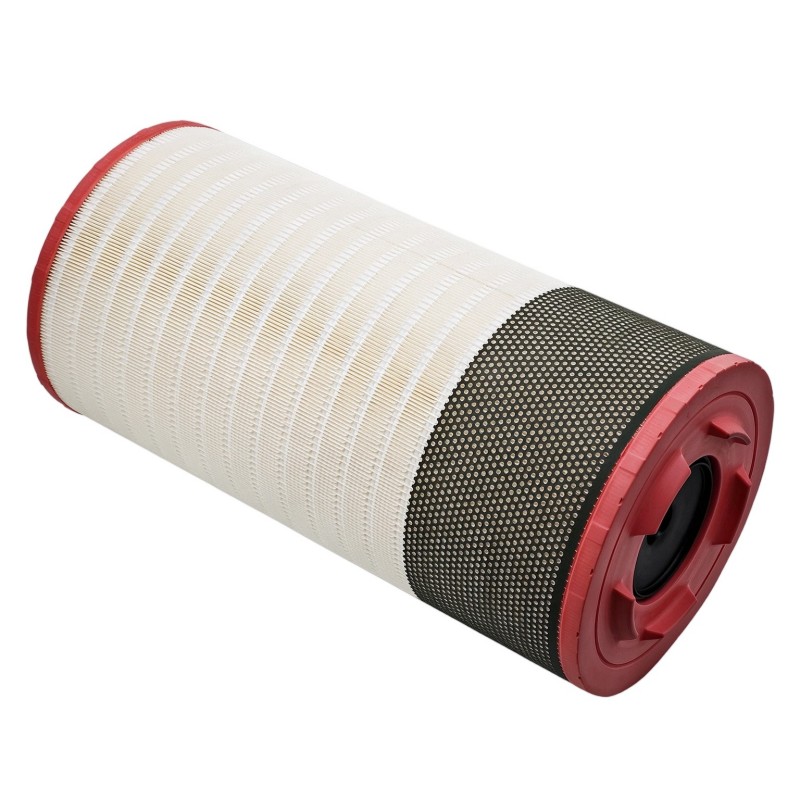
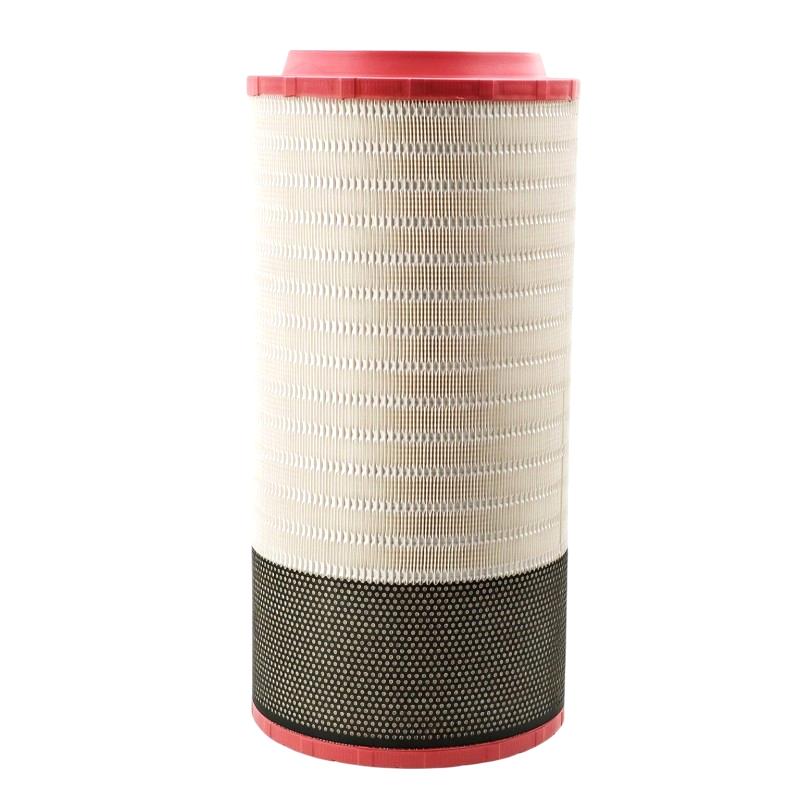
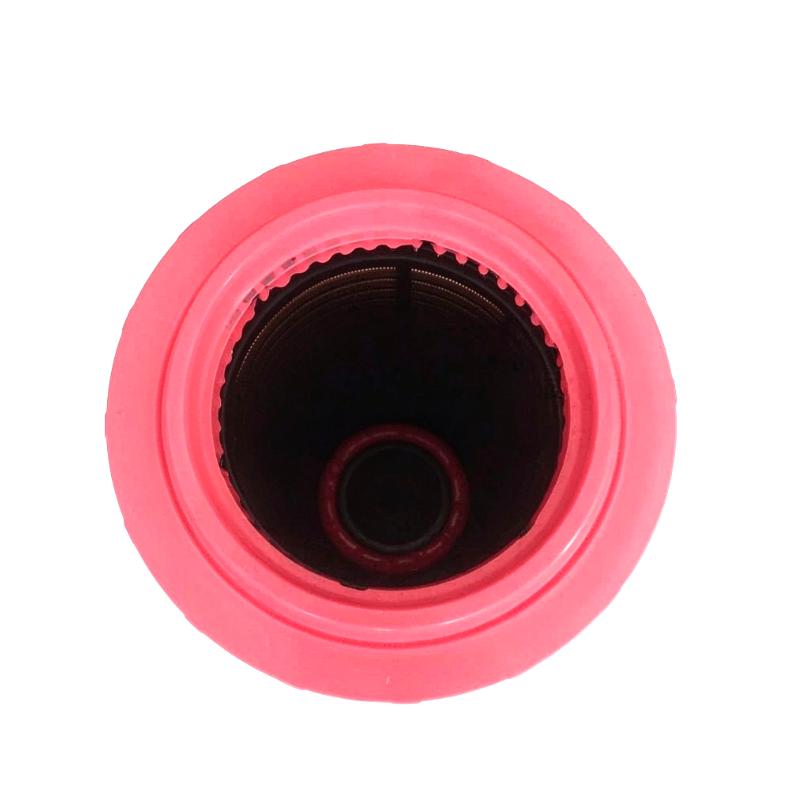
- Ingersoll Rand
- 47572172001 23487457
- Air Filter
- USA
- 298 mm
- 3 kg
- Xiamen, China
- New & In Stock
- T/T, PayPal, Western Union
- 1 Year
- 1-3 Working Days
- DHL, UPS, TNT, FedEx and EMS.
- 24-Hour Service
- COO
- 3
Our advantage

Global Logistics
We have a 10-year logistics and express cooperation agreement, so our products can be shipped to any place in the world.

Brand new and original
Our products are imported in bulk from the place of origin. Because of the cooperative relationship, our products are all original and 100% new.

24-hour service
We provide 7*24 hours service to our customers. We will be there whenever you need us.

Price advantage
All our products are priced very favorably because we have our own warehouse and supply.
| Company Information | |||
| [email protected] | |||
| Mobile | +8615980777398 | ||
| +8615980777398 | |||
| 15980777398 |
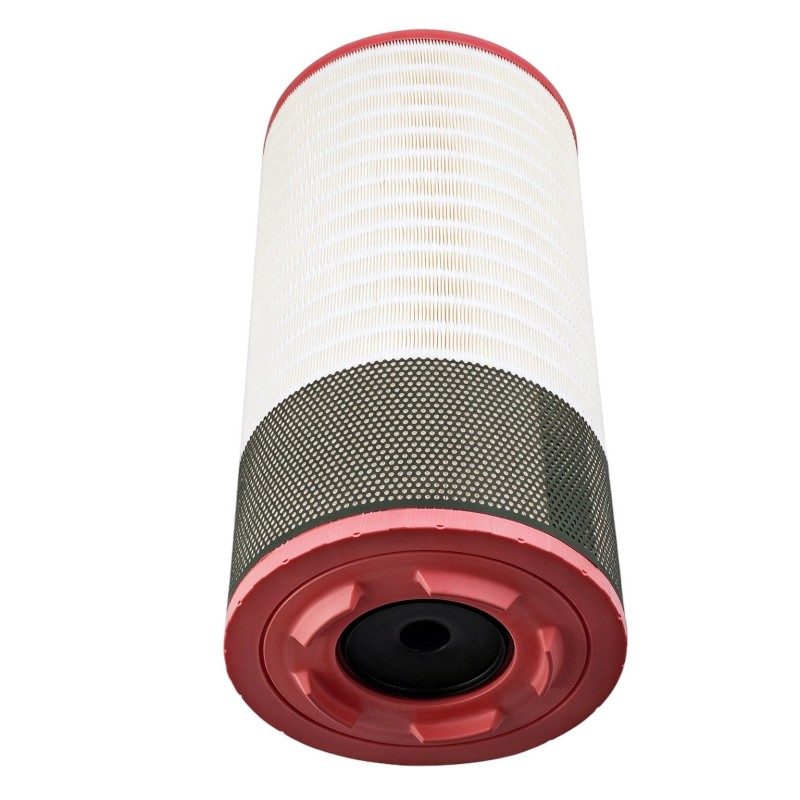
1. Product Overview
The Ingersoll Rand 47572172001 / 23487457 Air Filter is an industrial filtration component intended for use in compatible equipment. Air filters help remove dust, airborne particles, and other contaminants from incoming air before they enter sensitive equipment or airflow passages.
In industrial compressor systems, maintaining clean intake air is an important part of equipment maintenance. Dust and other airborne contaminants can accumulate inside machinery, contribute to component wear, restrict airflow, and increase maintenance requirements. A correctly specified air filter helps control contamination and supports reliable equipment operation.
The part numbers 47572172001 and 23487457 should be checked against the equipment’s original parts list and filter identification before ordering. Confirming the correct application is important because air filters can differ in filtration efficiency, dimensions, sealing arrangements, airflow capacity, and compatibility with the filter housing.
The supplied outer diameter of 298 mm and shipping weight of 3 kg provide useful information for preliminary identification, storage, and shipping arrangements. These details alone do not establish the complete filter dimensions or prove compatibility with a particular compressor model.
For industrial maintenance teams and spare-parts buyers, verifying the exact part number and equipment application helps reduce replacement errors and supports effective preventive maintenance.
2. Technical Specifications
| Parameter | Specification |
|---|---|
| Brand | Ingersoll Rand |
| Part Number 1 | 47572172001 |
| Part Number 2 | 23487457 |
| Product Type | Air Filter |
| Product Category | Industrial Air Filtration |
| Outer Diameter | 298 mm |
| Shipping Weight | 3 kg |
| Primary Function | Filtration of contaminants from incoming air |
| Application | Compatible industrial equipment and air intake systems |
| Installation | Designated filter housing |
| Filtration Efficiency | Verify against the applicable product documentation |
| Airflow Capacity | Verify for the target equipment |
| Filter Media | Confirm from the product specification |
| Replacement Interval | Follow the equipment manufacturer’s maintenance schedule |
| Equipment Compatibility | Verify using the complete equipment model and parts list |
Note: The outer diameter and shipping weight are based on the supplied product information. Overall dimensions, filter height, filtration rating, airflow capacity, and specific compatible equipment models should be confirmed before ordering.
3. Function and Working Principle
An industrial air filter is designed to remove airborne contaminants as air passes through its filtration media. The filter’s performance depends on its construction, media properties, sealing arrangement, airflow conditions, and maintenance state.
3.1 Removal of Airborne Contaminants
Industrial environments can contain dust, dirt, fibers, and other particles that may enter equipment through the air intake. If these contaminants are not adequately controlled, they can accumulate on internal surfaces and affect equipment performance.
The air filter provides a physical filtration barrier that captures particles according to its design and specified efficiency.
3.2 Maintaining Airflow
Industrial equipment requires an appropriate volume of intake air to operate as designed. A correctly selected filter must provide the required filtration while maintaining acceptable airflow resistance.
As dust accumulates, the filter may become increasingly restricted. Excessive restriction can reduce airflow and may affect equipment performance. The allowable restriction and inspection method depend on the equipment manufacturer’s specifications.
3.3 Protecting Internal Components
Clean intake air helps limit the amount of airborne contamination entering the equipment. Depending on the machine design, this can help reduce the accumulation of dust on internal components and support reliable operation.
An air filter is only one part of an overall contamination-control strategy. Proper housing seals, clean maintenance practices, and suitable operating conditions are also important.
3.4 Supporting Preventive Maintenance
Air filters are maintenance components that require periodic inspection and replacement. Monitoring filter condition and following the recommended service schedule can help prevent excessive airflow restriction and reduce the risk of contamination-related problems.
4. Role in Industrial Compressor and Equipment Systems
Air filtration is important in equipment that draws ambient air through an intake system. The specific application of the Ingersoll Rand 47572172001 / 23487457 should be verified against the relevant equipment documentation.
Industrial Air Compressors
Many industrial compressors draw air from the surrounding environment. Intake filtration helps control dust and airborne particles entering the compressor system.
Maintaining an appropriate filter can support reliable operation, but the correct element must match the compressor’s intake design and specified airflow requirements.
Manufacturing Facilities
Factories, workshops, and production plants may contain airborne dust generated by manufacturing processes, material handling, or vehicle movement. Proper air filtration helps manage the contamination entering industrial equipment.
Equipment Operating in Dusty Environments
Machines operating in dusty locations may experience faster filter loading than equipment operating in cleaner environments. Inspection frequency should reflect actual operating conditions and the manufacturer’s maintenance recommendations.
Industrial Maintenance Programs
Correct filter identification supports spare-parts management and scheduled maintenance. Keeping the correct replacement element available can help reduce delays when routine servicing is required.
5. Air Filter Installation and Replacement Guide
Correct installation is essential for effective filtration. An improperly seated filter or damaged seal may allow unfiltered air to bypass the filter media.
The following steps provide general guidance. Always follow the equipment-specific service manual for the exact installation procedure.
Step 1: Verify the Filter Part Number
Check the equipment model, original filter label, and maintenance parts list. Confirm whether 47572172001 and 23487457 identify the required component for the target machine.
Do not select a replacement based only on the 298 mm outer diameter or its shipping weight.
Step 2: Shut Down the Equipment
Stop the equipment according to the manufacturer’s shutdown procedure. Isolate the relevant system where required and ensure that moving components cannot start unexpectedly during maintenance.
Allow the equipment to reach a safe condition before opening the filter housing.
Step 3: Access the Filter Housing
Open the air filter housing according to the manufacturer’s instructions. Avoid allowing accumulated dust or loose debris to fall into the intake passage.
Inspect the housing for contamination, corrosion, damage, or signs of an improper seal.
Step 4: Remove the Used Filter
Carefully remove the existing element without shaking loose dust into the clean side of the intake system.
Inspect the used filter for uneven loading, damaged media, deformation, or evidence that contaminants have bypassed the sealing surface. Unusual contamination patterns may indicate a housing or operating problem.
Step 5: Clean and Inspect the Housing
Clean the housing using an approved method. Pay particular attention to the sealing surfaces and the clean-air side of the assembly.
Do not use methods that could force contaminants further into the equipment. Replace damaged seals or other components according to the manufacturer’s service instructions.
Step 6: Install the Replacement Element
Verify that the replacement is the correct part and that its dimensions and sealing arrangement match the specified design.
Install the element in the prescribed orientation. Ensure that it is correctly seated and that the housing closes securely without damaging the filter media or seals.
Do not force an element into place if it does not fit correctly.
Step 7: Close the Housing and Inspect the Assembly
Secure the housing according to the approved procedure. Confirm that covers, latches, fasteners, and seals are correctly positioned.
Check that no tools, cleaning materials, or loose objects remain in the intake area.
Step 8: Return the Equipment to Service
Restart the equipment according to the manufacturer’s procedure. Check relevant operating indicators and inspect the filter assembly for unusual noise, airflow problems, or other abnormal conditions.
If the equipment reports an intake restriction or related alarm, investigate the cause before continuing normal operation.
6. Common Air Filter Problems and Troubleshooting
Air intake problems may result from filter restriction, incorrect installation, damaged media, poor sealing, or faults elsewhere in the intake system.
6.1 Reduced Airflow
Possible causes:
- Filter media loaded with dust and contaminants.
- Incorrect filter element.
- Obstructed intake passages.
- Improper filter installation.
- Operating conditions that produce unusually high dust loading.
Recommended checks:
Inspect the filter according to the equipment manufacturer’s procedure. Check the intake passages and confirm that the installed element matches the specified part number. Replace the element if required by the service schedule or condition limits.
6.2 Air Intake Restriction Alarm
Possible causes:
- Excessive filter loading.
- Incorrect filter dimensions or construction.
- A blocked intake path.
- A faulty restriction indicator or sensor, where fitted.
Recommended checks:
Review the equipment’s diagnostic information and inspect the filter condition. Verify the replacement specification and check the rest of the intake path. Do not assume that every restriction alarm is caused by the filter alone.
6.3 Dust Found Downstream of the Filter
Possible causes:
- Damaged filter media.
- Incorrect element installation.
- Damaged or poorly seated seals.
- Cracks or leaks in the filter housing.
- Contamination introduced during maintenance.
Recommended checks:
Inspect the element, sealing surfaces, housing, and downstream intake area. Replace damaged parts and clean affected areas using approved procedures before returning the equipment to service.
6.4 Filter Requires Frequent Replacement
Possible causes:
- High airborne dust concentration.
- Incorrect filter selection.
- Excessive contamination near the intake.
- Damaged housing seals.
- An unsuitable inspection or maintenance schedule.
Recommended checks:
Review the operating environment and filter maintenance records. Confirm the correct part number and inspect the housing for bypass leakage. If filter loading remains unusually rapid, investigate the source of contamination.
6.5 Abnormal Noise or Operating Performance After Replacement
Possible causes:
- Filter element not seated correctly.
- Housing cover not secured.
- Intake passage obstructed.
- Incorrect filter dimensions.
- Another equipment problem unrelated to the filter.
Recommended checks:
Shut down the equipment if required by its operating procedure. Recheck the filter installation and housing assembly. Confirm the correct element is fitted and investigate any persistent abnormal operating condition.
7. Preventive Maintenance Recommendations
A structured air filtration maintenance program helps control contamination and reduce avoidable equipment interruptions.
- Follow the maintenance schedule: Replace the filter at the interval specified for the equipment and operating environment.
- Monitor filter condition: Use the manufacturer’s approved inspection method and restriction indicators, where fitted.
- Maintain housing cleanliness: Prevent dirt from entering the clean side during filter replacement.
- Inspect seals and covers: Check for damage, incorrect seating, and air bypass paths.
- Store replacement filters correctly: Protect unused elements from dust, moisture, crushing, and other damage.
- Record maintenance activities: Document replacement dates, part numbers, filter condition, and abnormal observations.
- Investigate repeated restriction: Determine whether excessive dust, an intake obstruction, or an incorrect element is responsible.
Cleaning and reusing a filter should only be done when the specific element is designed for that procedure and the manufacturer permits it. Improper cleaning can damage filter media and reduce filtration effectiveness.
8. Related Components in an Air Intake System
The Ingersoll Rand 47572172001 / 23487457 should be evaluated as part of the complete intake assembly. The following table lists common component categories; it does not confirm compatibility with particular equipment models.
| Component Category | Function | Maintenance Consideration |
|---|---|---|
| Air filter housing | Holds and seals the filter element | Inspect for damage and proper closure |
| Intake ducting | Directs ambient air into the equipment | Check for leaks and obstructions |
| Seals and gaskets | Help prevent unfiltered air from bypassing the element | Replace damaged seals with specified parts |
| Restriction indicator or sensor | Indicates intake restriction where fitted | Verify operation according to the service manual |
| Compressor or machine assembly | Uses the filtered intake air | Confirm the correct filter specification |
| Intake cover and fasteners | Secure the filter assembly | Check correct installation and fastening |
The correct filter must match the complete intake design. Matching a single dimension does not establish the correct filtration performance or sealing compatibility.
9. Replacement and Alternative Selection
When purchasing a replacement air filter, technical compatibility is more important than visual similarity.
Key Selection Factors
- Part number: Verify 47572172001 and 23487457 against the original equipment parts list.
- Equipment model: Confirm that the element is approved for the specific machine.
- Physical dimensions: Check outer diameter, height, inner diameter where applicable, and the sealing arrangement.
- Filtration performance: Verify the required filtration efficiency and particle-capture characteristics.
- Airflow capacity: Ensure the element supports the equipment’s required airflow.
- Housing compatibility: Confirm correct seating and sealing to prevent bypass leakage.
- Maintenance requirements: Follow the manufacturer’s replacement and inspection recommendations.
| Replacement Option | When It May Be Appropriate | Important Consideration |
|---|---|---|
| Exact part-number replacement | The original filter is identified | Confirm the equipment application |
| Manufacturer-approved equivalent | The original part is unavailable | Verify documented fit and performance |
| Alternative filtration product | A substitute is being evaluated | Confirm filtration, airflow, and sealing compatibility |
A replacement should not be approved solely because it has a 298 mm outer diameter or a similar appearance.
10. Key Benefits of Correct Air Filter Maintenance
Using the correct air filter and following the prescribed maintenance schedule can provide several practical benefits:
- Contamination control: Helps capture airborne particles before they enter the equipment.
- Airflow support: Helps maintain the intended intake conditions when the element is correctly selected and maintained.
- Equipment protection: Reduces exposure to contaminants that may accumulate on internal surfaces.
- Maintenance planning: Supports scheduled servicing and spare-parts inventory control.
- Reduced bypass risk: Correct fit and seal condition help prevent unfiltered air from entering the system.
- Operational reliability: Appropriate filtration maintenance can help reduce contamination-related problems.
Actual results depend on the filter’s specified performance, equipment design, operating environment, and maintenance practices.
11. Frequently Asked Questions
What is the Ingersoll Rand 47572172001 / 23487457 Air Filter?
It is identified as an Ingersoll Rand air filter for compatible industrial equipment. The exact application should be verified against the machine model and original parts documentation.
What is the outer diameter of this air filter?
The supplied outer diameter is 298 mm. The overall height, inner diameter, and other installation dimensions should be confirmed from the applicable product drawing.
What is the shipping weight?
The supplied shipping weight is 3 kg. Shipping weight may differ from the net weight of the filter element.
Can this filter be used in any Ingersoll Rand compressor?
No. Compatibility depends on the compressor or machine model, intake design, airflow requirements, filtration specification, and housing dimensions.
When should the air filter be replaced?
Follow the manufacturer’s recommended maintenance schedule and any applicable condition limits. Equipment operating in dusty environments may require more frequent inspection, according to the service instructions.
What happens if the wrong air filter is installed?
An unsuitable filter may not seal correctly, may restrict airflow, or may fail to provide the required filtration performance. Incorrect fit can also allow unfiltered air to bypass the filter media.
Can the filter be cleaned and reused?
Only if the specific filter element is designed for cleaning and the manufacturer explicitly permits it. Improper cleaning can damage the media and compromise filtration.
How can a replacement filter be selected correctly?
Confirm the complete part number, equipment model, physical dimensions, filtration performance, airflow requirements, and sealing arrangement. Use documented compatibility rather than relying on appearance alone.
12. Conclusion
The Ingersoll Rand 47572172001 / 23487457 Air Filter is an industrial filtration component intended to help control airborne contaminants in compatible equipment. Correct part identification, proper installation, and timely replacement are important for maintaining intake filtration performance.
For industrial maintenance teams, equipment operators, and spare-parts purchasers, verifying the complete filter designation and the target equipment model helps reduce the risk of an unsuitable replacement. By following the applicable service instructions and monitoring intake conditions, users can support reliable equipment operation and more effective preventive maintenance.