

ProductPRODUCT
Featured products
Contact Us
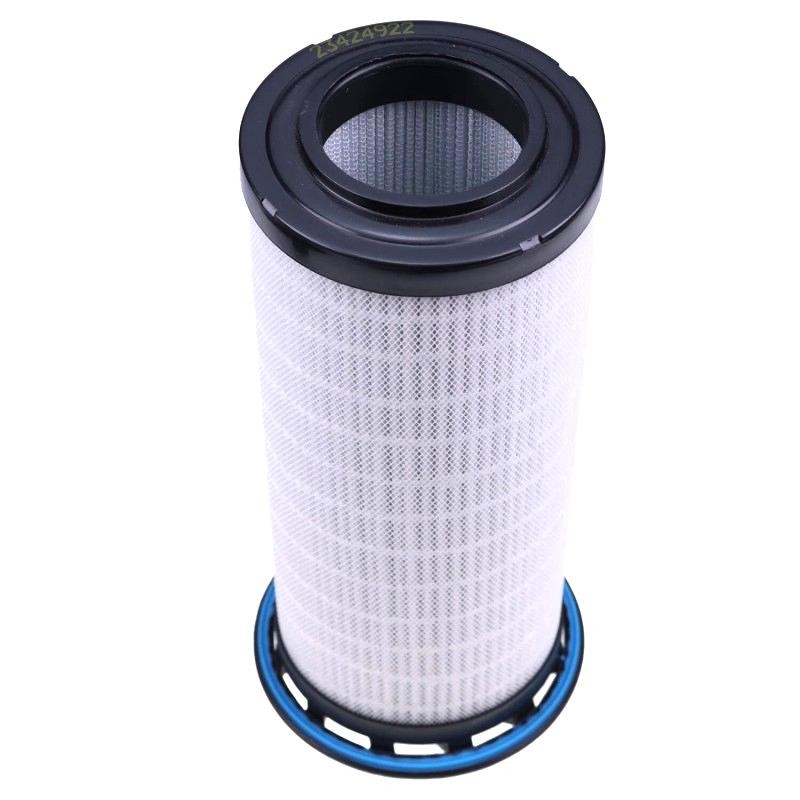
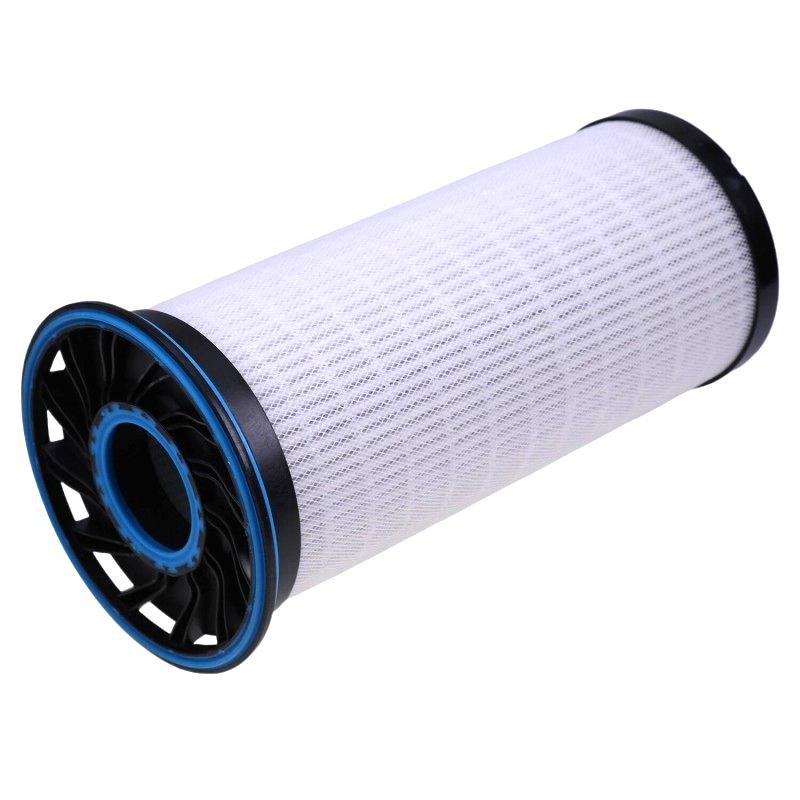
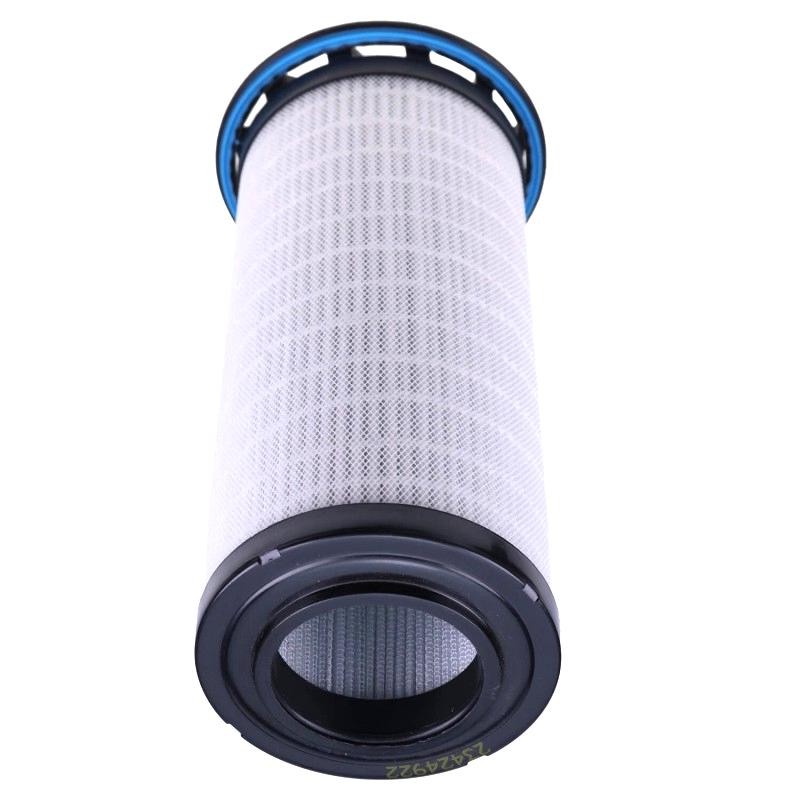
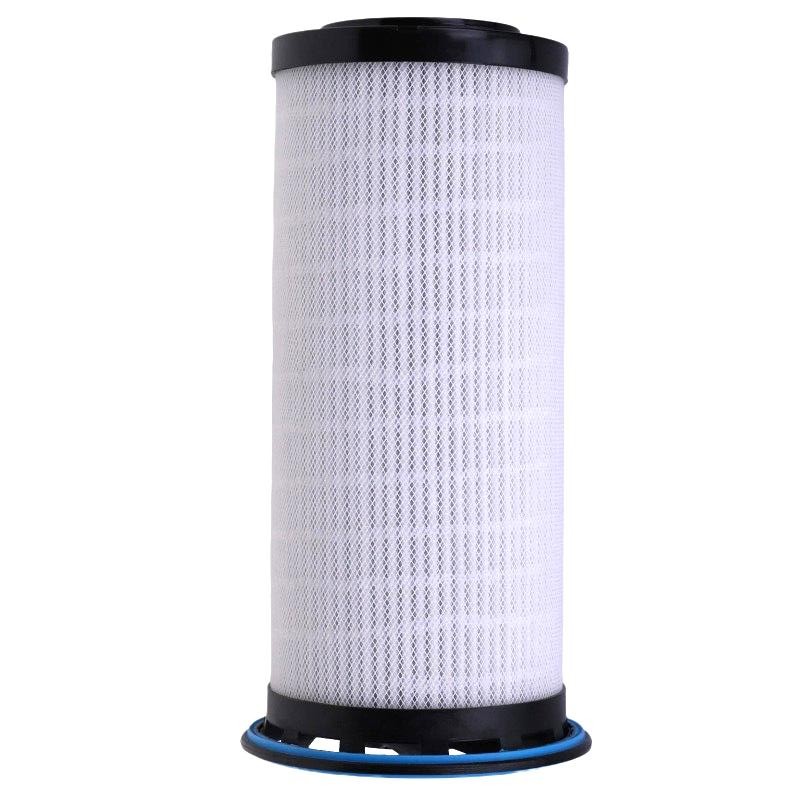
- Ingersoll Rand
- 47572172001 23424922
- Oil Filter Element
- USA
- 232.2 × 114.3 × 96.5 mm
- 2.3 kg
- Xiamen, China
- New & In Stock
- T/T, PayPal, Western Union
- 1 Year
- 1-3 Working Days
- DHL, UPS, TNT, FedEx and EMS.
- 24-Hour Service
- COO
- 3
Our advantage

Global Logistics
We have a 10-year logistics and express cooperation agreement, so our products can be shipped to any place in the world.

Brand new and original
Our products are imported in bulk from the place of origin. Because of the cooperative relationship, our products are all original and 100% new.

24-hour service
We provide 7*24 hours service to our customers. We will be there whenever you need us.

Price advantage
All our products are priced very favorably because we have our own warehouse and supply.
| Company Information | |||
| [email protected] | |||
| Mobile | +8615980777398 | ||
| +8615980777398 | |||
| 15980777398 |
1. Product Overview
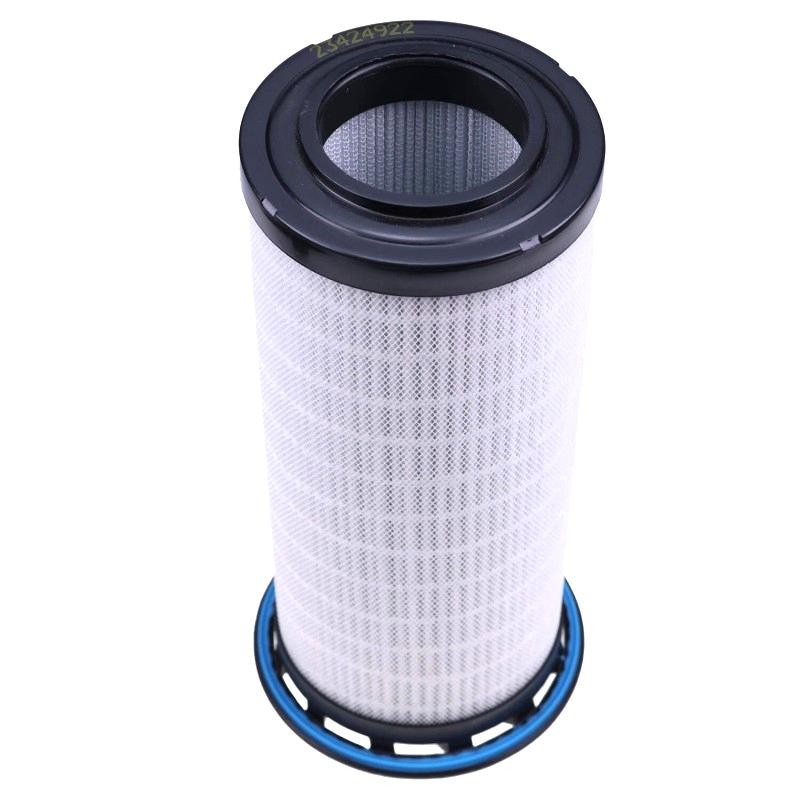
The Ingersoll Rand 47572172001 / 23424922 Oil Filter Element is an industrial filtration component intended for use in compatible Ingersoll Rand equipment. Oil filter elements play an important role in maintaining lubricant cleanliness by capturing contaminants that may circulate through an oil system during normal operation.
In industrial compressor and machinery applications, clean lubricating oil helps reduce wear on moving components and supports dependable equipment operation. Dust, metal particles, degraded lubricant residues, and other contaminants can affect system performance if they are not adequately controlled. A suitable oil filter element helps manage these contaminants as part of a properly maintained filtration system.
The model numbers 47572172001 and 23424922 should be checked against the equipment’s parts list and the original filter identification before ordering. Where both numbers are associated with the required component, confirming their relationship through equipment documentation helps avoid incorrect substitutions.
With supplied dimensions of 232.2 × 114.3 × 96.5 mm and a weight of 2.3 kg, this filter element can be identified more accurately during spare-parts purchasing, inventory management, and maintenance planning.
The filter element should be selected according to the specific equipment model, oil circuit, filtration requirements, and manufacturer-approved replacement interval. Similar-looking filters may differ in filtration performance, pressure capability, sealing design, or compatibility with the lubricant.
2. Technical Specifications
| Parameter | Specification |
|---|---|
| Brand | Ingersoll Rand |
| Part Number 1 | 47572172001 |
| Part Number 2 | 23424922 |
| Product Type | Oil Filter Element |
| Product Category | Industrial Filtration and Maintenance Parts |
| Dimensions | 232.2 × 114.3 × 96.5 mm |
| Weight | 2.3 kg |
| Primary Function | Filtration of contaminants from compatible oil systems |
| Application | Compatible industrial equipment and lubrication systems |
| Installation | Designated filter housing |
| Filtration Rating | Verify against the equipment documentation |
| Compatible Lubricant | Confirm according to the applicable equipment specification |
| Replacement Interval | Follow the manufacturer’s maintenance schedule |
| Equipment Compatibility | Verify using the complete equipment model and parts list |
Note: The dimensions and weight are based on the supplied product information. Filtration efficiency, micron rating, pressure limits, lubricant compatibility, and the precise equipment applications should be verified before ordering or installation.
3. Function and Working Principle
An oil filter element is designed to remove suspended contaminants from oil as it passes through a compatible filtration system. Its effectiveness depends on the filter media, element construction, oil characteristics, flow conditions, and maintenance practices.
3.1 Removal of Oil Contaminants
Oil used in industrial machinery can collect particles from normal wear, environmental contamination, maintenance activities, and lubricant degradation. If these contaminants remain in circulation, they may contribute to wear or interfere with the operation of sensitive components.
The filter element provides a filtration barrier that captures contaminants according to its design and specified performance.
3.2 Support for Lubrication System Reliability
Many industrial machines depend on oil to lubricate moving parts, reduce friction, and help manage operating temperatures. Maintaining suitable oil cleanliness supports these functions.
A correctly specified filter element helps the lubrication system maintain its intended filtration performance. It does not, however, replace the need for correct lubricant selection, oil-level checks, and regular equipment inspection.
3.3 Maintaining Oil Flow
An oil filter must provide filtration while allowing the required oil flow through the system. As contaminants accumulate, the filter element may develop increasing flow resistance.
If the element becomes excessively restricted, the resulting pressure conditions may affect lubrication performance. The permitted differential pressure and any bypass arrangements depend on the equipment’s design and should be confirmed using the relevant technical documentation.
3.4 Protection of Downstream Components
Contaminant control can help reduce the circulation of unwanted particles through compatible lubrication circuits. This may support the service life of bearings, gears, and other lubricated components, depending on the equipment design.
The actual protection achieved depends on the specified filter performance and the condition of the overall oil system.
4. Role in Industrial Equipment
Oil filtration is an important maintenance function in equipment that relies on circulating lubricants. The precise application of the Ingersoll Rand 47572172001 / 23424922 must be confirmed against the relevant equipment documentation.
Industrial Air Compressors
Many industrial air compressors use lubrication systems to support internal mechanical components. Appropriate filtration helps control contaminants in the oil circuit and contributes to routine equipment maintenance.
The correct filter type depends on the compressor design and the specified maintenance parts.
Industrial Machinery
Rotating machinery and other industrial equipment may use oil for lubrication and wear control. Maintaining suitable oil cleanliness helps support reliable operation and may reduce contamination-related maintenance problems.
Manufacturing Facilities
Production facilities often operate equipment for extended periods. Scheduled oil-filter replacement can help maintain the intended filtration performance and reduce the risk of excessive restriction caused by accumulated contaminants.
Preventive Maintenance Programs
Filter elements are consumable maintenance parts. Identifying the correct part number and maintaining an appropriate replacement schedule help technicians plan service work, manage spare-parts inventory, and reduce unnecessary equipment downtime.
5. Installation and Replacement Guide
Correct installation is essential to maintain filtration performance and prevent oil leakage or contamination. The following procedure is a general guide; the equipment-specific service manual must take precedence.
Step 1: Confirm the Replacement Part
Check the equipment model, original filter identification, and maintenance parts list. Confirm whether 47572172001 and 23424922 correspond to the required filter element for the target machine.
Do not select a replacement based only on external dimensions or visual similarity.
Step 2: Prepare the Equipment Safely
Stop the equipment and follow the manufacturer’s shutdown and isolation procedures. Allow hot components and oil to cool as required.
Relieve pressure from the relevant system before opening the filter housing. Follow the site’s safety procedures and use appropriate protective equipment to prevent exposure to hot oil or pressurized fluid.
Step 3: Remove the Used Element
Access the filter housing according to the service instructions. Remove the existing element carefully to avoid spilling oil or introducing dirt into the system.
Inspect the removed element and surrounding housing for visible contamination, damage, or unusual deposits. Dispose of the used filter and oil according to applicable environmental and workplace requirements.
Step 4: Inspect the Filter Housing
Check the housing, sealing surfaces, and associated components for damage, contamination, or signs of leakage.
Clean the relevant surfaces using an approved method. Avoid allowing dirt, cleaning materials, or other foreign objects to enter the oil circuit.
Step 5: Install the New Filter Element
Compare the replacement with the removed component and confirm that its part number and design are correct.
Install the element in the specified orientation and ensure that the required seals are correctly positioned. Follow the manufacturer’s instructions for tightening, lubrication of seals, and any required housing assembly procedure.
Do not apply an arbitrary tightening torque or use unapproved sealants.
Step 6: Restore the System
Close the housing and restore the equipment to its specified operating condition. Follow the prescribed procedure for oil replenishment, priming, or other required service steps.
Check the oil level and confirm that all connections and seals are correctly installed before returning the equipment to normal operation.
Step 7: Check for Leaks and Abnormal Conditions
Start the equipment according to the manufacturer’s procedure. Inspect the filter housing and surrounding connections for leakage.
Monitor relevant operating indications and confirm that the equipment operates normally. If an abnormal pressure indication, leakage, or lubrication alarm occurs, stop the equipment when required by the service procedure and investigate the cause.
6. Common Oil Filter Problems and Troubleshooting
Problems involving oil filtration may arise from an incorrect filter element, accumulated contaminants, improper installation, unsuitable lubricant, or a fault elsewhere in the lubrication system.
6.1 Reduced Oil Flow
Possible causes:
- Filter element restriction caused by accumulated contaminants.
- Incorrect filter element.
- Oil viscosity outside the specified range.
- A problem elsewhere in the oil circuit.
Recommended checks:
Review the maintenance history and inspect the filter according to the approved service procedure. Verify the lubricant specification and check for other restrictions in the oil circuit. Replace the element if required by the manufacturer’s maintenance instructions.
6.2 Oil Leakage Around the Filter Housing
Possible causes:
- Damaged or incorrectly positioned seals.
- Incorrect installation.
- A damaged sealing surface.
- A loose or improperly assembled housing.
- Excessive or abnormal system pressure.
Recommended checks:
Stop and isolate the equipment as required. Check the housing, seals, and installation procedure. Replace damaged sealing components with approved parts and investigate abnormal pressure conditions before restarting.
6.3 Frequent Filter Replacement
Possible causes:
- Excessive contamination entering the oil system.
- Internal wear producing abnormal quantities of particles.
- Incorrect lubricant or unsuitable operating conditions.
- An incorrect replacement interval.
- An unsuitable filter element.
Recommended checks:
Review the operating environment, oil condition, maintenance records, and replacement part number. If contamination or restriction occurs repeatedly, investigate the underlying cause rather than relying only on more frequent filter changes.
6.4 Oil Contamination
Possible causes:
- Contaminants entering during maintenance.
- Deteriorated or unsuitable lubricant.
- Internal component wear.
- Water or other unwanted substances entering the oil system.
- Incorrect storage or handling of replacement elements.
Recommended checks:
Inspect the oil condition and follow the manufacturer’s sampling or testing procedure where applicable. Check maintenance practices and contamination entry points. Replace the filter and lubricant only as directed by the equipment’s service requirements.
6.5 Abnormal Pressure Indications
Possible causes:
- Filter restriction.
- Incorrect filter specification.
- Changes in oil viscosity.
- A malfunctioning pressure indicator or sensor.
- Another problem within the lubrication circuit.
Recommended checks:
Review the system’s diagnostic information and confirm that the correct filter and lubricant are installed. Use the equipment documentation to interpret pressure readings and determine whether the filter needs replacement or further investigation is required.
7. Preventive Maintenance Recommendations
A consistent maintenance program helps preserve oil cleanliness and reduce avoidable equipment problems.
- Follow the service schedule: Replace the filter at the interval specified for the equipment and operating conditions.
- Use the correct part number: Verify the filter designation against the machine’s parts list.
- Maintain cleanliness: Keep the filter housing and surrounding work area clean during replacement.
- Inspect seals: Check sealing components for wear, damage, or incorrect positioning.
- Monitor oil condition: Investigate unusual discoloration, contamination, or abnormal deposits.
- Check operating indications: Review relevant pressure, temperature, and lubrication alarms.
- Store spare elements properly: Keep replacement filters clean, dry, and protected from damage.
- Document maintenance: Record replacement dates, part numbers, observed contamination, and any abnormal operating conditions.
Filter replacement intervals should not be based solely on appearance. Follow the equipment manufacturer’s schedule and account for approved operating-condition adjustments.
8. Compatible Equipment and Related Components
The Ingersoll Rand 47572172001 / 23424922 should be checked against the exact equipment configuration before use. The following table lists general components associated with oil filtration and maintenance; it does not confirm compatibility with specific models.
| Component Category | Function | Verification Requirement |
|---|---|---|
| Oil filter housing | Holds and seals the filter element | Confirm physical and sealing compatibility |
| Lubricating oil | Provides lubrication within the equipment | Use the specified lubricant |
| Oil pump | Circulates oil through the relevant system | Verify the required flow and pressure |
| Pressure indicator or sensor | Monitors relevant oil-system conditions | Confirm system-specific operating limits |
| Seals and O-rings | Help prevent oil leakage | Use the specified seal type and dimensions |
| Oil cooler, where fitted | Helps manage oil temperature | Follow the equipment’s maintenance instructions |
| Compressor or machinery assembly | Contains the oil circuit | Verify the complete equipment model and parts list |
A filter element should be approved for the target equipment and oil circuit. A similar shape or matching external dimensions does not establish filtration performance or pressure compatibility.
9. Replacement and Alternative Selection
When sourcing an oil filter element, selecting the correct specification is essential for reliable filtration and proper installation.
Key Selection Factors
- Part number: Verify 47572172001 and 23424922 against the equipment documentation.
- Equipment model: Confirm that the filter is specified for the target machine.
- Dimensions and fit: Check the housing interface, element orientation, and sealing arrangement.
- Filtration performance: Confirm the required filtration rating and efficiency.
- Pressure capability: Verify the filter’s permitted operating conditions.
- Lubricant compatibility: Ensure that the filter media and seals are suitable for the specified oil.
- Maintenance requirements: Follow the prescribed replacement interval and installation procedure.
| Sourcing Option | When It May Be Appropriate | Important Consideration |
|---|---|---|
| Exact part-number replacement | The original filter element is identified | Confirm the complete equipment and filter designation |
| Manufacturer-approved equivalent | The original part is unavailable | Verify documented performance and fit |
| Alternative filtration product | A replacement is being evaluated | Confirm filtration, pressure, and lubricant compatibility before use |
An alternative should not be approved based only on dimensions, weight, or appearance.
10. Key Benefits of Correct Oil Filter Maintenance
Using the correct filter element and following the required maintenance schedule can provide several operational benefits:
- Contamination control: Helps remove suspended particles from compatible oil systems.
- Lubrication-system support: Helps maintain the intended oil cleanliness when correctly specified and maintained.
- Equipment protection: Can reduce exposure to contaminants that contribute to wear.
- Maintenance planning: Supports scheduled service and spare-parts inventory management.
- Reduced risk of leakage: Correct fit and installation help maintain housing seals.
- Operational reliability: Appropriate filtration maintenance can help reduce contamination-related interruptions.
Actual results depend on the filter’s verified performance, the equipment design, lubricant condition, and maintenance practices.
11. Frequently Asked Questions
What is the Ingersoll Rand 47572172001 / 23424922?
It is identified as an Ingersoll Rand oil filter element. The correct application should be confirmed using the equipment model and original parts documentation.
What are the dimensions and weight?
The supplied dimensions are 232.2 × 114.3 × 96.5 mm, and the supplied weight is 2.3 kg.
Can this filter element be used in any Ingersoll Rand machine?
No. Filter elements vary according to housing design, filtration requirements, pressure conditions, and lubricant compatibility. Confirm the required part number for the specific equipment.
When should the oil filter element be replaced?
Follow the equipment manufacturer’s recommended service interval and any applicable instructions based on operating conditions. Frequent restriction or abnormal contamination should be investigated rather than addressed through replacement alone.
What happens if the wrong oil filter is installed?
An unsuitable element may fit poorly, fail to provide the required filtration, create excessive flow resistance, or cause sealing problems. Verify the part number and specifications before installation.
What should be checked during filter replacement?
Confirm the part number, inspect the housing and sealing surfaces, install the element in the specified orientation, and follow the correct service procedure. Afterward, check for leakage and abnormal operating indications.
How should a replacement filter be selected?
Use the equipment model, original part number, required filtration performance, dimensions, pressure conditions, and lubricant compatibility. Documented suitability is more important than visual similarity.
12. Conclusion
The Ingersoll Rand 47572172001 / 23424922 Oil Filter Element is an industrial filtration component intended to support oil cleanliness in compatible equipment. Correct filter selection, careful installation, and regular replacement are important parts of an effective preventive maintenance program.
For maintenance personnel, equipment operators, and industrial spare-parts purchasers, confirming the complete part number and target equipment model helps reduce the risk of an unsuitable replacement. By following the applicable service instructions and monitoring oil-system conditions, users can support reliable lubrication performance and help maintain industrial equipment availability.