

ProductPRODUCT
Featured products
Contact Us
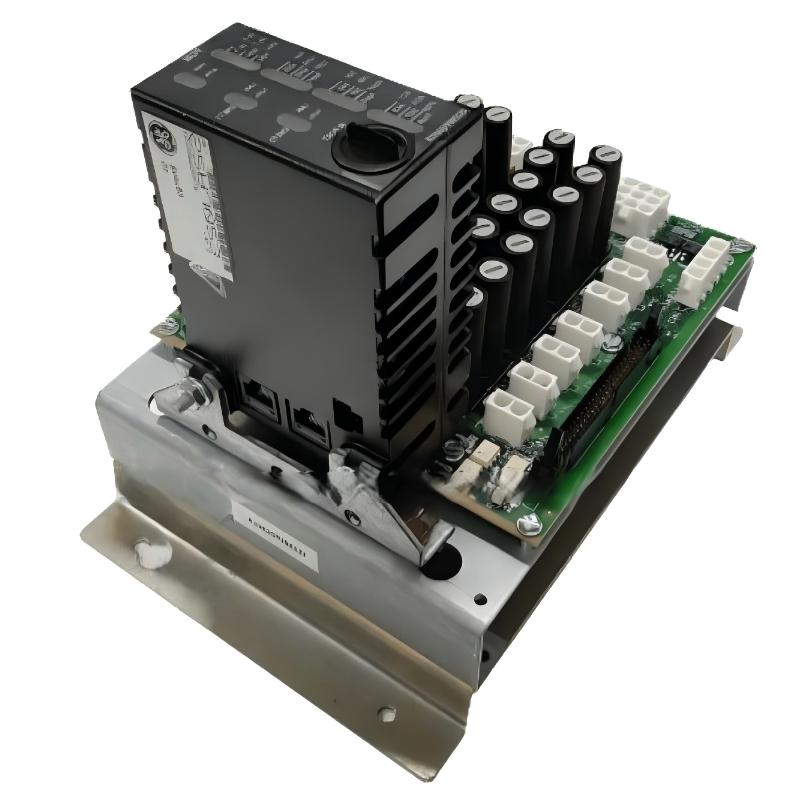
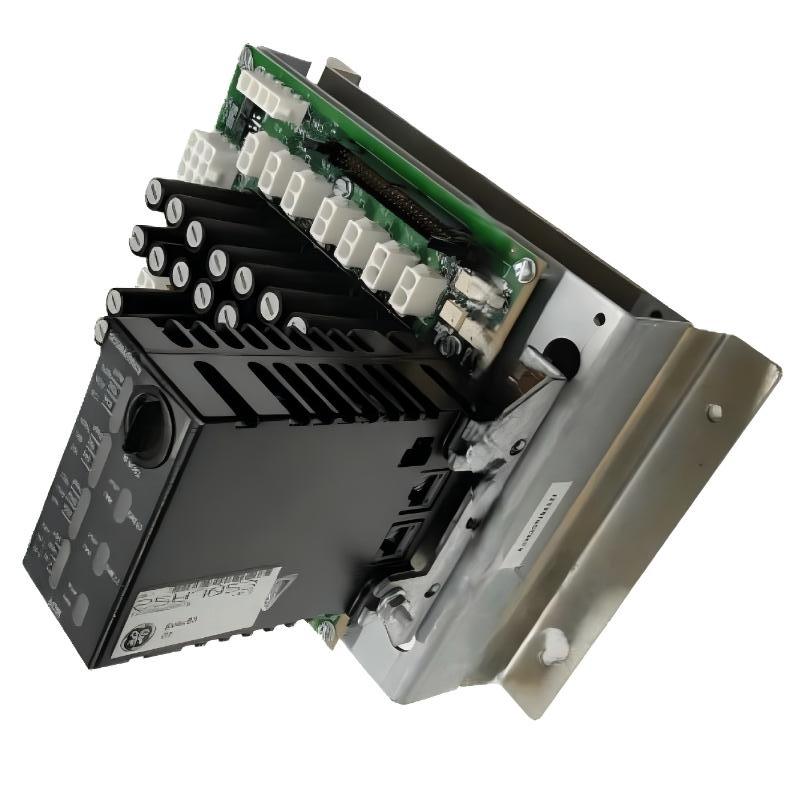
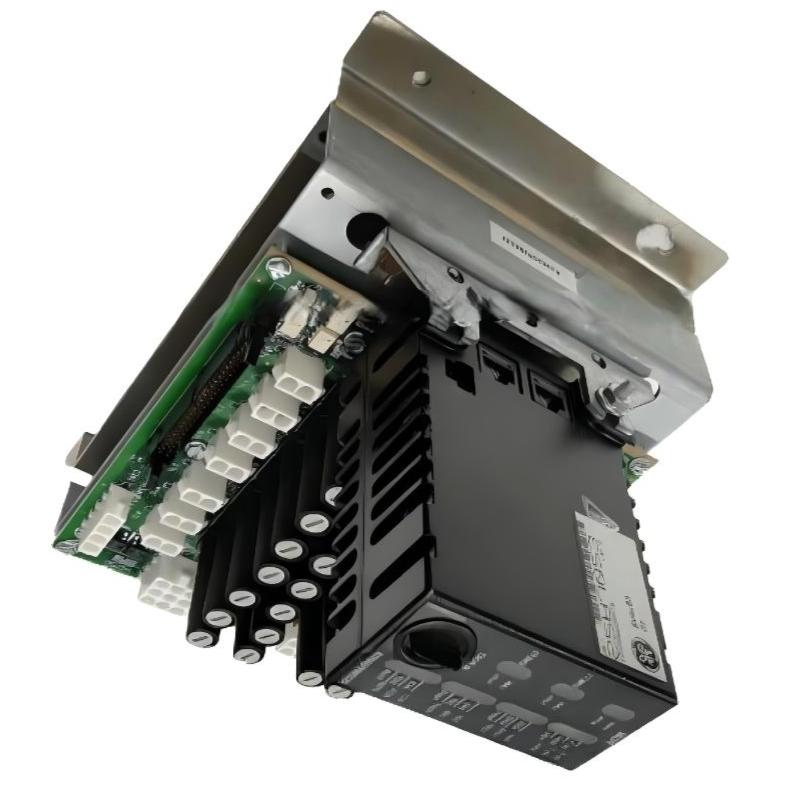
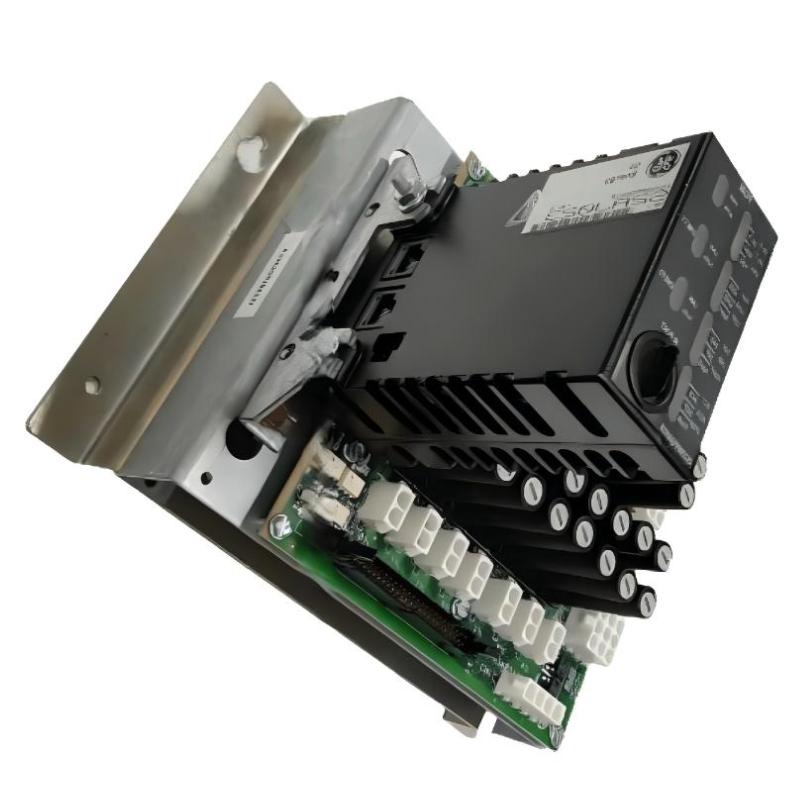
- GE
- IS230JPDGH1A IS200JPDGH1ABC
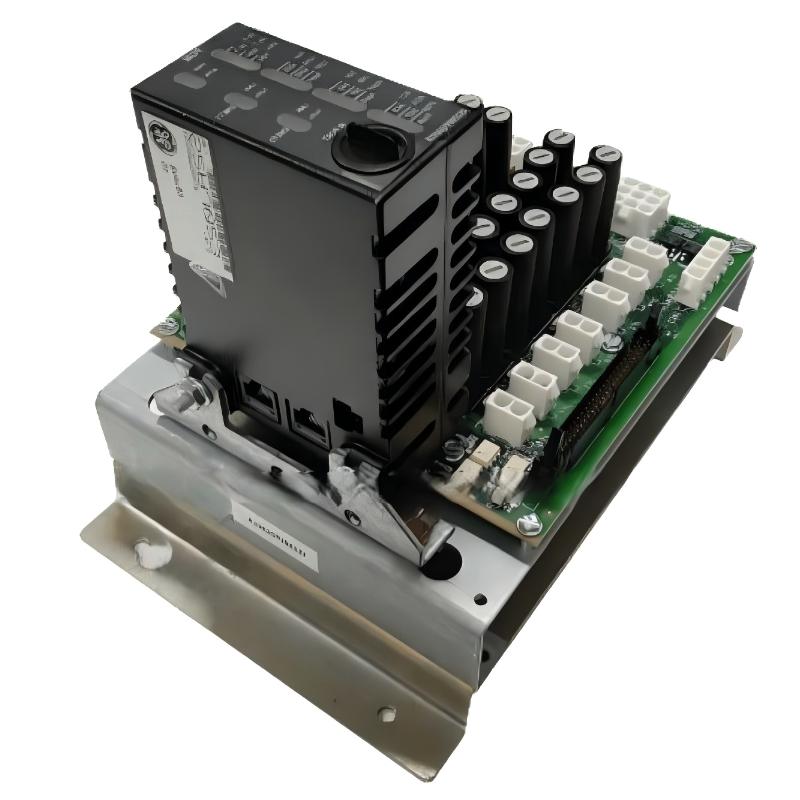
- DC Power Distribution Module
- USA
- 180 x 100 x 50 mm
- 0.7 kg
- Xiamen, China
- New & In Stock
- T/T, PayPal, Western Union
- 1 Year
- 1-3 Working Days
- DHL, UPS, TNT, FedEx and EMS.
- 24-Hour Service
- COO
- 5
Our advantage

Global Logistics
We have a 10-year logistics and express cooperation agreement, so our products can be shipped to any place in the world.

Brand new and original
Our products are imported in bulk from the place of origin. Because of the cooperative relationship, our products are all original and 100% new.

24-hour service
We provide 7*24 hours service to our customers. We will be there whenever you need us.

Price advantage
All our products are priced very favorably because we have our own warehouse and supply.
| Company Information | |||
| [email protected] | |||
| Mobile | +8615980777398 | ||
| +8615980777398 | |||
| 15980777398 |
Product Overview
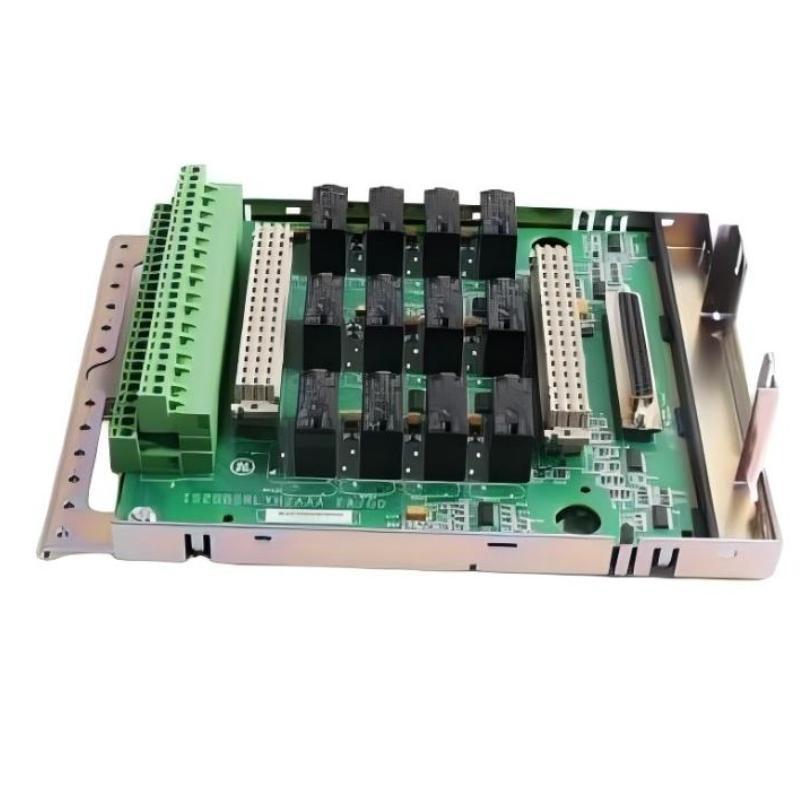
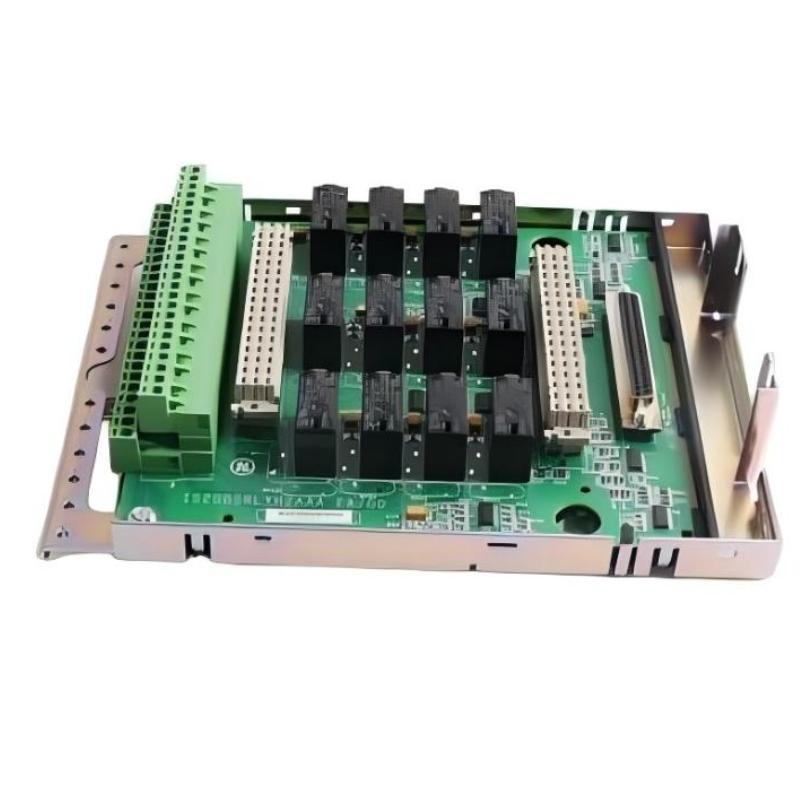
The GE IS230JPDGH1A DC Power Distribution Module, associated with part number IS200JPDGH1ABC, is an industrial control component intended for DC power distribution within compatible GE automation equipment. In industrial control systems, reliable power delivery is essential for maintaining stable operation of electronic assemblies, monitoring devices, interface circuits, and other system components.
A power distribution module provides an organized way to route DC power to designated parts of an electrical system. Depending on the equipment architecture, the distribution arrangement may incorporate connectors, terminals, protective devices, or other power-routing elements. The exact internal design and supported electrical configuration of the IS230JPDGH1A must be verified against the applicable hardware documentation.
The module is relevant to industrial environments where control equipment requires dependable DC power delivery and a clearly defined electrical distribution structure. Proper identification, wiring, and installation are important because an incorrect power connection can damage electronic equipment or cause unexpected system interruptions.
With listed dimensions of 180 × 100 × 50 mm and a weight of approximately 0.7 kg, the module can be considered when planning cabinet layouts, maintaining spare-parts inventories, and preparing replacement components for industrial control systems.
Technical Specifications
| Parameter | Specification |
|---|---|
| Manufacturer | General Electric (GE) |
| Model | IS230JPDGH1A |
| Associated Part Number | IS200JPDGH1ABC |
| Product Type | DC Power Distribution Module |
| Product Family | GE IS230 / IS200 Series |
| Primary Function | DC power distribution within compatible equipment |
| Application | Industrial control and automation systems |
| Installation | According to the compatible host-system configuration |
| Dimensions | 180 × 100 × 50 mm |
| Weight | 0.7 kg |
Note: Rated input voltage, output voltage, current capacity, number of distribution branches, protection characteristics, and terminal assignments have not been specified here. These parameters should be confirmed for the exact hardware version before installation.
Function and Working Principle
The primary role of a DC power distribution module is to route electrical power from a designated DC source to the intended loads within an industrial control assembly. Stable power distribution helps control equipment operate consistently and reduces the risk of interruptions caused by unsuitable wiring or unreliable connections.
DC Power Input
The distribution assembly receives DC power from the designated source in the host system. The source voltage and permitted operating range must match the requirements of the installed equipment.
Before connection, technicians should verify the correct supply source, polarity, grounding arrangement, and applicable electrical ratings.
Power Routing and Distribution
The module provides the designated power distribution path for compatible equipment. Depending on its detailed design, the internal arrangement may use circuit paths and connection points to route power to specified destinations.
The actual number of outputs, circuit arrangement, and supported loads must not be assumed from the model name alone.
Power Delivery to Connected Equipment
Once the correct supply is connected, the distribution arrangement delivers DC power to the designated circuits. Reliable power delivery depends on correct wiring, suitable conductor sizing, secure connections, and compliance with the host system’s electrical requirements.
System-Level Operation
The module operates as part of a larger electrical architecture rather than as an independent controller. Its performance depends on the DC source, connected loads, protection arrangements, and the overall design of the host equipment.
Role in Industrial Automation Systems
Industrial automation systems rely on several interconnected layers, including controllers, I/O assemblies, communication interfaces, sensors, actuators, and power supplies. Each component requires an appropriate electrical supply to perform its intended function.
The GE IS230JPDGH1A can serve a power distribution role within a compatible GE control arrangement. Its purpose is distinct from that of a PLC processor or signal-processing module: power distribution concerns the delivery of electrical energy, while control and measurement devices process information and execute system functions.
Typical system-level responsibilities associated with DC power distribution include:
- Routing DC power to designated equipment
- Supporting an organized cabinet wiring layout
- Providing defined power connection points
- Helping technicians trace electrical supply paths
- Supporting equipment maintenance and replacement procedures
- Contributing to the overall reliability of industrial control hardware
The exact role of this module within a specific installation should be determined from the host equipment’s electrical drawings and parts documentation.
Industrial Applications
Power Distribution in Control Cabinets
Industrial control cabinets contain multiple electronic assemblies that require correctly rated power supplies. A dedicated distribution component can help organize power connections and make electrical maintenance more manageable.
Turbine and Generator Control Equipment
Power distribution is an important consideration in turbine and generator control systems, where reliable operation of electronic equipment is essential. The module may be considered for a compatible GE installation when its electrical function and hardware configuration have been confirmed.
Process Automation
Chemical plants, water-treatment facilities, manufacturing lines, and other process industries rely on interconnected control equipment. Organized DC power distribution supports the electrical infrastructure needed by these systems.
Industrial Monitoring Systems
Monitoring and interface equipment may require DC power to collect, process, or communicate operating information. The distribution arrangement must be appropriate for the connected devices and their specified power requirements.
Equipment Maintenance and Refurbishment
During control cabinet refurbishment, technicians may need to replace an existing power distribution component or restore the original wiring arrangement. Exact part identification is essential to prevent the installation of an incompatible component.
These applications describe common industrial uses of DC power distribution. The suitability of the IS230JPDGH1A for any particular machine or system must be verified before deployment.
Installation and System Integration
Correct installation is essential for safe and reliable operation. Because the IS230JPDGH1A is identified as a DC power distribution module, particular attention should be given to supply compatibility, polarity, circuit protection, and the identification of connected loads.
1. Verify the Part Number
Before installation, check both identifiers:
- IS230JPDGH1A
- IS200JPDGH1ABC
Compare the module markings with the original component and the host system’s bill of materials. Confirm that the associated part number is approved for the intended installation.
2. Review Electrical Drawings
Use the applicable wiring diagrams to identify the DC source, distribution paths, connected equipment, and required protection. Do not infer voltage ratings, terminal assignments, or current limits from the product name.
3. Isolate Power Before Handling
Follow the approved shutdown and lockout procedures before removing or installing the module. Verify that the relevant circuits are de-energized using appropriate procedures and equipment.
4. Inspect the Module and Connections
Check the housing, connectors, terminals, and mounting points for visible damage, contamination, corrosion, or signs of overheating. Damaged or questionable components should be evaluated before being placed into service.
5. Confirm Wiring and Polarity
Connect the designated DC supply and loads according to the approved system drawings. Incorrect polarity or wiring can damage connected electronics and create unsafe operating conditions.
6. Verify Circuit Protection
Confirm that the installed protection arrangement and conductor ratings are suitable for the supply and connected loads. Do not assume that a particular fuse, breaker, or current-limiting feature is integrated into the module unless the hardware documentation confirms it.
7. Perform Commissioning Checks
After installation, verify the wiring, supply conditions, connections, and status of the connected equipment. Apply power only after the required inspection and approval steps are complete. Investigate unexpected voltage readings, abnormal heating, or system alarms before returning the equipment to normal operation.
Troubleshooting the GE IS230JPDGH1A
A power distribution problem can originate in the DC source, protective device, wiring, distribution module, or connected load. Troubleshooting should examine the complete electrical path rather than immediately assuming the module has failed.
No DC Power at a Connected Device
Possible causes include:
- Loss of the upstream DC supply
- An open protective device
- Loose or disconnected wiring
- Incorrect terminal connections
- A damaged conductor
- A fault within the distribution path
- A problem with the connected device
Start by reviewing the electrical drawings and checking the supply at the designated test points using approved procedures.
Intermittent Power Delivery
Intermittent operation may result from loose terminals, damaged connectors, conductor fatigue, vibration, or an unstable upstream supply. Inspect the wiring and connection points for mechanical or thermal damage.
If the problem occurs only when equipment is operating under load, verify that the source and distribution path are suitable for the actual electrical demand.
Unexpected Voltage Readings
Unexpected readings may indicate an incorrect measurement point, unsuitable meter configuration, wiring errors, an upstream supply problem, or a fault in the electrical path.
Confirm the expected measurement points and electrical ratings before testing. Do not rely on assumed terminal assignments.
Overheating or Discoloration
Excessive temperature, discoloration, or a burnt smell can indicate a loose connection, excessive load, damaged conductor, or other electrical fault. De-energize the affected equipment according to the applicable safety procedure and investigate the cause before restarting.
Repeated Protective-Device Operation
If an upstream protective device repeatedly trips or opens, investigate the connected load, wiring insulation, short circuits, and system configuration. Repeatedly resetting the protection without diagnosing the fault can create additional damage or safety risks.
Maintenance Recommendations
Routine inspection can help identify developing electrical problems before they cause extended equipment downtime.
- Inspect wiring and terminals: Look for loose connections, damaged insulation, corrosion, and signs of overheating.
- Check mounting security: Ensure the module remains properly secured in its designated position.
- Review supply conditions: Verify that the DC source remains within the limits specified for the installed system.
- Examine protection devices: Confirm that protective components are correctly rated and maintained.
- Maintain cabinet cleanliness: Prevent dust, moisture, and other contaminants from accumulating around electrical assemblies.
- Record maintenance activities: Document part numbers, revisions, wiring changes, inspection findings, and replacement dates.
- Investigate recurring faults: Determine whether repeated interruptions originate from the source, wiring, load, or distribution component.
Maintenance should always follow the procedures and intervals established for the host equipment. Electrical testing and replacement work should be performed by qualified personnel.
Compatible System Components
The IS230JPDGH1A should be integrated only with components confirmed to be compatible with its specific electrical configuration. A typical DC power distribution arrangement may include the following elements.
| Component | Typical Function |
|---|---|
| DC Power Supply | Provides the designated DC source |
| GE IS230JPDGH1A | Distributes DC power within the compatible system |
| Associated IS200JPDGH1ABC Assembly Identification | Helps identify the intended hardware configuration |
| Circuit Protection | Provides protection as specified by the system design |
| Power Wiring | Connects the supply, distribution paths, and loads |
| Control Assemblies | Receive power for their intended functions |
| Monitoring Equipment | Uses supplied power to support monitoring operations |
| Electrical Cabinet | Houses and protects the installed assemblies |
This table represents the functional elements commonly found in a DC distribution system. It does not confirm that every listed item is directly connected to the module or that any particular protection feature is built into it. The actual configuration should be verified from the equipment documentation.
Replacement and Procurement Considerations
When sourcing a replacement for the GE IS230JPDGH1A, exact identification is more important than physical similarity. Related GE assemblies may have comparable dimensions but different electrical functions or connection arrangements.
Before purchasing a replacement, confirm:
- Full model number: IS230JPDGH1A
- Associated part number: IS200JPDGH1ABC
- Hardware revision and identifying markings
- Host equipment and installation position
- Connector and terminal arrangement
- Required DC supply characteristics
- Supported load and distribution configuration
- Physical dimensions and weight
- Compatibility with the existing wiring and protection arrangement
The listed physical dimensions are 180 × 100 × 50 mm, and the listed weight is 0.7 kg. These values can assist with cabinet planning, inventory records, and replacement logistics.
If the module is being replaced in an operating facility, document the existing wiring and connections before removal. After installation, complete the required electrical checks and commissioning procedures before returning the system to service.
Technical FAQs
What is the GE IS230JPDGH1A?
The GE IS230JPDGH1A is identified as a DC Power Distribution Module for compatible industrial control equipment.
What is the associated part number?
The associated part number supplied for this product is IS200JPDGH1ABC. Both identifiers should be checked when confirming a replacement.
What are the dimensions of the module?
The listed dimensions are 180 × 100 × 50 mm.
How much does the IS230JPDGH1A weigh?
The listed weight is approximately 0.7 kg.
What does a DC power distribution module do?
It provides a designated arrangement for routing DC power to compatible parts of an electrical system. The exact distribution paths and supported loads depend on the module’s design and the host system.
What electrical ratings does the module support?
The rated voltage, current capacity, output configuration, and protection characteristics should be confirmed using the applicable documentation for the exact hardware version.
Can another GE power distribution module be used as a replacement?
Not automatically. Compatibility must be verified by part number, revision, electrical ratings, connection arrangement, and host-system requirements.
What should be checked if a connected device loses power?
Check the upstream supply, protective devices, wiring, connectors, and designated distribution path. Follow approved electrical safety procedures and avoid assuming that the module itself is the cause until the rest of the circuit has been examined.
Conclusion
The GE IS230JPDGH1A DC Power Distribution Module, associated with IS200JPDGH1ABC, is intended for DC power distribution within compatible industrial control equipment. Reliable power distribution supports the operation of control electronics and monitoring assemblies, while correct wiring, suitable protection, and accurate component identification help maintain system stability.
With listed dimensions of 180 × 100 × 50 mm and a weight of 0.7 kg, the module can be included in maintenance planning, cabinet-layout preparation, and spare-parts management.
Before installation or replacement, verify the complete model identification, electrical ratings, wiring arrangement, and host-system compatibility. Proper inspection, safe handling, and systematic commissioning are essential to dependable operation in an industrial automation environment.