

ProductPRODUCT
Featured products
Contact Us
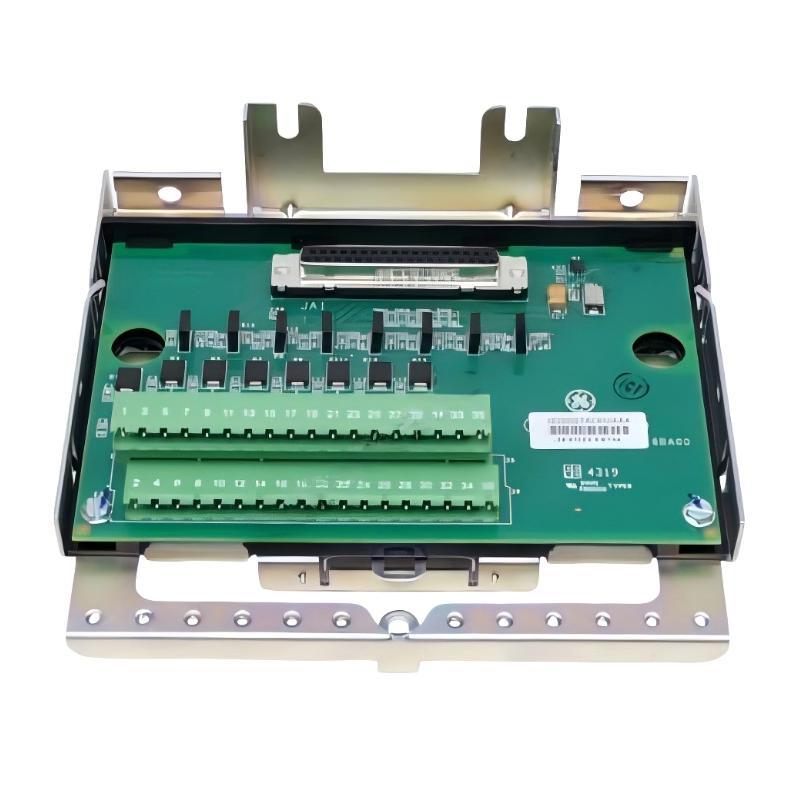
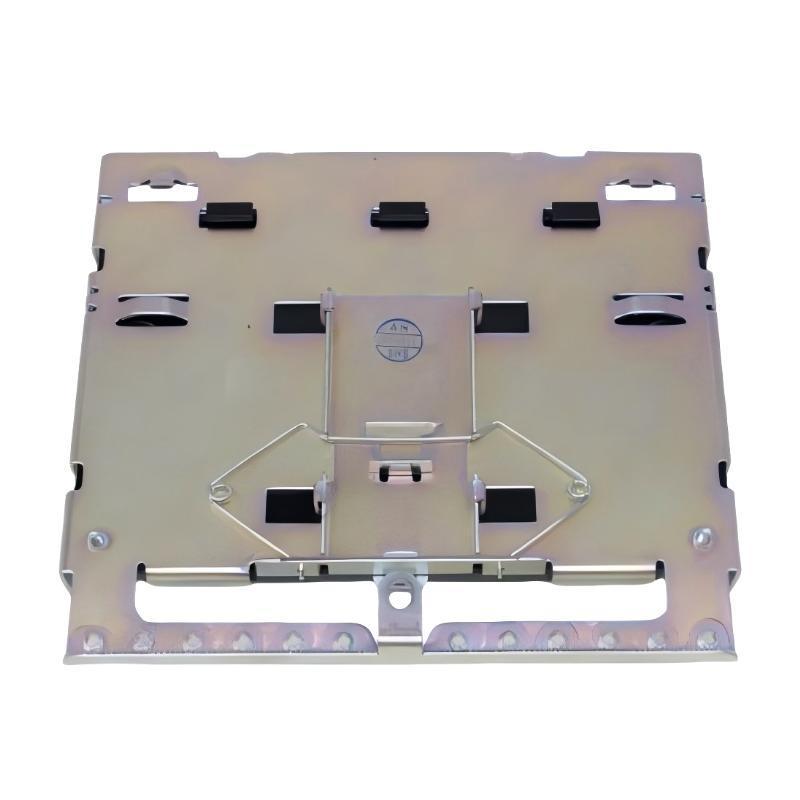
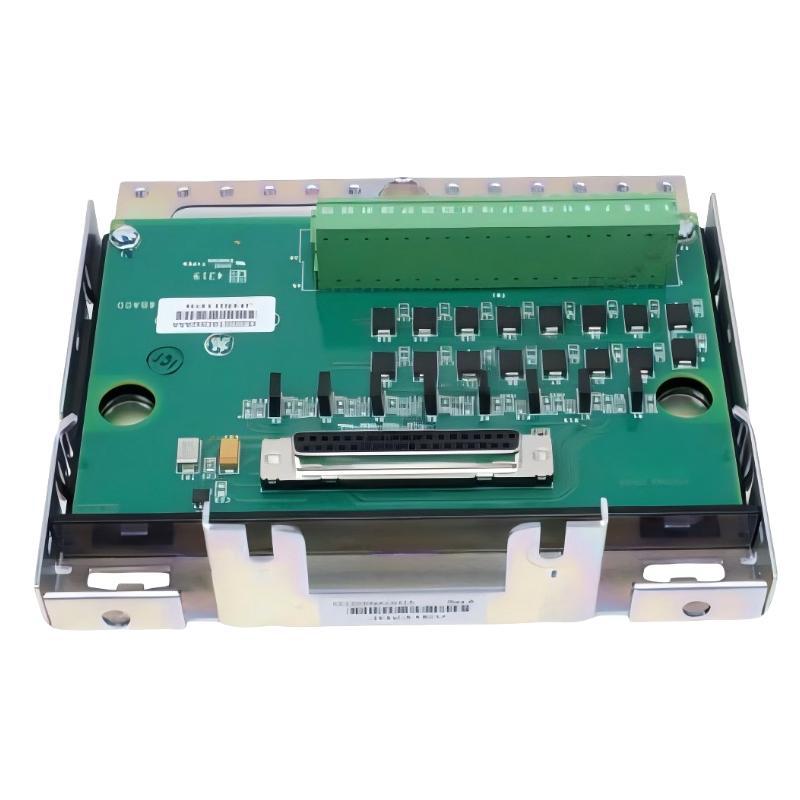
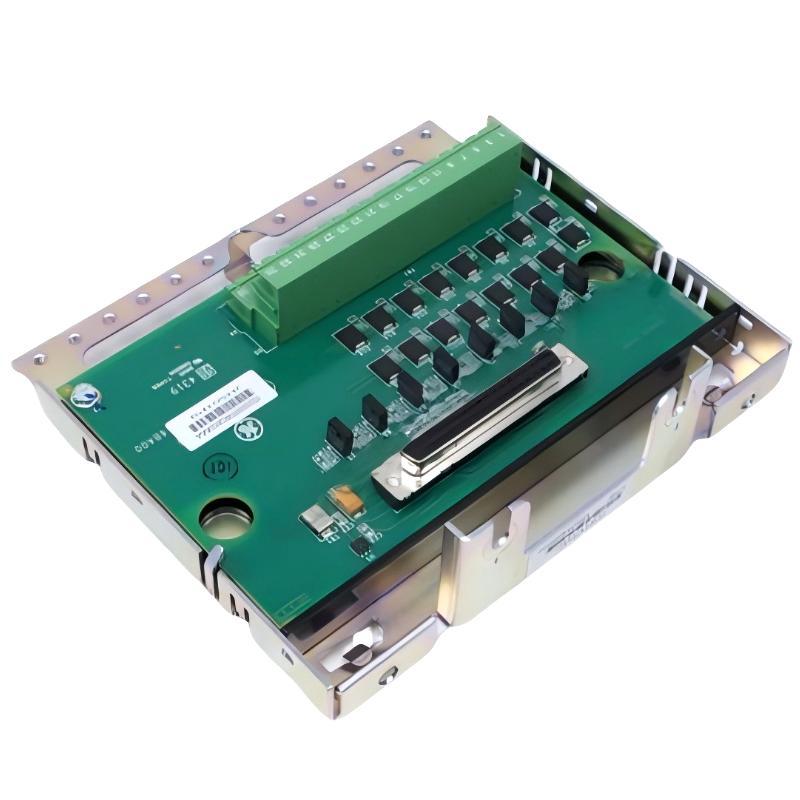
- GE
- IS230SNAOH2A
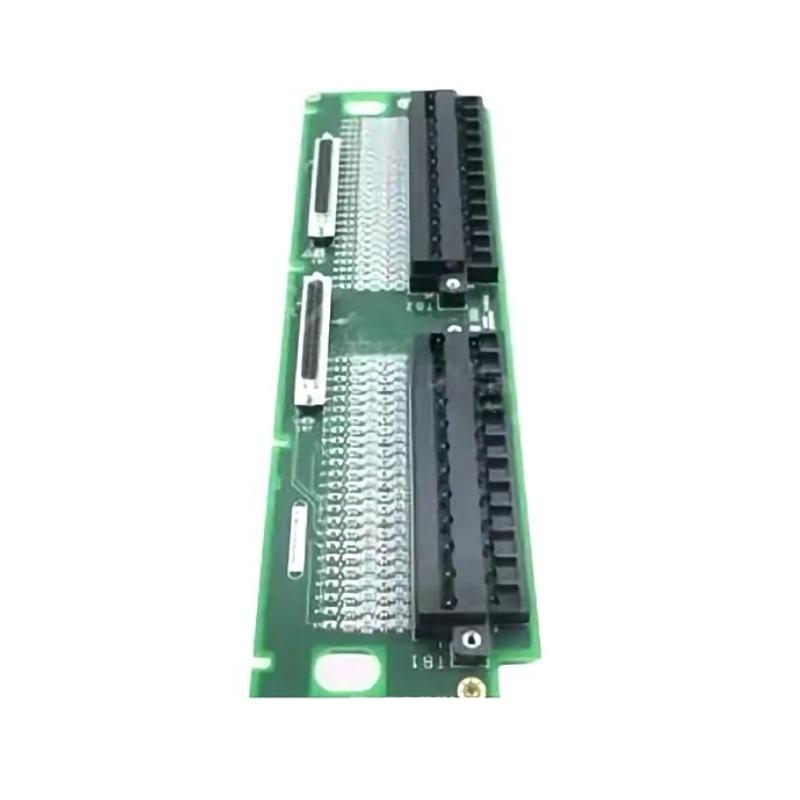
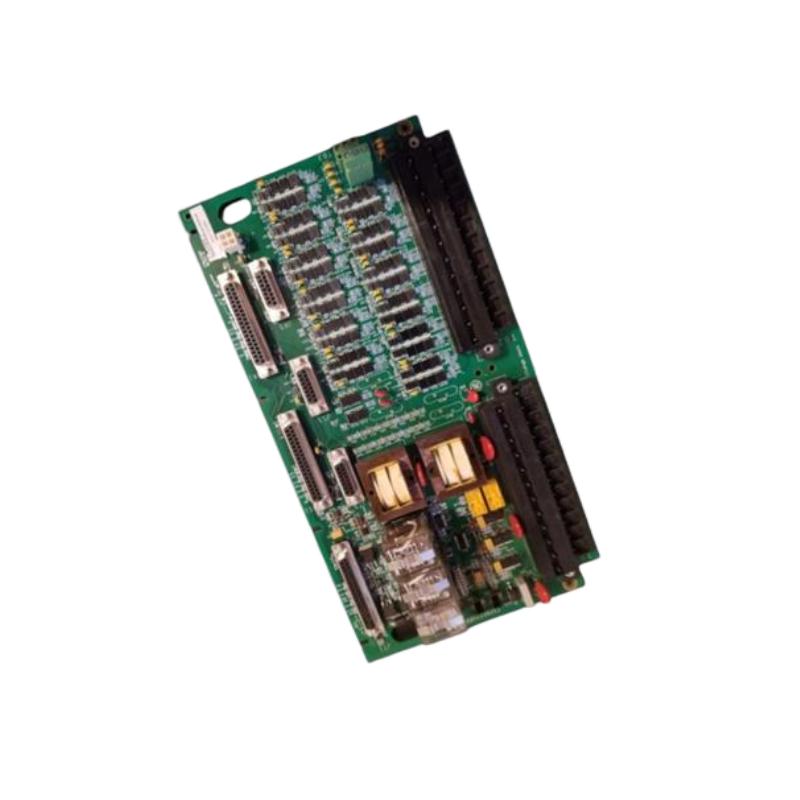
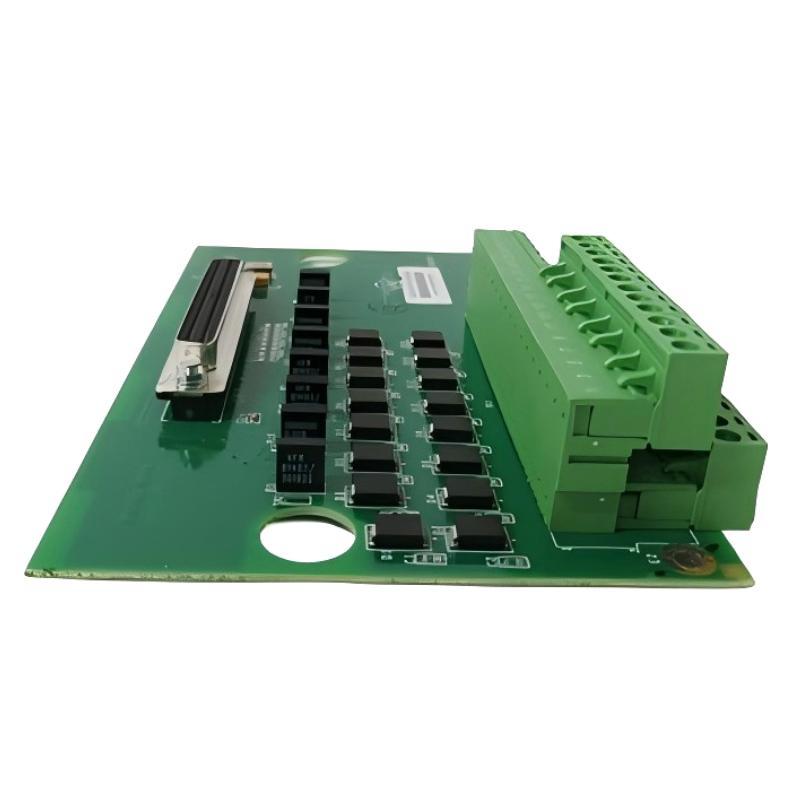
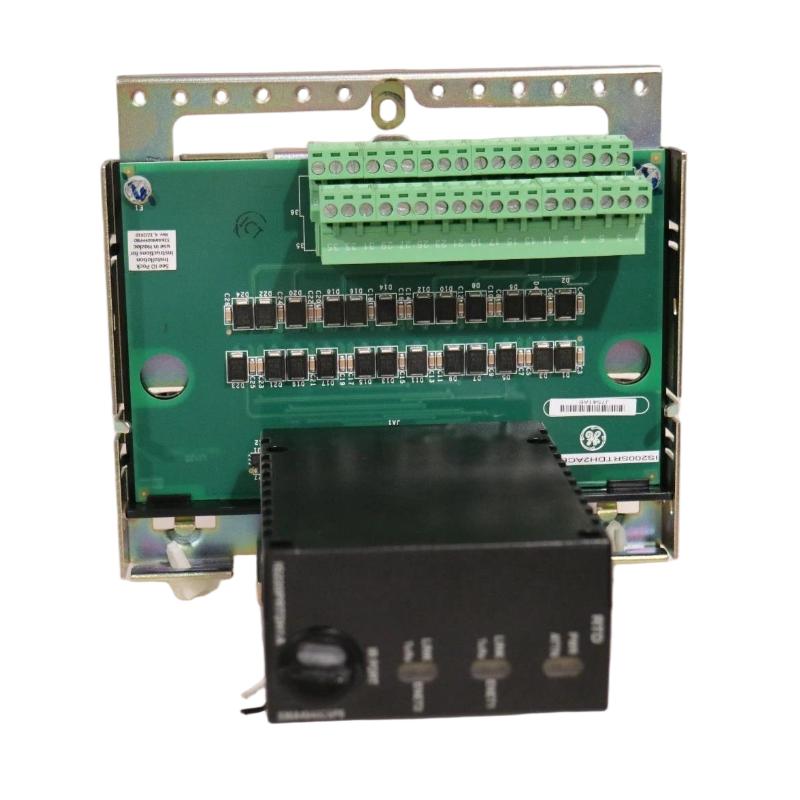
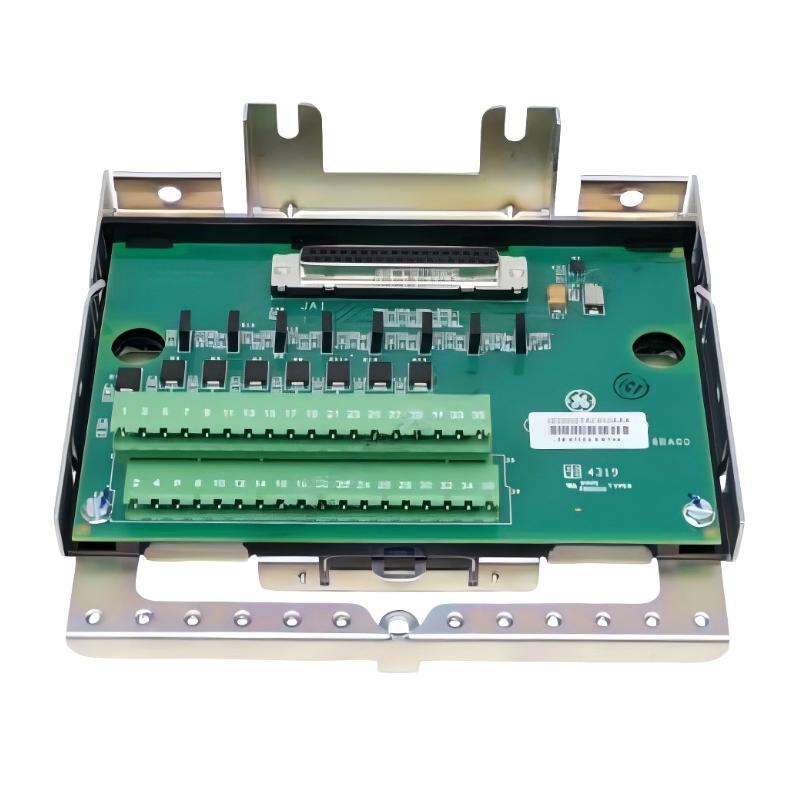
- Analog Output Board
- USA
- 167 x 148 x 55 mm
- 0.56 kg
- Xiamen, China
- New & In Stock
- T/T, PayPal, Western Union
- 1 Year
- 1-3 Working Days
- DHL, UPS, TNT, FedEx and EMS.
- 24-Hour Service
- COO
- 6
Our advantage

Global Logistics
We have a 10-year logistics and express cooperation agreement, so our products can be shipped to any place in the world.

Brand new and original
Our products are imported in bulk from the place of origin. Because of the cooperative relationship, our products are all original and 100% new.

24-hour service
We provide 7*24 hours service to our customers. We will be there whenever you need us.

Price advantage
All our products are priced very favorably because we have our own warehouse and supply.
| Company Information | |||
| [email protected] | |||
| Mobile | +8615980777398 | ||
| +8615980777398 | |||
| 15980777398 |
Product Overview
The GE IS230SNAOH2A Analog Output Board is an industrial automation component designed for use in compatible GE control system configurations. Analog output hardware generally enables a controller to send variable electrical signals to external devices, allowing process commands to be communicated to instruments, control interfaces, and other equipment that responds to continuous signals.
In industrial automation, analog output signals are commonly used to adjust valve positions, regulate drive speed references, control actuator positions, and communicate setpoints to compatible process equipment. Unlike discrete outputs, which represent distinct ON/OFF states, analog outputs can represent a range of commanded values. This makes them useful for applications requiring continuous adjustment of operating conditions.
The IS230SNAOH2A is identified as an Analog Output Board within the GE IS230 product family. Its specific role in a particular installation depends on the associated control platform, connected hardware, configured output channels, and application wiring. Exact electrical characteristics and compatibility should be confirmed using the applicable hardware documentation before installation or replacement.
With listed dimensions of 167 × 148 × 55 mm and a weight of approximately 0.56 kg, the board is suited to integration into an appropriately configured industrial control assembly.
Technical Specifications
| Parameter | Specification |
|---|---|
| Manufacturer | General Electric (GE) |
| Model | IS230SNAOH2A |
| Product Type | Analog Output Board |
| Product Family | GE IS230 Series |
| Primary Function | Analog output signal interface |
| Signal Category | Analog output |
| System Role | Transfers control commands toward compatible external equipment |
| Typical Application | Industrial process control and automation |
| Dimensions | 167 × 148 × 55 mm |
| Weight | 0.56 kg |
| Installation | Compatible GE control equipment |
| Electrical Configuration | Confirm against the applicable hardware documentation |
Note: Output channel count, signal ranges, rated output characteristics, terminal assignments, isolation specifications, and communication interfaces are not confirmed here and should be verified for the exact hardware revision.
Function and Working Principle
Analog Command Generation
An industrial controller executes programmed logic based on process measurements, operating conditions, and configured control strategies. When a continuous adjustment is required, the controller may command an analog output channel to represent the required operating value.
The associated analog output hardware provides the interface through which that command can be delivered to compatible external equipment. The precise implementation depends on the installed GE control architecture.
Signal Transfer to Field Equipment
Analog output signals are commonly used to communicate commands to devices such as control valves, actuator interfaces, process controllers, and variable speed drives with compatible reference inputs.
For example, a process controller may calculate a new valve position to maintain a required flow rate. The control system can then issue a corresponding output command through the appropriate output hardware and wiring arrangement.
The IS230SNAOH2A should only be connected to equipment that supports its verified output characteristics. The signal type, electrical range, load requirements, and wiring configuration must be confirmed before commissioning.
Integration With Control Logic
Analog output functionality allows a controller to influence equipment rather than simply observe process conditions. When combined with analog input measurements and control algorithms, output signals can form part of a closed-loop process control arrangement.
A simplified control path is:
Process Measurement → Controller Logic → Analog Output Board → Compatible Field Device → Process Response
The actual arrangement depends on the application and associated system components.
Continuous Process Adjustment
Many industrial processes require gradual changes rather than simple switching. Analog output functions can support continuous adjustment of equipment operating points, helping the control system respond to changing process requirements.
Examples include adjusting a flow-control valve, changing a compatible drive’s speed reference, or sending a setpoint to another control device.
Role in Industrial Control Systems
The GE IS230SNAOH2A can serve as part of the output layer in a compatible industrial automation architecture. Its general purpose is to support the transfer of analog control commands from the control system to external equipment.
Within a complete control system, the board may work alongside input interfaces, controller hardware, field instruments, power supplies, terminal assemblies, and operator interfaces. Each component performs a different role in the overall automation process.
Typical functions supported by analog output hardware include:
- Communicating continuous control commands.
- Supporting process regulation.
- Adjusting compatible actuator or drive references.
- Enabling coordination between control logic and field equipment.
- Supporting automated responses to changing process conditions.
- Providing an output interface within a larger control architecture.
The board’s actual capabilities and supported connections depend on its approved configuration and associated hardware.
Industrial Applications
Power Generation
Industrial power facilities use automated control systems to regulate auxiliary processes and equipment. Analog output interfaces may be used within compatible control arrangements to communicate commands to external devices. Application suitability must be verified for the particular GE platform.
Process Manufacturing
Chemical, pharmaceutical, and general manufacturing processes often require continuous adjustment of pressure, flow, temperature, or other operating variables. Analog output hardware can provide part of the control path used to implement these adjustments.
Water and Wastewater Treatment
Water treatment facilities use control valves, dosing equipment, and other instruments to maintain process conditions. Where the connected equipment accepts a compatible analog command, output hardware can contribute to automated process regulation.
HVAC and Building Utilities
Industrial heating, ventilation, cooling, and utility systems may use analog commands to adjust compatible control devices. The actual interface requirements vary according to the connected equipment and control design.
Industrial Machinery
Automated machinery may require variable reference signals for compatible drives, actuators, or dedicated controllers. An analog output board can form part of the signal path when the board and receiving equipment are designed to work together.
These are typical application areas for analog output technology, not a guarantee that every listed application is supported by the IS230SNAOH2A in every configuration.
Installation and System Integration
Correct installation is essential for maintaining signal integrity and avoiding damage to the board or connected equipment.
1. Confirm Board Identification
Before installation, verify the complete part number IS230SNAOH2A, available revision information, and the identification of the associated control assembly.
Compare the replacement with the installed component and the relevant system documentation. Similar-looking boards may have different output functions or electrical requirements.
2. Review Output Requirements
Determine the required output signal type, electrical range, load requirements, and receiving-device specifications from the applicable hardware documentation.
Do not assume a particular voltage range, current range, channel count, or terminal assignment based solely on the product name.
3. Check Wiring and Terminations
Inspect the wiring arrangement and confirm that each conductor is connected to the intended terminal. Check cable condition, connector security, shielding requirements, and grounding arrangements as specified for the installation.
Incorrect wiring can result in an inaccurate control command, an output fault, or damage to connected equipment.
4. Follow Electrical Safety Procedures
Before handling the board or changing its connections, follow the site’s approved isolation and lockout/tagout procedures. Confirm that the relevant equipment is in a safe state before beginning work.
For operating processes that cannot be interrupted without planning, follow the site’s change-control and maintenance procedures.
5. Verify System Compatibility
Confirm that the board is supported by the host control system and that the associated hardware, configuration, and firmware requirements are satisfied where applicable.
Do not treat physical fit alone as proof of electrical or functional compatibility.
6. Perform Commissioning Tests
After installation, inspect the wiring and verify the output configuration before returning the equipment to normal operation.
Where permitted by the approved test procedure, use an appropriate test method to verify that the commanded output corresponds to the expected response of the receiving device. Confirm the direction of operation, scaling, alarms, and relevant interlocks before releasing the system for service.
Troubleshooting the GE IS230SNAOH2A
An analog output problem may originate in the controller, board, field wiring, power supply, configuration, or receiving device. A systematic check of the complete output path is more effective than assuming that the board is faulty.
No Output Response
If the connected device does not respond to a command, inspect:
- Controller status and output command.
- Board seating and connector condition.
- Relevant power and hardware diagnostics.
- Output channel configuration.
- Field wiring and terminal connections.
- Receiving-device power and operating status.
- Applicable interlocks or control permissives.
A missing response may be caused by the receiving device or a disabled control command rather than a defective output board.
Incorrect Output Value
If the receiving device responds but operates at an unexpected value, check the controller’s output scaling, configured engineering units, command limits, and receiving-device input requirements.
Also verify that the output signal type and range are compatible with the connected equipment. The correct configuration must be determined from the actual hardware and application.
Unstable Output Signal
Fluctuating output behavior may result from unstable controller commands, loose connections, electrical interference, grounding problems, wiring damage, or a fault in the associated output electronics.
Review the controller command and the field device’s response to determine whether the instability originates upstream or downstream of the output interface.
Intermittent Operation
Intermittent output faults can be associated with loose connectors, damaged conductors, vibration, environmental conditions, or problems in the receiving device.
Inspect the complete signal path and review diagnostic information before replacing components. Follow approved procedures when testing circuits or disconnecting field wiring.
Output Fault or Hardware Alarm
If the control system reports a board-related fault, record the diagnostic message and inspect the installed configuration. Confirm the model and revision, connector seating, associated hardware status, and any applicable system-specific fault indicators.
Use the diagnostic procedure for the host control platform to determine whether the problem is associated with the board or another part of the system.
Maintenance Recommendations
Preventive maintenance can help reduce unexpected control interruptions and simplify future troubleshooting.
Inspect physical condition: Look for visible damage, contamination, corrosion, or signs of overheating on accessible board surfaces and connectors.
Check connectors and wiring: Ensure that connections remain secure and that cables are free from damage, strain, and unsuitable routing.
Maintain cabinet conditions: Keep the control enclosure within the environmental limits specified for the installed equipment. Excessive heat, dust, moisture, and vibration can affect electronic reliability.
Review diagnostic history: Record recurring output alarms, intermittent faults, and unexplained changes in field-device response.
Verify configuration records: Keep accurate records of the board identification, hardware revision, output assignments, scaling, and connected devices.
Test under approved conditions: Functional checks should follow the system’s maintenance procedures and account for the operational consequences of changing an output command.
Compatible System Components
A typical analog output control arrangement may include several related components. Exact companion part numbers for the IS230SNAOH2A should be confirmed against the installed GE platform and its approved hardware configuration.
| Component | General Function |
|---|---|
| GE IS230SNAOH2A | Analog output interface board |
| Control Processor | Executes the application logic and generates output commands |
| Analog Input Hardware | Acquires measurements from compatible field instruments |
| Terminal Assemblies | Provide the required field-wiring connections |
| Field Actuator or Control Device | Receives and acts on a compatible analog command |
| Power Supply | Provides power to equipment requiring it |
| Operator Interface | Displays system status, process values, and alarms |
| Engineering Tools | Support configuration, diagnostics, and maintenance |
This is a functional overview rather than a verified list of directly interchangeable or specifically approved GE components.
Replacement and Procurement Considerations
When purchasing or replacing the GE IS230SNAOH2A Analog Output Board, verify both the model designation and the intended application.
Important checks include:
- Complete part number and revision.
- Supported GE control platform.
- Output signal type and electrical range.
- Channel configuration and terminal arrangement.
- Compatibility with the receiving field device.
- Required hardware or firmware configuration.
- Physical dimensions and mounting requirements.
- Condition and identification of the original assembly.
The listed dimensions are 167 × 148 × 55 mm, and the listed weight is 0.56 kg. These measurements are useful for inventory management, installation planning, and replacement logistics.
A board should not be selected solely because its dimensions resemble those of the existing component. Functional compatibility, wiring requirements, and system configuration must also be confirmed.
Technical FAQs
What is the GE IS230SNAOH2A?
The GE IS230SNAOH2A is identified as an Analog Output Board intended for use in a compatible GE industrial control configuration.
What does an analog output board do?
An analog output board generally provides an interface for sending continuous control signals from a controller to compatible external equipment. The receiving device may use the signal to adjust an operating parameter.
Is the IS230SNAOH2A suitable for controlling a valve or drive?
It may be suitable only when the board’s verified output characteristics and the receiving device’s input requirements are compatible. Confirm the signal type, range, wiring, and approved application before connecting equipment.
What are the dimensions of the IS230SNAOH2A?
The listed dimensions are 167 × 148 × 55 mm.
How much does the IS230SNAOH2A weigh?
The listed weight is approximately 0.56 kg.
What causes an analog output fault?
Possible causes include incorrect configuration, missing control commands, wiring faults, connector problems, power issues, receiving-device faults, or problems with the output electronics.
Can another GE IS230 board replace the IS230SNAOH2A?
Not automatically. The exact model, revision, electrical function, output characteristics, and host-system compatibility must be verified before substitution.
Does the IS230SNAOH2A support a specific output voltage or current range?
Those values should be confirmed using the applicable hardware documentation. They should not be inferred from the model number or product category alone.
Conclusion
The GE IS230SNAOH2A Analog Output Board is an industrial automation component associated with the transfer of analog control commands to compatible equipment in a GE control system. Analog output functionality supports applications requiring continuous adjustment of process variables, actuator positions, drive references, and other operating parameters.
With listed dimensions of 167 × 148 × 55 mm and a weight of 0.56 kg, the board can be assessed for physical fit and replacement planning. Reliable operation depends on correct hardware identification, suitable receiving-device compatibility, accurate wiring, appropriate configuration, and proper commissioning.
For replacement and maintenance work, verify the complete IS230SNAOH2A model designation and applicable hardware revision. Checking the entire output path—from controller command to field-device response—helps improve fault diagnosis and maintain dependable industrial control performance.