

ProductPRODUCT
Featured products
Contact Us
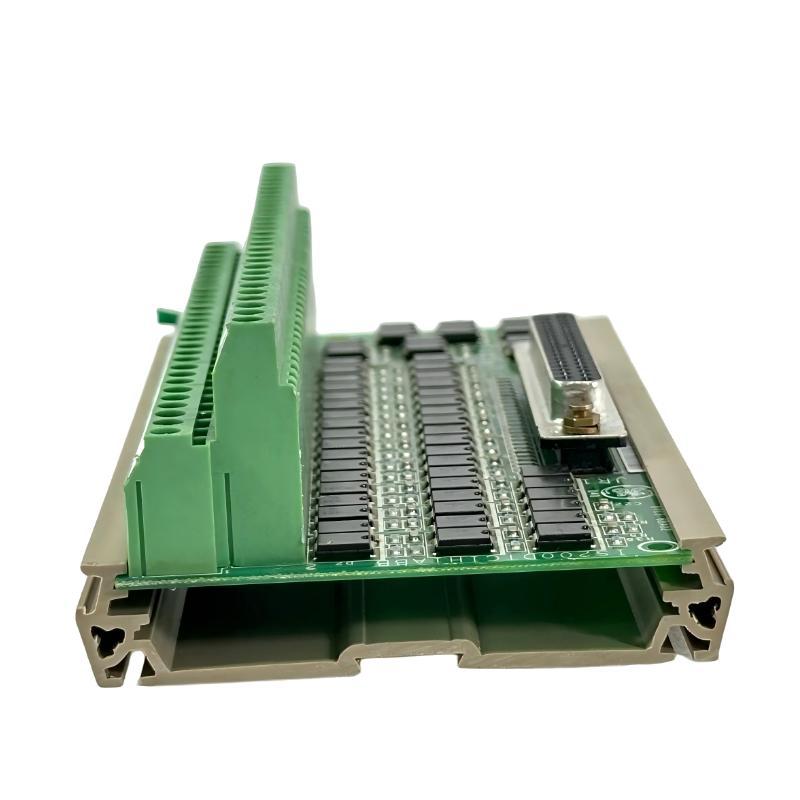
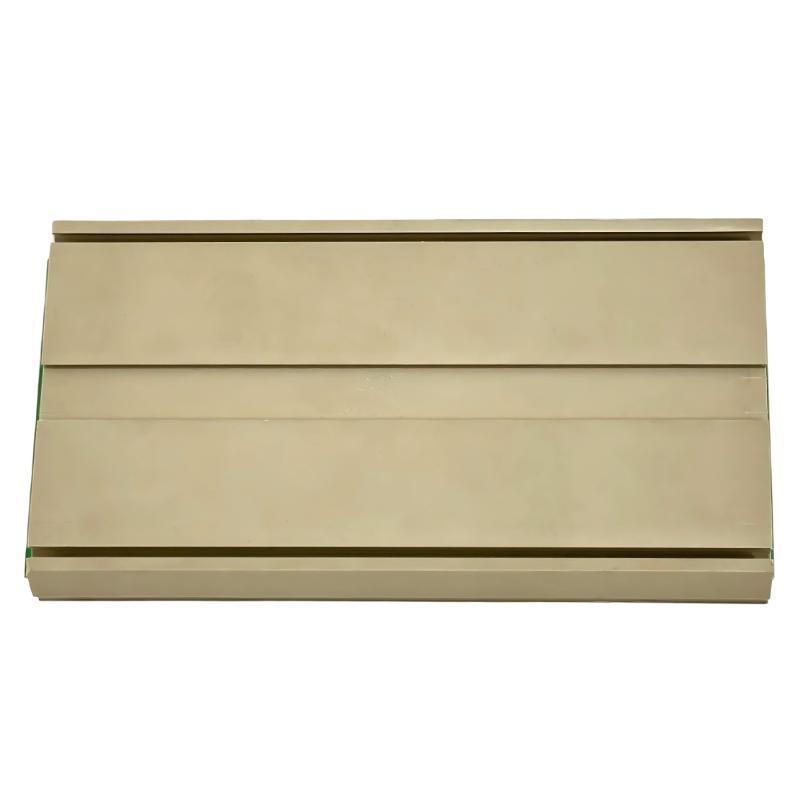
- GE
- IS230STTCH2A
- Simplex Thermocouple Input Terminal Block
- USA
- 210 × 165 × 35 mm
- 0.48 kg
- Xiamen, China
- New & In Stock
- T/T, PayPal, Western Union
- 1 Year
- 1-3 Working Days
- DHL, UPS, TNT, FedEx and EMS.
- 24-Hour Service
- COO
- 4
Our advantage

Global Logistics
We have a 10-year logistics and express cooperation agreement, so our products can be shipped to any place in the world.

Brand new and original
Our products are imported in bulk from the place of origin. Because of the cooperative relationship, our products are all original and 100% new.

24-hour service
We provide 7*24 hours service to our customers. We will be there whenever you need us.

Price advantage
All our products are priced very favorably because we have our own warehouse and supply.
| Company Information | |||
| [email protected] | |||
| Mobile | +8615980777398 | ||
| +8615980777398 | |||
| 15980777398 |
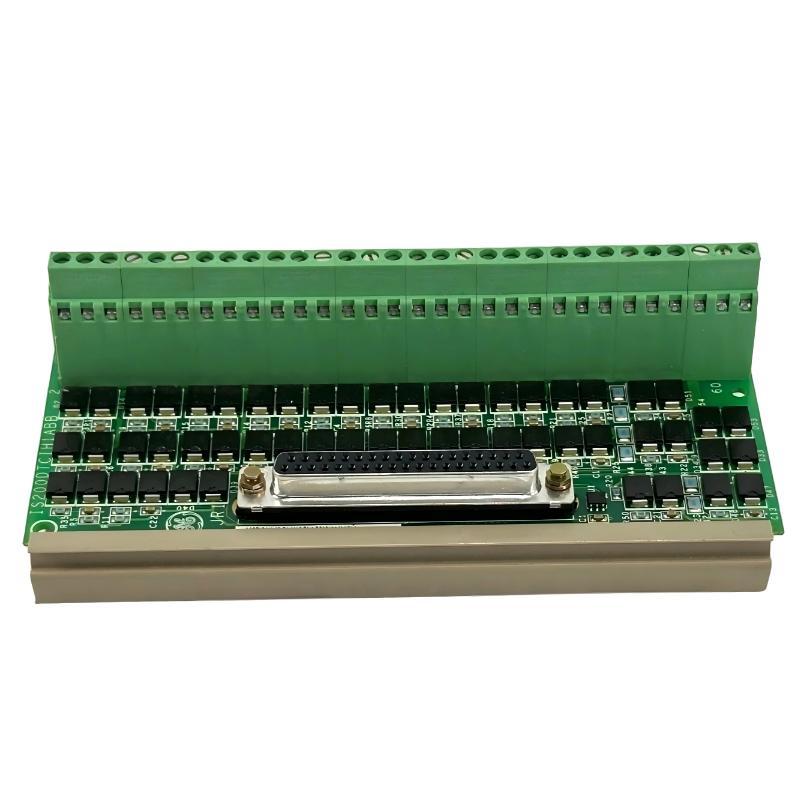
Product Overview
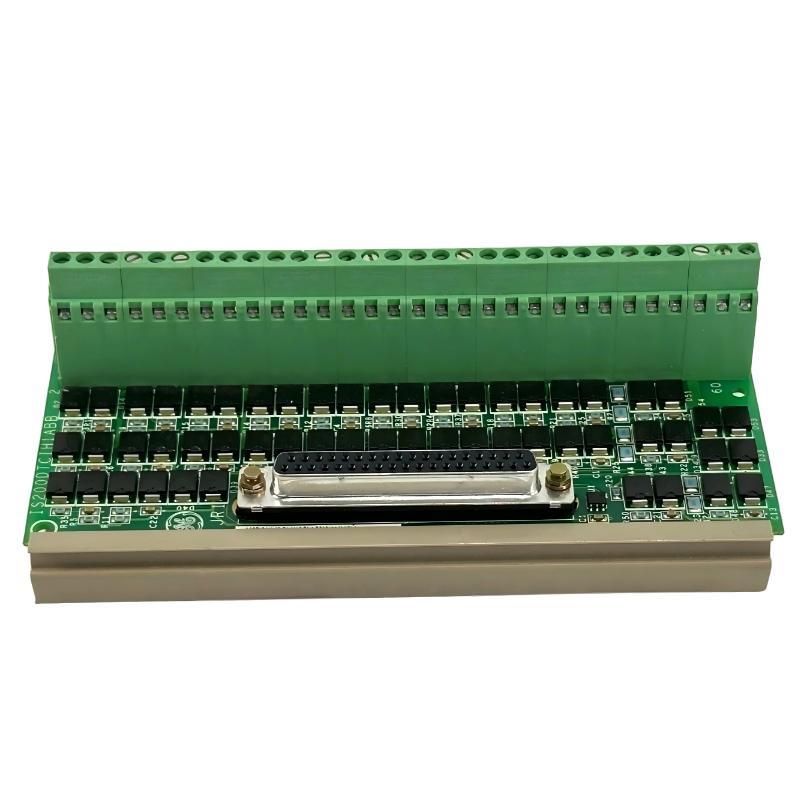
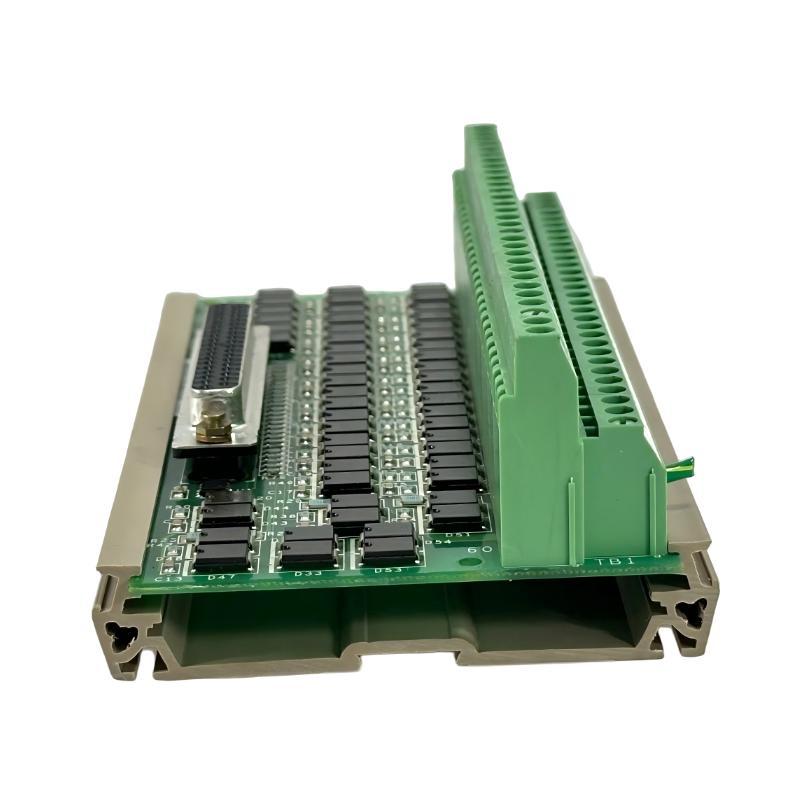
The GE IS230STTCH2A Simplex Thermocouple Input Terminal Block is an industrial control component designed for integration into compatible GE automation systems. It provides a designated connection interface for thermocouple-related input wiring, helping connect temperature-sensing instruments with the associated control hardware.
Thermocouples are widely used in industrial environments because they can measure temperatures across a broad range of operating conditions. They are commonly installed in equipment such as turbines, industrial furnaces, process heaters, manufacturing machinery, and other systems where temperature monitoring is important. The resulting signals can be used by compatible input electronics to support process monitoring, alarm generation, and control decisions.
The IS230STTCH2A is identified as a simplex thermocouple input terminal block. In this context, simplex describes a single measurement or control path within the relevant system architecture; the exact configuration should be confirmed against the host equipment. The terminal block’s specific electrical characteristics and supported thermocouple types must also be verified before installation.
With supplied dimensions of 210 × 165 × 35 mm and a weight of approximately 0.48 kg, the assembly can be identified for cabinet-layout planning, spare-parts management, and replacement procurement.
Technical Specifications
| Parameter | Specification |
|---|---|
| Manufacturer | General Electric (GE) |
| Model | IS230STTCH2A |
| Product Type | Simplex Thermocouple Input Terminal Block |
| Product Family | GE IS230 Series |
| Primary Function | Thermocouple input wiring interface |
| Measurement Category | Temperature |
| System Configuration | Simplex, as specified in the product description |
| Dimensions | 210 × 165 × 35 mm |
| Weight | 0.48 kg |
| Installation | Compatible GE industrial control equipment |
| Typical Application | Industrial temperature monitoring |
| Thermocouple Types | Confirm from the applicable hardware documentation |
| Input Range and Channel Count | Confirm from the applicable hardware documentation |
Function and Working Principle
The IS230STTCH2A provides a connection point for thermocouple input wiring within a compatible control system. A thermocouple measures temperature through the voltage generated at the junction of two dissimilar conductors. Because this signal is relatively small, appropriate input electronics are required to interpret it accurately.
A typical thermocouple measurement arrangement operates through the following stages:
- Temperature sensing: A thermocouple installed in the process produces an electrical signal related to the temperature at its measuring junction.
- Signal transmission: The signal travels through suitable thermocouple wiring or extension cable to the control cabinet.
- Terminal connection: The terminal block provides the designated electrical connection to the associated input hardware.
- Signal conditioning and measurement: Compatible input electronics measure and process the thermocouple signal, applying the functions supported by that hardware.
- Temperature calculation: The system determines the temperature using the appropriate thermocouple characteristics and configured measurement parameters.
- Control-system response: The measured value can be used for monitoring, alarms, trending, or temperature-related control logic.
The terminal block itself should not be assumed to perform temperature conversion, cold-junction compensation, isolation, or signal amplification unless these functions are specifically documented for the complete assembly.
Role in Industrial Automation
Temperature is a critical process variable in many industrial applications. Excessive temperature can affect equipment reliability, product quality, process stability, and operating safety. Accurate temperature information helps operators and control systems identify abnormal conditions and maintain operating parameters within defined limits.
Within a compatible GE control architecture, a thermocouple input terminal block supports the physical signal path between temperature sensors and the associated input electronics.
Its system-level role can include:
- Providing organized connections for thermocouple wiring
- Supporting temperature measurement signal routing
- Helping technicians inspect and trace sensor connections
- Facilitating replacement and maintenance of the input wiring interface
- Supporting temperature monitoring through compatible control hardware
- Contributing to a structured industrial instrumentation layout
The actual measurement performance depends on the complete sensing circuit, including the thermocouple, wiring, terminal connections, input electronics, and system configuration.
Industrial Applications
Gas Turbine Temperature Monitoring
Industrial turbine systems may use thermocouples to monitor temperatures at designated locations. Temperature information can help operators assess equipment conditions and support configured monitoring and protection functions. The exact suitability of this terminal block depends on the installed control architecture.
Power Generation
Power plants use temperature measurements throughout generating equipment and auxiliary systems. A properly matched thermocouple connection assembly can help integrate sensor wiring with compatible control hardware.
Industrial Furnaces and Heating Systems
Thermocouples are commonly used to monitor furnace and process-heating temperatures. Reliable connections help maintain measurement consistency and reduce wiring-related faults.
Chemical and Process Industries
Temperature monitoring is important in chemical processing, material treatment, and other temperature-sensitive operations. Thermocouple measurements can be used to supervise process conditions and support alarms when values move outside configured limits.
Manufacturing Equipment
Industrial production systems may require temperature feedback for ovens, heaters, machinery, and thermal processing equipment. The appropriate terminal block must match the sensor circuit and input module.
These examples describe common applications for thermocouple measurement systems; they do not independently confirm a specific installation for the IS230STTCH2A.
Installation and System Integration
Correct installation is essential because thermocouple signals are small and can be affected by wiring errors, electrical interference, and unsuitable connections. Installation should be carried out by qualified personnel using the procedures for the host control equipment.
1. Verify the Part Number
Confirm the complete IS230STTCH2A model designation, revision markings, labels, and mounting arrangement. Ensure that the replacement matches the original assembly and the intended input function.
2. Isolate the Equipment
Follow the site’s approved shutdown and electrical isolation procedures before accessing the control cabinet. Confirm that the equipment is in a safe condition before removing or reconnecting any components.
3. Identify the Thermocouple Type
Confirm the thermocouple type specified for the application. Different thermocouple types have different voltage-temperature relationships and require compatible input configuration. Do not assume support for a particular type without checking the hardware documentation.
4. Verify Wiring Polarity and Materials
Thermocouple circuits require correct polarity and appropriate thermocouple or extension wiring. Incorrect polarity or unsuitable cable materials can lead to inaccurate readings. Follow the designated wiring diagram and connection requirements.
5. Inspect Connections
Check terminals, connectors, and conductors for looseness, corrosion, contamination, or physical damage. Ensure that wiring is secured without excessive mechanical strain.
6. Control Electrical Interference
Route sensor wiring according to the installation requirements and keep it appropriately separated from high-power conductors where necessary. Apply the specified grounding and shielding practices for the complete measurement circuit.
7. Commission the Measurement Circuit
After installation, verify the sensor connection, input configuration, and reported temperature using the approved commissioning procedure. Compare readings with an appropriate reference where required before returning the system to normal operation.
Troubleshooting the IS230STTCH2A
Thermocouple measurement faults should be investigated across the entire sensing circuit rather than attributed immediately to the terminal block.
No Temperature Reading
Possible causes include a disconnected thermocouple, broken cable, incorrect terminal connection, an incompatible input configuration, or a problem with the associated input electronics.
Recommended checks:
- Inspect the thermocouple and its cable.
- Verify terminal connections and polarity.
- Check the input channel configuration.
- Review available control-system diagnostics.
- Confirm compatibility between the sensor and input hardware.
Unstable Temperature Readings
Fluctuating measurements may result from loose connections, electrical interference, damaged wiring, poor grounding, or a failing sensor.
Inspect the wiring route and terminal connections. Compare the measurement with a suitable reference and investigate whether the instability occurs continuously or only under particular operating conditions.
Incorrect or Implausible Temperature Values
Incorrect readings may be caused by reversed polarity, an incorrect thermocouple type setting, unsuitable extension cable, a poor connection, or an issue in the input electronics.
Verify the sensor type and configuration before changing parameters. If the sensor and wiring are correct, continue troubleshooting the associated input hardware according to the approved maintenance procedure.
Slow or Inconsistent Temperature Response
A slow response can originate from the sensor’s physical installation, thermal contact, sensor construction, or the measurement configuration. It is not necessarily evidence of a terminal-block fault.
Check the thermocouple’s installation and condition, then verify the signal path and configured measurement settings.
Fault Returns After Replacement
If the same problem remains after the terminal block is replaced, inspect the thermocouple, extension wiring, associated input module, and system configuration. A terminal block replacement will not resolve a sensor fault or a problem in another part of the measurement chain.
Maintenance Recommendations
Routine maintenance helps preserve reliable thermocouple signal connections.
- Inspect terminals and connectors: Check for corrosion, loose conductors, contamination, and physical damage.
- Check sensor wiring: Look for broken conductors, damaged insulation, unsuitable extensions, and incorrect polarity.
- Verify thermocouple condition: Inspect the sensor and its installation for deterioration or poor thermal contact.
- Review measurement trends: Investigate unexplained temperature drift, spikes, or recurring input alarms.
- Maintain cabinet conditions: Keep the equipment within the environmental limits specified for the installed system.
- Follow handling precautions: Use appropriate electrostatic-discharge protection when handling sensitive electronic assemblies.
- Document maintenance: Record the module identification, revision, wiring changes, and commissioning results.
Maintenance intervals should be based on the operating environment, process requirements, and the host equipment’s approved maintenance plan.
Compatible System Components
The IS230STTCH2A should be assessed as part of the complete thermocouple measurement chain. A typical installation may contain the following component categories:
| Component | Function |
|---|---|
| Thermocouple Sensor | Detects process temperature |
| Thermocouple Extension Cable | Carries the sensor signal to the control cabinet |
| IS230STTCH2A Terminal Block | Provides the designated input wiring interface |
| Thermocouple Input Electronics | Measures and processes the thermocouple signal |
| Control Processor | Uses the temperature value in configured control logic |
| Operator Interface | Displays temperature values and alarms |
| Diagnostic Tools | Assist with signal verification and fault investigation |
| Cabinet and Mounting Hardware | Supports the installed control equipment |
This table describes general system functions. Direct compatibility with a particular GE input module, processor, or controller must be verified against the host system’s hardware configuration.
Replacement and Procurement Considerations
When sourcing a replacement GE IS230STTCH2A Simplex Thermocouple Input Terminal Block, accurate identification is essential. Similar-looking terminal assemblies may support different sensor types, input configurations, or connection arrangements.
Before purchasing, verify:
- Complete model number and revision
- Product label and physical markings
- Intended thermocouple input function
- Terminal and connector arrangement
- Compatibility with the associated input electronics
- Required thermocouple type and wiring arrangement
- Mounting requirements
- Condition and storage history of the replacement
The supplied physical dimensions are 210 × 165 × 35 mm, and the supplied weight is 0.48 kg. These values are useful for stock control and logistics, but physical similarity alone does not establish electrical compatibility.
Technical FAQs
What is the GE IS230STTCH2A?
The GE IS230STTCH2A is identified as a Simplex Thermocouple Input Terminal Block intended for compatible industrial control equipment.
What does a thermocouple input terminal block do?
It provides a designated connection point for thermocouple wiring so that the associated input electronics can measure temperature-related signals.
What are the dimensions and weight?
The supplied dimensions are 210 × 165 × 35 mm, and the supplied weight is approximately 0.48 kg.
Does the terminal block directly calculate temperature?
Temperature measurement and conversion are generally performed by the associated input electronics or control system. The exact functions of the complete assembly should be confirmed from the applicable documentation.
What can cause inaccurate thermocouple readings?
Common causes include incorrect polarity, unsuitable wiring, loose connections, the wrong thermocouple configuration, electrical interference, sensor deterioration, or faults in the associated input electronics.
Can another GE terminal block replace the IS230STTCH2A?
Not automatically. The replacement must match the required input function, wiring arrangement, hardware revision requirements, and host-system configuration.
Conclusion
The GE IS230STTCH2A Simplex Thermocouple Input Terminal Block is a connection component intended to support thermocouple wiring in compatible GE industrial control systems. With supplied dimensions of 210 × 165 × 35 mm and a weight of approximately 0.48 kg, it can be identified for maintenance planning, spare-parts procurement, and control-cabinet layout.
Reliable temperature measurement depends on correct component identification, suitable thermocouple wiring, secure connections, and compatible input electronics. Before installation or replacement, verify the terminal block’s intended function and system compatibility. Careful commissioning and systematic troubleshooting help maintain dependable temperature monitoring and reduce avoidable industrial downtime.