

ProductPRODUCT
Featured products
Contact Us
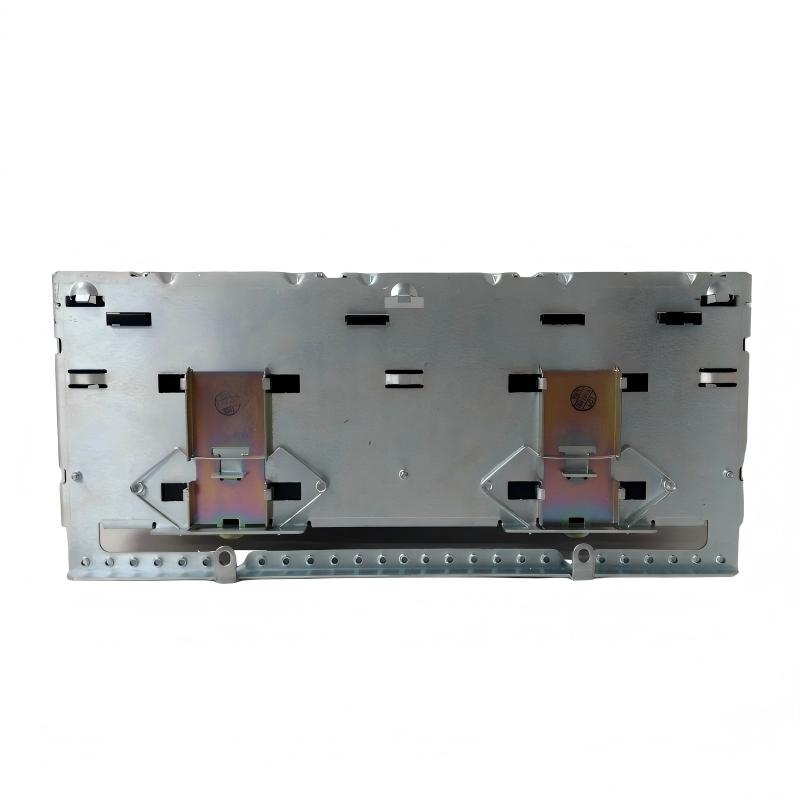
- GE
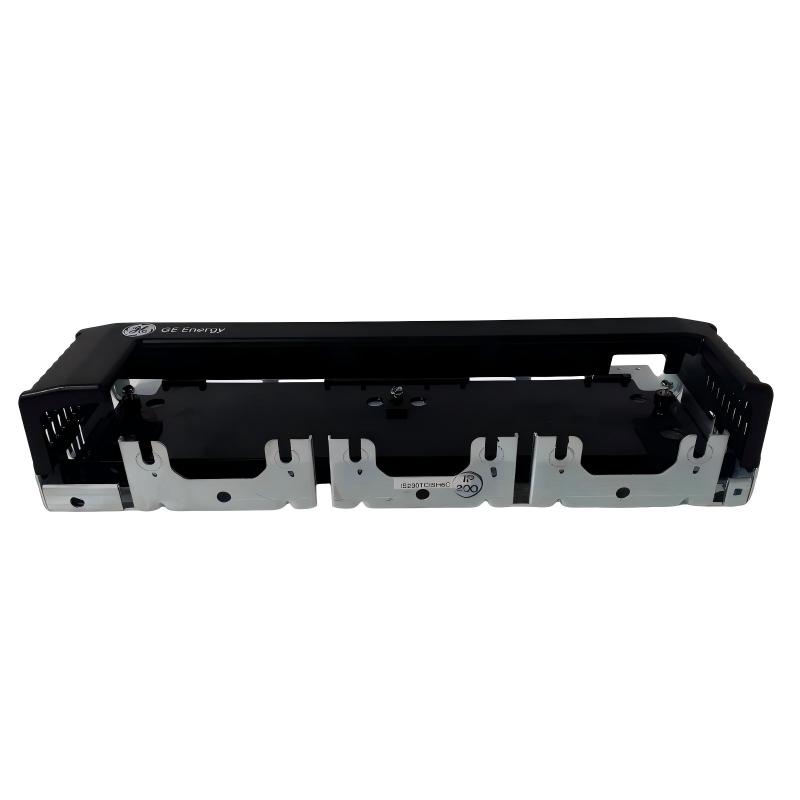
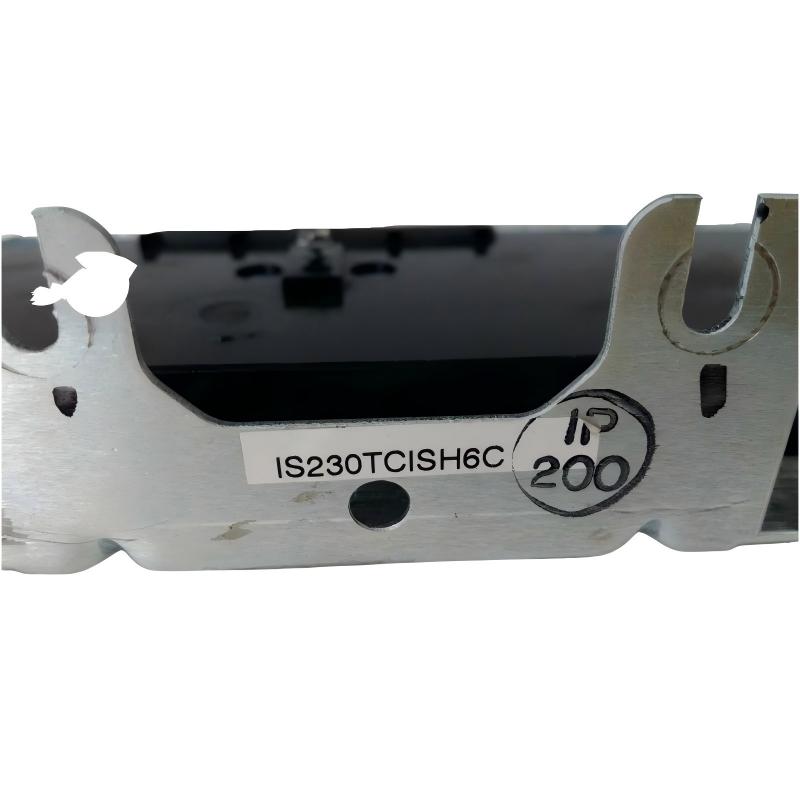
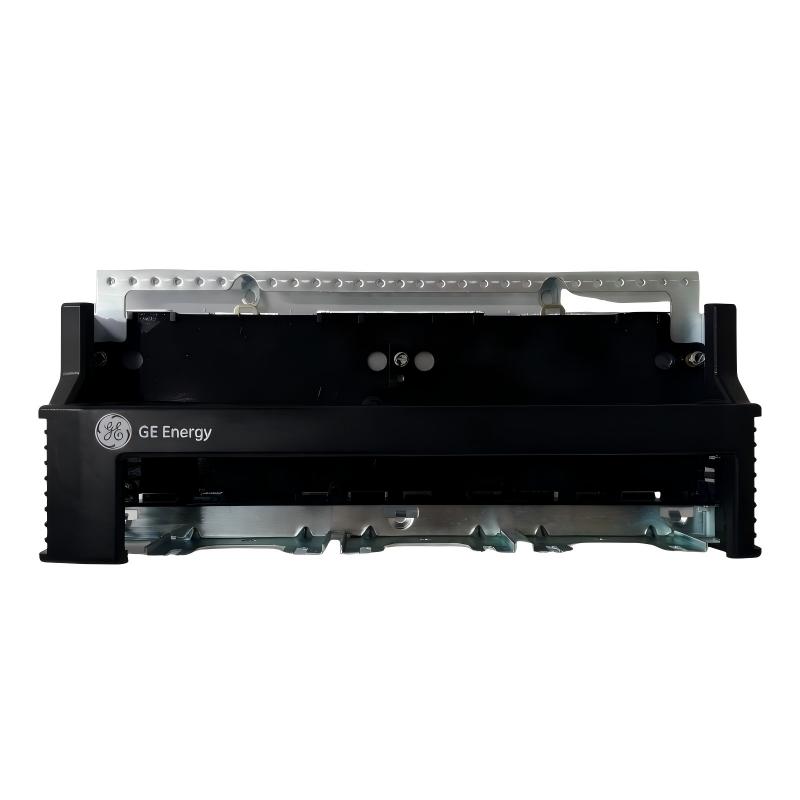
- IS230TCISH6C
- Controller Module
- USA
- 250 × 200 × 100 mm
- 2.5 kg
- Xiamen, China
- New & In Stock
- T/T, PayPal, Western Union
- 1 Year
- 1-3 Working Days
- DHL, UPS, TNT, FedEx and EMS.
- 24-Hour Service
- COO
- 5
Our advantage

Global Logistics
We have a 10-year logistics and express cooperation agreement, so our products can be shipped to any place in the world.

Brand new and original
Our products are imported in bulk from the place of origin. Because of the cooperative relationship, our products are all original and 100% new.

24-hour service
We provide 7*24 hours service to our customers. We will be there whenever you need us.

Price advantage
All our products are priced very favorably because we have our own warehouse and supply.
| Company Information | |||
| [email protected] | |||
| Mobile | +8615980777398 | ||
| +8615980777398 | |||
| 15980777398 |
Product Overview
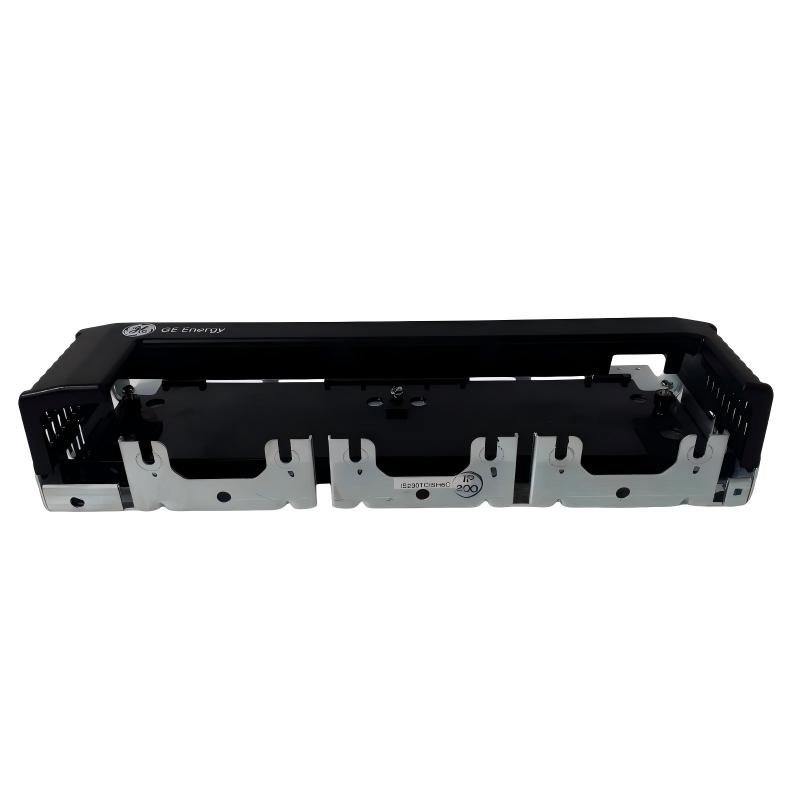
The GE IS230TCISH6C Controller Module is an industrial automation component identified for use in compatible GE control equipment. Controller modules form an important part of industrial automation architectures, where electronic hardware works together to monitor operating conditions, process control information, and coordinate equipment functions.
Industrial control systems depend on reliable communication between controllers, input and output assemblies, field instruments, and operator interfaces. A correctly matched controller module helps maintain the intended system configuration and supports dependable equipment operation. In applications where continuous operation is important, accurate hardware identification and appropriate maintenance procedures are essential.
The GE IS230TCISH6C has supplied dimensions of 250 × 200 × 100 mm and a weight of approximately 2.5 kg. These physical specifications are useful for cabinet-layout planning, spare-parts management, shipping, and replacement preparation.
The exact processing capabilities, communication interfaces, electrical ratings, and role of the IS230TCISH6C must be confirmed against the applicable hardware documentation. The product description identifies it as a controller module, but specific processor architecture, memory capacity, supported protocols, and system compatibility should not be assumed without verification.
Technical Specifications
| Parameter | Specification |
|---|---|
| Manufacturer | General Electric (GE) |
| Model | IS230TCISH6C |
| Product Type | Controller Module |
| Product Family | GE IS230 Series |
| Primary Role | Industrial control system component |
| Control Function | Confirm from the applicable hardware documentation |
| Communication Interfaces | Verify for the installed configuration |
| I/O Compatibility | Verify against the host system |
| Dimensions | 250 × 200 × 100 mm |
| Weight | 2.5 kg |
| Installation Environment | Compatible industrial control equipment |
| Typical Application | Industrial automation and process control |
| Replacement Requirement | Confirm full part number, revision, and system compatibility |
Function and Working Principle
A controller module typically operates as part of a wider control architecture. Depending on its design, it may process control information, execute configured logic, coordinate connected hardware, or perform a designated function within a larger controller assembly.
A general industrial control sequence includes the following stages:
- Data acquisition: Compatible input hardware receives information from sensors, switches, and other field devices.
- Information processing: The control system evaluates the acquired data according to its configured logic and operating requirements.
- Control decision: The system determines the actions required to maintain the intended process conditions.
- Output coordination: Compatible output hardware communicates the required commands to connected devices.
- System monitoring: Operators and maintenance personnel review available status information and diagnostics to assess system operation.
The IS230TCISH6C should not automatically be assumed to perform every function in this sequence. Its precise role depends on the documented design and the host equipment in which it is installed.
Role in Industrial Automation Systems
Industrial controllers coordinate equipment and process information across multiple hardware layers. Depending on the architecture, a controller-related module may contribute to processing, communication, system coordination, or another specialized control function.
A properly matched module can support:
- Integration with compatible industrial control hardware
- Coordination between designated system components
- Reliable operation within the existing control architecture
- Maintenance and replacement of industrial electronic assemblies
- System diagnostics and troubleshooting where supported
- Continuity of operation when the correct replacement is installed
For critical applications, the exact function of the module must be confirmed before replacement. Installing a component with a similar appearance but a different hardware role can lead to communication failures, configuration problems, or unexpected system behavior.
Industrial Applications
Power Generation
Power-generation facilities use industrial control systems to monitor equipment, coordinate auxiliary functions, and maintain stable operating conditions. Correctly specified control hardware is important when maintaining existing installations.
Turbine and Auxiliary Equipment
Industrial turbine systems may include multiple controller, interface, and I/O assemblies. Each component must match the designated system position and configuration to preserve the intended control architecture.
Process Automation
Manufacturing and process facilities rely on coordinated control hardware to manage equipment operation and monitor process conditions. Controller-related modules may form part of these systems depending on their verified function.
Industrial Machinery
Automated machinery uses electronic control systems to coordinate operating sequences, monitor machine status, and exchange information with associated hardware. Correct component selection helps maintain reliable operation.
Legacy Control-System Maintenance
Older industrial installations often require carefully matched replacement components. Confirming the exact part number and revision can help reduce unnecessary modifications and avoid compatibility issues.
These are representative industrial control environments. Suitability for a particular application must be established from the actual IS230TCISH6C specification and host-system requirements.
Installation and System Integration
Installation should be performed by qualified personnel following the approved procedures for the host equipment. Incorrect handling or an incompatible replacement can affect system reliability.
1. Verify the Module Identity
Confirm the complete IS230TCISH6C designation, revision markings, labels, connectors, and original installation position. Check that the replacement matches the required hardware configuration rather than relying on appearance alone.
2. Isolate the Equipment
Follow the site’s approved shutdown, electrical isolation, and lockout procedures before accessing the control cabinet. Ensure the equipment is in a safe condition before removing or installing the module.
3. Record Existing Connections
Document the module’s original position and associated connections. Use the approved wiring diagrams and system drawings to preserve the correct connection arrangement during replacement.
4. Inspect the Installation Area
Check the mounting location for contamination, physical damage, loose hardware, and signs of overheating. Confirm that the module’s dimensions and mounting arrangement are suitable for the designated position.
5. Install the Correct Module
Fit the module using the specified mounting method and ensure that it is securely positioned. Inspect connectors before mating them and avoid applying excessive force to electronic interfaces.
6. Verify System Compatibility
Confirm the hardware revision, associated modules, configuration requirements, and any relevant firmware or software dependencies. Do not assume compatibility based only on the GE IS230 product-family designation.
7. Complete Commissioning Checks
Follow the approved startup procedure after installation. Review available diagnostics, confirm that the module is recognized where applicable, and verify normal system operation before returning the equipment to service.
Troubleshooting the GE IS230TCISH6C
When a system fault occurs, investigate the module alongside its connections, associated hardware, and configuration. The presence of an alarm does not necessarily mean that the controller module itself is defective.
Module Not Recognized
Possible causes include an incorrect part number, incompatible revision, poor connector contact, improper installation, or a system configuration issue.
Recommended checks:
- Verify the full model number and revision.
- Inspect connectors and mounting.
- Confirm that the module occupies the correct position.
- Review available system diagnostics.
- Check compatibility with the associated control hardware.
Communication or Coordination Problems
If the host system reports communication or coordination errors, inspect the relevant connections and configuration. Verify that the associated hardware is compatible and that any required system settings match the installed arrangement.
The communication protocol and supported interfaces should be confirmed before attempting configuration changes.
Unexpected System Behavior
Unexpected operation may result from a configuration mismatch, a fault in associated hardware, incorrect connections, or a problem elsewhere in the control system.
Review the system’s fault history and diagnostic information. Compare the current configuration with the approved system records before replacing additional components.
Intermittent Faults
Intermittent problems can be associated with loose connectors, damaged wiring, vibration, contamination, environmental conditions, or an underlying electronic fault.
Record when the fault occurs and inspect the module’s installation and associated connections. Use the approved diagnostic procedure to distinguish between a module issue and an external cause.
Fault Persists After Replacement
If the same problem remains after replacing the module, verify that the replacement has the correct part number and revision. Inspect the power supply, related hardware, communication paths where applicable, and system configuration.
Replacing one component will not resolve a fault originating elsewhere in the control architecture.
Maintenance Recommendations
Regular inspection helps maintain the reliability of industrial control hardware.
- Inspect the module: Check for physical damage, contamination, loose mounting hardware, and visible signs of overheating.
- Check connectors: Look for damaged contacts, loose connections, corrosion, or mechanical strain.
- Maintain cabinet conditions: Keep the equipment within the environmental limits specified for the host system.
- Review diagnostic records: Investigate repeated alarms, unexpected status changes, and intermittent faults.
- Use safe handling practices: Follow electrostatic-discharge precautions when handling sensitive electronic assemblies.
- Maintain configuration records: Record the installed part number, revision, configuration changes, and maintenance history.
- Follow approved procedures: Perform inspections and functional checks according to the equipment’s maintenance requirements.
Maintenance intervals should reflect the operating environment, equipment criticality, and the approved maintenance plan.
Compatible System Components
The IS230TCISH6C should be assessed as part of the complete control architecture. Depending on its verified function, the surrounding system may contain the following component categories:
| Component Category | Typical Function |
|---|---|
| Control Processor | Executes configured control logic |
| Input Modules | Acquire supported field signals |
| Output Modules | Deliver configured commands to connected devices |
| Communication Interfaces | Exchange data between compatible system components |
| Power Components | Provide electrical power to designated assemblies |
| Terminal Assemblies | Organize field wiring and electrical connections |
| Operator Interface | Displays system status, alarms, and process information |
| Diagnostic Tools | Assist with troubleshooting and maintenance |
This table describes general industrial automation components rather than a confirmed list of directly compatible GE part numbers. Specific compatibility must be verified using the host system’s hardware documentation.
Replacement and Procurement Considerations
When sourcing a replacement GE IS230TCISH6C Controller Module, accurate identification is essential. Modules from the same product family can have different functions, interfaces, and configuration requirements.
Before purchasing, verify:
- Complete part number: IS230TCISH6C
- Hardware revision and identification labels
- Intended function in the host system
- Connector and mounting arrangement
- Associated hardware requirements
- Configuration and firmware dependencies, where applicable
- Compatibility with the existing installation
- Physical condition and storage history
The supplied dimensions are 250 × 200 × 100 mm, and the supplied weight is approximately 2.5 kg. These specifications support inventory and logistics planning, but physical similarity does not establish electrical or functional compatibility.
Technical FAQs
What is the GE IS230TCISH6C?
The GE IS230TCISH6C is identified as a Controller Module for industrial automation equipment. Its exact processing and interface functions should be confirmed from the applicable hardware documentation.
What are the dimensions of the IS230TCISH6C?
The supplied dimensions are 250 × 200 × 100 mm.
How much does the module weigh?
The supplied weight is approximately 2.5 kg.
Can it replace another GE IS230 module?
Not automatically. The replacement must match the required function, hardware revision, interfaces, and host-system configuration.
What should be checked if the module is not recognized?
Verify the part number, revision, installation position, connectors, associated hardware, and available system diagnostics. Confirm compatibility before changing the configuration.
How can the module’s service life be supported?
Maintain suitable cabinet conditions, inspect connectors and mounting, follow approved handling procedures, and investigate recurring faults promptly.
Conclusion
The GE IS230TCISH6C Controller Module is an industrial control component identified for use in compatible GE automation equipment. With supplied dimensions of 250 × 200 × 100 mm and a weight of approximately 2.5 kg, it can be identified for maintenance planning, spare-parts inventory, and replacement logistics.
Reliable operation depends on confirming the module’s exact function, matching the correct hardware revision, maintaining sound connections, and following the host equipment’s installation and commissioning procedures. Before ordering or replacing the module, verify its complete identification and compatibility with the existing control system to reduce the risk of installation errors and unnecessary downtime.