

ProductPRODUCT
Featured products

Contact Us
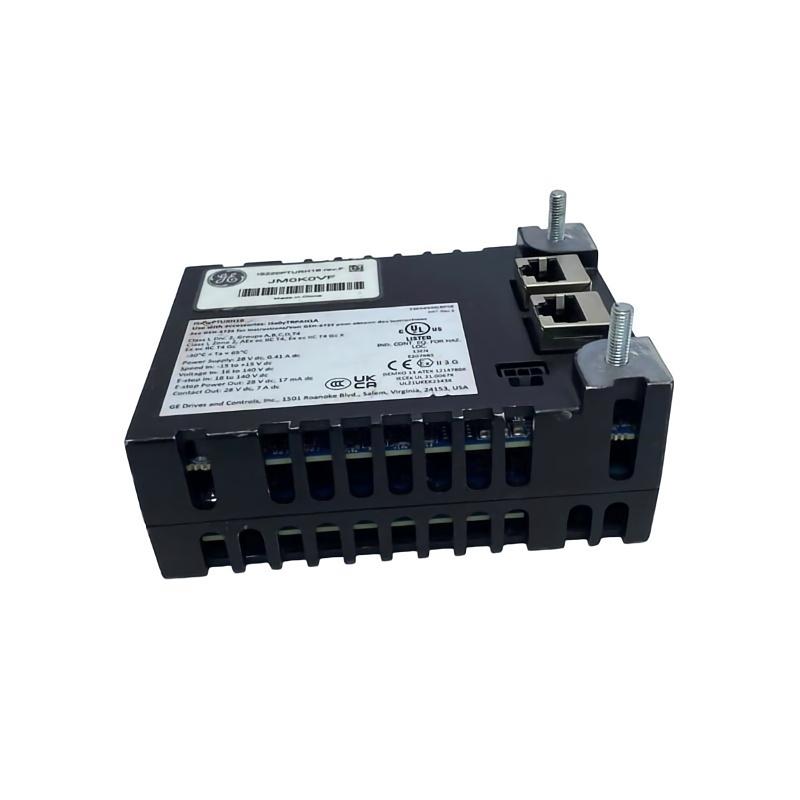
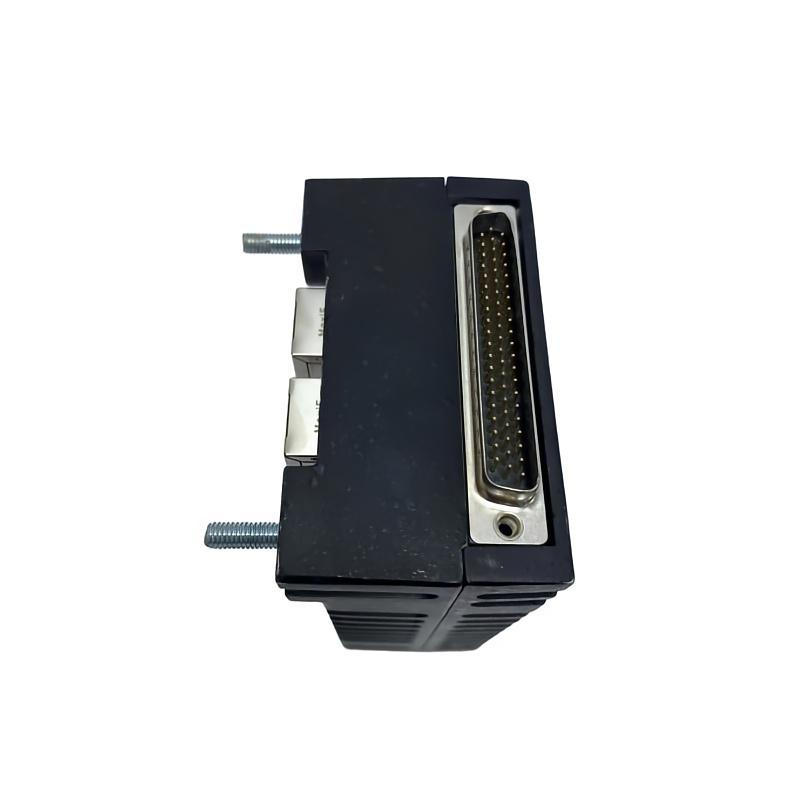
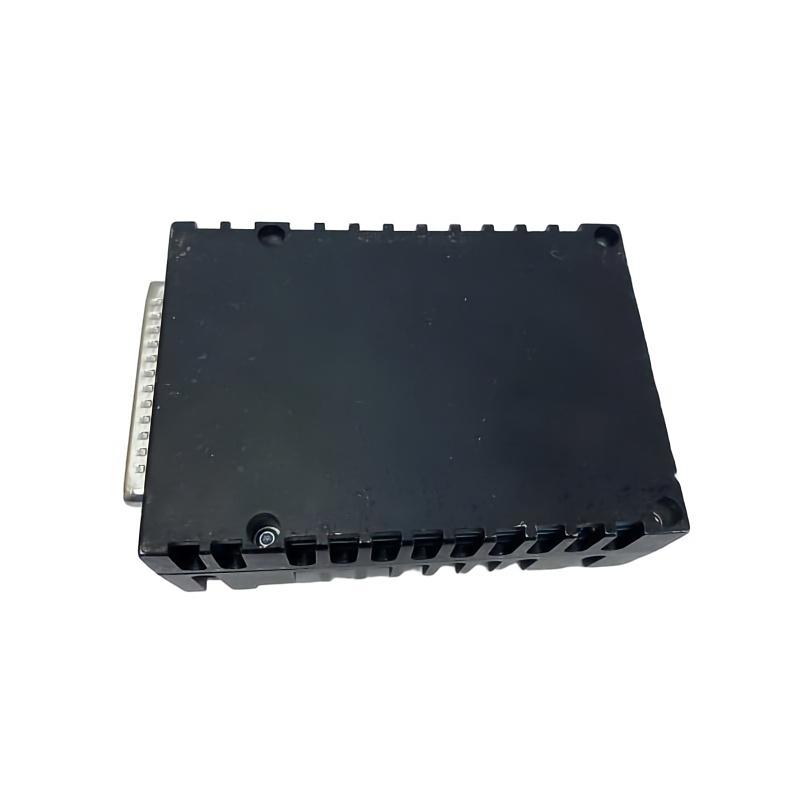
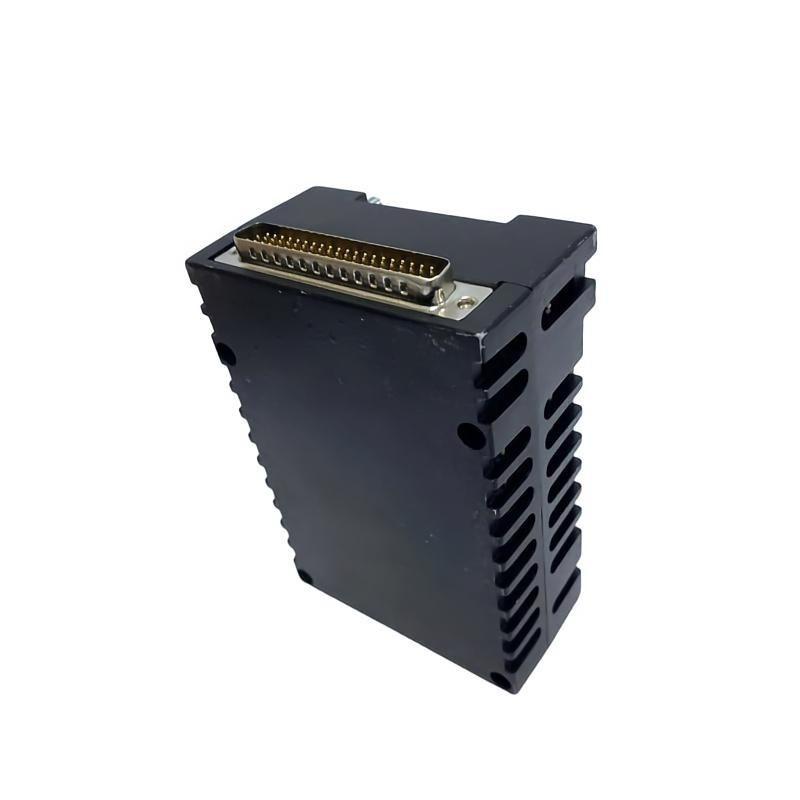
- GE
- IS220YVIBS1AM
- Vibration Monitoring I/O Package
- USA
- 45 × 280 × 210 mm
- 0.95 kg
- Xiamen, China
- New & In Stock
- T/T, PayPal, Western Union
- 1 Year
- 1-3 Working Days
- DHL, UPS, TNT, FedEx and EMS.
- 24-Hour Service
- COO
- 4
Our advantage

Global Logistics
We have a 10-year logistics and express cooperation agreement, so our products can be shipped to any place in the world.

Brand new and original
Our products are imported in bulk from the place of origin. Because of the cooperative relationship, our products are all original and 100% new.

24-hour service
We provide 7*24 hours service to our customers. We will be there whenever you need us.

Price advantage
All our products are priced very favorably because we have our own warehouse and supply.
| Company Information | |||
| [email protected] | |||
| Mobile | +8615980777398 | ||
| +8615980777398 | |||
| 15980777398 |
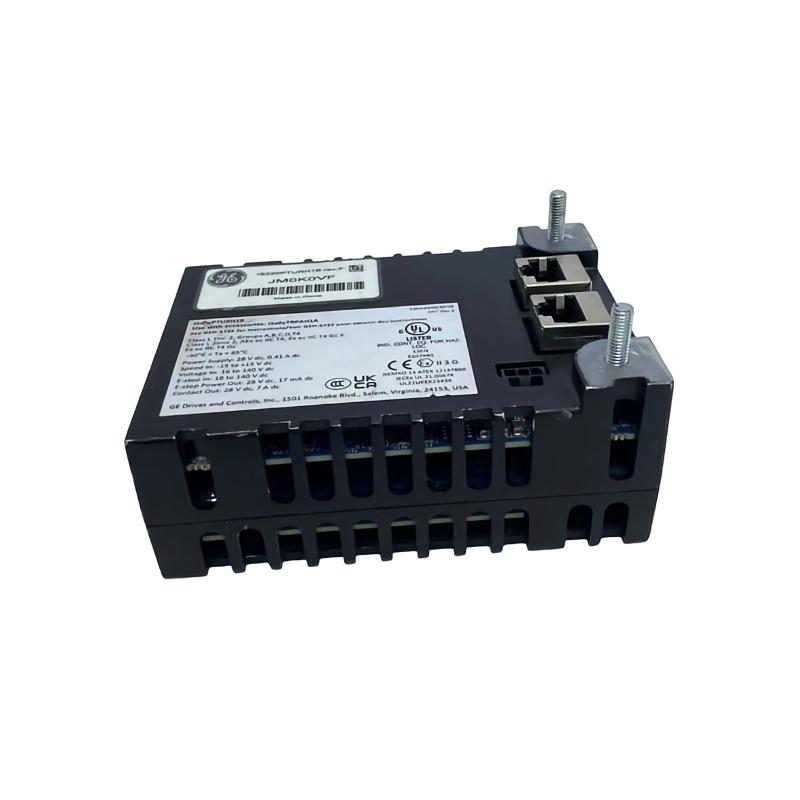
Product Overview
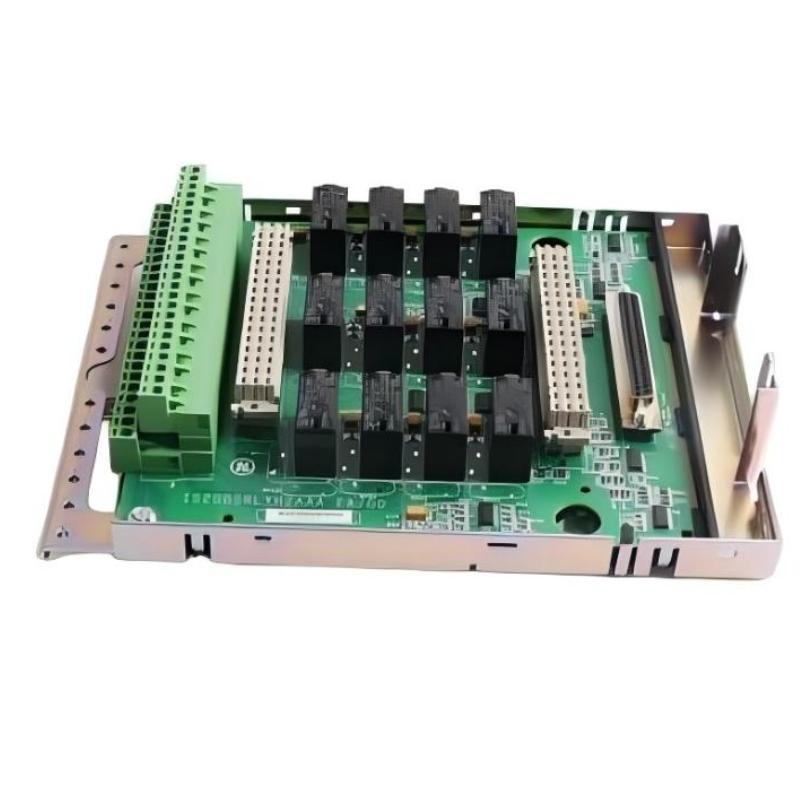
The GE IS220YVIBS1AM Vibration Monitoring I/O Package is an industrial automation component associated with vibration monitoring and equipment condition monitoring applications. Designed for use within compatible GE control architectures, this package supports the integration of vibration-related signals into industrial monitoring and control processes.
Vibration monitoring plays an important role in maintaining the reliability of rotating machinery. Motors, pumps, compressors, fans, turbines, and other rotating equipment can develop abnormal vibration patterns as components wear, become misaligned, loosen, or experience changing operating conditions. Monitoring these signals helps maintenance teams identify potential problems and make more informed decisions about equipment inspection and servicing.
The IS220YVIBS1AM is intended for applications in which vibration information forms part of a wider industrial monitoring strategy. Its suitability for a particular installation depends on the host control system, sensor arrangement, wiring configuration, and supported signal interfaces. The exact channel configuration and electrical characteristics should be confirmed against the applicable hardware documentation before installation or replacement.
With listed dimensions of 45 × 280 × 210 mm and a weight of approximately 0.95 kg, the package can be considered during control cabinet planning, equipment replacement, and industrial spare-parts management.
Technical Specifications
| Parameter | Specification |
|---|---|
| Manufacturer | General Electric (GE) |
| Model | IS220YVIBS1AM |
| Product Type | Vibration Monitoring I/O Package |
| Product Family | GE IS220 Series |
| Primary Function | Vibration-related signal monitoring and I/O integration |
| Application Area | Industrial equipment condition monitoring |
| System Integration | Compatible GE industrial control architecture |
| Dimensions | 45 × 280 × 210 mm |
| Weight | 0.95 kg |
| Installation | According to the compatible host-system configuration |
| Typical Use | Monitoring vibration-related signals in industrial equipment |
Note: Detailed electrical ratings, supported sensor types, channel count, communication interfaces, and configuration requirements should be verified for the exact hardware revision and system application.
Function and Working Principle
The main purpose of vibration monitoring is to provide information about the mechanical condition of operating equipment. The GE IS220YVIBS1AM is associated with the I/O layer of a vibration monitoring arrangement, where vibration-related information can be incorporated into a compatible control or monitoring system.
A typical vibration monitoring process includes several stages.
1. Vibration Signal Acquisition
A vibration sensor installed on or near a machine detects mechanical movement. Depending on the monitoring application, sensors may measure vibration displacement, velocity, or acceleration. The actual sensor type must match the requirements of the monitoring hardware.
2. Signal Transfer
The sensor signal is transferred through the designated wiring and interface arrangement. Correct cable routing, connector condition, grounding, and shielding practices can help reduce interference and improve measurement reliability.
3. Signal Processing and Evaluation
Vibration monitoring systems evaluate incoming signals to identify changes in machine behavior. Depending on the overall system design, the information may be used to assess vibration levels, identify abnormal operating patterns, or provide inputs to configured alarms and maintenance procedures.
The exact processing functions available through the IS220YVIBS1AM should not be assumed without checking the relevant system documentation.
4. Control-System Integration
Vibration information can be made available to compatible control or monitoring equipment. Operators and maintenance personnel can then review the data alongside other process variables, such as temperature, pressure, speed, or load, when those measurements are available in the system.
5. Condition Monitoring
When vibration information is collected consistently over time, changes in the measurements may help identify developing mechanical issues. Trending and alarm interpretation should be based on suitable limits and the operating characteristics of the monitored machine.
Role in Industrial Automation Systems
Industrial facilities increasingly use condition monitoring to reduce unexpected downtime and improve maintenance planning. Vibration data is particularly valuable for rotating machinery because mechanical changes can produce measurable changes in vibration behavior.
Within a compatible GE control architecture, the IS220YVIBS1AM may form part of the interface between vibration monitoring equipment and the wider automation environment. Its precise role depends on the system design and the devices connected to it.
Typical functions of a vibration monitoring arrangement include:
- Acquiring vibration-related signals from compatible sensors
- Making monitoring information available to the designated control system
- Supporting the detection of abnormal machine behavior
- Providing information for alarm and maintenance workflows
- Contributing to equipment condition assessment
- Supporting the analysis of vibration trends over time
The package should be treated as one component of the complete monitoring system rather than as a standalone solution for diagnosing every type of mechanical fault.
Industrial Applications
Turbine and Power Generation Equipment
Rotating equipment in power generation environments can operate under demanding conditions. Vibration monitoring helps maintenance teams observe mechanical behavior and investigate unusual changes during operation.
The IS220YVIBS1AM may be considered for compatible installations where vibration-related signals are incorporated into a GE industrial control system. Sensor compatibility and the intended application must be confirmed before use.
Pumps and Fluid Handling Systems
Pumps can experience vibration changes associated with bearing wear, shaft misalignment, imbalance, looseness, or hydraulic operating conditions. Vibration information can complement pressure, flow, and temperature measurements when assessing pump performance.
Industrial Motors
Electric motors are widely used in manufacturing and process facilities. Monitoring vibration can help identify changes that may be associated with mounting problems, mechanical imbalance, bearing deterioration, or coupling issues.
Compressors and Fans
Compressors and industrial fans often operate for extended periods. Condition monitoring can help maintenance personnel detect changes in mechanical behavior and prioritize inspections before a minor issue develops into a larger equipment problem.
Manufacturing and Process Facilities
Production lines and process plants depend on reliable machinery. Integrating vibration information into an established monitoring architecture can help operators coordinate equipment observations with operating conditions and maintenance records.
Installation and System Integration
Correct installation is essential for dependable monitoring. Before installing or replacing the GE IS220YVIBS1AM, technicians should confirm that the package is compatible with the intended host equipment and that the complete system configuration is understood.
Verify the Model and Hardware Revision
Confirm the full part number, revision information, board markings, connector layout, and installed position. Similar-looking GE components may perform different functions and should not be treated as interchangeable based on appearance alone.
Confirm System Compatibility
Review the host-system requirements and applicable configuration documentation. Verify the supported sensor interfaces, signal characteristics, wiring arrangement, and required companion hardware before connecting field devices.
Inspect Connectors and Wiring
Check the connectors and associated cables for damage, loose connections, contamination, or signs of overheating. Vibration monitoring signals may be affected by wiring faults and electrical interference, so cable installation should follow the system’s requirements.
Observe Electrical Safety Procedures
Before handling the package, follow the approved shutdown, isolation, and electrostatic-discharge procedures for the host equipment. Industrial control assemblies should only be installed by personnel familiar with the relevant equipment and maintenance practices.
Commission the Monitoring Arrangement
After installation, verify the hardware identification, connections, configuration, and sensor response. Compare the displayed or recorded information with expected operating conditions where a suitable reference is available. Investigate unexpected readings before relying on them for maintenance or protection decisions.
Troubleshooting the IS220YVIBS1AM
Problems in a vibration monitoring arrangement can originate from the sensor, cable, interface package, configuration, host system, or monitored machine. Troubleshooting should therefore examine the complete signal path.
No Vibration Signal
If no valid vibration information is available, inspect the sensor connection, cable condition, connectors, host-system status, and configured interface. Confirm that the sensor and interface are appropriate for one another.
Unstable or Fluctuating Readings
Unstable readings may be associated with loose connections, damaged cables, electrical interference, sensor mounting issues, or actual changes in machine vibration. Compare the signal behavior with machine operating conditions before deciding that the electronic package is faulty.
Unexpectedly High Vibration Values
High readings can indicate a genuine mechanical condition or a measurement problem. Possible causes include imbalance, misalignment, bearing deterioration, looseness, sensor mounting problems, or incorrect signal configuration. Check the measurement chain and the machine itself before replacing hardware.
Intermittent Monitoring Data
Intermittent data may result from damaged wiring, poor connector contact, vibration-related cable movement, configuration issues, or problems elsewhere in the control system. Inspect connections and review available diagnostics to narrow down the cause.
Communication or Integration Problems
If vibration information does not appear in the intended monitoring environment, check the system configuration, hardware identification, interface status, and compatibility of the connected equipment. Do not assume a particular communication protocol or configuration method without confirming that it applies to this model.
Maintenance Recommendations
A structured maintenance approach helps preserve the reliability of vibration monitoring equipment.
- Inspect connectors: Look for looseness, contamination, corrosion, or physical damage.
- Check cable condition: Inspect sensor cables for cuts, abrasion, excessive bending, and poor routing.
- Review system diagnostics: Investigate hardware status indications and available fault information.
- Monitor measurement trends: Compare readings over time and consider changes in machine speed, load, and operating conditions.
- Inspect sensor mounting: Ensure that the sensor is installed securely according to its own requirements.
- Maintain suitable cabinet conditions: Protect control equipment from excessive heat, moisture, dust, and vibration.
- Document maintenance work: Record hardware revisions, replacement dates, configuration changes, and relevant test results.
Electronic package maintenance and mechanical equipment maintenance should be coordinated. Replacing an interface component will not correct a vibration problem caused by a damaged bearing, poor alignment, or an incorrectly mounted sensor.
Compatible System Components
The IS220YVIBS1AM should be integrated only with equipment confirmed to be compatible with its exact configuration. A typical vibration monitoring system may contain the following elements:
| Component | Typical Role |
|---|---|
| Vibration Sensor | Detects mechanical vibration |
| Sensor Cable | Transfers the sensor signal |
| GE IS220YVIBS1AM | Vibration monitoring I/O package |
| Compatible Interface Hardware | Provides the required system connection where applicable |
| Control or Monitoring Processor | Uses available measurement and status information |
| Operator Interface | Presents relevant operating information and alarms |
| Maintenance Software or Records | Supports trend review and maintenance planning |
| Monitored Machinery | Equipment whose mechanical condition is being observed |
This table describes the functional layers of a typical monitoring arrangement. It does not establish that every listed component connects directly to the IS220YVIBS1AM. Actual compatibility, wiring, and data flow must be confirmed for the host system.
Replacement and Procurement Considerations
When sourcing a replacement for the GE IS220YVIBS1AM, verify the exact part number and revision before purchase or installation. A similar model number or a physically similar package does not guarantee electrical or functional compatibility.
Important checks include:
- Full model number: IS220YVIBS1AM
- Hardware revision and board markings
- Connector and mounting arrangement
- Intended host equipment
- Supported sensor and signal interface
- Required configuration and companion hardware
- Physical dimensions and weight
- Condition of the existing wiring and sensors
The listed dimensions are 45 × 280 × 210 mm, and the listed weight is 0.95 kg. These values are useful for cabinet planning, inventory management, and replacement logistics. Confirm the measurement orientation and actual physical envelope against the installed equipment before finalizing a mechanical layout.
For a replacement project, recording the original configuration and any available diagnostic information before removal can help reduce commissioning time and prevent avoidable compatibility problems.
Technical FAQs
What is the GE IS220YVIBS1AM?
The GE IS220YVIBS1AM is identified as a Vibration Monitoring I/O Package for industrial monitoring and control applications.
What is vibration monitoring used for?
Vibration monitoring helps assess the mechanical behavior of rotating machinery. Changes in vibration may provide useful information about imbalance, misalignment, looseness, bearing problems, or other operating conditions.
What are the dimensions of the IS220YVIBS1AM?
The listed dimensions are 45 × 280 × 210 mm.
How much does the IS220YVIBS1AM weigh?
The listed weight is approximately 0.95 kg.
Can the package be used with any vibration sensor?
No. Sensor compatibility must be confirmed against the package’s supported interface, electrical characteristics, and the requirements of the host system.
Does replacing the package resolve every vibration alarm?
No. A vibration alarm may indicate a genuine mechanical problem or an issue in the measurement chain. Sensor condition, wiring, configuration, and the monitored machinery should all be considered during diagnosis.
Can another GE IS220 package replace the IS220YVIBS1AM?
Interchangeability should not be assumed. Confirm the complete part number, revision, system requirements, and functional compatibility before selecting an alternative.
Conclusion
The GE IS220YVIBS1AM Vibration Monitoring I/O Package is associated with industrial vibration monitoring and the integration of vibration-related information into compatible GE control systems. Vibration data can support equipment condition assessment, help maintenance teams investigate abnormal machine behavior, and contribute to more informed maintenance planning.
With listed dimensions of 45 × 280 × 210 mm and a weight of 0.95 kg, the package can be included in industrial equipment inventories and replacement plans. Successful operation depends on correct system compatibility, suitable sensors, reliable wiring, appropriate configuration, and proper commissioning.
For installation, maintenance, or procurement, verify the complete model designation and applicable hardware documentation before connecting or replacing the package. A systematic approach to the sensor, interface, control system, and monitored machinery is essential for reliable vibration monitoring.