

ProductPRODUCT
Featured products


Contact Us
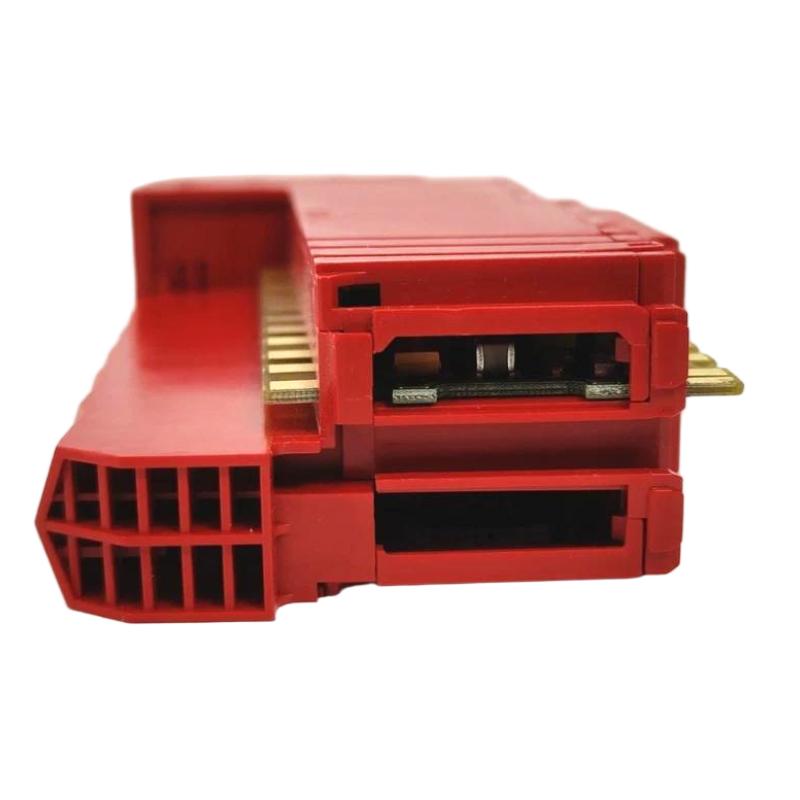
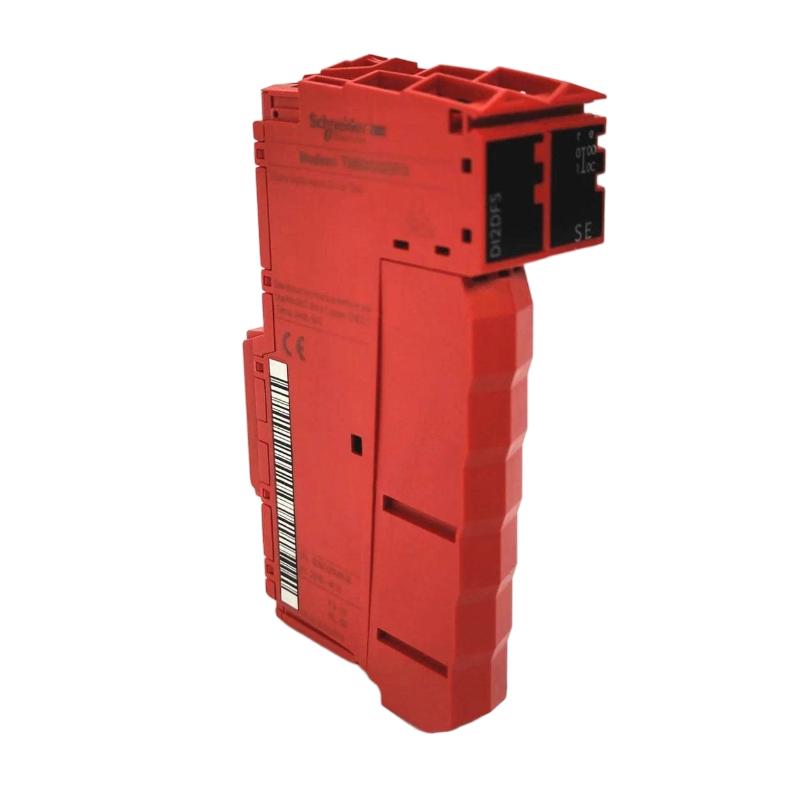
- Schneider
- TM5SDI2DFS
- Secure Digital Input Module
- France
- 99 × 25 × 75 mm
- 0.025 kg
- Xiamen, China
- New & In Stock
- T/T, PayPal, Western Union
- 1 Year
- 1-3 Working Days
- DHL, UPS, TNT, FedEx and EMS.
- 24-Hour Service
- COO
- 10
Our advantage

Global Logistics
We have a 10-year logistics and express cooperation agreement, so our products can be shipped to any place in the world.

Brand new and original
Our products are imported in bulk from the place of origin. Because of the cooperative relationship, our products are all original and 100% new.

24-hour service
We provide 7*24 hours service to our customers. We will be there whenever you need us.

Price advantage
All our products are priced very favorably because we have our own warehouse and supply.
| Company Information | |||
| [email protected] | |||
| Mobile | +8615980777398 | ||
| +8615980777398 | |||
| 15980777398 |
1. Product Overview
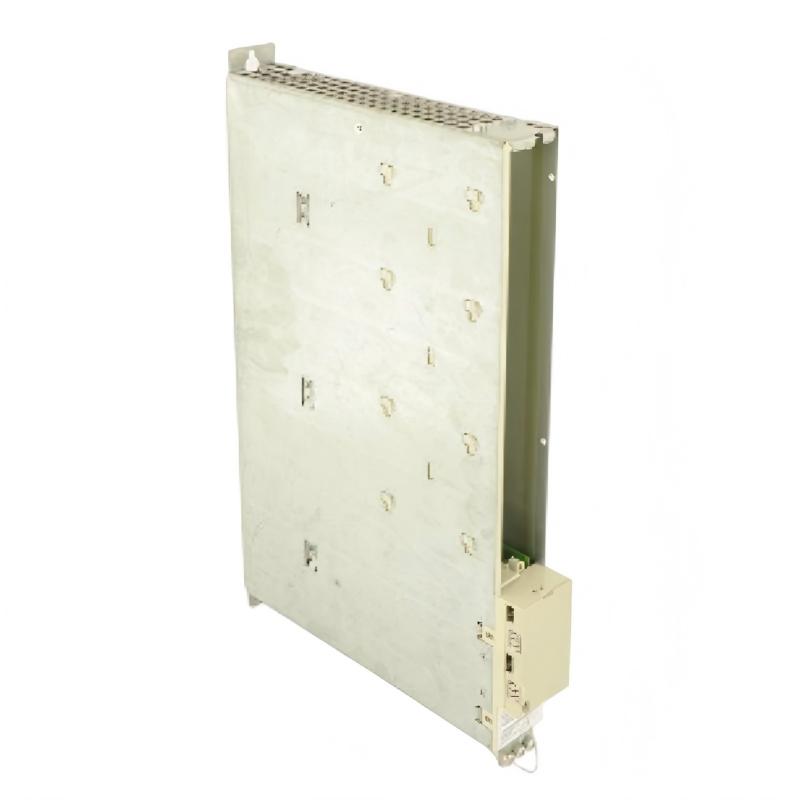
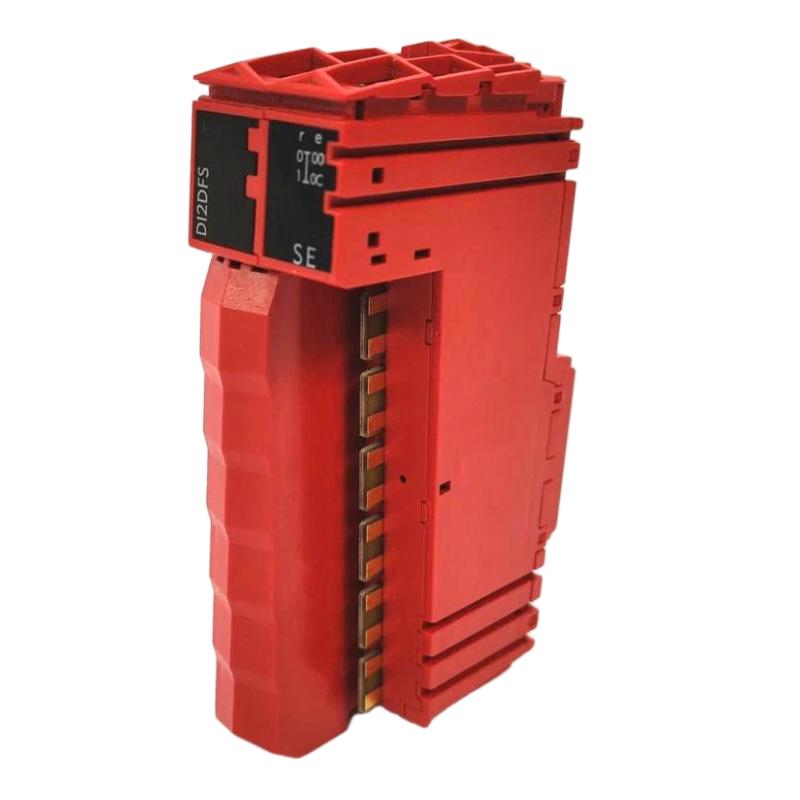
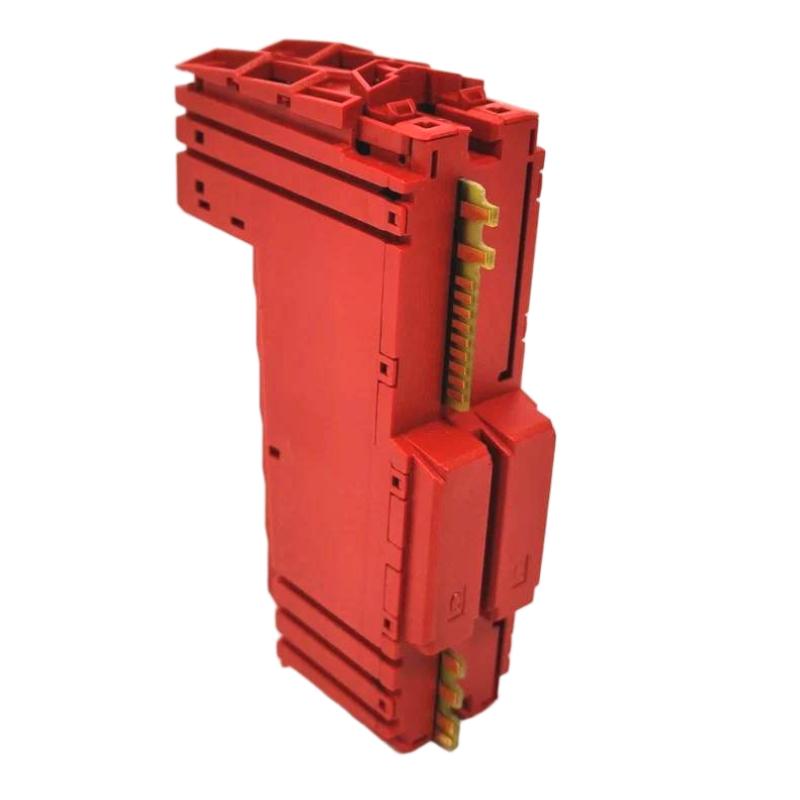
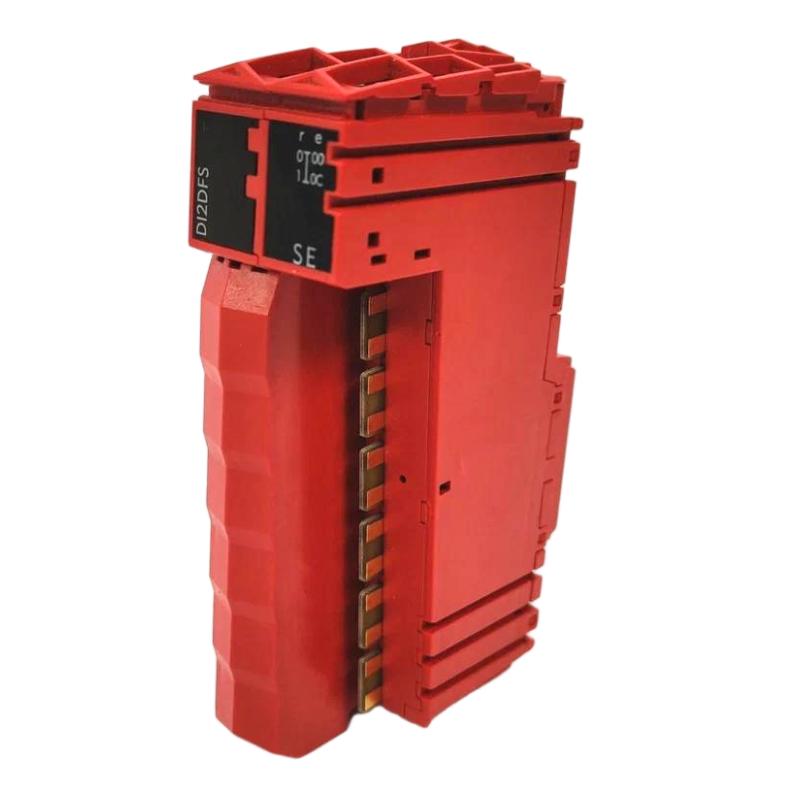
The Schneider TM5SDI2DFS Secure Digital Input Module is an industrial automation component identified by its model number TM5SDI2DFS. It is intended for use in automation applications where digital input signals must be integrated into a control system. Its compact dimensions make it suitable for installations where control cabinet space is limited and modular system expansion is required.
Digital input modules serve as an interface between field devices and automation controllers. They receive discrete signals from external equipment and make the corresponding input states available to the control program. Depending on the application, digital signals may represent operating conditions, equipment status, limit positions, interlock states, or other binary conditions.
The TM5SDI2DFS designation includes the term “Secure,” so its precise safety-related function and permitted applications should be confirmed against the exact hardware version and system documentation. It should not be assumed that the module alone provides a complete functional safety system. Safety-related applications require compatible hardware, appropriate configuration, and a validated system design.
With dimensions of 99 × 25 × 75 mm and a stated weight of 0.025 kg, the module has a compact physical profile for integration into industrial control equipment. These mechanical specifications can help engineers plan mounting space, wiring access, and cabinet layouts.
2. Technical Specifications
| Parameter | Specification |
|---|---|
| Brand | Schneider Electric |
| Model | TM5SDI2DFS |
| Product Type | Secure Digital Input Module |
| Module Function | Digital input signal acquisition, subject to exact model specifications |
| Dimensions | 99 × 25 × 75 mm |
| Weight | 0.025 kg |
| Product Category | Industrial automation and control |
| Installation Environment | Industrial control cabinet, subject to environmental ratings |
| Input Channel Count | Verify against the exact model documentation |
| Input Voltage | Verify before connecting field devices |
| Supported Input Types | Confirm from the applicable technical documentation |
| Safety Certification | Verify the exact certification and permitted use before safety-related deployment |
| Controller Compatibility | Confirm the supported controller, terminal base, and system configuration |
The dimensions and weight above are the supplied product specifications. Electrical ratings, channel configuration, terminal assignments, and safety approvals should be checked against the exact product version before installation or replacement.
3. Function and Working Principle
A digital input module provides a connection between field-level devices and an automation controller. Unlike analog input modules, which measure continuously varying signals, digital input modules generally interpret discrete states such as ON and OFF.
The typical operating process consists of several stages.
3.1 Field Signal Acquisition
External devices generate digital signals based on machine conditions or process events. Examples include position switches, contact outputs, and other discrete-status devices.
The module receives these signals through its designated input terminals. Correct wiring and compliance with the specified electrical ratings are essential for reliable operation.
3.2 Input Signal Processing
The module processes incoming signals according to its hardware design. Depending on the module type, this may include electrical conditioning, state recognition, and diagnostic functions.
The exact signal thresholds, response characteristics, and diagnostic capabilities of the TM5SDI2DFS must be confirmed from its technical documentation rather than inferred from the model name.
3.3 Communication with the Controller
Once an input state has been processed, the module makes the relevant information available through its supported automation system. The controller can then use the input state in machine logic, sequencing, status monitoring, or interlocking functions.
The module must be installed in a compatible system configuration, with the required bus connections, addressing, and controller settings properly established.
3.4 Diagnostics and System Monitoring
Depending on the supported hardware and software, a digital input module may provide status indicators or diagnostic information to help maintenance personnel identify communication problems, wiring faults, or configuration errors.
For secure or safety-related applications, engineers must determine which diagnostics are actually supported and how faults are reported to the controller. Diagnostic coverage and system response should never be assumed without verification.
4. Role in Industrial Automation Systems
Digital input modules are important components in distributed and modular automation architectures. They enable controllers to collect discrete information from machines and field equipment without connecting every signal directly to the controller itself.
Machine Status Monitoring
A digital input system can monitor operating states such as equipment ready, motor running, access-door status, or limit-switch activation, provided the selected input module supports the relevant electrical signals.
Sequence Control
Digital input states can be used by PLC programs to determine when a machine should move to its next operating step. For example, a controller may wait for a position switch to confirm that a mechanical component has reached a defined location.
Interlocking Functions
Input signals may participate in control interlocks that prevent an operation from proceeding until required conditions are satisfied. Where an interlock is safety-related, the complete architecture must meet the applicable safety requirements.
Distributed I/O Expansion
Modular I/O systems allow field signals to be collected close to the equipment they serve. This can simplify cabinet organization and support scalable automation designs. The TM5SDI2DFS should be integrated only into a system that explicitly supports the exact module.
5. Industrial Applications
The TM5SDI2DFS may be considered for suitable digital input applications after its electrical characteristics, compatibility, and safety status have been verified.
Manufacturing Equipment
Automated production lines use discrete input signals to monitor station conditions, component positions, and equipment readiness. A compatible input module can transfer these states to the controller for sequencing and status management.
Packaging Machinery
Packaging systems often rely on sensors and switches to identify machine positions, product presence, and process-stage completion. Correctly configured digital inputs help the controller coordinate these operations.
Material Handling Systems
Conveyors, transfer equipment, and automated handling systems use discrete signals to monitor movement limits, equipment states, and position conditions. The selected module must support the connected field devices and required response characteristics.
Process Automation
Digital inputs can be used to monitor discrete equipment states in process facilities, including valve-position feedback and auxiliary equipment status. The module’s environmental ratings and system compatibility should be reviewed for the intended installation.
Safety-Related Automation
If the TM5SDI2DFS is intended for a safety-related function, its exact certification, approved architecture, supported controller, configuration requirements, and diagnostic behavior must be confirmed. A safety-related function must be designed and validated as a complete system; selecting a module based on its name alone is insufficient.
6. Installation and System Integration
Correct installation helps reduce commissioning delays and prevents avoidable equipment faults.
6.1 Verify the Product Model
Before installation, compare the module label with the system bill of materials and the applicable technical documentation. Confirm the complete part number, hardware revision, required accessories, and approved installation arrangement.
Do not treat similarly named TM5-series modules as interchangeable. Differences in channel count, electrical ratings, terminal arrangements, and system functions can affect compatibility.
6.2 Check Mechanical Space
The supplied dimensions are 99 × 25 × 75 mm, with a stated weight of 0.025 kg. Confirm that the intended mounting arrangement provides adequate space for the module, terminal access, wiring bends, and any required ventilation clearances.
The dimensions alone do not establish the mounting method or compatibility with a particular base or bus assembly.
6.3 Isolate Power Before Wiring
Before installing or removing the module, follow the machine’s approved isolation procedure. Disconnect relevant power sources and verify the safe condition of the equipment.
Never insert, remove, or rewire an energized module unless the manufacturer explicitly permits the procedure for the exact system configuration.
6.4 Verify Field Wiring
Check each field connection against the correct terminal assignment. Confirm the signal type, voltage, polarity where applicable, common connections, and field-device requirements.
Incorrect wiring can produce unreliable input states or damage connected equipment. Do not apply a voltage until the permissible input rating has been verified.
6.5 Confirm System Compatibility
Verify that the controller, I/O bus, terminal base, firmware, engineering software, and configuration tools support the exact TM5SDI2DFS variant.
Where the module is intended for a safety-related system, also verify the approved safety configuration and all required validation steps.
6.6 Configure and Commission
After installation, follow the approved configuration process. Confirm that the module is recognized by the controller, that any required parameters are correct, and that input states correspond to the actual field conditions.
Test normal operation and relevant fault responses under an approved commissioning procedure. Safety-related functions require appropriate validation before the machine is released for operation.
7. Troubleshooting Common Problems
Problem 1: The Module Is Not Recognized
Possible causes:
- Incompatible controller or I/O system configuration.
- Incorrect installation or bus connection.
- Missing or incorrect configuration.
- Hardware damage or a power-supply problem.
Recommended checks:
- Confirm the full model number and system compatibility.
- Inspect the module’s installation and bus connections.
- Review controller diagnostics and configuration messages.
- Check the relevant power supply according to the system documentation.
- Replace the module only after external wiring and system configuration have been investigated.
Problem 2: Input States Do Not Change
Possible causes:
- Incorrect field wiring.
- Missing field-device power.
- Input voltage outside the permitted range.
- Incorrect controller mapping or program logic.
- A defective sensor, switch, or input circuit.
Recommended checks:
- Compare the wiring with the correct terminal diagram.
- Verify that the field device is operating properly.
- Measure the signal using an appropriate instrument and safe procedure.
- Check the module’s reported input state and controller mapping.
- Test the affected channel using an approved method.
Problem 3: Input Signals Are Unstable
Possible causes:
- Loose terminals or damaged conductors.
- Electrical interference.
- Poor grounding or an unsuitable cable arrangement.
- Field-device contact problems.
- Signal characteristics outside the module’s supported range.
Recommended checks:
Inspect wiring and terminal connections with the system safely isolated. Review cable routing and grounding practices, then verify that the field signal meets the module’s documented electrical requirements.
Problem 4: Controller Diagnostics Report a Module Fault
Possible causes:
- Communication or configuration errors.
- An installation problem.
- A supply-voltage issue.
- A hardware fault or unsupported system combination.
Recommended checks:
Record the complete diagnostic message, check the applicable system status indicators, and compare the reported condition with the manufacturer’s diagnostic procedure. Avoid repeatedly resetting a fault without determining its cause.
Problem 5: A Safety-Related Function Does Not Pass Validation
Possible causes:
- Incorrect safety configuration.
- An incompatible component or firmware version.
- Wiring that does not match the approved design.
- A fault in another part of the safety chain.
- Incomplete commissioning or validation.
Recommended checks:
Stop the affected commissioning activity and follow the approved safety procedure. Review the complete safety architecture and diagnostic records with qualified personnel. Do not bypass a safety function to force normal operation.
8. Compatible System Components
Compatibility must be established from the exact product documentation and the intended system architecture.
| Component Category | Purpose | Verification Required |
|---|---|---|
| Compatible PLC or automation controller | Executes control logic and processes input states | Supported controller and firmware |
| TM5-series bus or terminal components | Provide the required mechanical and electrical connection | Exact module and base compatibility |
| Field sensors and switches | Generate discrete input signals | Input voltage, signal type, and wiring |
| Power supply | Provides power to the relevant system components | Required voltage, current capacity, and distribution |
| Engineering software | Supports configuration and diagnostics | Supported hardware and software version |
| Safety controller or related safety components, where applicable | Implements an approved safety-related architecture | Certification, system compatibility, and validation requirements |
| Cabinet and wiring accessories | Provide mounting, wiring management, and protection | Dimensions and installation requirements |
The use of a component from the same product family does not automatically establish compatibility. Always verify the complete combination before purchasing or commissioning replacement equipment.
9. Replacement and Alternative Selection
When replacing a TM5SDI2DFS, matching the general product category is not enough. A suitable replacement must meet the requirements of the installed system.
| Selection Factor | What to Check |
|---|---|
| Exact part number | Confirm TM5SDI2DFS and any hardware revision |
| Input functionality | Verify the required digital input behavior |
| Electrical characteristics | Match input voltage, signal thresholds, and wiring requirements |
| Channel configuration | Confirm the required number and arrangement of inputs |
| System compatibility | Verify controller, bus, base, and firmware support |
| Safety requirements | Confirm applicable certifications and approved use |
| Mechanical dimensions | Check the supplied dimensions of 99 × 25 × 75 mm |
| Commissioning requirements | Determine whether configuration changes or system validation are required |
A different digital input module should not be treated as a direct substitute unless its electrical, mechanical, functional, and system-level compatibility has been established.
10. Key Advantages
When correctly selected and integrated, a modular digital input solution can provide several practical benefits:
- Compact integration: The supplied dimensions support space planning for control cabinet installations.
- Discrete signal acquisition: Digital inputs allow compatible field-device states to be incorporated into PLC logic.
- Modular architecture: Compatible I/O systems can simplify system organization and future expansion.
- Maintenance support: Available diagnostics and status information can help technicians investigate faults.
- Application flexibility: Digital inputs are useful in machine control, equipment monitoring, and suitable process applications.
- Structured system integration: Correct configuration and documented wiring help improve maintainability.
These benefits depend on the actual module specifications, installation quality, and compatibility of the surrounding automation system.
11. Technical FAQs
What is the Schneider TM5SDI2DFS?
The Schneider TM5SDI2DFS is identified as a Secure Digital Input Module for industrial automation applications. Its exact electrical characteristics and intended safety-related use should be confirmed from the product’s technical documentation.
What are the dimensions and weight of the TM5SDI2DFS?
The supplied dimensions are 99 × 25 × 75 mm, and the stated weight is 0.025 kg.
Can the TM5SDI2DFS be installed in any Schneider PLC system?
No. Compatibility depends on the supported controller, I/O bus, terminal base, firmware, and configuration. Confirm the exact system combination before installation.
How many digital input channels does the module provide?
The channel count should be verified against the exact model documentation. It should not be inferred solely from the model number.
Can the TM5SDI2DFS be used in a safety-related application?
Its suitability depends on the exact product specifications, certification, approved system architecture, and application requirements. The module should not be assumed to provide a complete safety function by itself.
What should be checked before replacing the module?
Verify the complete part number, input characteristics, channel configuration, wiring, mechanical compatibility, controller support, and any safety-related requirements. After replacement, perform the required configuration checks and commissioning tests.
Why might a connected input fail to change state?
Potential causes include incorrect wiring, a missing field-device supply, an unsuitable signal level, configuration errors, a defective field device, or a hardware fault. Troubleshooting should begin with the wiring and documented electrical requirements.
12. Conclusion
The Schneider TM5SDI2DFS Secure Digital Input Module is an industrial automation component intended for integration into a compatible control system. Its supplied dimensions of 99 × 25 × 75 mm and weight of 0.025 kg provide useful information for equipment planning and replacement evaluation.
For reliable operation, engineers should confirm the exact electrical specifications, channel configuration, system compatibility, and any safety-related requirements before installation. Correct wiring, configuration, diagnostics, and commissioning are essential to achieving dependable performance in industrial control applications.
For maintenance teams and automation engineers, verifying the complete model number and approved system configuration is the most important step when selecting, installing, or replacing this module.