

ProductPRODUCT
Featured products
Contact Us
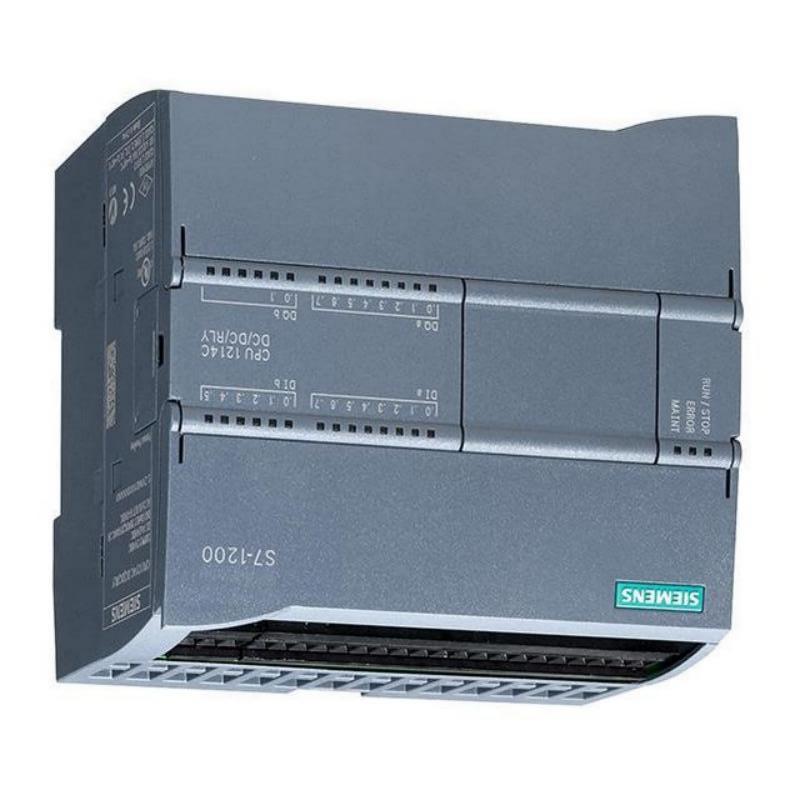
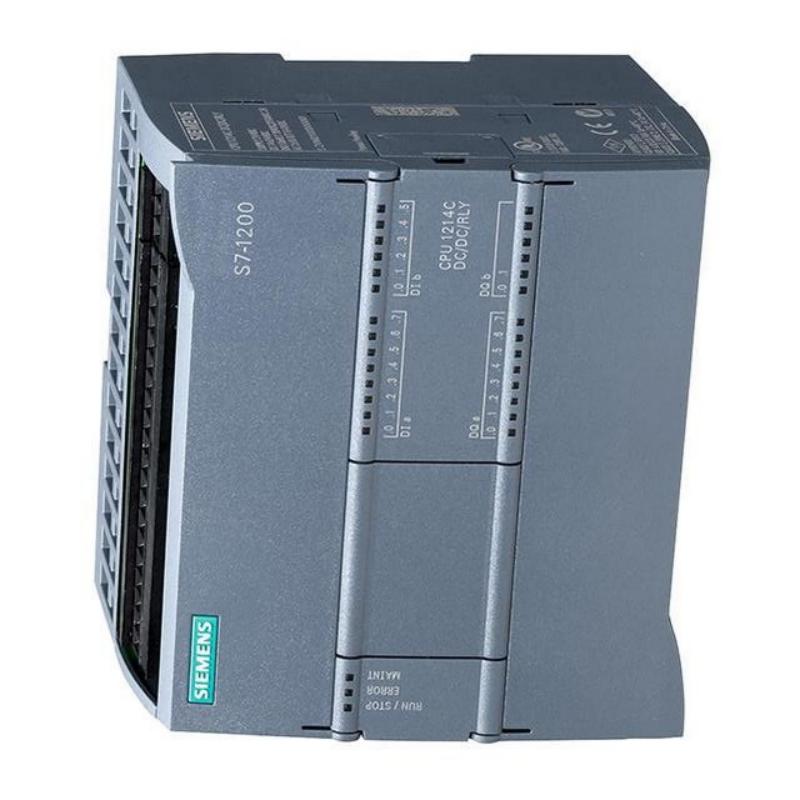
- Siemens
- 6AG1215-1AF40-5XB0
- Central Processing Unit
- Germany
- 130 × 100 × 75 mm
- 0.5 kg
- Xiamen, China
- New & In Stock
- T/T, PayPal, Western Union
- 1 Year
- 1-3 Working Days
- DHL, UPS, TNT, FedEx and EMS.
- 24-Hour Service
- COO
- 4
Our advantage

Global Logistics
We have a 10-year logistics and express cooperation agreement, so our products can be shipped to any place in the world.

Brand new and original
Our products are imported in bulk from the place of origin. Because of the cooperative relationship, our products are all original and 100% new.

24-hour service
We provide 7*24 hours service to our customers. We will be there whenever you need us.

Price advantage
All our products are priced very favorably because we have our own warehouse and supply.
| Company Information | |||
| [email protected] | |||
| Mobile | +8615980777398 | ||
| +8615980777398 | |||
| 15980777398 |
Product Overview
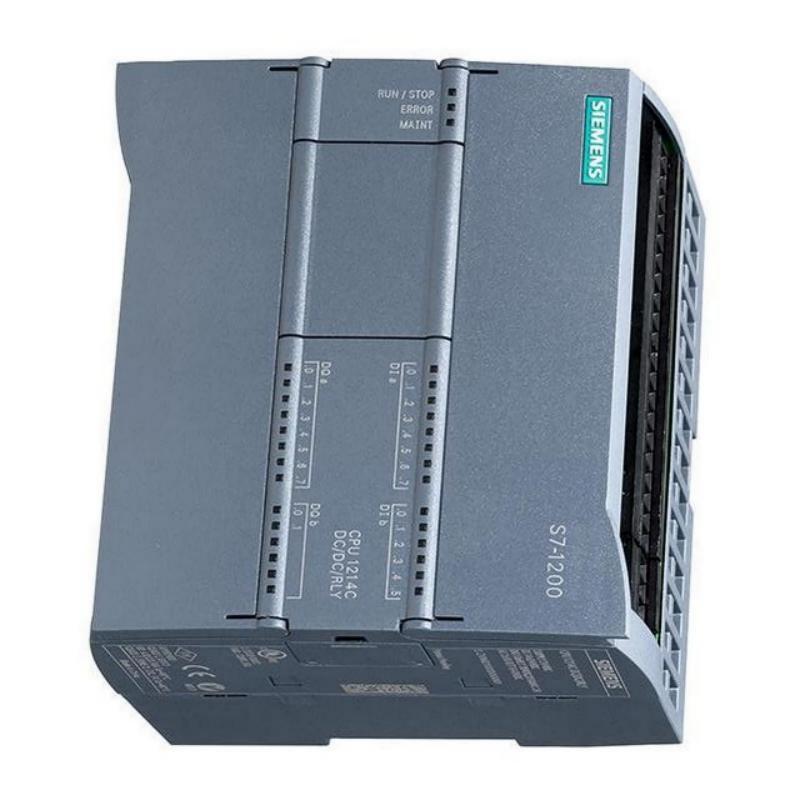
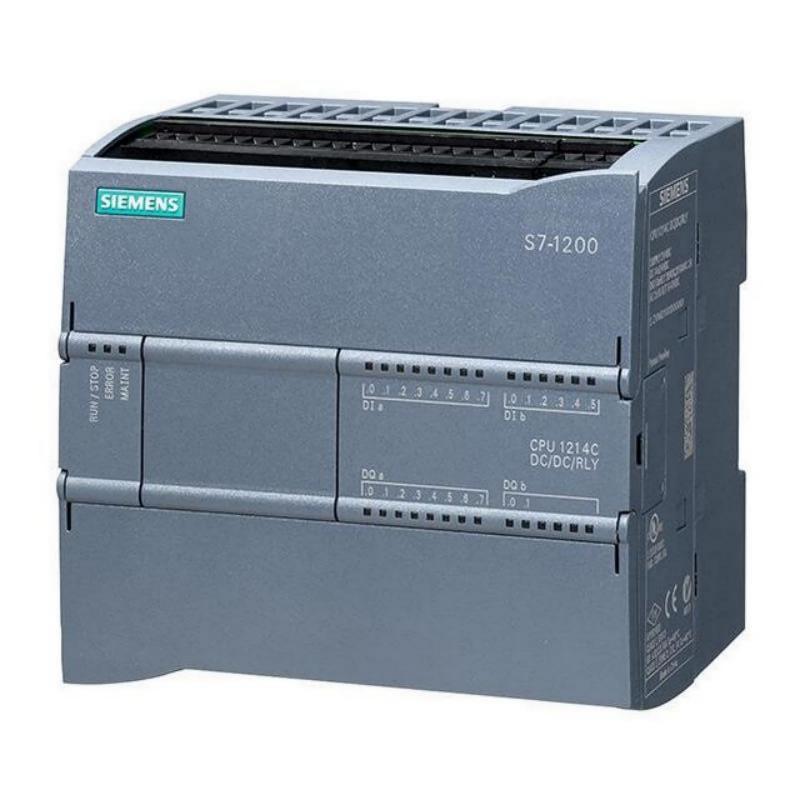
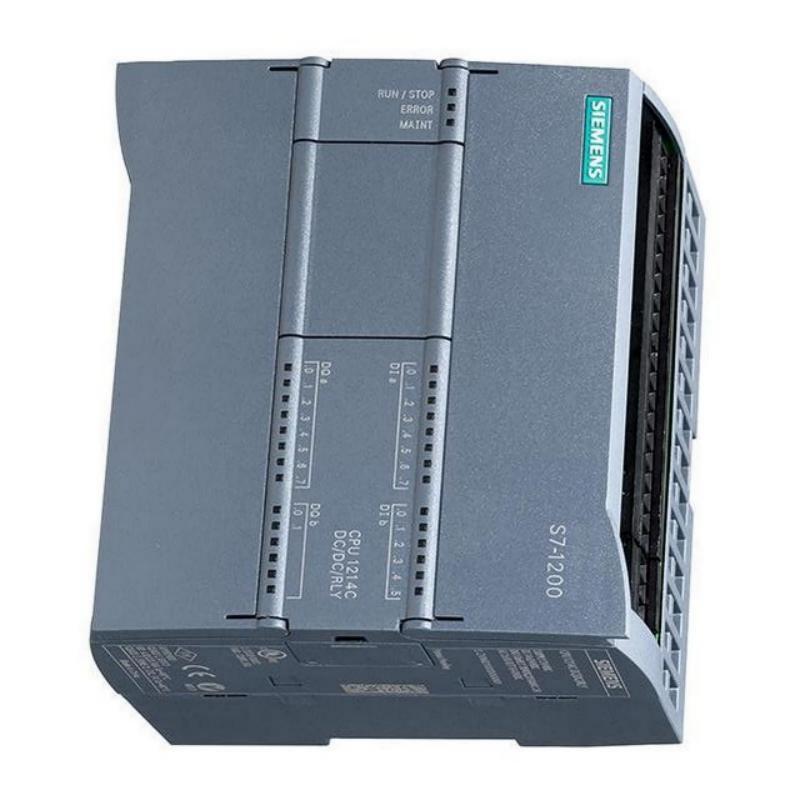
The Siemens 6AG1215-1AF40-5XB0 Central Processing Unit is an industrial automation controller designed to provide centralized program execution, machine control, signal processing, and coordination within a Siemens SIMATIC automation architecture. As a central processing component, the CPU receives information from connected field devices, evaluates programmed logic, and generates control commands for the equipment connected to the automation system.
In a PLC-based control system, the CPU acts as the processing center between field-level devices and machine-level operations. Sensors and input modules provide information about machine conditions, while output modules and connected control equipment perform the actions determined by the PLC program.
The 6AG1215-1AF40-5XB0 has supplied dimensions of 130 × 100 × 75 mm and a listed weight of 0.5 kg. These physical characteristics are important when planning control cabinets, mounting arrangements, equipment handling, replacement procedures, and maintenance access.
The CPU can be integrated into a larger automation architecture containing I/O modules, operator interfaces, communication components, drives, sensors, actuators, and other industrial equipment. The exact configuration should be determined according to the requirements of the individual automation system.
Technical Specifications
| Parameter | Specification |
|---|---|
| Manufacturer | Siemens |
| Model | 6AG1215-1AF40-5XB0 |
| Product Type | Central Processing Unit |
| Product Family | Siemens SIMATIC automation system |
| Primary Function | Central control and program processing |
| Application | Industrial automation and machine control |
| Dimensions (H × W × D) | 130 × 100 × 75 mm |
| Weight | 0.5 kg |
| Installation | Industrial control cabinet / automation panel |
| System Role | Central processing and automation control |
| Typical Applications | Machine automation, production systems, process control |
Specification note: The dimensions and weight above are based on the information supplied for this product. Exact memory specifications, integrated I/O characteristics, communication functions, supported technologies, power requirements, firmware compatibility, and other detailed electrical parameters should be verified against the actual hardware and system configuration.
What Is the Siemens 6AG1215-1AF40-5XB0?
The Siemens 6AG1215-1AF40-5XB0 is a Central Processing Unit that performs the main logic-processing functions of a compatible industrial automation system.
Its basic role can be illustrated as:
Sensors → Input Modules → CPU → Output Modules → Actuators
The CPU receives information from the input side, processes it according to the user-defined control program, and generates the required commands.
For example, an automated production machine may use proximity sensors, position sensors, switches, and other devices to determine the current machine condition. The CPU evaluates these signals and determines which motors, valves, cylinders, drives, or other devices should operate.
The CPU therefore provides the logical connection between physical process conditions and programmed machine behavior.
Central Processing Unit Working Principle
An industrial PLC CPU performs a continuous sequence of information processing tasks.
Input Information
The CPU receives process and machine information through connected input devices and modules.
Input information may represent:
- Sensor states
- Switch conditions
- Machine positions
- Process measurements
- Equipment status
- Feedback signals
Program Processing
The CPU executes the configured automation program.
Depending on the application, the program may perform:
- Logic operations
- Sequence control
- Timing functions
- Counting
- Interlocking
- Data processing
- Machine-state management
- Communication tasks
Output Control
After evaluating the input information and program conditions, the CPU determines the required output states.
The output system can then control connected field devices.
Continuous Operation
The processing cycle is repeated continuously so that the controller can respond to changing machine and process conditions.
This continuous operation is fundamental to automated manufacturing and process control.
Main Functions of the 6AG1215-1AF40-5XB0
Central Program Execution
The CPU executes the programmed control logic responsible for machine or process operation.
Signal Processing
It processes information received from connected input devices and automation modules.
Sequence Management
The CPU can organize machine operations into defined sequences and operating states.
Equipment Coordination
Multiple automation devices can be coordinated through the programmed logic.
Interlocking
Control logic can establish conditions that prevent incompatible machine operations.
Alarm Processing
The automation program can monitor abnormal operating conditions and initiate appropriate alarm responses.
Data Processing
The CPU can process control data required for machine operation and communication.
Role in Industrial Automation
The central processing unit is one of the most important components in a PLC-based automation architecture.
A simplified system can be represented as:
Field Devices → I/O System → 6AG1215-1AF40-5XB0 → Control Equipment
The field devices detect machine and process conditions.
The CPU evaluates this information using the configured control program.
The output system then communicates the required control response to connected equipment.
For example, in an automated conveyor system:
- A sensor detects a product.
- The input module receives the signal.
- The CPU evaluates the machine state.
- The control program determines the next operation.
- An output command is generated.
- The motor-control equipment responds.
- Feedback confirms the machine condition.
The CPU repeats this process continuously to maintain coordinated operation.
Industrial Applications
Manufacturing Automation
The CPU can be incorporated into automated manufacturing systems requiring programmable machine sequencing and coordinated equipment control.
Typical applications include:
- Production machines
- Assembly equipment
- Inspection systems
- Material-processing machinery
- Automated workstations
Conveyor Systems
Conveyor systems can use PLC control to coordinate motors, sensors, stops, diverters, and product-position detection.
Packaging Equipment
Packaging machines often require coordination between product feeding, positioning, filling, sealing, labeling, and transfer mechanisms.
A central CPU can manage these operations through programmed sequence logic.
Assembly Machines
Automated assembly systems can use programmable control for positioning, clamping, fastening, inspection, and product transfer.
Material Handling
The CPU can form part of a control architecture for sorting, transportation, accumulation, and positioning systems.
Process Control
Industrial process equipment may use PLC logic to coordinate pumps, valves, motors, instrumentation, and process sequences.
PLC System Architecture
The 6AG1215-1AF40-5XB0 should normally be considered as one component of a complete automation system.
A typical architecture can be represented as:
Operator Interface
↓
Central Processing Unit
↓
I/O and Communication System
↓
Sensors / Actuators
↓
Industrial Machine
The different system components perform different functions.
| Component | Typical Function |
|---|---|
| Central Processing Unit | Executes automation logic |
| Digital Input Module | Receives discrete field signals |
| Digital Output Module | Controls discrete devices |
| Analog Input Module | Receives process measurements |
| Analog Output Module | Provides analog control signals |
| Communication Module | Connects external automation devices |
| HMI | Operator monitoring and control |
| Sensors | Detect process conditions |
| Actuators | Perform physical actions |
| Motor Drive | Controls motor operation |
The actual configuration depends on the application.
Installation and Setup
Proper installation is important for stable CPU operation.
Product Identification
Confirm the complete product reference:
Siemens 6AG1215-1AF40-5XB0
The complete ordering number should be checked against the intended automation configuration.
Installation Space
The supplied dimensions are:
130 × 100 × 75 mm
Additional space should be provided for wiring, connectors, adjacent modules, ventilation, and service access.
Mounting
The CPU should be securely installed in the designated control-system mounting arrangement.
Power Supply
Verify that the control-system power supply is compatible with the actual CPU and associated equipment.
I/O Connections
Connect the required I/O modules and field wiring according to the system design.
Communication Connections
Where communication is required, verify network connections and device configuration before commissioning.
Wiring Inspection
Before energizing the system, inspect power, I/O, communication, grounding, and other relevant connections.
Commissioning Procedure
A systematic commissioning process can reduce startup problems.
1. Hardware Inspection
Check the CPU, mounting arrangement, connectors, modules, and wiring.
2. Power Verification
Confirm correct control-system power and associated protection.
3. Hardware Configuration
Verify that the configured hardware corresponds to the installed components.
4. Program Verification
Confirm that the correct PLC program and configuration have been loaded.
5. Input Test
Verify that sensors and input devices provide the expected information.
6. Output Test
Test outputs and connected actuators under controlled conditions.
7. Communication Test
Verify communication with connected equipment where applicable.
8. Sequence Test
Operate the machine through individual stages of the programmed sequence.
9. Alarm Test
Verify that configured alarms and abnormal-condition responses operate correctly.
10. Normal Operation
After successful testing, operate the system under normal production conditions while monitoring system status.
Troubleshooting the 6AG1215-1AF40-5XB0
Troubleshooting should consider the complete PLC and automation system.
CPU Does Not Operate
Check:
- Control power
- CPU status
- Wiring
- Hardware configuration
- Connected modules
- System diagnostics
- Installation conditions
A power or configuration problem can produce symptoms that appear to be a CPU hardware fault.
Program Does Not Execute Correctly
Inspect:
- PLC program
- Hardware configuration
- Input conditions
- Output states
- Data values
- Interlocks
- Communication status
The CPU should be evaluated together with the programmed application.
Input Signals Are Incorrect
Potential causes include:
- Sensor failure
- Wiring problems
- Input module issues
- Incorrect configuration
- Addressing problems
- Field-device faults
Troubleshooting should follow the signal path from the field device toward the CPU.
Outputs Do Not Respond
Check:
- Program conditions
- Output status
- Output module
- Wiring
- External power
- Actuator condition
- Interlocks
A correct CPU output state does not necessarily mean that the external actuator circuit is functioning correctly.
Communication Problems
Check:
- Network wiring
- Device configuration
- Communication settings
- Connected equipment
- Network topology
- Diagnostic information
Communication problems should be isolated systematically.
Preventive Maintenance
Control Cabinet Inspection
Inspect the cabinet for:
- Dust
- Moisture
- Excessive temperature
- Vibration
- Contamination
- Insufficient ventilation
Wiring Inspection
Check wiring and connectors for looseness, corrosion, mechanical damage, or contamination.
Diagnostic Monitoring
Review system diagnostics periodically and investigate repeated abnormal conditions.
Program Backup
Maintain current backups of the PLC program and relevant hardware configuration.
Hardware Documentation
Record the installed CPU model, connected modules, communication configuration, and system modifications.
Environmental Management
Maintain appropriate environmental conditions for the control cabinet and automation equipment.
Physical Dimensions and Weight
The supplied physical specifications of the Siemens 6AG1215-1AF40-5XB0 are:
Dimensions: 130 × 100 × 75 mm
Weight: 0.5 kg
These physical characteristics are useful when planning:
- Control cabinets
- Automation panels
- Mounting arrangements
- Equipment transportation
- Replacement procedures
- Warehouse storage
- Maintenance access
The complete installation space should be larger than the basic product dimensions to accommodate wiring, connectors, neighboring modules, and service requirements.
Replacement and Compatibility Considerations
When replacing a 6AG1215-1AF40-5XB0, the complete product number should be checked carefully.
Important factors include:
- Complete ordering number
- Hardware version
- Firmware compatibility
- PLC program
- Hardware configuration
- Connected I/O modules
- Communication architecture
- Power requirements
- Network configuration
- Installation arrangement
A CPU with similar physical dimensions should not automatically be treated as a direct replacement.
Compatibility must be evaluated across the complete automation system.
Integration with HMI and Automation Networks
A central processing unit can operate as part of a multi-level industrial automation architecture.
The HMI provides the operator with information about machine conditions and allows authorized control functions.
The CPU executes the control program and manages the machine sequence.
I/O modules connect the CPU to sensors and actuators.
Communication components can connect the controller to other industrial devices where supported by the system design.
The architecture can therefore be represented as:
Operator → HMI → CPU → I/O / Network → Machine
Feedback travels back through the automation architecture, allowing the CPU to continuously monitor machine conditions and respond to changes.
Engineering Best Practices
Keep Hardware Documentation Accurate
Record the complete CPU model and all connected modules.
Maintain Program Backups
A current copy of the PLC program and hardware configuration should be maintained.
Label Field Connections
Clearly identified wiring can significantly simplify troubleshooting and maintenance.
Monitor System Diagnostics
Repeated warnings or abnormal conditions should be investigated rather than ignored.
Protect the Control Environment
Maintain appropriate cabinet temperature, cleanliness, ventilation, and environmental conditions.
Control Engineering Changes
Hardware and software modifications should be documented and tested before being introduced into normal production.
Plan for Future Replacement
Keep the complete model number and system configuration available for maintenance personnel.
Key Advantages
The Siemens 6AG1215-1AF40-5XB0 Central Processing Unit provides a compact central control component for industrial automation applications.
Key characteristics include:
- Centralized automation program execution
- Machine and process control
- Processing of field-level information
- Coordination of I/O devices
- Programmable sequence control
- Integration into modular PLC architectures
- Support for industrial automation networks when appropriately configured
- Compact 130 × 100 × 75 mm dimensions
- Listed weight of 0.5 kg
- Suitable for industrial control cabinets and automation panels
Technical FAQs
What is the Siemens 6AG1215-1AF40-5XB0?
The Siemens 6AG1215-1AF40-5XB0 is a Central Processing Unit used to execute automation programs and coordinate control operations within a compatible Siemens industrial automation system.
What is the primary function of this CPU?
Its main function is to process input information, execute programmed control logic, manage outputs, and coordinate connected automation equipment.
What are the dimensions of the 6AG1215-1AF40-5XB0?
The supplied dimensions are 130 × 100 × 75 mm.
What is the weight of this CPU?
The supplied weight is 0.5 kg.
Where can the 6AG1215-1AF40-5XB0 be used?
Potential applications include manufacturing equipment, packaging machinery, conveyor systems, assembly machines, material-handling systems, production lines, and process-control installations, subject to complete system compatibility.
Is this CPU an I/O module?
No. The 6AG1215-1AF40-5XB0 is a Central Processing Unit. Input and output functions are normally provided through compatible I/O modules and connected field equipment.
Can the CPU control motors?
The CPU can execute the logic that commands motor-control equipment. Depending on the application, a suitable motor drive, contactor, or other control device is used between the PLC system and the motor.
What should be checked before replacing this CPU?
Verify the complete ordering number, hardware and firmware compatibility, PLC program, hardware configuration, connected modules, communication architecture, and power requirements.
What can cause unexpected PLC operation?
Potential causes include incorrect program logic, sensor faults, wiring problems, I/O issues, communication failures, configuration errors, power problems, or faults in connected equipment.
How should the CPU be maintained?
Recommended maintenance includes control-cabinet inspection, wiring and connector checks, diagnostic monitoring, program backups, hardware documentation, and maintenance of suitable environmental conditions.
Conclusion
The Siemens 6AG1215-1AF40-5XB0 Central Processing Unit is a compact industrial automation CPU designed to perform central program execution, signal processing, sequence control, and coordination of connected automation equipment. It serves as the processing center of a PLC architecture, linking field-level information with programmed machine and process-control functions.
The supplied dimensions are 130 × 100 × 75 mm, with a listed weight of 0.5 kg. These physical specifications are important for control-cabinet planning, equipment handling, installation, maintenance, and replacement preparation.
The CPU can form part of automation systems used in manufacturing, packaging, assembly, conveyor, material-handling, production, and process-control applications. Its performance as part of a complete automation system depends on correct hardware configuration, programming, I/O connections, communication, power supply, and environmental conditions.
For installation, commissioning, troubleshooting, or replacement, the complete 6AG1215-1AF40-5XB0 model designation should be verified together with the existing system configuration to ensure correct integration and reliable industrial operation.