

ProductPRODUCT
Featured products
Contact Us
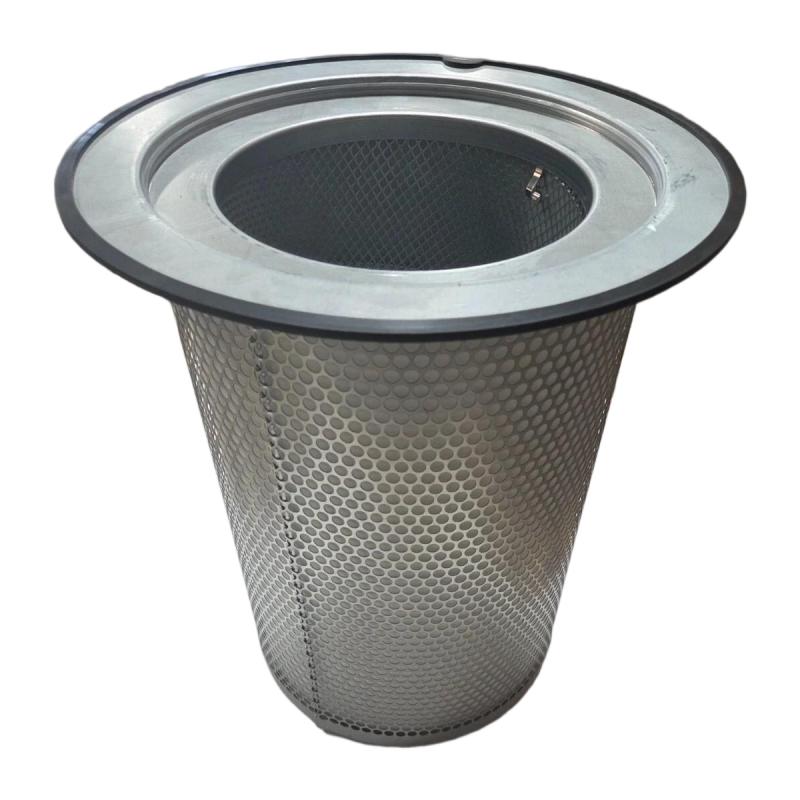
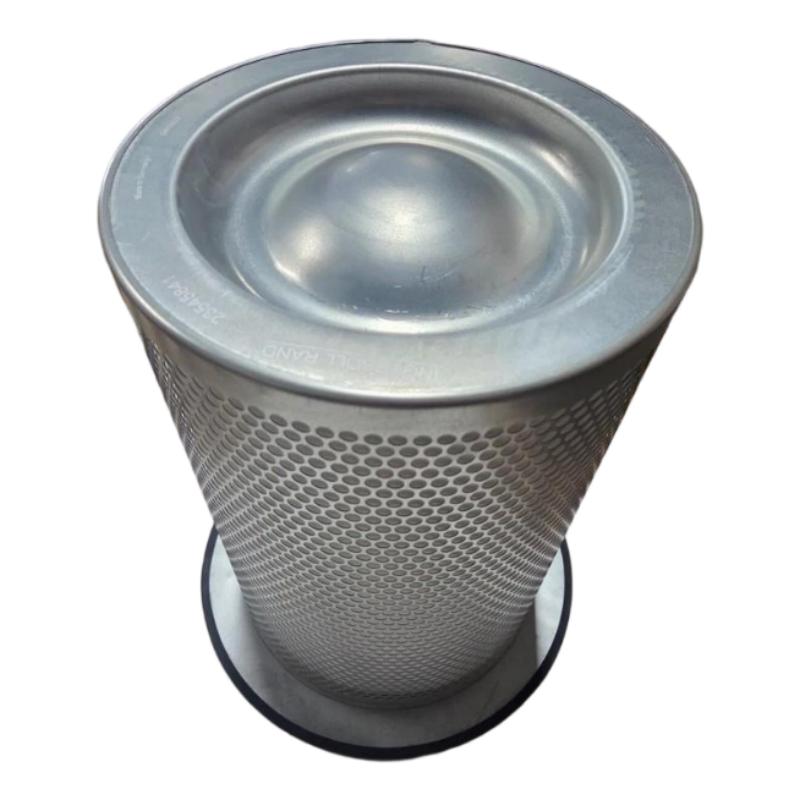
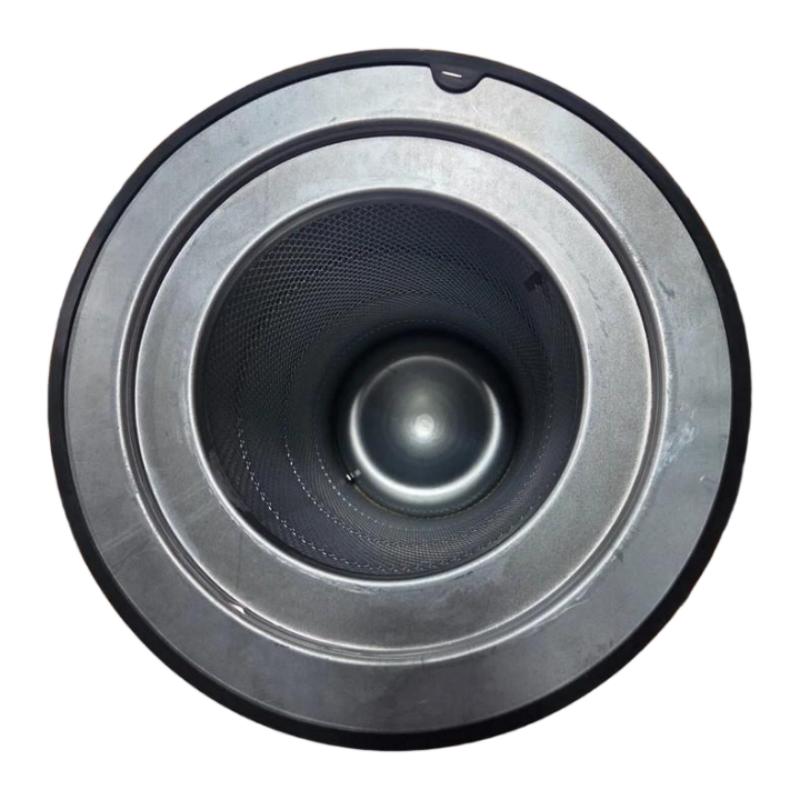
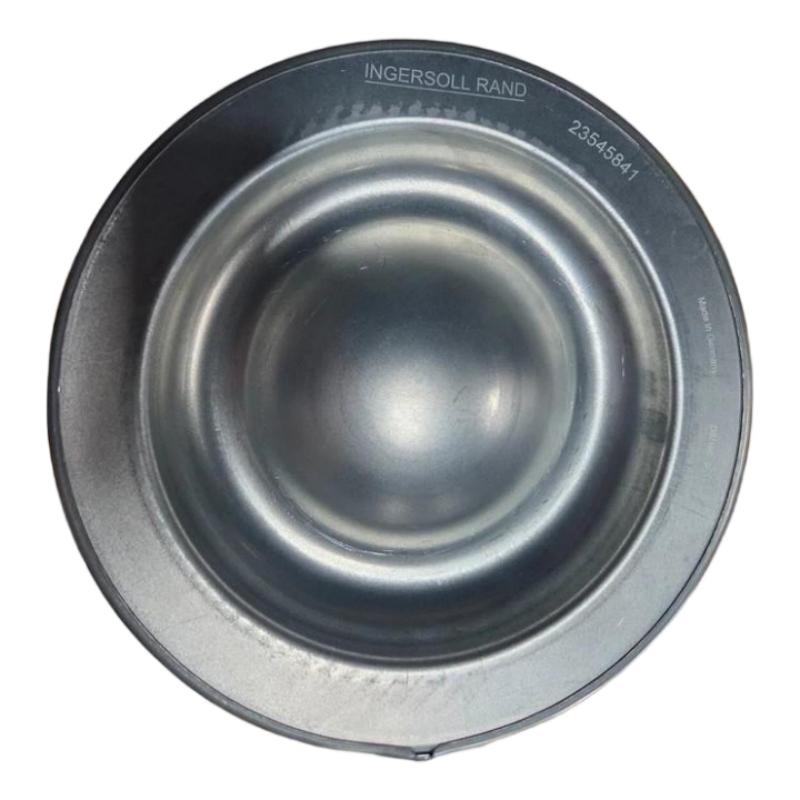
- Ingersoll Rand
- 47674732001 23545841
- Air-Oil Separator
- USA
- 375 mm
- 7.5 kg
- Xiamen, China
- New & In Stock
- T/T, PayPal, Western Union
- 1 Year
- 1-3 Working Days
- DHL, UPS, TNT, FedEx and EMS.
- 24-Hour Service
- COO
- 3
Our advantage

Global Logistics
We have a 10-year logistics and express cooperation agreement, so our products can be shipped to any place in the world.

Brand new and original
Our products are imported in bulk from the place of origin. Because of the cooperative relationship, our products are all original and 100% new.

24-hour service
We provide 7*24 hours service to our customers. We will be there whenever you need us.

Price advantage
All our products are priced very favorably because we have our own warehouse and supply.
| Company Information | |||
| [email protected] | |||
| Mobile | +8615980777398 | ||
| +8615980777398 | |||
| 15980777398 |
Product Overview
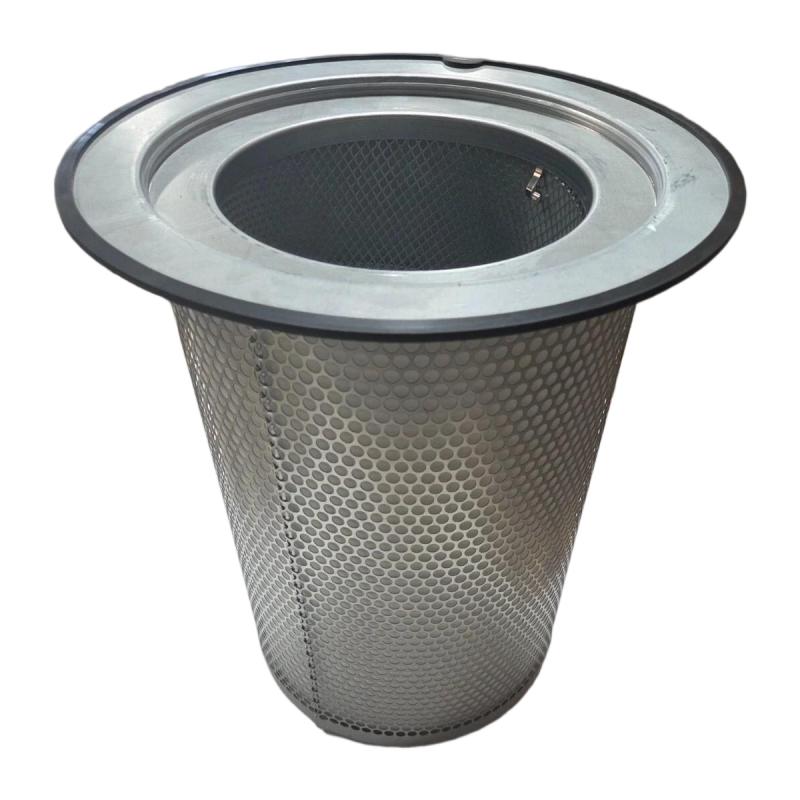
The Ingersoll Rand 47674732001 23545841 Air-Oil Separator is a replacement component designed for use in compatible industrial air compressor systems. As part of an oil-injected screw compressor’s separation system, an air-oil separator performs an important role in separating entrained lubricating oil from compressed air before the air continues toward the compressor outlet and downstream air system.
The separation process is essential because oil is introduced into many oil-injected screw compressors as part of the lubrication, sealing, cooling, and compression process. After compression, the resulting air-oil mixture must pass through a separation stage so that the majority of the oil can be recovered and returned to the compressor lubrication circuit.
The Ingersoll Rand 47674732001 23545841 is identified as an Air-Oil Separator with a supplied diameter of 375 mm and a listed weight of 7.5 kg. These physical specifications are important when planning replacement work, equipment maintenance, storage, transportation, and compressor service operations.
The separator should be matched to the correct compressor configuration before installation. A physically similar separator should not automatically be considered interchangeable because separator dimensions alone do not establish complete compressor compatibility.
Technical Specifications
| Parameter | Specification |
|---|---|
| Manufacturer | Ingersoll Rand |
| Reference Number | 47674732001 |
| Part Number | 23545841 |
| Product Type | Air-Oil Separator |
| Primary Function | Separation of lubricating oil from compressed air |
| Application | Compatible industrial air compressor systems |
| Diameter | 375 mm |
| Weight | 7.5 kg |
| Installation | Compressor oil-separation system |
| Typical Equipment | Oil-injected industrial screw compressors |
Specification note: The diameter and weight above are based on the supplied product information. Exact separator construction, filtration media, connection configuration, pressure rating, temperature limits, oil compatibility, efficiency characteristics, and compressor model compatibility should be confirmed against the applicable equipment configuration before installation.
What Is the Ingersoll Rand 47674732001 23545841?
The 47674732001 23545841 is an Ingersoll Rand Air-Oil Separator used in compatible compressed-air equipment.
In an oil-injected screw compressor, lubricating oil is introduced into the compression chamber. The oil helps perform several important functions, but after compression it must be separated from the compressed air.
A simplified process can be represented as:
Air Intake → Compression → Air/Oil Mixture → Air-Oil Separator → Compressed Air Outlet
At the same time, separated oil is recovered for continued circulation through the compressor’s lubrication system.
The separator therefore forms an important part of the compressor’s internal air and oil management system.
Air-Oil Separation Working Principle
During compression, air and lubricating oil become mixed inside the compressor compression system.
The resulting mixture enters the separation system, where the air-oil separator helps remove oil droplets and retain separated oil while allowing compressed air to continue through the intended air path.
The general process can be described in several stages.
1. Compression
Ambient air enters the compressor and is compressed.
2. Oil Injection
Lubricating oil is introduced into the compression process in oil-injected compressor designs.
3. Air-Oil Mixture Formation
The compression process creates a mixture containing compressed air and entrained oil.
4. Primary Separation
Larger quantities of oil can be separated from the compressed air before the mixture reaches the separator element.
5. Fine Separation
The air-oil separator provides additional separation of remaining oil from the compressed air stream.
6. Oil Recovery
Separated oil is collected and returned to the appropriate compressor oil circuit according to the equipment design.
7. Cleaned Compressed Air
The separated compressed air continues toward the compressor outlet and downstream air system.
The exact internal construction and separation mechanism depend on the separator design and compressor configuration.
Importance of an Air-Oil Separator
The air-oil separator has an important influence on compressor performance and air quality.
Oil Carryover Control
One of the main functions of the separator is to reduce the amount of lubricating oil leaving the compressor with the compressed air.
Excessive oil carryover can result in contamination of downstream equipment.
Lubricant Recovery
Efficient separation allows usable compressor oil to remain within the lubrication system instead of being unnecessarily discharged with compressed air.
Compressor Efficiency
A properly functioning separation system helps maintain the intended operating conditions of the compressor.
Downstream Protection
Reduced oil carryover can help protect:
- Air dryers
- Filters
- Pneumatic equipment
- Valves
- Control systems
- Production machinery
- Air distribution piping
The specific impact depends on the compressor and downstream installation.
Role in Industrial Compressor Systems
The Ingersoll Rand 47674732001 23545841 can be considered part of a larger compressor fluid-management system.
A simplified architecture is:
Air Intake
↓
Compression Element
↓
Air/Oil Mixture
↓
Separation System
↓
Air-Oil Separator
↓
Compressed Air
At the same time:
Separated Oil → Oil Recovery Circuit → Lubrication System → Compressor
This continuous separation and oil-recovery process supports the normal operation of an oil-injected compressor.
Industrial Applications
The separator can be used in compatible industrial compressed-air systems.
Manufacturing Plants
Compressed air is commonly used for pneumatic tools, automation equipment, actuators, material handling, and production machinery.
Maintaining suitable compressor performance is therefore important for manufacturing operations.
Packaging Equipment
Packaging systems can rely on compressed air for cylinders, valves, grippers, and other pneumatic devices.
An effective oil-separation system can help limit unwanted lubricant carryover into the compressed-air network.
Food and Beverage Production
Compressed air may be used for a range of production and packaging functions. Where air quality is important, the complete compressor treatment system must be configured appropriately for the application.
Pharmaceutical Manufacturing
Compressed air can support manufacturing and packaging processes where controlled air quality is required.
The separator is only one component of the overall air-treatment system.
Automotive Manufacturing
Automotive factories commonly use compressed air for assembly tools, pneumatic equipment, painting-related systems, and automation machinery.
General Industrial Utilities
Industrial facilities can use compressed-air systems to operate pneumatic equipment throughout production and utility areas.
Signs of Air-Oil Separator Problems
A separator should be considered as part of the complete compressor system when investigating abnormal operating conditions.
Possible symptoms associated with a separator or separation system problem can include:
- Increased oil carryover
- Excessive oil consumption
- Oil appearing in downstream air equipment
- Increased differential pressure
- Reduced compressor efficiency
- Abnormal compressor operating conditions
- Increased frequency of oil replenishment
- Changes in compressor performance
These symptoms do not necessarily prove that the separator itself has failed. Other compressor components, oil condition, operating conditions, or maintenance issues can produce similar symptoms.
Causes of Separator Performance Problems
Several conditions may affect air-oil separation performance.
Separator Loading
Over time, the separator may accumulate contaminants or become progressively restricted.
Incorrect Installation
Improper installation can affect sealing, airflow, and separation performance.
Incorrect Replacement Part
A separator that is not matched to the compressor configuration may not provide the intended performance.
Oil Condition
Incorrect or degraded compressor lubricant can influence compressor operation and separation performance.
Excessive Operating Conditions
Operating the compressor outside its intended conditions may affect separation performance and service life.
Seal or Connection Problems
Leaks around the separator or associated components can result in abnormal compressor behavior.
Installation and Replacement Guide
Replacing an air-oil separator requires attention to both the separator and the compressor system.
Step 1: Identify the Compressor
Before ordering a replacement, identify the compressor model, machine configuration, and existing separator.
Step 2: Verify the Part Number
Confirm:
47674732001
and
23545841
The complete identification should match the required replacement component.
Step 3: Confirm Physical Dimensions
The supplied separator diameter is:
375 mm
The physical dimensions should be compared with the existing component and installation arrangement.
Step 4: Shut Down the Compressor
The compressor should be stopped and isolated according to the applicable maintenance procedure.
Step 5: Release Stored Pressure
Compressed-air systems can contain significant stored energy. The compressor and associated circuits should be depressurized using the appropriate service procedure before work begins.
Step 6: Allow the System to Cool
Compressor oil and internal components may remain hot after shutdown. Allow sufficient cooling time before opening the system.
Step 7: Remove the Existing Separator
Remove the existing component carefully while protecting surrounding components and connections.
Step 8: Inspect the Separation System
Check sealing surfaces, associated components, connections, and the surrounding separator housing for contamination or damage.
Step 9: Install the Replacement
Install the 23545841 Air-Oil Separator according to the applicable compressor maintenance procedure.
Step 10: Inspect Before Startup
Verify that all relevant connections and seals are correctly installed.
Step 11: Restart and Monitor
After the compressor is returned to service, monitor operating conditions and check for abnormal oil carryover, leakage, pressure behavior, or other unusual symptoms.
Maintenance Considerations
The service life of an air-oil separator depends on compressor operating conditions, maintenance practices, lubricant condition, contamination levels, and equipment usage.
Monitor Oil Consumption
Unexpected changes in oil consumption can provide an early indication of separation-system problems.
Monitor Compressed-Air Quality
Changes in downstream oil contamination may indicate a problem that requires investigation.
Observe Compressor Operating Conditions
Abnormal pressure, temperature, or performance changes should be investigated promptly.
Follow the Compressor Maintenance Schedule
Separator replacement should be performed according to the applicable compressor maintenance requirements rather than based solely on physical appearance.
Inspect Related Components
When replacing a separator, inspect associated seals, connections, oil-return components, and other relevant parts.
Troubleshooting
Excessive Oil Carryover
Possible causes may include:
- Separator condition
- Incorrect separator installation
- Seal problems
- Incorrect lubricant
- Compressor operating conditions
- Oil-return problems
- Other internal compressor faults
The complete oil-separation system should be evaluated.
High Differential Pressure
A high pressure drop may be associated with restriction in the separator or another part of the airflow system.
Check:
- Separator condition
- Airflow path
- Contamination
- Compressor operating conditions
- Related filtration components
Increased Oil Consumption
Investigate:
- Separator condition
- Oil-return system
- Compressor oil level
- Oil type and condition
- Compressor operating conditions
- Possible internal leakage
Oil in Downstream Equipment
Inspect the complete compressed-air treatment system, including the separator, downstream filters, dryers, piping, and operating conditions.
Replacement and Compatibility Considerations
When sourcing an Ingersoll Rand 47674732001 23545841 Air-Oil Separator, the complete part identification should be verified.
Important details include:
- Reference number
- Part number
- Compressor model
- Compressor configuration
- Existing separator dimensions
- Installation arrangement
- Sealing arrangement
- Operating conditions
- Maintenance requirements
The supplied diameter is 375 mm, but diameter alone should not be used to establish compatibility.
A replacement separator must be suitable for the specific compressor configuration.
Physical Dimensions and Weight
The supplied physical information for the Ingersoll Rand 47674732001 23545841 is:
Product Type: Air-Oil Separator
Diameter: 375 mm
Weight: 7.5 kg
These values are useful for:
- Replacement planning
- Compressor maintenance
- Warehouse management
- Transportation
- Handling preparation
- Installation planning
- Equipment inventory
Because the separator has a listed weight of 7.5 kg, suitable handling procedures should be used during removal and installation.
Storage and Handling
Proper storage can help protect replacement separator elements before installation.
The component should be protected from:
- Excessive moisture
- Dust
- Mechanical impact
- Contamination
- Improper handling
- Extreme environmental conditions
During transportation, the separator should be packaged appropriately to prevent deformation or damage.
The 375 mm diameter should also be considered when selecting suitable storage and packaging arrangements.
Related Compressor Components
An air-oil separator normally operates together with several other compressor components.
| Component | General Function |
|---|---|
| Air Filter | Removes contaminants from incoming air |
| Compression Element | Compresses the incoming air |
| Compressor Oil | Provides lubrication and cooling in oil-injected systems |
| Air-Oil Separator | Separates oil from compressed air |
| Oil Filter | Removes contaminants from circulating compressor oil |
| Oil Cooler | Helps manage lubricant temperature |
| Air Cooler | Helps reduce compressed-air temperature |
| Oil Return System | Returns separated oil to the compressor circuit |
| Downstream Air Filter | Provides additional air treatment |
| Air Dryer | Reduces moisture in compressed air |
The actual configuration varies by compressor model.
Engineering Best Practices
Verify Part Identification
Always confirm both 47674732001 and 23545841 before purchasing or installing a replacement.
Match the Compressor
The separator should be selected according to the specific compressor model and configuration.
Do Not Use Diameter Alone
The supplied 375 mm diameter is useful for physical identification but does not by itself confirm complete compatibility.
Inspect the Complete System
When separator performance changes, inspect the compressor, oil system, airflow path, and downstream equipment.
Follow Safe Maintenance Procedures
Compressed-air equipment can contain stored pressure and hot lubricant. Appropriate isolation and depressurization procedures should be followed before service.
Document Replacement Work
Record the replacement part number, service date, compressor identification, and observed operating conditions for future maintenance planning.
Key Advantages
The Ingersoll Rand 47674732001 23545841 Air-Oil Separator provides an important separation function within compatible oil-injected compressor systems.
Key characteristics include:
- Designed for air-oil separation applications
- Supports oil recovery within the compressor system
- Helps control lubricant carryover
- Contributes to compressed-air system cleanliness
- Supports compressor oil-management functions
- 375 mm supplied diameter
- 7.5 kg listed weight
- Suitable for replacement and maintenance applications when correctly matched to the compressor
Technical FAQs
What is the Ingersoll Rand 47674732001 23545841?
The 47674732001 23545841 is an Air-Oil Separator used in compatible Ingersoll Rand industrial compressor systems.
What is the main function of an air-oil separator?
Its primary function is to separate lubricating oil from compressed air in an oil-injected compressor system while supporting recovery of separated oil.
What is the diameter of the 23545841 Air-Oil Separator?
The supplied diameter is 375 mm.
How much does the separator weigh?
The supplied weight is 7.5 kg.
Why is an air-oil separator important?
It helps reduce oil carryover into the compressed-air system and supports recovery of lubricant within the compressor’s oil circuit.
What can cause excessive oil carryover?
Possible causes include separator condition, incorrect installation, oil-return problems, lubricant condition, compressor operating conditions, or other internal compressor issues.
Can any 375 mm separator replace the 23545841?
No. A matching diameter alone does not establish compatibility. The complete part number, compressor model, installation arrangement, and system requirements should be verified.
When should an air-oil separator be replaced?
Replacement should follow the applicable compressor maintenance requirements and actual operating conditions. Abnormal oil carryover, restriction, or other performance changes may also require investigation.
What should be checked during replacement?
The separator, sealing surfaces, associated connections, oil-return system, compressor oil condition, and surrounding components should be inspected as appropriate.
Conclusion
The Ingersoll Rand 47674732001 23545841 Air-Oil Separator is a specialized compressor component used to support the separation of lubricating oil from compressed air in compatible oil-injected industrial compressor systems. Effective air-oil separation helps control oil carryover, supports lubricant recovery, and contributes to the proper operation of the compressed-air system.
The supplied product specifications are a 375 mm diameter and 7.5 kg weight. These physical characteristics are useful for compressor maintenance planning, replacement identification, transportation, storage, and installation preparation.
When replacing the separator, technicians should verify the complete 47674732001 / 23545841 identification and confirm compatibility with the specific compressor configuration. Diameter alone is not sufficient to establish interchangeability. Proper isolation, depressurization, installation, inspection, and commissioning are important for safe and reliable compressor maintenance.
For industrial users, maintaining the air-oil separator as part of a complete compressor maintenance strategy can help support stable compressor operation and consistent compressed-air performance.