

ProductPRODUCT
Featured products



Contact Us
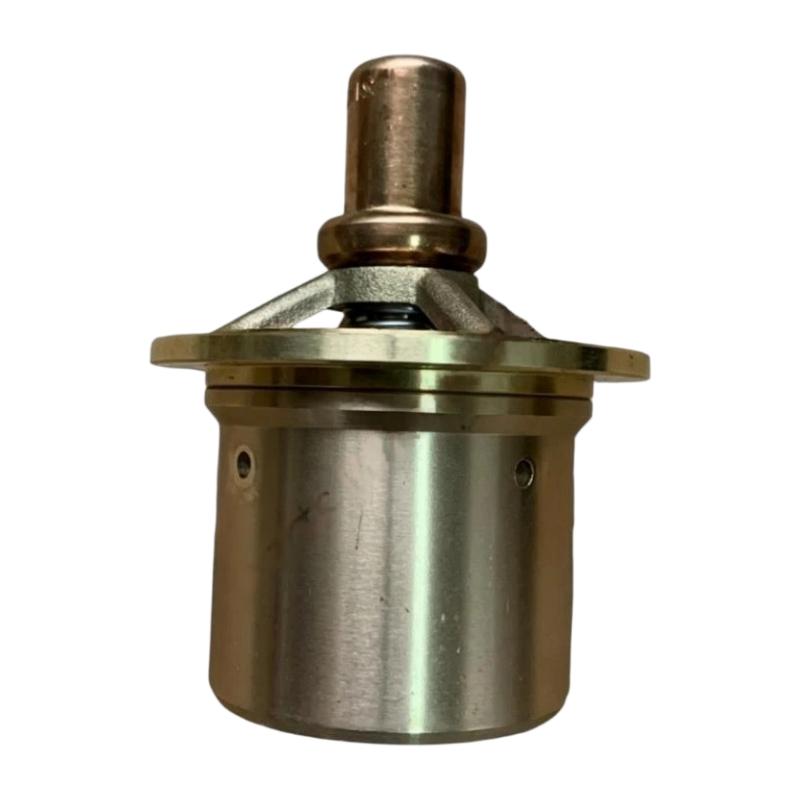
- Ingersoll Rand
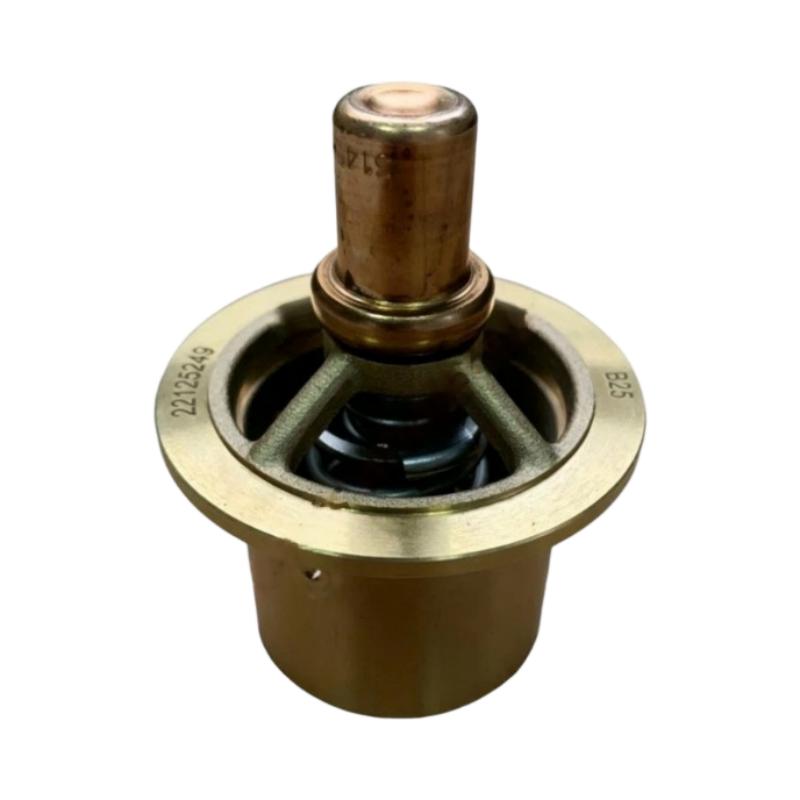
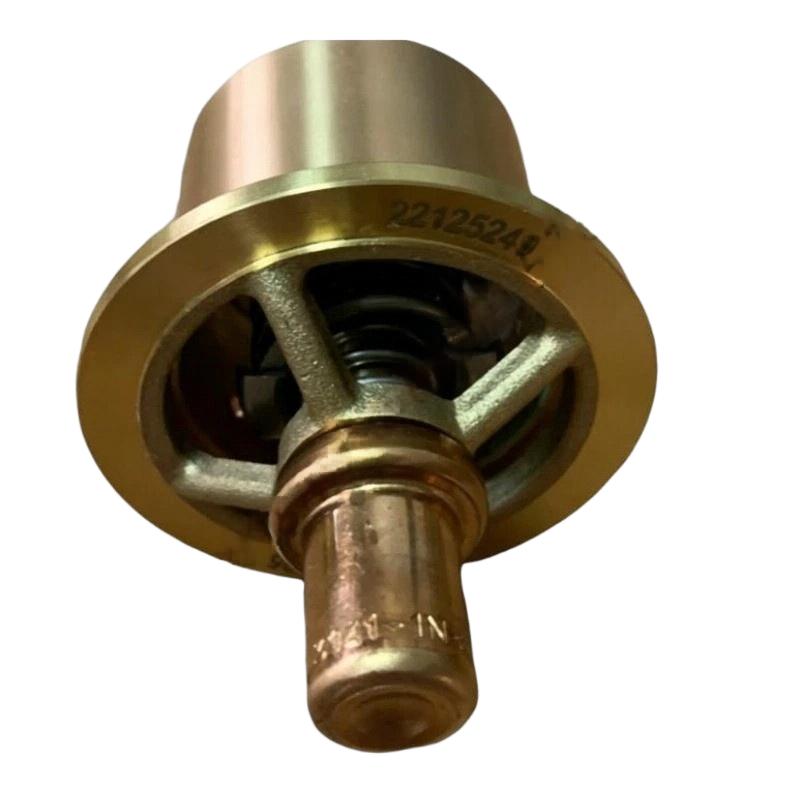
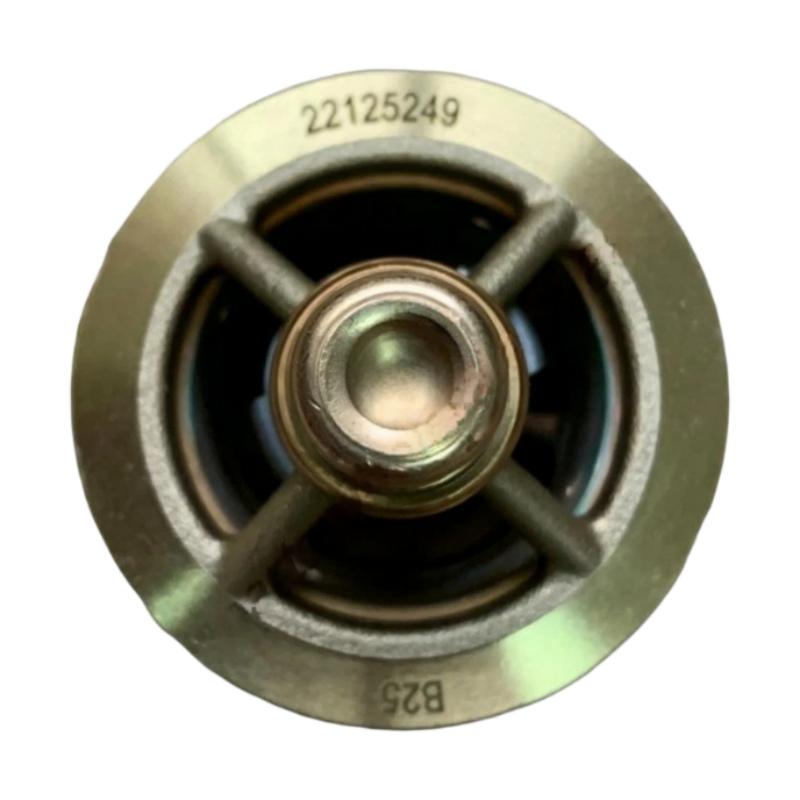
- 47560118001 22125249
- Thermostatic Valve Core
- USA
- 100 × 70 × 70 mm
- 2.29 kg
- Xiamen, China
- New & In Stock
- T/T, PayPal, Western Union
- 1 Year
- 1-3 Working Days
- DHL, UPS, TNT, FedEx and EMS.
- 24-Hour Service
- COO
- 2
Our advantage

Global Logistics
We have a 10-year logistics and express cooperation agreement, so our products can be shipped to any place in the world.

Brand new and original
Our products are imported in bulk from the place of origin. Because of the cooperative relationship, our products are all original and 100% new.

24-hour service
We provide 7*24 hours service to our customers. We will be there whenever you need us.

Price advantage
All our products are priced very favorably because we have our own warehouse and supply.
| Company Information | |||
| [email protected] | |||
| Mobile | +8615980777398 | ||
| +8615980777398 | |||
| 15980777398 |
Product Overview
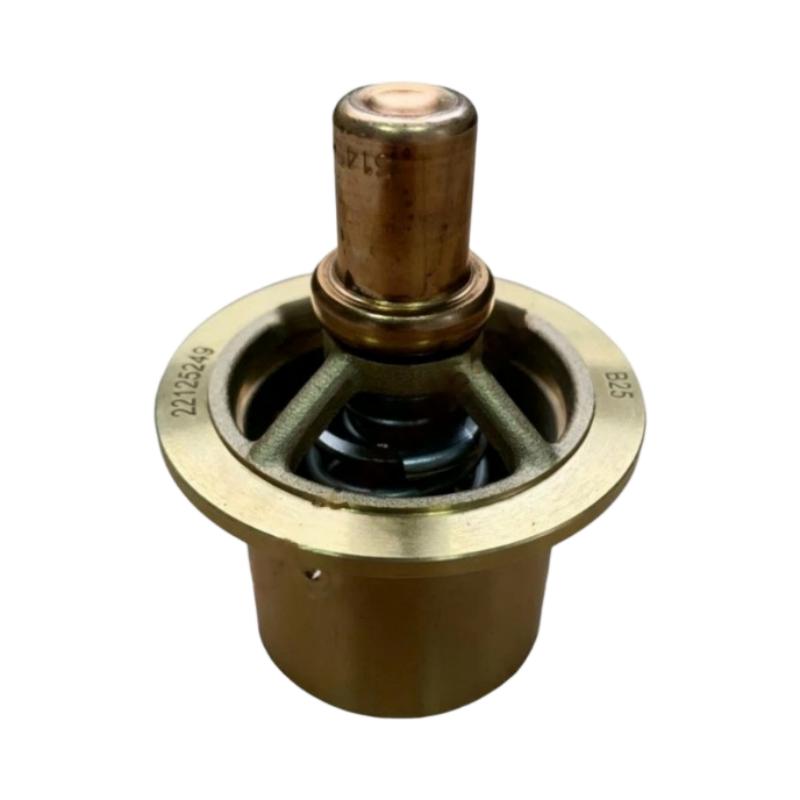
The Ingersoll Rand 22125249 Thermostatic Valve Core is a temperature-sensitive replacement component designed for the thermal management system of compatible Ingersoll Rand rotary screw air compressors. It works as part of the thermostatic valve assembly, helping regulate the flow of compressor lubricant according to operating temperature.
Temperature control is essential in an oil-injected rotary screw compressor. Lubricating oil performs several important functions, including lubrication, cooling, sealing, and carrying contaminants toward the filtration system. If the oil temperature becomes too low or too high, compressor performance and operating reliability may be affected.
The thermostatic valve core responds to temperature changes and helps control the oil circulation path. During startup and warm-up, it can help the compressor reach its intended operating temperature. As the oil temperature rises, the valve adjusts the flow through the cooling circuit to support stable thermal conditions.
Part number 22125249 is identified in parts references as a 150°F thermostatic element associated with certain Ingersoll Rand compressor configurations, including the M250 application listed in a parts catalog. Compatibility must be checked against the compressor model, serial number, and original component identification before ordering.
This component is intended for maintenance and replacement work rather than standalone electronic control. Its operation depends on the surrounding thermostatic valve assembly, oil passages, cooler, seals, and compressor lubrication circuit.
Technical Specifications
| Parameter | Specification |
|---|---|
| Brand | Ingersoll Rand |
| Manufacturer | Ingersoll Rand |
| Part Number | 22125249 |
| Additional Reference Provided | 47560118001 |
| Product Type | Thermostatic Valve Core |
| Component Category | Air Compressor Temperature Control Component |
| Application | Compatible Ingersoll Rand Air Compressors |
| Referenced Temperature Rating | 150°F (approximately 65.6°C) |
| Typical Function | Regulates oil circulation according to temperature |
| Applicable Equipment | Selected rotary screw compressor configurations |
| Dimensions Provided | 100 × 70 × 70 mm |
| Weight Provided | 2.29 kg |
Note: Dimensions and weight are supplied listing values and should be checked against the actual component. The relationship between reference number 47560118001 and part number 22125249 should also be confirmed before publication or purchasing.
Function and Working Principle
The thermostatic valve core is a temperature-responsive component within the compressor’s oil circulation system. Its main purpose is to help regulate the route taken by lubricating oil as the compressor moves between cold-start and normal operating conditions.
1. Temperature-Sensitive Operation
The thermostatic element responds to changes in the temperature of the oil passing through the valve assembly. As temperature changes, the internal temperature-sensitive mechanism changes position and influences the valve opening.
This movement helps determine how much oil flows through different paths in the lubrication circuit.
2. Oil Circulation Control
In an oil-injected screw compressor, lubricant may circulate through different paths depending on its temperature. During warm-up, the thermostatic valve can restrict or redirect flow through the cooler so that the oil reaches an appropriate operating temperature.
When the oil becomes sufficiently warm, the valve changes position to allow more oil to pass through the cooling circuit.
This process supports more consistent temperature management during changing operating conditions.
3. Compressor Warm-Up Support
During a cold start, oil temperature and viscosity may differ significantly from their normal operating values. The thermostatic valve helps manage oil circulation during this period.
Proper warm-up is important because lubricant must reach suitable operating conditions before the compressor is expected to perform under its normal load.
4. Cooling Circuit Regulation
As compressor operation generates heat, the oil cooling system removes excess thermal energy. The thermostatic valve core helps regulate oil flow through this system according to temperature.
The valve does not generate cooling by itself. It controls circulation within the thermal management arrangement, while the cooler and airflow system perform the heat-removal function.
5. Support for Stable Compressor Operation
Maintaining suitable oil temperature helps preserve lubricant performance and supports the compressor’s lubrication, sealing, and cooling functions.
A properly functioning thermostatic valve contributes to stable operation, although overall temperature performance also depends on oil condition, cooler cleanliness, airflow, and the condition of other compressor components.
Role in Industrial Air Compressor Systems
The 22125249 thermostatic valve core is a mechanical component within the compressor’s thermal management system. It works together with the oil circuit, cooler, filter, and other components to maintain appropriate operating conditions.
Oil Temperature Management
The valve helps regulate oil flow according to temperature. This is particularly important in rotary screw compressors, where lubricant is continuously involved in the compression process.
Lubrication System Protection
Oil that operates outside its intended temperature range may not provide the expected lubrication and cooling performance. The thermostatic valve helps the system manage oil circulation during startup and normal operation.
Compressor Operating Stability
Temperature fluctuations can affect compressor operating conditions. By controlling the cooling circuit, the thermostatic valve supports more consistent oil temperature management.
Maintenance and Equipment Reliability
A worn or malfunctioning thermostatic element may contribute to abnormal oil temperatures. Replacing a defective component with the correct part helps restore the intended operation of the thermal control assembly.
Industrial Applications
The Ingersoll Rand 22125249 is intended for compatible compressor configurations. Its actual application should be confirmed through the equipment parts documentation.
1. Rotary Screw Air Compressors
The primary application is the thermal management system of compatible rotary screw air compressors. The valve core helps regulate lubricant flow through the compressor’s cooling circuit.
2. Manufacturing Facilities
Manufacturing plants use compressed air for pneumatic tools, automated production equipment, material handling, and process operations. Reliable compressor temperature control helps support continuous compressed-air production.
3. Industrial Pneumatic Systems
Pneumatic systems depend on a stable compressed-air supply. Compressor maintenance components such as thermostatic valve cores contribute indirectly to the reliability of the equipment supplying that air.
4. Centralized Compressed-Air Stations
Large facilities may operate several compressors in a centralized air station. Maintaining the thermal management components of each compressor helps support equipment availability and consistent operation.
5. Compressor Maintenance and Overhaul Projects
The 22125249 may be considered during maintenance when inspection identifies a faulty thermostatic element or when the corresponding valve assembly requires servicing.
Before replacement, maintenance personnel should confirm the correct temperature rating and compatibility with the compressor’s original configuration.
Installation and System Integration
The thermostatic valve core is installed within a mechanical valve assembly in the compressor’s oil circulation system. Correct installation is essential for proper temperature regulation and oil-flow control.
1. Confirm the Original Part Number
Before installation, check the compressor model, serial number, and parts documentation. Confirm that 22125249 is the specified replacement element.
Do not assume that thermostatic elements with similar dimensions or appearance have the same operating temperature or flow characteristics.
2. Prepare the Compressor
Shut down the compressor and isolate the electrical supply. Allow the equipment and lubricant to cool to a safe temperature.
Relieve internal pressure according to the manufacturer’s service procedure before opening any oil-system connections. Follow the required lockout and safety procedures.
3. Inspect the Thermostatic Valve Assembly
Before replacing the core, inspect the surrounding valve body, oil passages, seals, and connecting surfaces.
Contamination, damaged sealing surfaces, or restricted passages can affect valve operation even when a new thermostatic element is installed.
4. Install the Replacement Core
Install the replacement component according to the applicable service instructions. Use the correct seals and installation hardware, and avoid damaging the temperature-sensitive element.
Do not force the component into position or substitute unapproved sealing materials.
5. Check the Oil Circuit
After installation, inspect the oil lines and connections. Confirm that the lubrication circuit is correctly assembled and that the oil level and condition meet the compressor’s requirements.
6. Test Compressor Operation
Restart the compressor according to the manufacturer’s commissioning procedure. Monitor oil temperature, operating pressure, cooling performance, and any available alarm indications.
If the compressor continues to experience abnormal temperature behavior, investigate the cooler, oil filter, airflow, oil condition, and other parts of the thermal management system.
Compatible System Components
The thermostatic valve core operates as part of a larger compressor lubrication and cooling arrangement.
| Component | Function | Relationship to the Thermostatic Valve Core |
|---|---|---|
| Thermostatic valve body | Houses the temperature-control mechanism | Supports installation and controlled oil routing |
| Compressor lubricating oil | Provides lubrication, cooling, and sealing | Its temperature determines thermostatic response |
| Oil cooler | Removes heat from circulating oil | Receives oil flow regulated by the valve |
| Oil filter | Removes contaminants from lubricant | Helps maintain oil cleanliness |
| Air-oil separator | Separates lubricant from compressed air | Supports oil recovery and circulation |
| Oil circulation lines | Transport lubricant through the compressor | Carry oil through the temperature-control circuit |
| Compressor controller | Monitors operating conditions and alarms | May display temperature-related operating information |
| Cooling fan | Supports heat removal from the cooling system | Helps maintain effective cooler performance |
These components are examples of equipment within the compressor system. They are not necessarily included with the 22125249 thermostatic valve core.
Replacement Models and Selection Considerations
Several Ingersoll Rand thermostatic elements and valve components have similar descriptions. They should not be treated as interchangeable without checking their specifications.
| Part Number | Component Description | Selection Consideration |
|---|---|---|
| 22125249 | Thermostatic Valve Core | Referenced 150°F element; confirm compressor application |
| 22125231 | Thermostatic Valve Core | Different temperature/application reference |
| 22125215 | Thermostatic Valve | Valve assembly rather than the same core designation |
| 22125223 | Thermostatic Valve | Separate valve part number; verify equipment compatibility |
| 22195820 | Thermostatic Valve Core | Different replacement part; confirm temperature and fitment |
| 22477541 | Thermostatic Valve Core | Requires model-specific compatibility verification |
Before selecting an alternative, compare:
- Original compressor model and serial number.
- Complete replacement part number.
- Thermostatic operating temperature.
- Physical dimensions and mounting arrangement.
- Valve-body compatibility.
- Seal and O-ring requirements.
- Oil flow path and operating conditions.
- Manufacturer service documentation.
A component with a similar appearance may have a different temperature response or mechanical configuration. Using an unsuitable element can affect compressor warm-up and cooling performance.
Key Advantages
Temperature-Responsive Oil Flow
The thermostatic element helps regulate oil circulation according to operating temperature, supporting the compressor’s thermal management process.
Support for Normal Warm-Up
Its temperature-sensitive operation helps manage oil circulation during compressor startup and warm-up.
Cooling Circuit Regulation
The component helps direct oil through the appropriate circulation path as operating temperature changes.
Maintenance-Friendly Replacement
A replaceable thermostatic core allows maintenance personnel to service the temperature-control mechanism without necessarily replacing the complete valve assembly, provided the valve design and service procedure permit it.
Support for Lubrication Performance
Maintaining suitable oil temperature helps preserve the conditions required for lubrication, cooling, and sealing in an oil-injected screw compressor.
Industrial Compressor Application
The part is associated with Ingersoll Rand rotary screw compressor maintenance and can be used in compatible equipment after exact part-number verification.
Technical FAQs
1. What is the Ingersoll Rand 22125249?
It is a thermostatic valve core used in compatible Ingersoll Rand air compressor temperature-control systems. It helps regulate lubricant circulation according to operating temperature.
2. What is the main function of this component?
Its main function is to respond to oil temperature changes and influence the oil flow path through the compressor’s thermal management circuit.
3. What is the referenced temperature rating?
Parts references identify 22125249 as a 150°F thermostatic element, approximately 65.6°C. Confirm the required temperature specification for the exact compressor before ordering.
4. Which compressors use the 22125249?
The part is associated with selected Ingersoll Rand rotary screw compressor configurations. A parts catalog identifies it in connection with the M250 150°F application. Verify the model and serial number before purchasing.
5. Is 22125249 a complete thermostatic valve assembly?
It is identified as a thermostatic valve core or element, rather than necessarily the complete valve assembly. Check the parts breakdown to determine whether the valve body and seals are separate items.
6. What happens if the thermostatic valve core fails?
A malfunctioning element may cause incorrect oil circulation and abnormal operating temperature. Depending on the failure mode, the compressor may experience slow warm-up, excessive oil temperature, or insufficient cooling.
7. Can I replace it with another thermostatic valve core?
Only if the replacement has the correct temperature rating, mechanical dimensions, valve compatibility, and application approval. Similar-looking components are not automatically interchangeable.
8. Does this part require electrical wiring?
No. The thermostatic valve core is a mechanical temperature-responsive component. It does not function as an electrically powered control module.
9. What should be checked during replacement?
Inspect the valve body, seals, oil passages, cooler, and lubricant condition. Follow the compressor service procedure and verify oil temperature after the replacement.
10. What information should be confirmed before ordering?
Confirm the complete part number, compressor model, serial number, operating temperature specification, physical dimensions, and whether the required item is the core alone or a complete valve assembly.
Procurement and Maintenance Recommendations
When purchasing the Ingersoll Rand 22125249 Thermostatic Valve Core, verify the original part number and compressor application before confirming the order. Temperature-control components can have similar external appearances while using different operating temperature specifications.
For industrial maintenance projects, request clear product photographs, dimensional confirmation, and identification of the supplied component. If the equipment documentation lists a complete thermostatic valve assembly, check whether the core is separately replaceable or whether additional seals and hardware are required.
During routine maintenance, inspect the compressor’s oil temperature, cooler condition, oil filter, cooling airflow, and oil circulation system. Repeated temperature problems should not automatically be attributed to the thermostatic valve core; other cooling and lubrication components may also be responsible.
Keep the compressor’s service records and replacement part numbers available. Recording the installed component and its operating behavior can help maintenance teams identify future problems and reduce unnecessary replacement work.
Conclusion
The Ingersoll Rand 22125249 Thermostatic Valve Core is a temperature-responsive mechanical component used in compatible rotary screw air compressor systems. It helps regulate lubricant circulation as operating temperature changes, supporting warm-up management and the compressor’s oil cooling process.
Identifying the correct temperature rating and compressor application is essential before replacement. By verifying the original part number, inspecting the surrounding valve assembly, and following the manufacturer’s service procedures, maintenance personnel can support reliable compressor operation and effective thermal management.