

ProductPRODUCT
Featured products
Contact Us
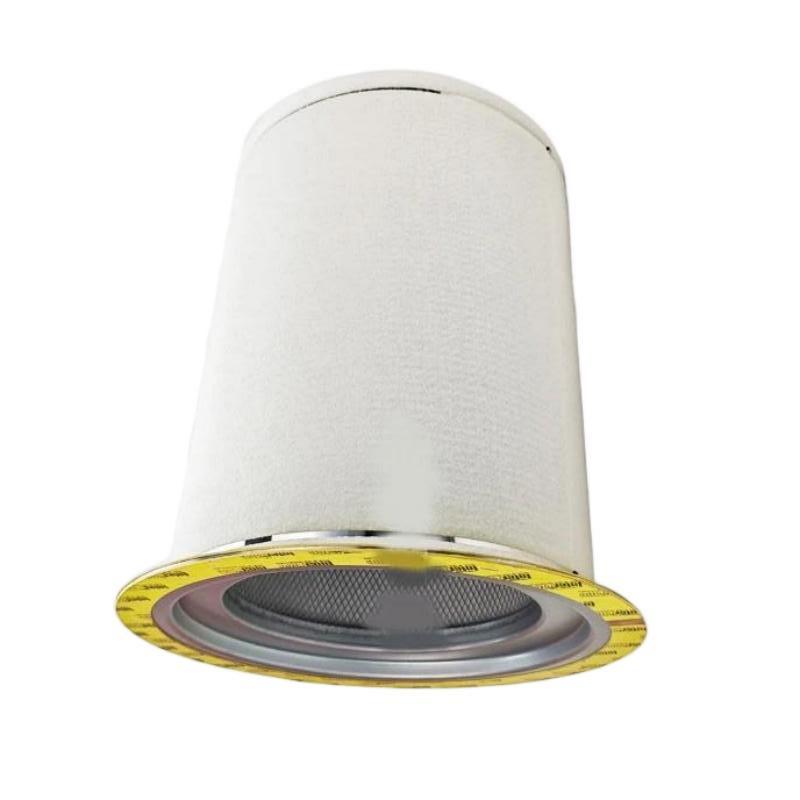
- Ingersoll Rand
- 47560118001 22219174
- Oil Separator
- Germany
- 350 × 432 × 477 mm
- 14 kg
- Xiamen, China
- New & In Stock
- T/T, PayPal, Western Union
- 1 Year
- 1-3 Working Days
- DHL, UPS, TNT, FedEx and EMS.
- 24-Hour Service
- COO
- 1
Our advantage

Global Logistics
We have a 10-year logistics and express cooperation agreement, so our products can be shipped to any place in the world.

Brand new and original
Our products are imported in bulk from the place of origin. Because of the cooperative relationship, our products are all original and 100% new.

24-hour service
We provide 7*24 hours service to our customers. We will be there whenever you need us.

Price advantage
All our products are priced very favorably because we have our own warehouse and supply.
| Company Information | |||
| [email protected] | |||
| Mobile | +8615980777398 | ||
| +8615980777398 | |||
| 15980777398 |
Product Overview
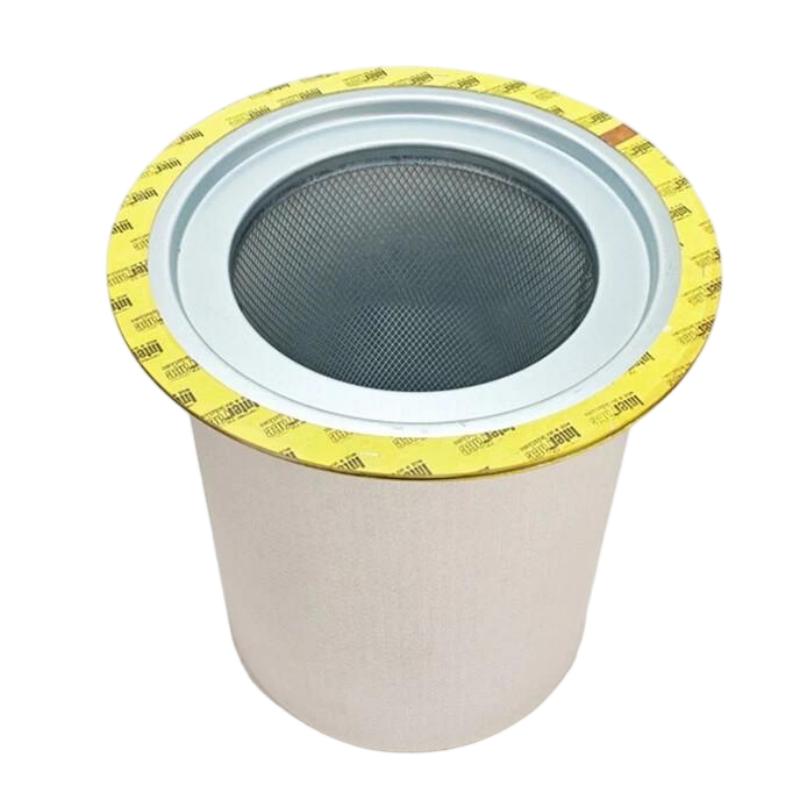
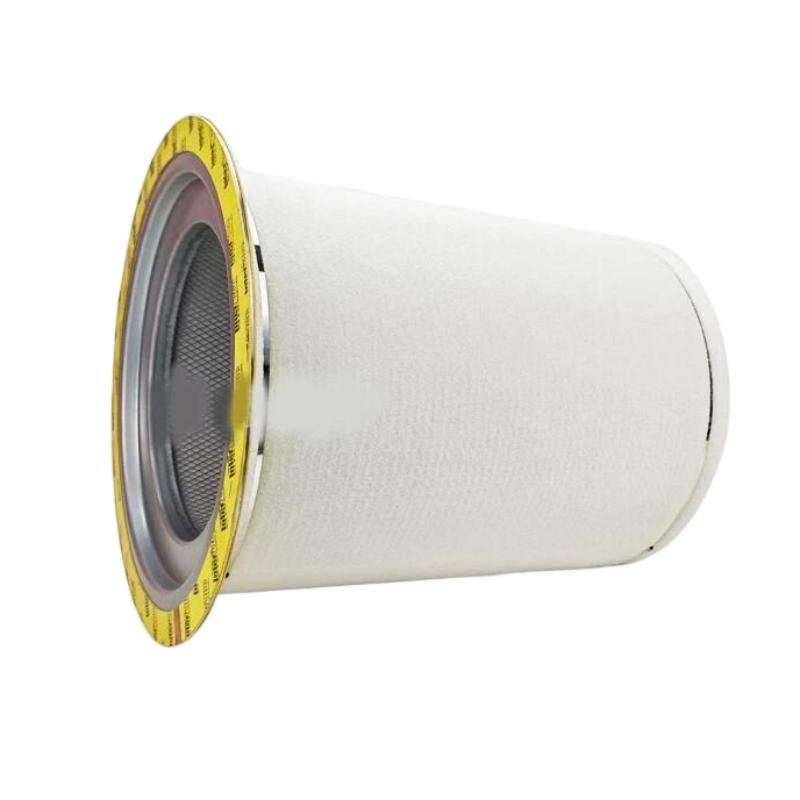
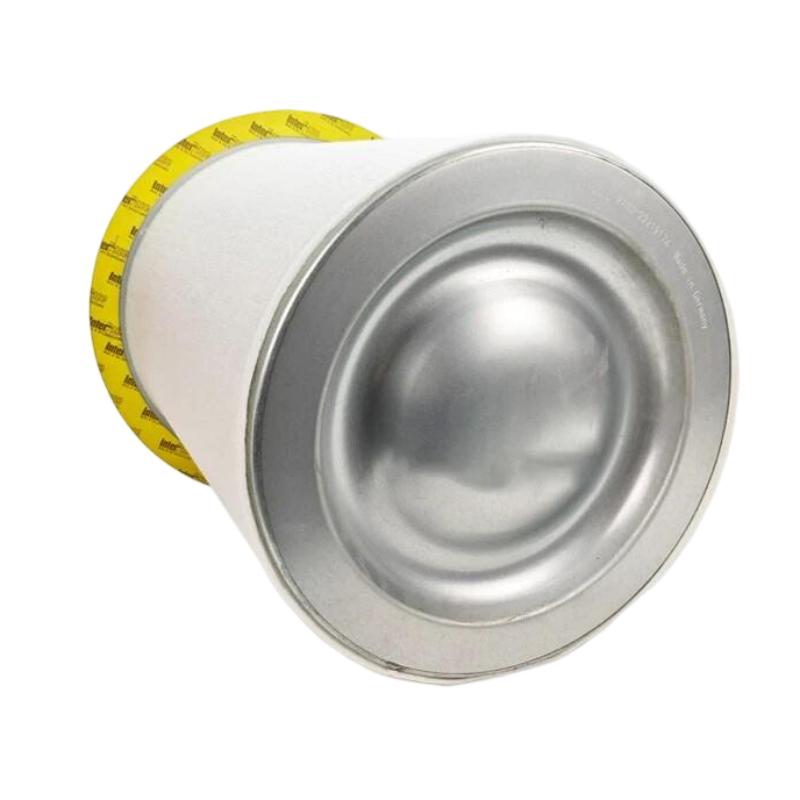
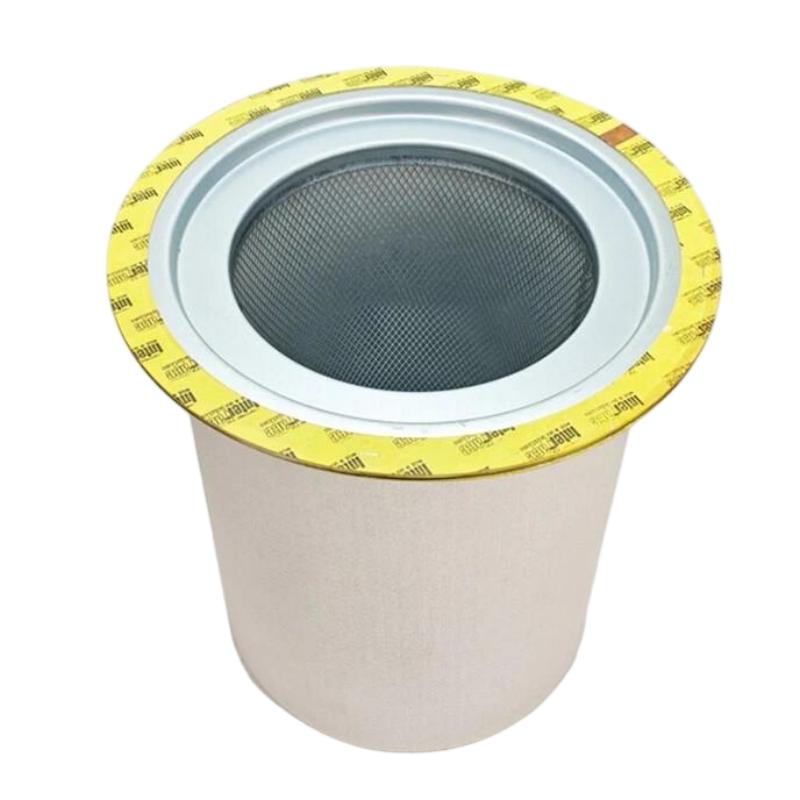
The Ingersoll Rand 47560118001 22219174 Air-Oil Separator is a replacement separator element designed for use in compatible industrial compressed-air systems. Its primary function is to separate lubricating oil mist from compressed air in rotary screw compressors, allowing the recovered oil to return to the compressor’s lubrication circuit while cleaner compressed air continues toward the outlet.
In an oil-injected rotary screw compressor, lubricating oil performs several important functions. It helps seal internal clearances, lubricates moving components, and removes heat generated during compression. During operation, some of this oil becomes entrained in the compressed air as a fine mist. The air-oil separator removes much of this entrained oil before the compressed air leaves the compressor package.
The 22219174 separator element uses a coalescing filtration process. Fine oil droplets collect within the filter media, combine into larger droplets, and drain toward the oil collection area. This process helps reduce oil carryover into downstream compressed-air equipment and supports the recovery of compressor lubricant.
The part number 22219174 is associated with certain Ingersoll Rand compressor packages, including RM185i, M200–M250, MM250, and V200/V250 model families. However, compressor compatibility should always be checked against the equipment model, serial number, separator tank arrangement, and applicable parts documentation.
For maintenance teams, selecting the correct separator is important for maintaining compressed-air quality, controlling oil consumption, and preserving the operating condition of the compressor.
Technical Specifications
| Parameter | Specification |
|---|---|
| Brand | Ingersoll Rand |
| Manufacturer | Ingersoll Rand |
| Part Number | 47560118001 |
| Related Part Number | 22219174 |
| Product Type | Air-Oil Separator Element |
| Product Category | Compressor Filtration Component |
| Main Function | Separates lubricating oil from compressed air |
| Separation Method | Coalescing filtration |
| Filter Media | Coalescing fiber media |
| Outer Diameter | 350 mm |
| Overall Diameter | 432 mm |
| Additional Diameter Reference | 264 mm |
| Overall Height | 477 mm |
| Dimensions Provided | 350 × 432 × 477 mm |
| Weight Provided | 14 kg |
| Typical Equipment | Compatible Ingersoll Rand rotary screw compressors |
| Reported Compressor Families | RM185i, M200–M250, MM250, V200/V250 |
| Installation Location | Compressor oil separator tank |
| Maintenance Type | Periodic inspection and replacement |
Note: The dimensions and weight above follow the supplied product listing. Confirm the exact dimensional references, weight basis, and compatibility using the compressor model and serial number before ordering.
Function and Working Principle
The air-oil separator is an essential component in an oil-injected rotary screw compressor. Its purpose is to reduce the amount of lubricating oil carried out with compressed air while allowing the recovered oil to return to the compressor.
1. Oil Mist Separation
During compression, lubricating oil mixes with the incoming air inside the compressor element. The oil helps provide sealing, lubrication, and cooling. As the air-oil mixture leaves the compression stage, it enters the separation system.
The separator element provides a filtration structure through which the compressed air passes. Fine oil droplets are captured by the coalescing media instead of continuing with the air stream.
2. Coalescing Filtration
Coalescing filtration works by collecting small liquid droplets and combining them into larger droplets.
As the air passes through the separator media, microscopic oil droplets contact the fibers and accumulate. The droplets gradually merge, forming larger quantities of liquid oil that can drain from the filter structure.
This process reduces oil carryover and helps maintain the quality of compressed air supplied to downstream equipment.
3. Oil Recovery
The separated oil collects within the designated area of the separator assembly. Through the compressor’s oil-return arrangement, recovered lubricant is directed back toward the oil sump or lubrication circuit.
Returning oil to the compressor reduces unnecessary lubricant loss and supports the continuous operation of the oil-injected compression system.
A restricted or damaged oil-return line can interfere with this process. Therefore, maintenance should include checking the relevant return components as well as the separator element.
4. Compressed-Air Discharge
After passing through the separator, the compressed air continues toward the compressor outlet and downstream treatment equipment.
The separator is not a complete substitute for downstream compressed-air filtration or drying. Applications requiring specific air-quality classes may also need suitable aftercoolers, moisture separators, dryers, and line filters.
5. Pressure-Drop Management
The separator creates resistance as air passes through its filtration media. Under normal operating conditions, this resistance remains within the equipment’s acceptable range.
As the filter becomes contaminated or reaches the end of its service life, pressure drop may increase. Excessive restriction can affect compressor efficiency and operating conditions.
Monitoring separator differential pressure is therefore an important part of preventive maintenance.
Role in Industrial Compressed-Air Systems
The 47560118001 22219174 separator element supports the oil-management process in compatible Ingersoll Rand rotary screw compressors.
Oil Circuit Protection
The separator helps recover lubricant from the compressed-air stream. Maintaining effective separation can reduce unnecessary oil loss and help preserve the compressor’s lubrication supply.
Correct oil recovery is important because insufficient lubricant can affect internal sealing, cooling, and component lubrication.
Compressed-Air Quality
Oil carryover can affect downstream air equipment, pneumatic valves, instruments, and production processes.
An effective separator helps reduce the amount of oil entering the compressed-air distribution system. Where more demanding air-quality requirements apply, additional treatment equipment should be installed according to the process specification.
Compressor Operating Efficiency
A separator in good condition allows compressed air to pass through its media with an acceptable pressure drop. A heavily restricted element may increase the energy required to maintain the required discharge conditions.
Replacing the separator according to the compressor manufacturer’s maintenance recommendations helps maintain appropriate operating performance.
Equipment Reliability
Oil contamination downstream of the compressor can create maintenance problems for pneumatic equipment and production machinery. Maintaining the separator helps reduce this risk and supports stable operation of the compressed-air system.
Industrial Applications
The Ingersoll Rand 22219174 separator element is intended for compatible oil-injected compressor installations. Its application should be determined by matching the part number to the compressor’s approved parts documentation.
1. Industrial Manufacturing Facilities
Manufacturing plants use compressed air for pneumatic actuators, production machinery, material handling, and general plant services.
An effective air-oil separator helps reduce lubricant carryover from the compressor into the plant’s compressed-air network. This supports cleaner air delivery to downstream equipment.
2. Automotive Production
Automotive production facilities use compressed air for pneumatic tools, assembly equipment, material handling, and various production operations.
Oil carryover can affect air-operated components and downstream filtration equipment. Maintaining the separator helps control this source of contamination.
3. Metalworking and Machinery
Metalworking facilities use compressed air for pneumatic controls, machine tools, cleaning operations, and automated equipment.
The separator helps maintain the performance of the compressor’s oil-management system and reduces the amount of lubricant carried into the compressed-air line.
4. Packaging and Processing Equipment
Packaging machinery may use compressed air for product positioning, pneumatic cylinders, actuators, and automated handling systems.
A properly maintained separator helps reduce oil contamination in the compressed-air supply. Additional air treatment may still be required where the process has strict cleanliness requirements.
5. General Industrial Utility Systems
Large industrial facilities often operate centralized compressor rooms to supply multiple production areas.
In these systems, separator maintenance is important because compressor performance affects the reliability of the entire compressed-air network.
Installation and System Integration
The air-oil separator must be installed correctly to maintain the compressor’s internal oil circulation and compressed-air performance.
1. Confirm the Compressor Model
Before purchasing the 22219174 separator, identify the compressor model, serial number, and separator tank configuration.
The part number is associated with selected Ingersoll Rand compressor families, but not every machine within a broad product series necessarily uses the same separator assembly.
Compare the existing element and parts documentation before installation.
2. Shut Down and Depressurize the Compressor
Before maintenance, shut down the compressor and isolate its electrical supply. Follow the manufacturer’s lockout and tagout procedures.
Allow the system to cool and verify that the separator tank and connected components have been safely depressurized.
Never open a pressurized separator vessel. Trapped compressed air and hot lubricant can cause serious injury.
3. Remove the Existing Separator
Open the separator assembly according to the compressor maintenance instructions. Carefully remove the existing element and inspect the surrounding housing.
Check for contamination, damaged sealing surfaces, accumulated oil deposits, and other conditions that may affect the new element’s installation.
4. Inspect Sealing Components
Inspect the sealing surfaces and associated gaskets or O-rings. Replace damaged or unsuitable sealing components according to the manufacturer’s recommendations.
A damaged seal can allow unfiltered air or excessive oil carryover, reducing the effectiveness of the separator system.
5. Install the Replacement Element
Confirm the replacement part number and physical configuration before fitting the new element.
Install the separator in the correct orientation and follow the manufacturer’s tightening and sealing instructions. Avoid applying excessive force that could damage the housing or sealing surfaces.
6. Check the Oil-Return System
Inspect the oil-return line, pickup tube, and associated fittings where applicable.
A blocked or damaged return line can prevent recovered oil from returning to the lubrication circuit. This may cause increased oil carryover even when the separator element itself is new.
7. Restart and Inspect
After reassembly, verify that all connections and covers are correctly installed. Restore the electrical supply and restart the compressor according to the approved procedure.
Check for oil leakage, abnormal pressure conditions, unusual noise, and other signs of improper operation. Record the maintenance date and separator part number for future service planning.
Compatible System Components
The 22219174 separator operates as part of a larger compressor oil and air-treatment system.
| Component | Function | Maintenance Considerations |
|---|---|---|
| Rotary screw airend | Compresses incoming air | Monitor operating condition, temperature, and lubrication |
| Oil separator tank | Houses the separator assembly | Inspect pressure vessel and sealing surfaces |
| Oil filter | Removes contaminants from compressor lubricant | Replace according to maintenance recommendations |
| Air intake filter | Removes particles from incoming air | Inspect and replace when required |
| Oil-return line | Returns separated oil to the compressor circuit | Check for blockage, leakage, and damage |
| Minimum pressure valve | Maintains required internal pressure and controls air discharge | Inspect valve operation and sealing condition |
| Thermostatic valve | Regulates lubricant flow according to temperature | Check operation and associated components |
| Aftercooler | Reduces compressed-air temperature | Keep heat-transfer surfaces clean |
| Moisture separator | Removes condensed liquid from compressed air | Drain and maintain according to system requirements |
| Air dryer | Reduces moisture in compressed air | Maintain according to the required air-quality specification |
The components listed above are examples of equipment used in a compressed-air installation. They are not necessarily supplied with the separator element.
Alternative Models and Replacement Considerations
The 22219174 separator has cross-reference listings under several replacement and filtration brands. However, cross-reference numbers should be treated as identification aids rather than automatic approval for every compressor installation.
| Reference or Replacement Option | Consideration |
|---|---|
| Ingersoll Rand 22219174 | Primary separator element identification |
| Ingersoll Rand 15487200 | Listed cross-reference; verify the compressor application |
| Ingersoll Rand 24851230 | Listed cross-reference; confirm dimensional and application compatibility |
| Ingersoll Rand 35580653 | Listed cross-reference; check the equipment parts documentation |
| Ingersoll Rand 42585943 | Listed cross-reference; confirm the exact separator configuration |
| Ingersoll Rand 42585968 | Listed cross-reference; verify before substitution |
| Ingersoll Rand 54509500 | Listed cross-reference; check model and serial number |
| Ingersoll Rand 57569758 | Listed cross-reference; confirm current application data |
Before selecting an alternative, compare:
- Overall height and diameter.
- Internal and external diameter references.
- Filter-media construction.
- Airflow capacity and operating conditions.
- Permissible pressure drop.
- Collapse-pressure requirements.
- Seal dimensions and material.
- Oil-return arrangement.
- Compressor model and serial number.
A separator with similar dimensions may not provide the same filtration performance or mechanical compatibility. Always use the approved part number or a documented equivalent.
Key Advantages
Effective Oil Mist Separation
The coalescing filtration process helps capture oil droplets from compressed air and allows the recovered lubricant to return to the compressor system.
Support for Compressed-Air Quality
By reducing oil carryover, the separator helps protect downstream compressed-air equipment from unnecessary lubricant contamination.
Lubricant Recovery
The separator supports the recovery of oil from the air stream, helping maintain the compressor’s lubrication cycle and reduce avoidable oil loss.
Pressure-Drop Management
A correctly selected and maintained separator helps maintain acceptable airflow resistance within the compressor’s separation system.
Support for Compressor Reliability
Maintaining the separator and associated oil-return components helps preserve the operating condition of the compressor and its downstream air system.
Industrial Maintenance Compatibility
The 22219174 identification is associated with selected Ingersoll Rand compressor packages, making accurate part-number matching useful for maintenance and spare-parts procurement.
Technical FAQs
1. What is the Ingersoll Rand 47560118001 22219174?
It is listed as an Ingersoll Rand air-oil separator element used in compatible oil-injected rotary screw compressors. Its function is to remove entrained oil mist from compressed air.
2. What does an air-oil separator do?
An air-oil separator uses coalescing filtration to collect oil droplets from compressed air. The droplets combine into larger quantities of oil that drain back toward the compressor’s oil circuit.
3. Which compressors use the 22219174 separator?
The part number is associated with certain Ingersoll Rand RM185i, M200–M250, MM250, and V200/V250 compressor families. Confirm the exact model and serial number before ordering.
4. What are the dimensions of this separator?
The supplied listing dimensions are 350 × 432 × 477 mm. The individual diameter and height references should be checked against the actual element drawing before installation.
5. What is the weight of the 22219174 separator?
The supplied listing weight is 14 kg. Confirm whether this is the net element weight or a packaged shipping weight before using it for transportation calculations.
6. What happens when an oil separator becomes clogged?
A restricted separator can develop excessive differential pressure. This may increase compressor energy consumption and affect operating conditions. The element should be inspected and replaced according to the manufacturer’s maintenance guidance.
7. Can a damaged separator cause high oil consumption?
Yes. A damaged or unsuitable separator, defective seals, or a problem with the oil-return system can contribute to increased oil carryover and lubricant consumption.
8. Should the oil-return line be inspected during separator replacement?
Yes. The oil-return line and associated fittings should be checked for blockage, leakage, and damage. A new separator may not resolve oil carryover if the return system is not functioning correctly.
9. Can another manufacturer’s separator replace 22219174?
A documented equivalent may be suitable, but compatibility must be confirmed. Compare dimensions, filter media, pressure-drop characteristics, sealing arrangements, and compressor application before substitution.
10. How can I confirm that I have ordered the correct separator?
Check the original part number, compressor model, serial number, separator housing arrangement, and dimensional details. When uncertainty remains, compare the replacement with the compressor’s approved parts documentation.
Procurement and Maintenance Recommendations
When sourcing the Ingersoll Rand 47560118001 22219174 Air-Oil Separator, verify the part number and compressor application before placing an order. The 22219174 reference is associated with selected compressor families, but compatibility should not be determined by product name or dimensions alone.
For procurement, request clear product photographs, confirmation of the part number, dimensional information, and details of the product’s condition. If purchasing a replacement or aftermarket element, establish whether it is an original Ingersoll Rand part or an equivalent product and request supporting compatibility information.
During routine maintenance, monitor separator differential pressure and observe changes in oil consumption or downstream oil carryover. Inspect the oil-return line, seals, separator housing, and related filtration components whenever the separator is replaced.
Keep the compressor’s maintenance records up to date. Recording the installed part number, replacement date, operating hours, and observed pressure conditions helps maintenance teams plan future service and identify abnormal operating trends.
For critical compressor installations, use the manufacturer’s maintenance schedule and approved replacement procedures. Correct separator selection and installation help maintain reliable oil circulation and compressed-air system performance.
Conclusion
The Ingersoll Rand 47560118001 22219174 Air-Oil Separator is a coalescing filtration element used in compatible oil-injected rotary screw compressors. It separates entrained lubricant from compressed air, supports oil recovery, and helps reduce oil carryover into downstream equipment.
With supplied dimensions of 350 × 432 × 477 mm and a listed weight of 14 kg, the element should be identified carefully before procurement. Matching the part number to the compressor model and serial number, inspecting the oil-return system, and following the correct installation procedure are essential steps for maintaining dependable compressor operation.