

ProductPRODUCT
Featured products
Contact Us
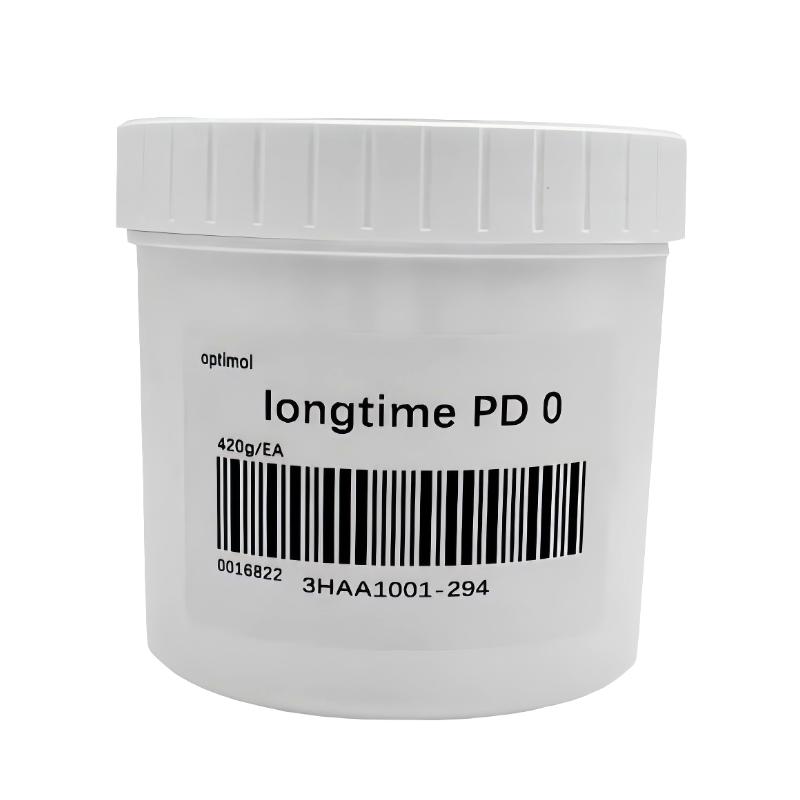
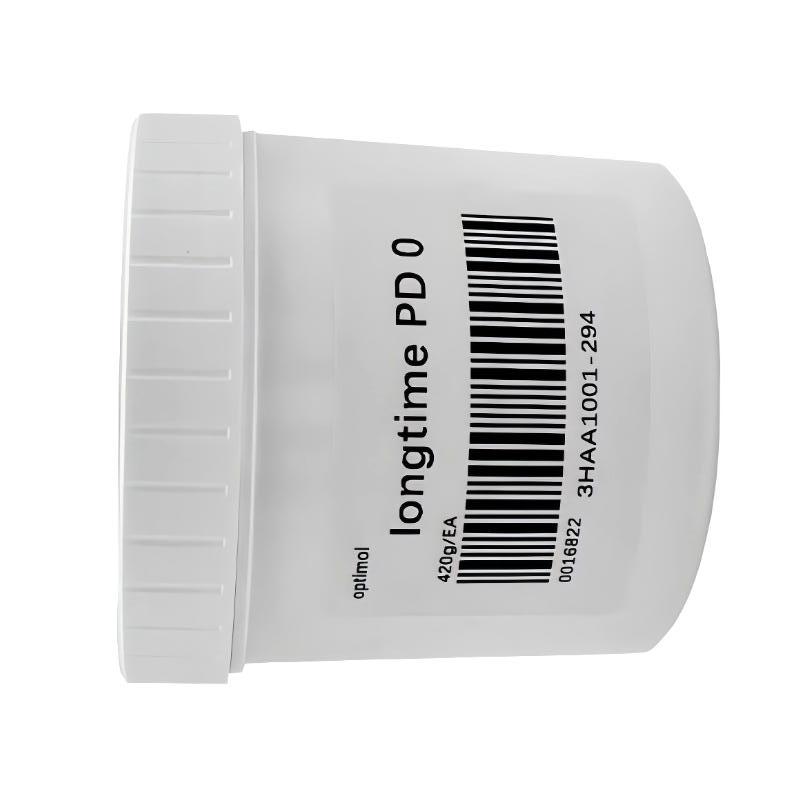
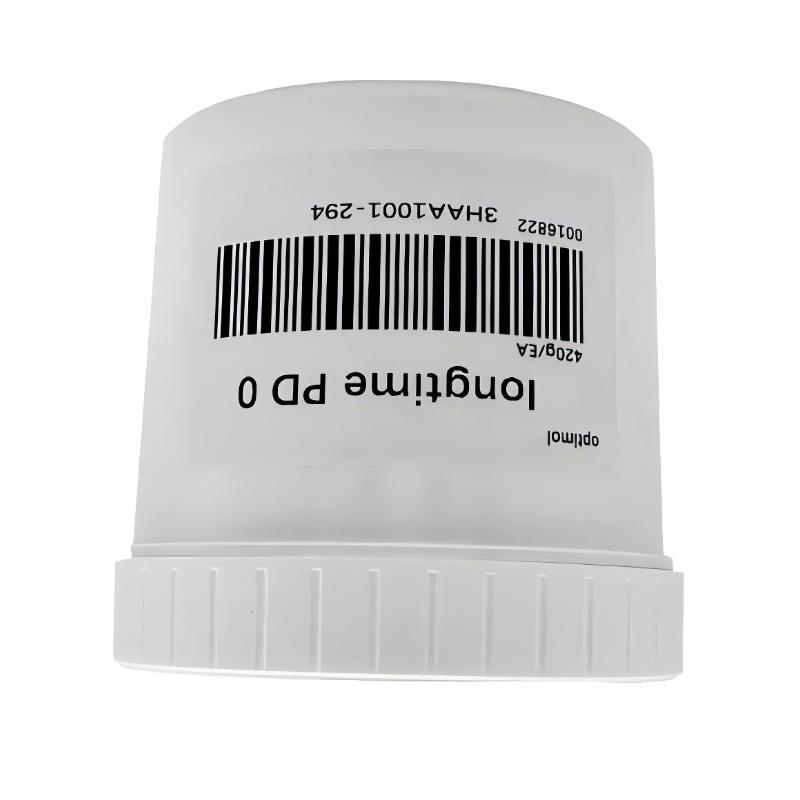
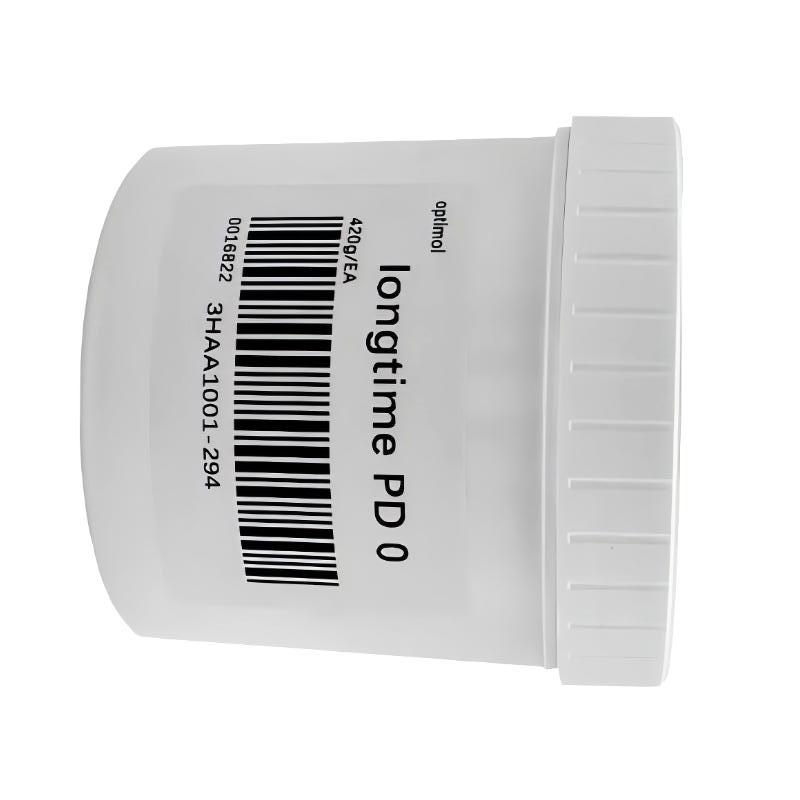
- ABB
- 3HAA1001-294
- Grease
- Sweden (SE)
- 150 × 60 × 120 mm
- 1.5 kg
- Xiamen, China
- New & In Stock
- T/T, PayPal, Western Union
- 1 Year
- 1-3 Working Days
- DHL, UPS, TNT, FedEx and EMS.
- 24-Hour Service
- COO
- 5
Our advantage

Global Logistics
We have a 10-year logistics and express cooperation agreement, so our products can be shipped to any place in the world.

Brand new and original
Our products are imported in bulk from the place of origin. Because of the cooperative relationship, our products are all original and 100% new.

24-hour service
We provide 7*24 hours service to our customers. We will be there whenever you need us.

Price advantage
All our products are priced very favorably because we have our own warehouse and supply.
| Company Information | |||
| [email protected] | |||
| Mobile | +8615980777398 | ||
| +8615980777398 | |||
| 15980777398 |
Product Overview
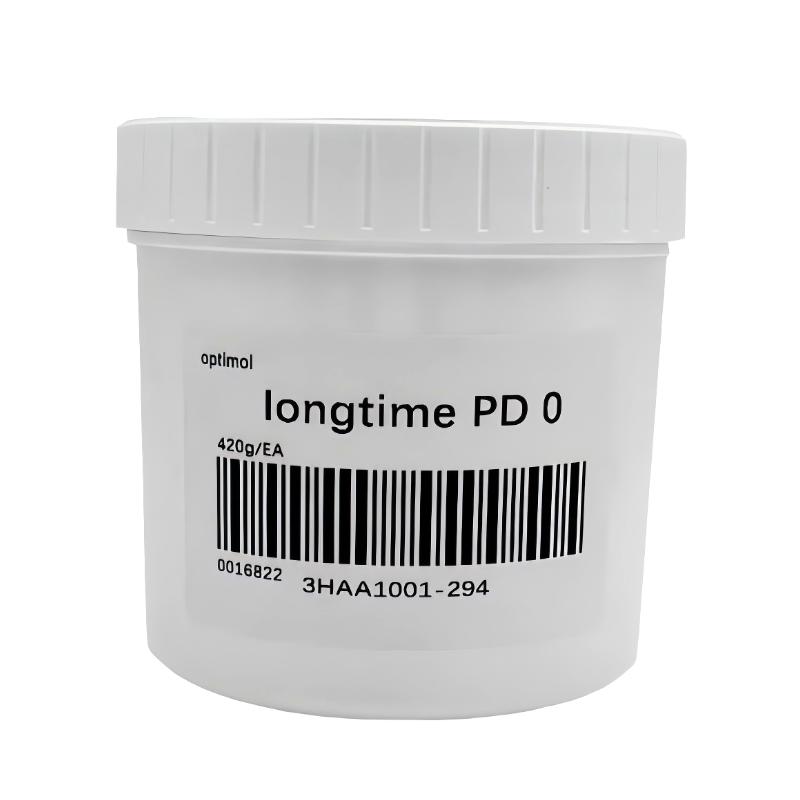
The ABB 3HAA1001-294 Robotics Tribol GR 100-0 PD Grease is a specialty grease used for lubrication of compatible ABB robotic mechanical components. It is intended for robot maintenance applications where a grease lubricant is specified for gears, bearings, joints, or other mechanically loaded components.
Industrial robots repeatedly accelerate, decelerate, reverse direction, and hold precise positions. These operating cycles place continuous mechanical loads on transmission and bearing surfaces. Using the specified grease helps maintain lubrication at contact points where conventional liquid oil may not be the appropriate lubricant format.
Tribol GR 100-0 PD is a grease product intended for demanding industrial mechanical applications. For ABB robot servicing, the applicable robot model and lubrication point should be checked before application to ensure that the specified grease is used in the correct location.
Technical Specifications
| Parameter | Details |
|---|---|
| Product Model | 3HAA1001-294 |
| Product Type | Robotics Lubricating Grease |
| Grease | Tribol GR 100-0 PD |
| Application | Industrial Robot Mechanical Components |
| Brand | ABB |
| Dimensions | 150 × 60 × 120 mm |
| Weight | 1.5 kg |
Product Features
- Tribol GR 100-0 PD grease for compatible ABB robotic maintenance applications.
- Suitable for specified robot mechanical lubrication points.
- Supports lubrication of loaded gears, bearings, and mechanical contact surfaces.
- Maintains a lubricating layer during repeated robot movements.
- Helps reduce friction between moving mechanical surfaces.
- Suitable for maintenance procedures requiring a grease rather than a liquid gear oil.
- Supports mechanical component protection under repetitive industrial operating cycles.
- Useful for scheduled lubrication of compatible ABB robot assemblies.
Working Principle
Grease remains at the lubrication point and forms a semi-solid lubricating layer between contacting mechanical surfaces. During robot movement, mechanical action distributes the grease across the contact area, reducing direct surface-to-surface contact.
The grease base retains the lubricant around gears, bearings, joints, or other specified components instead of flowing away like a low-viscosity liquid. This makes grease suitable for mechanical points where localized and persistent lubrication is required.
During robot operation, repeated motion gradually subjects the lubricant to mechanical shear and temperature changes. Periodic inspection and replacement according to the applicable maintenance procedure help maintain the required lubrication condition.
Role in a Robotics Mechanical Control Architecture
The ABB 3HAA1001-294 is a mechanical maintenance material rather than an electrical control component. It supports the mechanical transmission and movement components that execute commands generated by the robot control system.
A typical robot motion chain can be represented as:
Robot Controller → Drive System → Servo Motor → Transmission / Joint → Robot Axis → End Effector
The controller and drive system determine and execute the commanded movement. The servo motor generates mechanical torque, while gears, bearings, joints, and other transmission elements transfer that motion to the robot axis.
The grease supports these mechanical interfaces by maintaining lubrication at specified contact points. Proper lubrication helps reduce friction and mechanical wear, supporting consistent movement of the robot axis during repeated operating cycles.
Industrial Applications
- ABB industrial robot maintenance for compatible mechanical lubrication points.
- Robotic assembly and manufacturing cells.
- Automotive production robots.
- Material handling and machine tending systems.
- Robotic welding applications.
- Packaging and palletizing robots.
- High-cycle robotic production lines.
- Preventive maintenance of compatible robot mechanical assemblies.
Installation and Maintenance
- Confirm the lubrication point before applying the grease. Different robot components may require different lubricants or lubrication methods.
- Verify the robot model and maintenance specification to ensure Tribol GR 100-0 PD is specified for the intended application.
- Clean the surrounding area before opening a grease fitting, cover, or service point to prevent dirt from entering the mechanical assembly.
- Use clean application equipment to avoid introducing foreign particles or incompatible grease.
- Remove contaminated or degraded grease according to the applicable maintenance procedure before applying fresh lubricant when required.
- Apply the specified quantity rather than filling the mechanical cavity excessively. Excess grease can increase friction and operating temperature.
- Do not mix different greases unless their compatibility has been confirmed by the applicable lubricant or equipment specification.
- Inspect seals and covers around the lubrication area for damage that could allow grease leakage or contamination.
- Monitor robot movement after lubrication for unusual resistance, noise, vibration, or temperature changes.
- Keep the grease container sealed when not in use to prevent dust, moisture, and other contaminants from entering the lubricant.
- Record lubrication activities including robot identification, lubrication point, grease type, service date, and maintenance personnel.
- Dispose of used or contaminated grease properly according to applicable industrial waste-handling procedures.
Related Components
- ABB Robot Gearbox
- ABB Robot Axis Unit
- ABB Robot Joint Assembly
- ABB Robot Bearings
- ABB Servo Motor
- ABB Robot Drive Unit
- Robot Mechanical Transmission Components
- Robot Lubrication Service Components
Recommended Related Models
- ABB 3HAA1001-294 — Robotics Tribol GR 100-0 PD Grease
- ABB IRB Series Robot Mechanical Components — for compatible lubrication applications
- ABB Robot Axis Units — mechanical assemblies requiring scheduled lubrication
- ABB Robot Gearbox Components — associated transmission parts
- ABB Robot Joint and Bearing Components — related mechanical service components
Key Advantages
- Tribol GR 100-0 PD grease for compatible ABB robotic applications.
- Maintains localized lubrication at specified mechanical contact points.
- Helps reduce friction and mechanical wear.
- Suitable for repetitive robot motion.
- Supports scheduled maintenance of compatible robot assemblies.
- Helps maintain the lubrication condition of mechanical transmission components.
Technical FAQs
Where can ABB 3HAA1001-294 Robotics Tribol GR 100-0 PD Grease be applied?
It should only be applied to lubrication points for which this grease is specified. The applicable ABB robot maintenance documentation should be checked for the exact component and lubrication location.
Can this grease be used instead of robot gearbox oil?
Not generally. Grease and gear oil have different physical characteristics and application requirements. A grease specified for a particular lubrication point should not automatically be substituted for a liquid gearbox lubricant.
What happens if too much grease is applied to a robot mechanical component?
Excessive grease can increase mechanical resistance, friction, and operating temperature. The specified grease quantity and maintenance procedure should therefore be followed rather than filling the component until it appears completely full.
How should compatibility be handled when changing robot grease?
The existing lubricant should be identified before applying a different grease. Mixing should be avoided unless compatibility has been confirmed. Where required, the old grease should be removed according to the applicable maintenance procedure before the new lubricant is applied.