

ProductPRODUCT
Featured products


Contact Us
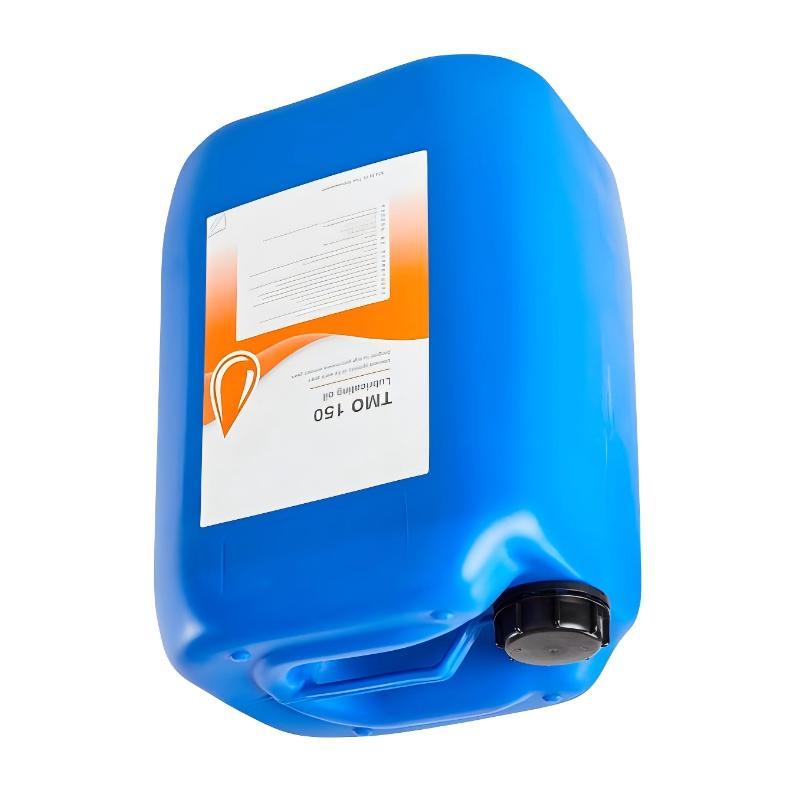
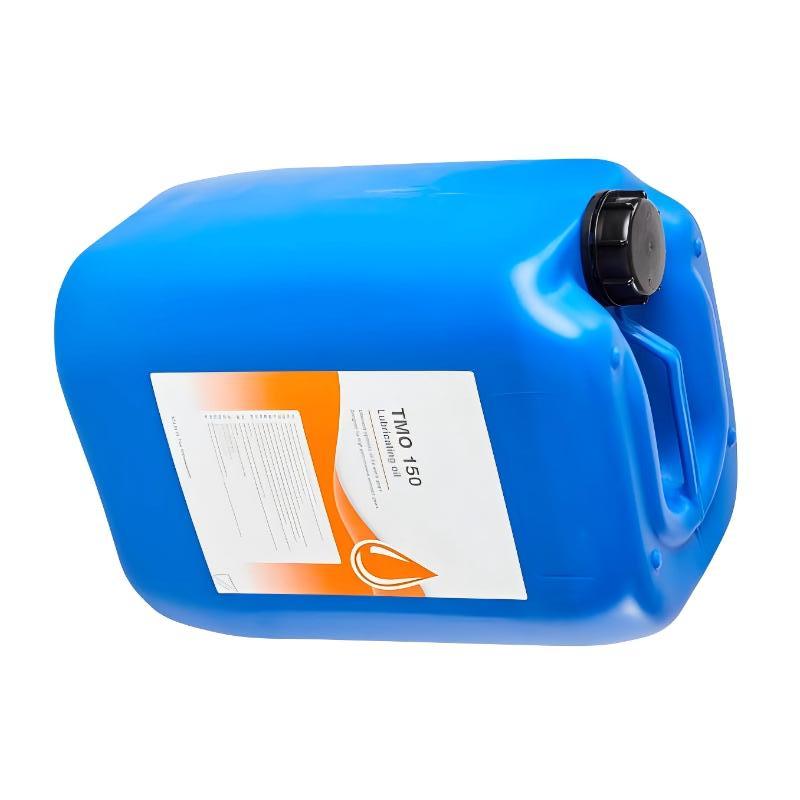
- ABB
- 11712016-604
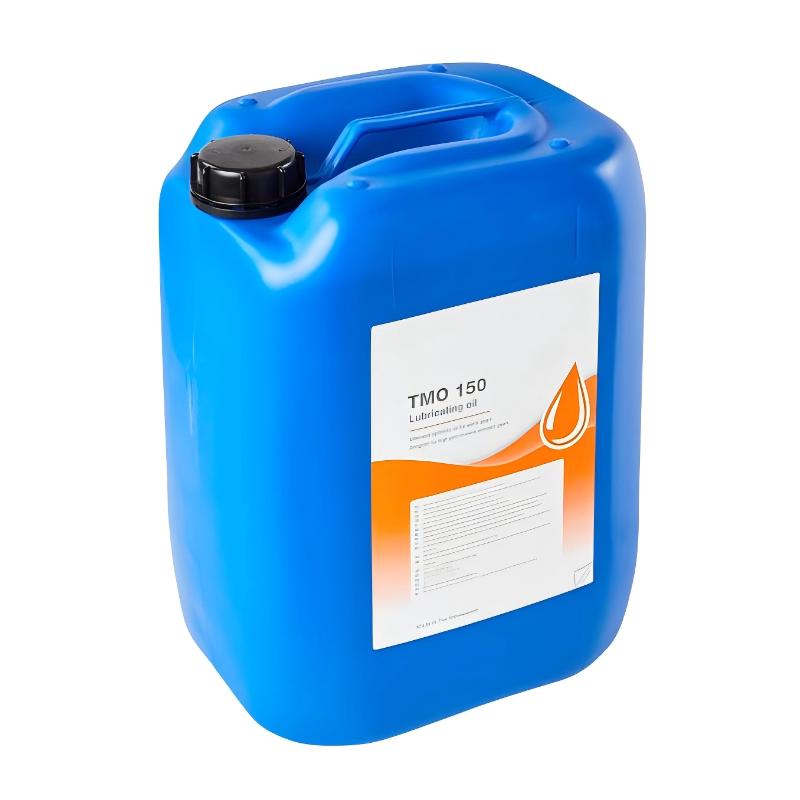
- XP 320 Lubricating Oil
- Sweden (SE)
- 380 × 80 × 250 mm
- 11 kg
- Xiamen, China
- New & In Stock
- T/T, PayPal, Western Union
- 1 Year
- 1-3 Working Days
- DHL, UPS, TNT, FedEx and EMS.
- 24-Hour Service
- COO
- 3
Our advantage

Global Logistics
We have a 10-year logistics and express cooperation agreement, so our products can be shipped to any place in the world.

Brand new and original
Our products are imported in bulk from the place of origin. Because of the cooperative relationship, our products are all original and 100% new.

24-hour service
We provide 7*24 hours service to our customers. We will be there whenever you need us.

Price advantage
All our products are priced very favorably because we have our own warehouse and supply.
| Company Information | |||
| [email protected] | |||
| Mobile | +8615980777398 | ||
| +8615980777398 | |||
| 15980777398 |
Product Overview
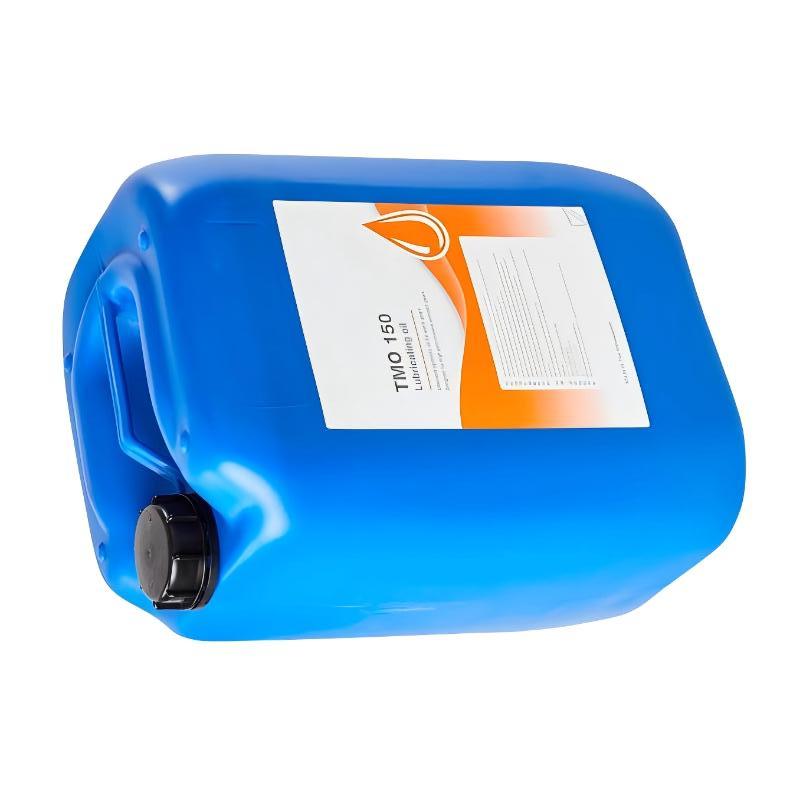
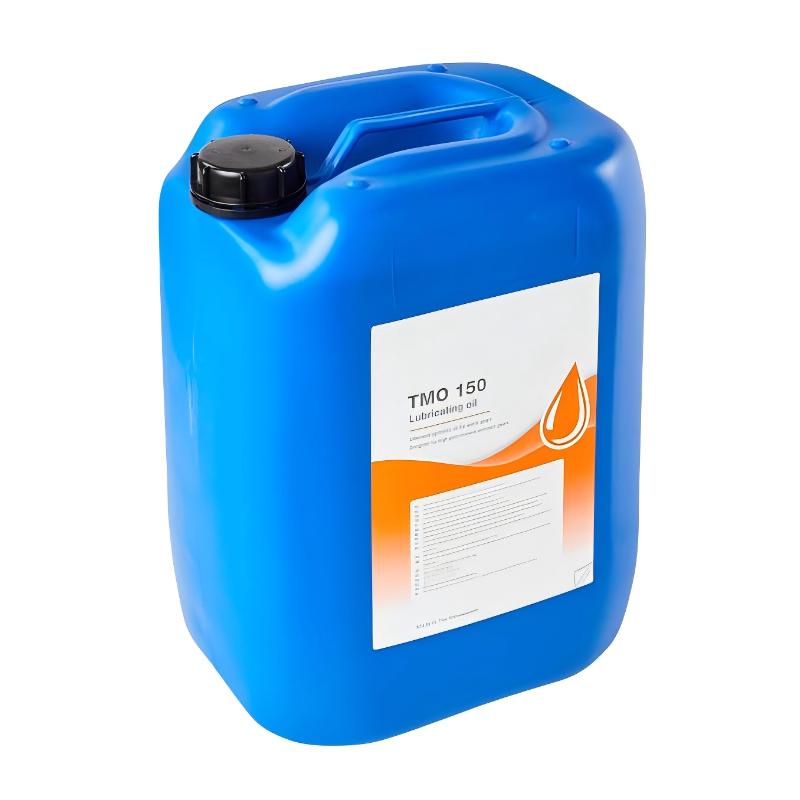
The ABB 11712016-604 Robotics Mobilgear 600 XP 320 Lubricating Oil is a gear lubricant used for industrial robot gear transmission and other mechanically loaded drive components. It is associated with ABB robotic equipment where gearboxes operate under repeated acceleration, deceleration, positioning cycles, and continuous mechanical loading.
In robot applications, gearbox lubrication directly affects gear contact, bearing surfaces, heat generation, and long-term mechanical condition. The lubricant must maintain an appropriate film between moving surfaces while supporting the operating conditions encountered during repetitive robot motion.
Mobilgear 600 XP 320 is a high-viscosity industrial gear oil suitable for heavily loaded gear mechanisms. For ABB robot maintenance, the correct lubricant grade and approved application should be confirmed against the specific robot model and gearbox maintenance requirements.
Technical Specifications
| Parameter | Details |
|---|---|
| Product Model | 11712016-604 |
| Product Type | Robotics Gear Lubricating Oil |
| Lubricant | Mobilgear 600 XP 320 |
| Application | Industrial Robot Gearboxes |
| Brand | ABB |
| Dimensions | 380 × 80 × 250 mm |
| Weight | 11 kg |
Product Features
- High-viscosity gear lubrication for heavily loaded mechanical transmission components.
- Suitable for demanding industrial gear applications involving repeated mechanical movement.
- Supports formation of a protective lubricating film between contacting gear surfaces.
- Helps control friction and wear within robot gearbox assemblies.
- Suitable for maintenance operations where the specified Mobilgear 600 XP 320 grade is required.
- Can be used as part of planned lubrication maintenance for compatible ABB robotic equipment.
- Supports consistent lubrication conditions during repeated robot operating cycles.
- Appropriate for applications where gearbox protection and lubricant stability are important maintenance considerations.
Working Principle
The lubricant forms a film between contacting gear teeth and other moving surfaces inside the gearbox. During robot operation, gears rotate under load and generate sliding and rolling contact. The oil separates these surfaces and reduces direct metal-to-metal contact.
As the robot accelerates, decelerates, reverses direction, and repeatedly changes position, the gearbox experiences changing loads and contact conditions. The lubricant circulates or distributes through the gear assembly, reaching loaded contact areas and helping manage friction and heat.
For ABB robot maintenance, the lubricant grade must match the gearbox specification. Using the correct viscosity and lubricant type helps maintain the intended lubrication conditions without introducing compatibility problems caused by unsuitable oils or mixed lubricants.
Role in a Robotics Gearbox Control Architecture
The ABB 11712016-604 does not perform an electrical control function. It supports the mechanical side of the robot drive system.
A typical robot motion chain can be represented as:
Robot Controller → Drive System → Robot Motor → Gearbox → Robot Axis → Mechanical Load
The gearbox converts motor speed and torque into the mechanical output required by the robot axis. Lubricating oil works inside this gearbox to maintain the required lubrication condition for gears and bearings.
Its condition therefore has an indirect relationship with robot positioning performance. Excessive lubricant degradation, insufficient lubrication, contamination, or incorrect lubricant selection can contribute to increased friction, temperature, mechanical noise, and gearbox wear.
Industrial Applications
- ABB industrial robots requiring compatible gearbox lubrication.
- Robotic assembly and material-handling systems.
- Welding robots operating through repetitive axis movements.
- Automotive production lines with high-cycle robot operation.
- Machine tending applications involving frequent acceleration and deceleration.
- Palletizing and packaging robots with repeated axis loading.
- Robotic manufacturing cells requiring scheduled gearbox lubrication.
- Maintenance programs for compatible ABB robot mechanical assemblies.
Installation and Maintenance
- Confirm the robot model before using the lubricant. Verify that the specified lubricant grade matches the gearbox or axis maintenance requirement.
- Check the lubrication specification in the applicable ABB maintenance documentation before adding or replacing oil.
- Clean the filling area before opening the gearbox lubrication point to prevent dirt from entering the mechanical assembly.
- Use clean filling equipment dedicated to the appropriate lubricant to reduce the risk of contamination.
- Do not mix unidentified lubricants with the existing gearbox oil unless compatibility has been confirmed.
- Maintain the specified oil quantity according to the applicable robot gearbox service procedure. Overfilling can be as undesirable as insufficient lubrication.
- Inspect for leakage around seals, plugs, covers, and gearbox joints during routine robot maintenance.
- Monitor gearbox temperature during operation. An unusual increase can indicate lubrication problems, mechanical wear, excessive load, or another gearbox condition.
- Listen for abnormal mechanical noise during robot movement. Changes in gearbox sound can provide an early indication of mechanical deterioration.
- Keep the lubricant container sealed when not in use. Exposure to contaminants can affect lubricant condition before it enters the robot gearbox.
- Record lubrication service activities including the robot axis, service date, lubricant grade, and maintenance personnel. This helps maintain consistent service history.
- Dispose of used lubricant correctly according to applicable industrial waste-handling requirements and the facility’s environmental procedures.
Related Components
- ABB Robot Gearbox
- ABB Robot Axis Drive Unit
- ABB Robot Motor
- ABB Robot Axis Assembly
- ABB Robot Controller
- Robot Mechanical Transmission Components
- Gearbox Seals and Lubrication Plugs
- ABB Robot Preventive Maintenance Components
Recommended Related Models
- ABB 11712016-604 — Robotics Mobilgear 600 XP 320 Lubricating Oil
- ABB IRB Series Robot Gearbox Components — for compatible robotic axis maintenance
- ABB Robot Drive Motors — associated with robot axis transmission systems
- ABB Robot Gear Units — mechanical transmission assemblies requiring specified lubrication
- ABB Robot Axis Components — related mechanical service parts for robotic motion systems
Key Advantages
- High-viscosity lubrication for demanding gear applications.
- Suitable for compatible ABB robotic gearbox maintenance.
- Supports gear and bearing surface protection.
- Helps reduce friction and mechanical wear.
- Supports consistent gearbox lubrication during repetitive robot motion.
- Useful for scheduled industrial robot maintenance.
Technical FAQs
Can ABB 11712016-604 be used for every ABB robot gearbox?
No. Lubricant requirements vary between robot models, gearboxes, and axis assemblies. The applicable ABB maintenance specification should be checked before use.
What should be checked before replacing robot gearbox lubricant?
Confirm the required lubricant grade, gearbox or axis identification, specified oil quantity, filling procedure, and compatibility with the lubricant already present in the gearbox.
Can different gearbox oils be mixed during ABB robot maintenance?
Mixing should not be performed unless lubricant compatibility has been confirmed. If the existing lubricant is unknown or a different grade was previously used, the applicable service procedure should be followed before adding new oil.
What are common signs of a robot gearbox lubrication problem?
Potential indications include abnormal gearbox noise, increased operating temperature, lubricant leakage, unusual mechanical resistance, or changes in robot motion behavior. These symptoms can also result from mechanical wear or other gearbox faults, so the complete axis assembly should be inspected.