

ProductPRODUCT
Featured products
Contact Us
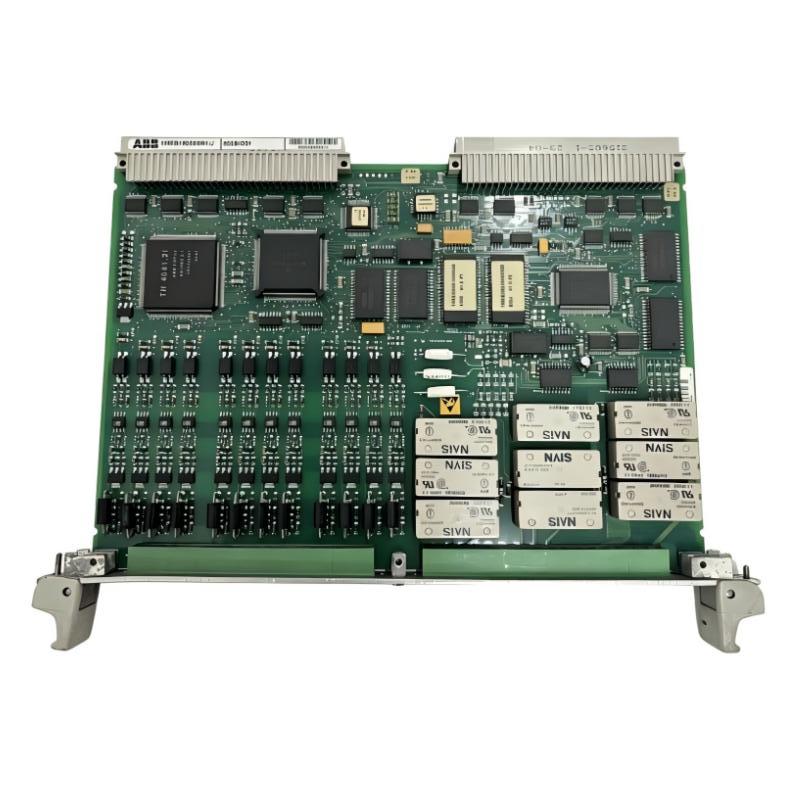
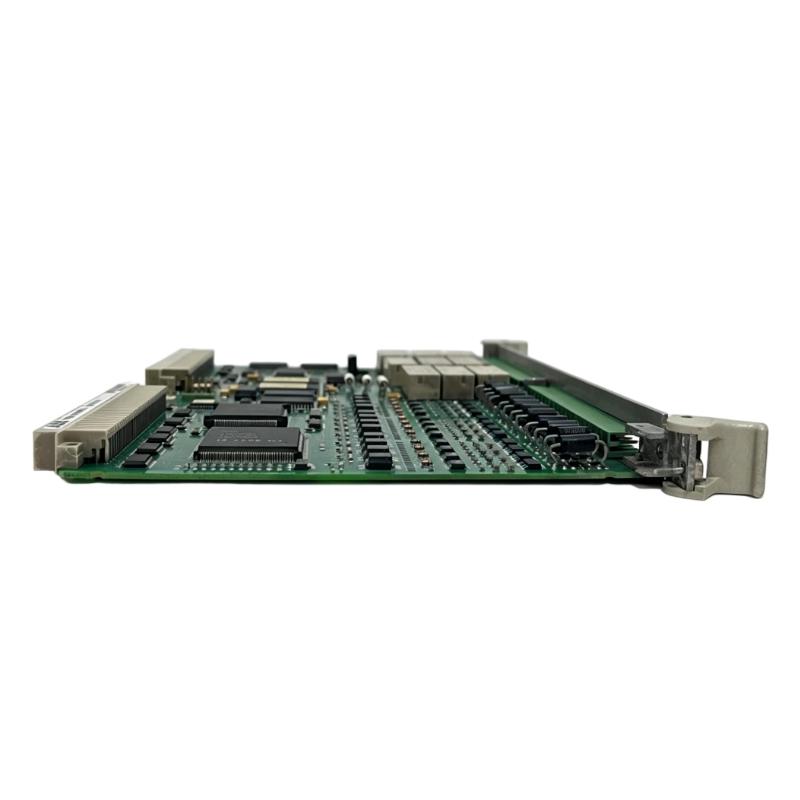
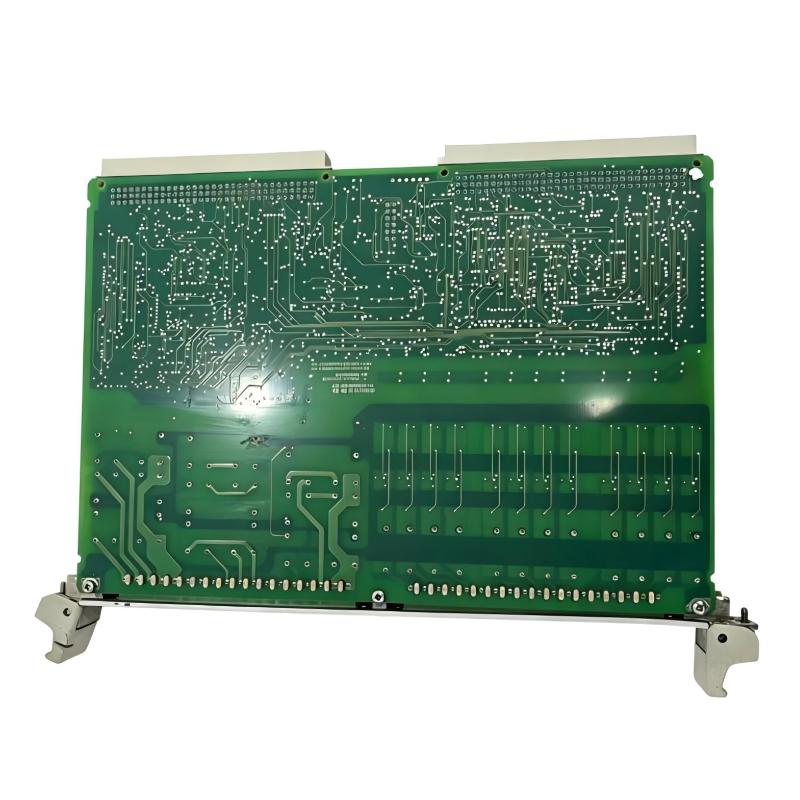
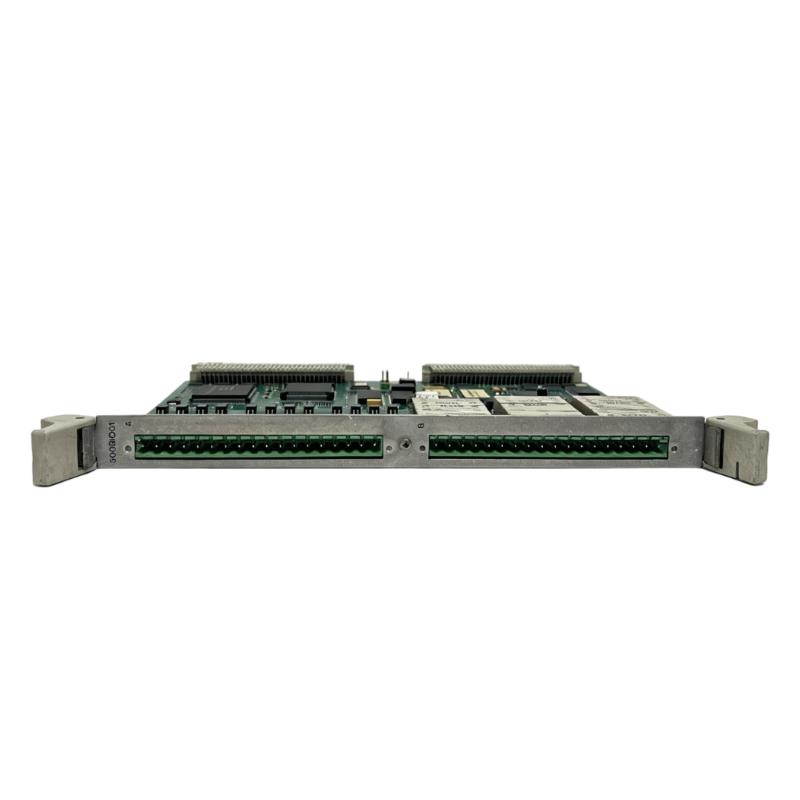
- ABB
- 500BIO01 1MRB150005R1/K
- Binary I/O Module
- Sweden (SE)
- 205 × 30 × 130 mm
- 0.48 kg
- Xiamen, China
- New & In Stock
- T/T, PayPal, Western Union
- 1 Year
- 1-3 Working Days
- DHL, UPS, TNT, FedEx and EMS.
- 24-Hour Service
- COO
- 5
Our advantage

Global Logistics
We have a 10-year logistics and express cooperation agreement, so our products can be shipped to any place in the world.

Brand new and original
Our products are imported in bulk from the place of origin. Because of the cooperative relationship, our products are all original and 100% new.

24-hour service
We provide 7*24 hours service to our customers. We will be there whenever you need us.

Price advantage
All our products are priced very favorably because we have our own warehouse and supply.
| Company Information | |||
| [email protected] | |||
| Mobile | +8615980777398 | ||
| +8615980777398 | |||
| 15980777398 |
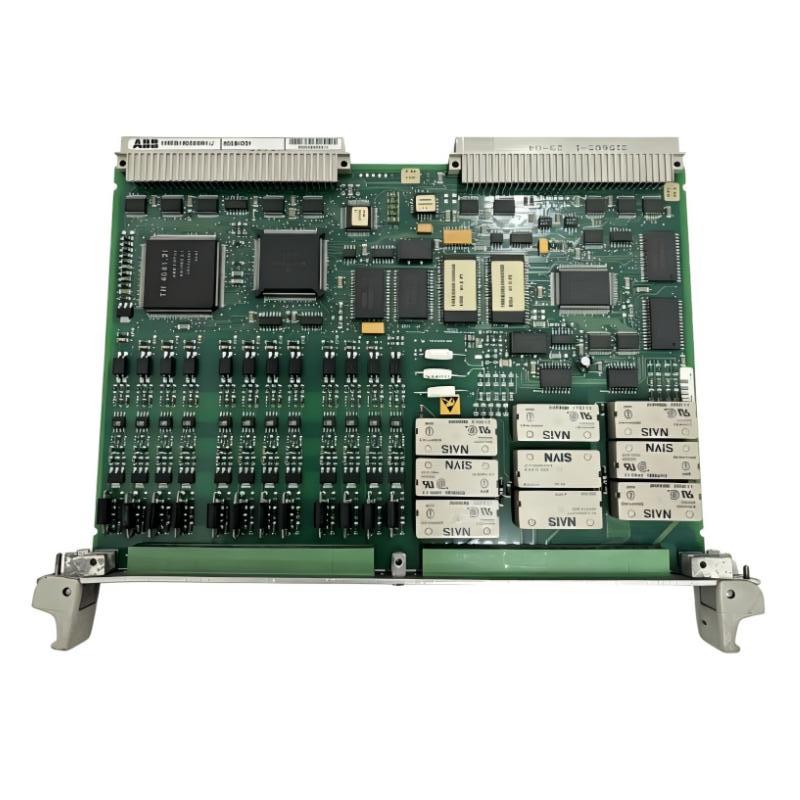
Product Overview
The ABB 500BIO01 1MRB150005R1/K Binary I/O Module is a digital signal interface module for ABB industrial automation and control systems. It handles discrete field signals and connects binary process information with the system controller.
Binary signals are commonly used for equipment running status, alarm conditions, limit switches, valve positions, breaker status, permissive signals, and interlocks. The module provides the interface through which these two-state conditions can be acquired or controlled within the automation architecture.
The 500BIO01 is suited to control cabinets where discrete field signals need to be organized at the I/O level. When replacing an installed module, the complete product number and the existing system configuration should be checked rather than relying only on the basic 500BIO01 designation.
Technical Specifications
| Parameter | Details |
|---|---|
| Product Model | 500BIO01 |
| Product Number | 1MRB150005R1/K |
| Product Type | Binary I/O Module |
| Application | ABB Industrial Automation and Control Systems |
| Signal Type | Binary / Digital I/O |
| Brand | ABB |
| Dimensions | 205 × 30 × 130 mm |
| Weight | 0.48 kg |
Product Features
- Binary I/O interface for discrete industrial automation signals.
- Supports acquisition and handling of two-state field information.
- Suitable for equipment status, alarms, interlocks, and switching signals.
- Interfaces field circuits with the automation control system.
- Suitable for installation in industrial control cabinets.
- Supports structured organization of discrete process signals.
- Can operate as part of an ABB control and I/O architecture.
- Suitable for system replacement, expansion, and maintenance work.
Working Principle
The 500BIO01 interfaces binary field circuits with the automation system. A binary input represents a discrete electrical state, such as an energized/de-energized circuit, open/closed contact, or running/stopped condition.
The controller interprets these states through the configured I/O channels and uses them within application logic. Depending on the system configuration, binary signals can participate in sequencing, alarms, permissives, equipment protection, and interlocking functions.
For binary outputs, control commands generated by the controller are transferred through the I/O channel to the associated field circuit. The field device then changes state according to the command and its electrical interface.
Role in an ABB Binary I/O Control Architecture
The ABB 500BIO01 sits between field-level discrete circuits and the controller.
A typical signal path can be represented as:
Field Switches / Sensors / Equipment Contacts → 500BIO01 → Controller → Control Logic → 500BIO01 → Actuators / Control Circuits
Input channels acquire discrete operating conditions from field equipment. The controller evaluates those states according to the configured application program and determines the required response.
Output channels provide discrete commands to compatible field circuits. This allows the same I/O architecture to support equipment status monitoring as well as discrete control functions.
Industrial Applications
- ABB industrial automation systems
- Process control and monitoring
- Motor and pump status acquisition
- Valve position monitoring
- Switchgear and breaker status monitoring
- Machine interlocking
- Alarm and annunciation systems
- Production equipment control
- Distributed control and I/O installations
Installation and Maintenance
- Verify the complete product number before installation, including the
1MRB150005R1/Kdesignation. - Check the system documentation to confirm that the module is intended for the particular controller and I/O architecture.
- Verify each channel assignment before wiring so that field signals correspond to the configured I/O points.
- Check field-circuit electrical characteristics before connection to prevent incompatible voltage or signal conditions.
- Isolate electrical power before installing, removing, or rewiring the module.
- Inspect terminal connections for correct wiring, secure termination, and clear conductor identification.
- Keep binary signal wiring properly organized and separate it from high-power conductors where the installation requires noise reduction.
- Test input channels with known field states during commissioning and confirm that the controller displays the expected conditions.
- Test output channels under controlled conditions before placing connected equipment into normal automatic operation.
- Inspect terminals and wiring periodically for looseness, corrosion, discoloration, or other signs of electrical deterioration.
- Maintain accurate I/O documentation after channel changes, wiring modifications, or module replacement.
- Use the complete compatible product designation for replacement rather than selecting a module based only on physical dimensions or the basic model name.
Related Components
- ABB Controller Modules
- ABB Binary Input Modules
- ABB Binary Output Modules
- ABB Analog I/O Modules
- ABB Power Supply Modules
- ABB Communication Modules
- ABB Terminal and Wiring Components
- ABB Industrial Control Cabinets
Recommended Related Models
- ABB 500BIO01 1MRB150005R1/K — Binary I/O Module
- ABB 500 Series Binary I/O Modules — for compatible discrete signal applications
- ABB Binary Input Modules — for field-status acquisition
- ABB Binary Output Modules — for discrete equipment commands
- ABB Controller Modules — for processing binary field information and executing application logic
Key Advantages
- Dedicated binary I/O interface for industrial automation systems.
- Supports discrete field-status monitoring and control.
- Suitable for alarms, interlocks, sequencing, and equipment status signals.
- Connects field-level binary circuits with controller logic.
- Supports structured I/O implementation in ABB control architectures.
- Suitable for maintenance and replacement applications.
Technical FAQs
What is the significance of the 1MRB150005R1/K designation?
It identifies the specific product variant of the 500BIO01 module. For replacement work, the complete designation should be compared with the installed module and system documentation.
Can the 500BIO01 be connected directly to any binary field device?
Not automatically. The field device’s electrical characteristics, signal type, wiring arrangement, and the module’s channel requirements must be compatible before connection.
Why might a binary input remain in the wrong state after wiring?
Incorrect terminal connections, missing signal reference, unsuitable field voltage, loose wiring, incorrect channel configuration, or a fault in the field circuit can cause an unexpected input state. The signal should be traced from the field device through the wiring to the I/O channel.
What should be checked when replacing an existing 500BIO01?
Confirm the complete product number, controller and I/O architecture, channel configuration, terminal wiring, field-circuit requirements, and system configuration. The replacement should match the required electrical and functional characteristics, not just the module’s physical dimensions.