

ProductPRODUCT
Featured products
Contact Us
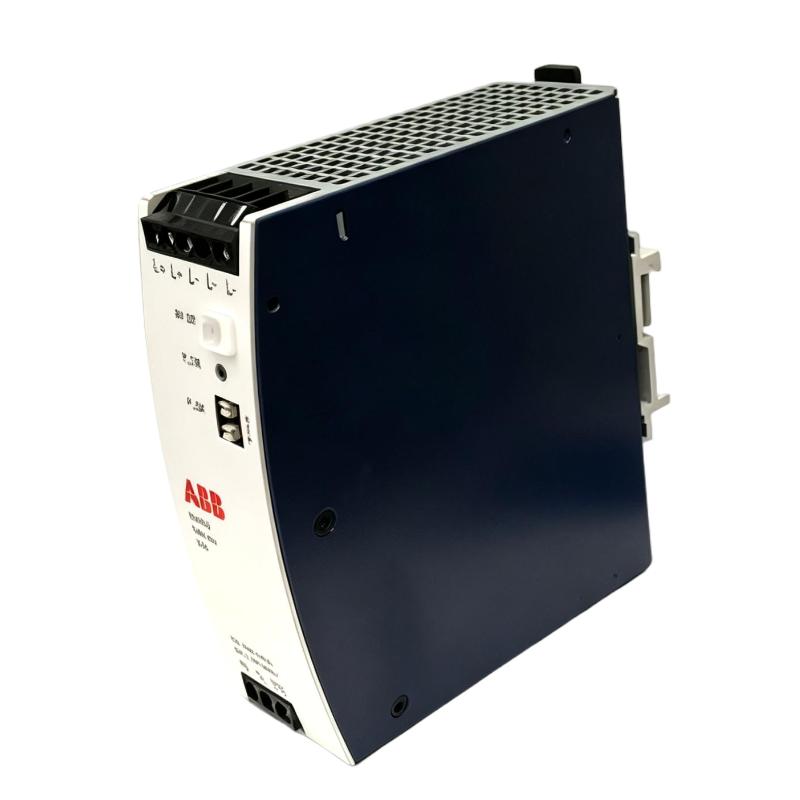
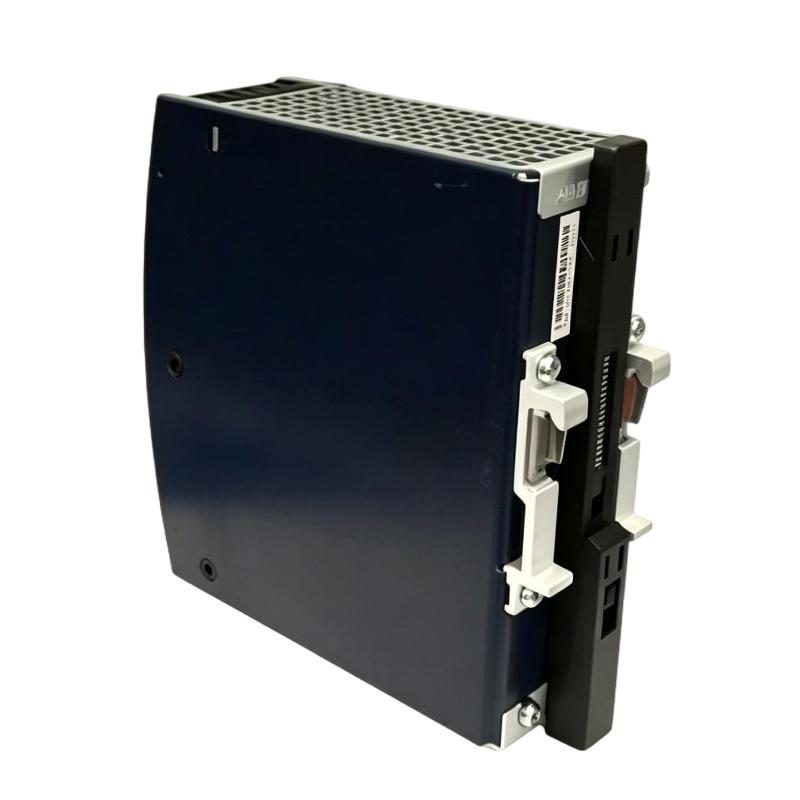
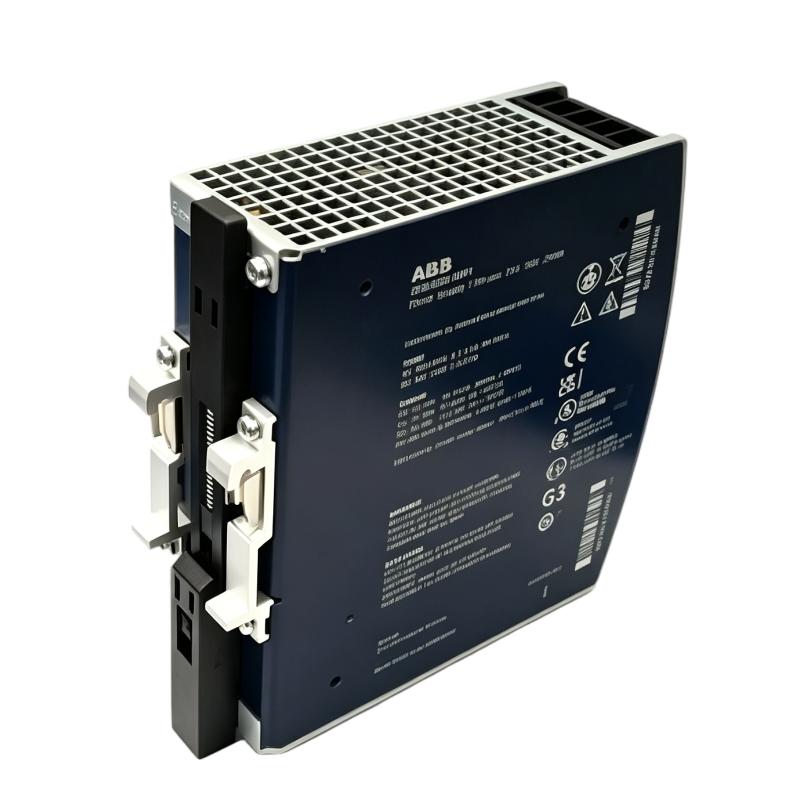
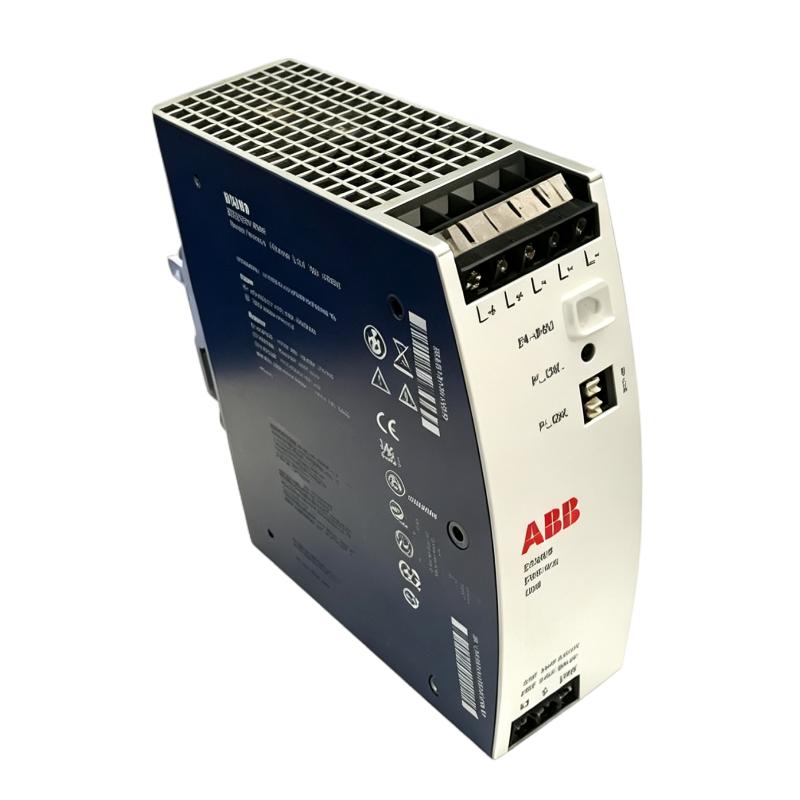
- ABB
- SD853 3BSE088188R1
- Power Supply Module
- Sweden (SE)
- 124 × 39 × 117 mm
- 0.6 kg
- Xiamen, China
- New & In Stock
- T/T, PayPal, Western Union
- 1 Year
- 1-3 Working Days
- DHL, UPS, TNT, FedEx and EMS.
- 24-Hour Service
- COO
- 2
Our advantage

Global Logistics
We have a 10-year logistics and express cooperation agreement, so our products can be shipped to any place in the world.

Brand new and original
Our products are imported in bulk from the place of origin. Because of the cooperative relationship, our products are all original and 100% new.

24-hour service
We provide 7*24 hours service to our customers. We will be there whenever you need us.

Price advantage
All our products are priced very favorably because we have our own warehouse and supply.
| Company Information | |||
| [email protected] | |||
| Mobile | +8615980777398 | ||
| +8615980777398 | |||
| 15980777398 |
Product Overview
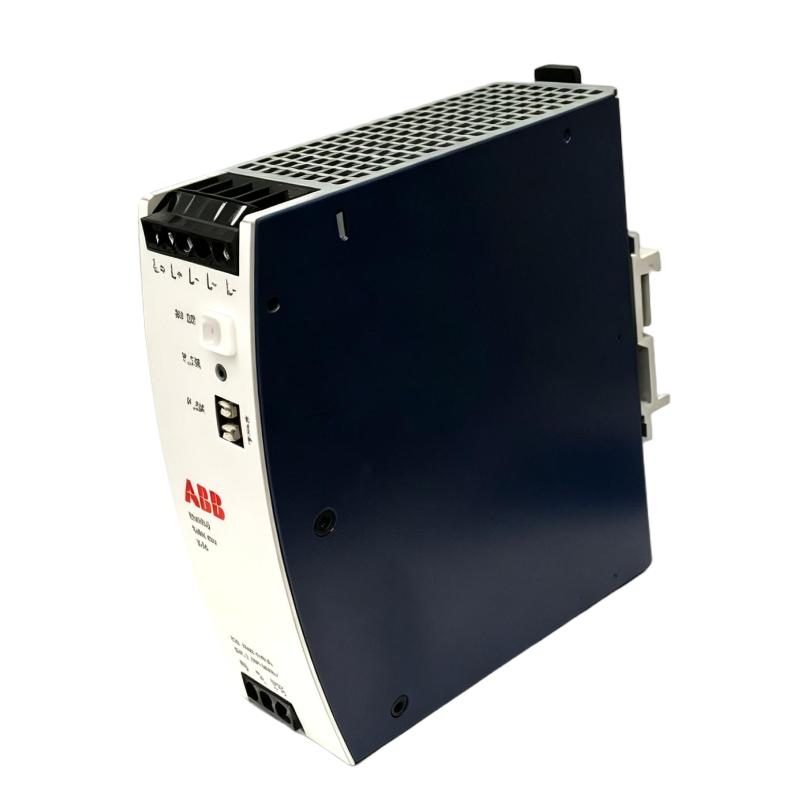
The ABB SD853 3BSE088188R1 Power Supply Module is a power supply component for ABB industrial automation systems. It converts the available input power into the required DC supply for connected control and automation equipment.
In a distributed control or automation cabinet, the power supply module sits between the incoming electrical supply and the system electronics. It must maintain the required supply conditions for controllers, I/O modules, communication equipment, and other connected devices.
The SD853 is particularly relevant to ABB system architectures where a dedicated power supply module is required for reliable operation of control-system electronics. Correct input wiring, output loading, grounding, and cabinet installation are important factors when commissioning or replacing the module.
Technical Specifications
| Parameter | Details |
|---|---|
| Product Model | SD853 |
| Product Number | 3BSE088188R1 |
| Product Type | Power Supply Module |
| Application | ABB Industrial Automation Systems |
| Brand | ABB |
| Dimensions | 124 × 39 × 117 mm |
| Weight | 0.6 kg |
Product Features
- Dedicated power supply module for compatible ABB automation systems.
- Converts incoming electrical power into the supply required by connected system electronics.
- Supports continuous power delivery to automation control components.
- Suitable for installation inside industrial control cabinets.
- Compact module format for space-conscious system configurations.
- Supports organized distribution of power within an ABB control architecture.
- Appropriate for system replacement and planned maintenance applications.
- Designed for integration with compatible ABB automation equipment.
Working Principle
The SD853 receives electrical power through its input terminals and processes it through the module’s internal power conversion circuitry. The resulting DC output is supplied to the connected automation equipment.
During normal operation, the power supply must maintain an appropriate output voltage while the connected system changes its electrical load. Controllers, I/O modules, communication devices, and other electronics depend on a stable supply to maintain normal operation.
The module therefore forms the electrical interface between the cabinet power source and the control-system electronics. Correct input connections and loading conditions are essential because an incorrectly wired or overloaded power supply can affect multiple downstream devices simultaneously.
Role in an ABB Industrial Automation Control Architecture
The ABB SD853 operates at the power layer of the control architecture rather than directly executing control logic.
A typical power and control path can be represented as:
Incoming Power → SD853 Power Supply Module → Control-System Power Distribution → Controller / I/O / Communication Modules → Field Devices
The power supply establishes the electrical conditions required by the connected control-system hardware. The controller handles application logic, I/O modules interface with field signals, and communication modules exchange data with other system devices.
Because multiple automation components can depend on the same power infrastructure, the SD853 should be considered during system loading calculations, power distribution planning, cabinet design, and troubleshooting.
Industrial Applications
- ABB industrial automation control cabinets
- Distributed control system installations
- Process automation equipment
- Manufacturing production lines
- Industrial machine control systems
- Remote I/O and control-system cabinets
- Power distribution for automation electronics
- Replacement and preventive maintenance of ABB control-system power supplies
Installation and Maintenance
- Verify the module identification before installation. Confirm the SD853 model and product number against the system documentation.
- Check the required input supply before connecting the module. Applying an incorrect input voltage can damage the power supply or connected equipment.
- Inspect terminal wiring for correct polarity, secure connections, and suitable conductor size before energizing the module.
- Disconnect power before replacement and follow the cabinet’s electrical isolation and lockout procedures.
- Check the downstream load to ensure the connected equipment remains within the applicable power supply capacity.
- Maintain adequate cabinet ventilation around the power supply. Avoid blocking the airflow path with wiring or adjacent components.
- Inspect terminals periodically for looseness, discoloration, or heat-related signs that could indicate a poor electrical connection.
- Monitor output conditions during troubleshooting. An abnormal output can affect multiple connected automation modules.
- Check system grounding as part of commissioning and maintenance. Proper grounding helps reduce electrical interference and improves installation safety.
- Keep the module free from excessive dust and moisture. Contamination inside a control cabinet can affect electrical insulation and thermal performance.
- Record replacement information including module identification, installation date, cabinet location, and observed fault conditions.
- Use an equivalent approved replacement when servicing the system. Do not substitute a power supply solely because its physical dimensions appear compatible.
Related Components
- ABB Controller Modules
- ABB I/O Modules
- ABB Communication Modules
- ABB Control-System Power Distribution Components
- ABB Terminal Blocks
- ABB DIN-Rail Mounting Components
- ABB Industrial Control Cabinets
- ABB System Power Accessories
Recommended Related Models
- ABB SD853 3BSE088188R1 — Power Supply Module
- ABB SD Series Power Supply Modules — for compatible ABB automation power architectures
- ABB Controller Modules — downstream control-system equipment
- ABB I/O Modules — connected automation interface modules
- ABB Communication Modules — system communication equipment requiring compatible power infrastructure
Key Advantages
- Dedicated power supply for compatible ABB automation systems.
- Supports stable power delivery to control-system electronics.
- Compact format for industrial cabinet installation.
- Suitable for control-system replacement and maintenance.
- Supports organized power distribution within automation architectures.
- Helps maintain continuous operation of connected automation hardware.
Technical FAQs
What should be verified before replacing an ABB SD853?
Verify the exact model and product number, input supply requirements, system compatibility, terminal arrangement, connected load, and applicable installation documentation before replacement.
Can the SD853 be selected only by matching the physical size of an existing power supply?
No. Physical dimensions are only one installation consideration. Input requirements, output characteristics, power capacity, terminal configuration, and system compatibility must also be checked.
What can cause an ABB automation system to lose power after the SD853 is installed?
Possible causes include incorrect input wiring, an unsuitable input supply, excessive downstream load, loose terminals, short circuits, or a problem elsewhere in the power distribution path. Troubleshooting should begin with the input and output conditions and then move toward connected loads.
Why is downstream load important when installing the SD853?
The connected controllers, I/O modules, communication devices, and other electronics consume power from the supply system. If the total load exceeds the applicable capacity, the power supply may not maintain the required output conditions and multiple system devices can be affected.