

ProductPRODUCT
Featured products
Contact Us
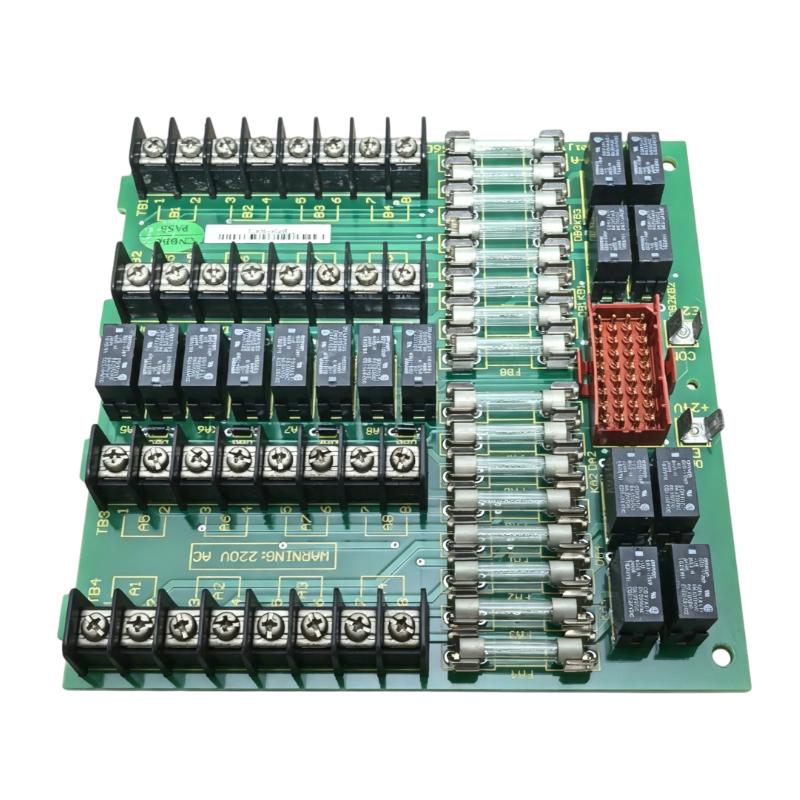
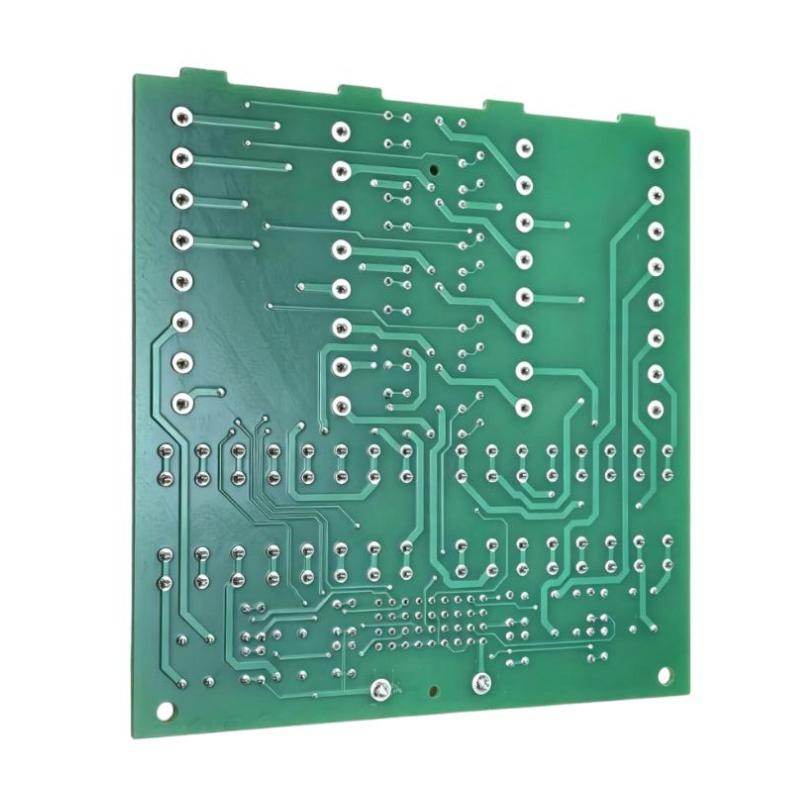
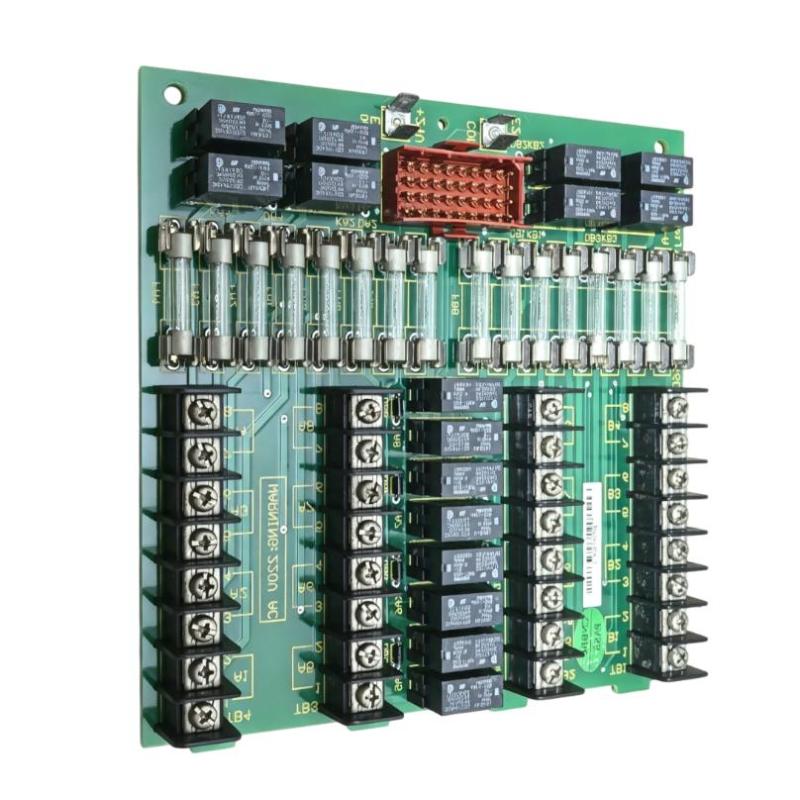
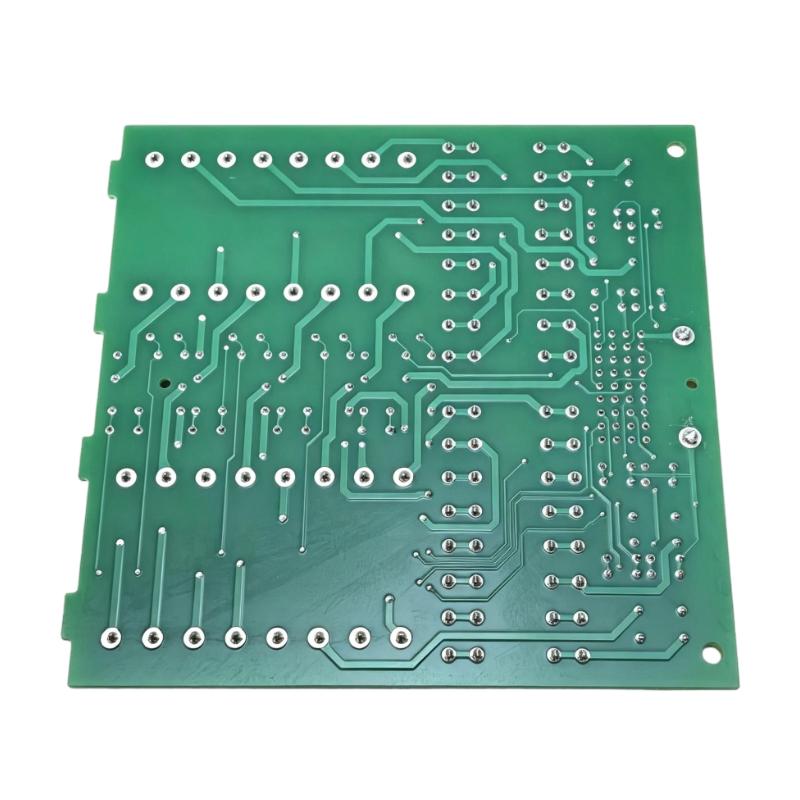
- ABB Bailey
- NTRO04
- Digital I/O Terminal Unit Module
- Sweden (SE)
- 163 x 30 x 140 mm
- 0.4 kg
- Xiamen, China
- New & In Stock
- T/T, PayPal, Western Union
- 1 Year
- 1-3 Working Days
- DHL, UPS, TNT, FedEx and EMS.
- 24-Hour Service
- COO
- 3
Our advantage

Global Logistics
We have a 10-year logistics and express cooperation agreement, so our products can be shipped to any place in the world.

Brand new and original
Our products are imported in bulk from the place of origin. Because of the cooperative relationship, our products are all original and 100% new.

24-hour service
We provide 7*24 hours service to our customers. We will be there whenever you need us.

Price advantage
All our products are priced very favorably because we have our own warehouse and supply.
| Company Information | |||
| [email protected] | |||
| Mobile | +8615980777398 | ||
| +8615980777398 | |||
| 15980777398 |
Product Overview
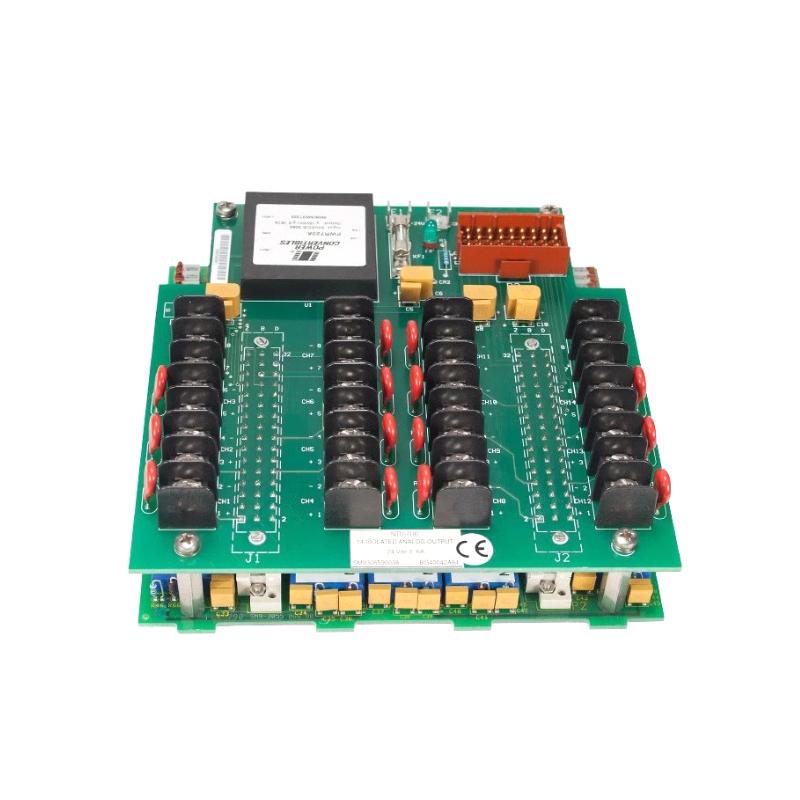
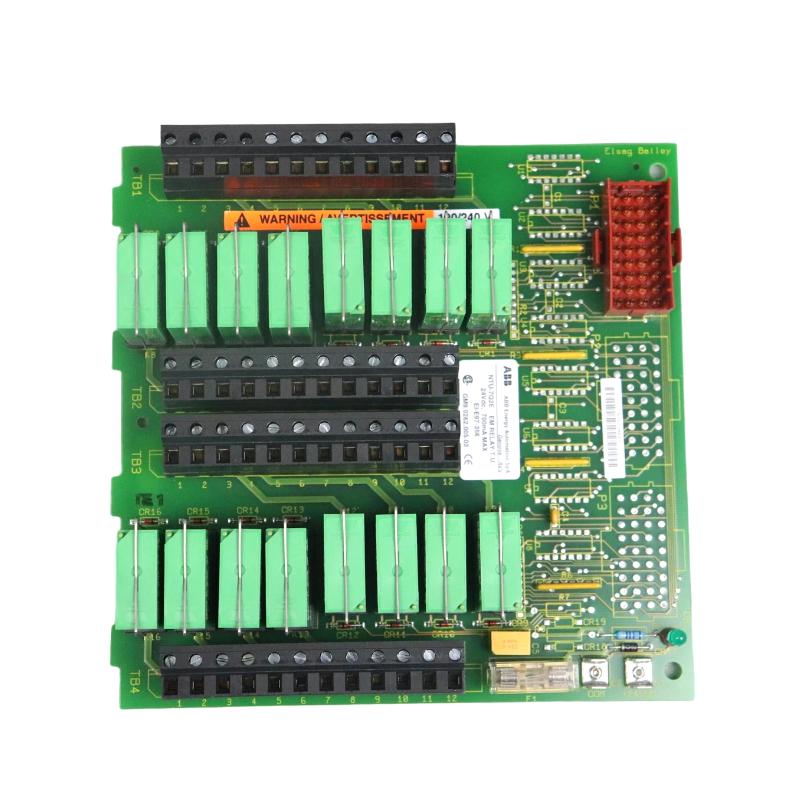
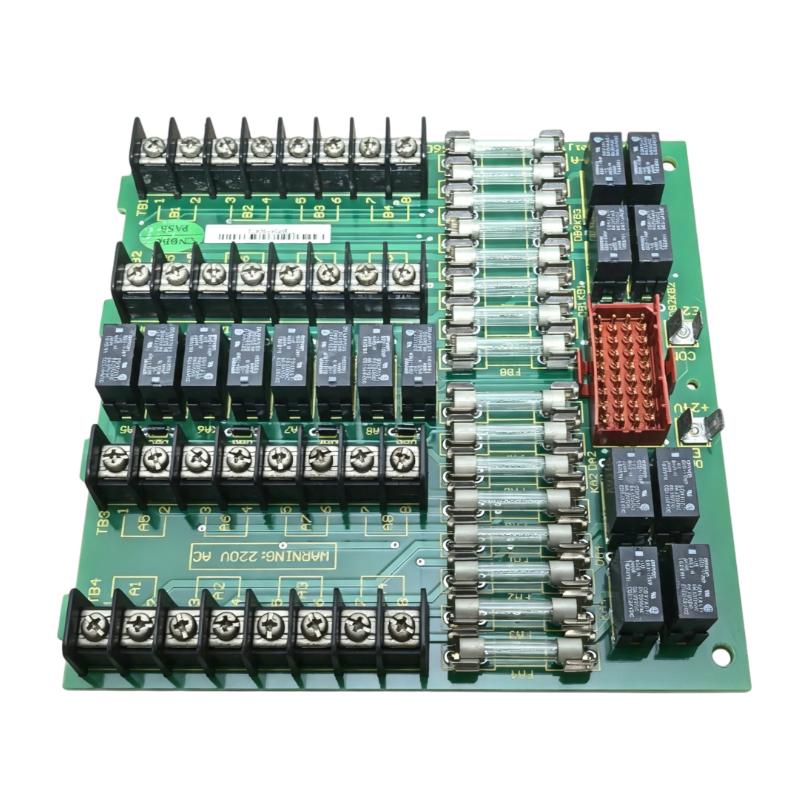
The ABB Bailey NTRO04 Digital I/O Terminal Unit Module is a specialized industrial interface component designed for digital signal termination and field-level I/O integration within compatible ABB Bailey automation and process control systems. It provides a structured connection point between field wiring and associated I/O electronics, helping organize discrete signals exchanged between industrial equipment and the control system.
Digital I/O is used extensively in process and factory automation for monitoring equipment states and transmitting discrete control commands. Typical signals include motor running feedback, valve position, alarm contacts, limit-switch status, equipment fault indications, permissive conditions, and interlock signals. A dedicated terminal unit helps establish an organized physical interface for these signals, making cabinet wiring easier to identify, maintain, and troubleshoot.
The ABB Bailey NTRO04 has supplied dimensions of 163 × 30 × 140 mm and a weight of 0.4 kg. Its compact profile makes it suitable for industrial control cabinets where efficient use of mounting space and clear field-wiring organization are important.
The NTRO04 should be regarded as part of the field I/O interface layer rather than as an independent PLC controller. Exact terminal assignments, signal characteristics, channel configuration, electrical ratings, and compatibility should be confirmed against the applicable ABB Bailey system documentation and hardware revision before installation.
Technical Specifications
| Parameter | Specification |
|---|---|
| Manufacturer | ABB Bailey |
| Model | NTRO04 |
| Product Type | Digital I/O Terminal Unit Module |
| Product Family | ABB Bailey Industrial Control |
| Primary Function | Digital I/O field signal termination and interface |
| Signal Type | Digital / Discrete I/O |
| Application | Industrial Automation and Process Control |
| Interface Role | Field wiring to compatible I/O electronics |
| Dimensions | 163 × 30 × 140 mm |
| Weight | 0.4 kg |
| Installation | Industrial control cabinet / compatible Bailey system |
| Typical Applications | Process automation, equipment monitoring, discrete signal interfacing, plant control |
Exact channel count, voltage range, current rating, isolation method, terminal assignments, and other electrical characteristics should be verified from the applicable NTRO04 documentation and host-system configuration.
What Is the ABB Bailey NTRO04?
The ABB Bailey NTRO04 Digital I/O Terminal Unit Module is a field-interface component used to organize digital signal connections within a compatible ABB Bailey control architecture.
An industrial automation system normally consists of several interconnected layers. Field devices interact with the physical process, terminal interfaces organize field wiring, I/O modules process electrical signals, control processors execute logic, and operator systems provide visualization and supervisory control.
The NTRO04 belongs primarily to the field-interface portion of this architecture.
A simplified signal path can be represented as:
Field Device → Field Wiring → NTRO04 → I/O Electronics → Controller → HMI / SCADA
For an output command, the direction is reversed:
Controller → Digital Output Electronics → NTRO04 → Field Device
This arrangement allows field wiring to remain organized while separating physical signal termination from the controller and higher-level automation functions.
Digital I/O Terminal Unit Working Principle
Field Signal Termination
The NTRO04 provides a structured point for connecting field circuits to the associated control-system I/O architecture.
Industrial cabinets can contain a large number of field cables connected to:
- Motors
- Pumps
- Valves
- Switches
- Relays
- Contactors
- Alarm devices
- Protection equipment
- Limit switches
- Process equipment
Without organized termination, these connections can become difficult to identify and maintain. A dedicated terminal interface provides a more structured arrangement.
Digital Input Signal Flow
For a digital input, a simplified signal path is:
Field Contact → NTRO04 → Digital Input Interface → Control Processor
The field contact may indicate a discrete condition such as equipment running, valve open, valve closed, or equipment fault.
The associated I/O electronics detect the electrical state and transfer the information to the controller.
Digital Output Signal Flow
For a digital output, the signal path may be represented as:
Controller → Digital Output Interface → NTRO04 → Field Device
The controller can issue a discrete command to an appropriate external device, depending on the system configuration.
Examples include commands for:
- Motor operation
- Valve operation
- Solenoid activation
- Relay switching
- Equipment enabling
- Alarm activation
The terminal unit provides the field-side interface within the larger I/O architecture.
Role in ABB Bailey Industrial Automation
The NTRO04 can form part of an ABB Bailey digital I/O infrastructure in which numerous field signals must be connected to centralized or distributed control electronics.
Its general role can include:
- Field signal termination
- Digital I/O organization
- Signal routing
- Cabinet wiring management
- Equipment status monitoring
- Discrete command distribution
- Maintenance support
- Signal troubleshooting
Although a terminal unit does not execute the control logic itself, it provides an important physical connection between field equipment and the electronic control system.
For large industrial plants, consistent field termination is especially important because maintenance personnel may need to trace individual signals across cabinets, junctions, I/O modules, and control processors.
Digital Input Applications
Digital input signals allow the control system to recognize discrete equipment conditions.
Motor Status Monitoring
A motor starter or auxiliary contact can provide a running or stopped indication to the control system.
A typical signal chain is:
Motor Auxiliary Contact → NTRO04 → Digital Input → Controller
The controller can use the status for sequencing, alarming, interlocking, and operator monitoring.
Valve Position Feedback
Valve limit switches can provide open and closed feedback.
This allows the automation system to determine whether the physical valve position corresponds with the commanded condition.
Equipment Fault Signals
Protective equipment can provide discrete fault indications to the control system.
These signals may be used for alarms, equipment shutdown sequences, or maintenance diagnostics depending on the process design.
Interlocks and Permissives
Digital signals can indicate whether required conditions have been satisfied before equipment is allowed to start.
Examples include:
- Pump permissive
- Fan permissive
- Valve permissive
- Equipment ready
- Safety interlock
- Process interlock
Alarm Monitoring
External alarm contacts can be connected to the digital I/O architecture to provide centralized status information.
Digital Output Applications
Digital outputs allow a control system to send discrete commands to external equipment.
Possible applications include:
- Motor start and stop
- Valve open and close commands
- Solenoid activation
- Relay operation
- Equipment enable signals
- Alarm outputs
- Auxiliary control commands
The NTRO04 participates in the physical signal path between the I/O electronics and the field wiring.
The actual load characteristics must be evaluated using the specifications of the associated I/O equipment. The terminal unit should not be assumed to directly drive a particular load unless the complete system design explicitly supports that function.
Integration with Industrial Control Architecture
The NTRO04 can be integrated into a layered process-control architecture.
A representative system structure is:
Process Equipment
↓
Field Sensors and Switches
↓
Field Wiring
↓
NTRO04 Terminal Unit
↓
Digital I/O Electronics
↓
Control Processor
↓
Control Network
↓
HMI / SCADA / Operator Station
This architecture separates physical field connections from control processing and supervisory functions.
Such separation can improve system organization and make it easier for engineering and maintenance personnel to identify the location and purpose of individual signal connections.
Industrial Applications
Process Manufacturing
Manufacturing plants use large numbers of digital signals for equipment status, sequence control, alarms, and interlocks.
The NTRO04 can serve as part of a compatible ABB Bailey field-I/O interface architecture.
Chemical Processing
Chemical-processing facilities commonly contain pumps, motors, valves, agitators, alarms, and protection equipment requiring discrete signal monitoring.
Water and Wastewater Treatment
Water-treatment plants use digital signals to monitor:
- Pump status
- Valve position
- Blower operation
- Equipment faults
- Alarm states
- Process interlocks
Power and Utility Systems
Utility installations can use digital status signals for breakers, motors, pumps, fans, valves, and auxiliary systems.
Oil and Gas Facilities
Process equipment and utility systems frequently require extensive discrete monitoring and interlocking.
General Industrial Automation
The NTRO04 can be incorporated into compatible industrial automation systems where reliable organization of digital field connections is required.
Installation Guidelines
Proper installation is important for maintaining reliable signal connections.
Verify the Module
Before installing or replacing the NTRO04, verify:
- Model number
- Hardware revision
- Terminal arrangement
- Connector configuration
- Associated I/O hardware
- Cabinet location
- System configuration
The complete NTRO04 identification should be checked against the applicable engineering documentation.
Observe Electrical Safety Requirements
Before accessing the module or connected field wiring, follow the plant’s approved electrical isolation and lockout/tagout procedures.
Some field circuits may remain energized even when portions of the control system have been shut down.
Identify Existing Wiring
Before removing an existing terminal unit, record:
- Wire numbers
- Terminal numbers
- Signal names
- Device tags
- I/O channel assignments
- Cable identifiers
Accurate identification helps prevent wiring errors during replacement.
Secure the Module
The NTRO04 should be mechanically secured according to the mounting requirements of the compatible ABB Bailey equipment.
Avoid excessive mechanical stress on connectors and field wiring.
Cabinet Installation and Space Planning
The supplied dimensions of the ABB Bailey NTRO04 are:
163 × 30 × 140 mm
These dimensions should be considered when designing or modifying a control cabinet.
The 30 mm width provides a relatively narrow module profile, but engineers should also allow sufficient room for:
- Terminal access
- Connector removal
- Cable routing
- Cable bend radius
- Wiring ducts
- Adjacent modules
- Ventilation
- Maintenance access
The physical dimensions of the module should therefore be considered together with the requirements of the complete cabinet assembly.
Wiring and Cable Management
Proper wiring organization is essential in large industrial control cabinets.
Field wires should be clearly labeled and routed according to approved electrical drawings.
When multiple signal types are present, appropriate separation should be maintained between:
- Digital I/O wiring
- Analog instrumentation wiring
- Communication cables
- AC control circuits
- Power wiring
- Motor cables
- High-current switching conductors
Good cable management improves signal identification and reduces the time required for future maintenance.
EMC and Signal Integrity
Industrial automation cabinets can contain electrical noise generated by motors, variable frequency drives, contactors, transformers, switching power supplies, and other equipment.
Good installation practices can help maintain stable digital signal operation.
Recommended considerations include:
- Keep signal wiring away from high-power conductors where practical.
- Follow the grounding arrangement specified by the system design.
- Keep terminal connections secure.
- Inspect connectors for contamination or damage.
- Avoid unnecessary cable loops.
- Apply appropriate shielding practices where required.
- Maintain orderly cabinet wiring.
The exact grounding and shielding requirements should follow the applicable ABB Bailey installation procedures.
Commissioning Procedure
After installation, the NTRO04 should be tested as part of the complete digital I/O system.
Step 1: Mechanical Inspection
Verify that the module is correctly mounted and free from visible damage.
Step 2: Wiring Verification
Compare all field connections against the approved wiring drawings and I/O documentation.
Step 3: Connector Inspection
Confirm that associated connectors are correctly positioned and securely seated.
Step 4: Power-Up
Restore system power according to the approved commissioning procedure.
Step 5: Digital Input Testing
Operate representative field devices and verify that the corresponding input states are correctly recognized by the control system.
Step 6: Digital Output Testing
Where authorized, issue representative digital output commands and confirm the expected response from the field device.
Step 7: Alarm and Interlock Testing
Verify applicable alarm, permissive, and interlock logic.
Step 8: Record Results
Document the completed testing and update maintenance records where required.
Troubleshooting the NTRO04
A digital I/O problem should be diagnosed as a complete signal-path issue.
No Digital Input
If an expected digital input is missing, inspect:
- Field device
- Field cable
- NTRO04 terminal connection
- Connector
- Associated I/O module
- I/O channel configuration
- Controller diagnostics
A defective field switch or open cable may produce symptoms similar to a terminal or I/O problem.
Input Stuck ON or OFF
A permanently active or inactive signal may be caused by:
- Faulty field contact
- Open circuit
- Short circuit
- Incorrect wiring
- Incorrect terminal assignment
- I/O hardware fault
- Configuration error
The field device should be tested independently where appropriate.
Output Does Not Activate
If the controller indicates an output command but the field equipment does not respond, inspect:
- Control logic
- Output channel status
- Associated I/O electronics
- Terminal connections
- Field wiring
- External power
- Relay or actuator
- Field equipment
Intermittent Operation
Intermittent digital signals can be associated with:
- Loose terminals
- Poor connector contact
- Damaged cables
- Vibration
- Moisture
- Electrical interference
- Aging field devices
Monitoring the signal while inspecting the physical wiring can help isolate the fault.
Preventive Maintenance
Regular maintenance of the terminal interface and associated field circuits can improve system reliability.
Terminal Inspection
Check accessible connections for looseness, corrosion, contamination, or physical damage.
Cable Inspection
Inspect field cables for:
- Insulation damage
- Abrasion
- Broken conductors
- Moisture ingress
- Corrosion
- Excessive bending
Connector Maintenance
Connectors should remain clean and securely seated.
Signal Monitoring
Unexpected changes in digital status can indicate developing problems with field equipment, wiring, or I/O hardware.
Cabinet Environment
Maintain suitable cabinet conditions and prevent excessive accumulation of dust or moisture.
Documentation
Maintain accurate I/O lists, wiring diagrams, terminal schedules, and replacement records.
Replacement and Spare-Part Planning
When sourcing a replacement for the ABB Bailey NTRO04 Digital I/O Terminal Unit Module, the complete model identification should be checked before installation.
Important information includes:
- NTRO04 model
- Hardware revision
- Terminal configuration
- Connector arrangement
- Associated I/O module
- Cabinet location
- Host-system configuration
The supplied physical specifications are:
Dimensions: 163 × 30 × 140 mm
Weight: 0.4 kg
These specifications can support:
- Cabinet layout planning
- Spare inventory management
- Shipping preparation
- Replacement logistics
- Mechanical handling
A terminal unit with a similar appearance or similar dimensions should not automatically be treated as an interchangeable replacement.
Compatible System Components
The NTRO04 operates as part of a larger industrial control architecture.
| Component | Typical Function |
|---|---|
| Digital Input Module | Receives discrete field signals |
| Digital Output Module | Provides discrete control commands |
| Terminal Unit | Organizes field wiring |
| Field Switches | Provide discrete process states |
| Limit Switches | Provide position feedback |
| Relays | Provide switching/interface functions |
| Solenoid Valves | Receive discrete commands |
| Motor Starters | Control motor operation |
| Control Processor | Executes automation logic |
| HMI | Displays equipment and process status |
| SCADA System | Provides supervisory monitoring |
| Control Network | Transfers system information |
The exact compatible components depend on the host ABB Bailey control architecture.
Recommended Related ABB Bailey Components
| Component Category | General Function |
|---|---|
| ABB Bailey Digital Input Modules | Digital signal acquisition |
| ABB Bailey Digital Output Modules | Discrete equipment control |
| ABB Bailey Terminal Units | Field signal termination |
| ABB Bailey I/O Interface Components | Signal routing and connection |
| ABB Bailey Control Processors | Control logic execution |
| ABB Bailey Communication Components | System communication |
| ABB Bailey Backplanes | Module interconnection |
| ABB Bailey Power Components | System power distribution |
These components can be combined in different ways depending on the individual process-control installation.
Engineering Best Practices
Maintain Clear I/O Documentation
Every field signal should correspond to a documented I/O point and physical terminal.
Label Every Field Cable
Consistent wire and cable identification simplifies installation and maintenance.
Separate Signal and Power Wiring
Maintain appropriate physical separation between sensitive signal circuits and high-energy conductors.
Verify Hardware Before Replacement
Check the complete model, revision, terminal configuration, and associated I/O equipment before installing replacement hardware.
Maintain Spare Inventory
For critical automation systems, suitable spare terminal and I/O components can reduce maintenance downtime.
Perform Functional Testing
After installation, representative inputs and outputs should be tested before the equipment returns to normal automatic operation.
Key Advantages
Structured Digital I/O Interface
The ABB Bailey NTRO04 provides an organized interface for digital field signals within compatible control systems.
Compact Physical Design
The supplied 163 × 30 × 140 mm dimensions allow the module to be incorporated into industrial cabinet layouts where space management is important.
Organized Field Wiring
A dedicated terminal interface helps create a clear and traceable connection between field devices and I/O electronics.
Maintenance-Friendly Architecture
Structured signal termination can simplify inspection, testing, and troubleshooting.
Industrial Control Integration
The NTRO04 can form part of a larger ABB Bailey digital I/O and process-control architecture.
Support for Discrete Signals
Digital I/O connections can be used for equipment status, alarms, interlocks, permissives, and control commands.
Technical FAQs
What is the ABB Bailey NTRO04?
The ABB Bailey NTRO04 is a Digital I/O Terminal Unit Module designed to provide field signal termination and interface functionality within compatible ABB Bailey industrial automation systems.
What type of signals does the NTRO04 handle?
The NTRO04 is associated with digital or discrete I/O signal interfacing. The exact electrical configuration should be verified from the applicable system documentation.
What are the dimensions of the NTRO04?
The supplied dimensions are 163 × 30 × 140 mm.
What is the weight of the NTRO04?
The supplied weight is 0.4 kg.
Is the NTRO04 a PLC controller?
No. The NTRO04 is a Digital I/O Terminal Unit Module and serves as part of the field-interface architecture rather than functioning as a general-purpose PLC CPU.
What applications use digital I/O terminal units?
Digital I/O terminal interfaces can be used for motor status, valve position, alarms, interlocks, permissives, switches, relays, and other discrete industrial signals.
What should be checked before replacing the NTRO04?
The model, revision, terminal arrangement, connectors, field wiring, associated I/O equipment, and host ABB Bailey system configuration should be verified.
What can cause an NTRO04-related signal fault?
Possible causes include incorrect wiring, loose terminals, damaged field cables, faulty field devices, I/O hardware problems, configuration errors, electrical interference, or connector issues.
How should the NTRO04 be maintained?
Maintenance should include inspection of terminal connections, connectors, field cables, cabinet conditions, documentation, and associated I/O equipment.
Can another ABB Bailey terminal unit replace the NTRO04?
A different terminal unit should not be assumed to be interchangeable. Compatibility should be confirmed using the complete model identification, revision, terminal configuration, associated I/O hardware, and host-system requirements.
Conclusion
The ABB Bailey NTRO04 Digital I/O Terminal Unit Module is a specialized field-interface component designed to support organized digital signal connections within compatible ABB Bailey industrial automation and process-control systems. It forms part of the physical I/O layer connecting field equipment with digital I/O electronics and higher-level control functions.
Digital I/O provides essential discrete information for industrial equipment, including motor operating status, valve position, alarms, equipment faults, permissives, and interlocks. By providing a structured termination point, the NTRO04 can help improve field-wiring organization and simplify installation, commissioning, maintenance, and troubleshooting.
The ABB Bailey NTRO04 has supplied dimensions of 163 × 30 × 140 mm and a weight of 0.4 kg. These physical specifications are useful for control cabinet planning, spare-parts management, replacement preparation, shipping, and mechanical handling.
For installation or replacement, the complete NTRO04 identification should be verified against the existing ABB Bailey system. Terminal assignments, hardware revision, associated I/O modules, field wiring, and system configuration should all be checked before commissioning. Proper signal identification, secure connections, appropriate cable management, and systematic functional testing are important for maintaining reliable digital I/O operation in industrial environments.