Product Overview
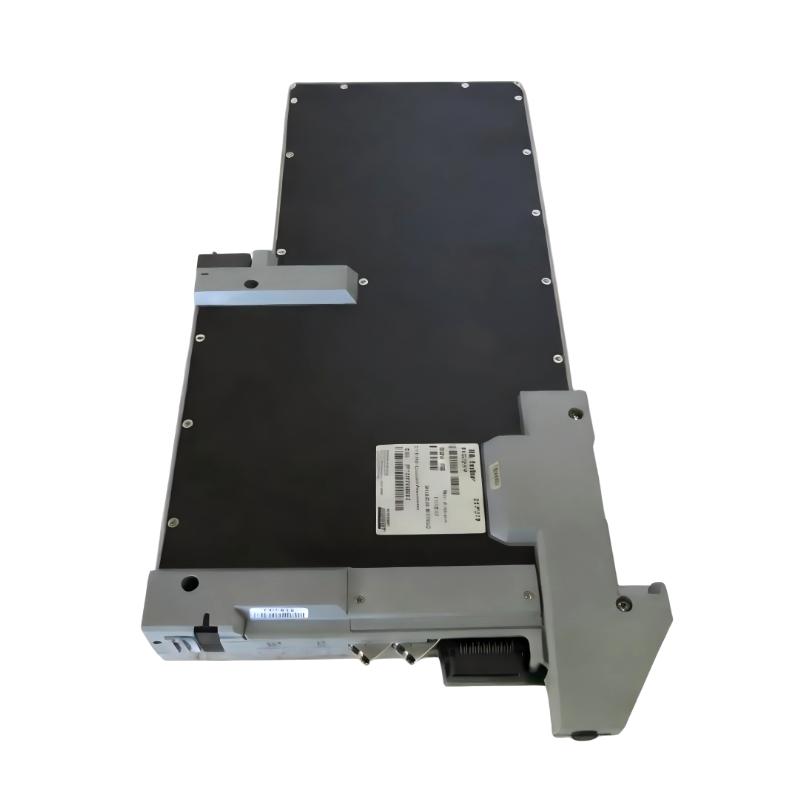
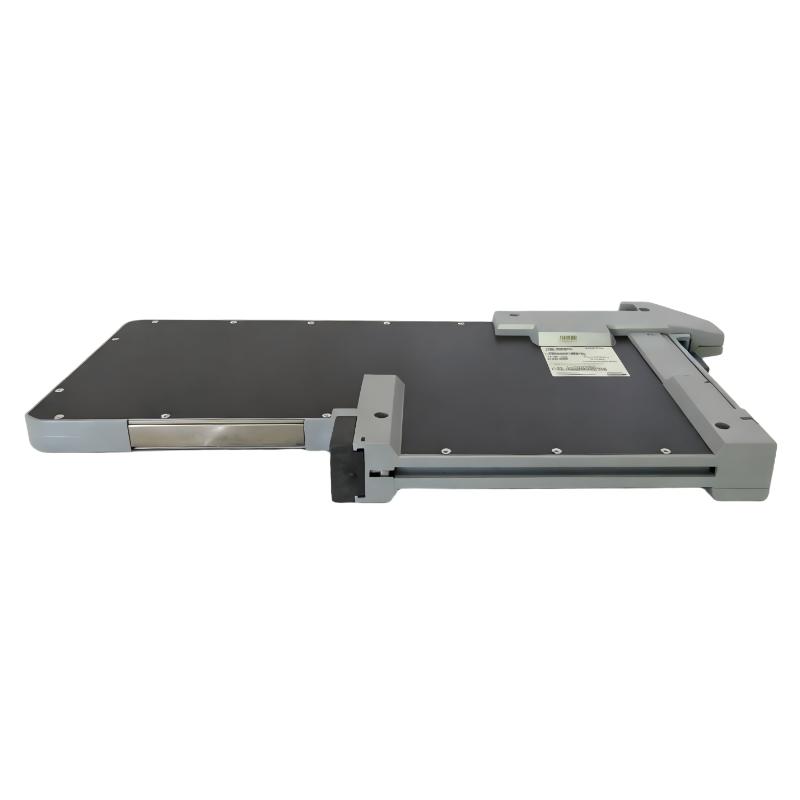
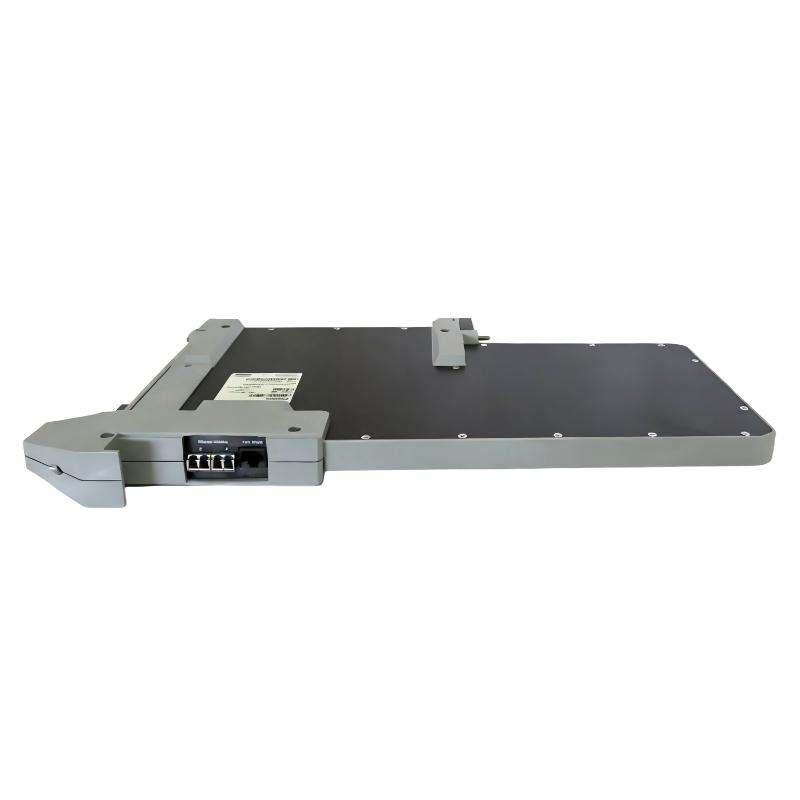
The Foxboro ZCP270 P0926CP Control Processor is a high-performance control processing unit designed for industrial Distributed Control Systems (DCS) and process automation applications. As a central processing component, it is responsible for executing control strategies, processing process information, coordinating I/O operations, and maintaining communication between the control system and connected field equipment.
The ZCP270 is intended for demanding industrial applications where continuous operation, deterministic control execution, and reliable system communication are essential. It works as part of a larger control architecture rather than operating as a standalone PLC. The processor typically works together with I/O modules, communication interfaces, operator workstations, engineering stations, network switches, and other DCS components.
Within an industrial control system, the control processor receives process data from connected I/O equipment, executes configured control logic, and sends appropriate output commands back to the process. This continuous cycle allows the DCS to monitor and regulate critical operating parameters such as flow, pressure, temperature, level, speed, and other process variables.
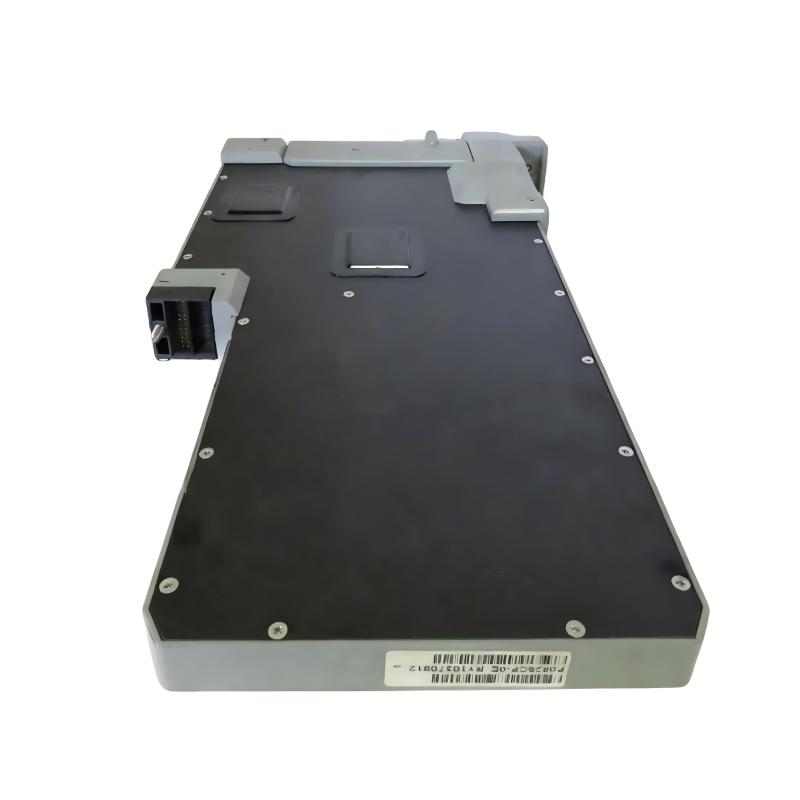
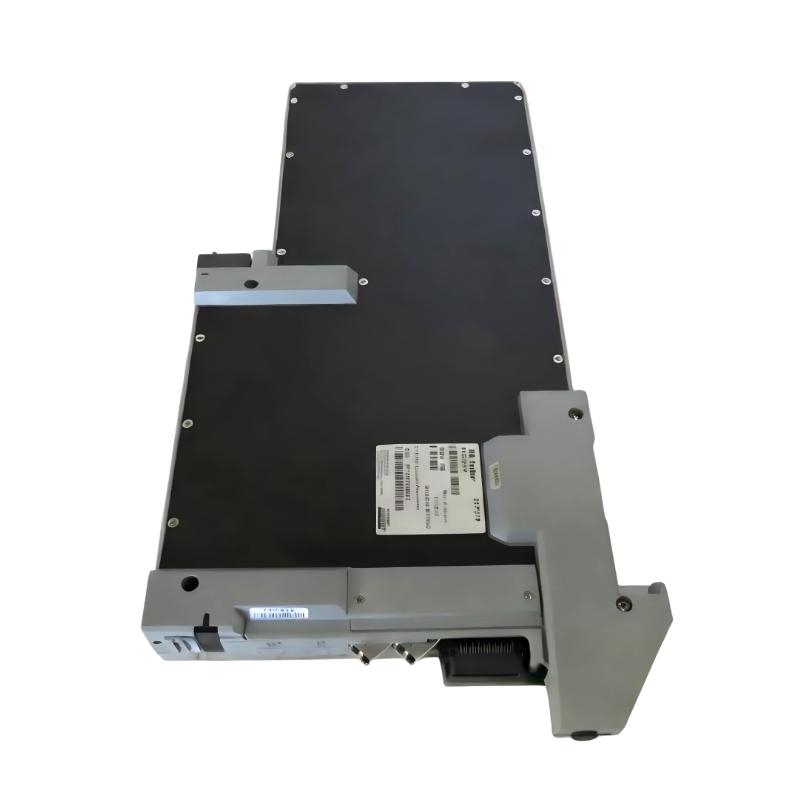
The supplied physical dimensions of the Foxboro ZCP270 P0926CP are 447 × 34.3 × 228 mm, with an approximate weight of 1.7 kg. Its compact rack-oriented construction makes it suitable for installation within industrial control cabinets and DCS equipment assemblies.
Technical Specifications
| Parameter |
Details |
| Manufacturer |
Foxboro |
| Model |
ZCP270 |
| Part Number |
P0926CP |
| Product Type |
DCS Control Processor |
| Primary Function |
Industrial Process Control |
| System Type |
Distributed Control System |
| Control Function |
Control Strategy Execution |
| Process Data Handling |
Real-Time Process Data Processing |
| I/O Communication |
Connected DCS I/O Architecture |
| Network Communication |
Industrial Control Network |
| Installation |
Control Cabinet / Rack |
| Dimensions |
447 × 34.3 × 228 mm |
| Weight |
Approx. 1.7 kg |
| Application |
Process Automation and DCS |
| Operating Environment |
Industrial |
| Typical Duty |
Continuous Process Control |
Function and Working Principle
The primary function of the Foxboro ZCP270 P0926CP is to execute control applications within a Distributed Control System.
A control processor continuously receives information from field instruments through the system’s I/O infrastructure. The processor evaluates this information against the configured control strategy and generates the required output commands.
A simplified control process can be represented as:
Field Sensors
↓
I/O Modules
↓
ZCP270 Control Processor
↓
Control Logic
↓
Output Commands
↓
Actuators / Final Control Elements
The processor may be responsible for handling:
- Analog process values
- Digital status signals
- Control calculations
- Interlocking logic
- Alarm-related data
- Sequence operations
- Process control algorithms
- Communication with supervisory systems
- System diagnostics
This continuous processing cycle allows the DCS to maintain stable process operation.
What Is the Foxboro ZCP270 Used For?
The ZCP270 is used as a control-processing component within industrial process automation systems.
It can participate in applications involving:
- Temperature control
- Pressure regulation
- Flow control
- Level control
- Motor control
- Valve control
- Process sequencing
- Equipment interlocking
- Alarm processing
- Continuous process monitoring
For example, in a chemical process, field transmitters may measure pressure and temperature. The corresponding I/O modules pass these signals to the control processor. The ZCP270 executes the configured control strategy and determines the required output signal for valves, pumps, heaters, or other process equipment.
Role in Industrial Control Systems
The control processor is one of the most important elements in a DCS architecture because it transforms field measurements into control actions.
A typical architecture can be represented as:
Operator Workstation
↓
DCS Network
↓
ZCP270 Control Processor
↓
I/O Subsystem
↓
Field Instruments
The processor sits between the supervisory control layer and the physical process.
It may handle communication with:
- I/O modules
- Communication modules
- Redundant control processors
- Engineering workstations
- Operator stations
- Historian systems
- Network infrastructure
This architecture allows process operators to monitor plant conditions while the control processor performs real-time control functions.
Control Processing Cycle
A typical control cycle consists of several stages.
1. Input Acquisition
The processor receives current process information from the connected I/O subsystem.
2. Data Processing
Input values are interpreted and processed according to the configured control strategy.
3. Control Calculation
The processor performs control calculations, logic operations, sequencing, or interlocking functions.
4. Output Generation
The processor generates output commands based on the control strategy.
5. Process Response
Actuators such as control valves, motors, pumps, and other final control elements respond to the output commands.
6. Feedback
Updated process measurements are returned to the control system, allowing the cycle to continue.
This repetitive process allows industrial systems to maintain stable operation with minimal manual intervention.
Industrial Applications
The Foxboro ZCP270 can be integrated into process automation systems across numerous industries.
Oil and Gas
The processor can support control functions associated with:
- Pumping systems
- Separation processes
- Pressure control
- Flow regulation
- Gas processing
Petrochemical
It can be used within DCS architectures controlling:
- Reactors
- Distillation systems
- Heat exchangers
- Pumps
- Compressors
Chemical Processing
The processor can participate in temperature, pressure, flow, and level control applications.
Power Generation
DCS control processors can support monitoring and control functions throughout power generation facilities.
Water Treatment
Industrial process controllers can coordinate pumps, valves, treatment equipment, and monitoring systems.
Manufacturing
The processor can support continuous and batch process automation where centralized control and distributed I/O are required.
Installation and System Integration
The ZCP270 P0926CP should be installed as part of the appropriate Foxboro DCS hardware architecture.
A general installation process includes:
- Verify the processor model and part number.
- Confirm system compatibility.
- Inspect the processor for physical damage.
- Install the processor in the designated rack or cabinet position.
- Secure the mounting hardware.
- Connect the required power infrastructure.
- Connect the control network.
- Connect the applicable I/O and communication interfaces.
- Load or verify the correct control configuration.
- Confirm processor status.
- Verify communication with the I/O subsystem.
- Test control functions.
- Check diagnostic information.
- Confirm normal system operation.
Installation should be performed by qualified automation personnel familiar with the applicable DCS architecture.
System Integration Considerations
When integrating a control processor into an existing DCS, engineers should verify several important factors.
Hardware Compatibility
The processor must be compatible with the specific rack, power system, I/O architecture, and communication infrastructure.
Software Compatibility
The control strategy and engineering environment must support the processor configuration.
Network Configuration
The processor needs to communicate correctly with other control-system components.
I/O Configuration
All connected I/O channels should correspond correctly with the control strategy.
Redundancy
Where high availability is required, the processor architecture should be checked for applicable redundancy arrangements.
Configuration Backup
The existing control configuration should be backed up before performing hardware replacement or major system modifications.
Compatible System Components
The Foxboro ZCP270 P0926CP is designed to operate as part of a larger DCS environment.
| Component |
Function |
| Foxboro I/O Modules |
Process Signal Acquisition |
| Analog Input Modules |
Temperature, Pressure and Flow Signals |
| Analog Output Modules |
Control Valve and Actuator Commands |
| Digital Input Modules |
Status and Switching Signals |
| Digital Output Modules |
Equipment Control |
| DCS Network Modules |
System Communication |
| Industrial Ethernet Switches |
Network Infrastructure |
| Operator Workstations |
Process Monitoring |
| Engineering Workstations |
System Configuration |
| Historian Servers |
Process Data Storage |
| Control Cabinet |
Hardware Installation |
| Power Supply Modules |
Processor and System Power |
| Redundant Control Components |
High Availability |
The exact combination of components depends on the DCS configuration and application requirements.
Control Processor Maintenance
A control processor is normally designed for continuous operation, but preventive maintenance remains important.
| Inspection Item |
Purpose |
| Processor Status |
Confirm normal operation |
| Diagnostic Indicators |
Identify system abnormalities |
| Power Supply |
Verify stable power |
| Network Connections |
Check communication |
| Cabinet Temperature |
Prevent overheating |
| Cooling System |
Maintain proper airflow |
| Configuration Backup |
Protect control strategy |
| I/O Communication |
Verify field data exchange |
| Event Logs |
Identify recurring faults |
| Mounting Hardware |
Check mechanical stability |
Maintenance activities should be planned carefully because control-system hardware may be part of a continuously operating production process.
Common Troubleshooting Symptoms
| Symptom |
Possible Cause |
| Processor Does Not Start |
Power or hardware problem |
| Communication Failure |
Network connection issue |
| I/O Data Unavailable |
I/O communication fault |
| Control Loop Abnormal |
Configuration or input problem |
| Processor Diagnostic Alarm |
Hardware or software condition |
| Intermittent Communication |
Network or connection issue |
| Multiple I/O Modules Offline |
Controller or network problem |
| Unexpected Process Response |
Control configuration issue |
| Processor Redundancy Alarm |
Redundant system problem |
| System Cannot Download Configuration |
Engineering or communication issue |
Troubleshooting should be performed systematically to prevent unnecessary replacement of functioning hardware.
Recommended Troubleshooting Procedure
Check Power
Verify that the processor and associated control-system equipment receive the required power.
Check Status Indicators
Review the processor’s operating and diagnostic indicators.
Check Network Connections
Inspect communication cables, network interfaces, and connected switches.
Check I/O Communication
Determine whether the problem affects one I/O module or the entire I/O subsystem.
Check Configuration
Verify that the control strategy and hardware configuration correspond to the installed processor.
Review Diagnostics
Analyze available system diagnostic information to identify hardware, communication, or configuration abnormalities.
Verify Process Data
Check whether the input values received by the processor are valid and consistent with field conditions.
Recommended Alternative Models
| Model |
Product Type |
Key Feature |
Typical Application |
| ZCP270 P0926CP |
DCS Control Processor |
Real-Time Process Control |
Foxboro DCS |
| Foxboro Control Processor Series |
DCS Processor |
Centralized Control Execution |
Process Automation |
| Foxboro Redundant Control Processor |
DCS Processor |
High Availability |
Critical Process Plants |
| Foxboro I/O Controller |
Control Module |
Distributed I/O Processing |
Industrial Automation |
| Industrial DCS Processor |
Control Processor |
Continuous Process Control |
Chemical Industry |
| High-Availability DCS Controller |
Control Processor |
Redundant Architecture |
Power and Oil & Gas |
| Process Automation Controller |
Industrial Controller |
Real-Time Control |
Manufacturing |
| DCS CPU Module |
Control Processor |
Control Strategy Execution |
Process Industries |
Alternative control processors should not be selected solely based on physical dimensions. Engineers should verify processor generation, system architecture, software compatibility, rack type, I/O compatibility, communication interfaces, and redundancy requirements before replacement.
Key Advantages
- Designed for Distributed Control System applications
- Provides real-time process control processing
- Handles control strategies and process calculations
- Supports communication with distributed I/O
- Suitable for continuous industrial operation
- Integrates into centralized and distributed control architectures
- Supports process monitoring and control functions
- Suitable for demanding process automation environments
- Compact rack-oriented design
- Dimensions of 447 × 34.3 × 228 mm
- Approximate weight of 1.7 kg
- Suitable for industrial control cabinets
- Can operate as part of a larger Foxboro DCS architecture
Technical FAQs
What is the Foxboro ZCP270 P0926CP?
The Foxboro ZCP270 P0926CP is a DCS control processor designed to execute process control strategies and coordinate control operations within an industrial automation system.
What does the ZCP270 control processor do?
It receives process information from the I/O subsystem, executes configured control logic and calculations, and generates control commands for connected process equipment.
Is the ZCP270 a PLC?
The ZCP270 is primarily a DCS control processor, rather than a conventional standalone PLC. It is designed to operate as part of a distributed process control architecture.
What applications can use the ZCP270?
Typical applications include oil and gas, petrochemical processing, chemical production, power generation, water treatment, and other continuous process industries.
What are the dimensions?
The supplied dimensions are:
447 × 34.3 × 228 mm
What is the weight?
The approximate weight is:
1.7 kg
What components work with the ZCP270?
Depending on the system configuration, it can work with DCS I/O modules, communication modules, industrial Ethernet switches, operator stations, engineering workstations, power supplies, and other control-system components.
Can the processor control valves and motors?
The processor can generate control commands through the applicable output modules. The actual connection to valves, motors, pumps, and other equipment is normally handled through the DCS I/O subsystem.
What should be checked before replacing a ZCP270?
Engineers should verify the processor model, part number, DCS generation, rack compatibility, software configuration, I/O architecture, communication network, and redundancy requirements.
Why is the control processor important?
The processor executes the control strategy that converts field measurements into appropriate control actions. A properly functioning control processor is therefore fundamental to stable automated process operation.
Conclusion
The Foxboro ZCP270 P0926CP Control Processor is an important processing component for industrial Distributed Control Systems. It provides the computing capability required to execute control strategies, process field information, coordinate I/O operations, and communicate with other components of the automation architecture.
With supplied dimensions of 447 × 34.3 × 228 mm and an approximate weight of 1.7 kg, the ZCP270 is designed for integration into industrial control cabinets and DCS hardware assemblies.
The processor works together with I/O modules, communication interfaces, industrial Ethernet switches, operator workstations, engineering stations, power supplies, and other DCS components. Through this integrated architecture, it can support control functions involving temperature, pressure, flow, level, sequencing, interlocking, and other process variables.
For system integrators and maintenance engineers, the most important identification information is Foxboro ZCP270 / P0926CP. Before installation or replacement, the complete DCS hardware and software architecture should be checked to ensure compatibility.
Overall, the Foxboro ZCP270 P0926CP provides a central processing foundation for reliable industrial process control, helping maintain continuous communication between the field level, control level, and supervisory level of a modern DCS.