

ProductPRODUCT
Featured products
Contact Us
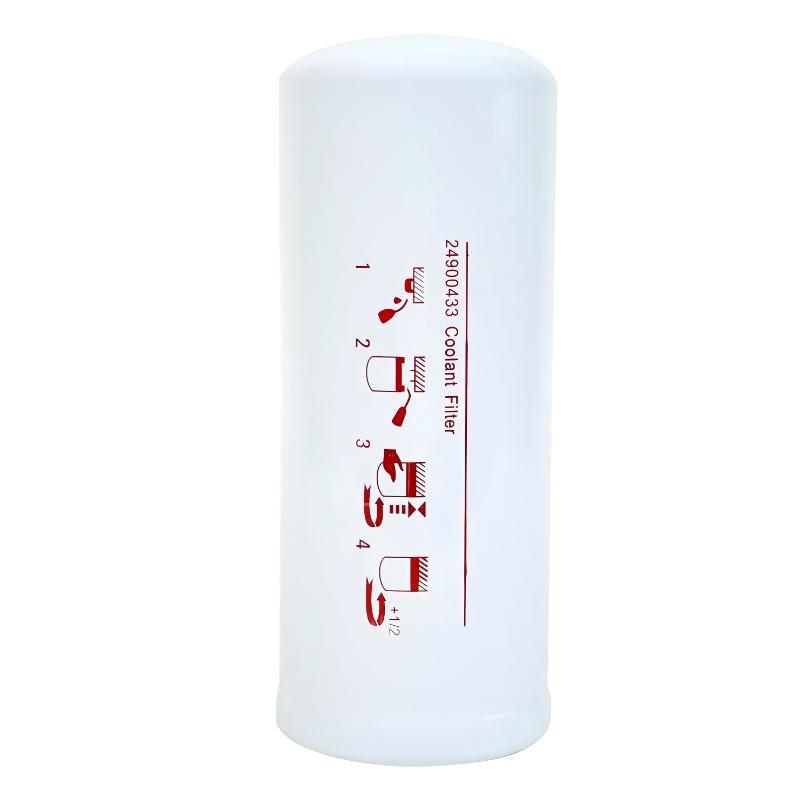
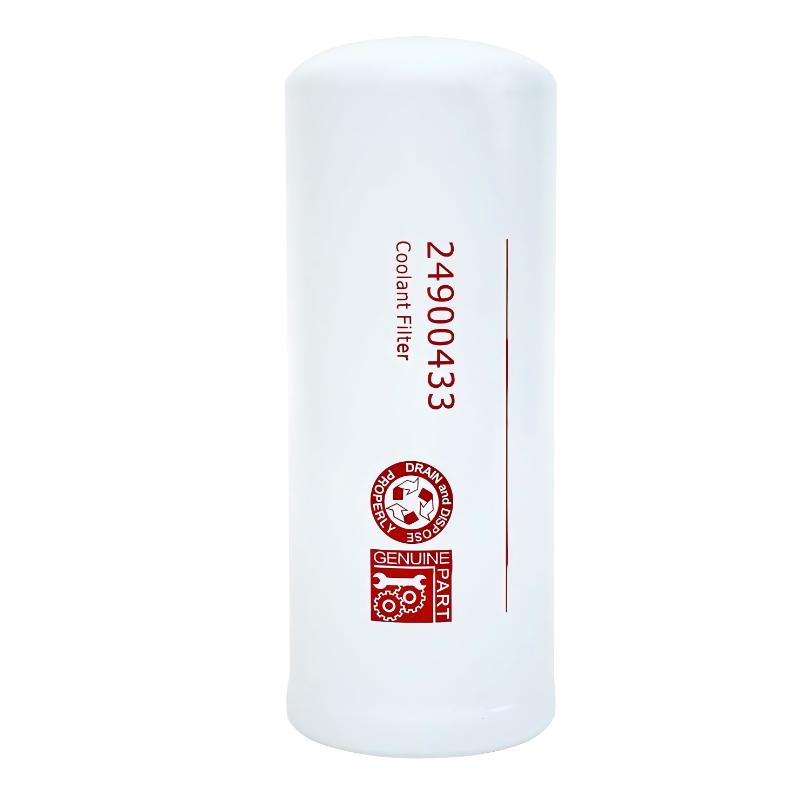
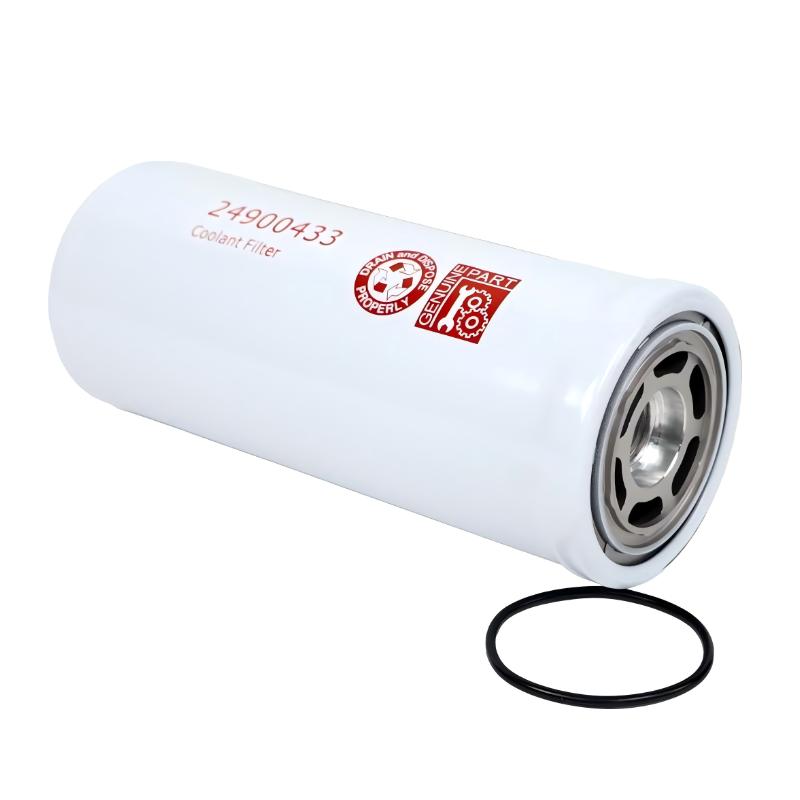
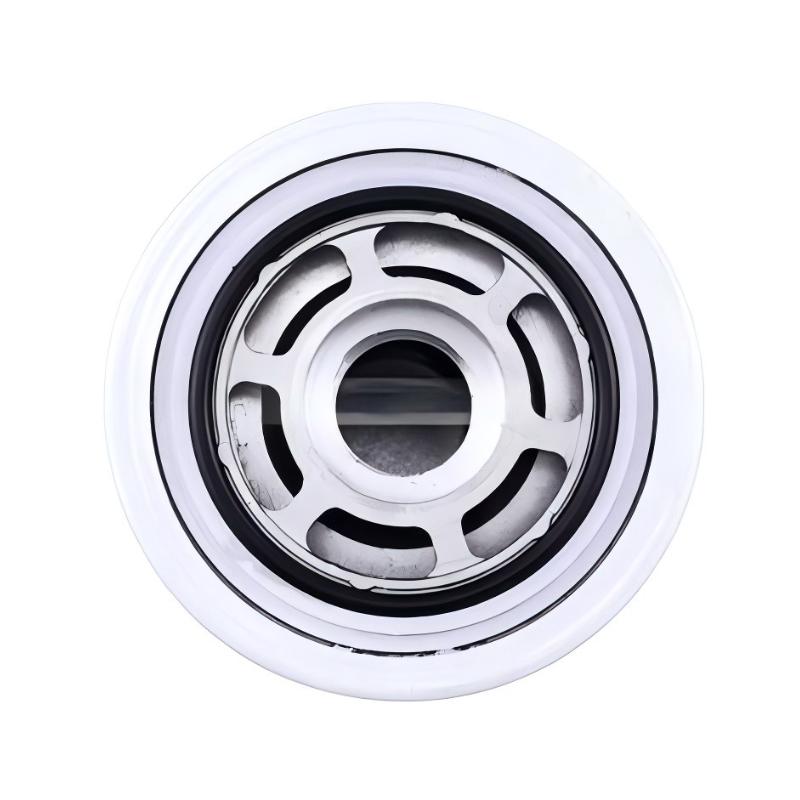
- Ingersoll Rand
- 47704431001 24900433
- Oil Filter
- USA
- 208 x 50 x 95 mm
- 1.36 kg
- Xiamen, China
- New & In Stock
- T/T, PayPal, Western Union
- 1 Year
- 1-3 Working Days
- DHL, UPS, TNT, FedEx and EMS.
- 24-Hour Service
- COO
- 51
Our advantage

Global Logistics
We have a 10-year logistics and express cooperation agreement, so our products can be shipped to any place in the world.

Brand new and original
Our products are imported in bulk from the place of origin. Because of the cooperative relationship, our products are all original and 100% new.

24-hour service
We provide 7*24 hours service to our customers. We will be there whenever you need us.

Price advantage
All our products are priced very favorably because we have our own warehouse and supply.
| Company Information | |||
| [email protected] | |||
| Mobile | +8615980777398 | ||
| +8615980777398 | |||
| 15980777398 |
Product Overview
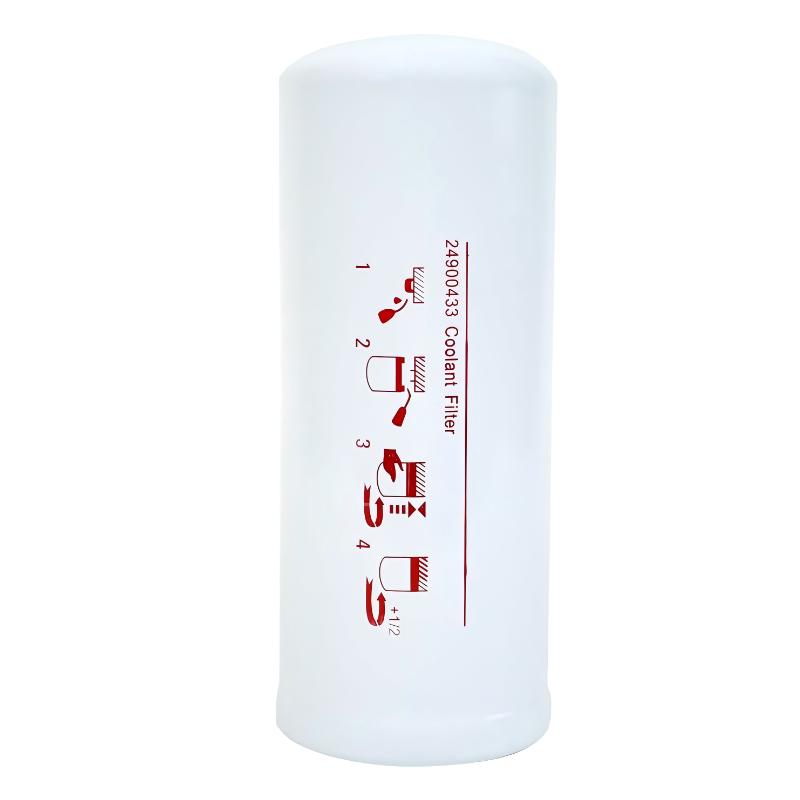
The Ingersoll Rand 47704431001 24900433 Oil Filter is a replacement filtration component used in compatible Ingersoll Rand industrial air compressor lubrication systems. The oil filter is responsible for removing contaminants from circulating compressor oil before the lubricant reaches critical internal components.
Clean lubricant is essential for compressor reliability. During normal operation, compressor oil can collect particles and other contaminants generated by wear, thermal degradation, environmental contamination, or normal system operation. If these contaminants are not adequately removed, they can circulate through bearings, seals, the compression element, and other components.
The 47704431001 24900433 Oil Filter is supplied with dimensions of 208 × 50 × 95 mm and a weight of 1.36 kg. It is intended to be installed as part of the compressor’s scheduled filtration and lubrication maintenance program.
Correct filter selection, installation, sealing, and maintenance are important for maintaining proper oil circulation and preventing lubrication-related faults.
Product Information
- Manufacturer: Ingersoll Rand
- Reference: 47704431001
- Part Number: 24900433
- Product Type: Oil Filter
- Application: Industrial Air Compressor
- Dimensions: 208 × 50 × 95 mm
- Weight: 1.36 kg
- Primary Function: Compressor Oil Filtration
- System Role: Lubrication System Protection
Technical Specifications
| Parameter | Specification |
|---|---|
| Manufacturer | Ingersoll Rand |
| Reference | 47704431001 |
| Part Number | 24900433 |
| Product Type | Oil Filter |
| Application | Industrial Air Compressor |
| Dimensions | 208 × 50 × 95 mm |
| Weight | 1.36 kg |
| Main Function | Oil Filtration |
| Installation Location | Compressor Oil Circuit |
| Maintenance Type | Filter Replacement |
| System Function | Lubricant Contamination Control |
The supplied dimensions and weight should be used for maintenance planning and replacement-part identification.
Function and Working Principle
The oil filter operates within the compressor lubrication circuit.
A simplified oil-flow arrangement is:
Compressor Oil
↓
Oil Filter
↓
Clean Filtered Oil
↓
Bearings / Compression Element / Lubricated Components
↓
Oil Recovery and Circulation
The filter traps contaminants within the oil stream while allowing the lubricant to continue through the lubrication system.
The main purposes of the oil filter are to:
- Remove contaminants
- Protect lubricated components
- Reduce particle circulation
- Support oil cleanliness
- Help maintain lubrication performance
- Reduce premature component wear
The filter is therefore a relatively simple component with an important role in overall compressor reliability.
Role in Industrial Air Compressors
Compressor oil is used for multiple functions depending on the compressor design, including:
- Lubrication
- Cooling
- Sealing
- Heat transfer
- Internal component protection
As the compressor operates, contaminants can enter or develop within the lubrication system.
If filtration becomes inadequate, contaminants may circulate through sensitive components.
A properly maintained oil filter helps maintain a cleaner lubricant circuit and supports stable compressor operation.
Typical Applications
The 24900433 oil filter may be used during maintenance of compatible Ingersoll Rand compressor systems.
Typical applications include:
- Scheduled compressor servicing
- Preventive maintenance
- Oil-system maintenance
- Contaminated-oil troubleshooting
- Filter replacement
- Compressor overhaul
- Lubrication-system inspection
Always verify that the filter part number is correct for the specific compressor configuration before installation.
Installation Guide
1. Verify the Replacement Filter
Before installation, confirm:
Ingersoll Rand 47704431001
24900433 Oil Filter
Inspect the replacement filter for:
- Correct part number
- Physical damage
- Damaged threads
- Damaged sealing surface
- Contamination
- Packaging damage
Do not install a filter that appears damaged.
2. Shut Down the Compressor
Stop the compressor using the normal shutdown sequence.
Then isolate it according to the site’s approved lockout/tagout procedure.
The compressor should be:
- Shut down
- Electrically isolated
- Depressurized
- Allowed to cool
- Protected from accidental restart
3. Allow the Oil System to Cool
Compressor oil can remain hot after shutdown.
Allow sufficient cooling time before removing the filter.
Hot oil can cause serious burns and can also make filter removal more difficult.
4. Prepare the Work Area
Prepare:
- Replacement 24900433 oil filter
- Appropriate filter-removal tools
- Clean containers
- Clean cloths
- Approved lubricant
- Suitable cleaning materials
Place a collection container beneath the filter area to catch residual oil.
5. Remove the Existing Filter
Carefully loosen the existing oil filter.
Expect some residual oil to drain during removal.
Avoid allowing oil to spill onto:
- Electrical components
- Wiring
- Belts
- Motors
- Control equipment
- Walkways
Dispose of the used filter according to the site’s environmental and maintenance procedures.
6. Inspect the Filter Mounting Area
After removing the old filter, inspect the mounting surface.
Check for:
- Old gasket material
- Dirt
- Metal particles
- Oil deposits
- Damage
- Thread damage
- Leakage marks
The mounting surface should be clean before the new filter is installed.
7. Compare Old and New Filters
Before installation, compare the replacement filter with the removed unit.
Check:
- Physical dimensions
- Connection arrangement
- Sealing surface
- Thread configuration
- Part number
If the replacement does not match the existing configuration, stop the installation and verify the correct replacement part.
8. Prepare the Filter Seal
Inspect the filter’s sealing area.
Where required by the applicable maintenance procedure, apply a thin layer of clean, compatible compressor oil to the sealing surface.
Do not use excessive lubricant.
9. Install the New Oil Filter
Install the 24900433 oil filter carefully.
Make sure the filter is correctly aligned.
Do not cross-thread the filter.
Once the filter is properly seated, tighten it according to the applicable installation procedure.
Avoid excessive tightening because this can damage the filter housing, threads, or sealing surface.
10. Check the Oil Level
After installation, verify the compressor oil level according to the applicable compressor maintenance procedure.
If oil was lost during filter replacement, replenish the system with the correct compressor lubricant.
Do not mix incompatible lubricants.
11. Start the Compressor
After confirming that all tools have been removed and all connections are secure, restore the compressor according to the approved operating procedure.
Observe the compressor during startup.
12. Check for Oil Leakage
Inspect the new filter and surrounding area.
Look for:
- Oil droplets
- Wet sealing areas
- Persistent leakage
- Loose filter connections
If leakage is detected, stop the compressor and investigate the cause.
Commissioning Procedure
After replacing the filter, perform a basic operating check.
Step 1 — Start the Compressor
Start the compressor under normal conditions.
Step 2 — Monitor Oil Pressure
Verify that oil pressure develops normally according to the compressor’s operating requirements.
Step 3 — Inspect the Filter
Check for leakage around the filter seal.
Step 4 — Monitor Temperature
Observe compressor oil temperature.
Step 5 — Check for Abnormal Noise
Listen for unusual mechanical sounds that could indicate a lubrication problem.
Step 6 — Verify Stable Operation
Allow the compressor to reach normal operating conditions and verify stable operation.
Troubleshooting Guide
Problem 1: Oil Filter Leaks
Possible causes:
- Damaged seal
- Incorrect installation
- Dirty mounting surface
- Cross-threading
- Excessive or insufficient tightening
- Damaged filter
Recommended Checks
- Stop the compressor.
- Depressurize and isolate the system.
- Inspect the sealing surface.
- Check filter alignment.
- Inspect the seal.
- Reinstall or replace the filter if necessary.
Problem 2: Low Oil Pressure After Filter Replacement
Possible causes include:
- Incorrect filter
- Filter installation problem
- Low oil level
- Oil leakage
- Restricted oil circuit
- Incorrect lubricant
- Other lubrication-system problems
Do not immediately assume that the new filter is defective.
Check the entire lubrication circuit.
Problem 3: Oil Pressure Is Unstable
Possible causes:
- Low oil level
- Air entering the oil circuit
- Filter restriction
- Oil-flow problem
- Temperature-related viscosity change
- Pressure-regulation problem
Compare operating behavior before and after filter replacement.
Problem 4: Compressor Oil Temperature Is Too High
Possible causes include:
- Restricted oil flow
- Oil cooler problem
- Poor airflow
- Incorrect oil level
- Incorrect lubricant
- Excessive operating load
- Lubrication-system fault
The oil filter should be checked, but the entire thermal-management system should also be investigated.
Problem 5: Filter Appears to Block Quickly
Possible causes:
- Excessive contamination
- Oil degradation
- Internal component wear
- Incorrect lubricant
- Environmental contamination
- Incorrect filter
- Extended maintenance interval
If a new filter becomes restricted unusually quickly, investigate the source of contamination rather than repeatedly replacing filters.
Problem 6: Oil Contains Excessive Particles
Potential causes include:
- Internal component wear
- Oil degradation
- Contaminated replacement oil
- Inadequate filtration
- Previous mechanical damage
Inspect the oil and lubrication system for the source of contamination.
Problem 7: Oil Level Drops After Filter Replacement
A small reduction may result from oil retained in the new filter and surrounding circuit.
However, continued oil loss may indicate:
- External leakage
- Internal oil consumption
- Separator problems
- Incorrect oil level
- Other compressor faults
Inspect the entire system.
Problem 8: Compressor Develops Abnormal Noise
Abnormal noise after filter replacement should not be ignored.
Potential causes include:
- Insufficient lubrication
- Low oil level
- Incorrect filter installation
- Oil-flow restriction
- Mechanical component wear
Stop the machine if serious abnormal noise is accompanied by low oil pressure or other warning conditions.
Oil Filter Fault Diagnosis
A systematic diagnostic path is recommended:
Oil Level
↓
Oil Filter
↓
Oil Flow
↓
Oil Pressure
↓
Oil Cooler
↓
Lubricated Components
↓
Compressor Operating Condition
This approach helps determine whether the filter is actually responsible for a lubrication problem.
Preventive Maintenance
| Inspection Item | Recommended Check |
|---|---|
| Oil Filter | Replace according to maintenance schedule |
| Filter Seal | Check for leakage |
| Mounting Surface | Keep clean |
| Oil Level | Verify regularly |
| Oil Condition | Inspect for contamination |
| Oil Pressure | Monitor operating condition |
| Oil Temperature | Monitor operating condition |
| Oil Cooler | Inspect cleanliness |
| Oil Lines | Check for leakage |
| Compressor Noise | Monitor for changes |
| Used Filter | Inspect for unusual contamination |
Common Oil Filter Replacement Mistakes
Installing the Wrong Filter
A filter that physically fits may not necessarily be the correct filter for the compressor.
Always verify the complete part number.
Leaving the Old Seal in Place
When applicable, the old sealing element must not remain on the mounting surface.
A trapped old seal can create a serious leakage problem.
Installing the Filter Dry When Lubrication Is Required
Some filter installations require lubrication of the sealing surface.
Follow the applicable compressor maintenance procedure.
Over-Tightening
Excessive tightening can damage the filter or mounting connection.
Ignoring Oil Contamination
If the removed filter contains an unusual amount of metallic debris or other contamination, simply installing a new filter may not solve the underlying problem.
Investigate the source.
Filter Replacement Inspection Checklist
- Correct 47704431001 reference confirmed
- Correct 24900433 filter confirmed
- Compressor safely shut down
- Electrical isolation completed
- System safely depressurized
- Oil allowed to cool
- Used filter removed
- Mounting surface cleaned
- Replacement filter inspected
- Seal inspected
- Filter correctly installed
- Oil level checked
- Compressor restarted safely
- Oil pressure monitored
- Oil leakage checked
- Operating temperature checked
- Final inspection completed
Key Advantages
- Designed for compatible Ingersoll Rand compressor lubrication systems
- Supports effective compressor oil filtration
- Helps remove contaminants from circulating lubricant
- Supports protection of lubricated components
- Supplied dimensions of 208 × 50 × 95 mm
- Supplied weight of 1.36 kg
- Suitable for scheduled compressor maintenance
- Supports preventive maintenance programs
- Helps maintain oil-system cleanliness
- Can contribute to reliable compressor operation
Technical FAQs
What is the Ingersoll Rand 24900433?
The 24900433 is an oil filter identified with the supplied 47704431001 reference for compatible Ingersoll Rand compressor applications.
What is the function of an oil filter?
The oil filter removes contaminants from circulating compressor oil to help protect lubricated components.
What are the dimensions of the 24900433?
The supplied dimensions are 208 × 50 × 95 mm.
What is its weight?
The supplied weight is 1.36 kg.
Why is oil filtration important?
Contaminated oil can accelerate wear of bearings, seals, compression components, and other lubricated parts.
What causes an oil filter to become restricted?
Contamination, degraded oil, internal wear debris, environmental contamination, or an extended maintenance interval can increase filter loading.
Why does a new oil filter leak?
Possible causes include an incorrectly installed seal, dirty mounting surface, incorrect filter alignment, damaged filter, or improper tightening.
Why is oil pressure low after filter replacement?
Check the oil level, filter identification, installation, oil leakage, and lubrication circuit before assuming the filter itself is defective.
Should the oil filter be replaced while the compressor is running?
No. The compressor should be shut down, isolated, and placed in a safe maintenance condition before filter replacement.
Why should the compressor oil be allowed to cool?
Hot compressor oil can cause serious burns and may make maintenance work unsafe.
What should I inspect on the old filter?
Inspect it for unusual amounts of metal particles, sludge, discoloration, or other contamination. Abnormal contamination may indicate a larger compressor problem.
Can repeated filter replacement solve severe oil contamination?
Not necessarily. If the source of contamination remains in the compressor, repeatedly installing new filters will not address the underlying cause.
What should be checked after replacing the filter?
Check oil level, oil pressure, filter leakage, oil temperature, compressor noise, and overall operating stability.
Conclusion
The Ingersoll Rand 47704431001 24900433 Oil Filter is an important filtration component for compatible industrial compressor lubrication systems. With supplied dimensions of 208 × 50 × 95 mm and a weight of 1.36 kg, it is suitable for planned maintenance and replacement operations.
The oil filter helps remove contaminants from circulating compressor oil, supporting the protection of bearings, seals, compression components, and other lubricated parts. Proper filtration is particularly important for compressors operating for long periods or under demanding industrial conditions.
Correct installation requires safe compressor shutdown, pressure isolation, sufficient cooling, removal of the used filter, cleaning of the mounting surface, correct positioning of the replacement filter, and careful inspection for leakage after startup.
When troubleshooting lubrication problems, technicians should not automatically blame the filter. Oil level, oil pressure, oil temperature, cooler condition, lubricant condition, internal wear, and possible contamination sources should all be considered.
Regular filter replacement combined with proper oil maintenance and contamination monitoring can help improve compressor reliability, reduce lubrication-related failures, and support longer service life of critical compressor components.