

ProductPRODUCT
Featured products
Contact Us
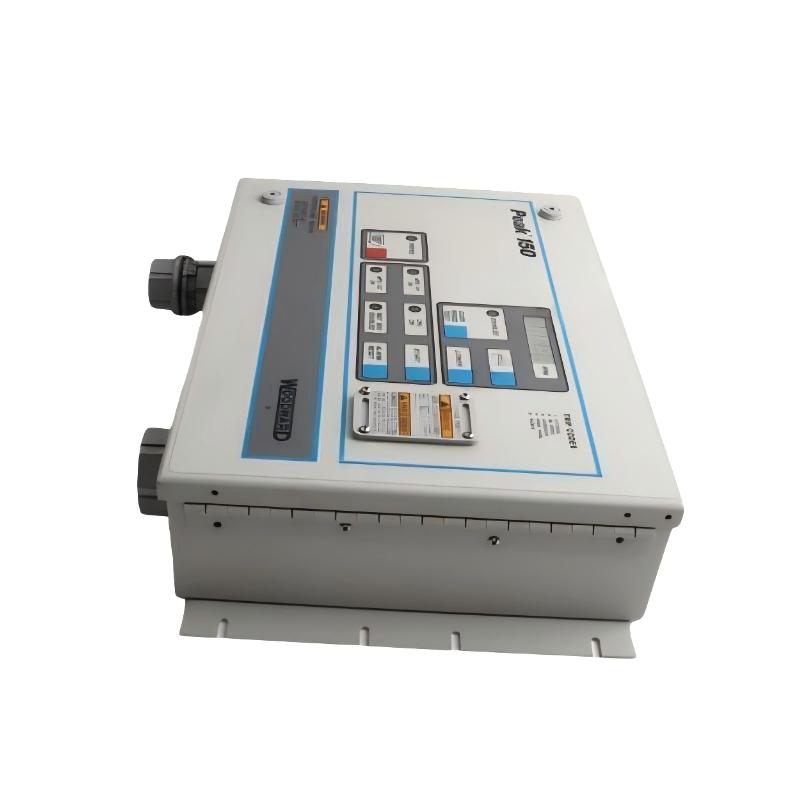
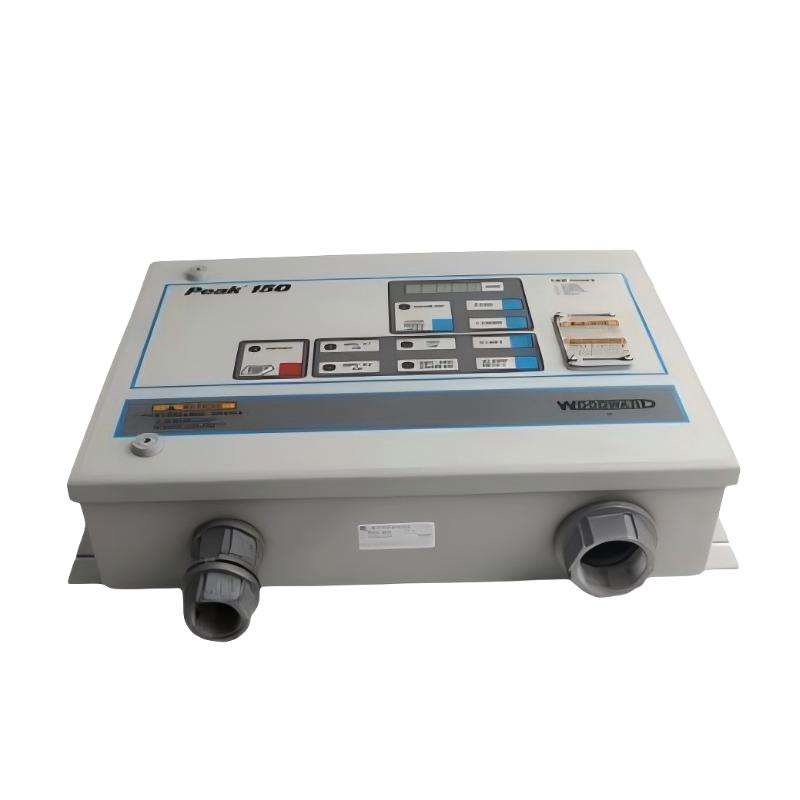
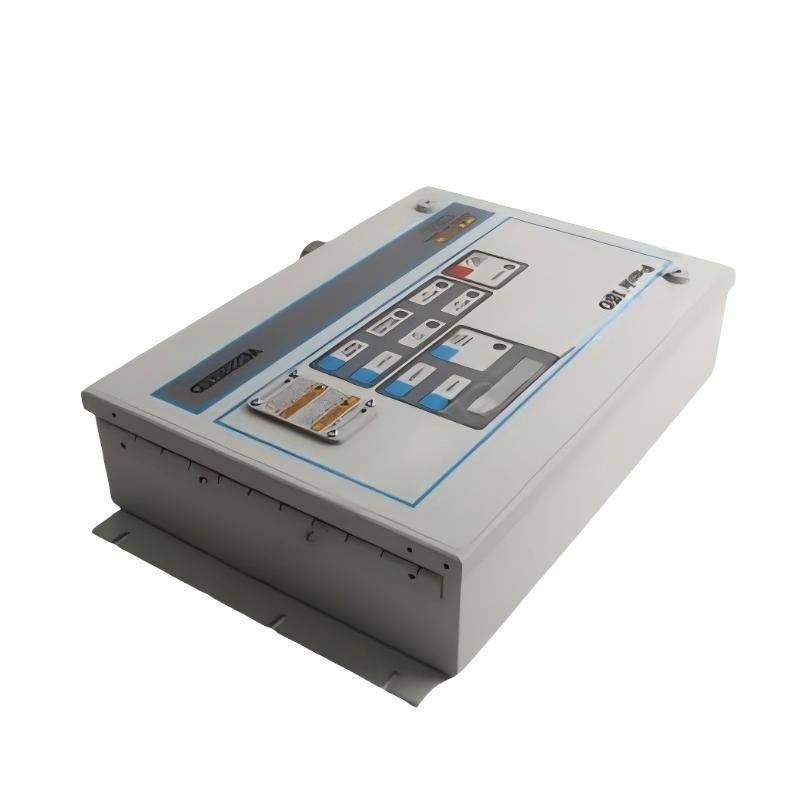
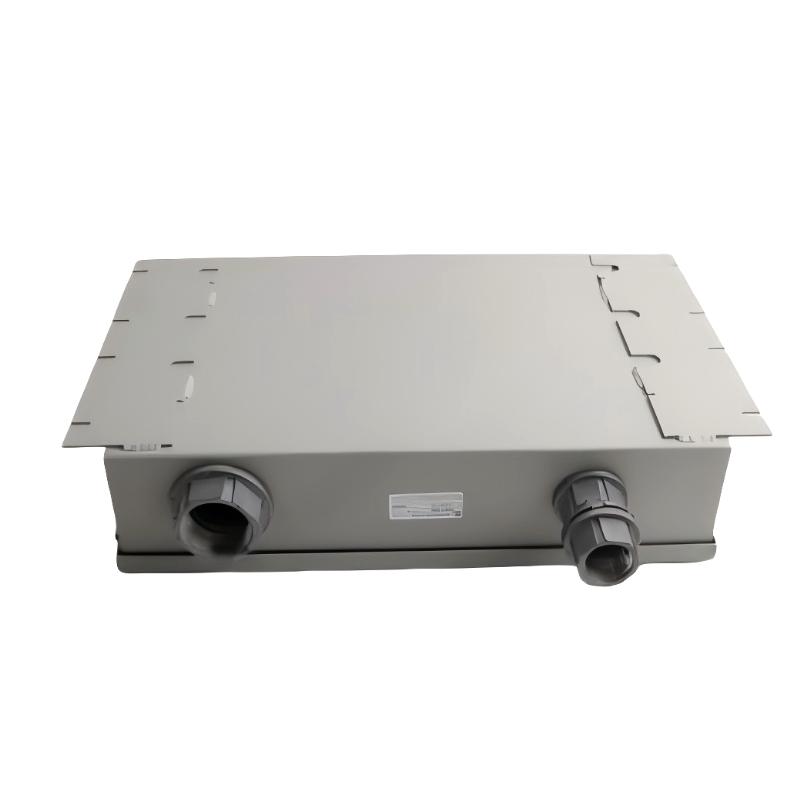
- Woodward
- 9905-860
- Digital Controller
- USA
- 263 x 58 x 28mm
- 1.36 kg
- Xiamen, China
- New & In Stock
- T/T, PayPal, Western Union
- 1 Year
- 1-3 Working Days
- DHL, UPS, TNT, FedEx and EMS.
- 24-Hour Service
- COO
- 4
Our advantage

Global Logistics
We have a 10-year logistics and express cooperation agreement, so our products can be shipped to any place in the world.

Brand new and original
Our products are imported in bulk from the place of origin. Because of the cooperative relationship, our products are all original and 100% new.

24-hour service
We provide 7*24 hours service to our customers. We will be there whenever you need us.

Price advantage
All our products are priced very favorably because we have our own warehouse and supply.
| Company Information | |||
| [email protected] | |||
| Mobile | +8615980777398 | ||
| +8615980777398 | |||
| 15980777398 |
Product Overview
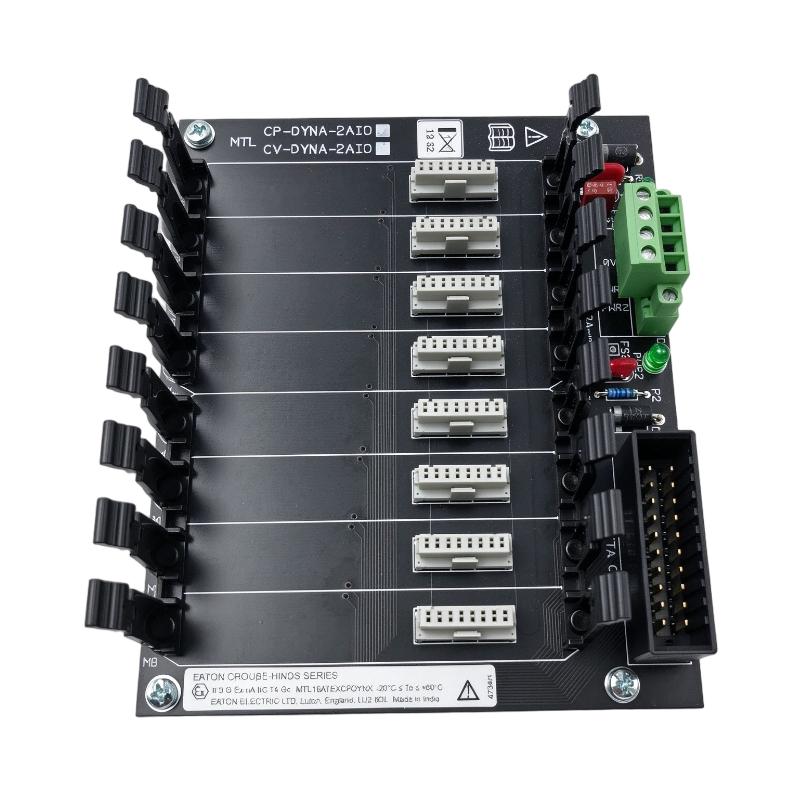
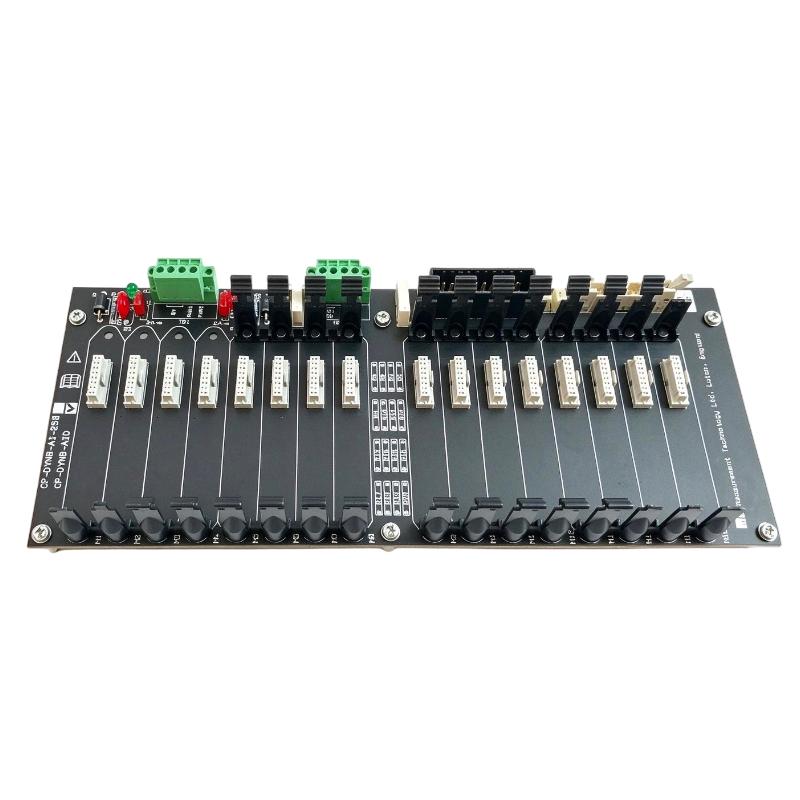
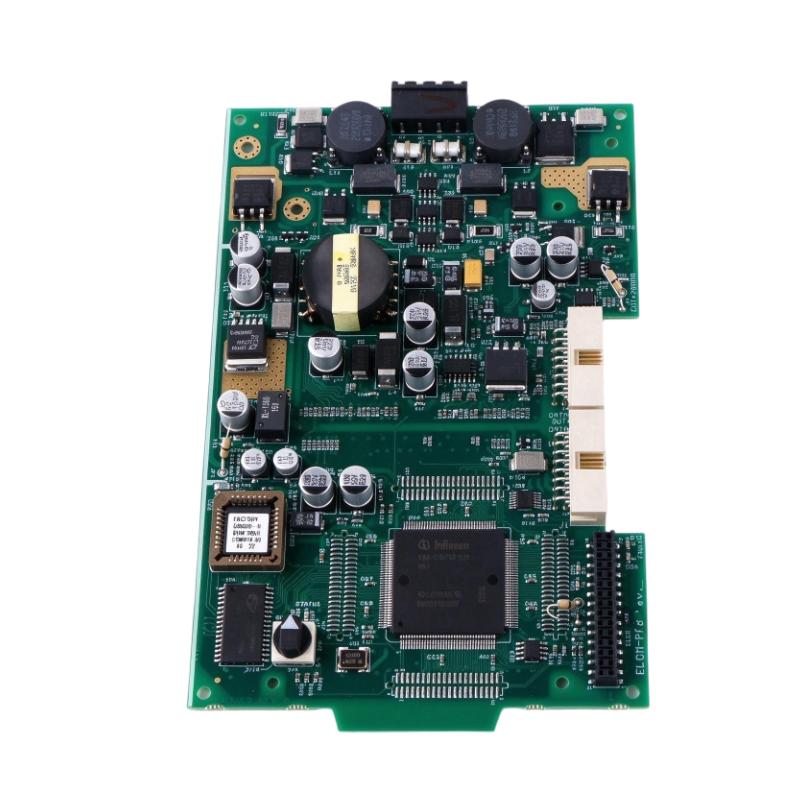
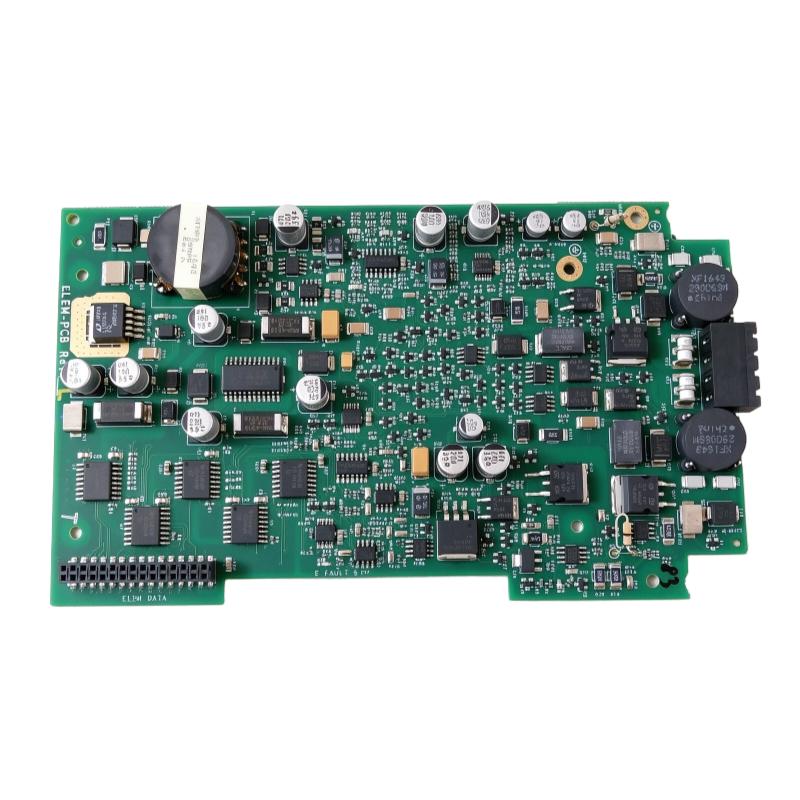
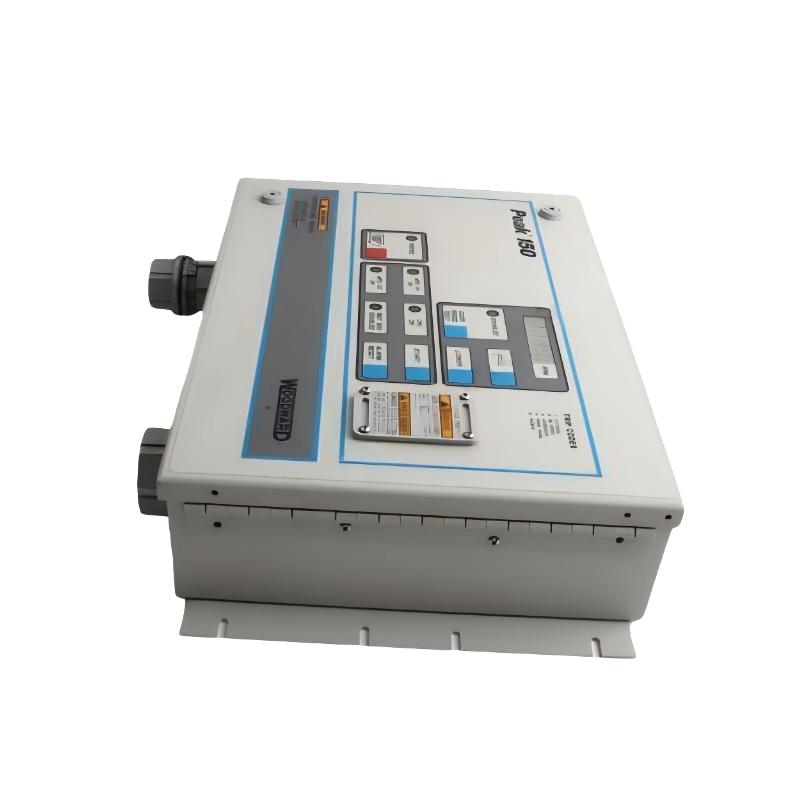
The Woodward 9905-860 Digital Controller is a Peak 150 digital control designed for steam turbine speed regulation and governing applications. It is used in industrial environments where turbine speed must be monitored and controlled according to operating requirements, process conditions, and configured control parameters.
Unlike a general-purpose programmable logic controller, the 9905-860 is a dedicated turbine control device. It processes speed feedback signals, compares actual turbine speed with the configured reference, and adjusts the steam valve actuator through its control output. This allows the turbine to maintain the required operating speed under changing load conditions.
The 9905-860 is the 24 V DC version of the Peak 150 control and includes Modbus serial communication. It is designed for single-valve steam turbines or single-valve rack arrangements. Its enclosure is specified as NEMA 4, making it suitable for installation environments requiring an enclosed industrial control unit when installed according to the manufacturer’s requirements.
The controller receives turbine speed information from magnetic pickup sensors. It also supports remote speed reference signals, discrete control inputs, analog outputs, and relay outputs. These interfaces allow the controller to interact with field instruments, actuator equipment, and supervisory control systems.
The Woodward 9905-860 is particularly relevant to maintenance and replacement work involving existing Peak 150 turbine control installations. Because turbine governing directly affects prime-mover operation, replacement must include verification of the complete part number, wiring, configuration, actuator compatibility, and independent overspeed protection.
Technical Specifications
| Parameter | Specification |
|---|---|
| Brand | Woodward |
| Model | 9905-860 |
| Product Series | Peak 150 |
| Product Type | Digital Steam Turbine Controller |
| Application | Single-valve steam turbine control |
| Power Supply | 24 V DC nominal |
| Input Supply Range | 18–32 V DC |
| Maximum Power Consumption | 38 W |
| Communication | Modbus serial communication |
| Serial Interface Options | RS-232, RS-422, or RS-485, depending on configuration |
| Speed Feedback | Magnetic pickup (MPU) |
| Magnetic Pickup Inputs | 2 |
| Minimum MPU Signal | 1 Vrms |
| Detectable MPU Frequency | 200 Hz to 15 kHz |
| Maximum Control Speed | 15,000 rpm |
| Remote Speed Reference | 4–20 mA or 1–5 V DC, jumper selectable |
| Discrete Inputs | 8 |
| Analog Readout Outputs | 2 |
| Analog Output Options | 4–20 mA or 0–1 mA, jumper selectable |
| Actuator Output | 4–20 mA or 0–200 mA, according to configuration |
| Relay Outputs | 4 hermetically sealed relays |
| Enclosure Rating | NEMA 4 |
| Operating Temperature | -25°C to +60°C |
| Storage Temperature | -40°C to +85°C |
| Dimensions Provided | 263 × 58 × 28 mm |
| Weight Provided | 1.36 kg |
Important: The dimensions and weight above are supplied listing values and should be verified against the actual unit. Published descriptions of the complete Peak 150 enclosure show substantially larger dimensions. Confirm whether the supplied measurements refer to an internal component, an incomplete assembly, or another measurement basis before publication.
Function and Working Principle
The Woodward 9905-860 performs dedicated turbine governing functions. Its primary task is to regulate turbine speed by processing feedback signals and controlling the steam valve actuator.
1. Turbine Speed Measurement
The controller receives speed signals from magnetic pickup sensors installed near a suitable rotating target, typically associated with the turbine shaft or another mechanically coupled component.
As the target rotates, the magnetic pickup generates electrical pulses. The frequency of these pulses corresponds to rotational speed.
The 9905-860 has two magnetic pickup inputs. Its documented configuration uses high-signal selection, allowing the controller to work with the available speed signals according to its internal signal-selection logic.
Reliable speed measurement depends on correct sensor installation, suitable signal amplitude, wiring integrity, and proper configuration.
2. Speed Reference Comparison
The controller compares measured turbine speed with the configured speed reference.
The reference may be established through the local operating interface, remote speed-setting input, or a combination of control sources, depending on the selected operating mode.
The Peak 150 supports manual, remote speed-setting, and combination operating modes. These modes allow the turbine control strategy to be adapted to the requirements of the installation.
When the measured speed differs from the required value, the controller calculates the appropriate control response.
3. Steam Valve Actuator Control
The controller generates an actuator output to adjust the steam valve position. Changing valve position regulates the amount of steam entering the turbine and therefore influences the turbine’s operating speed.
The actuator output configuration must match the installed actuator and its electrical requirements. The 9905-860 supports different actuator output ranges, including current-based configurations.
Correct actuator calibration, output selection, and control tuning are essential for stable turbine operation.
4. Remote Speed Setting
The 9905-860 supports a remote speed reference input that can be configured for 4–20 mA or 1–5 V DC signals.
This allows an external control system to provide a speed command when the controller is configured for remote operation.
For example, a plant control system may request a particular turbine speed according to production demand. The Peak 150 processes the reference and regulates the turbine through its actuator output.
The actual behavior depends on the selected operating mode, configured limits, and control parameters.
5. Alarm and Relay Functions
The controller provides four hermetically sealed relay outputs. These can be configured for relevant control, alarm, or status functions according to the application configuration.
Relay signals can be used by external equipment to indicate operating conditions or initiate associated control actions.
The relay contact ratings and wiring requirements must be checked before connecting external loads.
Role in Industrial Control Systems
The Woodward 9905-860 generally operates as a dedicated turbine governor within a wider industrial control and protection architecture.
It is responsible for turbine speed governing, while other control systems may handle plant sequencing, process monitoring, generator coordination, and supervisory functions.
1. Integration with PLC Systems
A PLC may exchange selected process information with the Peak 150 through compatible signal interfaces or Modbus communication.
For example, a PLC may monitor turbine-related operating information and coordinate auxiliary equipment. The Woodward controller remains responsible for its configured turbine governing function.
When integrating the 9905-860 with a PLC, engineers should verify communication settings, register mapping, serial interface type, and the intended master-slave relationship.
2. Integration with DCS Platforms
A distributed control system can provide centralized monitoring of turbine operation and related plant processes.
The Peak 150’s Modbus communication capability can support information exchange with compatible supervisory equipment. The actual data available depends on the controller’s configuration and communication implementation.
The DCS should not be assumed to replace the dedicated turbine governor. Control responsibilities and protection boundaries must be clearly defined.
3. Actuator and Field Instrument Integration
The controller receives speed feedback from magnetic pickup sensors and sends control signals to the steam valve actuator.
Other field devices may provide remote speed references, operating commands, and status signals.
Correct signal type, polarity, grounding, shielding, and terminal assignment are essential for reliable integration.
4. Independent Overspeed Protection
Turbine overspeed is a critical safety concern. The governing controller regulates normal operating speed, but an independent overspeed shutdown device should be provided as required by the turbine protection design.
The Peak 150’s overspeed-related functions and testing features must not be treated as a substitute for an independent protective system.
The complete turbine protection arrangement should follow the applicable engineering standards, manufacturer instructions, and site safety requirements.
Industrial Applications
The Woodward 9905-860 is designed for steam turbine control rather than general-purpose machine automation.
1. Industrial Steam Turbines
Industrial steam turbines are used in facilities where steam energy is converted into mechanical power.
The 9905-860 can regulate a compatible single-valve turbine arrangement by adjusting the steam valve according to the configured speed-control strategy.
Applications may include mechanical drives, auxiliary turbine equipment, and industrial process installations.
2. Power Generation Auxiliary Systems
Steam turbines may be used in power generation facilities to drive generators or other equipment.
A dedicated governor is important for maintaining the required turbine operating speed. The 9905-860 can serve this role in installations designed around its Peak 150 architecture.
Generator synchronization, load control, and plant-level protection must be addressed by the complete system design rather than assumed to be provided by the controller alone.
3. Industrial Process Plants
Some process facilities use steam turbines to drive pumps, compressors, and other rotating machinery.
The Peak 150 can regulate turbine speed according to the requirements of the driven equipment and configured control strategy.
Stable governing can help maintain consistent mechanical operation and support coordination with the plant’s process-control system.
4. Chemical and Petrochemical Facilities
Chemical and petrochemical installations may use steam turbines for auxiliary mechanical drives.
The 9905-860 may be used in compatible turbine control arrangements where its electrical interfaces, enclosure requirements, and control capabilities meet the application requirements.
Hazardous-area suitability must be assessed for the complete installation. The controller’s enclosure rating alone does not establish that the entire system is suitable for every hazardous location.
5. Turbine Maintenance and Replacement Projects
Existing industrial plants may continue to operate Peak 150 systems as part of their turbine-control infrastructure.
When an installed 9905-860 requires replacement, accurate identification of the original part number, configuration, wiring, and programmed settings is essential.
A replacement should be tested and commissioned under an approved turbine maintenance procedure before the equipment is returned to operation.
Installation and System Integration
The 9905-860 is a dedicated turbine controller. Installation and commissioning should be performed by qualified personnel familiar with Woodward Peak 150 systems and steam turbine protection.
1. Verify the Power Supply
The 9905-860 is the 24 V DC version of the Peak 150 control. Its documented input supply range is 18–32 V DC.
Before installation, verify that the power supply can provide the required voltage and current under normal operating conditions.
Check polarity, grounding, wiring condition, and protective arrangements before energizing the controller.
2. Confirm Enclosure and Mounting Requirements
The 9905-860 is specified with a NEMA 4 enclosure.
The mounting arrangement should provide appropriate mechanical support, access to wiring terminals, and adequate clearance for inspection and maintenance.
The supplied listing dimensions of 263 × 58 × 28 mm should be checked against the actual assembly. Published product descriptions identify substantially larger dimensions for the complete Peak 150 enclosure, so the measurement basis must be confirmed before panel design.
3. Install Magnetic Pickup Sensors
The magnetic pickup sensors must be installed at the correct mechanical position and with the appropriate clearance from the rotating target.
Sensor wiring should be routed and shielded according to the manufacturer’s instructions. Keep speed-sensor wiring away from high-current conductors and sources of electrical interference.
After installation, verify signal amplitude and frequency across the required operating range.
4. Connect the Actuator
The actuator output must match the electrical and mechanical requirements of the installed steam valve actuator.
Confirm the selected output range, load resistance, wiring polarity, and actuator calibration.
An incorrect actuator configuration can lead to unstable valve movement or an inability to achieve the required control response.
5. Configure Modbus Communication
The 9905-860 supports Modbus serial communication in ASCII or RTU mode.
Depending on the installed hardware configuration, serial communication may use RS-232, RS-422, or RS-485.
Before connecting the controller to a PLC or DCS, confirm:
- Serial interface type.
- Communication mode.
- Baud rate.
- Data format and parity.
- Modbus slave address.
- Cable type and shielding.
- Grounding and termination requirements.
- Supported data points and register mapping.
The controller’s communication parameters must match the settings of the connected supervisory system.
6. Program and Commission the Controller
The Peak 150 is configured using its supported programming interface and procedures.
Commissioning should include verification of speed feedback, remote speed reference, operating mode, actuator response, alarm functions, and communication settings.
The controller must be programmed and verified before turbine operation. Operating an incorrectly configured turbine controller can cause serious equipment damage or unsafe operating conditions.
7. Verify Independent Protection
Before returning the turbine to service, verify that the independent overspeed shutdown system and other required protective devices are installed and functional.
Normal governing and emergency shutdown are separate functions and should be treated as separate layers in the turbine protection design.
Compatible System Components
The 9905-860 is used with a range of field devices and control-system components.
| Component | Function | Integration Considerations |
|---|---|---|
| Magnetic Pickup Sensor | Measures turbine shaft speed | Verify signal amplitude, frequency, installation clearance, and shielding |
| Steam Valve Actuator | Adjusts steam admission | Match actuator input range and mechanical characteristics |
| PLC | Coordinates auxiliary machine and process logic | Verify signal interfaces and Modbus configuration |
| DCS | Provides plant-level monitoring and supervisory control | Confirm communication mapping and control boundaries |
| 24 V DC Power Supply | Supplies controller operating power | Maintain the required 18–32 V DC input range |
| Modbus Communication Cable | Connects the controller to compatible supervisory equipment | Match the serial interface and wiring standard |
| Remote Speed Reference Device | Provides an external speed command | Verify 4–20 mA or 1–5 V DC configuration |
| Relay Interface | Transfers controller status or alarm signals | Check relay contact ratings and connected loads |
| Independent Overspeed Trip System | Provides separate turbine overspeed protection | Must be engineered and tested independently of normal governing |
These components are examples of equipment used in a complete turbine control installation. They are not necessarily supplied with the 9905-860.
Alternative Models and Replacement Considerations
The Woodward Peak 150 product family includes different control configurations. A similar model number or appearance does not establish direct interchangeability.
| Alternative or Related Model | Consideration |
|---|---|
| Woodward 9905-857 | Related Peak 150 control configuration; verify supply and enclosure options |
| Woodward 9905-858 | Related Peak 150 model; compare the complete ordering configuration |
| Woodward 9905-861 | Related Peak 150 control; verify communication and electrical requirements |
| Woodward 9905-863 | Related Peak 150 model; confirm the exact application and hardware configuration |
| Woodward 9905-864 | Related Peak 150 configuration; verify supply voltage and enclosure selection |
| Woodward 9905-866 | Related Peak 150 control; not automatically interchangeable with 9905-860 |
| Woodward 9905-867 | Related Peak 150 configuration; compare the complete technical documentation |
Before replacing a 9905-860, verify:
- Complete Woodward part number.
- Nominal supply voltage and input range.
- Enclosure configuration.
- Single-valve turbine arrangement.
- Magnetic pickup sensor connections.
- Actuator output configuration.
- Analog and discrete I/O requirements.
- Modbus communication interface.
- Existing configuration and operating parameters.
- Independent turbine protection interfaces.
Replacement work should follow the approved turbine-control documentation. Do not substitute a different controller solely because it belongs to the same product family.
Key Advantages
Dedicated Steam Turbine Governing
The Peak 150 is designed specifically for steam turbine speed control rather than general-purpose automation.
Dual Magnetic Pickup Inputs
Two magnetic pickup inputs provide speed feedback capability for the controller’s configured signal-selection arrangement.
Flexible Speed Reference Options
The controller supports local and remote speed-setting strategies, including a configurable analog reference input.
Modbus Communication
Modbus serial communication allows compatible supervisory systems to exchange supported operating information with the controller.
Multiple Control Interfaces
The 9905-860 provides discrete inputs, analog readout outputs, actuator control, and relay outputs for integration with turbine field equipment.
Industrial Enclosure
The NEMA 4 enclosure configuration is designed for industrial installation conditions when the unit is mounted and maintained according to its environmental requirements.
Established Peak 150 Platform
The model is relevant to existing turbine installations using the Peak 150 architecture, making exact part identification important for maintenance and spare-parts procurement.
Technical FAQs
1. What is the Woodward 9905-860?
The Woodward 9905-860 is a Peak 150 digital steam turbine controller designed for single-valve turbine applications. It regulates turbine speed using magnetic pickup feedback and an actuator control output.
2. What power supply does the 9905-860 require?
It is the 24 V DC version of the Peak 150 control. The documented input supply range is 18–32 V DC.
3. Does the 9905-860 support Modbus?
Yes. The model includes Modbus serial communication. The supported serial hardware and communication settings should be confirmed for the actual unit.
4. What type of speed sensor does it use?
The controller uses magnetic pickup sensors to measure turbine speed. It has two MPU inputs with high-signal selection.
5. What type of turbine does the controller support?
The 9905-860 is designed for a single-valve steam turbine or single-valve rack arrangement.
6. Can it communicate with a PLC?
Yes. A compatible PLC can exchange supported information with the controller through Modbus or suitable hardwired signals. The interface, communication settings, and control responsibilities must be verified.
7. Does the controller directly operate the steam valve?
It provides an actuator control output that can command a compatible steam valve actuator. The actuator and controller must be configured and calibrated together.
8. Does the 9905-860 provide independent overspeed protection?
The controller includes overspeed-related functions, but the turbine protection design should include an independent overspeed shutdown system. Normal governing should not be treated as a substitute for independent protection.
9. What should be checked before purchasing a replacement?
Confirm the complete model number, power supply, enclosure configuration, sensor inputs, actuator output, communication interface, physical condition, and compatibility with the existing turbine installation.
10. Are the supplied dimensions of 263 × 58 × 28 mm confirmed?
These are the supplied listing dimensions, but they differ substantially from published dimensions for the complete Peak 150 enclosure. Confirm the actual item and measurement basis before using them for installation or shipping calculations.
Procurement and Maintenance Recommendations
When purchasing the Woodward 9905-860, verify the complete part number and ensure that the unit matches the required Peak 150 configuration.
For replacement applications, request clear photographs of the product label, front panel, enclosure, wiring terminals, and any revision markings. Confirm whether the controller is new, unused surplus, refurbished, or previously installed.
Check the 24 V DC supply requirement, Modbus communication configuration, magnetic pickup inputs, actuator output, and enclosure condition. If the controller is being used in an operating turbine installation, request relevant inspection or functional-test information.
During maintenance, inspect sensor wiring, actuator connections, power supply stability, grounding, and communication cabling. Preserve the approved configuration records and parameter settings so that they can be reviewed during troubleshooting or replacement.
Because the 9905-860 is part of a dedicated turbine governing system, installation and commissioning should be performed by qualified turbine-control personnel. Verify normal speed regulation, remote reference operation, actuator response, alarms, and independent protection before returning the turbine to service.
Conclusion
The Woodward 9905-860 Peak 150 Digital Controller is a dedicated control unit for single-valve steam turbine applications. It uses 24 V DC power, magnetic pickup speed feedback, Modbus serial communication, and configurable actuator and I/O interfaces to regulate turbine speed.
Its role is different from that of a general-purpose PLC: it performs turbine governing functions within a broader control and protection architecture. For maintenance and replacement projects, the complete part number, electrical configuration, actuator compatibility, sensor wiring, and independent overspeed protection must all be verified before installation.