

ProductPRODUCT
Featured products
Contact Us
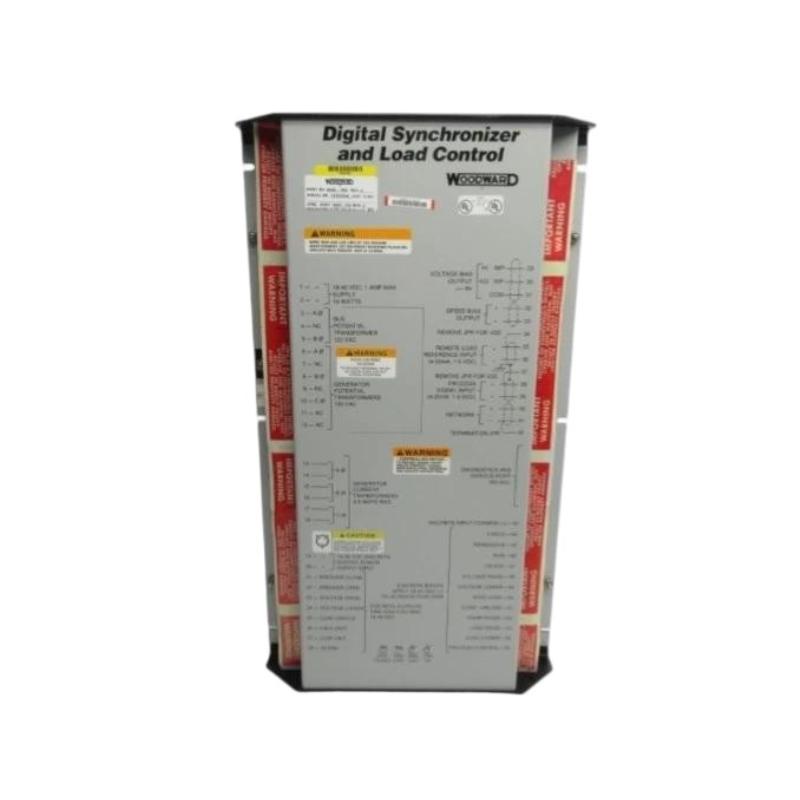
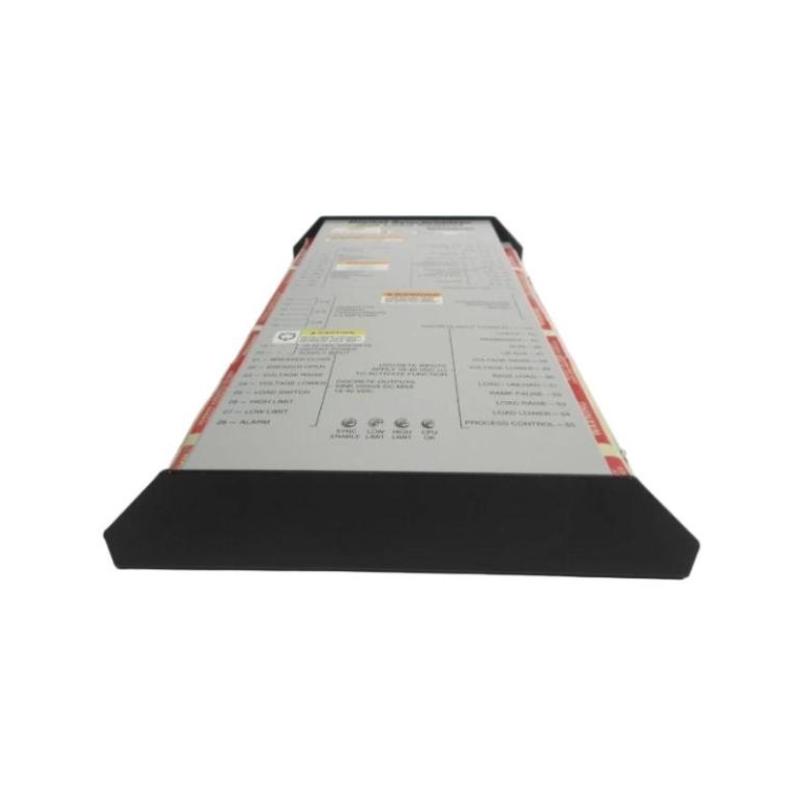
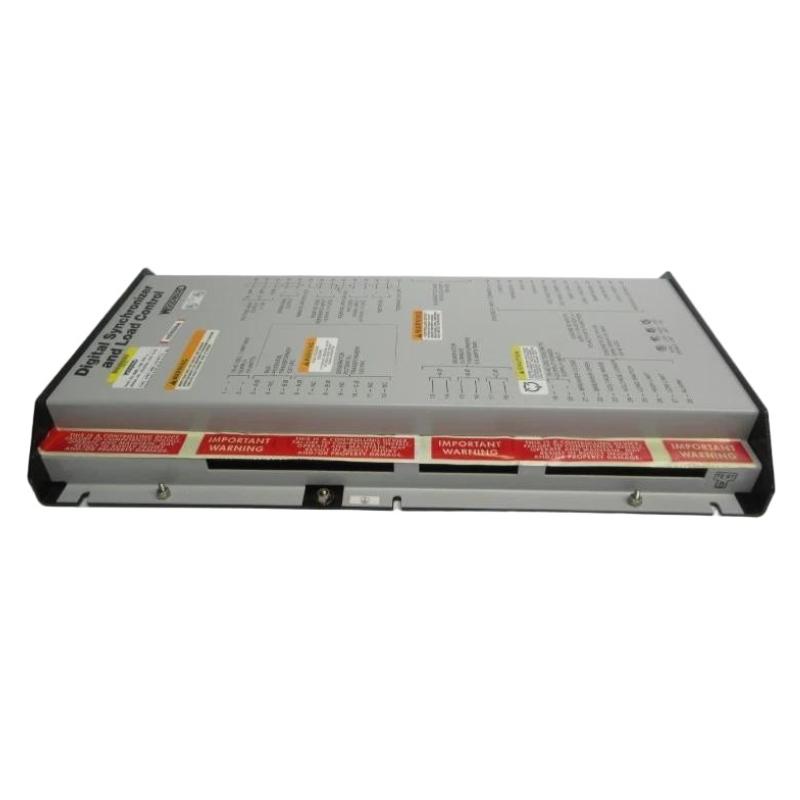
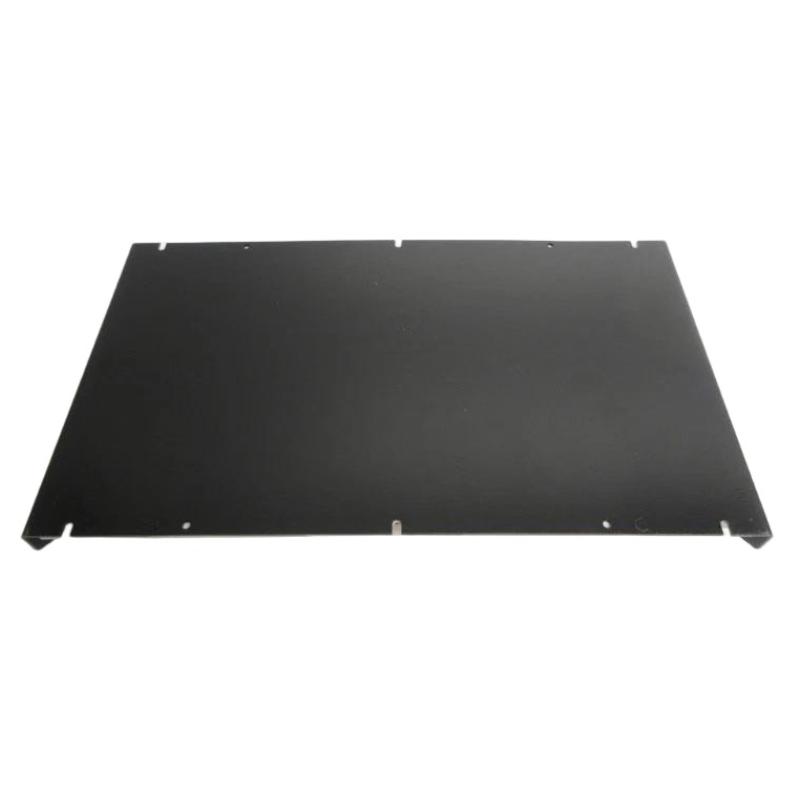
- Woodward
- 9905-708
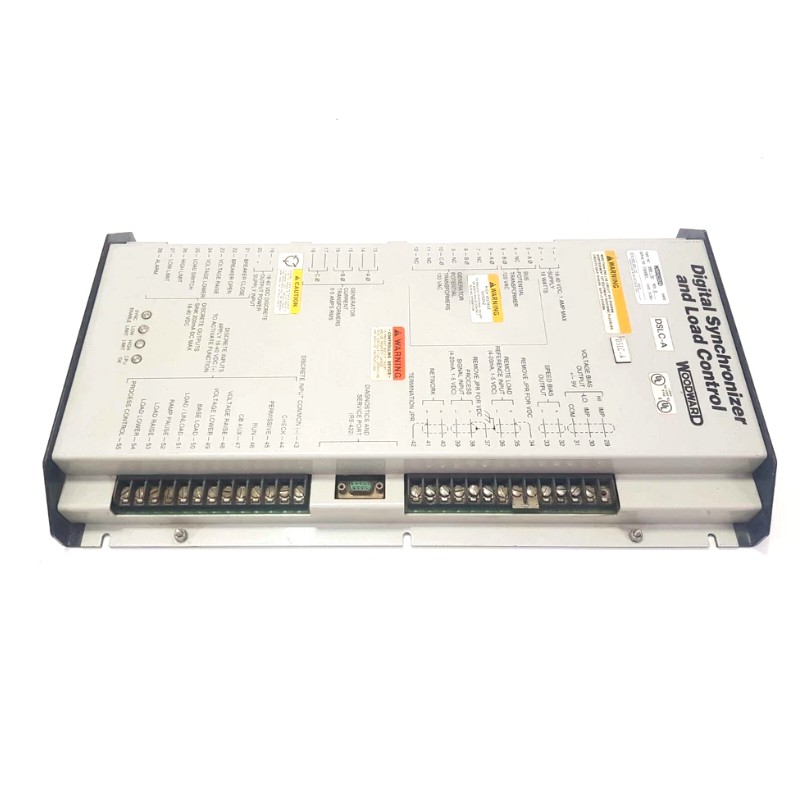
- Digital Synchronizer and Load Controller
- USA
- 200 × 150 × 80 mm
- 2.2 kg
- Xiamen, China
- New & In Stock
- T/T, PayPal, Western Union
- 1 Year
- 1-3 Working Days
- DHL, UPS, TNT, FedEx and EMS.
- 24-Hour Service
- COO
- 4
Our advantage

Global Logistics
We have a 10-year logistics and express cooperation agreement, so our products can be shipped to any place in the world.

Brand new and original
Our products are imported in bulk from the place of origin. Because of the cooperative relationship, our products are all original and 100% new.

24-hour service
We provide 7*24 hours service to our customers. We will be there whenever you need us.

Price advantage
All our products are priced very favorably because we have our own warehouse and supply.
| Company Information | |||
| [email protected] | |||
| Mobile | +8615980777398 | ||
| +8615980777398 | |||
| 15980777398 |
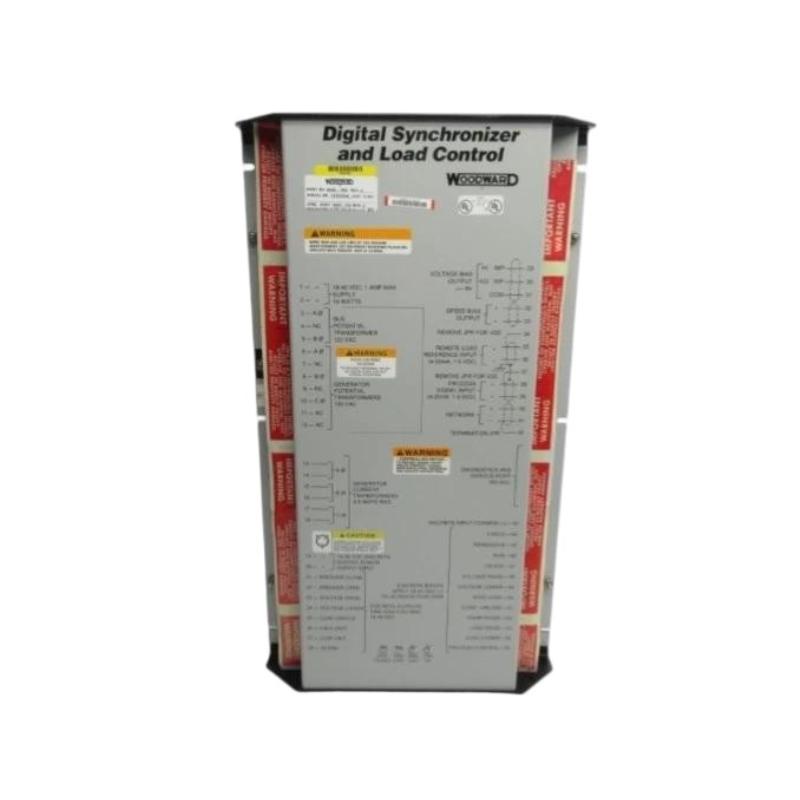
Product Overview
The Woodward 9905-708 Digital Synchronizer and Load Controller is an industrial generator-control device from Woodward’s DSLC (Digital Synchronizer and Load Control) product family. It is designed for three-phase AC generator systems that require automatic synchronization, generator load management, and coordinated operation when connecting generators to an isolated bus or utility power system.
In power generation installations, synchronization is essential before a generator circuit breaker can safely connect a generator to an energized bus. The generator voltage, frequency, phase sequence, and phase angle must meet the applicable synchronization conditions. After connection, load-control functions help regulate the generator’s contribution to the electrical system.
The 9905-708 combines synchronizing and load-control functions in one controller. It can work with compatible engine or turbine speed controls and automatic voltage regulators to coordinate generator operation. This integrated approach can reduce the need for separate control devices and simplify the overall generator-control architecture.
The 9905-708 is a specific DSLC configuration. According to Woodward documentation, it uses an Open-Delta potential transformer (PT) configuration, a 120 V voltage input, and a 1–5 V DC speed-bias output. The manufacturer lists this part number with the full DSLC function set.
The controller is intended for use in generator paralleling and power-management applications. Correct selection requires checking the PT wiring arrangement, speed-control input requirements, generator voltage-sensing configuration, and the control functions required by the installation.
Technical Specifications
| Parameter | Specification |
|---|---|
| Brand | Woodward |
| Model | 9905-708 |
| Product Series | DSLC |
| Product Type | Digital Synchronizer and Load Controller |
| Main Application | Three-phase AC generator synchronization and load control |
| PT Configuration | Open Delta |
| Voltage Input | 120 V |
| Speed-Bias Output | 1–5 V DC |
| Function Configuration | Full-function DSLC configuration |
| Compatible Equipment | Three-phase AC generators with compatible speed controls and automatic voltage regulators |
| Operating Modes | Isolated-bus and utility-parallel applications, subject to system configuration |
| Synchronizing Function | Automatic generator synchronization |
| Load-Control Function | Generator load control and load sharing |
| Additional Functions | Dead-bus closing, VAR/PF and process-control functions where supported by the system configuration |
| Dimensions Provided | 200 × 150 × 80 mm |
| Weight Provided | 2.2 kg |
Note: Physical dimensions and weight above are supplied listing values. Confirm the exact hardware revision and enclosure measurements before using them for panel design or logistics.
Function and Working Principle
The Woodward 9905-708 coordinates generator synchronization and load control by monitoring electrical conditions and adjusting compatible generator-control equipment.
1. Generator Synchronization
Before a generator can connect to an energized bus, its electrical output must be synchronized with the bus. The controller uses voltage signals from potential transformers to evaluate generator and bus conditions.
The synchronization process involves monitoring important parameters such as:
- Generator voltage.
- Bus voltage.
- Generator frequency.
- Bus frequency.
- Phase relationship.
- Phase sequence.
When the required synchronization conditions are satisfied, the controller can provide the appropriate breaker-closing command according to the configured system logic.
The exact acceptance limits and breaker-control arrangement must be established during commissioning and coordinated with the switchgear protection system.
2. Open-Delta Voltage Measurement
The 9905-708 is specified for an Open-Delta PT configuration. This arrangement typically uses two potential transformers to provide the voltage measurements required by the synchronizing controller.
The PT arrangement is an important part of the model’s configuration. It should not be treated as interchangeable with a Wye-connected sensing arrangement without checking the wiring diagram and controller requirements.
The voltage input specified for this model is 120 V. This refers to the voltage measurement input from the potential-transformer secondary circuit, not the generator’s main output voltage.
3. Speed-Bias Output
The 9905-708 provides a 1–5 V DC speed-bias output. This signal is used with a compatible speed-control system to adjust generator speed during synchronization and load-control operations.
Before breaker closure, speed adjustment helps bring generator frequency and phase into the required relationship with the bus. After connection, the speed-control interface can participate in managing the generator’s real-power contribution.
The connected speed controller must support the specified signal range and electrical interface. A controller requiring a different signal type may need another DSLC configuration or an appropriately engineered interface.
4. Generator Load Control
After a generator is connected to a bus, its active-power contribution must be controlled according to the operating strategy.
The DSLC system can coordinate generator loading and unloading. In suitable installations, this supports controlled load transfer and helps reduce abrupt changes in generator loading.
When multiple compatible generator sets operate together, load-sharing functions can help distribute real-power demand among the machines according to the configured control strategy.
5. Reactive Power and Power Factor Control
Generator systems may also require management of reactive power and power factor. These functions involve coordination with the generator’s automatic voltage regulator.
Woodward documentation identifies VAR and power-factor control as DSLC capabilities. Actual availability and operating behavior depend on the selected controller configuration and the wider control-system arrangement.
6. Dead-Bus Closing
Dead-bus closing is used in generator systems where a generator may need to energize a bus that is not currently powered.
This function must be coordinated with breaker interlocks, protection relays, and the system’s operating logic. It should never be treated as a substitute for appropriate electrical protection or safe switching procedures.
Role in Industrial Power Generation Systems
The 9905-708 can serve as a central synchronization and load-control component in a generator-control installation.
Generator Paralleling
When several generator sets supply a common bus, each generator must be synchronized before its breaker is closed. The DSLC controller helps coordinate this process by monitoring electrical conditions and interfacing with compatible speed-control equipment.
This is particularly important in facilities where generators operate in parallel to meet changing electrical demand or provide standby power capacity.
Utility-Parallel Operation
Some industrial facilities operate generators in parallel with the utility grid. In this arrangement, the generator may supply a configured portion of the facility’s demand or operate according to an import/export control strategy.
The controller’s load-management functions can participate in this arrangement when the required measurement, control, and protection equipment is installed.
Load Sharing Between Generator Sets
When multiple generators operate on an isolated bus, load sharing helps coordinate the active-power contribution of each unit.
A properly configured system can reduce uneven loading and support stable operation as demand changes. The actual load-sharing method depends on the generator controls, sensing circuits, communication arrangements, and system settings.
Coordination with AVR Systems
The automatic voltage regulator controls generator excitation and terminal voltage. The DSLC controller can coordinate reactive-power or power-factor-related functions with compatible AVR equipment when those functions are configured.
The AVR, generator, PT wiring, and protection system must be correctly matched to the application.
Industrial Applications
1. Industrial Power Plants
Industrial power plants may use multiple generator sets to supply electrical power to production facilities. The 9905-708 can be incorporated into a generator-control arrangement that requires automatic synchronization and load management.
Typical installations may include manufacturing plants, processing facilities, and industrial utility stations.
2. Standby Generator Systems
Large standby power systems may contain several generator sets that operate together when the normal utility supply is unavailable.
The controller can support synchronization and load coordination when generators are connected to a common bus. The complete system must also include suitable automatic transfer, breaker, and protection equipment.
3. Marine Power Generation
Marine electrical systems often require multiple generator sets to operate in parallel and supply shipboard loads.
Synchronization and load management are important for maintaining a stable electrical supply when generators are connected, disconnected, or operated under changing demand.
The controller must be selected and configured according to the vessel’s generator and switchgear design.
4. Utility-Parallel Generator Installations
Industrial facilities may operate generators in parallel with a utility supply for demand management, standby operation, or configured power import/export strategies.
The 9905-708 can participate in this type of installation when its voltage-sensing and speed-bias interfaces match the generator-control architecture.
5. Critical Infrastructure
Hospitals, data centers, communication facilities, and other critical infrastructure sites may use generator systems that require coordinated operation and dependable transfer of electrical power.
The DSLC controller can form part of the generator-control system, but overall system reliability also depends on protection relays, switchgear, transfer equipment, control power, and regular testing.
Installation and System Integration
Correct installation is essential for reliable synchronization and safe generator operation.
1. Verify the Controller Configuration
Before installation, confirm that the complete part number is 9905-708. Check the controller revision and verify that the system uses the specified Open-Delta PT arrangement.
Do not substitute a Wye-configured controller based only on similar physical appearance or product-family membership.
2. Check Potential Transformer Wiring
The 9905-708 is designed for a 120 V voltage input with an Open-Delta PT configuration.
Confirm the PT ratios, secondary voltage, phase connections, polarity, grounding, and terminal assignments against the controller documentation and generator-switchgear drawings.
Incorrect PT wiring can result in inaccurate voltage measurements and unreliable synchronization decisions.
3. Verify Speed-Control Compatibility
The specified speed-bias output is 1–5 V DC. Confirm that the connected Woodward or other compatible speed controller accepts this signal.
Check signal polarity, electrical reference, input impedance, wiring continuity, and the required speed-control response before commissioning.
4. Coordinate the Automatic Voltage Regulator
Where reactive-power or power-factor control is required, verify that the AVR supports the intended control interface.
The generator’s excitation system, voltage sensing, protection functions, and DSLC settings must be coordinated to avoid unstable voltage or reactive-power behavior.
5. Configure Breaker Control and Interlocks
The generator circuit breaker must operate within a properly designed protection and interlocking scheme.
Verify the breaker-closing circuit, auxiliary contacts, permissive signals, and protection-relay interfaces. Synchronizing control should not bypass independent electrical protection.
6. Commission the Generator System
Commissioning should include verification of voltage measurements, phase relationships, frequency measurements, speed-bias response, breaker logic, and load-control behavior.
Test the system under controlled conditions before placing it into normal service. Record all configuration parameters and wiring changes for future maintenance.
Compatible System Components
The 9905-708 operates as part of a wider generator-control system. The following components may be used with it, subject to their electrical and functional compatibility.
| Component | Function | Integration Considerations |
|---|---|---|
| Three-phase AC generator | Produces electrical power | Confirm generator voltage, frequency, capacity, and sensing arrangement |
| Potential transformers | Provide voltage measurement signals | Use the specified Open-Delta configuration and 120 V input |
| Engine or turbine speed controller | Adjusts prime-mover speed | Must support the 1–5 V DC speed-bias signal |
| Automatic voltage regulator | Controls generator excitation and voltage | Verify compatibility for reactive-power and power-factor functions |
| Generator circuit breaker | Connects the generator to the bus | Coordinate closing logic with synchronization and protection circuits |
| Protection relays | Detect electrical faults and abnormal conditions | Maintain independent protection and breaker-trip functions |
| Load-sharing equipment | Coordinates generator real-power contribution | Verify the intended load-sharing architecture |
| Generator control panel | Houses control and monitoring equipment | Provide suitable wiring, grounding, and environmental protection |
| Hand-Held Programmer | Supports controller setup and monitoring where applicable | Confirm the correct programmer and connection method for the installed revision |
The components listed above are system-level equipment and are not necessarily supplied with the 9905-708 controller.
Alternative Models and Replacement Considerations
The Woodward DSLC family includes different part numbers with different voltage-sensing and speed-bias configurations. They should not be treated as direct replacements without checking their specifications.
| Related Model | Configuration Difference |
|---|---|
| Woodward 9905-603 | Wye PT configuration, 120/240 V input, 1–5 V DC speed-bias output |
| Woodward 9905-355 | Wye PT configuration, 120/240 V input, 0.5–4.5 V DC speed-bias output |
| Woodward 9905-367 | Open-Delta PT configuration, 120 V input, 0.5–4.5 V DC speed-bias output |
| Woodward 9905-795 | Wye PT configuration, 120/240 V input, ±3 V DC speed-bias output |
| Woodward 9905-797 | Open-Delta PT configuration, 120 V input, ±3 V DC speed-bias output |
| Woodward 9905-373 | Open-Delta PT configuration, 120 V input, 500 Hz PWM speed-bias output |
The models above have different signal and PT configurations. A replacement should be selected only after confirming the installed system’s wiring, speed-controller input, voltage measurement arrangement, and required control functions.
Before purchasing a replacement, compare:
- Complete Woodward part number and hardware revision.
- PT configuration and voltage input.
- Speed-bias output signal type and range.
- Generator and bus voltage-sensing connections.
- Compatibility with the installed speed controller.
- AVR interface and reactive-power requirements.
- Breaker control and protection logic.
- Required load-sharing and communication functions.
- Mounting dimensions and terminal arrangement.
A similar DSLC model may require wiring changes or system reconfiguration and should not be considered a plug-in replacement automatically.
Key Advantages
Integrated Synchronization and Load Control
The DSLC design combines synchronization and load-control functions in one controller, reducing the need for multiple separate control devices.
Generator Paralleling Support
The controller is designed for three-phase AC generator systems that require synchronization before connection to a common bus.
Defined Open-Delta Configuration
The 9905-708 has a specified Open-Delta PT arrangement and 120 V voltage input, making it identifiable for installations designed around this sensing configuration.
1–5 V DC Speed-Bias Output
The speed-bias interface provides a defined control signal for compatible speed-control equipment.
Generator Load Management
The DSLC platform supports generator loading and unloading functions and can participate in load-sharing arrangements when correctly integrated.
Additional Power-Management Functions
Depending on the complete system configuration, DSLC functionality can support dead-bus closing, VAR/PF control, and process-related control strategies.
Established Generator-Control Platform
The Woodward DSLC family is used in generator-control applications where synchronization, load management, and coordinated operation are required.
Technical FAQs
1. What is the Woodward 9905-708?
The Woodward 9905-708 is a DSLC Digital Synchronizer and Load Controller designed for three-phase AC generator systems. It combines synchronization and load-control functions.
2. What is the voltage input configuration?
The 9905-708 uses a 120 V voltage input with an Open-Delta potential-transformer configuration.
3. What type of speed-bias output does it provide?
This model provides a 1–5 V DC speed-bias output. The connected speed controller must support this signal range.
4. Can the 9905-708 synchronize multiple generators?
It is designed for generator synchronization and load-control applications. Multiple-generator operation requires compatible generator controls, switchgear, sensing circuits, and an appropriately engineered system.
5. Can it operate in parallel with a utility grid?
The DSLC platform supports utility-parallel applications when configured with the necessary control and protection equipment. The exact operating strategy depends on the installation.
6. Does it support reactive-power control?
The DSLC platform includes VAR and power-factor control capabilities. Their availability and operation depend on the selected configuration and the connected AVR and control system.
7. Is the Open-Delta PT configuration interchangeable with Wye?
No. These are different voltage-transformer arrangements. The 9905-708 is specified for Open-Delta sensing, so the PT wiring must match the controller documentation.
8. What should be checked before replacing a 9905-708?
Verify the complete part number, revision, PT arrangement, voltage input, speed-bias output, terminal wiring, and compatibility with the connected speed controller and AVR.
9. What is the supplied product weight?
The supplied listing weight is 2.2 kg. Confirm whether this represents the controller alone or a packaged shipment before calculating freight.
10. What applications commonly use this controller?
Typical applications include industrial generator plants, standby power systems, marine generator installations, and utility-parallel generator systems requiring synchronization and load management.
Procurement and Maintenance Recommendations
When purchasing the Woodward 9905-708, verify the complete part number and hardware revision. The Open-Delta PT configuration and 1–5 V DC speed-bias output are important identification details and should be checked against the existing installation.
For new-old-stock, used, or refurbished equipment, request clear photographs of the nameplate, terminals, enclosure, and revision markings. Confirm the unit’s operating condition, available test records, warranty terms, and whether any required accessories are included.
Before installing a replacement, compare the PT wiring arrangement, speed-controller interface, AVR connection, and breaker-control logic with the original system. A controller that appears similar may have a different signal configuration and may not be suitable for direct substitution.
During maintenance, inspect terminal connections, grounding, wiring insulation, and the condition of the control enclosure. Review alarm history and verify synchronization and load-control behavior during scheduled system testing.
Generator synchronization is a safety-critical operation. Testing and commissioning should be performed by qualified personnel using the manufacturer’s instructions and the facility’s electrical protection procedures.
Conclusion
The Woodward 9905-708 Digital Synchronizer and Load Controller is a DSLC-series controller designed for three-phase AC generator synchronization and load management. Its defining configuration includes an Open-Delta PT arrangement, 120 V voltage input, and 1–5 V DC speed-bias output.
By combining synchronization and load-control functions, the controller can support generator paralleling, isolated-bus operation, and utility-parallel power-generation systems when integrated with compatible speed controls, AVRs, switchgear, and protection equipment.
For maintenance and replacement projects, verifying the complete model number, hardware revision, PT wiring, and speed-bias interface is essential to maintaining reliable generator operation.