

ProductPRODUCT
Featured products
Contact Us
- Woodward
- 9905-795 DSLC
- Master Synchronizer and Load Controller
- USA
- 403.86 × 264.16 × 58.42 mm
- 2.54 kg
- Xiamen, China
- New & In Stock
- T/T, PayPal, Western Union
- 1 Year
- 1-3 Working Days
- DHL, UPS, TNT, FedEx and EMS.
- 24-Hour Service
- COO
- 4
Our advantage

Global Logistics
We have a 10-year logistics and express cooperation agreement, so our products can be shipped to any place in the world.

Brand new and original
Our products are imported in bulk from the place of origin. Because of the cooperative relationship, our products are all original and 100% new.

24-hour service
We provide 7*24 hours service to our customers. We will be there whenever you need us.

Price advantage
All our products are priced very favorably because we have our own warehouse and supply.
| Company Information | |||
| [email protected] | |||
| Mobile | +8615980777398 | ||
| +8615980777398 | |||
| 15980777398 |
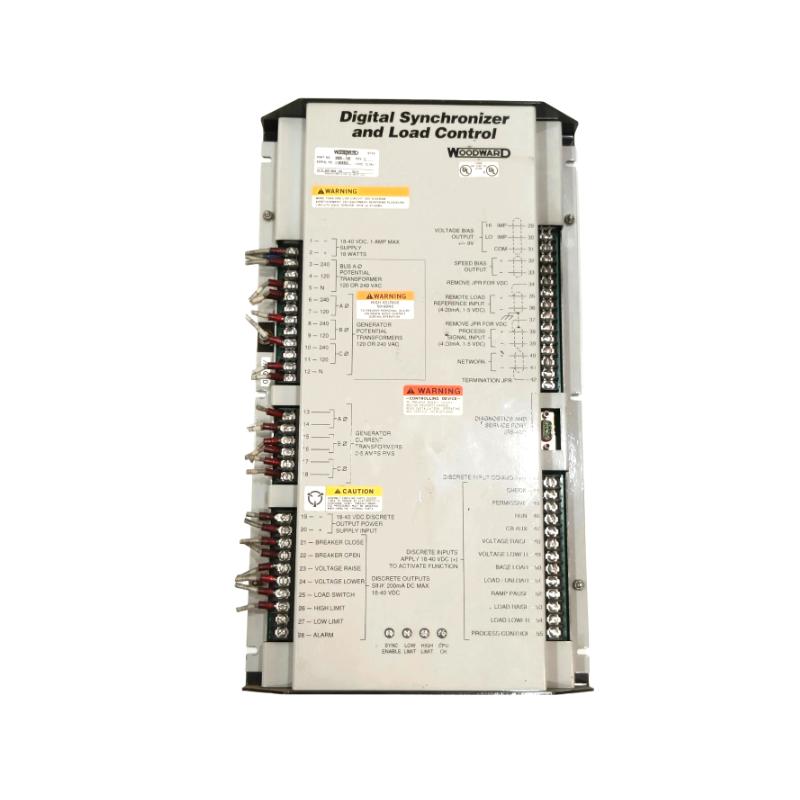
Product Overview
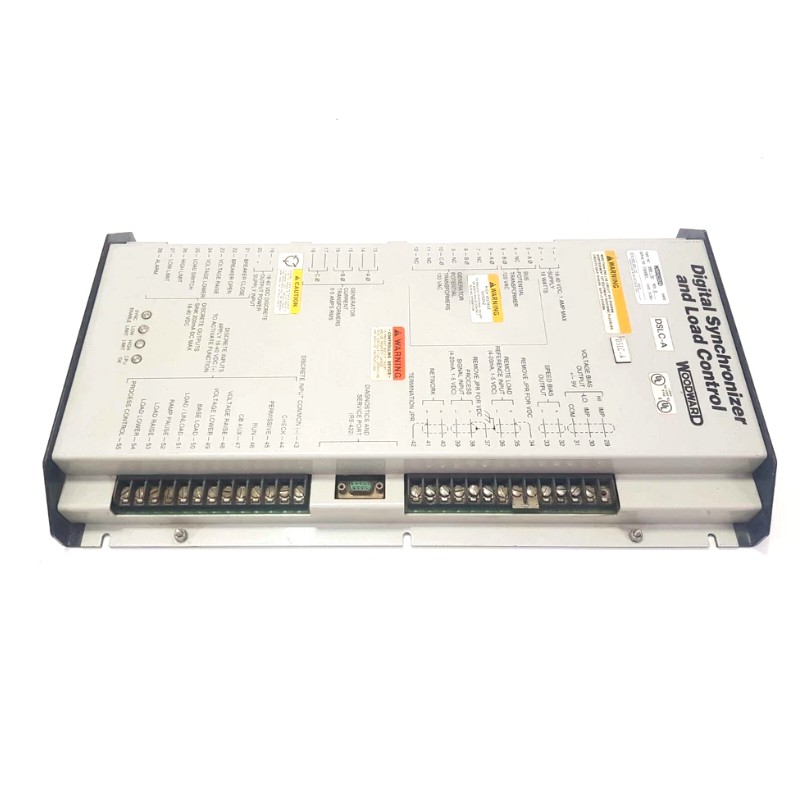
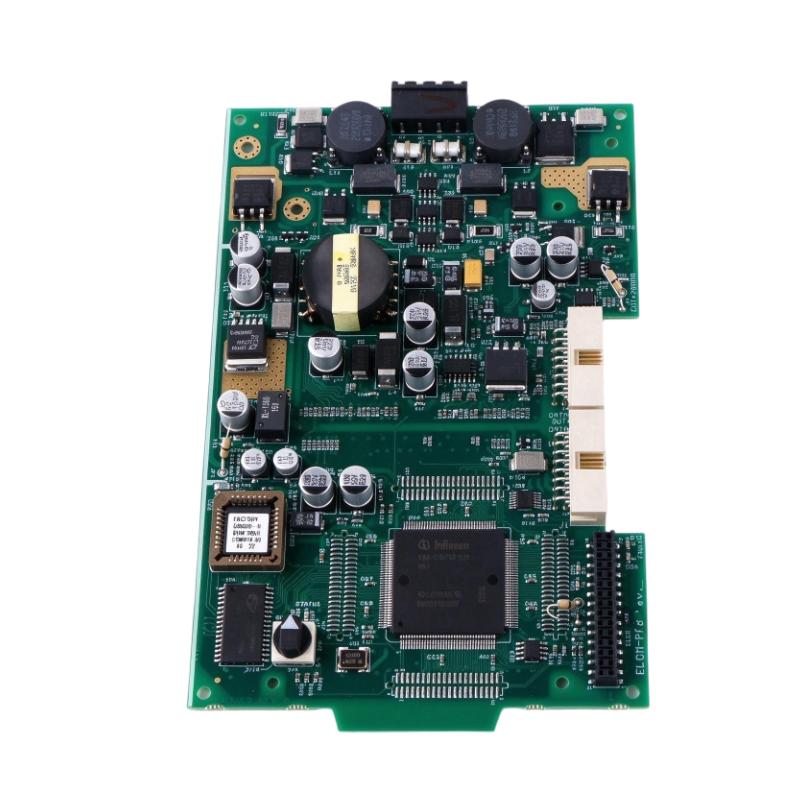
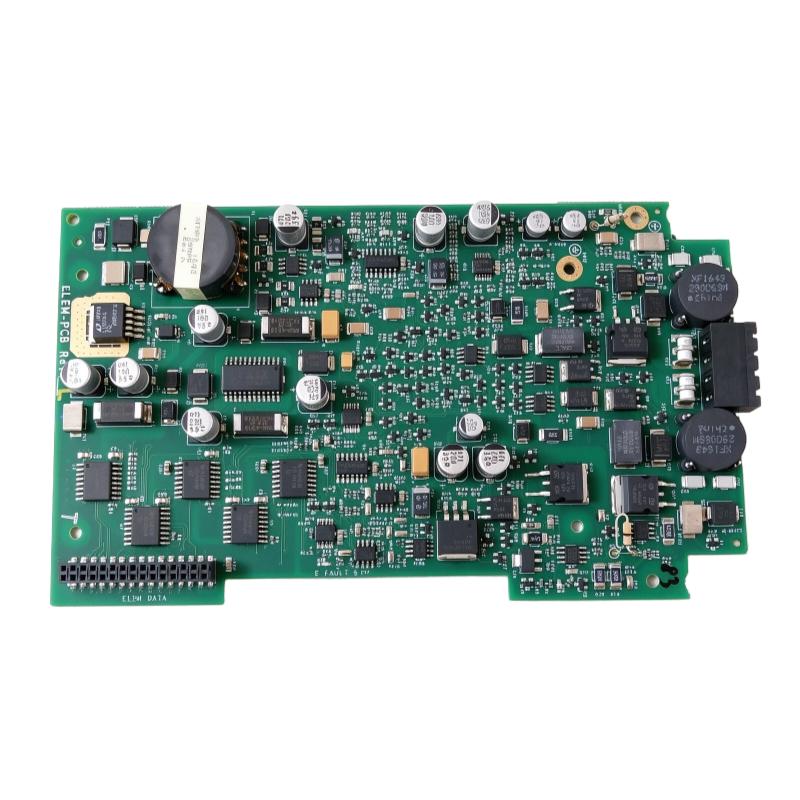
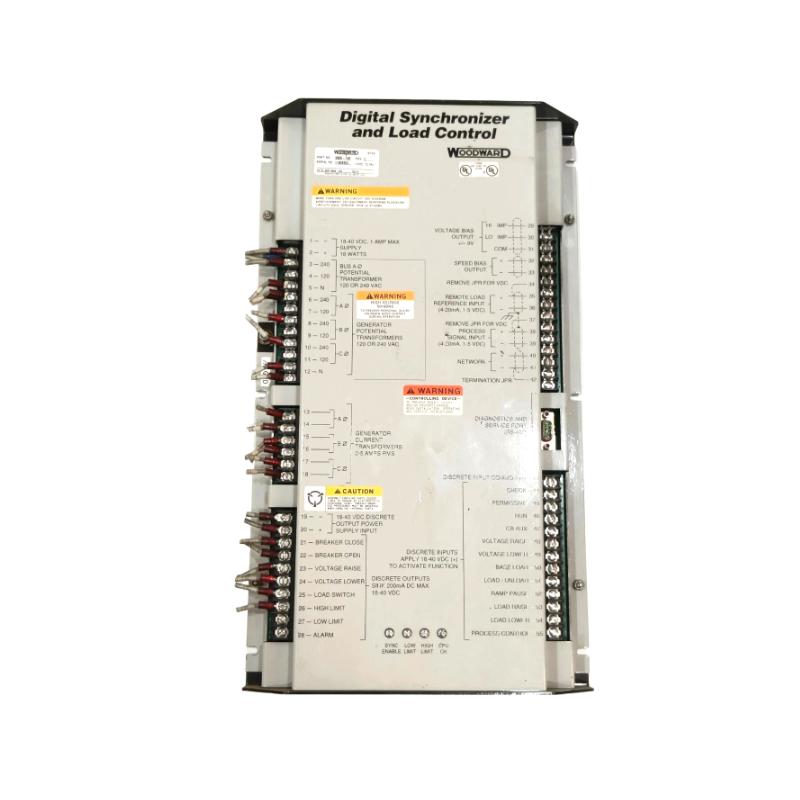
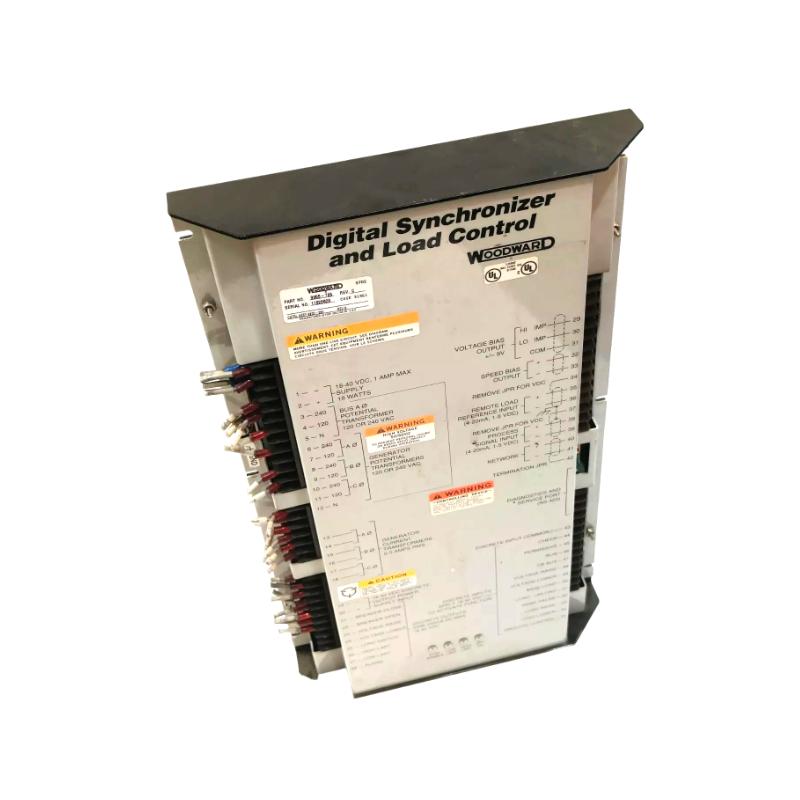
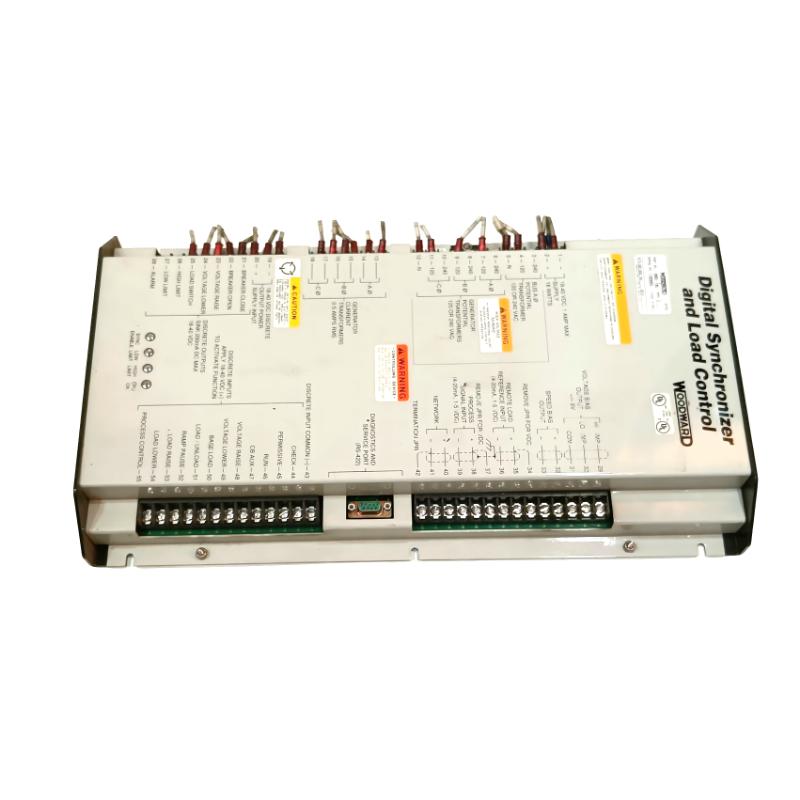
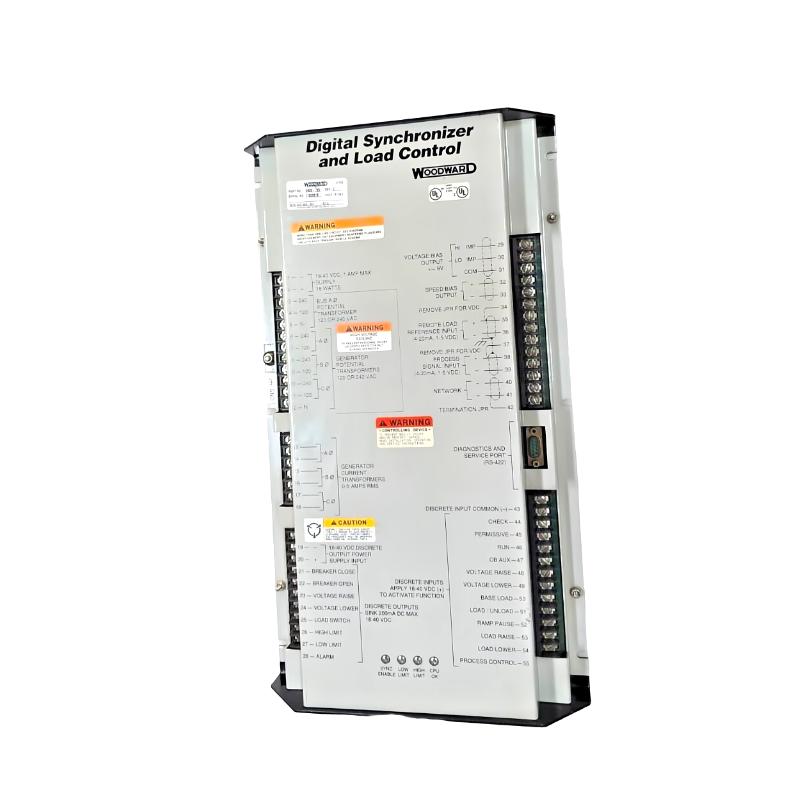
The Woodward 9905-795 DSLC Digital Synchronizer and Load Control is a microprocessor-based control device designed for synchronization and load management in three-phase AC generator systems. It belongs to Woodward’s DSLC product family and combines generator synchronization, electrical load sensing, and load-control functions in a single industrial controller.
In power generation systems, multiple generator sets may need to operate in parallel to supply a common electrical bus. Before a generator can be connected to an energized bus, its voltage, frequency, and phase relationship must be brought within acceptable limits. After connection, the generator’s active and reactive power contribution must be managed to maintain stable operation.
The 9905-795 is designed to support these operations. Its synchronization functions help coordinate generator connection, while its load-control functions regulate the generator’s contribution after paralleling. Depending on the system configuration, it can also support load sharing, import/export control, and power factor or reactive power management.
The 9905-795 is a specific DSLC configuration with a Wye potential-transformer arrangement, 120/240 V voltage input, and a ±3.0 V DC speed-bias output. These characteristics are important when matching the controller with the generator’s voltage sensing circuits, engine speed control system, and associated electrical equipment.
The controller is typically used as part of a coordinated generator-control system rather than as an independent generator protection device. Its operation depends on correct wiring, configuration, compatible speed controls, voltage regulators, current transformers, potential transformers, and generator switchgear.
Technical Specifications
| Parameter | Specification |
|---|---|
| Brand | Woodward |
| Manufacturer | Woodward, Inc. |
| Model | 9905-795 |
| Product Series | DSLC |
| Product Name | Digital Synchronizer and Load Control |
| Product Type | Generator Synchronizer and Load Controller |
| Application | Three-phase AC generator systems |
| PT Configuration | Wye |
| Voltage Input | 120/240 V AC |
| Speed-Bias Output | ±3.0 V DC |
| Synchronization Functions | Automatic generator synchronization |
| Load Control | Generator loading and unloading |
| Load Sharing | Isochronous load-sharing support |
| Additional Functions | Import/export control and VAR/PF control, depending on system configuration |
| Communication | Echelon LONWORKS network |
| Calibration and Diagnostic Interface | RS-422 |
| Operating Temperature | -40 to +70 °C |
| Storage Temperature | -55 to +105 °C |
| Humidity Specification | 95% at 38 °C |
| Dimensions Provided | 403.86 × 264.16 × 58.42 mm |
| Weight Provided | 2.54 kg |
Note: Dimensions and weight are the supplied listing values. Published third-party specifications may use different measurement conventions. Confirm the exact revision, enclosure dimensions, and shipping weight before installation or shipment.
Function and Working Principle
The Woodward 9905-795 performs several related functions in generator control. Its main purpose is to coordinate generator synchronization and regulate electrical load after the generator has been connected to a bus.
1. Automatic Generator Synchronization
Synchronization is required when connecting an incoming generator to an energized electrical bus. The incoming generator must reach an appropriate voltage, frequency, and phase relationship before its circuit breaker is closed.
The DSLC controller monitors the relevant electrical signals through its configured voltage-sensing connections. It then provides control signals to the compatible engine speed-control and generator excitation systems to help bring the incoming generator into synchronization.
The synchronization process generally involves:
- Monitoring generator voltage.
- Monitoring bus voltage.
- Comparing generator and bus frequency.
- Evaluating the phase relationship.
- Adjusting generator speed through the compatible speed-control system.
- Supporting the appropriate circuit-breaker closing sequence.
The final breaker-closing decision must follow the configured system logic and applicable electrical protection requirements.
2. Active Power Load Control
After a generator is connected to a common bus, it must contribute an appropriate share of the total active power demand.
The 9905-795 supports generator load control by providing speed-bias signals to a compatible engine governor or speed-control system. Adjusting the speed reference influences the generator’s active power contribution when operating in parallel.
This function is important in installations where several generator sets share a common electrical load. Proper coordination helps prevent one generator from carrying an excessive share while other units operate below their intended contribution.
3. Isochronous Load Sharing
Isochronous load sharing is used to distribute active power among parallel generator sets while maintaining a common system frequency.
In a properly configured system, the DSLC controller communicates with other compatible controls and coordinates generator loading. When the electrical demand changes, the controllers adjust their respective generator contributions according to the load-sharing strategy.
This arrangement is useful in power plants, industrial facilities, and standby power systems where multiple generator sets operate together.
Correct configuration of the generator controllers, speed governors, sensing circuits, and communication network is essential for stable load sharing.
4. Import and Export Control
Some generator installations operate in parallel with a utility supply. In these applications, the facility may import power from the utility, export surplus generation, or maintain a defined power exchange.
The DSLC’s process-control functions can support import/export control when the system is configured with the required measurements and compatible equipment.
For example, an industrial facility may use its generator system to maintain a target level of imported power while meeting changing internal demand.
The actual control strategy depends on the plant electrical arrangement, external measurements, and configured operating parameters.
5. Reactive Power and Power Factor Control
In addition to active power, generator systems must manage reactive power. Reactive power affects voltage regulation and power factor, particularly when several generators operate in parallel.
The DSLC family supports VAR and power factor control in applicable full-function configurations. These functions coordinate with compatible automatic voltage regulators to adjust generator excitation and manage reactive load contribution.
The exact capabilities and control wiring should be checked against the 9905-795 manual and the installed system configuration.
6. Dead-Bus Closing
Dead-bus closing is a function used when a generator is required to energize a bus that is not currently supplied by another source.
The DSLC system supports dead-bus closing as part of its generator synchronization and control functions. The implementation must be coordinated with the switchgear, generator protection, and plant operating sequence.
Dead-bus closing should not be treated as a substitute for proper electrical interlocking or protection.
Role in Industrial Power Generation Systems
The 9905-795 can serve as a central synchronization and load-control component within a generator paralleling installation.
Generator Control
The controller coordinates with the engine governor or compatible speed-control system to adjust generator frequency and active power contribution.
Its ±3.0 V DC speed-bias output is a key configuration characteristic. The receiving speed-control device must be compatible with this signal range and the configured control arrangement.
Automatic Voltage Regulator Coordination
The generator’s automatic voltage regulator controls excitation and terminal voltage. In parallel operation, voltage and reactive power management must be coordinated with the other generators and the common bus.
The DSLC’s voltage-related and VAR/PF control functions can participate in this coordination when the relevant configuration and external equipment are present.
Switchgear and Circuit Breaker Coordination
The generator circuit breaker connects the generator to the common bus. The synchronization controller supports the process of determining when the electrical conditions are suitable for connection.
The breaker itself, its auxiliary contacts, electrical interlocks, and protective relays remain separate parts of the complete switchgear system.
Communication Between Generator Controllers
In a multi-generator installation, communication between compatible DSLC controllers allows the units to exchange operating information for coordinated load sharing.
The Woodward DSLC documentation identifies Echelon LONWORKS as the local communication network. Network wiring, addressing, and controller compatibility must be verified during system design.
Industrial Applications
The Woodward 9905-795 is intended for generator synchronization and load-control applications. Its functions are relevant to installations where multiple generator sets must operate together or where a generator must coordinate with an external electrical supply.
1. Industrial Power Plants
Industrial power plants may use multiple generator sets to provide electricity for manufacturing equipment, processing systems, and facility services.
The 9905-795 can support synchronization and load management in compatible generator installations. By coordinating generator operation, the controller helps the plant distribute electrical demand across available units.
2. Standby Generator Systems
Large facilities often use multiple standby generators to provide backup power when the utility supply is unavailable.
In a suitable system, the DSLC controller can support synchronization and generator load sharing after the units are started. This allows multiple generator sets to contribute to a common emergency power bus.
The overall standby system must also include appropriate automatic transfer equipment, circuit breakers, protection relays, and start/stop control.
3. Data Centers
Data centers require reliable electrical power for servers, cooling systems, network equipment, and supporting infrastructure.
Generator systems may use multiple units to provide backup capacity. Synchronization and load management help coordinate the generators when they operate in parallel.
The 9905-795 may be used in compatible legacy generator-control installations where its electrical configuration matches the existing system.
4. Marine Power Generation
Ships and offshore facilities may operate several generator sets to supply propulsion auxiliaries, pumps, lighting, ventilation, and onboard electrical systems.
Generator paralleling helps distribute electrical demand and maintain power availability as operating loads change.
The controller’s suitability for marine service depends on the installation’s environmental requirements, enclosure protection, vibration conditions, and the complete generator-control design.
5. Utility Parallel Generation
Industrial facilities with onsite generation may operate generators in parallel with the utility network.
In such installations, the generator-control system may need to maintain a defined level of power import or export. The DSLC’s synchronization and process-control functions can support these operations when configured with the appropriate external equipment.
Utility interconnection requirements and protection settings must always be addressed by qualified electrical engineers.
6. Cogeneration and Combined Heat and Power Systems
Combined heat and power installations generate electricity while recovering useful heat for industrial processes or building services.
These facilities may operate one or more generators in parallel with a local bus or utility supply. A suitable synchronization and load-control arrangement helps coordinate generator output with changing electrical demand.
The DSLC can be considered for compatible generator systems that require these control functions.
Installation and System Integration
Correct installation and commissioning are essential for reliable synchronization and load control. The 9905-795 should be installed and configured by personnel familiar with generator paralleling systems and Woodward DSLC equipment.
1. Verify the Exact Controller Configuration
Before installation, confirm the complete model number and hardware revision.
The 9905-795 uses a Wye PT configuration with 120/240 V voltage input and a ±3.0 V DC speed-bias output. These characteristics must match the voltage-sensing arrangement and speed-control interface of the generator system.
Do not assume that another DSLC model is interchangeable simply because it belongs to the same product family.
2. Check Voltage-Sensing Connections
Potential-transformer connections provide the voltage information needed for synchronization and related control functions.
Confirm the PT wiring arrangement, transformer ratios, phase identification, voltage input configuration, and polarity according to the Woodward manual.
Incorrect phase connections or transformer ratios can lead to inaccurate voltage and phase measurements, preventing reliable synchronization.
3. Connect the Speed-Control Interface
The speed-bias output is used to influence the connected engine speed-control system.
For the 9905-795, the documented output is ±3.0 V DC. Verify that the governor or speed controller accepts this signal and that the control polarity and scaling are correct.
Incorrect signal configuration may cause unstable speed adjustment or unexpected changes in generator loading.
4. Coordinate with the Automatic Voltage Regulator
Where VAR or power factor control is used, confirm compatibility with the automatic voltage regulator and its raise/lower or reference-control interface.
The excitation system must be configured so that voltage and reactive power control operate consistently across all parallel generator sets.
5. Configure Communication
The DSLC documentation identifies Echelon LONWORKS as the local communication network.
For multi-generator systems, verify the network wiring, addressing, termination requirements, and compatibility of all connected controllers.
Communication faults can affect load-sharing coordination and should be investigated before the system is returned to normal operation.
6. Verify Breaker and Interlock Logic
The generator circuit breaker must operate according to the designed synchronization and protection sequence.
Check breaker auxiliary contacts, closing circuits, trip circuits, interlocks, and protective relay coordination. The DSLC controller should operate as part of this complete system rather than being relied upon as the only protection device.
7. Commission Under Controlled Conditions
Commissioning should include checks of voltage sensing, frequency measurement, phase relationship, speed-bias response, load control, and communication.
Where applicable, verify:
- Synchronization accuracy.
- Breaker closing sequence.
- Generator loading and unloading.
- Load-sharing response.
- Import/export control.
- Reactive power and power factor behavior.
- Alarm and fault responses.
Record all configuration settings and commissioning results for future maintenance.
Compatible System Components
The Woodward 9905-795 is designed to operate with other components in a generator-control and power-management system.
| Component | Function | Integration Considerations |
|---|---|---|
| Three-phase AC generator | Produces electrical power | Confirm generator voltage, frequency, phase arrangement, and ratings |
| Engine governor or speed controller | Regulates engine speed | Must accept the configured ±3.0 V DC speed-bias signal |
| Automatic Voltage Regulator (AVR) | Controls generator excitation and voltage | Verify compatibility with voltage and VAR/PF control functions |
| Potential Transformers (PTs) | Provide voltage-sensing signals | Confirm Wye configuration, ratio, polarity, and wiring |
| Current Transformers (CTs) | Provide current measurements | Verify ratio, polarity, and correct measurement connections |
| Generator circuit breaker | Connects the generator to the bus | Coordinate closing logic, auxiliary contacts, and interlocks |
| Protective relays | Detect electrical faults and abnormal conditions | Coordinate protection settings with the generator-control system |
| Other DSLC controllers | Coordinate generator load sharing | Confirm model compatibility and communication configuration |
| LONWORKS network | Supports communication between compatible controllers | Verify network topology and addressing |
| Operator interface | Displays operating conditions and allows operator interaction | Confirm the system’s interface and monitoring architecture |
The table describes typical system components. They are not necessarily supplied with the 9905-795 controller.
Alternative Models and Replacement Considerations
The DSLC product family includes several model numbers with different PT configurations, voltage inputs, and speed-bias output types.
The following models are related to the 9905-795, but they should not be considered automatic replacements.
| Model | Configuration | Important Difference |
|---|---|---|
| Woodward 9905-603 | Wye PT, 120/240 V input | 1–5 V DC speed-bias output |
| Woodward 9905-708 | Open Delta PT, 120 V input | Different PT arrangement and speed-bias configuration |
| Woodward 9905-797 | Open Delta PT, 120 V input | ±3.0 V DC speed-bias output |
| Woodward 9905-799 | Wye PT, 120/240 V input | 500 Hz PWM speed-bias output |
| Woodward DSLC-2 | Updated DSLC platform | Requires a detailed hardware and system conversion assessment |
When selecting a replacement, compare the following:
- Full model number and hardware revision.
- Wye or Open Delta PT configuration.
- Voltage input rating.
- Speed-bias output type and range.
- Power supply requirements.
- Communication interface.
- Load-sharing functions.
- VAR and power factor control requirements.
- Dead-bus closing requirements.
- Terminal assignments and mounting dimensions.
Woodward’s DSLC documentation identifies historical model-number changes and compatibility limitations. In particular, older and newer DSLC versions may differ in network data format and dead-bus closing behavior. A replacement should therefore be approved against the manufacturer’s documentation and the actual generator-control architecture.
Key Advantages
Integrated Synchronization and Load Control
The DSLC combines synchronization and generator load-control functions in one controller, reducing the need to treat these operations as completely separate control tasks.
Support for Generator Paralleling
The controller is designed for three-phase generator installations where several units may need to operate together on a common bus.
Configurable Speed-Bias Output
The 9905-795 provides a ±3.0 V DC speed-bias output for compatible engine speed-control systems.
Load-Sharing Coordination
The DSLC communication architecture supports coordination between compatible controllers in multi-generator systems.
Import and Export Control
Its process-control functions can support defined power exchange with a utility or external electrical system when the required measurements and equipment are installed.
Reactive Power Management
Applicable DSLC configurations support VAR and power factor control, helping coordinate generator reactive power contribution.
Industrial Environmental Specifications
The DSLC documentation lists an operating temperature range of -40 to +70 °C and humidity capability of 95% at 38 °C. These specifications make correct installation and environmental assessment important for long-term operation.
Technical FAQs
1. What is the Woodward 9905-795?
The Woodward 9905-795 is a DSLC Digital Synchronizer and Load Control designed for three-phase AC generator systems. It supports generator synchronization and load management in compatible installations.
2. What is the PT configuration of the 9905-795?
The 9905-795 uses a Wye potential-transformer configuration. Its documented voltage input is 120/240 V AC.
3. What is the speed-bias output?
The model uses a ±3.0 V DC speed-bias output. The connected engine governor or speed controller must be compatible with this signal.
4. Can the 9905-795 synchronize multiple generators?
It is designed for generator synchronization and load control in compatible paralleling systems. The complete system requires suitable generator sensing, speed controls, voltage regulators, breakers, and protection equipment.
5. Does the controller support load sharing?
Yes. The DSLC system supports isochronous load sharing between compatible generator controllers when configured correctly.
6. Does the 9905-795 support utility import/export control?
The DSLC’s full-function control architecture supports process-control functions that can be used for import/export management. The required measurements and external control interfaces must be configured for the application.
7. What communication network does it use?
The Woodward DSLC documentation identifies Echelon LONWORKS for communication between compatible controls. The documented calibration and diagnostic interface is RS-422.
8. What is the operating temperature range?
The DSLC documentation specifies an operating temperature range of -40 to +70 °C. The storage temperature range is -55 to +105 °C.
9. Can another DSLC model replace the 9905-795?
Not automatically. Other models may use different PT arrangements, voltage inputs, or speed-bias outputs. Verify the complete electrical and functional configuration before replacement.
10. What should be checked before purchasing a used 9905-795?
Confirm the model number, hardware revision, physical condition, terminal condition, available test records, and any included accessories. For critical generator installations, request evidence of functional testing and verify the controller against the existing system documentation.
Procurement and Maintenance Recommendations
The Woodward 9905-795 is a specialized generator-control component. Accurate model identification is essential when sourcing replacement equipment for an existing generator installation.
Before purchasing, verify the complete model number and confirm the Wye PT configuration, 120/240 V input, and ±3.0 V DC speed-bias output. Compare these details with the existing generator-control wiring and the connected governor.
For used or surplus equipment, request clear photographs of the product label, terminals, front panel, and hardware revision. Confirm the controller’s condition and request available inspection or functional-test documentation. Also establish whether the product includes any accessories or is supplied as a standalone controller.
During maintenance, inspect wiring connections, voltage-sensing circuits, communication connections, and control interfaces. Keep a record of configuration settings, PT and CT ratios, speed-bias calibration, and load-sharing parameters.
Changes to generator-control settings should be performed by qualified personnel. Incorrect synchronization or load-sharing adjustments can affect generator operation and electrical system stability.
For replacement projects, compare the complete controller configuration rather than relying on the DSLC series name alone. Verify compatibility with the engine governor, AVR, generator switchgear, protective relays, and other generator controllers before commissioning.
Conclusion
The Woodward 9905-795 DSLC Digital Synchronizer and Load Control is an industrial generator-control device designed to support synchronization, load management, and coordinated operation of three-phase AC generator systems.
Its Wye PT configuration, 120/240 V voltage input, and ±3.0 V DC speed-bias output are important identification characteristics. The controller can support generator paralleling, load sharing, and additional power-management functions when integrated with compatible speed controls, voltage regulators, sensing circuits, and switchgear.
For maintenance and replacement applications, verifying the complete model number and electrical configuration is essential. Proper installation, commissioning, and system-level compatibility checks help maintain reliable generator synchronization and stable power distribution.