

ProductPRODUCT
Featured products
Contact Us
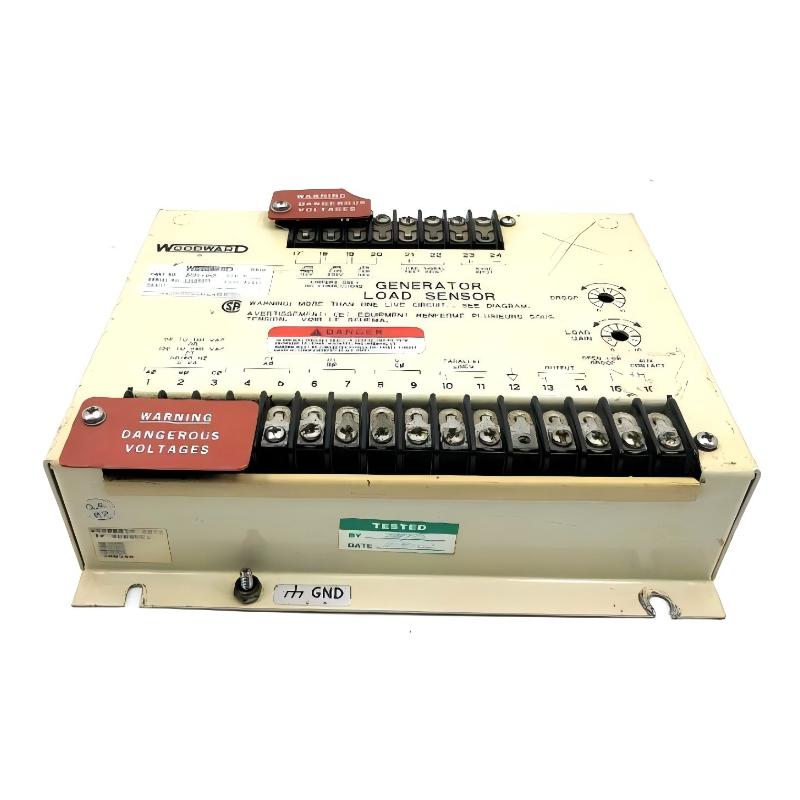
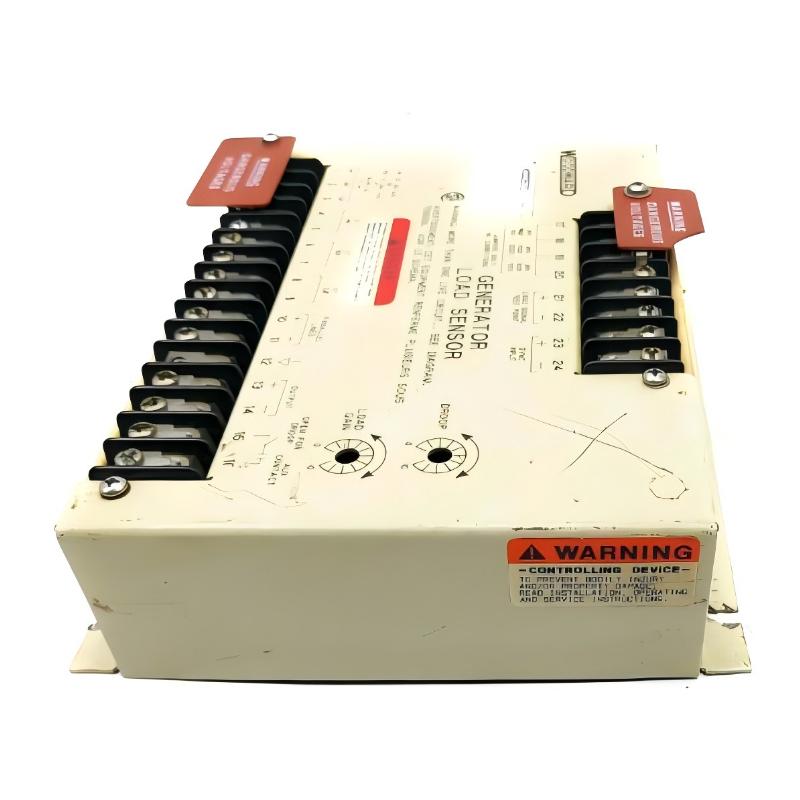
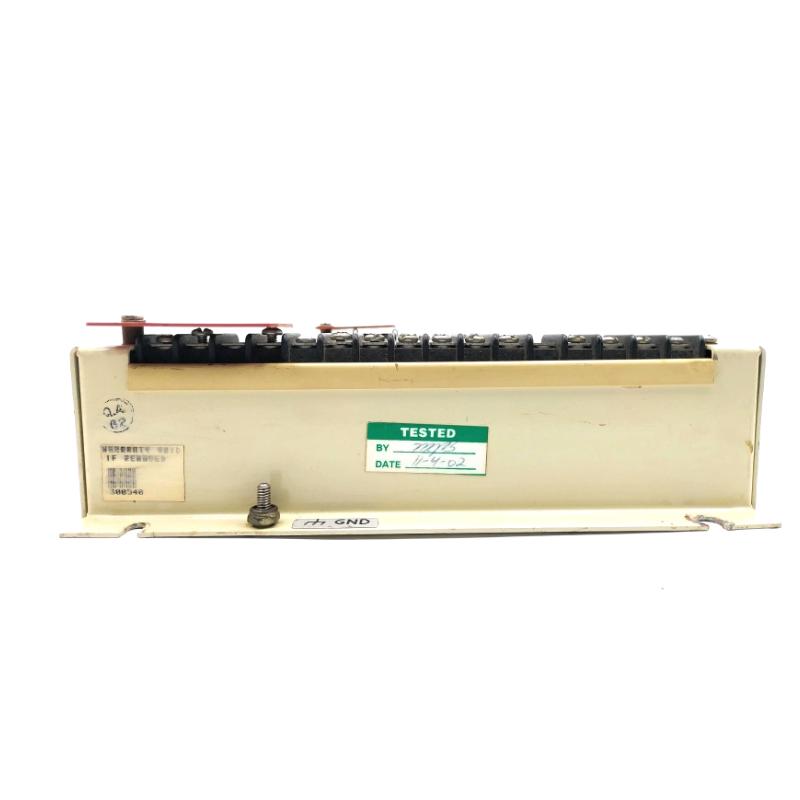
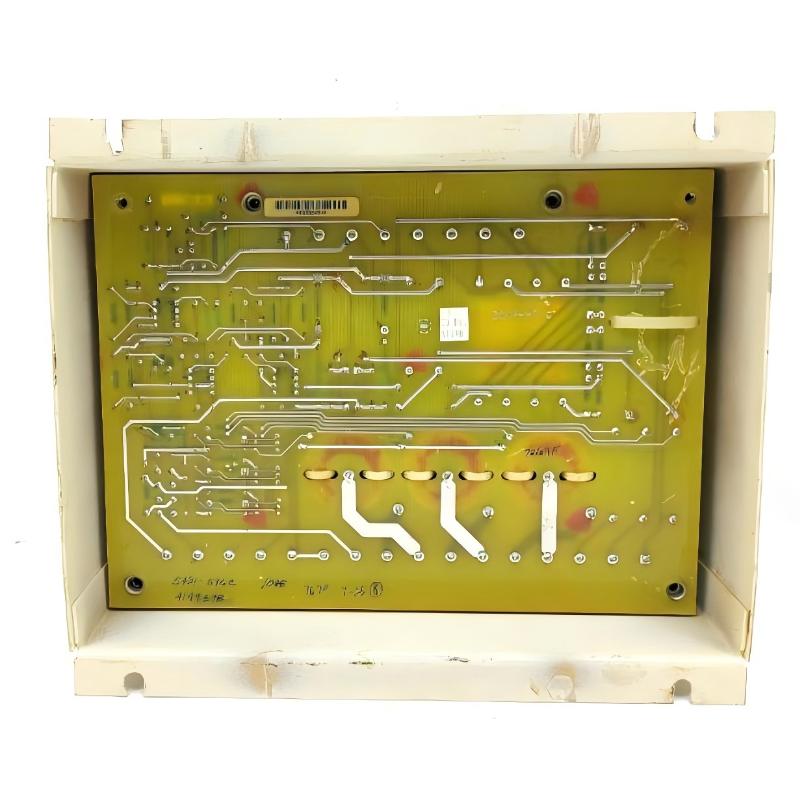
- Woodward
- 8290-048
- Generator Load Sensor
- USA
- 145 × 55 × 120 mm
- 0.88kg
- Xiamen, China
- New & In Stock
- T/T, PayPal, Western Union
- 1 Year
- 1-3 Working Days
- DHL, UPS, TNT, FedEx and EMS.
- 24-Hour Service
- COO
- 5
Our advantage

Global Logistics
We have a 10-year logistics and express cooperation agreement, so our products can be shipped to any place in the world.

Brand new and original
Our products are imported in bulk from the place of origin. Because of the cooperative relationship, our products are all original and 100% new.

24-hour service
We provide 7*24 hours service to our customers. We will be there whenever you need us.

Price advantage
All our products are priced very favorably because we have our own warehouse and supply.
| Company Information | |||
| [email protected] | |||
| Mobile | +8615980777398 | ||
| +8615980777398 | |||
| 15980777398 |
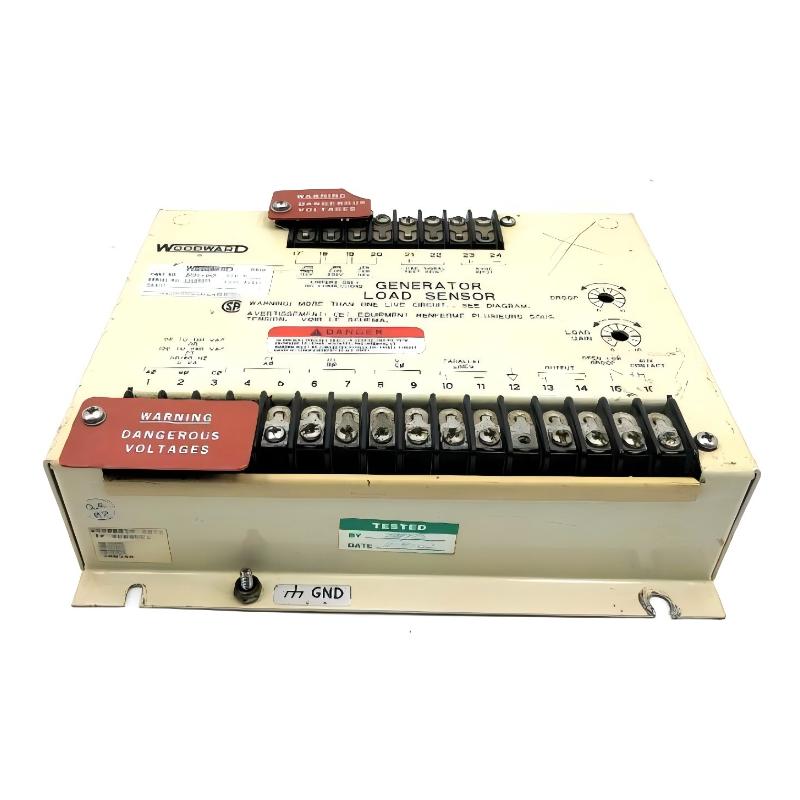
Product Overview
The Woodward 8290-048 Generator Load Sensor is an electronic load-sensing device designed for generator set control and parallel generator operation. It provides load measurement signals for compatible Woodward electronic speed controls and electrically powered governors, helping coordinate the distribution of active electrical load between generators operating in parallel.
In a multi-generator power system, load sharing is essential for stable and efficient operation. When two or more generator sets supply a common electrical bus, their engines must respond appropriately to changes in electrical demand. Without a suitable load-sharing arrangement, one generator may carry a disproportionately large share of the load while another operates below its intended contribution.
The 8290-048 addresses this requirement by providing load-sensing functionality for compatible control systems. According to Woodward’s technical documentation, it supports isochronous and droop load-sharing arrangements when used with Woodward 701, EPG, and 2301A electronic speed controls.
The device works with generator voltage and current sensing circuits to provide information used by the associated governor or speed controller. The control system can then adjust engine speed and fuel input to maintain the required load distribution.
The 8290-048 is suitable for applications involving industrial generator sets, standby power installations, and other power-generation systems that use compatible Woodward control equipment. Its correct application depends on the generator electrical configuration, current and voltage transformer connections, and the specific governor system.
Technical Specifications
| Parameter | Specification |
|---|---|
| Brand | Woodward |
| Model | 8290-048 |
| Product Type | Generator Load Sensor |
| Application | Generator load sensing and load sharing |
| Compatible Control Systems | Woodward 701, EPG, and 2301A |
| Input Voltage Range | 95–130 V AC or 190–260 V AC |
| Nominal Voltage Classes | 115 V AC / 230 V AC |
| Frequency | 50/60 Hz |
| Power Consumption | Approximately 5 VA |
| Load-Sharing Modes | Isochronous and droop load sharing |
| Adjustments | Droop and load gain |
| Voltage Sensing | Generator voltage sensing through compatible PT circuits |
| Current Sensing | Generator current sensing through compatible CT circuits |
| Dimensions Provided | 145 × 55 × 120 mm |
| Weight Provided | 0.88 kg |
| Product Lifecycle | Discontinued according to distributor listings |
| Typical Application | Parallel generator control systems |
Note: The dimensions and weight are supplied listing values. Confirm the actual unit and nameplate before finalizing mechanical installation or shipping details.
Function and Working Principle
The Woodward 8290-048 provides electrical load information to compatible generator control systems. Its purpose is to support coordinated engine-governor operation when generator sets share an electrical load.
1. Generator Load Sensing
A generator’s electrical load can be evaluated using voltage and current information. The load sensor receives the appropriate measurement signals from the generator sensing circuits.
Current transformers (CTs) and potential transformers (PTs), where required by the system design, provide signals suitable for the control equipment. Correct transformer ratios, polarity, phase relationships, and wiring are essential for accurate load measurement.
The sensor’s output is used by the associated speed-control system to determine how the generator should respond to load-sharing requirements.
2. Isochronous Load Sharing
Isochronous load sharing is used in suitable parallel generator systems where the generators are intended to operate at a common frequency while sharing active load.
When electrical demand changes, the load-sharing control system coordinates the engine governors so that the generators adjust their power contributions without allowing one unit to carry an excessive portion of the total load.
The 8290-048 provides load-sensing functionality for compatible Woodward controls. The complete system configuration determines how the governor responds to the sensor signal.
3. Droop Load Sharing
Droop control is another method used in parallel generator installations. In this arrangement, the relationship between engine speed or frequency and load is adjusted to help establish a stable load-sharing characteristic.
Droop settings influence how each generator responds as its electrical load changes. Proper adjustment helps coordinate multiple generator sets and reduces the likelihood of uneven load distribution.
The 8290-048 provides droop-related adjustment capability for compatible control arrangements. Final settings should be established during system commissioning.
4. Load Gain Adjustment
Load gain affects the response of the load-sharing control system to changes in measured load.
An appropriate gain setting helps the control system respond effectively without excessive oscillation or instability. If the gain is too high or too low, the system may not distribute load smoothly.
The correct setting depends on generator characteristics, governor response, control-system configuration, and the overall parallel operation arrangement.
5. Response to Changing Electrical Demand
When electrical demand increases or decreases, the generator load changes. The load sensor provides information that allows the associated control equipment to adjust engine operation.
For example, when a large motor starts, the generator system experiences a temporary change in electrical demand. The governor and load-sharing controls must respond according to their configured operating characteristics.
The sensor is one component in this control process. It does not independently control engine fuel delivery or replace the governor, actuator, or generator protection system.
Role in Generator Control Systems
The 8290-048 is used as part of a coordinated generator control arrangement. Its role is to provide load-related information to compatible Woodward speed controls and governors.
Integration with Woodward 701 Controls
The Woodward 701 electronic speed control is among the control systems identified in the 8290-048 documentation.
In a suitable configuration, the load sensor provides the information required for load-sharing operation. The speed control uses this information as part of its governor-control strategy.
Correct wiring and adjustment are necessary to achieve stable performance.
Integration with EPG Speed Controls
The Woodward EPG family includes electrically powered governor controls used in engine-driven generator applications.
The 8290-048 can be used with compatible EPG systems to provide load-sensing functionality. The EPG documentation identifies the load sensor as an optional component for appropriate generator-control arrangements.
The installation must follow the correct wiring diagram and voltage-selection requirements for the particular EPG model.
Integration with Woodward 2301A Controls
The Woodward 2301A is an electronic load-sharing and speed-control platform used in generator applications.
When the system design requires the 8290-048, the sensor contributes load information to the associated control arrangement. Compatibility must be checked against the specific 2301A model and its configuration.
Integration with Generator Switchgear
The load sensor is generally installed in a suitable control or switchgear cabinet where generator voltage and current sensing circuits are available.
The switchgear environment provides access to the relevant CT and PT circuits while allowing the sensor to be mounted away from the prime mover.
This arrangement can simplify wiring and provide a more suitable operating environment than mounting the device directly on an engine or generator assembly.
Industrial Applications
The Woodward 8290-048 is intended for generator-control applications where load measurement and load sharing are required.
1. Industrial Power Generation
Industrial facilities may use several generator sets to supply electrical power to production equipment, utilities, and essential plant systems.
In parallel installations, load sharing helps coordinate the electrical contribution of each generator. The 8290-048 can provide load-sensing functionality within compatible Woodward control systems.
2. Standby Generator Systems
Standby generator installations may contain multiple generator sets designed to support critical electrical loads during utility interruptions.
When generators operate in parallel, appropriate load-sharing control helps distribute demand among available units.
The 8290-048 may be used in systems that require compatible Woodward load-sensing and governor-control functions.
3. Marine Power Systems
Marine electrical systems frequently use multiple generator sets to supply onboard electrical loads.
Stable generator coordination is important when machinery, pumps, navigation equipment, and other electrical consumers operate simultaneously.
In suitable installations, the 8290-048 can contribute to the load-sharing arrangement when used with compatible Woodward controls.
4. Power Plants and Utility Support Systems
Generator installations in power-generation facilities may require coordinated operation between multiple engine-driven generating units.
Load-sharing controls help maintain the intended contribution of each generator as electrical demand changes.
The 8290-048 can support these arrangements where its electrical characteristics and control-system compatibility meet the project requirements.
5. Remote and Off-Grid Power Systems
Remote facilities may depend on local generator sets because utility power is unavailable or unreliable.
Multiple generators can be operated in parallel to provide sufficient capacity and operational flexibility. Load-sharing functionality helps coordinate generator output when the connected electrical demand changes.
6. Industrial Engine-Driven Generator Sets
Diesel and gas engine generator sets require coordinated governor control when multiple units supply a common electrical bus.
The 8290-048 can be applied in compatible Woodward governor systems to provide the load-sensing information required for the selected load-sharing arrangement.
Installation and System Integration
Correct installation of the 8290-048 is essential for accurate load measurement and stable generator operation.
1. Confirm Voltage Configuration
The 8290-048 supports two voltage input ranges:
- 95–130 V AC
- 190–260 V AC
The appropriate voltage-selection arrangement must be established according to the generator sensing voltage and the manufacturer’s wiring instructions.
Do not assume that the sensor automatically selects the correct voltage range. Verify the required jumper or terminal configuration before energizing the equipment.
2. Install in a Suitable Location
The sensor should be installed in an appropriate electrical control cabinet or switchgear enclosure.
Woodward’s associated EPG documentation specifies an operating temperature range of -40°C to +71°C for the referenced load-sensor installation and advises against mounting the sensor directly on the prime mover.
A switchgear cabinet containing the relevant CT and PT circuits is generally a suitable installation location, provided environmental and mounting requirements are satisfied.
3. Check CT and PT Wiring
Current transformer and potential transformer connections must be correct.
Before commissioning, verify:
- CT ratio and secondary rating.
- CT polarity and phase assignment.
- PT ratio and voltage range.
- Voltage phase relationships.
- Correct grounding and terminal connections.
- Wiring separation and insulation condition.
Incorrect CT or PT wiring can produce inaccurate load measurements and unstable load-sharing behavior.
4. Connect to the Compatible Speed Control
The 8290-048 must be connected to a compatible Woodward control system using the correct wiring arrangement.
The exact terminal connections depend on whether the sensor is used with a Woodward 701, EPG, or 2301A control system.
Do not assume that terminal assignments are identical across different control models. Follow the documentation for the exact governor and sensor configuration.
5. Adjust Droop and Load Gain
After installation, the load-sharing system must be commissioned under controlled operating conditions.
Droop and load gain settings should be adjusted according to the generator characteristics and the selected control method.
Poor adjustment may cause unequal load distribution, unstable operation, or unnecessary changes in engine speed.
6. Perform Parallel Operation Tests
Before placing the generator system into normal service, verify:
- Correct voltage and frequency sensing.
- Correct phase sequence and CT polarity.
- Stable generator synchronization.
- Load distribution between generator sets.
- Response to increasing and decreasing loads.
- Stability during changes in generator availability.
- Correct response of protection and shutdown systems.
Testing should be performed by qualified generator-control personnel following the applicable safety and commissioning procedures.
Compatible System Components
The 8290-048 is designed to operate as part of a generator load-sharing system. The following components may be used in a compatible installation.
| Component | Function | Integration Considerations |
|---|---|---|
| Woodward 701 Speed Control | Electronic engine speed control | Confirm the exact control model and wiring configuration |
| Woodward EPG Speed Control | Electrically powered governor control | Verify sensor compatibility and terminal connections |
| Woodward 2301A Control | Generator speed and load-sharing control | Confirm the required sensor arrangement |
| Current Transformer (CT) | Provides generator current measurement | Check ratio, polarity, and phase assignment |
| Potential Transformer (PT) | Provides voltage measurement signals | Match the voltage range and phase configuration |
| Generator Set | Produces electrical power | Confirm voltage, frequency, and rated output |
| Engine Governor | Regulates engine speed | Must be compatible with the selected control system |
| Actuator | Controls engine fuel or prime-mover input | Verify actuator and governor compatibility |
| Synchronizer | Coordinates generator synchronization | Use a suitable system configuration |
| Generator Switchgear | Houses sensing and control circuits | Provide suitable mounting and electrical protection |
These components are examples of equipment used in a complete generator-control system. They are not necessarily included with the 8290-048.
Alternative Models and Replacement Considerations
The Woodward 8290-048 is a specialized load sensor. It should not be replaced solely on the basis of physical dimensions or a similar product description.
| Alternative or Related Equipment | Replacement Considerations |
|---|---|
| Another Woodward 8290-048 unit | Preferred like-for-like option when the complete part number and revision match |
| Woodward 2301A control system components | Related control equipment, not a direct substitute for the load sensor |
| Woodward EPG load-sensing arrangement | May be relevant where the existing system uses compatible EPG equipment |
| Woodward 2500 Load Sensor | A related Woodward load-sharing product, but not an automatic drop-in replacement |
| Modern Woodward generator control equipment | May support a system upgrade but requires a complete compatibility assessment |
Before selecting a replacement, verify:
- Complete part number and revision.
- Required AC voltage range.
- 50 Hz or 60 Hz operating frequency.
- CT and PT ratios.
- Terminal assignments.
- Load-sharing control method.
- Droop and load gain adjustment requirements.
- Compatibility with the installed governor.
- Physical mounting and cabinet arrangement.
A newer control device may use different measurement inputs, communication methods, or control algorithms. Replacing the sensor may therefore require changes to the wider generator-control system.
Key Advantages
Supports Generator Load Sharing
The 8290-048 provides load-sensing functionality for compatible Woodward governor and speed-control systems, supporting coordinated generator operation.
Supports Isochronous and Droop Arrangements
The sensor is documented for use in systems employing isochronous and droop load-sharing methods.
Dual Voltage Input Ranges
Its 95–130 V AC and 190–260 V AC input ranges support different generator voltage-sensing configurations when correctly selected and wired.
50/60 Hz Compatibility
The device is suitable for generator systems operating at either 50 Hz or 60 Hz, subject to the correct electrical configuration.
Adjustable Load-Sharing Characteristics
Droop and load gain adjustments provide a means of configuring the sensor and associated control system for the generator application.
Integration with Established Woodward Controls
The 8290-048 is documented for use with Woodward 701, EPG, and 2301A control systems, making it relevant to maintenance of compatible legacy generator installations.
Technical FAQs
1. What is the Woodward 8290-048?
The Woodward 8290-048 is a Generator Load Sensor designed for generator load measurement and load-sharing applications. It is used with compatible Woodward electronic speed controls and governors.
2. What is the main function of the 8290-048?
Its main function is to provide load-sensing information for generator control systems. This information supports isochronous and droop load-sharing operation in compatible installations.
3. Which Woodward controllers can use this sensor?
Woodward documentation identifies the 701, EPG, and 2301A electronic speed-control systems as compatible applications. The exact model and wiring arrangement should always be checked before installation.
4. What is the operating voltage range?
The specified voltage ranges are 95–130 V AC or 190–260 V AC. The correct voltage-selection configuration must be established according to the generator sensing circuit.
5. Can the 8290-048 operate at 50 Hz and 60 Hz?
Yes. The product is specified for 50/60 Hz generator applications.
6. What is its power consumption?
The specified power consumption is approximately 5 VA.
7. What is the difference between isochronous and droop load sharing?
Isochronous load sharing coordinates generator output while maintaining a common operating frequency under the intended control arrangement. Droop load sharing uses a defined relationship between frequency or speed and load to help coordinate generator contributions.
The correct method depends on the generator system architecture and the control equipment.
8. Where should the 8290-048 be installed?
It should be installed in a suitable electrical control or switchgear cabinet. Associated Woodward installation documentation advises against mounting the load sensor directly on the prime mover.
9. What should be checked before replacing the sensor?
Verify the complete part number, revision, voltage range, CT and PT connections, terminal assignments, and compatibility with the installed governor or speed control.
10. Is the Woodward 8290-048 still manufactured?
Some distributor listings identify the model as discontinued. Buyers should confirm current availability and verify the condition and revision of any replacement unit.
Procurement and Maintenance Recommendations
The Woodward 8290-048 is a specialized component in generator load-sharing systems. When purchasing a replacement, verify the full part number and compare the unit with the installed sensor.
For used or surplus equipment, request clear photographs of the nameplate, terminal connections, and external condition. Confirm the revision, voltage range, and available functional-test information. The operating condition of the generator-control system should also be considered when evaluating a replacement.
During maintenance, inspect terminal connections, sensing wiring, grounding, and the condition of the switchgear cabinet. Verify CT and PT connections whenever the generator sensing circuit has been modified.
Droop and load gain settings should be recorded before adjustments are made. Any changes should be tested under controlled operating conditions to confirm that the generator sets share load correctly.
For legacy generator systems, maintaining a compatible spare sensor can help reduce troubleshooting time when the original component fails. However, the spare should be checked against the actual control-system configuration rather than selected solely by model description.
Conclusion
The Woodward 8290-048 Generator Load Sensor is an important component in compatible generator load-sharing arrangements. It provides load-sensing functionality for Woodward 701, EPG, and 2301A electronic speed-control systems and supports both isochronous and droop load-sharing applications.
With 95–130 V AC or 190–260 V AC input ranges, 50/60 Hz compatibility, and approximately 5 VA power consumption, the device is designed for integration into industrial and standby generator-control systems.
For maintenance and replacement projects, correct voltage selection, CT and PT wiring, governor compatibility, and load-sharing adjustment are essential. Accurate identification of the 8290-048 helps ensure that replacement equipment matches the requirements of the existing generator installation.