

ProductPRODUCT
Featured products
Contact Us
- Schneider
- TSXDSZ32R5
- Relay Discrete Output Module
- France
- 260 x 180 x 55 mm
- 0.641 kg
- Xiamen, China
- New & In Stock
- T/T, PayPal, Western Union
- 1 Year
- 1-3 Working Days
- DHL, UPS, TNT, FedEx and EMS.
- 24-Hour Service
- COO
- 3
Our advantage

Global Logistics
We have a 10-year logistics and express cooperation agreement, so our products can be shipped to any place in the world.

Brand new and original
Our products are imported in bulk from the place of origin. Because of the cooperative relationship, our products are all original and 100% new.

24-hour service
We provide 7*24 hours service to our customers. We will be there whenever you need us.

Price advantage
All our products are priced very favorably because we have our own warehouse and supply.
| Company Information | |||
| [email protected] | |||
| Mobile | +8615980777398 | ||
| +8615980777398 | |||
| 15980777398 |
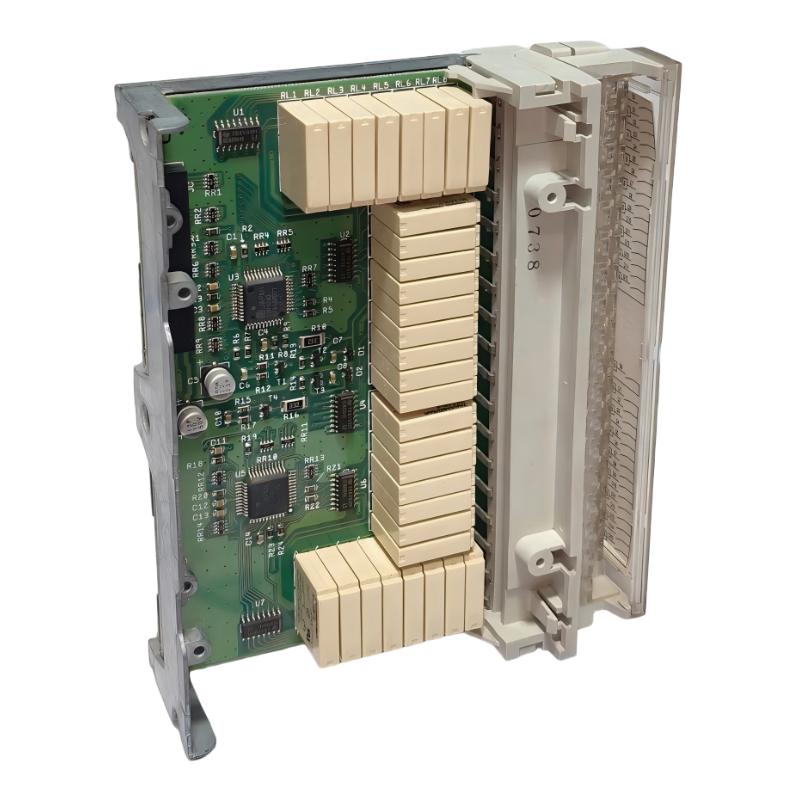
1. Product Overview
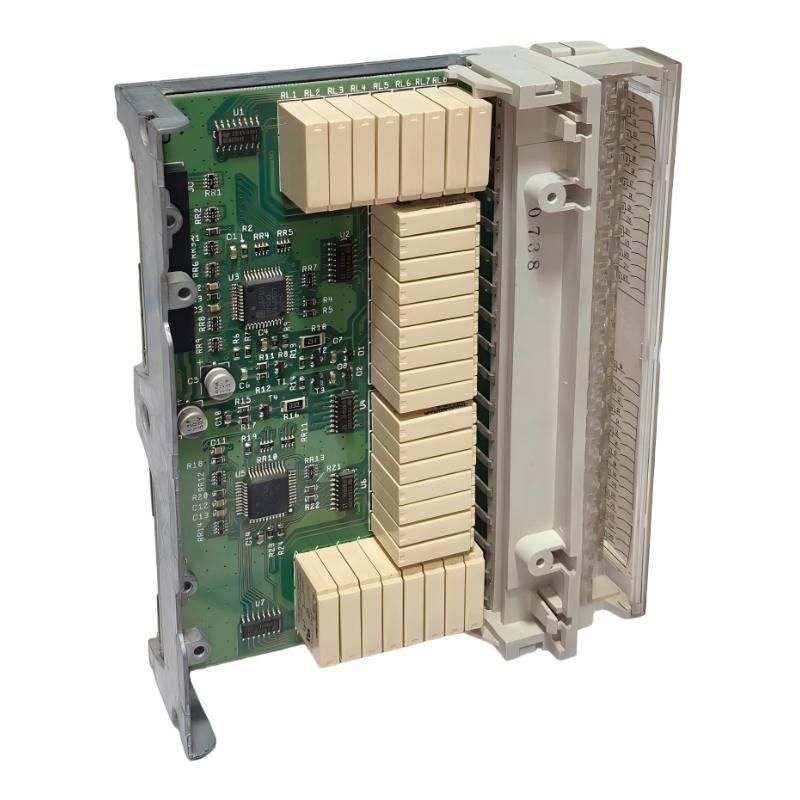
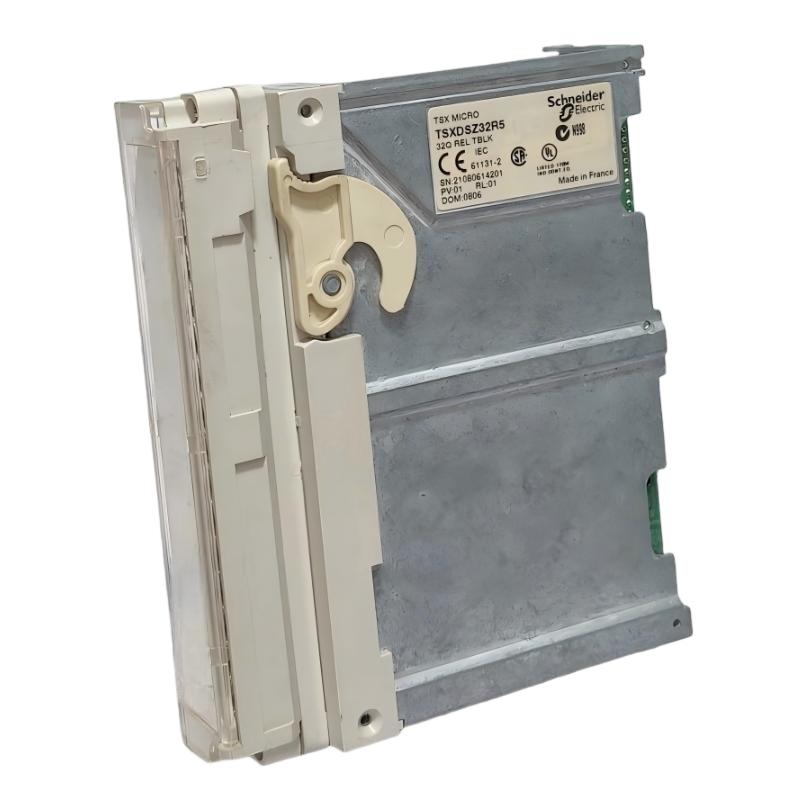
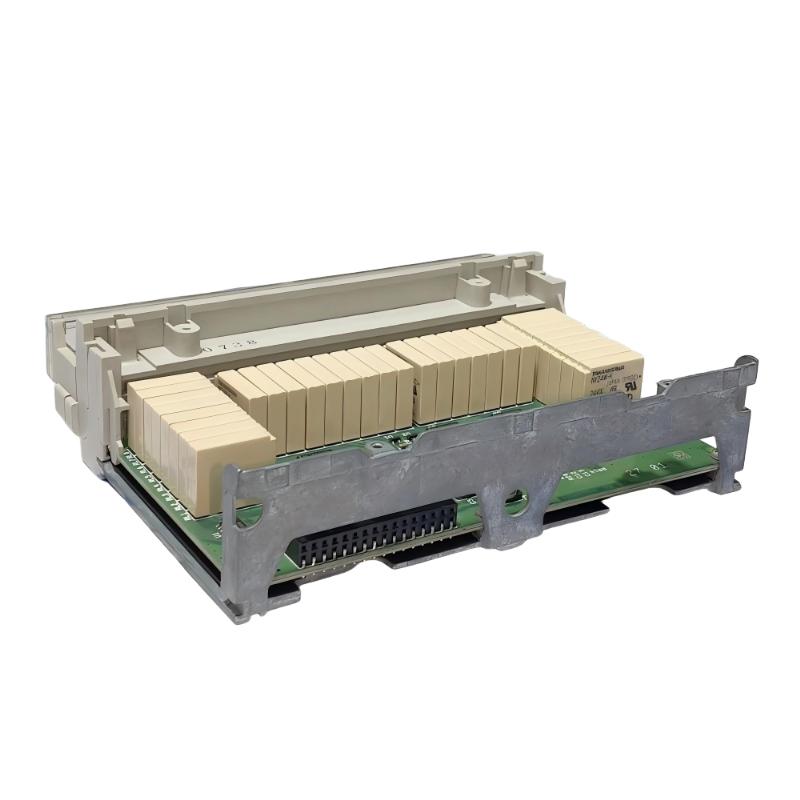
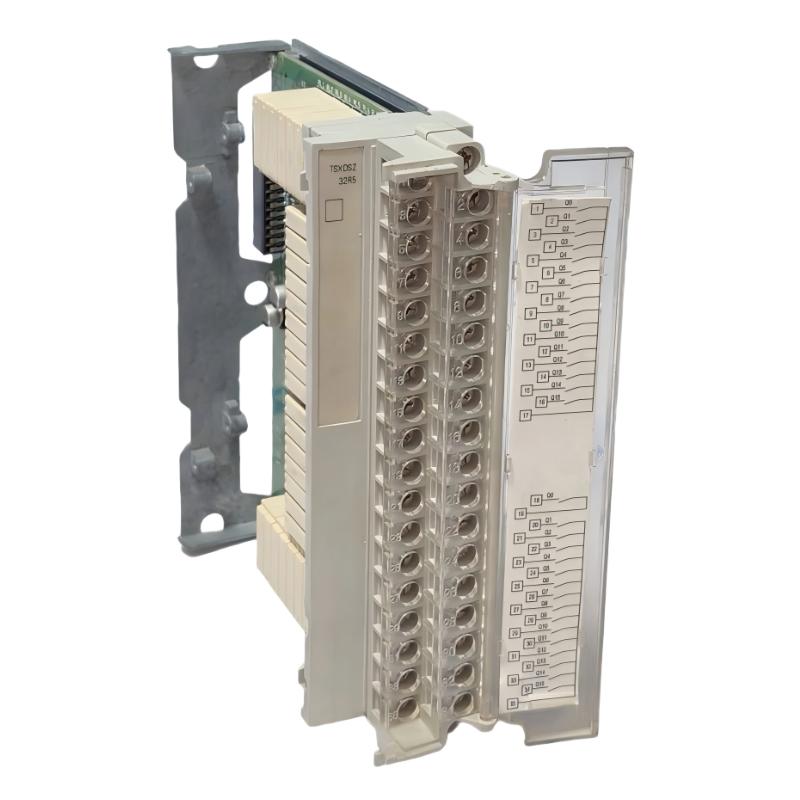
The Schneider TSXDSZ32R5 Relay Discrete Output Module is an industrial automation component used for discrete output control in compatible programmable logic controller (PLC) systems. Relay output modules provide a switching interface between PLC control logic and external electrical circuits, helping automated equipment perform programmed operations.
In a PLC-based control system, the controller processes input signals and executes its application program. When a programmed condition is satisfied, the controller sends an output command to the appropriate module. A relay output module responds by operating its switching contacts, allowing compatible external circuits to change state.
Relay output technology is commonly used in industrial control applications that require electrical switching between the controller and field equipment. Depending on the module’s verified specifications and the circuit design, applications may include control relays, indicator devices, contactor circuits, and other compatible loads.
The Schneider TSXDSZ32R5 may be relevant to industrial equipment maintenance, control system servicing, and replacement-part procurement. Before installation, verify the exact model number, contact arrangement, electrical ratings, terminal configuration, and compatibility with the installed PLC platform.
The supplied product information lists dimensions of 260 × 180 × 55 mm and a weight of 0.641 kg, supporting preliminary cabinet-space planning and spare-parts inventory management.
2. Technical Specifications
| Parameter | Specification |
|---|---|
| Brand | Schneider Electric |
| Model | TSXDSZ32R5 |
| Product Type | Relay Discrete Output Module |
| Product Category | PLC Output Module |
| Output Technology | Relay output, as indicated by the product description |
| Primary Function | Switching external electrical circuits |
| Dimensions | 260 × 180 × 55 mm |
| Weight | 0.641 kg |
| Typical Application | Industrial automation and PLC control |
| Installation Environment | Industrial control cabinet, subject to specified environmental requirements |
| Contact Arrangement | Verify against the exact product documentation |
| Electrical Ratings | Confirm before installation |
| Terminal Configuration | Verify before wiring |
| PLC Compatibility | Confirm the supported controller platform |
Technical note: Contact ratings, switching limitations, channel configuration, and supported load types must be verified against the exact product documentation. Do not assume that the module can directly control a particular load without confirming its electrical requirements.
3. Function and Working Principle
The TSXDSZ32R5 is identified as a relay discrete output module. Relay outputs allow a PLC to control compatible external circuits through electrically operated contacts.
3.1 Receiving PLC Commands
The PLC executes its control program using information from sensors, switches, internal logic, timers, and other configured conditions. When an output condition is met, the controller updates the corresponding output command.
The module receives this command through the supported PLC hardware interface.
3.2 Operating Relay Contacts
In a relay output design, an electrical control signal operates a relay mechanism, changing the state of its contacts. These contacts open or close an external circuit according to the relay’s configuration.
The exact contact arrangement and switching behavior depend on the module’s design. The correct wiring method must therefore be confirmed before installation.
3.3 Switching External Circuits
Relay contacts can switch compatible control circuits within their specified voltage, current, and load limits. Depending on the application, these circuits may operate intermediate relays, indicator devices, or contactor control circuits.
Inductive loads can generate electrical transients during switching. Appropriate suppression and protective components should be selected according to the load characteristics and manufacturer’s recommendations.
3.4 Coordinating Automated Operations
When integrated with a correctly configured PLC, the output module allows programmed conditions to trigger switching actions. This supports equipment sequencing, auxiliary control, and process-related operations.
Safety-critical applications require appropriately designed and validated safety systems. A standard relay output module should not be treated as a safety-rated device unless the complete system documentation explicitly establishes that capability.
4. Role in Industrial Automation Systems
Relay output modules form part of the interface between PLC logic and external electrical equipment. The TSXDSZ32R5 can be evaluated for applications where its verified electrical characteristics and hardware compatibility meet system requirements.
Machine Control
Industrial machinery uses discrete outputs to coordinate operating sequences, auxiliary circuits, and equipment status indicators. Correct output selection helps ensure that the switching hardware is suitable for the connected control circuits.
Manufacturing Automation
Production lines rely on PLC commands to coordinate machine states and programmed operations. Relay outputs can support compatible switching functions where the electrical characteristics meet the application’s requirements.
Process Control
In process installations, relay output circuits may be used for auxiliary control functions and equipment sequencing. Integration must account for the electrical characteristics of the field devices and the overall control architecture.
Equipment Maintenance
Correct part identification is important when troubleshooting existing control systems. An unsuitable replacement can introduce differences in contact ratings, wiring arrangements, or controller compatibility.
Spare Parts Management
Maintaining accurate model records helps industrial maintenance teams plan replacements and manage inventory. Spare-part records should include the complete model number and, where available, relevant condition and hardware identification details.
5. Industrial Applications
Relay discrete output modules are used in a variety of industrial environments. Potential application categories for compatible modules include the following.
Manufacturing Machinery
Discrete output circuits can coordinate machine sequences, auxiliary equipment, and status indicators. The module must be suitable for the connected loads and the required switching frequency.
Packaging Systems
Automated packaging equipment uses switching commands to coordinate different production stages. Relay outputs may support suitable control circuits when the electrical ratings and controller compatibility have been verified.
Conveyor and Material Handling Equipment
Material handling systems use PLC commands to coordinate equipment operating states and process sequences. Relay output circuits can be used for compatible control functions as part of the complete system design.
Industrial Process Equipment
Process control installations may use relay outputs to switch auxiliary control circuits and interface with external devices. Applications involving valves, pumps, contactors, or other loads require confirmation of the contact ratings and any additional interface hardware.
Legacy Automation Installations
Older PLC systems may require specific output modules to preserve existing hardware configurations. Before sourcing a TSXDSZ32R5 as a replacement, verify the installed module’s part number and confirm that the proposed component is supported by the existing controller.
These examples describe general relay output applications and do not establish compatibility with every listed machine or process.
6. Installation and System Integration
Correct installation is essential for reliable switching, equipment protection, and safe operation.
6.1 Verify the Model
Confirm the complete TSXDSZ32R5 model number on the product label and compare it with the system’s hardware records. Similar-looking modules may have different contact arrangements, output technologies, or electrical ratings.
6.2 Isolate Electrical Power
Follow the facility’s lockout/tagout procedures and the manufacturer’s installation instructions. Isolate the relevant power sources and verify that the equipment is in a safe condition before handling the module.
Do not insert or remove the module under power unless the exact system documentation explicitly permits that operation.
6.3 Inspect the Module and Mounting Area
Inspect the housing, connectors, terminals, and mounting points for damage, contamination, corrosion, or signs of overheating. Ensure that the control cabinet meets the environmental requirements specified for the equipment.
6.4 Confirm Contact and Load Ratings
Before connecting field equipment, verify the module’s contact ratings and the load’s electrical characteristics. Consider the following:
- Operating voltage and current.
- AC or DC circuit requirements.
- Resistive or inductive load characteristics.
- Switching frequency and expected operating life.
- Required fusing, suppression, and protective components.
The permitted values depend on the exact module specifications and circuit design.
6.5 Verify Wiring and PLC Compatibility
Use the correct wiring diagram and terminal assignments for the exact model. Confirm that the controller platform, mounting arrangement, and hardware configuration support the module.
Never rely solely on wire colors or terminal positions from another model.
6.6 Conduct Functional Testing
After installation, complete the prescribed electrical and functional checks. Review available controller diagnostics, verify the expected output states, and test the connected equipment under controlled conditions.
Record the installation, replacement part number, and relevant configuration changes in the maintenance documentation.
7. Common Problems and Troubleshooting
Output faults can originate in the PLC program, module, wiring, external supply, or connected field device. Troubleshooting should examine the complete control circuit.
Output Does Not Switch
Possible causes include an incorrect PLC command, an active interlock, a configuration error, a wiring problem, or a faulty output circuit.
Recommended checks:
- Confirm that the PLC program issues the intended output command.
- Review the controller and module diagnostic information.
- Inspect wiring and terminal connections.
- Verify the external power supply.
- Confirm the correct output channel and hardware configuration.
Connected Equipment Does Not Operate
A PLC command does not necessarily confirm that the external device is receiving the required electrical power.
Inspect the supply circuit, wiring path, protective devices, intermediate relays, and connected load. Verify that the load is compatible with the module’s specified contact ratings.
Intermittent Switching
Intermittent operation may result from loose connections, damaged cables, electrical interference, unstable power, worn contacts, or a fault in the connected equipment.
Inspect the installation using approved maintenance procedures. Review the conditions under which the fault occurs, and have qualified personnel perform electrical tests with suitable instruments.
Relay Contact Wear
Relay contacts have finite mechanical and electrical operating lives. Excessive loads, unsuitable inductive loads, and frequent switching can accelerate contact degradation.
If contact wear is suspected, follow the manufacturer’s diagnostic and replacement recommendations. Do not exceed the module’s specified switching limits.
Module Diagnostic Alarm
If the PLC reports a module-related fault, consult the diagnostic information for the installed control platform. Check the module identification, hardware configuration, mounting, and connector condition.
Before replacing the module, determine whether the fault originates in the output module, controller interface, power supply, wiring, or external load.
8. Preventive Maintenance
A structured preventive maintenance program can help reduce unexpected failures and improve control system reliability.
Recommended practices include:
- Visual inspection: Check the housing and connectors for damage, contamination, or discoloration.
- Connection checks: Inspect terminals and wiring according to approved maintenance procedures.
- Load verification: Confirm that connected equipment remains within the module’s specified switching ratings.
- Contact condition: Investigate abnormal switching behavior and follow the manufacturer’s guidance on relay service life.
- Cabinet maintenance: Maintain the required environmental conditions and keep the installation clean.
- Diagnostic monitoring: Record recurring alarms and investigate their causes.
- Spare-parts storage: Protect replacement modules from moisture, contamination, physical damage, and electrostatic discharge where applicable.
- Maintenance records: Document model numbers, replacement dates, observed faults, and wiring or configuration changes.
All maintenance activities should be carried out by qualified personnel following the applicable safety procedures and manufacturer instructions.
9. Compatibility and Replacement Considerations
Selecting a replacement for the Schneider TSXDSZ32R5 requires verification of its electrical characteristics and compatibility with the existing PLC system. Matching the general product description or physical dimensions alone does not guarantee interchangeability.
Before purchasing a replacement, confirm the following:
- Exact part number: Verify that TSXDSZ32R5 is the required model.
- Output technology: Confirm that the replacement provides the required relay output function.
- Contact arrangement: Verify the contact configuration and terminal assignments.
- Electrical ratings: Confirm voltage, current, load characteristics, and switching limitations.
- Controller compatibility: Ensure support for the installed PLC platform and hardware configuration.
- Wiring requirements: Check terminal layout and external protection requirements.
- Physical dimensions: Compare the supplied dimensions of 260 × 180 × 55 mm with the available installation space.
- Product condition: For used or surplus components, assess labeling, physical condition, and available traceability information.
If the exact model is unavailable, a substitute should be selected only after a technical compatibility review. Similar model numbers do not establish electrical or mechanical interchangeability.
10. Key Benefits of Relay Discrete Output Modules
When correctly selected and integrated, relay output modules offer practical benefits in industrial automation systems.
- Discrete circuit switching: Allows PLC commands to operate compatible external electrical circuits.
- Control-system integration: Provides an interface between programmed logic and field-level switching functions.
- Automated sequencing: Supports coordinated machine operations and process steps.
- Maintenance support: Provides a defined component for troubleshooting and replacement planning.
- Operational consistency: Helps maintain predictable equipment behavior when the controller, module, wiring, and connected devices function correctly.
- Spare-parts management: Accurate identification supports inventory planning and maintenance documentation.
Actual performance depends on the verified module specifications, installation quality, load characteristics, and operating environment.
11. Frequently Asked Questions
Q1: What is the Schneider TSXDSZ32R5?
The Schneider TSXDSZ32R5 is identified as a Relay Discrete Output Module for industrial automation applications. Its exact contact ratings, terminal arrangement, and PLC compatibility should be verified against the applicable product documentation.
Q2: What are the dimensions and weight of the TSXDSZ32R5?
The supplied product information lists dimensions of 260 × 180 × 55 mm and a weight of 0.641 kg.
Q3: What does a relay output module do?
A relay output module allows a PLC to switch compatible external circuits through relay contacts in response to programmed control commands.
Q4: What loads can this module control?
Permissible loads depend on the exact contact ratings, operating voltage, current, load characteristics, and switching limitations. Confirm these details before connecting external equipment.
Q5: Can the TSXDSZ32R5 replace another Schneider output module?
Not automatically. Compatibility depends on the output technology, contact arrangement, electrical ratings, terminal layout, and controller platform. Verify these requirements before selecting a substitute.
Q6: Why might a relay output stop working?
Possible causes include incorrect PLC logic, wiring faults, a missing external supply, incompatible loads, damaged connections, or worn relay contacts. Systematic troubleshooting can help identify the actual source of the problem.
Q7: What should be verified before purchasing this module?
Confirm the full model number, product condition, contact ratings, terminal configuration, and compatibility with the existing control system. For replacement applications, compare the proposed module with the original component and system documentation.
12. Conclusion
The Schneider TSXDSZ32R5 Relay Discrete Output Module is an industrial automation component for evaluation in PLC-based switching, equipment maintenance, and spare-parts applications. The supplied dimensions are 260 × 180 × 55 mm, and the listed weight is 0.641 kg.
For reliable integration, users should verify the contact ratings, load compatibility, terminal configuration, and controller requirements before installation. Correct model selection, safe wiring, systematic troubleshooting, and preventive maintenance help support dependable performance in industrial control systems.