

ProductPRODUCT
Featured products
Contact Us
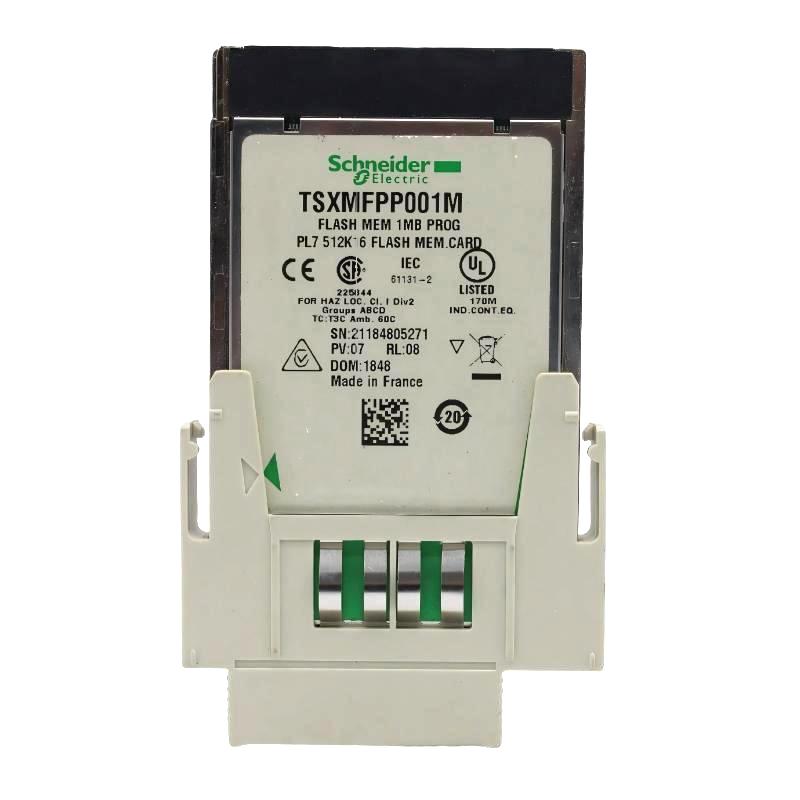
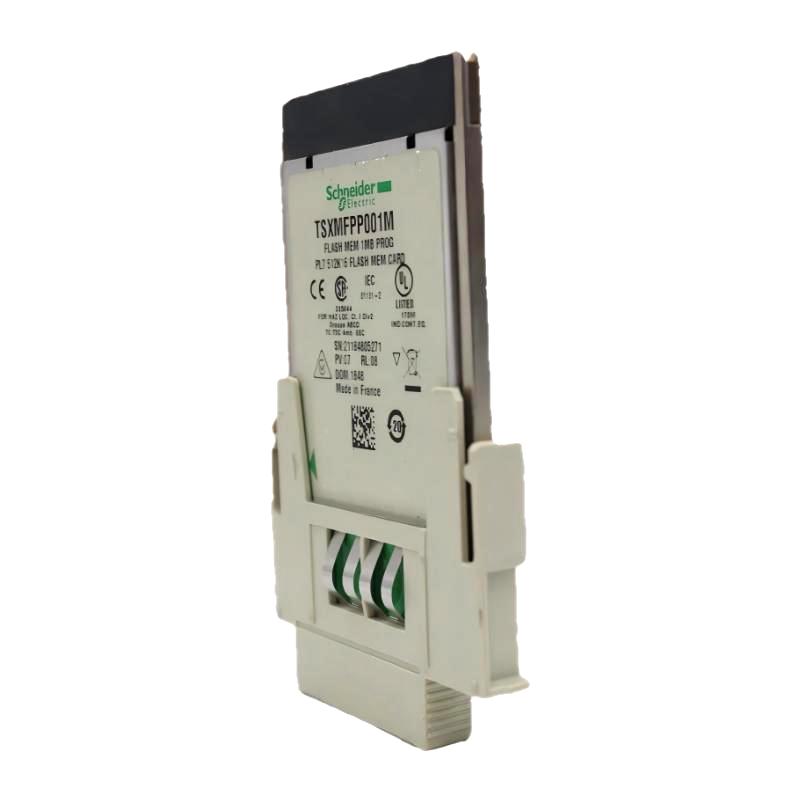
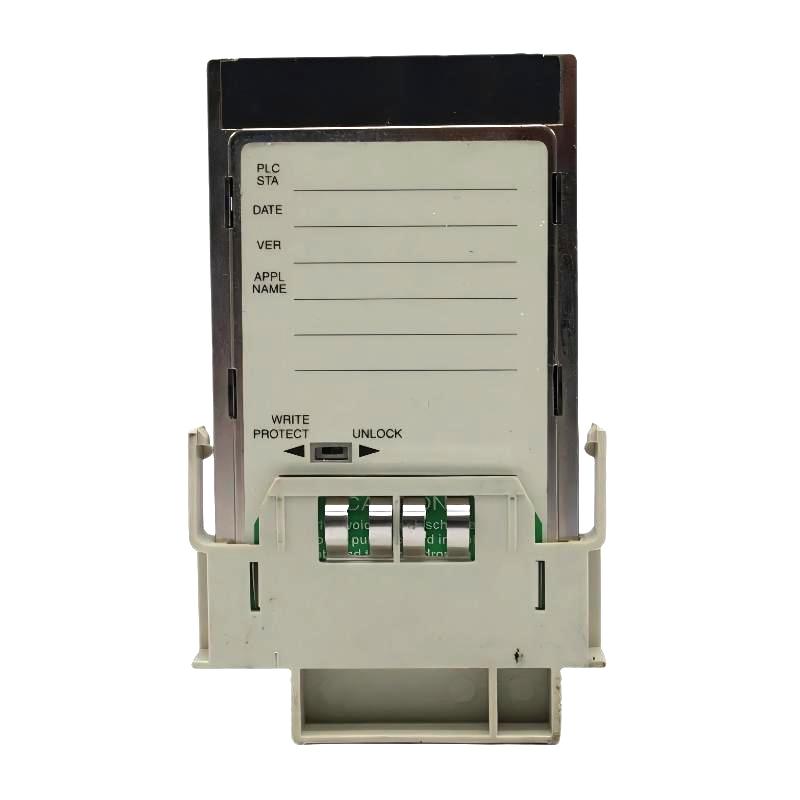
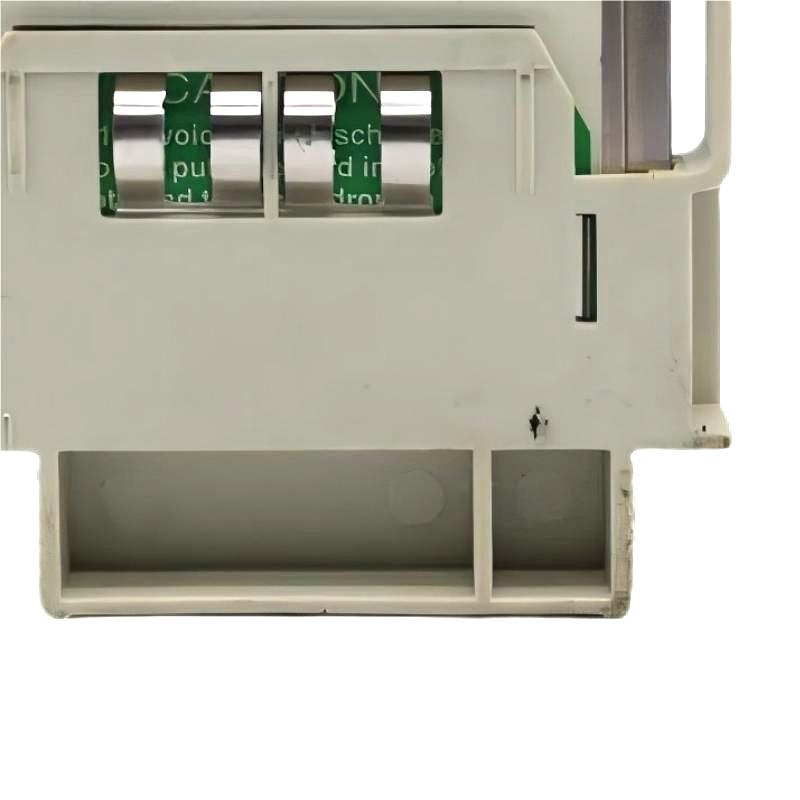
- Schneider
- TSXMFPP001M
- Flash EPROM Application Memory Expansion
- France
- 130 x 90 x 30 mm
- 0.044 kg
- Xiamen, China
- New & In Stock
- T/T, PayPal, Western Union
- 1 Year
- 1-3 Working Days
- DHL, UPS, TNT, FedEx and EMS.
- 24-Hour Service
- COO
- 3
Our advantage

Global Logistics
We have a 10-year logistics and express cooperation agreement, so our products can be shipped to any place in the world.

Brand new and original
Our products are imported in bulk from the place of origin. Because of the cooperative relationship, our products are all original and 100% new.

24-hour service
We provide 7*24 hours service to our customers. We will be there whenever you need us.

Price advantage
All our products are priced very favorably because we have our own warehouse and supply.
| Company Information | |||
| [email protected] | |||
| Mobile | +8615980777398 | ||
| +8615980777398 | |||
| 15980777398 |
1. Product Overview
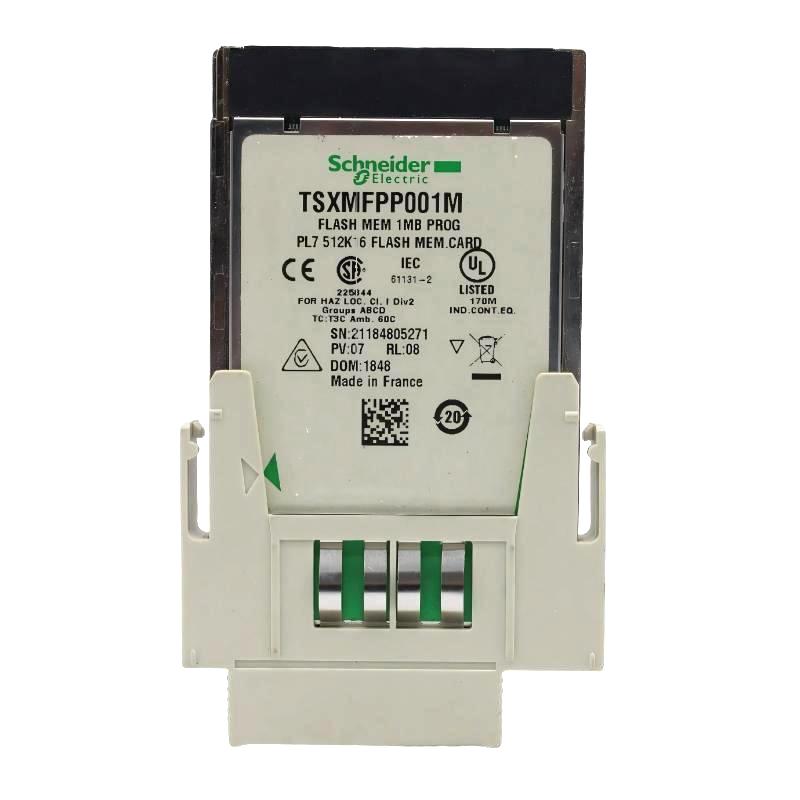
The Schneider TSXMFPP001M Flash EPROM Application Memory Expansion is identified in the supplied product information as an application memory expansion component for industrial automation equipment. Application memory is an important part of programmable control systems because it provides storage for programs and other supported information required by the host device.
In industrial automation environments, dedicated memory components can help maintain existing controller configurations, support equipment servicing, and preserve compatibility with established control architectures. For legacy systems, selecting the correct memory expansion is particularly important because memory cards and modules may have specific hardware, capacity, and software requirements.
The TSXMFPP001M model designation and exact supported functions should be verified against the product label and the relevant Schneider Electric documentation before purchase or installation. The precise memory capacity, compatible controller series, and programming requirements should not be inferred from the model number alone.
2. Technical Specifications
| Parameter | Specification |
|---|---|
| Brand | Schneider Electric |
| Model | TSXMFPP001M |
| Product Type | Flash EPROM Application Memory Expansion |
| Product Category | Industrial Automation Memory Component |
| Dimensions | 130 × 90 × 30 mm |
| Weight | 0.044 kg |
| Memory Technology | Flash EPROM, according to the supplied product description |
| Memory Capacity | To be confirmed |
| Compatible Controller | To be confirmed |
| Interface Type | To be confirmed |
| Supported Application Data | To be confirmed |
| Programming Requirements | To be confirmed |
| Installation Method | To be confirmed from product documentation |
Specification note: The dimensions and weight are reproduced from the supplied product information. Confirm whether the dimensions refer to the memory component itself or its packaging. The exact hardware compatibility and supported memory functions should also be verified before ordering.
3. Function and Working Principle
Application memory provides storage for information used by compatible automation equipment. Depending on the controller design, this may include application programs, configuration information, or other supported system data.
Flash EPROM is a form of non-volatile memory that can retain stored information without continuous power. In industrial applications, dedicated memory components are designed to work within the hardware and software environment supported by the host device.
The general operating process may include the following stages:
- Application storage: Compatible engineering software or equipment writes supported application information to the memory component.
- Data retention: The memory retains stored information when power is removed, within its specified operating conditions.
- Controller access: The host device accesses the stored information according to its design.
- Application execution: The controller uses the relevant program or configuration data to perform its intended control functions.
- Maintenance and replacement: Technicians verify the stored information and follow the approved procedure when servicing or replacing the memory component.
These steps describe general application memory operation. The exact functions of the TSXMFPP001M must be confirmed from its technical documentation.
4. Role in Industrial Automation Systems
Application memory is an important component in programmable automation systems. A suitable memory expansion can support the storage requirements of compatible equipment and help maintain established control configurations.
4.1 Application Program Storage
Where supported by the controller, application memory can store the program used to coordinate machine operations, monitor inputs, and control outputs. The actual program-storage function depends on the hardware architecture.
4.2 Memory Capacity Expansion
Some automation systems support additional memory to accommodate application requirements. The suitability of the TSXMFPP001M for a particular capacity-expansion task must be verified against the controller’s supported memory options.
4.3 Legacy Controller Maintenance
Older automation platforms may rely on dedicated memory components that are not interchangeable with modern storage devices. Correct part identification helps maintenance teams preserve the original system configuration.
4.4 Application Management
Memory components may support the management of application data during engineering and maintenance activities. Any transfer, programming, or restoration operation should follow the procedures approved for the target controller.
The specific role of the TSXMFPP001M within a Schneider Electric system should be confirmed before assigning it to a particular controller or application.
5. Industrial Applications
Manufacturing and Machine Automation
Manufacturing equipment commonly relies on programmable controllers to coordinate production sequences, monitor sensors, and manage machine operation. Compatible application memory can support the storage requirements of these control systems.
Process Control
Industrial process facilities often operate established automation platforms for extended periods. Maintaining the correct memory component can be important when servicing or restoring compatible equipment.
Packaging and Material Handling
Automated packaging lines and material-handling systems may use dedicated application storage within their controllers. Memory compatibility must be verified before installing a replacement or expansion.
Industrial Equipment Refurbishment
Maintenance providers and equipment refurbishment teams may need original memory components when repairing legacy control systems. Confirming the exact part number can help reduce procurement errors and installation delays.
These examples describe general applications of industrial application memory. They do not establish specific controller compatibility for the TSXMFPP001M.
6. Installation and System Integration
Before installing the Schneider TSXMFPP001M, verify the intended function of the component and confirm that the target equipment supports it.
Recommended procedures include:
- Verify the model number: Check the complete TSXMFPP001M designation against the existing component and equipment documentation.
- Identify the host controller: Confirm the exact controller model and its supported memory options.
- Review technical requirements: Check memory capacity, interface, firmware requirements, and programming compatibility.
- Back up existing application data: Create and verify an approved backup before changing the memory configuration whenever possible.
- Inspect the component: Check for damaged contacts, cracks, contamination, or other visible defects.
- Follow the installation procedure: Observe the equipment manufacturer’s instructions for power isolation, insertion, removal, and configuration.
- Validate the system: Confirm that the controller recognizes the memory component and that the application operates correctly.
Do not assume that installing a memory expansion automatically transfers or preserves an existing application. Some systems require a separate programming or configuration procedure.
7. Common Problems and Troubleshooting
| Symptom | Possible Cause | Recommended Action |
|---|---|---|
| Memory component is not recognized | Incompatible model or connection problem | Verify the part number and supported controller configuration |
| Application data is unavailable | Incorrect memory configuration or data issue | Check the approved programming and data-access procedure |
| Controller reports a memory error | Defective component or unsupported memory option | Review controller diagnostics and confirm compatibility |
| Application fails after replacement | Incorrect program data or configuration mismatch | Restore a verified compatible application using the approved procedure |
| Memory expansion does not provide the expected result | Unsupported configuration or incorrect component selection | Confirm the controller’s documented memory requirements |
| Intermittent operation | Damaged contacts or component deterioration | Inspect the component and host interface using approved procedures |
These are general troubleshooting guidelines. The specific diagnostic indicators and corrective procedures for the TSXMFPP001M depend on the verified equipment configuration.
8. Preventive Maintenance
Proper handling and application-data management can help maintain the reliability of industrial memory components.
Recommended practices include:
- Store spare components in a clean, dry, antistatic environment.
- Protect electrical contacts from contamination and electrostatic discharge.
- Avoid physical shock and environmental conditions outside the specified limits.
- Maintain verified backups of important application programs and configurations.
- Record the model number and the controller associated with each memory component.
- Follow approved procedures when programming, installing, or removing the component.
- Investigate recurring memory-related faults instead of repeatedly resetting the controller.
- Replace defective components only with verified compatible parts.
Maintenance intervals and replacement criteria should follow the relevant equipment documentation.
9. Compatibility and Replacement Considerations
When purchasing a replacement Schneider TSXMFPP001M Flash EPROM Application Memory Expansion, confirm the technical requirements of the target automation system.
Important checks include:
- Complete model number and any suffix.
- Supported controller series and hardware revision.
- Memory capacity and type.
- Physical and electrical interface.
- Firmware and software compatibility.
- Supported application format and programming procedure.
- Installation and configuration requirements.
- Product condition and availability of a verified application backup.
A memory component with a similar appearance or storage technology may not be a suitable replacement. Compatibility depends on the controller’s supported hardware, memory architecture, and software environment.
For legacy automation systems, verifying the original component and controller documentation is especially important before ordering.
10. Key Benefits of a Compatible Application Memory Expansion
When confirmed as suitable for the target equipment, an application memory expansion can offer several practical benefits:
- Application storage: Supports the storage of programs and other information required by compatible equipment.
- System maintenance: Helps technicians maintain or replace dedicated memory components.
- Legacy equipment support: Can help preserve established automation installations.
- Configuration continuity: Supports the retention of application information when used as intended.
- Reduced procurement risk: Accurate model verification lowers the chance of ordering incompatible components.
Actual benefits depend on the confirmed functions of the TSXMFPP001M and the requirements of the host controller.
11. Frequently Asked Questions
Q1: What is the Schneider TSXMFPP001M?
The supplied product description identifies the Schneider TSXMFPP001M as a Flash EPROM Application Memory Expansion. Its precise function and compatible equipment should be confirmed from the original product documentation.
Q2: What are the dimensions and weight of the TSXMFPP001M?
The supplied dimensions are 130 × 90 × 30 mm, and the stated weight is 0.044 kg.
Q3: What is the memory capacity of the TSXMFPP001M?
The memory capacity has not been confirmed here. Check the product label or technical documentation before selecting it for a specific application.
Q4: Which Schneider Electric controllers support this memory expansion?
The compatible controller series has not been established. Verify the exact controller model and supported memory options before ordering.
Q5: Does installing the memory expansion automatically load an application?
Not necessarily. Depending on the controller architecture, application data may need to be programmed or transferred using an approved engineering procedure.
Q6: Can the TSXMFPP001M replace another Flash EPROM card?
Not automatically. The replacement must meet the controller’s hardware, memory, software, and application-compatibility requirements.
Q7: What should buyers verify before purchasing?
Confirm the full model number, memory capacity, compatible controller, interface, dimensions, product condition, and required programming procedure. If the component will be used to maintain an existing application, ensure that a verified backup is available.
12. Conclusion
The Schneider TSXMFPP001M Flash EPROM Application Memory Expansion is identified in the supplied product information as an industrial automation memory component. Application memory can support program storage and configuration management in compatible control systems, but the precise functions of this model should be verified before use.
For reliable procurement and system integration, confirm the component’s specifications, supported controller, memory capacity, and programming requirements. Accurate identification and proper application-data management help reduce compatibility risks and support the continued operation of industrial automation equipment.