

ProductPRODUCT
Featured products
Contact Us
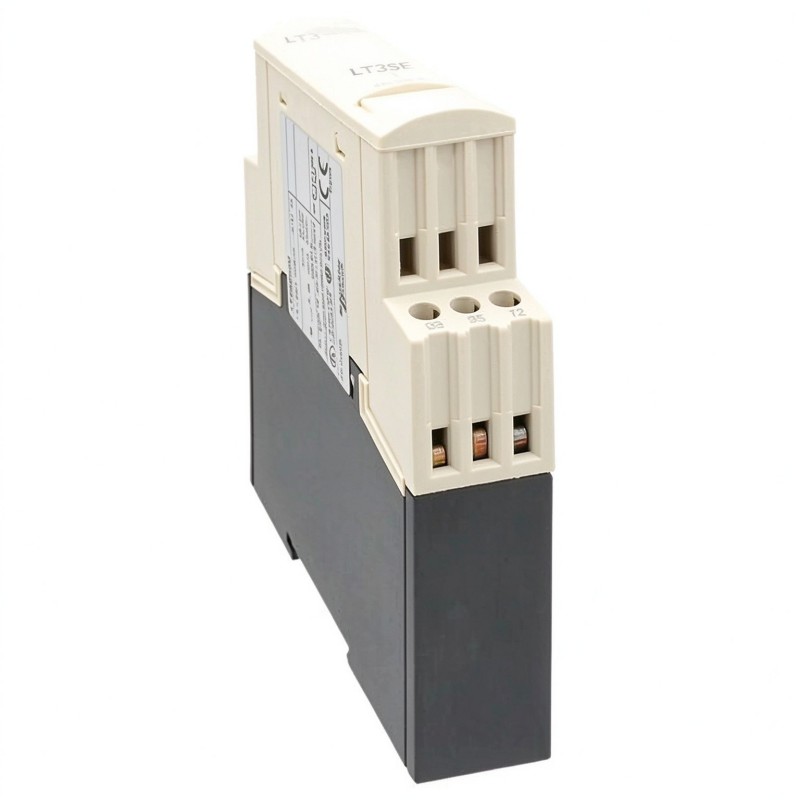
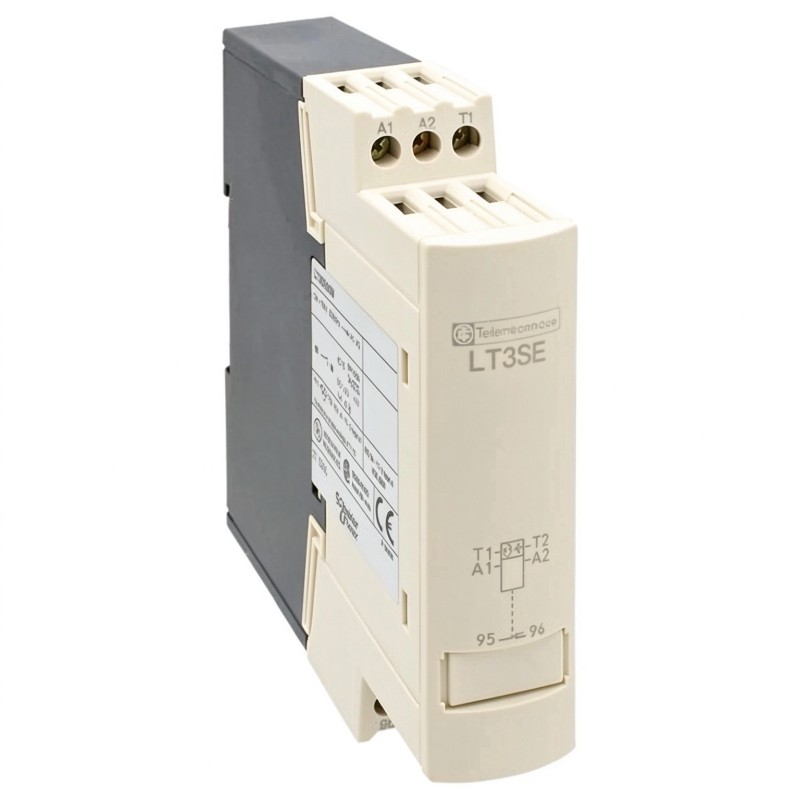
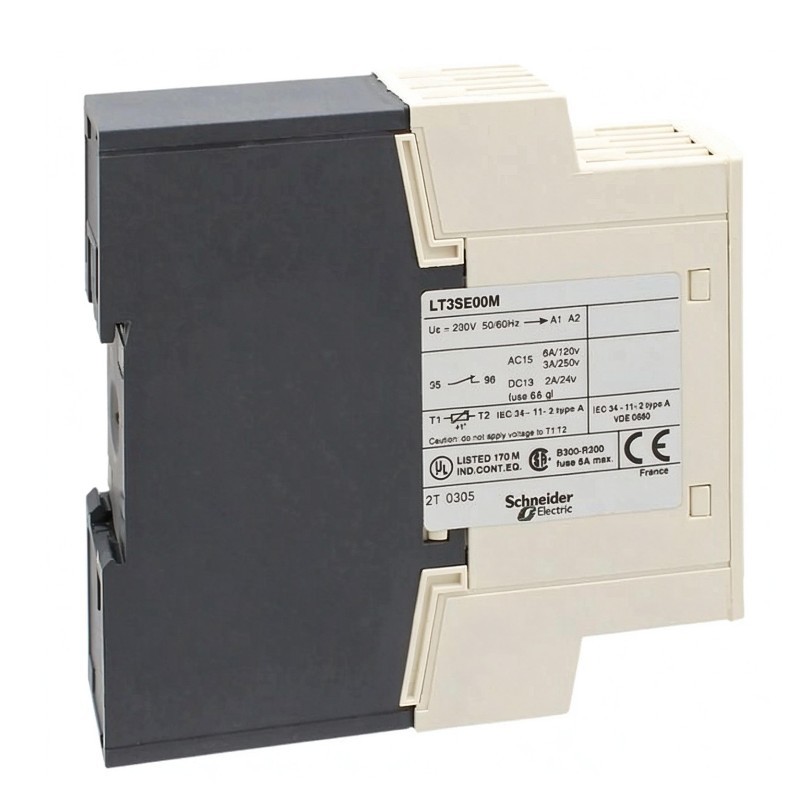
- Schneider
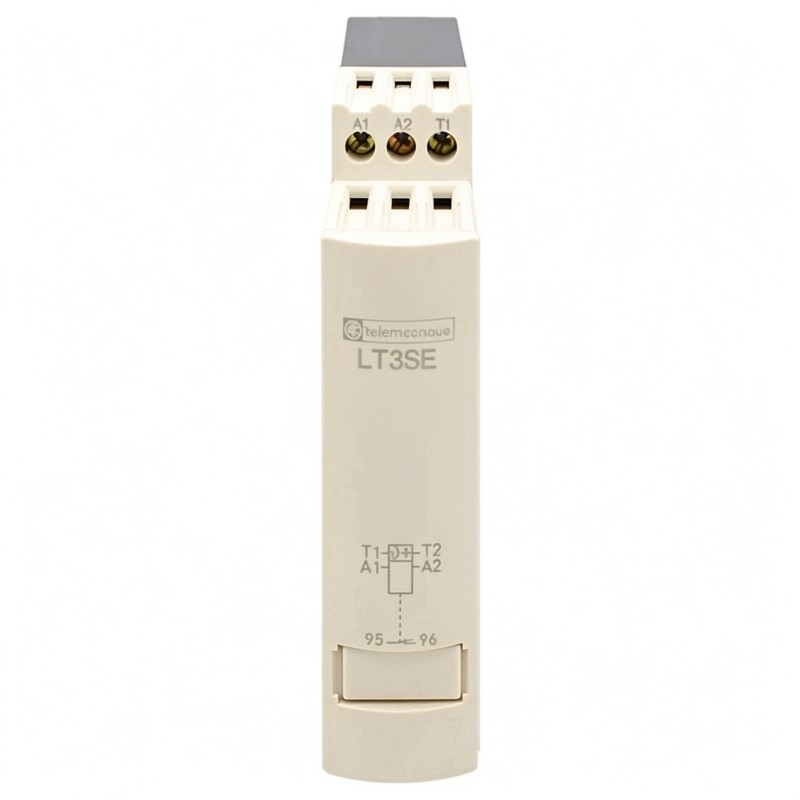
- LT3SE00M
- Thermistor Protection Unit
- France
- 100 × 100 × 22.5 mm
- 0.22 kg
- Xiamen, China
- New & In Stock
- T/T, PayPal, Western Union
- 1 Year
- 1-3 Working Days
- DHL, UPS, TNT, FedEx and EMS.
- 24-Hour Service
- COO
- 4
Our advantage

Global Logistics
We have a 10-year logistics and express cooperation agreement, so our products can be shipped to any place in the world.

Brand new and original
Our products are imported in bulk from the place of origin. Because of the cooperative relationship, our products are all original and 100% new.

24-hour service
We provide 7*24 hours service to our customers. We will be there whenever you need us.

Price advantage
All our products are priced very favorably because we have our own warehouse and supply.
| Company Information | |||
| [email protected] | |||
| Mobile | +8615980777398 | ||
| +8615980777398 | |||
| 15980777398 |
Product Overview
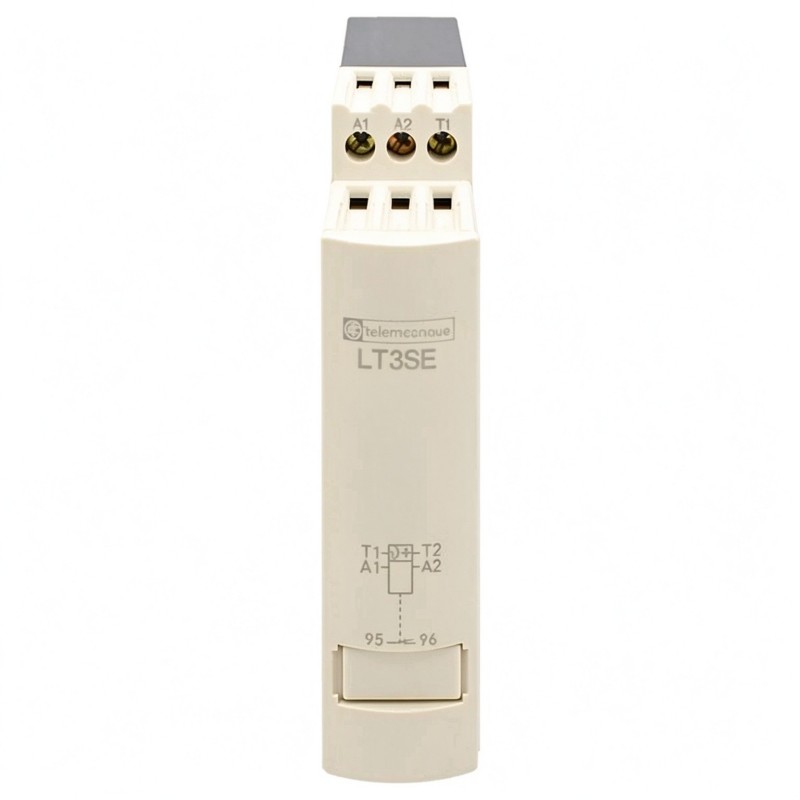
The Schneider LT3SE00M TeSys LT3 Thermistor Protection Unit monitors the resistance of PTC thermistor probes installed in electric motor windings. When the measured resistance indicates that the motor has reached an excessive temperature or that the probe circuit has developed a fault, the unit changes its output contact state. This signal can be incorporated into a motor-control circuit to prevent continued operation under an abnormal thermal condition.
The LT3SE00M operates with a 230 V AC, 50/60 Hz control supply and features automatic reset. Its single normally closed output contact can be connected to a contactor control circuit or another compatible control input. When the monitored probe resistance returns to the reset range, the unit can restore its normal output state without requiring a manual reset operation.
This type of protection is useful for motors whose thermal condition may not be adequately represented by a simple overload relay. For example, a motor operating under frequent starts, restricted ventilation or changing mechanical loads may experience winding temperatures that require direct monitoring. PTC probes embedded in the winding respond to temperature changes, while the LT3SE00M evaluates their electrical resistance.
The unit belongs to Schneider Electric’s TeSys LT3 range of thermistor protection devices. Its DIN-rail mounting and cage-clamp terminals support installation inside industrial control panels, where it can work alongside motor contactors, overload protection and PLC-based monitoring systems.
Technical Specifications
| Parameter | Specification |
|---|---|
| Manufacturer | Schneider Electric |
| Model / Part Number | LT3SE00M |
| Product Family | TeSys LT3 |
| Device Short Name | LT3SE |
| Product Type | Thermistor Protection Unit |
| Protection Method | PTC thermistor probe monitoring |
| Rated Control Supply Voltage | 230 V AC |
| Control Supply Frequency | 50/60 Hz |
| Control Voltage Limits | 0.85–1.1 × rated control voltage |
| Reset Method | Automatic reset |
| Output Contact Configuration | 1 NC |
| Conventional Free-Air Thermal Current | 5 A |
| Rated Insulation Voltage | 500 V AC for output control relay |
| Rated Operational Voltage | 250 V AC, 50/60 Hz |
| Reset Resistance Range | 1,500–1,650 Ω |
| Tripping Resistance Range | 2,700–3,100 Ω |
| Number of PTC Probes | 0–6 |
| Probe Short-Circuit Detection | Supported |
| Hold-In Power Consumption | 1 W |
| Hold-In Apparent Power | 2.5 VA |
| Mounting Method | DIN rail |
| Terminal Type | Cage-clamp terminals |
| Dimensions | 100 × 100 × 22.5 mm |
| Weight | 0.22 kg |
Product Features
- PTC thermistor monitoring: Evaluates the resistance of connected motor-temperature probes to detect thermal trip conditions.
- Automatic reset: Restores the output when the monitored resistance returns to the specified reset range and the relevant operating conditions are satisfied.
- Single normally closed contact: Provides a switching signal for integration into compatible motor-control circuits.
- 230 V AC control supply: Operates from the specified AC supply at 50/60 Hz.
- Probe-circuit fault detection: Supports detection of short-circuit conditions in the thermistor circuit.
- Multiple probe support: Accepts up to six compatible PTC probes in the configured monitoring circuit.
- DIN-rail installation: Fits suitable industrial control-panel assemblies.
- Cage-clamp connections: Accommodates the specified conductor types and sizes.
- Motor protection integration: Can be incorporated into a contactor control circuit to interrupt motor operation following a thermal trip.
Working Principle
The LT3SE00M monitors the electrical resistance of PTC thermistor probes connected to its T1 and T2 terminals. These probes are selected to respond to the temperature characteristics of the motor winding. As the winding temperature rises toward the probe’s switching threshold, the thermistor resistance increases sharply.
Under normal conditions, the probe resistance remains within the reset range of approximately 1,500–1,650 Ω. When the resistance rises into the tripping region of approximately 2,700–3,100 Ω, the protection unit changes the state of its output contact. The contact can be wired into a motor contactor control circuit so that a thermal trip removes the run command.
The relay also monitors abnormal conditions in the probe circuit. An open circuit or short circuit can affect the measured resistance and cause the output to change state. Correct wiring is therefore important: an unconnected probe input should not be treated as a normal operating condition.
After the monitored resistance returns to the reset range, the LT3SE00M can reset automatically. Because the reset is automatic, the wider control system should be arranged to prevent an unexpected motor restart where the machine’s operating or safety requirements demand it.
For example, a motor driving a conveyor may experience overheating because of restricted airflow or an excessive mechanical load. The embedded PTC probes respond to the winding temperature, and the LT3SE00M changes its output when the trip threshold is reached. The contactor circuit can then stop the motor, while the PLC records the resulting condition and displays an alarm for the operator.
Role in a TeSys LT3 Motor Protection System
The LT3SE00M acts as the interface between motor winding-temperature probes and the motor control circuit. It evaluates the probe resistance and provides a switching signal that can be used by contactors, control relays or compatible automation inputs.
Motor Winding PTC Probes → LT3SE00M Thermistor Protection Unit → Output Contact → Contactor Control Circuit → Motor
| System Component | Function | Relationship to the LT3SE00M |
|---|---|---|
| LT3SE00M Thermistor Protection Unit | Evaluates PTC resistance and switches its output | Provides the motor-temperature protection signal |
| PTC Thermistor Probes | Respond to motor winding temperature | Supply the resistance measurement used for trip evaluation |
| Motor Windings | Convert electrical energy into magnetic force and heat during operation | Contain the probes used for thermal monitoring |
| Motor Contactor | Connects or disconnects motor power | Can be controlled through the protection unit’s output circuit |
| Overload Relay | Provides current-based motor overload protection | Complements winding-temperature monitoring |
| PLC or Machine Controller | Executes machine logic and alarm handling | Can monitor the protection state through a compatible control input |
| Control Power Supply | Supplies the relay and associated control circuits | Must match the LT3SE00M’s specified 230 V AC supply |
| Operator Interface | Displays operating status and alarms | Can report a thermal trip when connected through the control system |
| Motor Drive | Controls motor speed and torque | Can receive an appropriate stop or inhibit command through the system architecture |
Industrial Applications
| Application | Typical Equipment | Role of the LT3SE00M |
|---|---|---|
| Manufacturing Machinery | Production-line motors and machine drives | Monitors winding temperature through embedded PTC probes |
| Conveyor Systems | Belt conveyors and transfer equipment | Provides a thermal trip signal for motors exposed to variable loads |
| Pumping Equipment | Industrial pumps and process-water systems | Helps detect excessive motor winding temperature |
| Ventilation Systems | Fans and air-handling equipment | Monitors motor thermal conditions through PTC probes |
| Packaging Machinery | Conveyor, feeder and sealing drives | Integrates motor-temperature monitoring into the control circuit |
| Material Handling | Lifting and transfer mechanisms | Provides a temperature-related trip signal for compatible motors |
| Process Equipment | Mixers and production machinery | Adds winding-temperature monitoring alongside other motor protection |
| OEM Control Panels | Motor control assemblies | Provides a dedicated thermistor protection function within the panel |
Installation and Maintenance
- Verify the model reference: Confirm that LT3SE00M is the required version with a 230 V AC control supply, one normally closed output contact and automatic reset.
- Isolate the control circuit: Disconnect the relevant power sources and follow the machine’s electrical isolation procedure before wiring or servicing the unit.
- Check the mounting arrangement: Install the protection unit on a suitable DIN rail with the required panel clearance.
- Confirm the control supply: Verify that the supply voltage and frequency are within the specified operating range before energizing the relay.
- Connect the PTC probes: Wire the motor thermistors to the designated probe terminals according to the applicable wiring diagram.
- Check probe compatibility: Confirm that the connected probes meet the required PTC characteristics and are suitable for the monitored motor.
- Wire the output contact: Integrate the normally closed contact into the intended control circuit, observing the required contact ratings and control logic.
- Inspect the terminal connections: Ensure that conductors are correctly stripped, securely clamped and suitable for the terminal specifications.
- Separate probe and power wiring: Route the thermistor circuit separately from motor power conductors where practicable to reduce electrical interference, especially over long cable runs.
- Test the protection response: Use an approved test procedure to verify that the output changes state when the probe circuit reaches the specified trip condition.
- Verify automatic reset behavior: Confirm that the relay returns to its normal state when the probe resistance returns to the reset range and that the machine’s restart logic behaves as intended.
- Record maintenance findings: Document the relay reference, probe arrangement, output contact wiring and any trip events or abnormal readings.
Compatible System Components
| Component | Function | Compatibility Consideration |
|---|---|---|
| PTC Thermistor Probes | Detect motor winding temperature | Match the probe characteristics to the relay’s specified resistance thresholds |
| Motor Contactor | Switches motor power | Verify the contactor coil circuit and relay contact ratings |
| Thermal Overload Relay | Provides current-based overload protection | Coordinate with the motor’s rated current and protection scheme |
| Motor Control Circuit | Implements start, stop and trip logic | Incorporate the thermistor relay contact according to the circuit design |
| PLC Digital Input | Monitors protection status | Check the input voltage and interface requirements before connection |
| Operator HMI | Displays motor status and alarms | Configure the relevant PLC variable or control-system signal |
| Control Power Supply | Supplies the relay | Provide the specified 230 V AC control supply |
| Industrial Motor | Drives the connected machine | Confirm that compatible PTC probes are installed in the winding |
| DIN Rail | Supports panel mounting | Use a suitable rail and mounting arrangement |
| Control Wiring | Connects probes and output contacts | Select conductor sizes and insulation ratings appropriate to the circuit |
Recommended Related Models
| Model / Product | Product Type | Relationship | Selection Consideration |
|---|---|---|---|
| Schneider LT3SE00M | TeSys LT3 Thermistor Protection Unit | Requested model with 230 V AC supply and automatic reset | Match the probe circuit and output contact requirements |
| Schneider LT3SE00F | TeSys LT3 Thermistor Protection Unit | Related automatic-reset version for a different control supply | Verify the required control voltage before selection |
| Schneider LT3SE00BD | TeSys LT3 Thermistor Protection Unit | Related version with a 24 V control supply | Consider when the control circuit requires a low-voltage DC supply |
| Schneider LT3SA00M | TeSys LT3 Thermistor Protection Unit | Related variant with additional signaling and contact functions | Compare signaling requirements and output contact configuration |
| Schneider RM35TM50MW | Harmony Control Relay | Alternative product identified for motor-temperature monitoring applications | Verify the application requirements and control-circuit compatibility before replacement |
Key Advantages
- Monitors motor winding temperature through compatible PTC thermistor probes.
- Provides a normally closed output contact for motor-control integration.
- Supports automatic reset when the monitored resistance returns to the reset range.
- Detects specified probe-circuit faults.
- Fits DIN-rail-mounted industrial control panels.
Technical FAQs
What happens if the PTC probe circuit is left disconnected?
An open probe circuit can cause the measured resistance to exceed the trip threshold, changing the relay output state. The T1 and T2 connections must be wired correctly for the intended motor-temperature monitoring arrangement.
How does the LT3SE00M differ from a conventional thermal overload relay?
The LT3SE00M evaluates the resistance of PTC thermistors embedded in the motor winding. A conventional overload relay primarily responds to motor current. These methods monitor different conditions and may be used together where the motor protection design requires both.
What resistance values cause the LT3SE00M to trip and reset?
The specified tripping range is approximately 2,700–3,100 Ω, while the reset range is approximately 1,500–1,650 Ω. The relay’s output state depends on the measured probe resistance and the operating conditions of the circuit.
Does automatic reset mean the motor will restart immediately after cooling?
Not necessarily. The relay can restore its output when the probe resistance returns to the reset range, but actual motor restart depends on the contactor circuit and machine control logic. Where unexpected restart could create a hazard, the wider system must provide the required restart prevention.