

ProductPRODUCT
Featured products
Contact Us
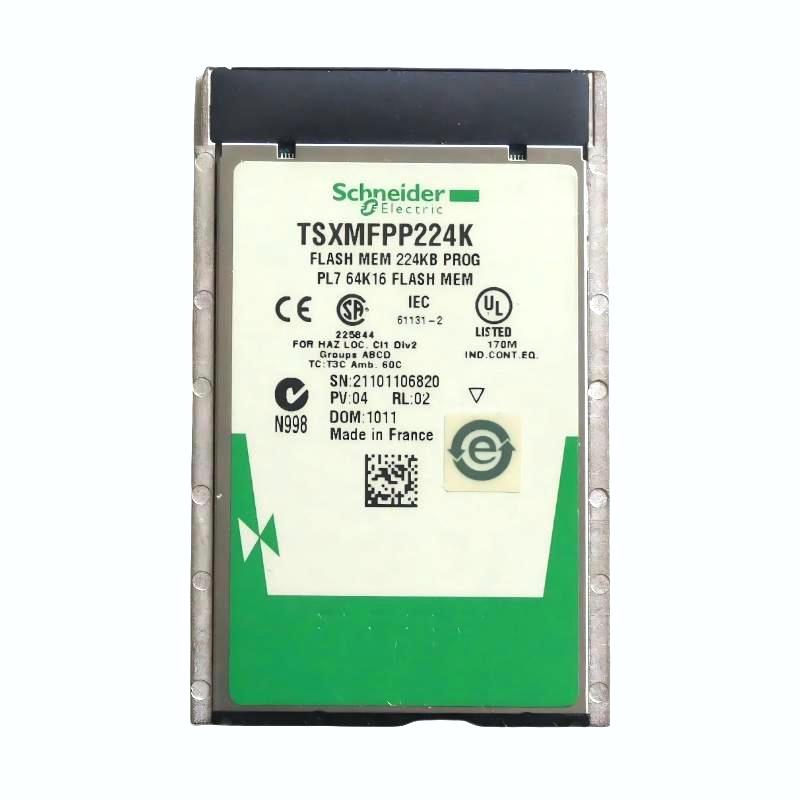
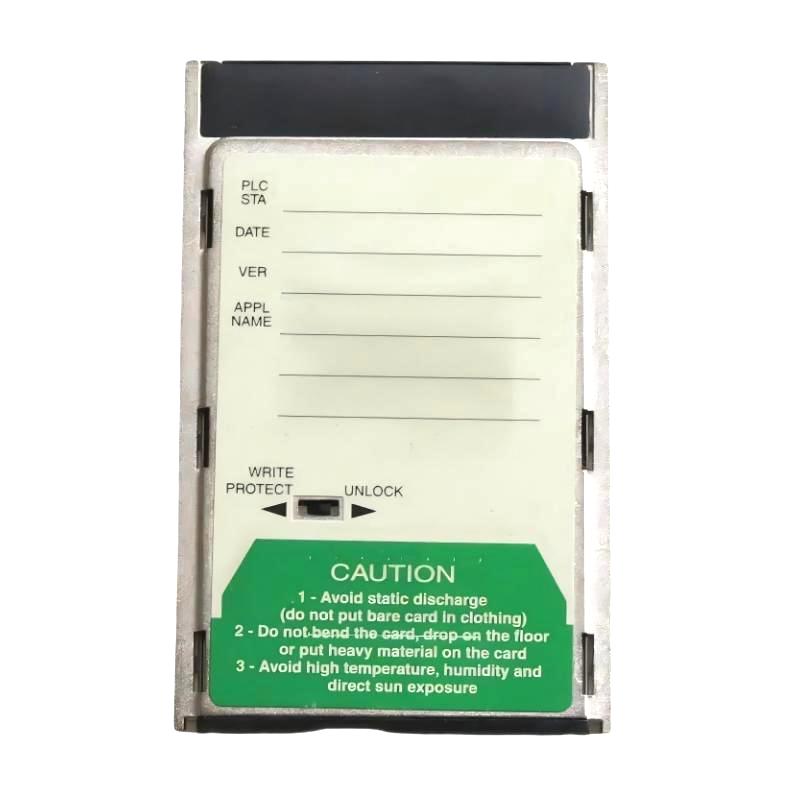
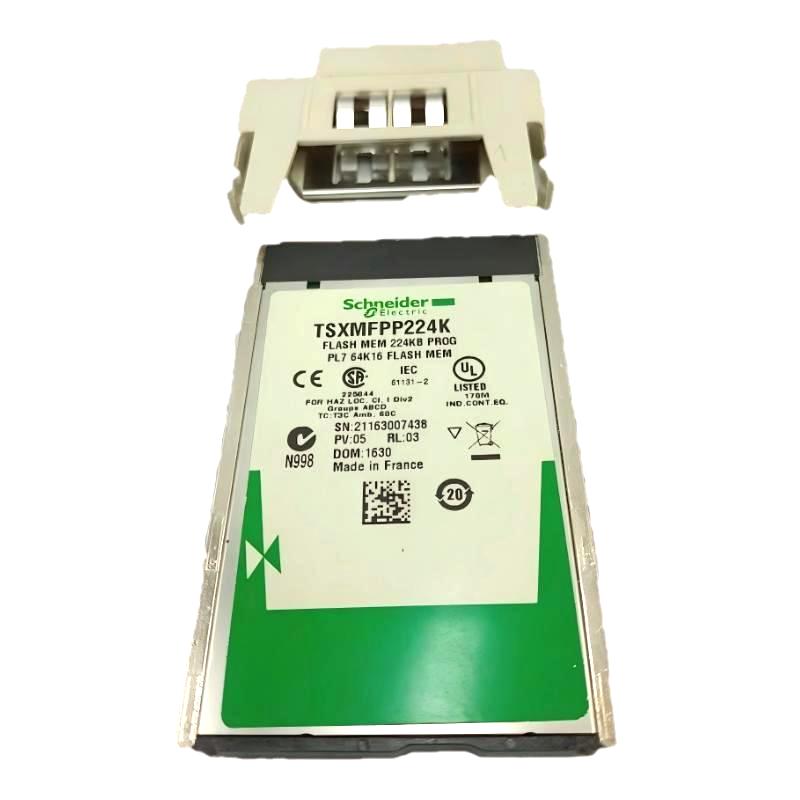
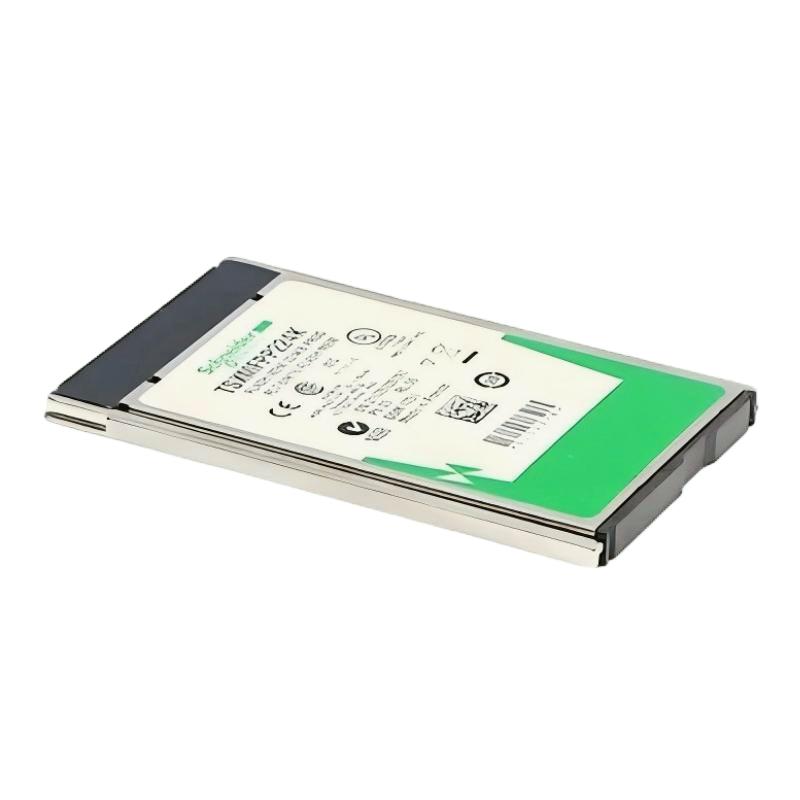
- Schneider
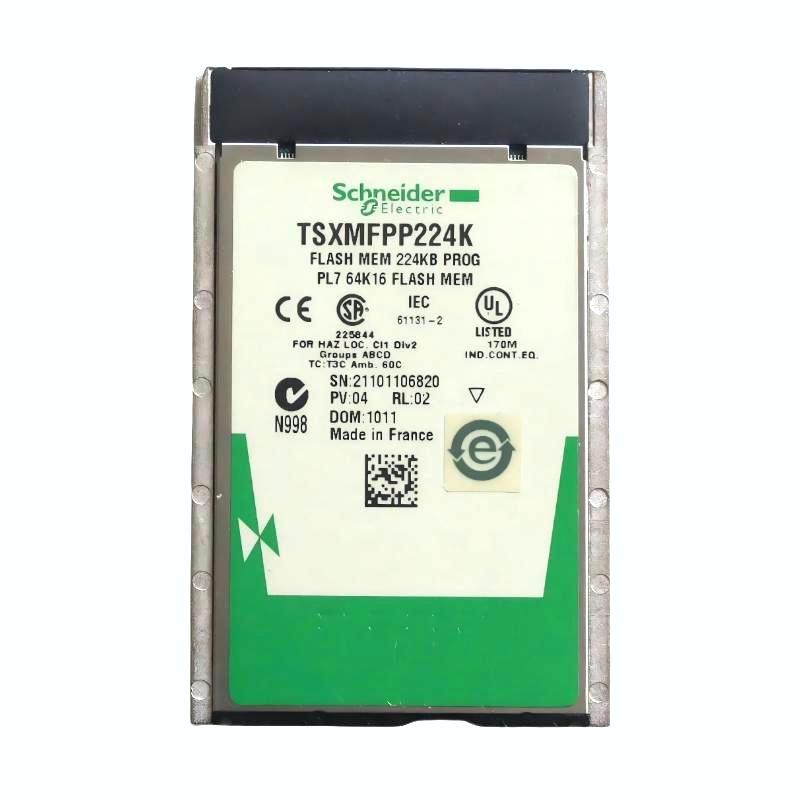
- TSXMFPP224K
- Flash EPROM Application Memory Expansion
- France
- 130 x 90 x 23 mm
- 0.044 kg
- Xiamen, China
- New & In Stock
- T/T, PayPal, Western Union
- 1 Year
- 1-3 Working Days
- DHL, UPS, TNT, FedEx and EMS.
- 24-Hour Service
- COO
- 3
Our advantage

Global Logistics
We have a 10-year logistics and express cooperation agreement, so our products can be shipped to any place in the world.

Brand new and original
Our products are imported in bulk from the place of origin. Because of the cooperative relationship, our products are all original and 100% new.

24-hour service
We provide 7*24 hours service to our customers. We will be there whenever you need us.

Price advantage
All our products are priced very favorably because we have our own warehouse and supply.
| Company Information | |||
| [email protected] | |||
| Mobile | +8615980777398 | ||
| +8615980777398 | |||
| 15980777398 |
1. Product Overview
The Schneider TSXMFPP224K Flash EPROM Application Memory Expansion is an industrial automation memory component associated with Schneider Electric’s Modicon PLC product ecosystem. Designed for application memory storage and expansion, this type of component supports the retention and management of control program data used in programmable logic controller (PLC) applications.
In industrial automation systems, application memory is essential for storing the instructions and program information that define machine operations, process sequences, and control logic. A suitable memory expansion component helps provide the storage capacity required by a compatible controller and supports the maintenance of established automation configurations.
The TSXMFPP224K is identified as a Flash EPROM application memory expansion. Flash EPROM technology allows stored information to be retained without continuous power, making it suitable for applications where control program data must remain available when the PLC is switched off.
Before purchasing or installing this module, users should verify the exact PLC family, hardware revision, firmware requirements, and memory compatibility. These details are important because Schneider Electric memory components are not necessarily interchangeable across different controller platforms.
2. Technical Specifications
| Parameter | Specification |
|---|---|
| Brand | Schneider Electric |
| Model Number | TSXMFPP224K |
| Product Type | Flash EPROM Application Memory Expansion |
| Memory Technology | Flash EPROM |
| Primary Function | Application memory storage and expansion |
| Dimensions | 130 × 90 × 23 mm |
| Weight | 0.044 kg |
| Product Category | PLC Memory Component |
| Typical Application | Compatible industrial PLC systems |
| Installation Method | Depends on the supported controller and memory interface |
| Compatibility | Must be verified against the target PLC model |
Important specification note: The dimensions and weight above are based on the supplied product information. The exact memory capacity, supported PLC models, firmware requirements, and installation procedure should be confirmed against the product label and the applicable Schneider Electric technical documentation before integration.
3. Function and Working Principle
The primary purpose of the TSXMFPP224K is application memory expansion for a compatible programmable logic controller. Application memory provides storage for the program information used by a controller to execute its configured automation tasks.
3.1 Application Program Storage
A PLC program contains the logic that determines how equipment responds to input signals, process conditions, operator commands, and internal control states. Depending on the controller architecture, application memory may store program instructions, configuration information, and other application-related data.
A compatible memory expansion component can provide the storage resources needed by a particular controller configuration.
3.2 Non-Volatile Memory
Flash EPROM is a form of non-volatile memory. It retains stored information without requiring a continuous electrical supply. This characteristic is valuable in industrial environments where controllers may be powered down for maintenance, equipment replacement, or scheduled shutdowns.
The actual write, erase, and programming procedures depend on the memory design and the controller in which the component is installed.
3.3 Support for PLC Program Management
In an established automation installation, the correct memory configuration helps preserve the intended control application. When a memory component is used for program transfer, backup, or expansion, the procedure must follow the controller’s supported workflow.
Users should not assume that every Flash EPROM component can be programmed, erased, or exchanged in the same way. The exact operating procedure for the TSXMFPP224K should be verified before use.
4. Role in Industrial Automation Systems
Application memory is an important part of a PLC’s hardware configuration. The processor executes the control program, while memory provides the storage resources required by the supported application.
The TSXMFPP224K may be relevant to maintenance and lifecycle management of compatible legacy automation equipment.
Program Availability
Industrial machinery often depends on a specific control program developed for its operating sequence. Using the correct memory component helps maintain the intended storage configuration of the controller.
Equipment Maintenance
During maintenance, a memory component may need to be inspected, replaced, or handled as part of a wider controller service procedure. Correct model identification reduces the risk of installing an incompatible part.
Legacy System Support
Some industrial facilities continue operating PLC systems long after the original equipment was commissioned. Identifying the correct memory expansion part can help maintenance teams preserve existing installations and reduce unnecessary hardware changes.
Controlled Replacement
When a memory component is replaced, the stored application and its relationship to the controller must be considered. A physically similar part may have a different interface, capacity, or compatibility profile.
5. Industrial Applications
The TSXMFPP224K is intended for use in compatible industrial PLC configurations. The following are typical application areas for PLC memory components, rather than a claim that this specific model has been validated for every listed system.
Manufacturing and Assembly Lines
Automated production lines use PLC programs to coordinate conveyors, actuators, sensors, and other machine devices. Application memory supports the program storage required for these control tasks.
Packaging Machinery
Packaging systems may use programmed sequences for product positioning, filling, sealing, labeling, and material handling. Correct memory configuration helps maintain the control application required by the machine.
Material Handling Systems
Conveyors and transfer equipment rely on coordinated control logic to manage movement, sequencing, and interlocks. Memory components form part of the controller infrastructure that supports these functions.
Process Automation
Industrial processes may depend on PLC-based control for equipment sequencing, status monitoring, and operational interlocks. Suitable application memory helps provide the storage resources required by the configured controller.
Existing Modicon Installations
The most relevant use case is maintenance of a compatible Schneider Electric Modicon PLC installation. The target controller model and its approved memory options must be confirmed before ordering.
6. Installation and System Integration
Correct installation begins with verifying the exact component identity and the controller’s requirements. Memory components should not be installed solely because their dimensions or appearance resemble an existing part.
Step 1: Confirm the Model Number
Check that the part marking reads TSXMFPP224K. Compare the model number with the existing component, equipment bill of materials, or approved spare-parts list.
Step 2: Verify Controller Compatibility
Identify the exact PLC model, processor reference, hardware revision, and applicable firmware version. Confirm that the controller supports the TSXMFPP224K and the intended memory function.
Step 3: Back Up the Existing Application
Before replacing or removing a memory component, follow the site’s approved backup procedure. Where possible, preserve a verified copy of the PLC application and relevant configuration information.
Do not assume that the replacement component already contains the correct program.
Step 4: Follow the Approved Installation Procedure
Isolate the equipment and follow the controller manufacturer’s safety and installation instructions. Observe applicable electrostatic discharge precautions when handling electronic components.
The exact mounting location, connector orientation, and whether power must be removed depend on the supported PLC hardware. Do not insert or remove the component while the system is energized unless the equipment documentation explicitly permits that operation.
Step 5: Verify the Configuration
After installation, inspect the controller’s status indicators and diagnostic information. Confirm that the memory component is recognized and that the application is available as expected.
Step 6: Perform Functional Testing
Before returning machinery to normal production, conduct the required startup checks and controlled functional tests. Verify the control sequence, relevant interlocks, and communication with connected equipment.
7. Common Problems and Troubleshooting
Memory-related faults can arise from incorrect part selection, improper handling, unsupported configurations, or problems elsewhere in the controller system.
| Symptom | Possible Cause | Recommended Action |
|---|---|---|
| PLC does not recognize the memory component | Incompatible part or incorrect installation | Verify the model number, interface, and installation procedure |
| Application fails to start | Missing, invalid, or incompatible application data | Check controller diagnostics and confirm the application version |
| Memory-related diagnostic appears | Unsupported memory configuration or hardware issue | Record the diagnostic code and consult the controller documentation |
| Equipment behavior changes after replacement | Incorrect application or configuration | Compare the installed application with the approved backup |
| Intermittent controller faults | Possible connection, environmental, or hardware problem | Inspect the installation under approved maintenance procedures |
| Replacement component cannot be programmed | Unsupported programming method or tool | Confirm the required programming procedure and compatible tools |
Troubleshooting should begin with the controller’s diagnostic information and the verified hardware configuration. Avoid repeated power cycling or memory operations that could affect the application without first understanding the fault.
8. Preventive Maintenance
Although memory components generally require less routine mechanical maintenance than moving equipment, proper handling and documentation remain important.
Maintain Accurate Spare-Part Records
Record the complete model number, supplier information, equipment location, and any relevant hardware revision details. This reduces the chance of confusing similar-looking memory components.
Preserve Application Backups
Maintain controlled backups of PLC programs and configuration files where supported. Store version information and document approved changes so that the correct application can be restored when required.
Protect Against Electrostatic Discharge
Handle electronic components using suitable ESD precautions. Avoid touching exposed contacts and keep unused components in appropriate protective packaging.
Control Storage Conditions
Store spare memory components in a clean, dry environment within the manufacturer’s specified limits. Protect them from moisture, contamination, impact, and electrostatic discharge.
Document Replacement Activities
When a component is changed, record the reason for replacement, the installed part number, the application version, and the results of the post-maintenance checks.
Review Legacy System Risks
For older PLC installations, periodically review spare-part availability and backup quality. Where practical, establish a documented recovery procedure for critical controllers.
9. Compatibility and Replacement Considerations
Selecting a replacement for the TSXMFPP224K requires more than matching the product category.
Exact Model Verification
The safest starting point is to match the complete part number. Similar Schneider Electric memory modules may differ in capacity, interface, supported controller family, or programming requirements.
PLC Family and Hardware Revision
Confirm the controller family and hardware revision. Compatibility with one PLC model does not establish compatibility with every controller in the same manufacturer’s product range.
Application and Memory Requirements
Check that the replacement supports the existing application’s storage requirements and any controller-specific memory functions. Confirm whether application transfer, programming, or initialization is required.
Firmware and Programming Tools
Some legacy controller configurations have specific firmware or programming-tool requirements. These should be verified before purchasing a replacement or attempting to restore an application.
Original Application Availability
A replacement memory component may not contain the original application. Confirm whether the existing program is available in a verified backup and whether the supported controller procedure requires it to be transferred to the replacement.
Replacement recommendation: Do not substitute another memory module based only on physical size, nominal capacity, or a similar model number. Confirm compatibility with the exact PLC and application before installation.
10. Key Benefits
The potential benefits of using the correct TSXMFPP224K component in a compatible system include:
- Application memory expansion: Supports the memory configuration required by an approved PLC application.
- Non-volatile storage: Flash EPROM technology retains stored information without continuous power.
- Legacy equipment maintenance: Can support continued maintenance of compatible installed automation systems.
- Reduced compatibility risk: Exact part-number verification helps avoid unsuitable replacements.
- Maintenance planning: Accurate identification and spare-part records support organized repair and recovery procedures.
- System continuity: Correct replacement procedures help preserve the intended PLC configuration and application behavior.
These benefits depend on the component being suitable for the target controller and installed according to the applicable technical instructions.
11. Frequently Asked Questions
What is the Schneider TSXMFPP224K?
The Schneider TSXMFPP224K is identified as a Flash EPROM Application Memory Expansion used for application memory storage in compatible industrial PLC configurations.
What is the primary function of the TSXMFPP224K?
Its stated purpose is application memory expansion. The precise functions supported in a particular installation depend on the PLC model and its memory architecture.
What are the dimensions and weight of the TSXMFPP224K?
The supplied product information lists dimensions of 130 × 90 × 23 mm and a weight of 0.044 kg.
Does the TSXMFPP224K retain information when power is removed?
Flash EPROM is non-volatile memory technology, which retains stored information without continuous power. The behavior and supported use of this specific component should be confirmed for the target controller.
Is the TSXMFPP224K compatible with every Schneider Electric PLC?
No. Compatibility should not be assumed across all Schneider Electric PLC families. Verify the exact controller reference, hardware revision, firmware requirements, and approved memory options.
Can the TSXMFPP224K be used as a direct replacement for another Flash EPROM module?
Not necessarily. Similar product descriptions do not guarantee identical interfaces, capacities, or controller support. Confirm the complete part number and technical compatibility before replacement.
Does a replacement TSXMFPP224K include the original PLC program?
The presence of the correct application program should not be assumed. Confirm the supplied component’s condition and contents, and prepare a verified application backup when required.
What should be checked before ordering the TSXMFPP224K?
Verify the complete model number, the target PLC reference, the required memory function, the supplied dimensions and weight, and any applicable programming or firmware requirements.
12. Conclusion
The Schneider TSXMFPP224K Flash EPROM Application Memory Expansion is an industrial automation memory component intended to support application memory requirements in compatible PLC systems. Its non-volatile memory technology is relevant to control-program storage and the maintenance of established automation configurations.
For maintenance engineers, system integrators, and industrial spare-parts buyers, accurate model identification is essential. Before installation or replacement, confirm the supported PLC family, memory interface, application requirements, and applicable programming procedure.
The supplied dimensions are 130 × 90 × 23 mm, and the listed weight is 0.044 kg. Verifying these details alongside the exact controller compatibility helps reduce ordering errors and supports a more reliable maintenance process.