

ProductPRODUCT
Featured products
Contact Us
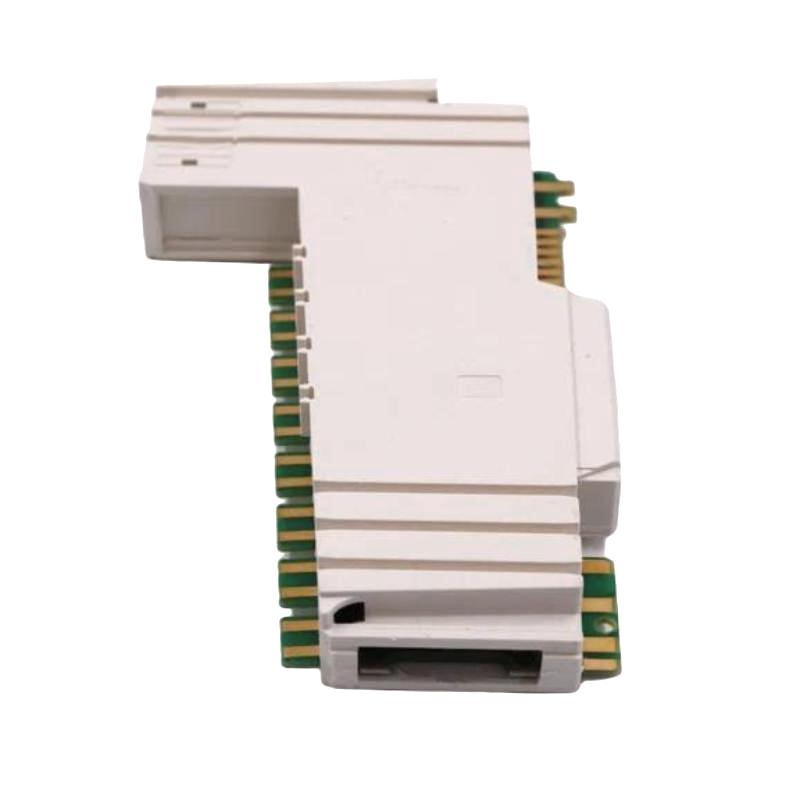
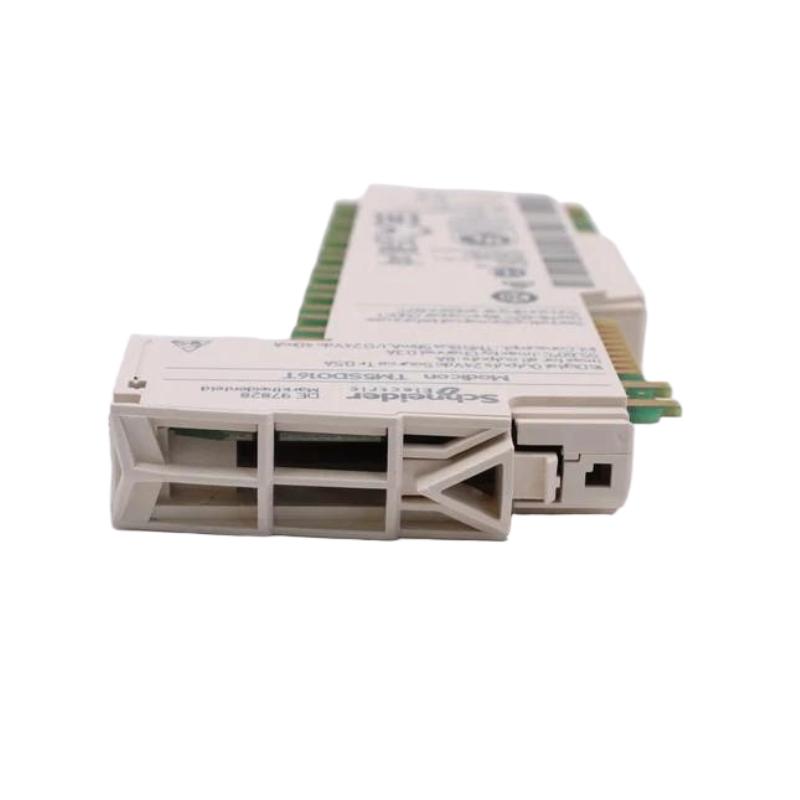
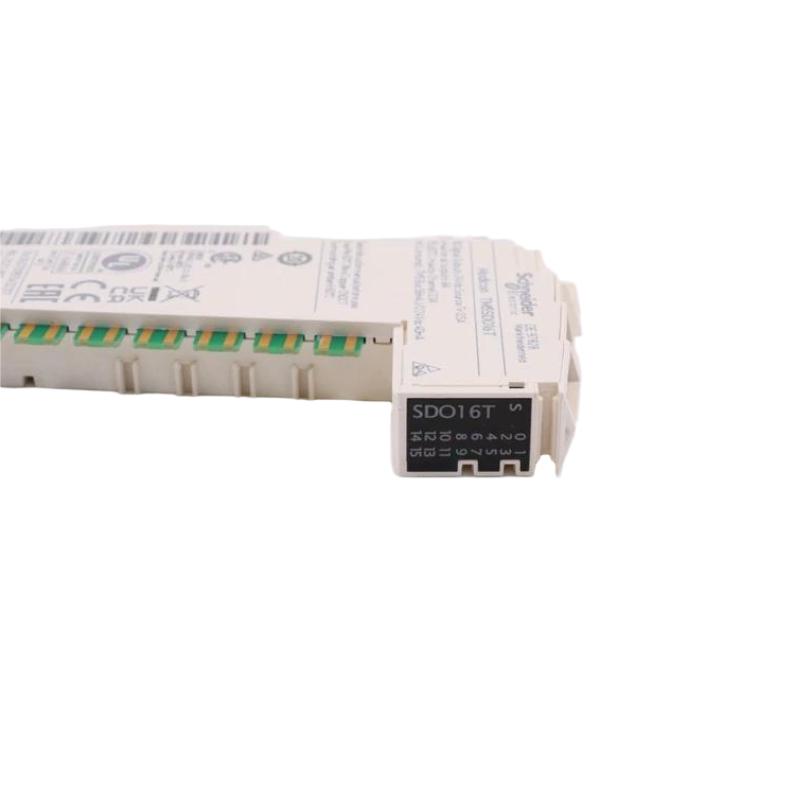
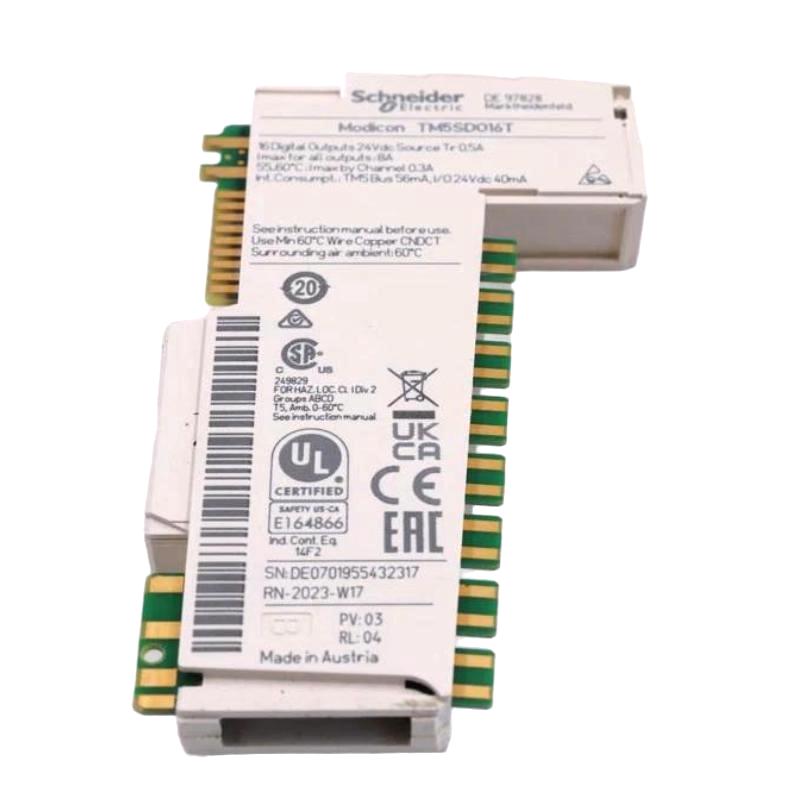
- Schneider
- TM5SDO16T
- Discrete Output Module
- France
- 99 × 12.5 × 75 mm
- 0.025 kg
- Xiamen, China
- New & In Stock
- T/T, PayPal, Western Union
- 1 Year
- 1-3 Working Days
- DHL, UPS, TNT, FedEx and EMS.
- 24-Hour Service
- COO
- 3
Our advantage

Global Logistics
We have a 10-year logistics and express cooperation agreement, so our products can be shipped to any place in the world.

Brand new and original
Our products are imported in bulk from the place of origin. Because of the cooperative relationship, our products are all original and 100% new.

24-hour service
We provide 7*24 hours service to our customers. We will be there whenever you need us.

Price advantage
All our products are priced very favorably because we have our own warehouse and supply.
| Company Information | |||
| [email protected] | |||
| Mobile | +8615980777398 | ||
| +8615980777398 | |||
| 15980777398 |
1. Product Overview
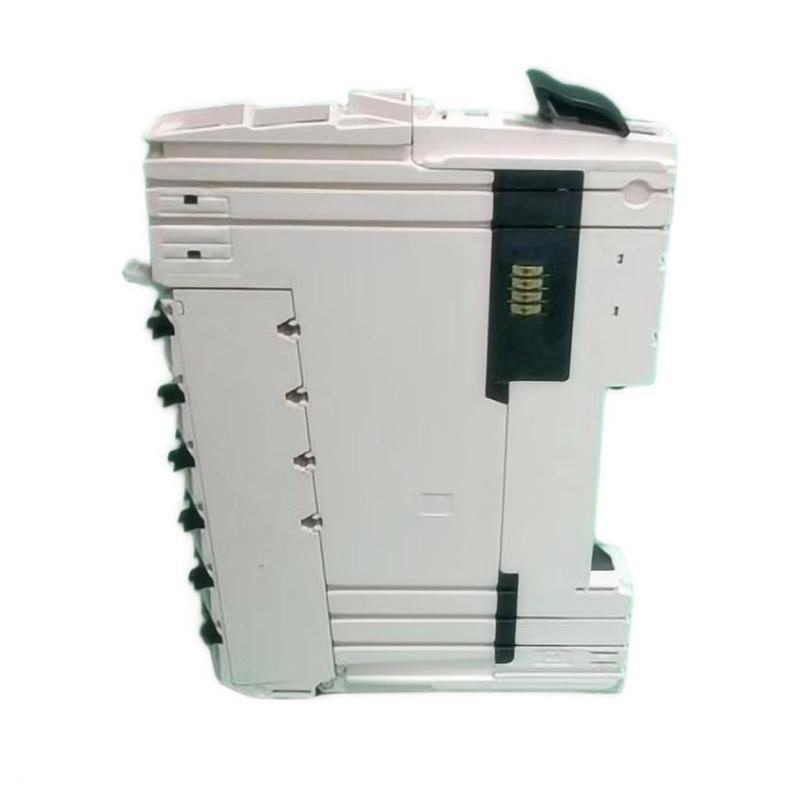
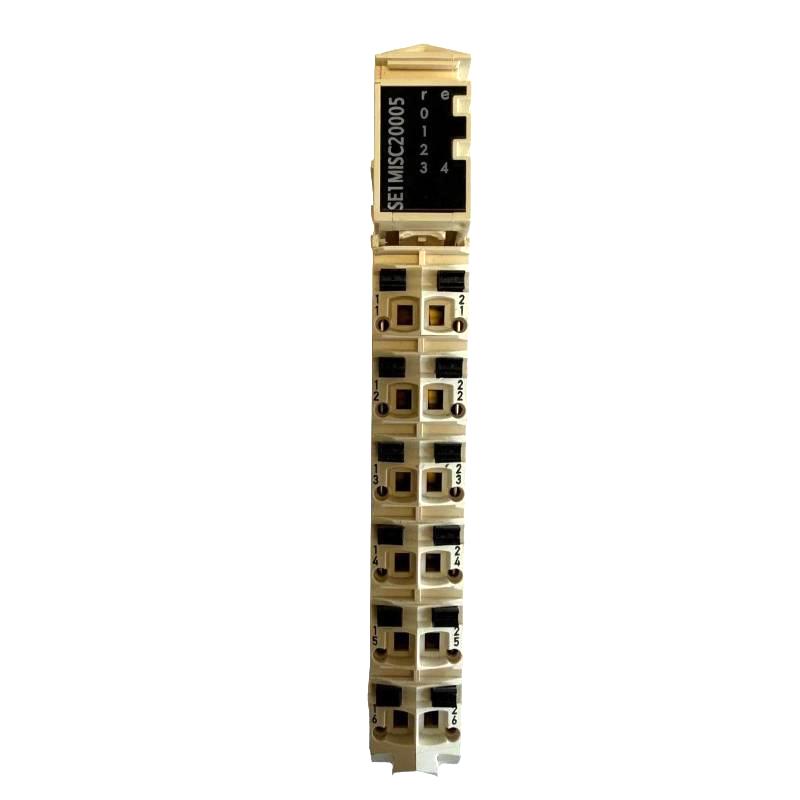
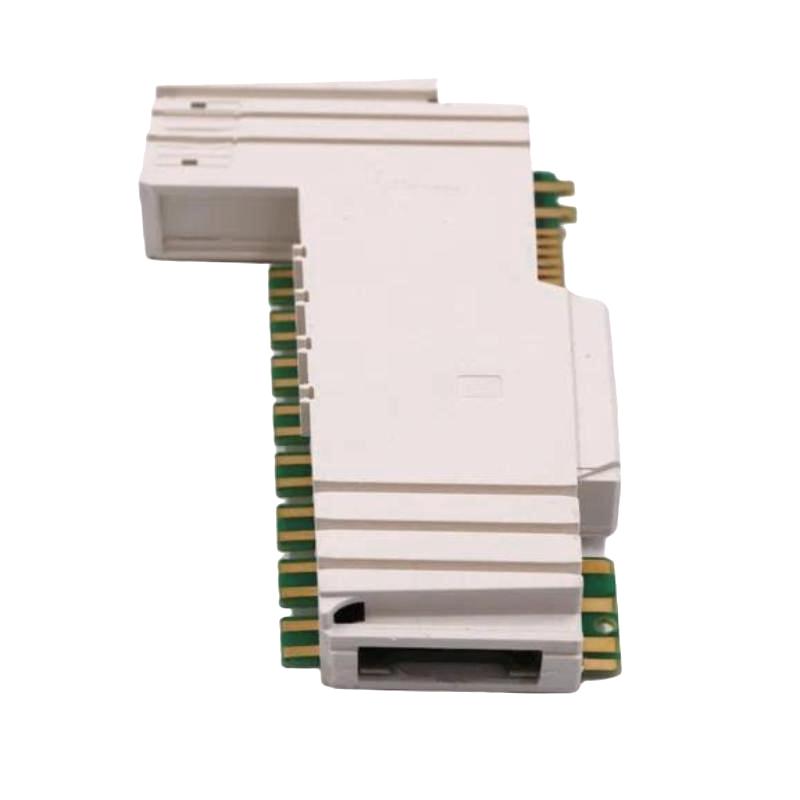
The Schneider TM5SDO16T Discrete Output Module is an industrial automation component identified for discrete output applications in compatible PLC-based control systems. Discrete output modules allow a programmable logic controller (PLC) to issue switching commands to external devices, supporting automated machine operations, equipment coordination, and industrial process control.
In modern automation systems, output modules provide an interface between programmed control logic and field-level equipment. Depending on the module’s electrical characteristics, output circuits may be used to control compatible indicators, interface relays, solenoid valves, and other industrial devices. Selecting the correct output module helps maintain reliable signal handling and consistent equipment operation.
The Schneider TM5SDO16T is listed with dimensions of 99 × 12.5 × 75 mm and a weight of 0.025 kg. Its compact physical design can be beneficial in control cabinets where installation space and modular hardware organization are important considerations.
For maintenance engineers, system integrators, and industrial spare-parts buyers, verifying the complete model number is essential before ordering or installing this product. Output channel configuration, electrical ratings, terminal assignments, compatible bus bases, and supported controller platforms must be checked against the exact product documentation.
2. Technical Specifications
| Parameter | Specification |
|---|---|
| Brand | Schneider Electric |
| Model Number | TM5SDO16T |
| Product Type | Discrete Output Module |
| Automation Platform | Verify the supported platform in the product documentation |
| Dimensions | 99 × 12.5 × 75 mm |
| Weight | 0.025 kg |
| Primary Function | Discrete output signal control |
| Typical Application | PLC-based machine and equipment control |
| Output Channel Configuration | Confirm from the exact model documentation |
| Output Voltage Rating | Verify manufacturer specifications |
| Output Current Rating | Verify manufacturer specifications |
| Output Circuit Type | Confirm from the product documentation |
| Installation Environment | Approved industrial control cabinet or enclosure |
| System Compatibility | Verify controller, bus base, and module configuration |
Note: The dimensions and weight above are based on the supplied product information. Electrical ratings, channel arrangement, output technology, and compatibility details should be verified for the exact TM5SDO16T version. The model number alone should not be treated as confirmation of a particular electrical configuration.
3. Function and Working Principle
A discrete output module receives commands from a PLC or compatible automation controller and switches its output circuits according to the control program. These output states are used to initiate, stop, or coordinate supported equipment functions.
The exact output technology and electrical limitations of the TM5SDO16T should be confirmed before connecting field devices.
3.1 Processing PLC Output Commands
During normal operation, the PLC executes its control logic using information from sensors, operator controls, timers, and other system inputs. When the program determines that an action is required, it updates the corresponding output command.
The output module processes the command through its supported hardware architecture and changes the relevant output state. This enables the controller to communicate switching instructions to compatible field circuits.
3.2 Controlling External Devices
Discrete output technology is commonly used for equipment that operates in defined states, such as activated or deactivated. Depending on the output specifications, typical application examples may include:
- Indicator lamps and status lights.
- Relay and contactor interface circuits.
- Compatible solenoid valves.
- Machine operation and interlock signals.
- Other supported discrete control loads.
The connected device must match the output module’s documented voltage, current, switching, and load requirements. Some loads may require an external interface relay or other approved protective component.
3.3 Supporting Automated Sequences
Discrete outputs are often part of a programmed sequence. For example, a PLC may activate a compatible actuator after a sensor confirms that a workpiece has reached the required position and the necessary interlocks are satisfied.
Reliable output operation helps ensure that programmed commands reach the correct field circuits. Proper configuration, wiring, and commissioning are therefore important for both productivity and equipment safety.
4. Role in Industrial Automation Systems
4.1 PLC-Based Machine Control
Discrete output modules allow PLC systems to command compatible external devices. They can support machine sequences, status indications, and switching functions within the module’s documented capabilities.
4.2 Equipment and Process Coordination
Industrial production systems frequently use discrete commands to coordinate individual machines and process stages. Output signals may be used to initiate an operation, operate an interface circuit, or indicate a control state to another compatible device.
4.3 Modular Control Cabinet Design
Modular automation hardware helps engineers organize control functions within a structured cabinet layout. The TM5SDO16T’s supplied dimensions can assist with physical planning, although the complete installation must also account for wiring clearance, mounting requirements, heat dissipation, and maintenance access.
4.4 Maintenance and Fault Recovery
When an output channel stops working as expected, technicians must determine whether the cause lies in the module, PLC logic, configuration, field wiring, external power, or connected load. Accurate model identification and systematic testing can help reduce unnecessary component replacement.
5. Industrial Applications
The Schneider TM5SDO16T may be considered for discrete output applications where the exact module is supported by the installed automation architecture.
Typical industrial environments using discrete output technology include:
- Manufacturing equipment: Issuing switching commands during automated production cycles.
- Packaging machinery: Coordinating machine actions and packaging sequences.
- Material handling systems: Controlling compatible devices in conveyor and transfer equipment.
- Assembly stations: Supporting programmed equipment actions and discrete control functions.
- Industrial control panels: Providing output interfaces in compatible PLC architectures.
- OEM machinery: Integrating output control into approved machine designs.
- Maintenance operations: Replacing a verified module in an existing installation.
These are general application examples for discrete output modules. They do not establish that every listed application is compatible with the TM5SDO16T. Suitability depends on the module’s documented electrical characteristics and supported system configuration.
6. Installation and System Integration
Correct installation is essential for reliable output operation. The following steps provide general guidance; the manufacturer’s instructions for the exact module and system take precedence.
Step 1: Verify the Model Number
Check the product label to confirm that the component is Schneider TM5SDO16T. Compare it with the installed module and the approved equipment parts list.
Do not substitute another module based only on a similar appearance or physical size.
Step 2: Isolate All Relevant Energy Sources
Before handling the module or field wiring, follow the site’s lockout/tagout procedures. Isolate relevant power sources and verify that the equipment is in a safe condition for maintenance.
Step 3: Confirm System Compatibility
Check the supported controller platform, bus base, neighboring modules, power requirements, and hardware configuration. Confirm any applicable software or firmware requirements before installation.
Step 4: Inspect the Module
Inspect the housing, connectors, contacts, and mounting features for damage or contamination. Also examine the surrounding hardware for loose connections, corrosion, or signs of overheating.
Do not install a module with damaged connection points or a compromised housing.
Step 5: Verify Output Wiring
Use the manufacturer’s terminal diagram and the approved electrical drawings to identify the correct connections. Confirm the signal assignments, supply arrangement, polarity where applicable, and electrical characteristics of each connected load.
Never assume that terminal functions or output ratings are identical across different modules.
Step 6: Install the Module
Follow the specified mounting and connection procedure. Confirm that the module is correctly seated and that all required interconnections are secure. Avoid applying excessive force or modifying mounting features.
Step 7: Check the PLC Configuration
Review the hardware configuration and output address mapping. Ensure that the controller recognizes the installed hardware as expected and that each programmed output corresponds to the intended field device.
Step 8: Perform Controlled Commissioning
Restore power according to the approved commissioning procedure. Review diagnostic indicators and test the relevant output circuits under controlled conditions.
Before activating machinery, ensure that unexpected movement or equipment operation cannot create a hazard. Verify the actual response of the field device rather than relying solely on the software output status.
7. Troubleshooting Common Problems
Output-related problems can originate in multiple parts of an automation system. A systematic diagnostic process helps identify the root cause before a replacement module is installed.
Problem 1: Output Does Not Activate
Possible causes:
- The PLC program is not issuing the expected command.
- The output address is incorrectly mapped.
- The field circuit has no supply.
- The connected load is incompatible or defective.
- Wiring or terminal connections are incorrect.
- The module or output channel is faulty.
Recommended troubleshooting:
- Check the PLC logic and commanded output state.
- Verify the hardware configuration and output address.
- Compare field wiring with the approved electrical drawings.
- Confirm that the load and supply match the module specifications.
- Review controller and module diagnostic messages.
- Isolate power before changing wiring or removing the module.
Problem 2: Output Operation Is Intermittent
Possible causes:
- Loose terminals or damaged conductors.
- Unstable field power.
- Electrical interference.
- A failing field device.
- An intermittent connection in the modular assembly.
- Control logic or interlock conditions changing unexpectedly.
Recommended troubleshooting:
Inspect wiring and connections with the equipment safely isolated. Review PLC status information and fault history to determine whether the output command itself is intermittent or whether the problem occurs in the external circuit.
If electrical interference is suspected, review cable routing, grounding, shielding, and separation from noise-producing equipment in accordance with the installation requirements.
Problem 3: PLC Output Is Active but the Device Does Not Respond
Possible causes:
- Incorrect field wiring.
- Missing external power.
- A defective relay, actuator, or connected load.
- An open circuit or loose connection.
- An electrical mismatch between the module and the load.
Recommended troubleshooting:
Confirm the commanded output state and inspect the external circuit. Use appropriately rated test equipment and follow electrical safety procedures. A software indication that an output is active does not necessarily prove that the field device is receiving the required electrical signal.
Problem 4: Module Is Not Recognized by the Controller
Possible causes:
- An unsupported module or controller combination.
- Incorrect module installation.
- A damaged bus base or interconnection.
- Power or communication problems elsewhere in the system.
- Incorrect hardware configuration.
Recommended troubleshooting:
Verify the complete part number and supported system arrangement. With power isolated, inspect the module seating and associated connections. Then review the controller’s hardware diagnostics and configuration.
Problem 5: The Fault Remains After Replacement
If the fault continues after replacing the module, check the complete control circuit rather than immediately installing another replacement. Inspect the PLC configuration, field wiring, external power, connected load, bus base, and diagnostic history.
Recording the results of each test helps identify recurring faults and reduces unnecessary downtime.
8. Compatible System Components
A discrete output module operates as part of a larger automation system. The following component categories may be relevant, but their compatibility with the TM5SDO16T must be verified.
| Component Category | Function | Verification Required |
|---|---|---|
| PLC or automation controller | Executes logic and issues output commands | Confirm supported platform |
| Compatible bus base | Provides mounting and required interconnections | Verify the exact supported model |
| System power supply | Powers applicable automation hardware | Confirm voltage and capacity |
| Field power supply | Powers compatible external loads where required | Verify the electrical design |
| Relays and contactors | Provide switching or interface functions | Confirm coil and contact compatibility |
| Solenoid valves and actuators | Perform commanded physical actions | Verify output and load compatibility |
| Terminal blocks and wiring | Connect output circuits to field devices | Follow the approved wiring diagram |
| Engineering software | Configures and diagnoses the automation system | Confirm supported hardware and software versions |
This table identifies general component categories, not a confirmed list of compatible part numbers. Consult the exact product documentation before selecting associated hardware.
9. Replacement and Alternative Selection
When sourcing a replacement for the Schneider TM5SDO16T, matching the model and required output characteristics is essential. Modules that appear similar may differ in electrical ratings, channel arrangement, connection design, or system compatibility.
| Selection Criterion | What to Verify |
|---|---|
| Exact model number | Confirm TM5SDO16T against the equipment records |
| Product function | Ensure that a discrete output module is required |
| Dimensions | Compare the supplied dimensions of 99 × 12.5 × 75 mm |
| Weight | Confirm the supplied weight of 0.025 kg |
| Output configuration | Verify channel count and arrangement in the product documentation |
| Output technology | Confirm the supported switching method |
| Electrical ratings | Check voltage, current, and switching limitations |
| Load compatibility | Confirm suitability for the intended field devices |
| System compatibility | Verify controller, bus base, and module configuration |
| Product condition | Confirm whether the item is new, refurbished, or used |
| Traceability | Check product labeling and model identification |
A different output module should not be treated as a direct substitute without technical verification. Any proposed alternative must meet the original system’s electrical, mechanical, and configuration requirements.
10. Key Advantages
When correctly selected and installed in a compatible automation system, a discrete output module can provide several practical benefits:
- PLC-to-device interfacing: Connects programmed output commands to compatible field circuits.
- Modular automation integration: Supports organized I/O structures within an approved control architecture.
- Compact dimensions: The supplied physical size can support space-conscious control panel design.
- Lightweight construction: The listed weight of 0.025 kg makes the component easy to handle during maintenance.
- Structured troubleshooting: Controller status and diagnostic information can help technicians isolate output problems.
- Spare-parts planning: Accurate model identification supports more reliable procurement.
- Flexible control applications: Discrete output technology is widely used in manufacturing, packaging, and machine automation.
Actual performance depends on the module’s documented characteristics, suitable connected loads, correct wiring, and proper system configuration.
11. Technical FAQs
What is the Schneider TM5SDO16T?
The Schneider TM5SDO16T is identified as a discrete output module for industrial automation applications. Its specific channel configuration and electrical characteristics should be confirmed from the documentation for the exact model.
What are the dimensions of the TM5SDO16T?
The supplied dimensions are 99 × 12.5 × 75 mm.
What is the weight of the module?
The supplied weight is 0.025 kg.
What does a discrete output module do?
It allows a PLC to issue switching commands to compatible external circuits. Depending on the module’s specifications, these circuits may operate indicators, interface relays, solenoid valves, or other supported devices.
Can the TM5SDO16T directly control every type of actuator?
No. The actuator must be compatible with the module’s output technology and electrical ratings. Some loads may require a suitable interface relay or other approved external component.
Can I install the TM5SDO16T in any Schneider Electric PLC system?
No. Compatibility depends on the controller platform, modular hardware arrangement, bus base, and system configuration. Verify the supported combination before installation.
Why does the connected device not operate when the PLC output is active?
Possible causes include incorrect wiring, missing field power, a defective load, an open circuit, or an electrical mismatch. Check the PLC status and the external circuit systematically.
What information should I verify before ordering?
Confirm the complete part number, output configuration, electrical ratings, compatible hardware, dimensions, and product condition. These checks help prevent ordering an unsuitable replacement.
12. Conclusion
The Schneider TM5SDO16T Discrete Output Module is identified as an industrial automation component for discrete output applications in a compatible PLC-based control system. Its supplied dimensions of 99 × 12.5 × 75 mm and weight of 0.025 kg provide useful physical specifications for product identification, purchasing, and spare-parts inventory.
Before ordering or installing this module, verify the exact output configuration, electrical ratings, supported controller platform, and compatible mounting arrangement. Correct wiring, controlled commissioning, and systematic troubleshooting help maintain reliable automation performance and reduce avoidable equipment downtime.