

ProductPRODUCT
Featured products
Contact Us
- Schneider
- MTE08N
- Circuit Breaker
- France
- 301 x 346 x 196 mm
- 18 kg
- Xiamen, China
- New & In Stock
- T/T, PayPal, Western Union
- 1 Year
- 1-3 Working Days
- DHL, UPS, TNT, FedEx and EMS.
- 24-Hour Service
- COO
- 2
Our advantage

Global Logistics
We have a 10-year logistics and express cooperation agreement, so our products can be shipped to any place in the world.

Brand new and original
Our products are imported in bulk from the place of origin. Because of the cooperative relationship, our products are all original and 100% new.

24-hour service
We provide 7*24 hours service to our customers. We will be there whenever you need us.

Price advantage
All our products are priced very favorably because we have our own warehouse and supply.
| Company Information | |||
| [email protected] | |||
| Mobile | +8615980777398 | ||
| +8615980777398 | |||
| 15980777398 |
Product Overview
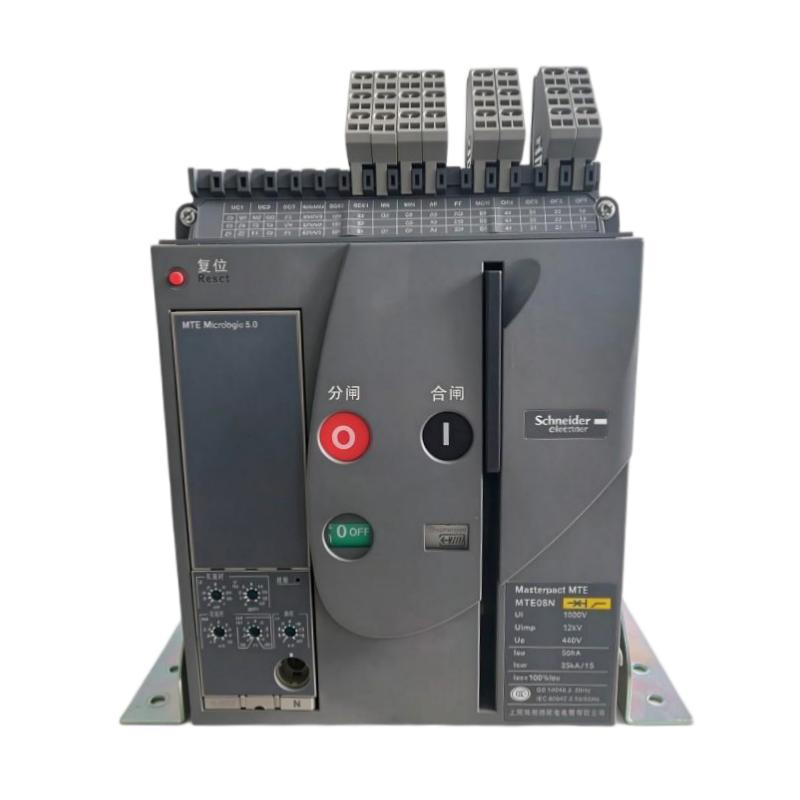
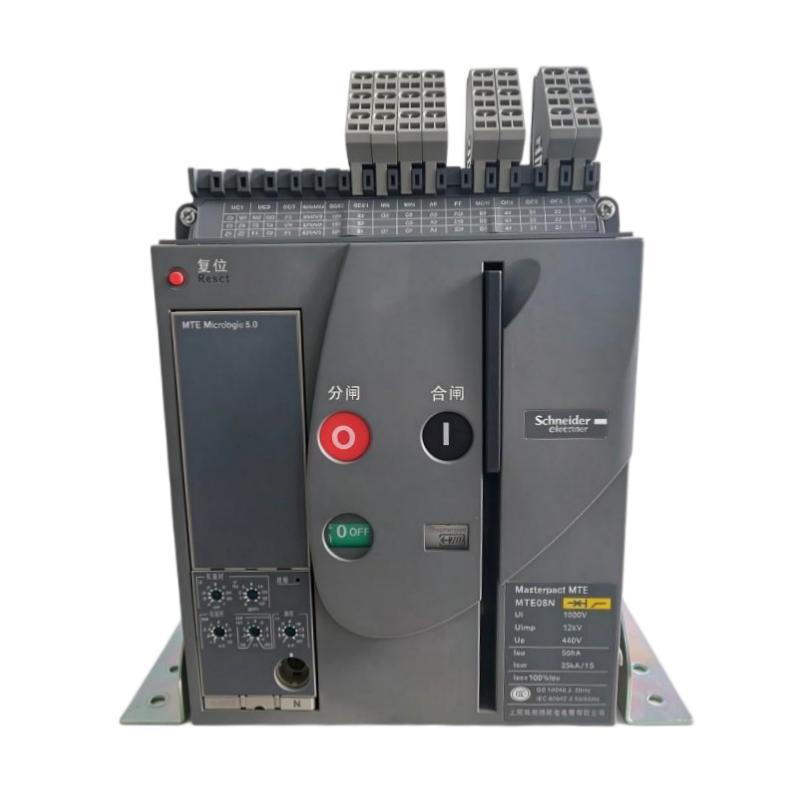
The Schneider MTE08N Circuit Breaker is listed as an industrial electrical protection component intended for use in power distribution and electrical control systems. Circuit breakers play an essential role in protecting electrical installations against abnormal current conditions, including overloads and short circuits, when correctly selected and configured for the application.
In industrial facilities, circuit breakers are commonly installed in main distribution boards, switchgear assemblies, power control cabinets, and other electrical distribution equipment. They provide a means of interrupting current when specified protection conditions are detected, helping limit damage to cables, electrical equipment, and connected loads.
Selecting the correct circuit breaker requires more than matching its physical dimensions. Engineers must consider rated current, operating voltage, pole configuration, short-circuit breaking capacity, trip-unit characteristics, installation method, and compatibility with the existing electrical system.
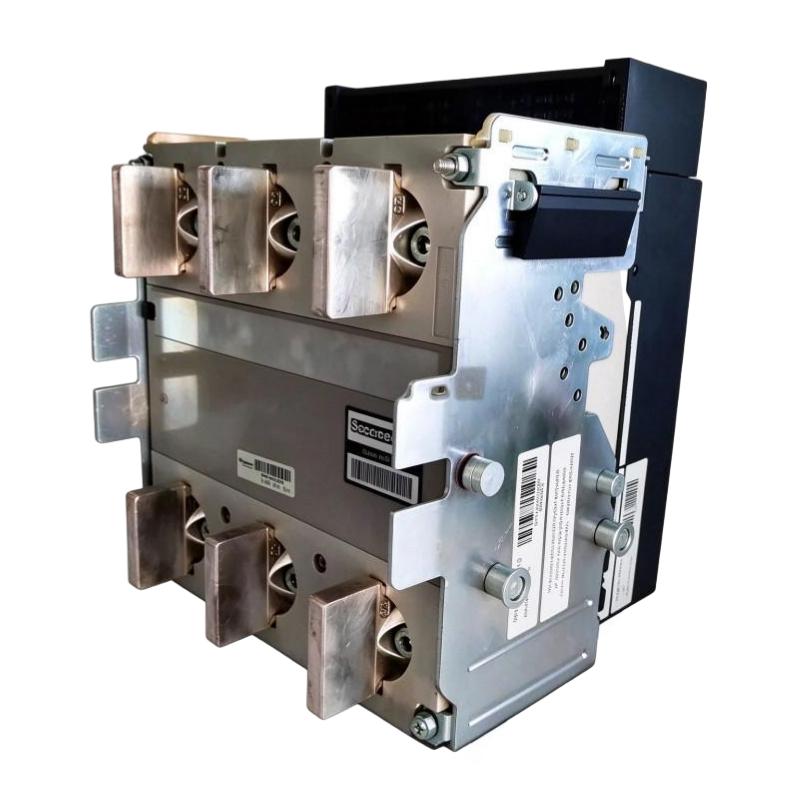
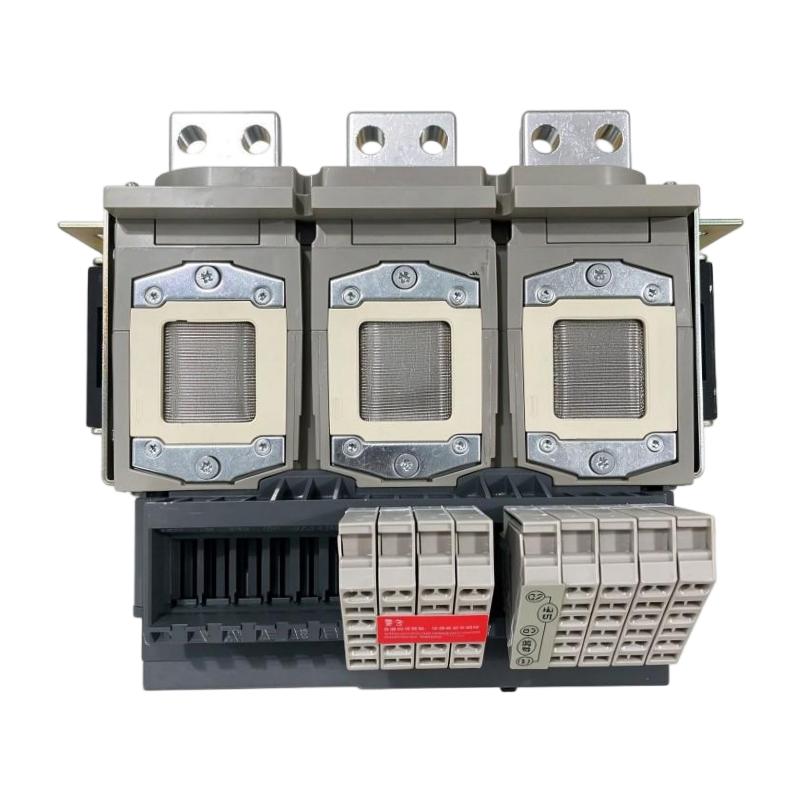
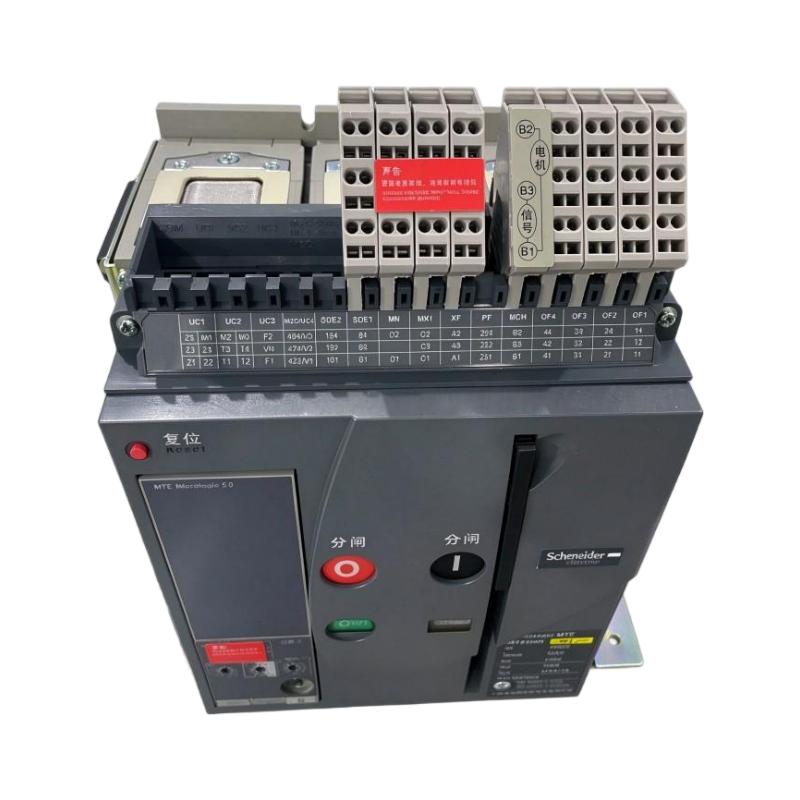
The Schneider MTE08N is supplied in the product listing with dimensions of 301 × 346 × 196 mm and a weight of 18 kg. These physical characteristics suggest a substantial industrial breaker assembly rather than a small miniature circuit breaker. However, the exact product designation should be confirmed before assigning detailed electrical ratings or identifying compatible accessories.
For maintenance teams, system integrators, and industrial spare-parts purchasers, accurate model identification is particularly important when replacing an existing breaker. Similar-looking circuit breakers can have different electrical ratings, mounting arrangements, protection functions, and connection requirements.
Technical Specifications
| Parameter | Specification |
|---|---|
| Brand | Schneider Electric |
| Model Provided | MTE08N |
| Product Type | Circuit Breaker |
| Application Category | Industrial Electrical Protection |
| Dimensions Provided | 301 × 346 × 196 mm |
| Weight Provided | 18 kg |
| Rated Current | Verify from the complete model number and nameplate |
| Rated Operating Voltage | Verify from the product nameplate |
| Number of Poles | Verify the installed configuration |
| Short-Circuit Breaking Capacity | Verify the manufacturer’s technical documentation |
| Trip Unit | Confirm the installed protection unit |
| Mounting Type | Confirm from the actual product configuration |
| Terminal Arrangement | Verify before installation |
| Product Condition | Confirm with the supplier |
| Typical Application | Industrial power distribution and switchgear |
Important: The exact designation “MTE08N” could not be conclusively matched to an official Schneider Electric product record during research. The specifications above intentionally distinguish supplied listing information from electrical parameters that require verification.
Function and Working Principle
A circuit breaker is designed to interrupt an electrical circuit when current or other monitored conditions exceed defined protection limits. Its exact operating characteristics depend on the breaker design and the protection unit installed.
1. Overload Protection
An overload occurs when a circuit carries more current than intended for a sustained period. Excessive current can cause conductors and electrical components to overheat.
A suitably selected circuit breaker can interrupt an overload according to its protection characteristics. This helps protect the electrical installation from thermal damage.
The breaker must be selected according to the cable capacity, expected load current, operating conditions, and applicable electrical standards. The correct trip settings, where adjustable, must be established through an engineering assessment.
2. Short-Circuit Protection
A short circuit can produce a rapid and substantial increase in current. Without appropriate protection, this condition can cause severe thermal and mechanical stress on electrical equipment.
Circuit breakers designed for the relevant fault level interrupt the circuit when their protection mechanisms detect a qualifying fault. Their rated short-circuit breaking capacity must be adequate for the prospective fault current at the installation point.
The breaking capacity cannot be determined from the MTE08N designation or physical dimensions alone. It must be verified using the manufacturer’s documentation for the exact breaker configuration.
3. Circuit Isolation
Industrial circuit breakers may also provide a means of isolating electrical equipment for maintenance, depending on their design and certification.
Maintenance personnel must follow the applicable isolation and lockout procedures. The presence of a breaker does not remove the need to verify that the equipment is de-energized before work begins.
4. Coordination with Other Protection Devices
Circuit breakers are often used alongside upstream and downstream protective devices. Proper coordination helps ensure that a fault is interrupted by the appropriate protective device while limiting unnecessary disruption to other parts of the electrical system.
Coordination depends on current ratings, trip characteristics, fault levels, and the manufacturer’s coordination data. These parameters must be assessed for the actual installation.
Role in Industrial Power Distribution Systems
Circuit breakers are important components of industrial electrical infrastructure. They help protect distribution circuits and provide a controlled means of disconnecting electrical equipment.
Main Distribution Boards
In an industrial distribution board, a suitably rated breaker may protect an incoming supply or a major distribution circuit. The appropriate breaker configuration depends on the facility’s electrical design and the required level of protection.
For a large industrial breaker, the rated current and short-circuit capacity must be verified against the system’s operating current and calculated fault level.
Switchgear Assemblies
Circuit breakers are frequently integrated into low-voltage switchgear and power distribution panels. Their mechanical mounting, terminal connections, operating mechanism, and protection functions must match the switchgear design.
Before replacing a breaker, engineers should verify the enclosure layout, busbar arrangement, phase spacing, terminal orientation, and clearances.
Motor and Equipment Feeders
A circuit breaker may protect a feeder supplying motors, drives, control cabinets, or other industrial loads. The protection scheme must account for load current, motor starting current, overload protection, and the characteristics of downstream equipment.
Where motor protection requires specialized functions, a general distribution breaker may need to be coordinated with additional motor-protection devices.
Maintenance and Equipment Replacement
In established industrial plants, circuit breakers may remain in service for many years. Maintenance teams must identify the complete model and configuration before sourcing replacement equipment.
A breaker that fits mechanically may still be unsuitable if its voltage rating, fault-interruption capability, trip unit, or connection arrangement differs from the original unit.
Industrial Applications
1. Industrial Power Distribution
Circuit breakers are used in factories, processing facilities, warehouses, and industrial buildings to protect electrical distribution circuits. Their ratings must match the installation’s electrical requirements and applicable standards.
2. Switchboards and Switchgear
A circuit breaker may be installed in a switchboard or switchgear assembly to protect an incoming supply, bus section, or outgoing feeder. Correct mechanical and electrical compatibility is essential for safe operation.
3. Manufacturing Facilities
Manufacturing plants rely on circuit breakers to protect electrical supplies serving production equipment, machinery, and supporting systems. Proper protection coordination can help isolate faults while reducing unnecessary interruptions to other loads.
4. Utilities and Infrastructure
Electrical distribution equipment in infrastructure facilities may use industrial circuit breakers to provide protection and switching functions. Selection depends on the installation voltage, available fault current, operating conditions, and required protection scheme.
5. Commercial and Large-Building Electrical Systems
Large commercial facilities may use industrial breakers in main distribution and sub-distribution equipment. The selected device must comply with the relevant electrical standards and the project’s protection requirements.
These are general applications for industrial circuit breakers. The specific suitability of the MTE08N listing must be confirmed after its complete product identity and electrical ratings are established.
Installation and System Integration
Correct installation is essential for circuit breaker safety and reliability. Work should be performed by qualified electrical personnel following the manufacturer’s instructions and applicable electrical codes.
1. Verify the Complete Model Number
Before installation, compare the full catalog number on the breaker nameplate with the approved equipment documentation. Do not rely solely on a shortened model designation or the dimensions provided in a sales listing.
Confirm the manufacturer’s identification, rated current, voltage, pole count, trip-unit type, and any suffixes that identify a particular configuration.
2. Confirm Electrical Ratings
Verify that the breaker is suitable for the system’s nominal voltage and frequency, expected load current, and prospective short-circuit current.
The breaking capacity must be sufficient for the fault level at the installation point. A breaker with an inadequate breaking capacity can create serious electrical hazards.
3. Inspect Mechanical Compatibility
The supplied dimensions are 301 × 346 × 196 mm. Confirm these measurements against the actual product and manufacturer’s dimensional drawing before modifying a switchgear panel.
Check the mounting method, terminal locations, busbar spacing, operating handle clearance, and required maintenance access.
4. Check Connections and Tightening Requirements
Power connections must use the correct conductor sizes and approved connection accessories. Tightening torque must follow the manufacturer’s instructions.
Loose connections can create localized heating and increase the risk of equipment damage. Inspect terminals and conductors for signs of overheating, corrosion, or mechanical damage during maintenance.
5. Verify Protection Settings
Where the installed trip unit offers adjustable protection, confirm the settings against the electrical coordination study and system requirements.
Protection settings should not be copied from another installation without verifying the cable ratings, load characteristics, fault levels, and coordination requirements.
6. Commissioning and Functional Checks
Before energizing the installation, qualified personnel should verify the wiring, mounting, grounding arrangements where applicable, and mechanical condition of the breaker.
Required functional and protection tests should follow the manufacturer’s procedures and the facility’s commissioning plan. Document the final configuration and test results for future maintenance.
Compatible System Components
A circuit breaker normally operates as part of a coordinated electrical protection system. Potentially associated components include:
| Component | Function | Compatibility Considerations |
|---|---|---|
| Main distribution busbars | Distribute electrical power | Verify current rating, physical dimensions, and connection arrangement |
| Protective trip unit | Detects specified fault conditions and initiates tripping | Confirm the exact breaker family and approved trip-unit model |
| Auxiliary contacts | Provide breaker status signals | Verify the contact type, voltage rating, and accessory compatibility |
| Shunt trip or undervoltage release | Provides remote tripping or undervoltage-related operation | Confirm the correct accessory and control voltage |
| Control power supply | Supplies compatible control circuits | Check voltage, power requirements, and circuit protection |
| Electrical enclosure | Houses and protects the installed equipment | Verify dimensions, clearances, and environmental requirements |
| Upstream protective device | Provides coordinated protection for the supply circuit | Perform a protection-coordination assessment |
| Downstream protective devices | Protect outgoing circuits and connected loads | Verify selectivity, fault ratings, and trip characteristics |
| Monitoring or control system | Monitors breaker status where supported | Confirm available auxiliary contacts or approved communication accessories |
This table describes common components in industrial protection systems. It does not confirm that any particular accessory is compatible with the MTE08N designation.
Alternative Models and Replacement Considerations
When the exact model cannot be verified, replacement selection should begin with identification of the installed breaker rather than choosing a substitute based on size or appearance.
| Replacement Approach | Key Considerations |
|---|---|
| Exact same model and configuration | Preferred when the complete catalog number and electrical ratings match |
| Same product family with equivalent ratings | Confirm the trip unit, voltage, current, breaking capacity, and mounting details |
| Newer Schneider Electric breaker | Assess whether panel modifications, accessory changes, or protection-setting updates are required |
| Alternative manufacturer’s breaker | Requires a detailed engineering review of electrical, mechanical, and regulatory compatibility |
| Complete switchgear upgrade | May be appropriate when the original breaker or supporting assembly is no longer serviceable |
Before approving a replacement, confirm:
- Complete manufacturer catalog number.
- Rated current and operating voltage.
- Number of poles.
- Short-circuit breaking capacity.
- Trip-unit type and protection settings.
- Fixed or withdrawable mounting arrangement.
- Busbar and terminal dimensions.
- Auxiliary contacts and operating accessories.
- Applicable product standards and certifications.
- Mechanical condition and availability of service documentation.
A substitute should only be approved after the electrical and mechanical requirements have been checked.
Key Advantages of Industrial Circuit Breakers
Electrical Fault Interruption
A correctly selected circuit breaker can interrupt overload and short-circuit currents within its specified operating limits.
Support for System Protection
When coordinated with other protective devices, a breaker helps protect cables, distribution equipment, and connected loads.
Integration into Switchgear
Industrial circuit breakers can be installed in engineered switchgear and distribution assemblies when their dimensions, connection arrangements, and ratings match the design.
Maintenance and Isolation Functions
Depending on its design, a breaker may provide a means of disconnecting a circuit for maintenance. Proper isolation and safety procedures remain necessary.
Configurable Protection Options
Some industrial breaker families support electronic trip units, auxiliary contacts, and remote operating accessories. Availability depends on the specific model and configuration.
Long-Term Equipment Management
Accurate identification and documentation help facilities maintain spare-parts inventories, plan equipment replacements, and reduce the risk of selecting an incompatible breaker.
Technical FAQs
1. What is the Schneider MTE08N Circuit Breaker?
It is the model designation supplied for this product listing. Its exact official product identity and complete electrical specification require confirmation from the nameplate or a full manufacturer catalog number.
2. What are the dimensions of the MTE08N?
The supplied dimensions are 301 × 346 × 196 mm. Verify these measurements against the actual unit and manufacturer’s drawing before using them for panel design.
3. How much does the MTE08N weigh?
The supplied listing weight is 18 kg. Confirm whether this refers to the breaker alone or a packaged unit before arranging shipping.
4. What is the rated current?
The rated current cannot be conclusively established from the supplied designation alone. Check the nameplate and the manufacturer’s documentation for the exact model.
5. What is the short-circuit breaking capacity?
The breaking capacity must be verified for the complete breaker model and its rated operating voltage. Do not infer it from the product dimensions or physical appearance.
6. Can the breaker be used in an industrial switchgear panel?
Industrial circuit breakers are commonly installed in switchgear, but the suitability of this particular unit depends on its verified electrical ratings, mounting arrangement, and compatibility with the panel.
7. Can I replace it with another Schneider Electric circuit breaker?
Only after verifying electrical and mechanical compatibility. Current rating, voltage, breaking capacity, trip-unit functions, pole count, terminal layout, and mounting arrangement must all be considered.
8. What information should be provided when requesting a quotation?
Provide the complete catalog number, a clear photograph of the nameplate, required quantity, product condition, and any relevant details about the existing installation. This helps the supplier identify the correct configuration.
9. What should be inspected before purchasing a used breaker?
Check the nameplate, housing, terminals, operating mechanism, accessory configuration, and available inspection or test records. For critical applications, use a qualified service provider to determine whether the breaker is suitable for return to service.
10. Why should the exact model be confirmed before publishing the listing?
Different circuit breakers can share similar dimensions while having different current ratings, fault-interruption capabilities, trip units, and mounting arrangements. Accurate model identification helps prevent incorrect purchasing and unsafe substitution.
Procurement and Maintenance Recommendations
When sourcing the Schneider MTE08N Circuit Breaker, begin by confirming the complete product identification. Ask the supplier for clear photographs of the nameplate and front and side views, together with the manufacturer’s catalog number and available technical documentation.
For a replacement project, compare the original breaker with the proposed unit in terms of electrical ratings, trip-unit configuration, connection arrangement, mounting dimensions, and accessories. Confirm the prospective fault current and protection-coordination requirements before approving the replacement.
For used or refurbished equipment, request information about condition, inspection, functional testing, and applicable warranty terms. Verify whether accessories are included and whether the listed weight represents the product alone or the packaged shipment.
During routine maintenance, follow the manufacturer’s inspection and testing recommendations. Qualified personnel should examine the breaker for visible damage, overheating, loose connections, and mechanical issues. Any testing or maintenance must follow the required electrical isolation and safety procedures.
Maintain accurate equipment records, including the complete model number, electrical ratings, protection settings, test history, and replacement details. These records help improve maintenance planning and reduce the risk of installing an unsuitable spare part.
Conclusion
The Schneider MTE08N Circuit Breaker is listed with dimensions of 301 × 346 × 196 mm and a weight of 18 kg for industrial electrical protection applications. Circuit breakers are important components in power distribution systems, helping interrupt specified overload and short-circuit conditions when correctly selected and installed.
However, the exact designation MTE08N requires further confirmation before its rated current, voltage, breaking capacity, or trip-unit configuration can be stated definitively. Verifying the full catalog number and product nameplate is the most important step before purchasing, installing, or replacing this equipment.