

ProductPRODUCT
Featured products
Contact Us
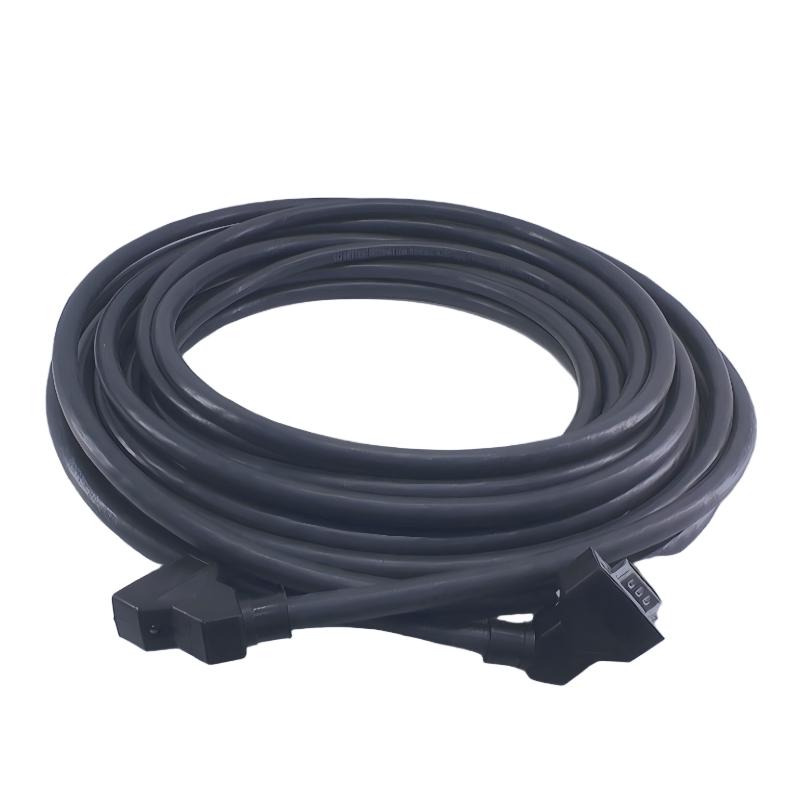
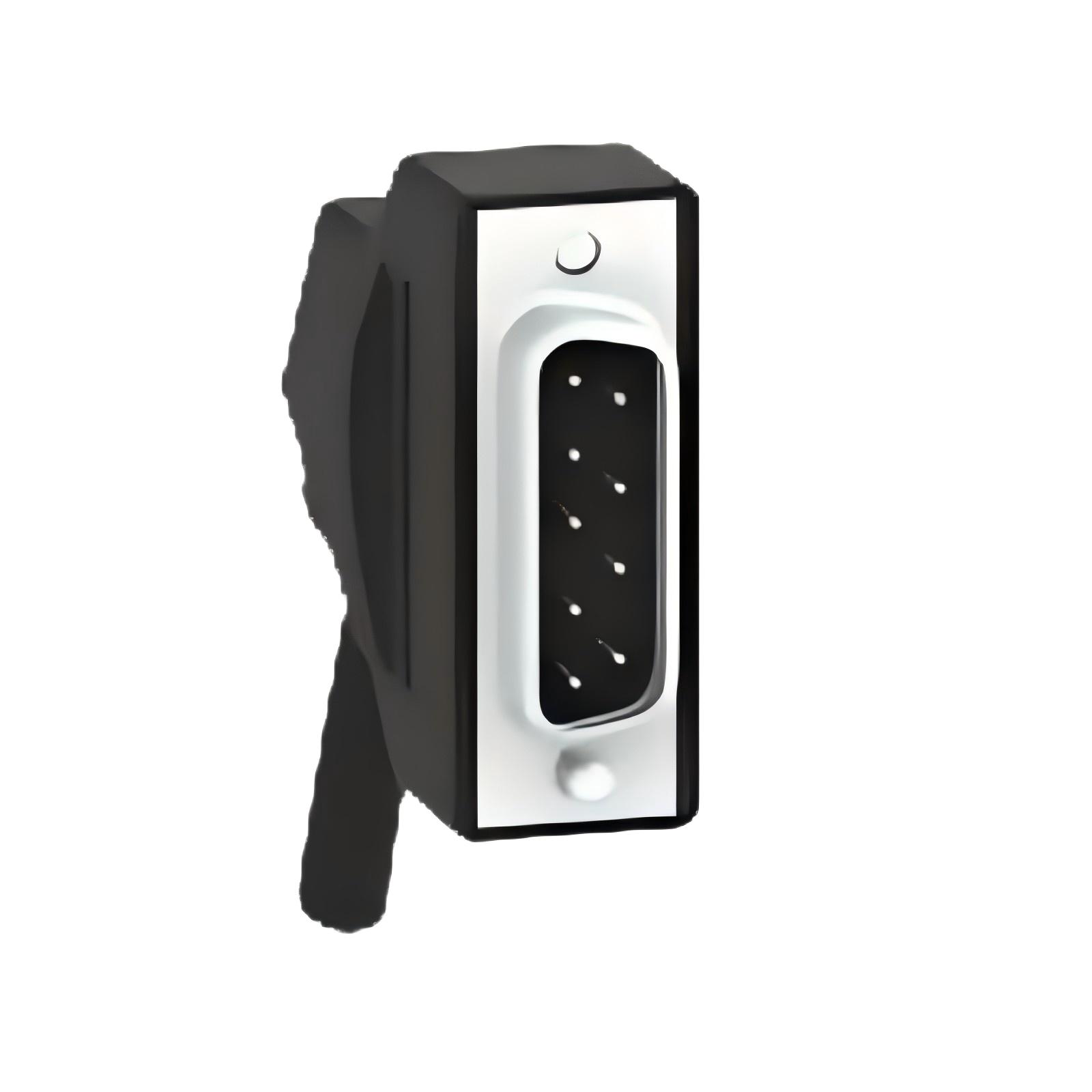
- Schneider
- BMXXBC120K
- Backplane Extension Cable
- France
- 12 meters
- 3 kg
- Xiamen, China
- New & In Stock
- T/T, PayPal, Western Union
- 1 Year
- 1-3 Working Days
- DHL, UPS, TNT, FedEx and EMS.
- 24-Hour Service
- COO
- 21
Our advantage

Global Logistics
We have a 10-year logistics and express cooperation agreement, so our products can be shipped to any place in the world.

Brand new and original
Our products are imported in bulk from the place of origin. Because of the cooperative relationship, our products are all original and 100% new.

24-hour service
We provide 7*24 hours service to our customers. We will be there whenever you need us.

Price advantage
All our products are priced very favorably because we have our own warehouse and supply.
| Company Information | |||
| [email protected] | |||
| Mobile | +8615980777398 | ||
| +8615980777398 | |||
| 15980777398 |
Product Overview
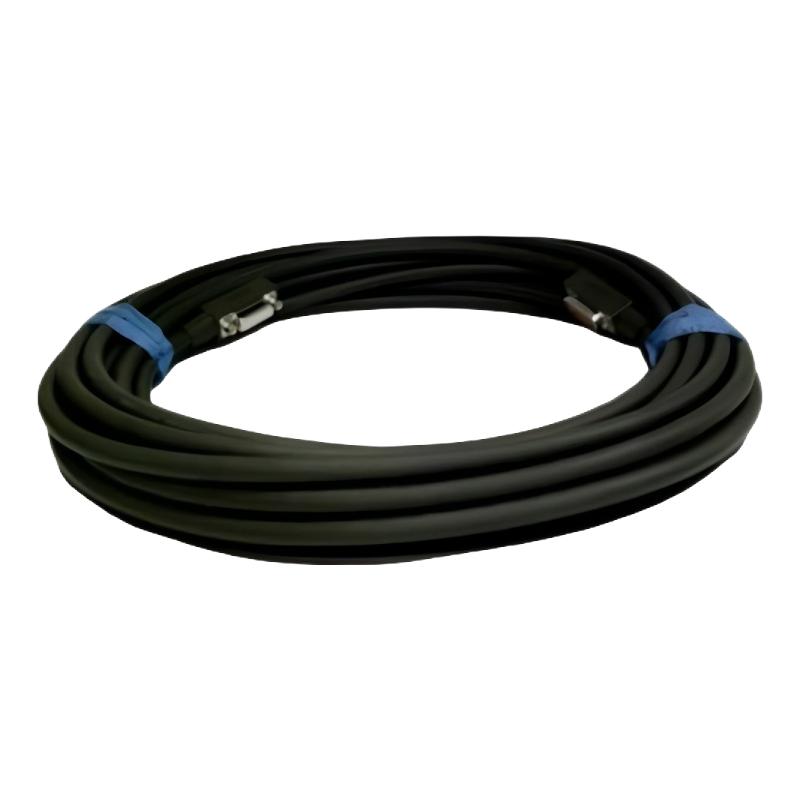
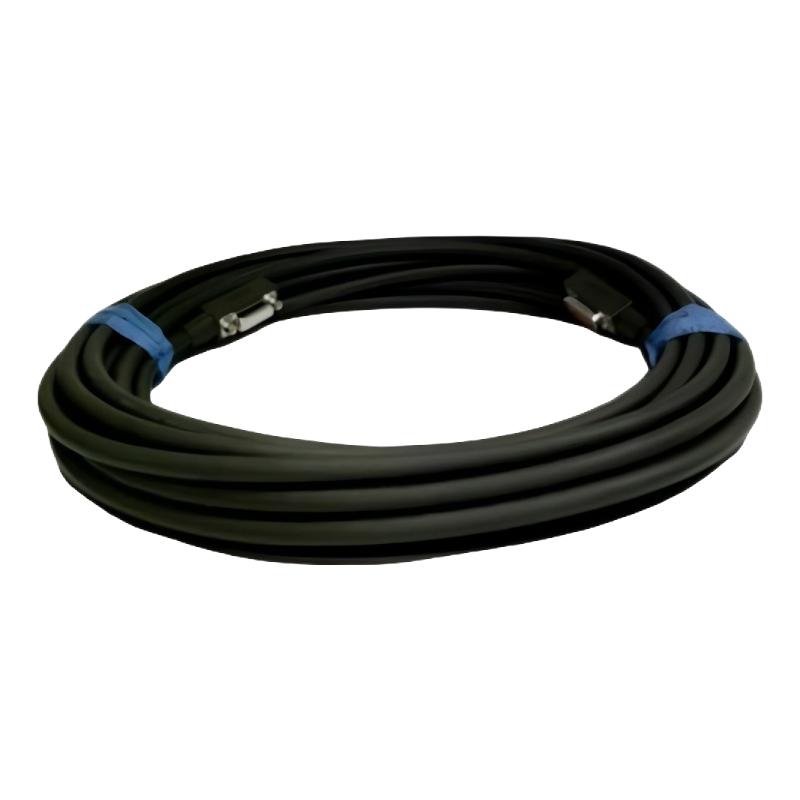
The Schneider BMXXBC120K Backplane Extension Cable is an industrial automation cable designed for extending connections between compatible backplane or rack-based control-system assemblies. As part of the Schneider Modicon automation ecosystem, the BMXXBC120K can be used where a longer physical connection is required between separated control-system sections.
The specified cable length for the BMXXBC120K is 12 meters, providing a substantially extended connection distance for installations where standard short interconnection cables are insufficient. This type of extension can be useful when control-system components need to be arranged across a larger cabinet, machine structure, equipment section, or distributed installation.
The listed shipping weight is 3 kg. This value represents a logistics or transportation reference and should not automatically be interpreted as the net weight of the cable itself.
Backplane extension cables are important components in modular automation architectures because they allow system assemblies to be physically separated while maintaining the required interconnection between compatible hardware.
Correct cable selection is essential. The BMXXBC120K should be used only where its connector configuration, electrical characteristics, cable length, and host-system requirements are compatible with the intended Schneider automation architecture.
Technical Specifications
| Parameter | Specification |
|---|---|
| Manufacturer | Schneider Electric |
| Model | BMXXBC120K |
| Product Type | Backplane Extension Cable |
| Cable Function | Backplane / Rack Interconnection |
| Cable Length | 12 meters |
| Shipping Weight | 3 kg |
| Installation | Industrial Automation System |
| Application | Modular PLC and Control-System Interconnection |
| Product Family | Schneider Modicon Automation |
| Connection Type | Compatible Backplane Extension Interface |
| Typical Use | Extending Connections Between Compatible Automation Assemblies |
Shipping Weight Note
The listed 3 kg value is the shipping weight supplied for the BMXXBC120K. Shipping weight is intended for transportation, packaging, inventory, and logistics planning. It should not be treated as the confirmed net weight of the cable unless separately specified.
What Is the Schneider BMXXBC120K?
The Schneider BMXXBC120K is a backplane extension cable used to provide an extended interconnection between compatible automation-system assemblies.
In a modular industrial control system, multiple modules may normally be installed within a common backplane or rack structure. In some machine layouts, however, the physical arrangement of equipment requires greater separation between system sections.
A backplane extension cable can provide the necessary connection between compatible assemblies while allowing the physical layout to be adapted to the machine or cabinet design.
The 12-meter cable length of the BMXXBC120K is particularly relevant for installations where equipment sections are positioned at a greater distance from one another.
The cable should not be treated as a general-purpose extension cable. Compatibility depends on the specific Schneider hardware, connector arrangement, system architecture, and installation requirements.
Function of a Backplane Extension Cable
A backplane extension cable provides an interconnection path between compatible automation-system sections.
In a modular architecture, the backplane or equivalent interconnection structure allows system modules to exchange information and participate in a coordinated control system.
The extension cable can therefore support the physical separation of compatible system components.
A simplified architecture can be represented as:
Control-System Section A → Backplane Interface → Extension Cable → Backplane Interface → Control-System Section B
The exact signal structure and communication behavior depend on the Schneider hardware associated with the cable.
The primary purpose of the BMXXBC120K is therefore not to perform control logic itself, but to maintain the required physical interconnection between compatible automation-system assemblies.
Role in Industrial Automation
Backplane interconnection is an important part of modular PLC and industrial control-system design.
A modular system can contain:
- Processor modules
- Communication modules
- Digital I/O modules
- Analog I/O modules
- Power modules
- Interface modules
- Expansion assemblies
- Backplane components
When system architecture requires physical separation between compatible assemblies, an extension cable can help maintain the required connection.
The BMXXBC120K provides a 12-meter connection length, allowing greater flexibility when arranging equipment.
This can be useful when:
- Control cabinets are physically separated
- Machine sections are distributed
- Equipment is installed at different locations
- Standard short cables are insufficient
- System layout requires extended interconnection
- Large equipment requires greater installation flexibility
Industrial Applications
Modular PLC Systems
The BMXXBC120K can be considered for compatible Schneider modular PLC architectures where a backplane extension is required.
The cable allows the physical arrangement of system assemblies to be adapted to the installation layout.
Large Control Cabinets
Large control cabinets may require control hardware to be arranged across different cabinet sections.
A suitable backplane extension cable can provide the required interconnection while allowing greater physical flexibility.
Machine Automation
Industrial machinery can contain multiple equipment sections that cannot always be arranged in a single compact location.
The 12-meter cable length can be useful where system components must be positioned farther apart.
Distributed Equipment Layouts
Some automation systems require control components to be located at different physical positions.
Where supported by the system architecture, a backplane extension cable can help maintain communication and interconnection between compatible assemblies.
Industrial Production Lines
Long production lines may contain control equipment distributed across different machine sections. A suitable extension cable can support the physical organization of the automation system.
Cable Length and Installation Planning
The 12-meter cable length is one of the most important characteristics of the BMXXBC120K.
Cable length should be considered carefully during machine and cabinet design.
A 12-meter cable provides greater installation flexibility, but the actual routing should still be planned to avoid unnecessary stress.
Important considerations include:
- Routing distance
- Cable bend radius
- Mechanical protection
- Separation from high-power wiring
- Connector accessibility
- Cable support
- Environmental exposure
- Maintenance access
The cable should not be stretched tightly between connection points.
Adequate routing allowance should be provided so that connectors are not subjected to unnecessary mechanical force.
Installation Guidelines
1. Verify the Cable Model
Before installation, confirm the complete part number:
Schneider BMXXBC120K
The cable length should also be verified as:
12 meters
2. Check the Host Equipment
Confirm that the equipment being connected is compatible with the BMXXBC120K.
The cable should not be connected to hardware simply because the connectors appear physically similar.
3. Inspect the Cable
Before installation, check for:
- Damaged insulation
- Cuts
- Crushing
- Connector damage
- Excessive bending
- Contamination
- Packaging damage
4. Plan the Cable Route
Choose a route that protects the cable from:
- Moving machinery
- Sharp edges
- Excessive heat
- Mechanical abrasion
- Chemical exposure
- High electrical interference
5. Connect Carefully
Connect each end to the appropriate interface without forcing the connector.
Ensure that the connection is fully seated.
6. Secure the Cable
Where appropriate, use suitable cable supports to prevent excessive movement or pulling on the connectors.
7. Perform a Final Inspection
Before commissioning, verify:
- Cable routing
- Connector seating
- Mechanical protection
- System configuration
- Clearance
- Electrical installation conditions
Cable Routing and EMC Considerations
Industrial automation environments can contain significant electrical noise generated by:
- Variable frequency drives
- Servo drives
- Contactors
- Motors
- Switching power supplies
- High-current equipment
The BMXXBC120K should therefore be routed according to the installation requirements of the connected Schneider control system.
Where appropriate, signal and control-system cables should be routed separately from high-power conductors.
Avoid unnecessary parallel routing alongside high-current motor cables.
Good cable management can help reduce the risk of electrical interference and improve overall system reliability.
The exact shielding and grounding requirements should be confirmed from the applicable Schneider system installation documentation.
Maintenance Recommendations
Although a backplane extension cable does not contain active electronic components, its condition can directly affect system reliability.
Inspect Connectors
Check connectors periodically for:
- Loose connections
- Physical damage
- Contamination
- Corrosion
- Mechanical stress
Inspect Cable Jacket
Look for:
- Cuts
- Abrasion
- Crushing
- Excessive bending
- Heat damage
- Chemical deterioration
Check Cable Support
A long 12-meter cable should be routed and supported appropriately.
Excessive cable movement can place stress on connectors and cable assemblies.
Monitor System Behavior
Unexpected communication problems, intermittent module behavior, or system-level faults may sometimes be associated with connection or cabling problems.
The cable should therefore be included in troubleshooting procedures when system communication or backplane-related issues occur.
Troubleshooting the BMXXBC120K
Intermittent System Communication
If the connected automation system experiences intermittent communication or module-related problems, inspect:
- Cable connectors
- Cable routing
- Cable damage
- Mechanical stress
- Grounding
- Electrical interference
- Connected hardware
An intermittent connection can create symptoms that appear to originate from a PLC module or communication device.
System Does Not Recognize Connected Hardware
Possible causes include:
- Incorrect cable installation
- Incorrect system configuration
- Incompatible equipment
- Connector problem
- Cable damage
- Power-related issues
The BMXXBC120K should be checked together with the connected hardware.
Communication Becomes Unstable After Machine Movement
If problems occur when machinery moves, inspect the cable for mechanical stress.
A long cable may be affected by:
- Excessive bending
- Cable movement
- Connector tension
- Abrasion
- Improper support
The cable should be routed so that machine movement does not place excessive mechanical load on the assembly.
Complete Loss of Connection
Check:
- Cable connection at both ends.
- Connector condition.
- Cable continuity where appropriate.
- Connected equipment power.
- System configuration.
- Signs of cable damage.
- Mechanical stress or environmental damage.
Do not immediately replace PLC modules before checking the interconnection path.
Replacement Considerations
When replacing a BMXXBC120K, verify the complete model number rather than selecting a cable based only on length.
Important identification information includes:
- Manufacturer
- Complete model number
- Cable type
- Cable length
- Connector configuration
- Host-system compatibility
- Installation requirements
The specified cable length is 12 meters, but cable length alone does not establish compatibility.
A cable with a similar length may have a different connector arrangement or electrical configuration and therefore may not be suitable as a replacement.
Storage and Handling
Proper storage is important before installation.
The BMXXBC120K should be protected from:
- Excessive moisture
- Direct contamination
- Extreme temperature
- Mechanical crushing
- Sharp bending
- Chemical exposure
During handling, avoid pulling the cable by its connector.
The cable should be handled in a manner that prevents unnecessary mechanical stress on the connectors and cable jacket.
For long-term inventory storage, the cable should remain properly packaged and protected until it is required for installation.
System Integration
The BMXXBC120K can form part of a larger Schneider automation architecture containing multiple functional layers.
| System Component | General Function |
|---|---|
| PLC / Controller | Executes control logic |
| Backplane | Provides module interconnection |
| Backplane Extension Cable | Extends compatible system interconnection |
| I/O Modules | Interface with field devices |
| Communication Modules | Exchange control-system data |
| Power Components | Provide required system power |
| Sensors | Monitor machine conditions |
| Actuators | Perform physical machine actions |
| HMI | Provides operator interaction |
The BMXXBC120K itself is an interconnection component rather than a processor or I/O module.
Its role is to help maintain the required connection between compatible automation-system sections.
Engineering Considerations for a 12-Meter Cable
The 12-meter length should be incorporated into the overall equipment layout from the beginning of the design process.
Engineers should consider:
Physical Distance
Determine the actual distance between the two connection points.
Routing Path
The cable should follow a controlled route rather than being loosely placed across the machine.
Mechanical Protection
Where cables pass through equipment structures, suitable protection should be considered.
Maintenance Access
The cable route should allow technicians to inspect and replace the cable without unnecessary machine disassembly.
Electrical Environment
Cable routing should take account of nearby motors, drives, contactors, and other potential sources of electrical interference.
Installation Clearance
Sufficient space should be provided around connectors to permit safe installation and maintenance.
Shipping Weight
The listed shipping weight for the Schneider BMXXBC120K is 3 kg.
This value should be understood as a shipping or logistics weight, not necessarily the net weight of the cable.
Shipping weight can be useful for:
- Inventory management
- Transportation planning
- Packaging calculations
- Warehouse handling
- International shipping preparation
- Spare-parts logistics
The actual cable weight should not be inferred from the 3 kg shipping figure unless a separate net-weight specification is available.
Key Advantages
The Schneider BMXXBC120K provides several practical characteristics for compatible industrial automation installations:
- 12-meter cable length
- Designed for backplane extension applications
- Supports greater physical separation between compatible system assemblies
- Useful for modular control-system layouts
- Can simplify equipment arrangement in larger installations
- Suitable for industrial automation environments when correctly matched to the host system
- Supports flexible cabinet and machine architecture
- 3 kg shipping weight provides a useful logistics reference
Technical FAQs
What is the Schneider BMXXBC120K?
The BMXXBC120K is a Schneider Backplane Extension Cable intended for use with compatible industrial automation-system assemblies.
What is the cable length?
The specified cable length is 12 meters.
What is the shipping weight?
The listed shipping weight is 3 kg.
Is the 3 kg value the net weight of the cable?
Not necessarily. The supplied value is specifically identified as shipping weight, so it should be used primarily for logistics and transportation planning.
What is the purpose of a backplane extension cable?
It provides an extended physical interconnection between compatible automation-system sections where standard short backplane connections are insufficient.
Can the BMXXBC120K be used as a general-purpose industrial cable?
It should not be treated as a general-purpose cable. Compatibility depends on the intended Schneider automation architecture and the connected hardware.
Why is the 12-meter length important?
The 12-meter length allows compatible system assemblies to be positioned farther apart, providing additional flexibility for large cabinets, machine structures, and distributed equipment layouts.
What can cause problems with a backplane extension cable?
Potential causes include damaged connectors, cable damage, improper installation, excessive bending, mechanical stress, electrical interference, or incompatible connected equipment.
How should the cable be maintained?
Regularly inspect the cable jacket, connectors, routing, mechanical support, and surrounding environment. Any signs of damage or excessive stress should be investigated.
Can another cable with the same length replace the BMXXBC120K?
Not automatically. Connector configuration, electrical characteristics, and host-system compatibility must also be verified.
Conclusion
The Schneider BMXXBC120K Backplane Extension Cable is an industrial automation interconnection component designed for compatible backplane extension applications. With a specified 12-meter cable length, it provides additional flexibility for control-system layouts where automation assemblies need to be physically separated.
The cable can be useful in modular PLC systems, large control cabinets, machine automation equipment, and other compatible industrial installations. Proper routing, connector installation, mechanical support, electrical-noise management, and system compatibility are important for dependable operation.
The supplied 3 kg shipping weight should be treated as a logistics value rather than automatically as the cable’s net weight. For replacement or new installation, the complete BMXXBC120K model should be verified together with the required cable length, connector configuration, and host-system compatibility before installation.