

ProductPRODUCT
Featured products
Contact Us
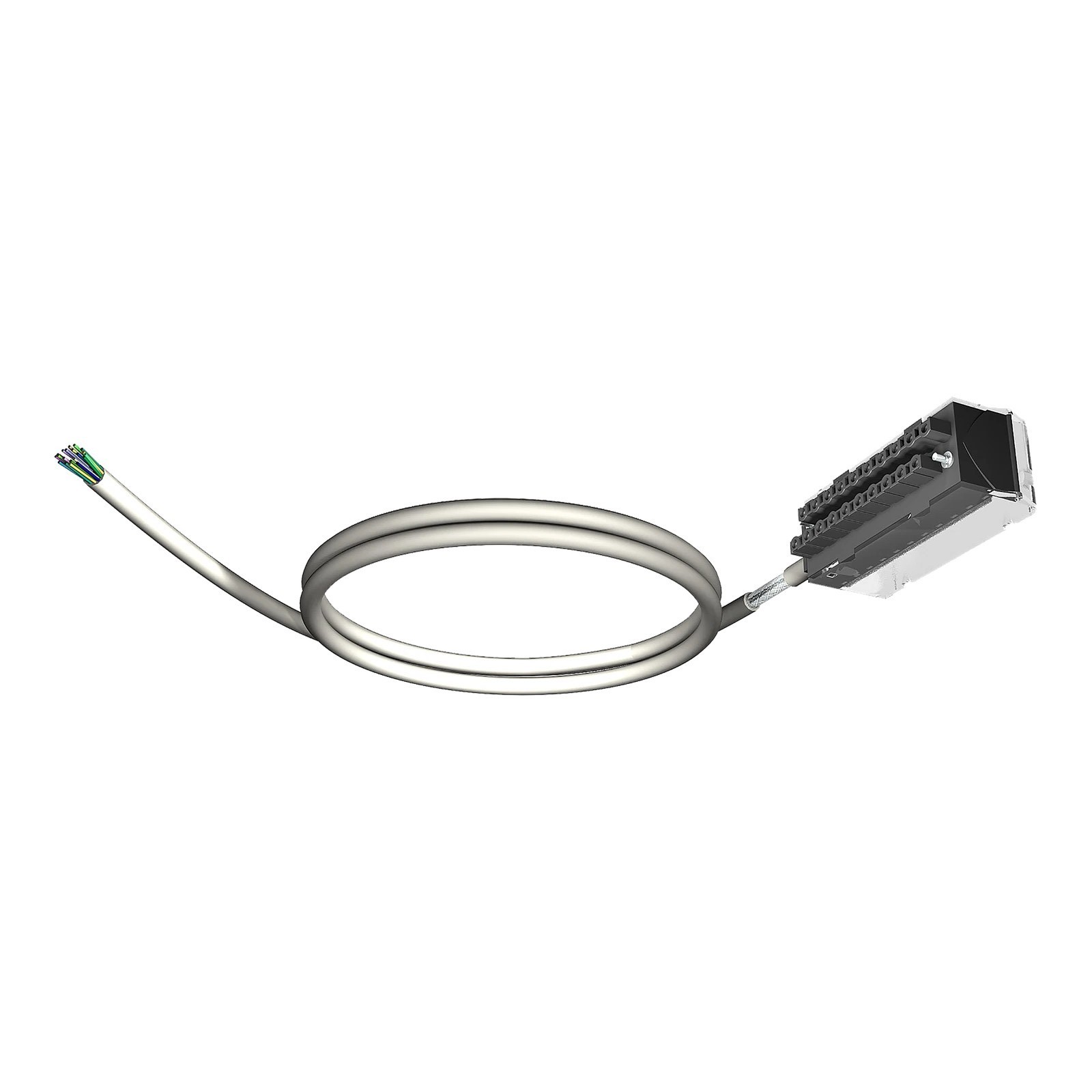
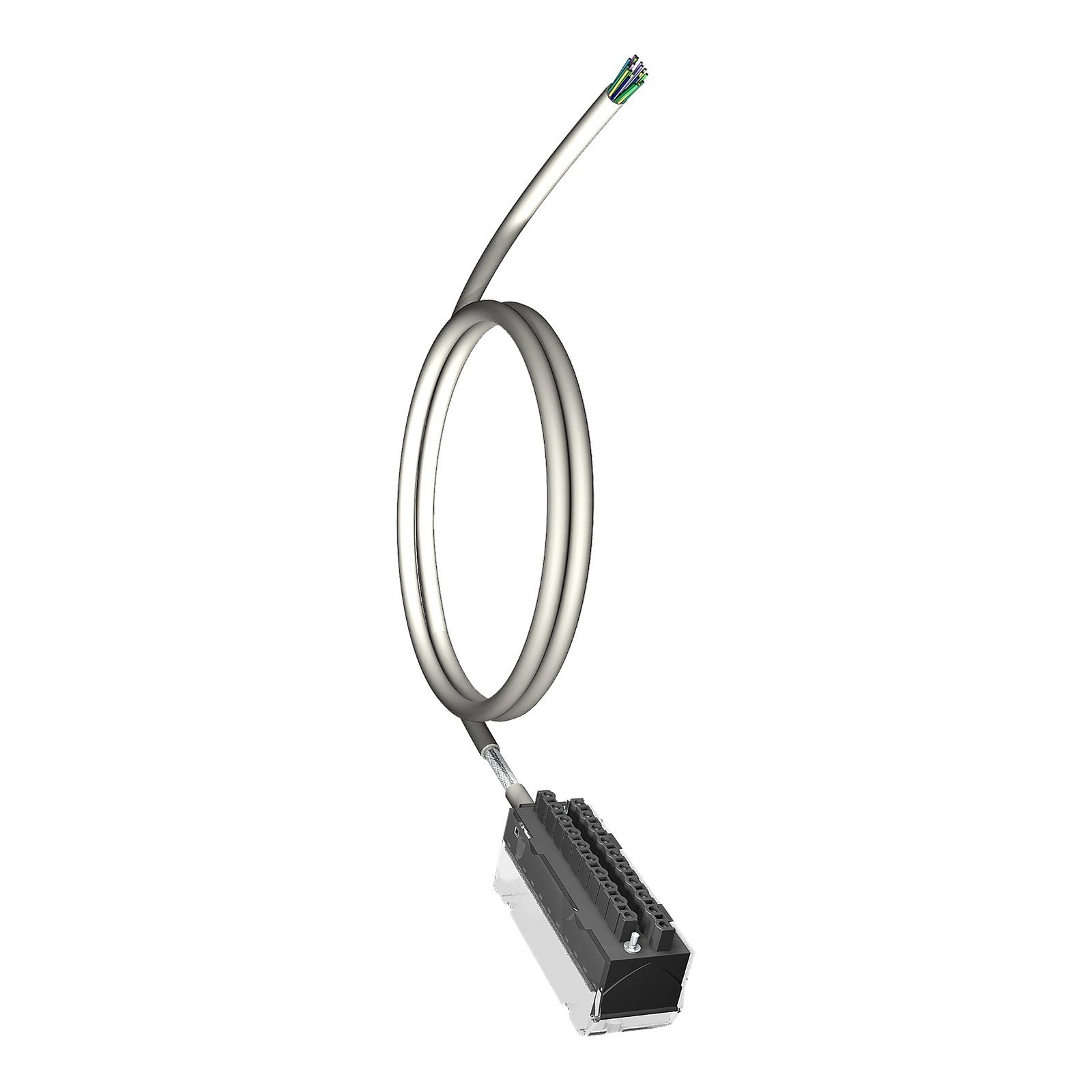
- Schneider
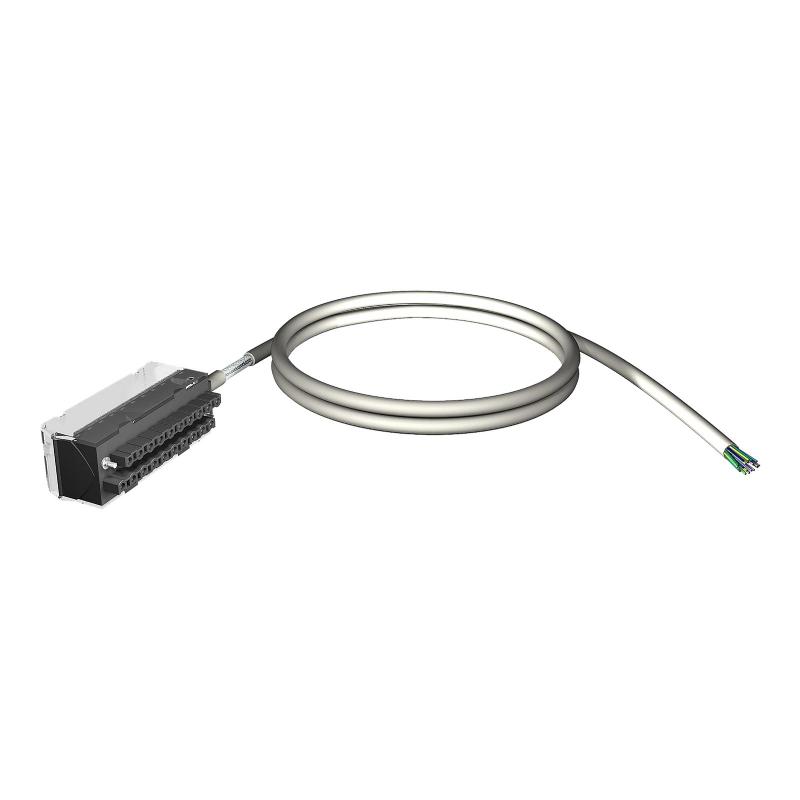
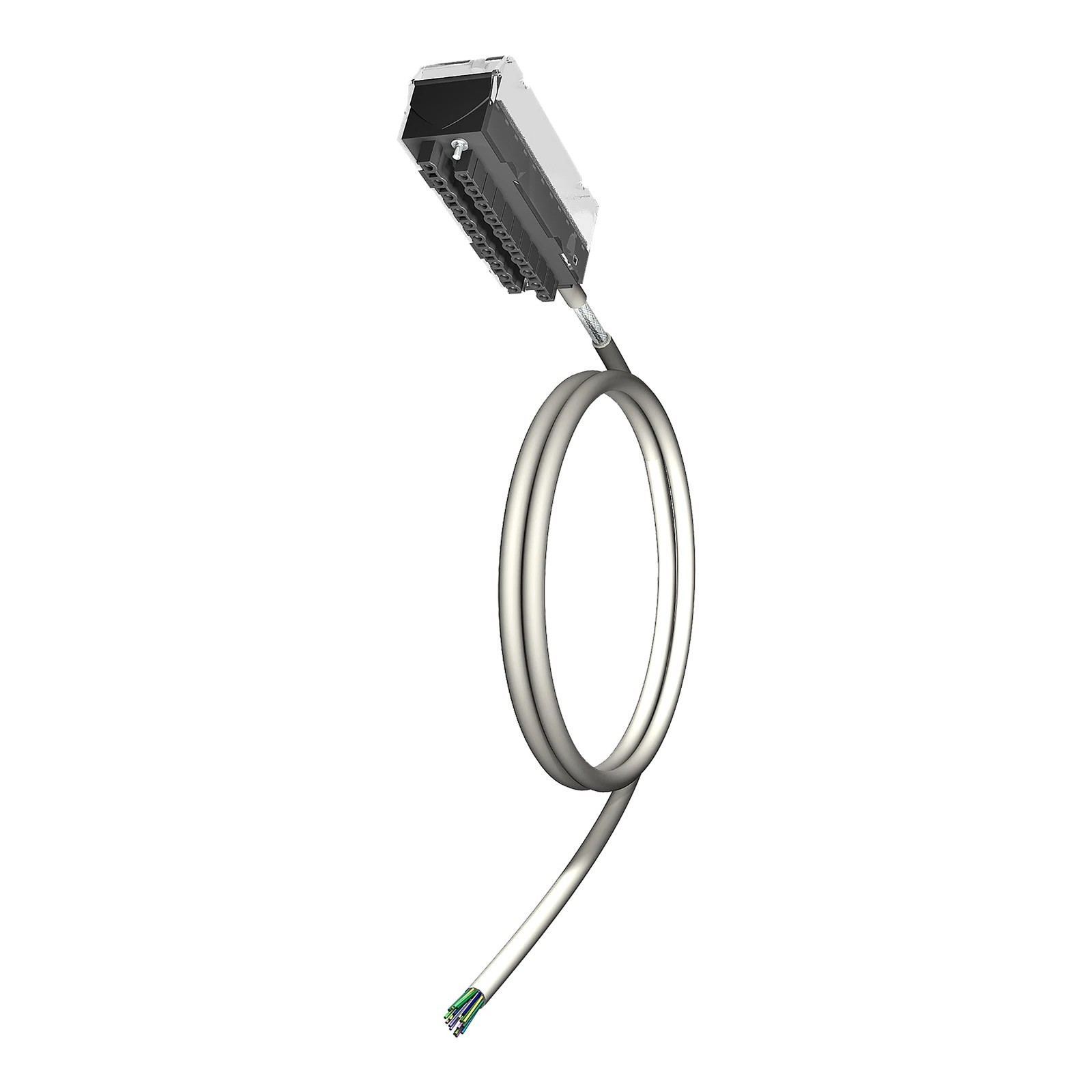
- BMXFTW1001
- Preformed Cable Sleeve
- France
- 10 meters
- 2.78 kg
- Xiamen, China
- New & In Stock
- T/T, PayPal, Western Union
- 1 Year
- 1-3 Working Days
- DHL, UPS, TNT, FedEx and EMS.
- 24-Hour Service
- COO
- 7
Our advantage

Global Logistics
We have a 10-year logistics and express cooperation agreement, so our products can be shipped to any place in the world.

Brand new and original
Our products are imported in bulk from the place of origin. Because of the cooperative relationship, our products are all original and 100% new.

24-hour service
We provide 7*24 hours service to our customers. We will be there whenever you need us.

Price advantage
All our products are priced very favorably because we have our own warehouse and supply.
| Company Information | |||
| [email protected] | |||
| Mobile | +8615980777398 | ||
| +8615980777398 | |||
| 15980777398 |
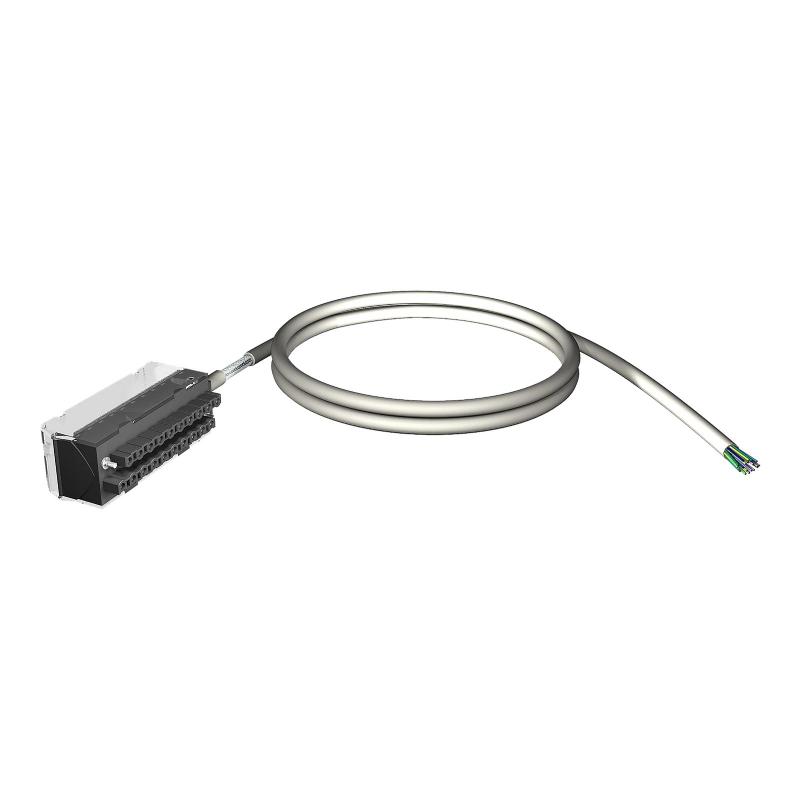
Product Overview
The Schneider BMXFTW1001 Preformed Cable Sleeve is an industrial cable-management component designed to support organized cable routing and protection within compatible Schneider Electric automation installations. Cable-management accessories play an important role in industrial control systems because properly routed wiring helps protect cables from mechanical damage, simplifies maintenance, and contributes to a clean and serviceable control-panel layout.
Unlike loose protective materials that must be prepared and formed during installation, a preformed cable sleeve provides a prepared cable-management solution that can be incorporated into an existing wiring arrangement. This can be particularly useful in PLC cabinets, machine-control systems, and other industrial automation environments where multiple cables must be routed together.
The BMXFTW1001 has a supplied cable length of 10 meters and a weight of 2.78 kg. The 10-meter length provides considerable flexibility for larger control cabinets, extended cable-routing paths, machine installations, and distributed equipment layouts.
The BMXFTW1001 should be installed according to the requirements of the applicable automation system. Exact sleeve construction, internal diameter, material, temperature range, environmental resistance, installation method, and supported cable configurations should be confirmed against the relevant product documentation before use.
Technical Specifications
| Parameter | Specification |
|---|---|
| Manufacturer | Schneider Electric |
| Model | BMXFTW1001 |
| Product Type | Preformed Cable Sleeve |
| Primary Function | Cable Routing and Protection |
| Cable Length | 10 meters |
| Weight | 2.78 kg |
| Application | Industrial Automation and Control Systems |
| Installation | Control Cabinet / Machine Wiring / Cable Routing |
| Typical Use | Protection and Organization of Compatible Cables |
The cable length and weight above are based on the product information supplied for this article. Exact material, sleeve diameter, environmental rating, temperature limits, and installation characteristics should be verified for the intended application.
What Is the Schneider BMXFTW1001?
The Schneider BMXFTW1001 is a Preformed Cable Sleeve intended to support cable organization and protection in industrial automation environments.
Industrial control systems can contain large numbers of cables connecting PLCs, I/O modules, communication equipment, sensors, actuators, motors, terminal blocks, and other devices.
Without suitable cable management, wiring can become:
- Difficult to trace
- Vulnerable to abrasion
- Exposed to mechanical stress
- Difficult to maintain
- Poorly organized
- More susceptible to accidental damage
A preformed cable sleeve provides an additional layer of organization and physical protection around compatible cables.
A simplified installation concept is:
Automation Cables → BMXFTW1001 Cable Sleeve → Organized Cable Route → Control Equipment
The exact installation arrangement depends on the application and cable configuration.
Function of the BMXFTW1001 Preformed Cable Sleeve
The primary purpose of the BMXFTW1001 is to help organize and protect cables along an industrial automation installation.
A cable sleeve may provide several practical functions:
- Cable grouping
- Mechanical protection
- Routing assistance
- Improved cabinet organization
- Reduced cable exposure
- Easier maintenance
- Improved installation appearance
The sleeve should be selected according to the physical size and characteristics of the cables being routed.
It should not be assumed that every type or quantity of cable can be installed inside the sleeve simply because the sleeve length is sufficient.
Importance of Cable Protection in Industrial Automation
Cable systems are exposed to many potential sources of mechanical and environmental stress.
These can include:
- Vibration
- Abrasion
- Repeated movement
- Sharp edges
- Heat
- Dust
- Moisture
- Chemical exposure
- Accidental pulling
- Poor routing
Damage to a cable can cause intermittent signals, communication failures, short circuits, or complete loss of equipment operation.
Proper cable management therefore forms an important part of industrial automation reliability.
The BMXFTW1001 can contribute to this infrastructure by providing a structured sleeve around compatible cable groups.
Role in PLC and Control Cabinets
A typical automation cabinet may contain:
PLC → I/O Modules → Terminal Blocks → Field Wiring → Sensors / Actuators
Numerous cables may run between these components.
A suitable cable sleeve can help organize these connections into defined routes.
For example:
PLC Wiring → BMXFTW1001 → Cable Duct / Routing Path → Field Interface
This can improve the physical organization of the installation and make future maintenance easier.
Cable sleeves are especially useful where several cables follow the same routing path.
Industrial Applications
PLC Control Cabinets
The BMXFTW1001 can be used for cable organization inside or around compatible control cabinets.
The 10-meter length provides flexibility for installations requiring extended cable-management routes.
Machine Automation
Automated machinery often contains moving and stationary cable groups.
A suitable sleeve can help organize wiring and provide additional mechanical protection where appropriate.
Manufacturing Equipment
Production machinery can contain large numbers of control and signal cables.
Cable sleeves can help maintain structured wiring paths and simplify maintenance.
Process Automation
Process-control installations frequently require extensive cable routing between control cabinets, junction areas, field instruments, and I/O equipment.
A 10-meter sleeve can provide useful length for longer routing sections.
Electrical Control Panels
Cable sleeves can help organize internal panel wiring and improve the physical separation and management of cable groups.
10-Meter Cable Length
The supplied length of the BMXFTW1001 is 10 meters.
This relatively long supplied length provides flexibility for applications involving extended cable routes.
When planning installation, the available 10 meters should be considered together with:
- Cable route length
- Number of cables
- Cable bundle size
- Equipment location
- Cabinet dimensions
- Bends and transitions
- Maintenance access
The sleeve should not be installed under excessive tension.
Where excess length remains, it should be managed according to the installation requirements rather than creating unnecessarily tight coils or bends.
Installation Guidelines
1. Confirm the Product
Verify the complete model designation:
Schneider BMXFTW1001
2. Determine the Cable Group
Identify the cables that will be routed through the sleeve.
Consider:
- Cable diameter
- Number of cables
- Cable flexibility
- Signal type
- Movement requirements
- Environmental exposure
3. Inspect the Sleeve
Before installation, check for:
- Cuts
- Tears
- Abrasion
- Deformation
- Contamination
- Storage damage
4. Plan the Route
Determine the complete cable route before installation.
Avoid sharp edges and unnecessary mechanical stress.
5. Install the Sleeve
Position the cable group appropriately and install the sleeve according to the applicable installation method.
6. Secure the Cable Route
Where required, secure the sleeve and cable assembly using suitable cable-management methods.
Cable Routing Considerations
Cable routing should be planned carefully in industrial environments.
Avoid routing cables in locations where they can be:
- Crushed
- Pulled
- Abraded
- Exposed to excessive heat
- Damaged by moving machinery
- Exposed to sharp metal edges
The sleeve itself does not eliminate the need for proper cable routing.
It should be treated as one part of the overall cable-management system.
Separation of Power and Signal Cables
Industrial cabinets often contain both high-power and low-level signal wiring.
Potential sources of interference include:
- Variable-frequency drives
- Motors
- Contactors
- Switching power supplies
- High-current conductors
Where appropriate, power and sensitive signal cables should be routed separately.
A cable sleeve should not be used to combine incompatible cable groups simply because they can physically fit together.
The actual cable arrangement should follow the electrical and EMC requirements of the automation system.
Mechanical Protection
One of the main purposes of cable management is to reduce exposure to mechanical stress.
When installing the BMXFTW1001, consider:
- Cabinet edges
- Cable entry points
- Moving machinery
- Vibration
- Repeated movement
- Cable support points
The sleeve should not be used as a substitute for proper strain relief where strain relief is required.
Cables entering connectors should remain mechanically supported so that excessive force is not transferred to the connector.
Installation in Moving Applications
If the sleeve is used around cables associated with moving machinery, the movement requirements should be evaluated carefully.
Important considerations include:
- Travel distance
- Repetition frequency
- Bend radius
- Cable flexibility
- Mechanical support
- Continuous versus intermittent movement
The suitability of the BMXFTW1001 for a particular dynamic application should be verified before installation.
A cable sleeve intended for general protection should not automatically be assumed to be suitable for continuous drag-chain or robotic motion.
Commissioning and Inspection
After installation, inspect the completed cable route.
Step 1: Verify Sleeve Installation
Confirm that the BMXFTW1001 is correctly positioned.
Step 2: Check Cable Grouping
Ensure that cables are not excessively compressed inside the sleeve.
Step 3: Inspect Bend Areas
Check that the sleeve and cables can follow the required route without excessive bending.
Step 4: Check Mechanical Support
Verify that the cable group is properly supported.
Step 5: Inspect Equipment Connections
Make sure cable movement or sleeve installation has not placed stress on connectors.
Step 6: Test System Operation
Operate the automation system and monitor for:
- Signal interruptions
- Communication errors
- Mechanical interference
- Unexpected cable movement
Troubleshooting the BMXFTW1001 Installation
Cable Bundle Too Tight
If cables cannot move or fit comfortably within the sleeve, the cable group may be too large for the intended application.
Review:
- Cable quantity
- Cable diameter
- Sleeve capacity
- Routing method
Do not force an oversized cable bundle into the sleeve.
Sleeve Damage
Damage can result from:
- Sharp edges
- Excessive pulling
- Abrasion
- Improper storage
- Excessive bending
- Mechanical impact
Inspect the entire sleeve and identify the cause before replacement.
Cable Movement
If the cable group moves excessively, additional mechanical support may be required.
The sleeve should not be expected to carry all mechanical loads by itself.
Signal Problems After Installation
If a signal problem appears after cable management work, inspect whether:
- A cable was excessively bent
- A connector was pulled
- A conductor was damaged
- A cable was compressed
- Sensitive wiring was routed next to a strong interference source
Cable-management work should not compromise the underlying electrical installation.
Preventive Maintenance
Regular inspection helps maintain cable-management performance.
Inspect the Sleeve
Check for:
- Tears
- Abrasion
- Cuts
- Deformation
- Contamination
Inspect the Cable Bundle
Look for signs of:
- Excessive movement
- Compression
- Abrasion
- Heat exposure
- Mechanical stress
Check Cable Supports
Verify that mounting points and cable supports remain secure.
Monitor the Automation System
Unexpected signal errors or communication faults may indicate an underlying cable-routing problem.
Replacement Considerations
When replacing a Schneider BMXFTW1001 Preformed Cable Sleeve, verify the complete product designation.
Important considerations include:
- Model number
- Cable length
- Sleeve dimensions
- Cable bundle size
- Installation environment
- Mechanical movement
- Temperature conditions
- Chemical exposure
- Compatibility with the cable group
The supplied specifications are:
Cable Length: 10 meters
Weight: 2.78 kg
A generic sleeve with the same length should not automatically be considered an equivalent replacement.
Physical Length and Weight
| Parameter | Value |
|---|---|
| Manufacturer | Schneider Electric |
| Model | BMXFTW1001 |
| Product Type | Preformed Cable Sleeve |
| Cable Length | 10 meters |
| Weight | 2.78 kg |
| Application | Industrial Cable Management |
| Typical Installation | Control Cabinet / Machine / Automation Wiring |
The 10-meter length is useful for planning extended cable-management routes.
Storage and Handling
The BMXFTW1001 should be stored in a clean, dry, and protected environment before installation.
Avoid:
- Excessive moisture
- Direct contamination
- Sharp objects
- Heavy loads placed on the sleeve
- Excessive compression
- Extreme environmental exposure
When handling the 10-meter sleeve, avoid dragging it across sharp surfaces.
Careful handling helps prevent damage before the product is installed.
Engineering Best Practices
Verify Cable Capacity
Before installation, confirm that the intended cable group is physically suitable for the sleeve.
Plan the Complete Route
Use the 10-meter length efficiently without creating unnecessary tight loops.
Protect Cable Entry Points
Where cables pass through cabinet openings, appropriate edge protection and strain relief should be considered.
Separate Electrical Circuits
Do not combine incompatible power and sensitive signal cables merely for convenience.
Maintain Accessibility
Cable-management systems should not prevent access to connectors, terminal blocks, or maintenance points.
Avoid Excessive Compression
The sleeve should not be installed in a way that places unnecessary pressure on the cables.
Document Cable Routing
For large automation systems, documenting cable routes can simplify future maintenance.
Compatible Automation Components
The BMXFTW1001 may be used as part of a broader Schneider Electric automation installation containing:
- Modicon PLC Controllers
- Digital I/O Modules
- Analog I/O Modules
- Communication Modules
- Terminal Blocks
- Interface Modules
- Remote I/O Systems
- HMI Equipment
- Industrial Sensors
- Actuators
- Control-Cabinet Wiring
The sleeve is a cable-management accessory and should be evaluated based on the physical and environmental requirements of the associated cable installation.
Related Schneider Product Categories
| Product Category | Typical Function |
|---|---|
| PLC Controllers | Industrial control logic |
| I/O Modules | Field signal acquisition and control |
| Communication Modules | Industrial data communication |
| Terminal Blocks | Field wiring and termination |
| Cable Assemblies | Dedicated equipment interconnection |
| Cable Management Accessories | Cable routing and protection |
| Remote I/O Equipment | Distributed field signal handling |
| HMI Systems | Operator monitoring and control |
These product categories may be used together in an industrial automation installation but should not be considered direct replacements for the BMXFTW1001.
Key Advantages
10-Meter Length
The 10-meter length provides flexibility for extended cable-routing requirements.
Organized Cable Management
The preformed sleeve can help group and organize compatible cables.
Additional Physical Protection
A suitable sleeve can reduce exposure to abrasion and other mechanical stresses.
Improved Cabinet Organization
Organized cable routing makes control cabinets easier to inspect and maintain.
Simplified Installation
A prepared sleeve can reduce the need for technicians to fabricate a cable-protection arrangement from raw materials.
Practical Industrial Application
The BMXFTW1001 can support cable-management requirements across PLC, machine-control, and industrial automation installations when correctly applied.
Technical FAQs
What is the Schneider BMXFTW1001?
The Schneider BMXFTW1001 is a Preformed Cable Sleeve designed for cable organization and protection in compatible industrial automation installations.
What is the cable length of the BMXFTW1001?
The supplied cable length is 10 meters.
How much does the BMXFTW1001 weigh?
The supplied weight is 2.78 kg.
What is the purpose of a preformed cable sleeve?
A preformed cable sleeve helps group, organize, and protect compatible cables along an industrial automation installation.
Can any cables be installed inside the BMXFTW1001?
Not necessarily. Cable quantity, diameter, flexibility, environmental conditions, and the intended installation method should be evaluated before use.
Can the BMXFTW1001 be used with moving machinery?
Suitability depends on the specific movement, bend requirements, cable construction, and environmental conditions. A general cable sleeve should not automatically be assumed to be suitable for continuous dynamic applications.
Does a cable sleeve replace strain relief?
No. Appropriate cable support and strain-relief arrangements may still be required depending on the installation.
Should power and signal cables share the same sleeve?
This depends on the system design and EMC requirements. Sensitive signal cables should not be grouped with high-power conductors solely for convenience.
What should be checked before replacing the BMXFTW1001?
Verify the complete model, 10-meter length, physical cable-group requirements, installation environment, and compatibility with the intended cable arrangement.
Conclusion
The Schneider BMXFTW1001 Preformed Cable Sleeve is an industrial cable-management component designed to help organize and protect compatible cable groups within automation and control installations. Proper cable management is an important part of reliable industrial automation because it can reduce mechanical exposure, simplify maintenance, and improve the overall organization of control-system wiring.
The BMXFTW1001 has a supplied 10-meter cable length and 2.78 kg weight, providing useful capacity for extended cable-routing applications and larger automation installations.
For reliable use, the sleeve should be selected according to the physical characteristics of the cables being routed and the environmental and mechanical conditions of the installation. Cable quantity, bundle size, bending requirements, power and signal separation, mechanical support, and connector protection should all be considered during system design.
When purchasing or replacing the Schneider BMXFTW1001, the complete model designation should be verified rather than selecting a generic sleeve based only on length. Correct product identification and appropriate cable-management practices help maintain a clean, serviceable, and reliable industrial automation installation.