

ProductPRODUCT
Featured products
Contact Us
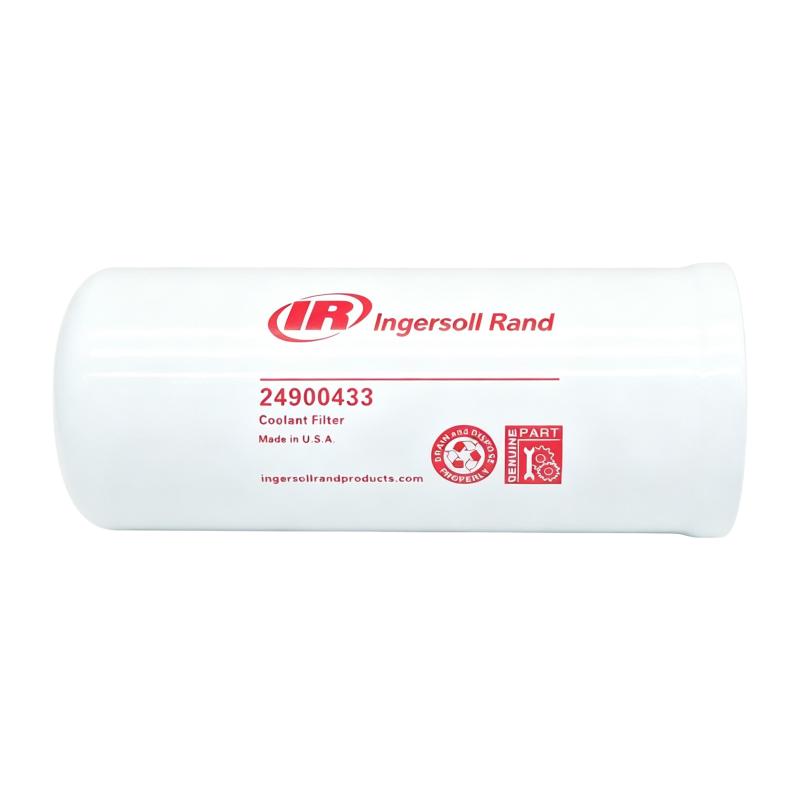
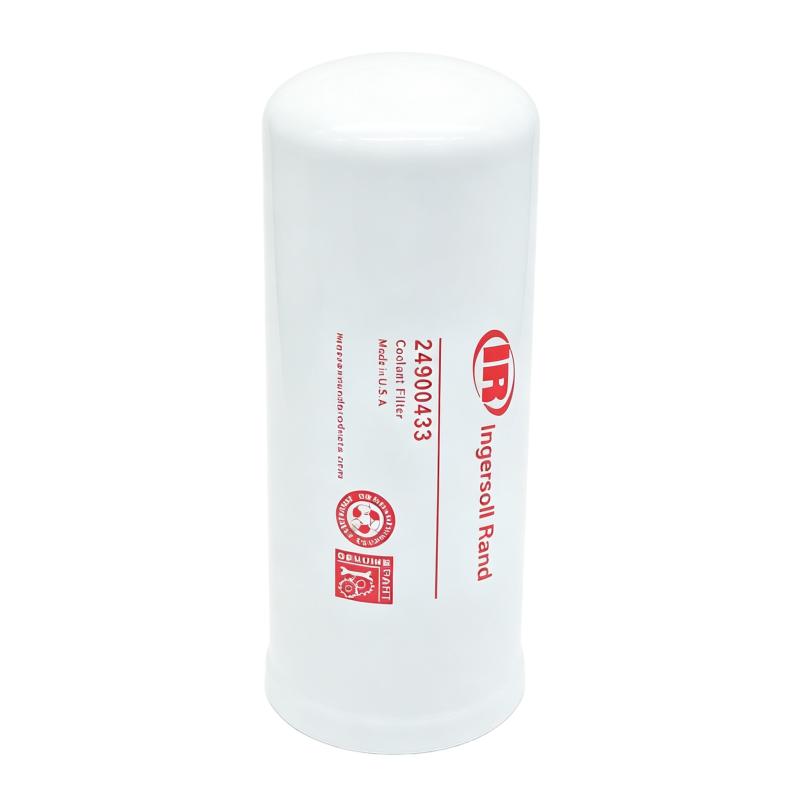
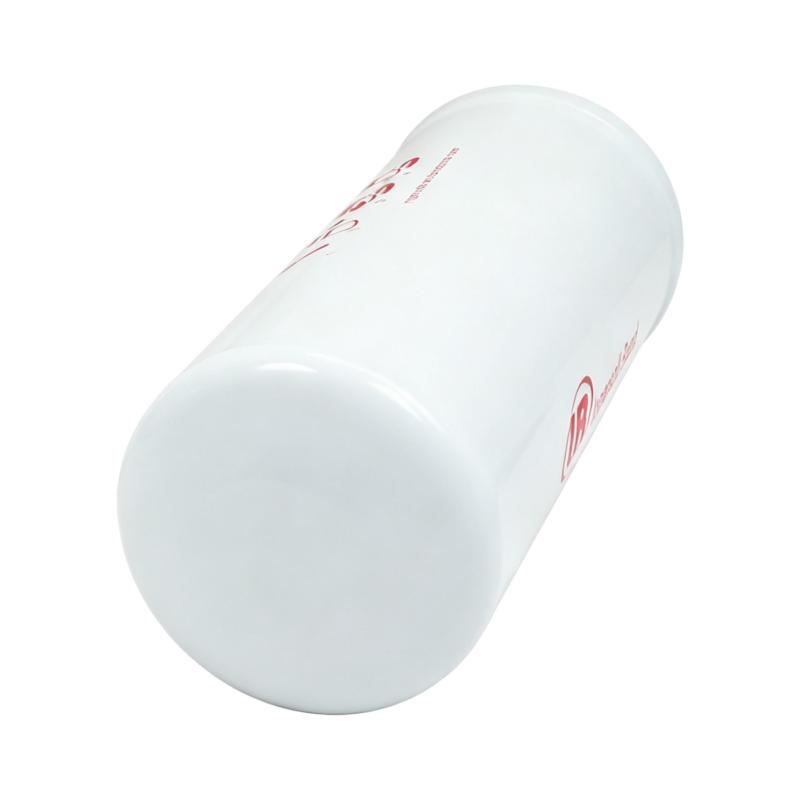
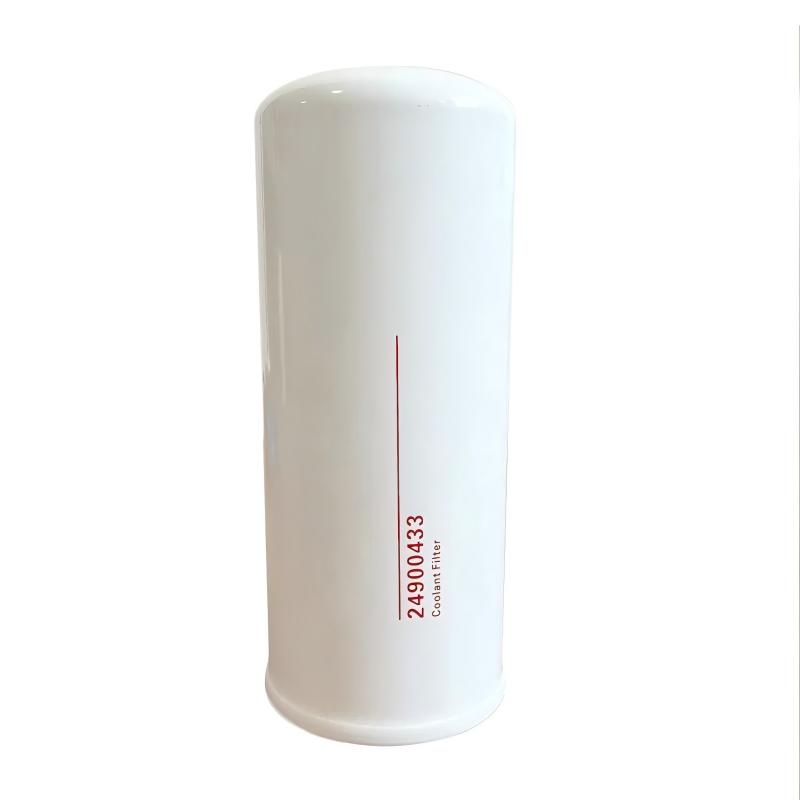
- Ingersoll Rand
- 47704432001 24900433
- Oil Filter
- USA
- 208 x 50 x 95 mm
- 1.36 kg
- Xiamen, China
- New & In Stock
- T/T, PayPal, Western Union
- 1 Year
- 1-3 Working Days
- DHL, UPS, TNT, FedEx and EMS.
- 24-Hour Service
- COO
- 53
Our advantage

Global Logistics
We have a 10-year logistics and express cooperation agreement, so our products can be shipped to any place in the world.

Brand new and original
Our products are imported in bulk from the place of origin. Because of the cooperative relationship, our products are all original and 100% new.

24-hour service
We provide 7*24 hours service to our customers. We will be there whenever you need us.

Price advantage
All our products are priced very favorably because we have our own warehouse and supply.
| Company Information | |||
| [email protected] | |||
| Mobile | +8615980777398 | ||
| +8615980777398 | |||
| 15980777398 |
Product Overview
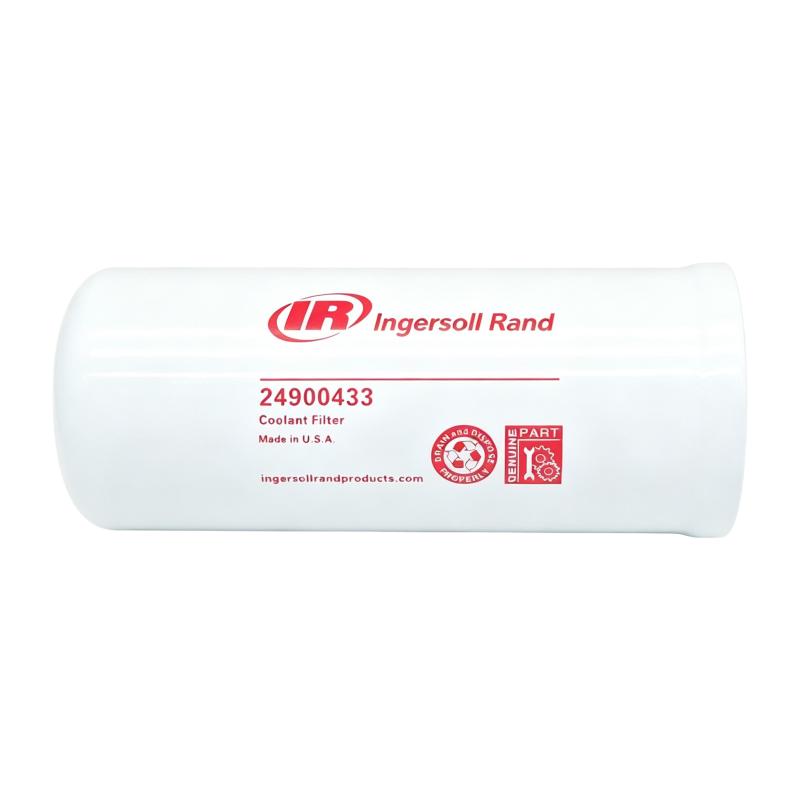
The Ingersoll Rand 47704432001 24900433 Oil Filter is an important maintenance component used in compatible oil-injected industrial air compressor systems. The oil filter is responsible for removing contaminants and particulate matter from the compressor lubrication circuit before the oil returns to critical internal components.
In an oil-injected compressor, lubricating oil performs several important functions. It provides lubrication for moving components, helps seal internal clearances, transfers heat away from operating components, and supports reliable compressor performance. Because the oil continuously circulates through the system, contamination must be controlled effectively.
The oil filter helps prevent contaminants from circulating through the compressor oil circuit. A properly maintained filter can help protect bearings, seals, the compression element, and other oil-lubricated components from premature wear.
The supplied product information identifies the component as an Ingersoll Rand 47704432001 24900433 Oil Filter, with dimensions of 208 × 50 × 95 mm and a weight of 1.36 kg.
Product Information
- Manufacturer: Ingersoll Rand
- Service Part Number: 47704432001
- Component Number: 24900433
- Product Type: Oil Filter
- Dimensions: 208 × 50 × 95 mm
- Weight: 1.36 kg
- Application: Industrial Air Compressor
- Primary Function: Compressor Oil Filtration
- Installation Location: Compressor Lubrication Circuit
- Maintenance Type: Scheduled Filter Replacement
Technical Specifications
| Parameter | Specification |
|---|---|
| Manufacturer | Ingersoll Rand |
| Service Part Number | 47704432001 |
| Component Number | 24900433 |
| Product Type | Oil Filter |
| Dimensions | 208 × 50 × 95 mm |
| Weight | 1.36 kg |
| Application | Oil-Injected Air Compressor |
| Function | Oil Filtration |
| Medium | Compressor Lubricating Oil |
| Installation | Compressor Oil Circuit |
| Maintenance | Periodic Replacement |
The dimensions and weight above are based on the supplied product information. Actual compatibility should be confirmed against the specific compressor configuration before installation.
Function and Working Principle
The oil filter operates as part of the compressor lubrication circuit.
A simplified oil-flow path can be represented as:
Oil Reservoir / Separator System
↓
Oil Filter
↓
Filtered Compressor Oil
↓
Compressor Lubrication Circuit
↓
Compression Element
↓
Oil Separation
↓
Oil Recovery
↓
Oil Filter
The filter captures contaminants suspended in the compressor oil before the oil reaches sensitive internal components.
Contaminants can include:
- Fine particulate matter
- Wear particles
- Degraded oil deposits
- Carbon-like deposits
- Foreign material
- Contamination introduced during maintenance
The filtration process helps maintain cleaner oil and supports reliable lubrication.
Why the Oil Filter Is Important
The compressor oil system operates continuously during normal compressor operation. Contaminated oil can accelerate wear on internal components.
An effective oil filter helps:
- Reduce particulate circulation
- Protect oil-lubricated components
- Maintain oil cleanliness
- Support stable lubrication
- Reduce internal wear
- Improve compressor reliability
- Support longer component service life
The oil filter should therefore be treated as a critical preventive-maintenance component rather than simply a replaceable consumable.
Relationship Between Oil Filtration and Compressor Performance
Oil filtration can influence several compressor operating characteristics.
A clean filter generally allows the lubrication system to maintain appropriate oil flow.
As contamination accumulates, filter resistance may increase. This can produce increased pressure differential across the filter and potentially affect oil circulation.
If filtration is neglected for too long, the compressor may experience:
- Reduced lubrication efficiency
- Increased pressure drop
- Increased oil temperature
- Abnormal operating conditions
- Increased component wear
- Lubrication-related alarms
For this reason, oil-filter maintenance should be included in the compressor’s preventive-maintenance program.
Industrial Applications
Industrial Air Compressor Systems
The oil filter is used as part of the lubrication system in compatible oil-injected compressor equipment.
Manufacturing Facilities
Compressed air is commonly used for pneumatic cylinders, tools, valves, robotics, and automated production machinery.
Automotive Plants
Reliable compressor operation is essential for assembly equipment, pneumatic tools, and production automation.
Chemical Processing
Compressed-air systems support instrumentation, pneumatic controls, and process equipment.
Food and Beverage Production
Reliable compressor maintenance helps maintain stable plant utility systems.
Pharmaceutical Manufacturing
Compressed-air systems require consistent maintenance and contamination control.
General Industrial Utilities
The compressor can supply air to a wide range of plant-wide pneumatic systems.
Installation Guide
Step 1 – Verify the Replacement Oil Filter
Before starting maintenance, verify:
Ingersoll Rand 47704432001
Component 24900433
Oil Filter
Check the complete part number before installation.
Do not select a replacement solely by physical dimensions because oil-filter compatibility can depend on the compressor’s oil-flow requirements, sealing arrangement, and filtration specifications.
Step 2 – Shut Down the Compressor
Before removing the existing oil filter:
- Stop the compressor normally.
- Isolate electrical power.
- Prevent automatic restart.
- Isolate the compressor from the plant air system if required.
- Allow internal pressure to dissipate.
- Allow the compressor to cool.
- Confirm the oil system is safe to service.
Compressor oil can remain hot after shutdown. Appropriate protective equipment should be used.
Step 3 – Prepare the Maintenance Area
Prepare:
- Replacement oil filter
- Suitable hand tools
- Appropriate protective equipment
- Clean lint-free cloths
- Suitable drain container
- Correct replacement sealing components where applicable
- Cleaning materials
Keep dirt away from the open oil circuit.
Step 4 – Identify the Oil Filter
Locate the oil filter in the compressor lubrication system.
Before removal, inspect the surrounding area for:
- Oil leakage
- Loose fittings
- Contamination
- Damaged hoses
- Corrosion
- Abnormal oil deposits
Record any abnormal conditions discovered during inspection.
Step 5 – Check Oil-System Pressure
Make sure the compressor has been fully isolated and pressure has been safely relieved.
Do not loosen the filter while the oil circuit remains under pressure.
Residual pressure can cause hot oil to escape unexpectedly.
Step 6 – Remove the Existing Filter
Remove the existing oil filter using the appropriate service procedure.
During removal:
- Protect surrounding components from oil.
- Support the filter where necessary.
- Avoid damaging the filter housing or mounting connection.
- Collect discharged oil safely.
- Remove the old sealing component where applicable.
Do not allow contaminants to enter the filter connection.
Step 7 – Inspect the Filter Mounting Area
After removing the old filter, inspect:
- Filter mounting surface
- Threads
- Sealing surface
- Oil inlet
- Oil outlet
- Housing
- Nearby oil lines
Check for:
- Damaged threads
- Scratches
- Metal particles
- Old gasket material
- Excessive contamination
- Oil deposits
Step 8 – Clean the Mounting Surface
Clean the filter mounting area using a suitable lint-free material.
The sealing surface should be clean before installing the replacement filter.
Avoid introducing lint, dirt, or foreign particles into the oil circuit.
Step 9 – Prepare the New Oil Filter
Inspect the new 24900433 Oil Filter before installation.
Check:
- Filter housing
- Threads
- Sealing surface
- Gasket or seal
- Physical damage
- Contamination
Do not install a damaged or contaminated filter.
Step 10 – Install the New Filter
Install the replacement filter carefully.
Verify:
- Correct orientation
- Correct seating
- Proper seal position
- Secure connection
- No cross-threading
Tighten the filter according to the applicable compressor maintenance procedure.
Avoid excessive tightening.
Step 11 – Inspect the Oil Circuit
After installation, inspect the surrounding oil circuit.
Check:
- Filter connections
- Oil lines
- Fittings
- Seals
- Mounting area
Make sure there are no loose connections or damaged hoses.
Step 12 – Check Oil Level
After filter replacement, verify the compressor oil level according to the normal inspection procedure.
The oil level should remain within the appropriate operating range.
Do not compensate for an unknown oil condition simply by adding oil.
Commissioning Procedure
After installing the new oil filter:
- Confirm all connections are secure.
- Confirm the filter is correctly installed.
- Restore the compressor configuration.
- Restore electrical power.
- Start the compressor.
- Observe the initial operating condition.
- Inspect the filter area for leakage.
- Monitor oil pressure where available.
- Monitor oil temperature.
- Check for abnormal alarms.
- Allow the compressor to reach normal operating conditions.
- Reinspect the filter area.
Post-Replacement Inspection
After the compressor has operated for a suitable period, check:
- Filter connection
- Oil leakage
- Oil pressure
- Oil temperature
- Compressor loading
- Compressor discharge pressure
- Abnormal noise
- Diagnostic alarms
A replacement filter should not be considered successfully installed until the compressor has returned to stable operation.
Troubleshooting Guide
Problem 1 – Low Oil Pressure
Low oil pressure may indicate a problem within the lubrication circuit.
Possible causes include:
- Restricted oil filter
- Incorrect filter installation
- Low oil level
- Oil leakage
- Oil-pump or circulation problem
- Excessively low oil viscosity
- Internal compressor problem
Diagnostic Procedure
- Check the oil level.
- Inspect the filter.
- Check for external leakage.
- Monitor oil pressure.
- Inspect the oil circuit.
- Investigate other lubrication components if necessary.
Problem 2 – High Pressure Differential Across the Oil Filter
Possible causes:
- Filter contamination
- Extended filter service interval
- Incorrect oil condition
- Excessive particulate contamination
- Incorrect filter selection
- Abnormal compressor wear
A high differential pressure indicates increased resistance to oil flow.
Problem 3 – Oil Filter Becomes Dirty Too Quickly
Possible causes:
- Excessive internal wear
- Contaminated compressor oil
- Poor maintenance practices
- Environmental contamination
- Oil degradation
- Internal component deterioration
Repeated filter contamination should be investigated rather than solved only by frequent filter replacement.
Problem 4 – Oil Leakage Around the Filter
Possible causes:
- Damaged seal
- Incorrect seal installation
- Loose filter
- Cross-threading
- Damaged mounting surface
- Incorrect filter installation
Inspect the complete filter connection.
Problem 5 – Oil Temperature Is Too High
Possible causes:
- Restricted oil filter
- Poor oil circulation
- Low oil level
- Oil cooler restriction
- Temperature-control problem
- High ambient temperature
- Oil degradation
Check the entire lubrication and cooling circuit.
Problem 6 – Compressor Overheating After Filter Replacement
Possible causes:
- Incorrect filter installation
- Restricted oil flow
- Incorrect filter
- Low oil level
- Oil cooler problem
- Airflow problem
- Temperature-control valve fault
Do not assume that the filter itself is the only possible cause.
Problem 7 – Oil Pressure Fluctuates
Possible causes:
- Filter restriction
- Low oil level
- Air entering the oil circuit
- Oil viscosity problem
- Pressure-sensing issue
- Compressor operating fluctuation
Monitor oil pressure during different operating states.
Problem 8 – Compressor Produces Abnormal Noise
Possible causes:
- Insufficient lubrication
- Low oil pressure
- Contaminated oil
- Internal component wear
- Oil circulation problem
If abnormal mechanical noise occurs together with low oil pressure, stop the compressor and investigate promptly.
Problem 9 – Oil Quality Deteriorates Quickly
Possible causes:
- Excessive operating temperature
- Incorrect oil
- Extended service interval
- Contamination
- Internal wear
- Moisture contamination
The oil filter alone cannot correct poor oil quality.
Problem 10 – New Filter Does Not Resolve the Problem
If symptoms remain after installing a new filter, investigate:
- Oil level
- Oil quality
- Oil cooler
- Temperature control valve
- Oil recovery circuit
- Pressure sensors
- Lubrication passages
- Compressor internal condition
A filter replacement should be considered one part of the overall lubrication-system diagnosis.
Fault Diagnosis Flow
A systematic troubleshooting sequence is:
Oil Level
↓
Oil Filter
↓
Filter Differential Pressure
↓
Oil Pressure
↓
Oil Temperature
↓
Oil Cooler
↓
Temperature Control Valve
↓
Oil Circulation
↓
Compressor Internal Condition
This approach helps identify whether the problem originates from filtration, oil condition, cooling, circulation, or compressor mechanics.
Oil Filter Replacement Procedure
Preparation
- Verify the 47704432001 24900433 part number.
- Confirm compressor compatibility.
- Shut down the compressor.
- Isolate electrical power.
- Relieve pressure.
- Allow the compressor to cool.
- Prepare a suitable oil collection container.
Removal
- Open the required service access.
- Locate the oil filter.
- Clean the surrounding area.
- Remove the existing filter.
- Collect residual oil.
- Remove the old seal where applicable.
Inspection
Inspect:
- Filter mounting surface
- Threads
- Oil passages
- Seals
- Oil lines
- Filter housing
Look for metal particles or unusual contamination.
Installation
- Prepare the new filter.
- Inspect the sealing surface.
- Install the appropriate seal.
- Position the filter correctly.
- Tighten the filter correctly.
- Check all surrounding connections.
Oil-System Check
After installation:
- Check oil level.
- Inspect the oil circuit.
- Verify filter connection.
- Confirm no tools remain in the compressor.
- Reinstall protective covers.
Startup
- Restore electrical power.
- Start the compressor.
- Observe oil pressure.
- Check for leakage.
- Monitor oil temperature.
- Check compressor operation.
- Inspect the filter again after operation.
Preventive Maintenance
| Maintenance Item | Recommended Action |
|---|---|
| Oil Filter | Replace according to maintenance requirements |
| Filter Differential Pressure | Monitor where available |
| Compressor Oil | Check level and condition |
| Oil Cooler | Inspect regularly |
| Oil Lines | Check for leakage |
| Filter Seal | Inspect during replacement |
| Oil Pressure | Monitor operating condition |
| Oil Temperature | Monitor operating condition |
| Compressor Noise | Investigate abnormal sounds |
| Maintenance Records | Record filter replacement |
Factors Affecting Oil Filter Service Life
Oil-filter service life can vary according to:
- Compressor operating hours
- Oil quality
- Oil cleanliness
- Compressor temperature
- Ambient conditions
- Intake-air contamination
- Internal component wear
- Maintenance practices
- Compressor loading
- Operating environment
A compressor operating in a heavily contaminated environment may require more frequent inspection than one operating in a clean environment.
Signs That the Oil Filter Requires Attention
Common warning signs include:
Increased Differential Pressure
A rise in pressure drop can indicate filter restriction.
Reduced Oil Pressure
A restricted oil circuit can contribute to abnormal oil pressure.
Increased Oil Temperature
Reduced oil flow can affect heat transfer.
Lubrication Problems
Insufficient or restricted oil flow can affect compressor components.
Frequent Oil-Related Alarms
Repeated alarms should trigger a complete lubrication-system inspection.
Excessive Filter Contamination
Unusually dirty filters can indicate an underlying compressor problem.
Common Installation Mistakes
Using an Incorrect Filter
A filter that physically fits may not necessarily have the correct filtration and flow characteristics.
Damaging the Seal
A damaged or incorrectly positioned seal can cause oil leakage.
Cross-Threading
Incorrect filter installation can damage the mounting connection.
Over-Tightening
Excessive tightening can damage the filter or mounting assembly.
Dirty Installation Area
Contamination introduced into the oil circuit can cause additional problems.
Ignoring Oil Level
Incorrect oil level can produce symptoms that resemble filter problems.
Failing to Check for Leakage
Always inspect the filter area after startup.
Failing to Investigate Rapid Contamination
A filter that becomes contaminated unusually quickly may indicate excessive internal wear or oil degradation.
Oil Filter and Compressor Reliability
The oil filter contributes to the cleanliness of the compressor lubrication system.
Clean oil helps reduce the circulation of abrasive particles through critical components.
This is particularly important for:
- Bearings
- Sealing components
- Compression elements
- Oil passages
- Oil-control components
Maintaining appropriate oil cleanliness can therefore contribute to compressor reliability and predictable maintenance intervals.
Relationship Between Oil Filter and Oil Cooler
The oil filter and oil cooler perform different functions but operate within the same lubrication system.
The oil filter primarily controls particulate contamination.
The oil cooler primarily removes heat from compressor oil.
A restricted filter can affect oil flow, while a contaminated cooler can increase oil temperature.
If compressor temperature becomes abnormal, both components should be evaluated rather than replacing only one component without diagnosis.
Relationship Between Oil Filter and Temperature Control Valve
The temperature control valve regulates oil flow through the cooling circuit, while the oil filter removes contaminants from circulating oil.
A malfunctioning temperature control valve can cause abnormal oil temperature, while a restricted oil filter can cause excessive resistance in the oil circuit.
These components should therefore be considered together when troubleshooting:
- High oil temperature
- Low oil pressure
- Lubrication problems
- Compressor overheating
Key Advantages
- Designed for compatible Ingersoll Rand compressor systems
- Supports compressor oil cleanliness
- Helps protect internal oil-lubricated components
- Supports stable lubrication
- Helps reduce particulate circulation
- Supports reliable compressor operation
- Compact dimensions of 208 × 50 × 95 mm
- Supplied weight of 1.36 kg
- Suitable for scheduled compressor maintenance
- Helps reduce lubrication-related downtime
Technical FAQs
What is the Ingersoll Rand 47704432001 24900433?
It is an Oil Filter used in compatible Ingersoll Rand oil-injected compressor lubrication systems.
What is the main function of the oil filter?
Its primary function is to remove contaminants and particulate matter from circulating compressor oil before the oil reaches critical internal components.
What are the dimensions?
The supplied dimensions are 208 × 50 × 95 mm.
What is the weight?
The supplied weight is 1.36 kg.
Why is compressor oil filtration important?
Clean oil helps support proper lubrication, heat transfer, sealing, and protection of internal compressor components.
What happens when an oil filter becomes restricted?
A restricted filter can increase pressure differential and may reduce effective oil flow through the lubrication circuit.
What causes an oil filter to become contaminated quickly?
Possible causes include degraded oil, excessive particulate contamination, internal component wear, poor maintenance, or contamination entering the compressor system.
Can a blocked oil filter cause compressor overheating?
It can contribute to poor oil circulation and increased thermal stress, although overheating can also originate from the oil cooler, temperature control valve, cooling system, oil level, or other compressor components.
Why does the filter area leak oil after replacement?
Possible causes include incorrect installation, damaged seals, loose connections, cross-threading, or a damaged mounting surface.
How often should the oil filter be replaced?
Replacement should follow the maintenance requirements applicable to the specific compressor and operating conditions. Filter condition, pressure differential, oil condition, and operating hours should also be considered.
Should the oil be replaced when changing the filter?
Whether the oil should also be replaced depends on the compressor maintenance schedule and oil condition. The oil should be inspected rather than automatically assumed to be suitable for continued operation.
What should be checked if low oil pressure remains after filter replacement?
Check oil level, filter installation, filter restriction, oil viscosity, leakage, oil passages, pressure sensing, oil circulation, and internal compressor condition.
Why should the old filter be inspected after removal?
The contamination found inside the old filter can provide useful information about the condition of the compressor lubrication system. Excessive metal particles or unusual deposits may indicate an underlying problem.
Conclusion
The Ingersoll Rand 47704432001 24900433 Oil Filter is an important component in the lubrication system of compatible oil-injected industrial air compressors. By removing particulate contamination from circulating compressor oil, the filter helps protect internal components and supports reliable lubrication, cooling, sealing, and overall compressor performance.
The supplied product dimensions are 208 × 50 × 95 mm, with a weight of 1.36 kg. Correct replacement requires safe compressor shutdown, pressure isolation, careful removal of the existing filter, inspection of the mounting surface, correct seal installation, and verification of the oil circuit before startup.
During troubleshooting, abnormal oil pressure, high oil temperature, filter restriction, oil leakage, rapid filter contamination, and lubrication-related alarms should be investigated systematically. The oil filter should be evaluated together with the compressor oil, oil cooler, temperature control valve, oil circulation circuit, and internal compressor condition.
Regular oil-filter maintenance is an important part of compressor preventive maintenance. Correct filter replacement and proper monitoring of oil condition can help reduce component wear, maintain stable lubrication, improve compressor reliability, and minimize unexpected production downtime.