

ProductPRODUCT
Featured products
Contact Us
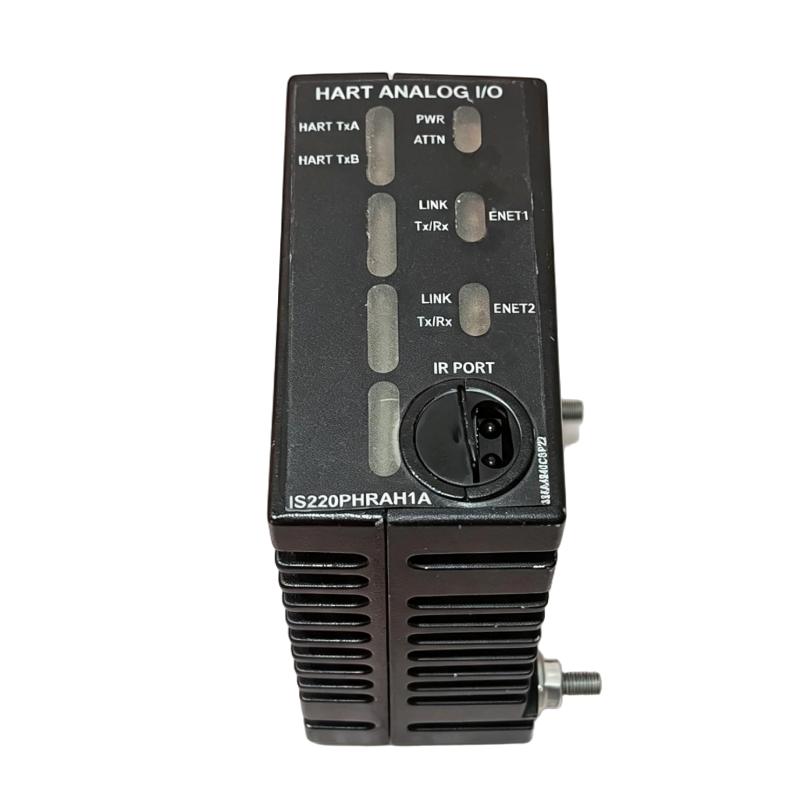
- GE
- IS220PHRAH1A
- HART Enabled I/O Module
- USA
- 82.55 × 41.91 × 121.41mm
- 0.8 kg
- Xiamen, China
- New & In Stock
- T/T, PayPal, Western Union
- 1 Year
- 1-3 Working Days
- DHL, UPS, TNT, FedEx and EMS.
- 24-Hour Service
- COO
- 5
Our advantage

Global Logistics
We have a 10-year logistics and express cooperation agreement, so our products can be shipped to any place in the world.

Brand new and original
Our products are imported in bulk from the place of origin. Because of the cooperative relationship, our products are all original and 100% new.

24-hour service
We provide 7*24 hours service to our customers. We will be there whenever you need us.

Price advantage
All our products are priced very favorably because we have our own warehouse and supply.
| Company Information | |||
| [email protected] | |||
| Mobile | +8615980777398 | ||
| +8615980777398 | |||
| 15980777398 |
Product Overview
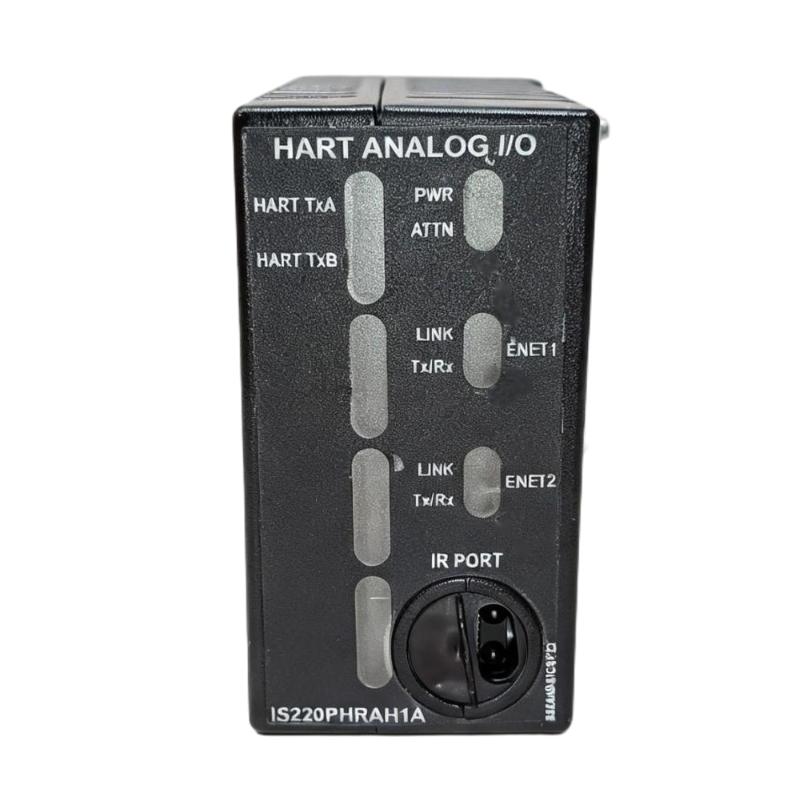
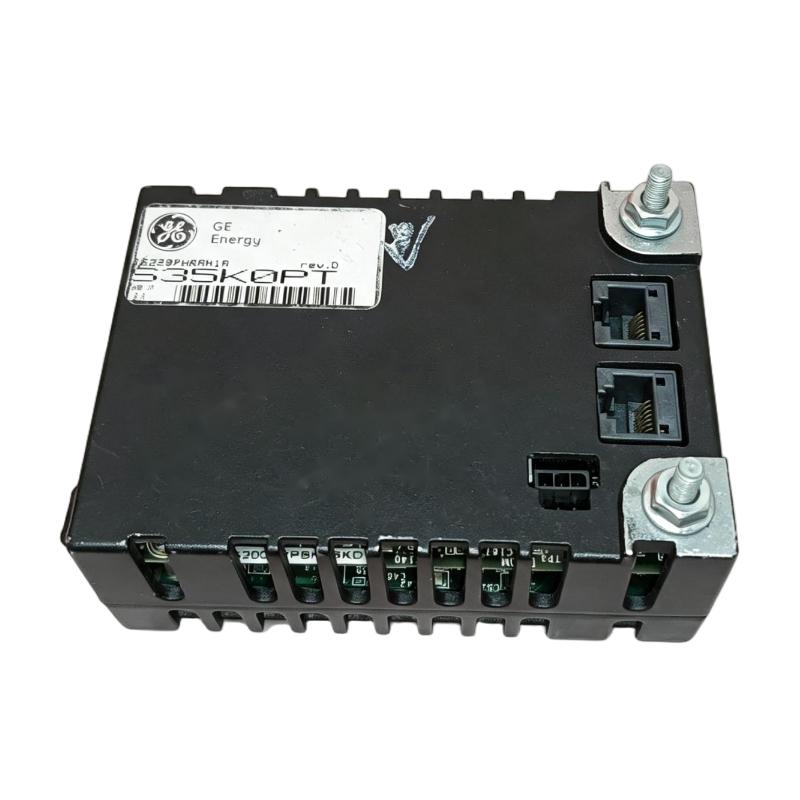
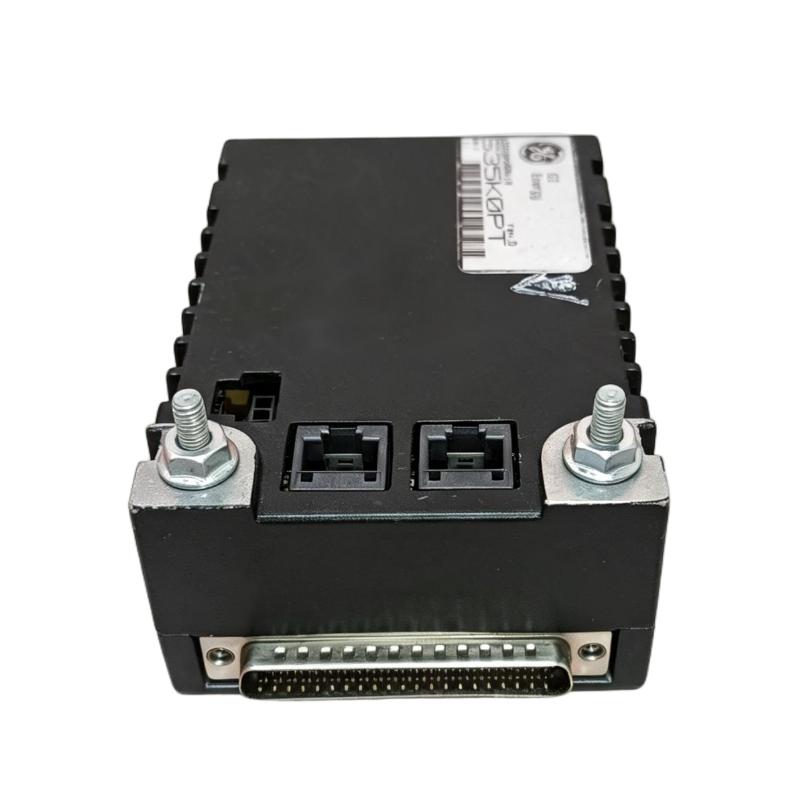
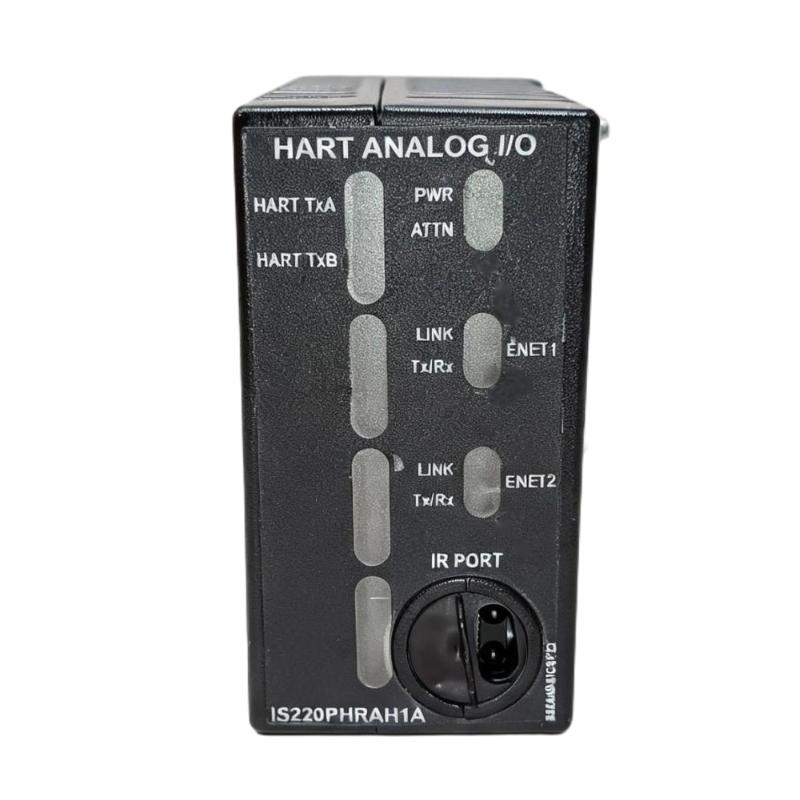
The GE IS220PHRAH1A HART Enabled I/O Module is an interface component used in GE control architectures where field instrumentation and HART communication need to be integrated with the control system. It sits between field wiring and the associated control hardware, handling I/O signal interface functions while supporting access to HART-enabled field devices.
In a process control application, instruments such as pressure, temperature, flow, and other transmitters can provide analog process information to the control system. HART communication adds digital device information alongside the primary analog signal, allowing compatible systems to access configuration, diagnostic, and device-status information.
The IS220PHRAH1A is therefore useful where conventional process measurement needs to coexist with intelligent field-device communication. It should be considered part of the I/O interface layer rather than the primary control processor.
Technical Specifications
| Parameter | Specification |
|---|---|
| Product | GE IS220PHRAH1A |
| Product Type | HART Enabled I/O Module |
| Primary Function | Process I/O interface with HART communication capability |
| Communication | HART |
| System Role | Field I/O and intelligent-instrument interface |
| Application | Process control and industrial instrumentation |
| Physical Dimensions | 82.55 × 41.91 × 121.41mm |
| Weight | 0.8 kg |
Product Features
- Provides an I/O interface for HART-enabled field instrumentation.
- Supports integration of analog process signals with digital HART device information.
- Suitable for intelligent transmitters used in process automation.
- Provides a connection between field instrumentation and the control system.
- Can support access to device-related information beyond the primary process signal.
- Useful for applications requiring both process measurement and instrument diagnostics.
- Fits within a distributed industrial control architecture.
- Helps connect smart field instruments to the control and monitoring environment.
Working Principle
The IS220PHRAH1A operates at the field I/O interface between process instruments and the control system. A connected HART-capable field device communicates its primary process measurement through the normal analog signal path while HART communication provides additional digital information over the same instrument connection.
The I/O module handles the field-side interface and makes the relevant process information available to the control architecture. Where the system is configured to use HART communication, digital device information such as configuration or diagnostic data can also be accessed through the control system’s instrumentation environment.
A practical signal path can be represented as:
Process Instrument → IS220PHRAH1A → Control System I/O Architecture → Controller / Application Logic
For HART-enabled instrumentation:
Field Instrument ↔ IS220PHRAH1A ↔ HART Communication Path ↔ Control / Asset Management System
During troubleshooting, distinguish between an analog measurement problem and a HART communication problem. A transmitter may continue producing a valid process signal even when digital HART communication is unavailable.
Role in a HART-Enabled Control Architecture
| System Element | Function |
|---|---|
| Process Transmitter | Measures pressure, temperature, flow, level, or another process variable |
| Field Wiring | Carries the instrument signal and associated communication |
| IS220PHRAH1A | Provides the field I/O and HART-enabled interface |
| Control System | Receives process information and manages automation functions |
| Controller | Executes control logic based on acquired process data |
| HART Communication Layer | Provides digital access to compatible field-device information |
| HMI / Engineering Station | Displays process values, diagnostics, and device information |
The module connects the intelligent field layer to the control system:
HART Field Instrument → IS220PHRAH1A → Control System → Controller / HMI
This architecture allows process measurement to remain part of the normal control loop while HART communication can provide additional information for instrument configuration and maintenance.
Industrial Applications
| Application | Typical Use |
|---|---|
| Process Instrumentation | Connecting HART-enabled transmitters to the control system |
| Oil and Gas | Monitoring process measurements and intelligent field instruments |
| Chemical Processing | Integrating smart instrumentation with process control |
| Refining | Acquiring process measurements and instrument diagnostics |
| Power Generation | Connecting intelligent process transmitters to control systems |
| Water and Wastewater | Monitoring pressure, flow, level, and related process variables |
| Manufacturing | Integrating intelligent instrumentation into automated processes |
| Equipment Monitoring | Accessing process values and field-device information |
Installation and Maintenance
- Verify Instrument Compatibility
Confirm that the connected field instrument and required I/O function are compatible with the installed module and control architecture. - Check Field Wiring
Inspect instrument wiring for correct polarity, secure termination, damaged conductors, and poor connections. - Verify Signal Integrity
Compare the process value at the field instrument with the value received by the control system. - Check HART Communication
If digital device information is unavailable, inspect the HART communication path separately from the primary process signal. - Inspect Module Connections
Check the module and associated connectors for proper seating and signs of physical damage. - Verify Instrument Configuration
Confirm that transmitter configuration matches the intended process measurement and control application. - Check Grounding and Shielding
Review field wiring practices when unstable analog readings or communication problems occur. - Separate Analog and Digital Faults
Determine whether the problem affects the primary process signal, HART communication, or both. - Review Control-System Configuration
Verify that the I/O channel and associated control-system configuration correspond to the connected instrument. - Inspect Environmental Conditions
Check for excessive temperature, moisture, contamination, or vibration around the I/O installation. - Follow Maintenance Safety Procedures
Isolate the relevant process and electrical circuits according to site procedures before working on field instrumentation or wiring. - Perform Post-Maintenance Testing
Verify process measurement, channel status, HART communication where applicable, alarms, and controller response after maintenance.
Related Components
| Component | Function |
|---|---|
| HART Field Transmitter | Measures process variables and provides digital device information |
| Pressure Transmitter | Provides pressure measurement to the control system |
| Temperature Transmitter | Provides temperature measurement |
| Flow Transmitter | Provides process flow information |
| Level Transmitter | Provides vessel or tank level information |
| Control System I/O | Processes field signals within the automation architecture |
| Controller | Executes process control logic |
| HMI / Engineering Station | Displays process and instrument information |
| HART Communication Infrastructure | Provides access to intelligent field-device data |
Recommended Related Models
| Model / Product Family | Product Type | Typical Application |
|---|---|---|
| GE Mark VIe I/O | Distributed I/O | Industrial process and equipment control |
| GE IS220 I/O Modules | I/O Interface | Field signal acquisition and control |
| GE HART-Enabled I/O | Intelligent I/O | Smart field-instrument integration |
| GE Mark VIe Controllers | Control Processor | Control logic and process automation |
| GE HART Field Instruments | Smart Instrumentation | Process measurement and diagnostics |
| GE Industrial HMI Systems | Operator Interface | Process monitoring and visualization |
Key Advantages
- Integrates HART-enabled instrumentation with the control architecture.
- Supports process signal acquisition alongside digital device communication.
- Useful for smart transmitter applications.
- Separates field instrumentation from controller-level processing.
- Provides a practical interface for process measurement and device diagnostics.
- Suitable for modernizing instrumentation within distributed control architectures.
Technical FAQs
What is the purpose of HART communication in the IS220PHRAH1A application?
HART communication adds digital information to the field-instrument interface, allowing compatible systems to access device-related data in addition to the primary process measurement. This can support configuration, diagnostics, and maintenance activities.
Can a process value remain available if HART communication fails?
Depending on the field instrument and system configuration, the primary analog measurement can continue to be available even when digital HART communication is unavailable. Therefore, an HART communication fault should be distinguished from a complete loss of the process signal.
What should be checked if the controller receives an incorrect process value?
Start by comparing the value at the field instrument with the value seen by the control system. Then inspect field wiring, instrument configuration, the I/O channel configuration, grounding or shielding, and the signal path through the I/O module.
What should be verified before replacing an IS220PHRAH1A?
Verify the field instrument, wiring, power and signal conditions, I/O configuration, HART communication requirements, and module connections first. If the fault remains after these checks, the module can then be evaluated as a possible hardware issue.