

ProductPRODUCT
Featured products
Contact Us
- GE
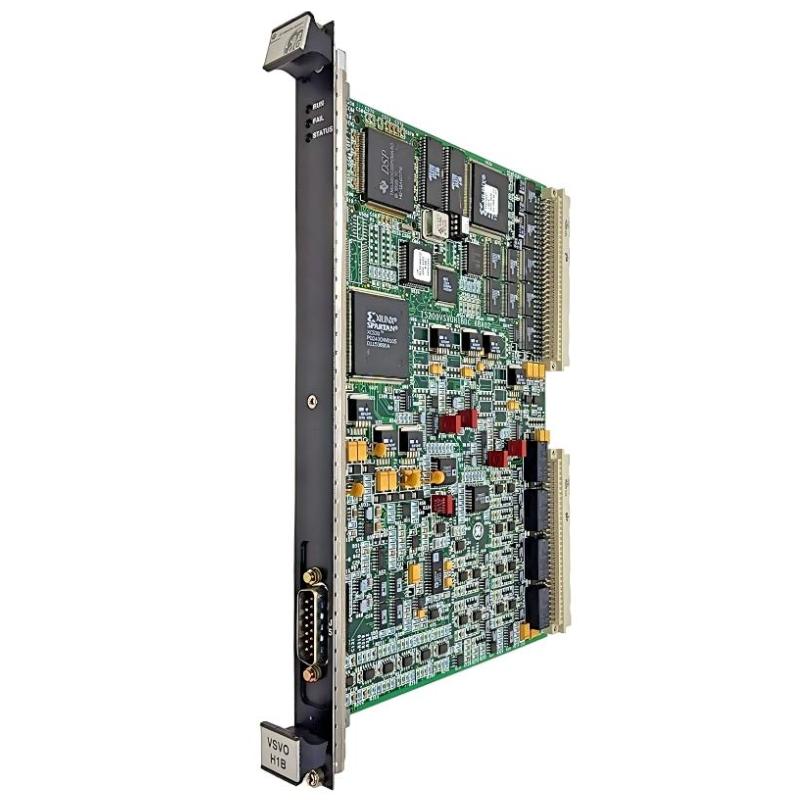
- IS200VSVOH1BDC
- VME Servo Control Board
- USA
- 280 x 33 x 220 mm
- 0.635 kg
- Xiamen, China
- New & In Stock
- T/T, PayPal, Western Union
- 1 Year
- 1-3 Working Days
- DHL, UPS, TNT, FedEx and EMS.
- 24-Hour Service
- COO
- 7
Our advantage

Global Logistics
We have a 10-year logistics and express cooperation agreement, so our products can be shipped to any place in the world.

Brand new and original
Our products are imported in bulk from the place of origin. Because of the cooperative relationship, our products are all original and 100% new.

24-hour service
We provide 7*24 hours service to our customers. We will be there whenever you need us.

Price advantage
All our products are priced very favorably because we have our own warehouse and supply.
| Company Information | |||
| [email protected] | |||
| Mobile | +8615980777398 | ||
| +8615980777398 | |||
| 15980777398 |
Product Overview
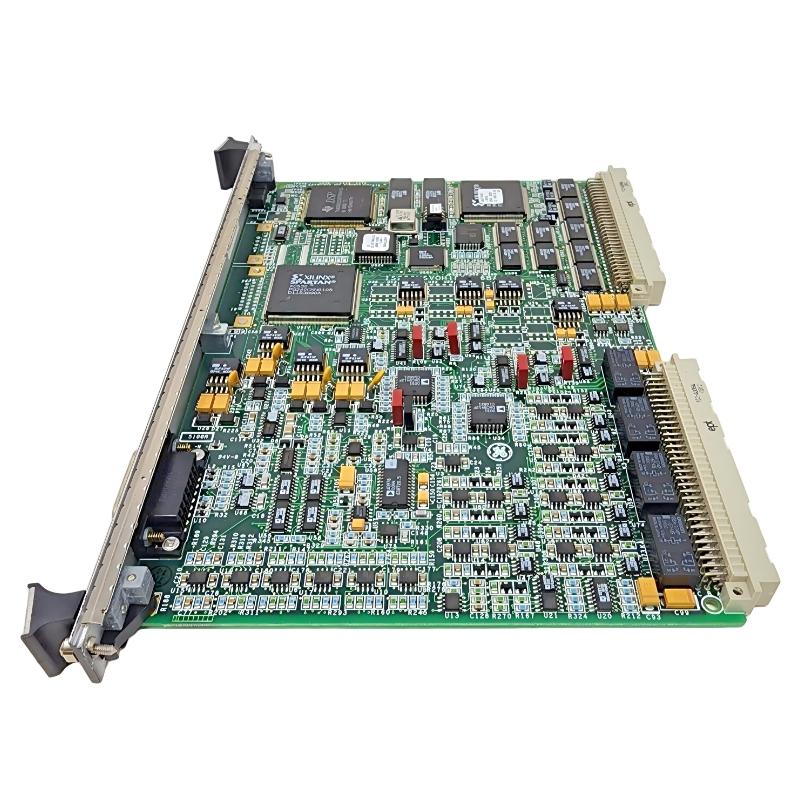
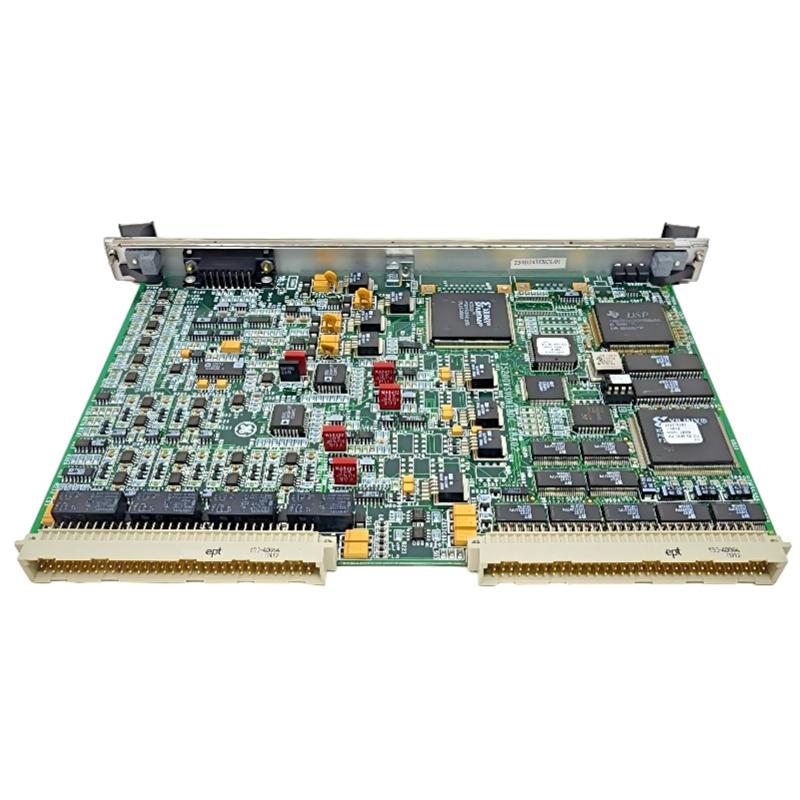
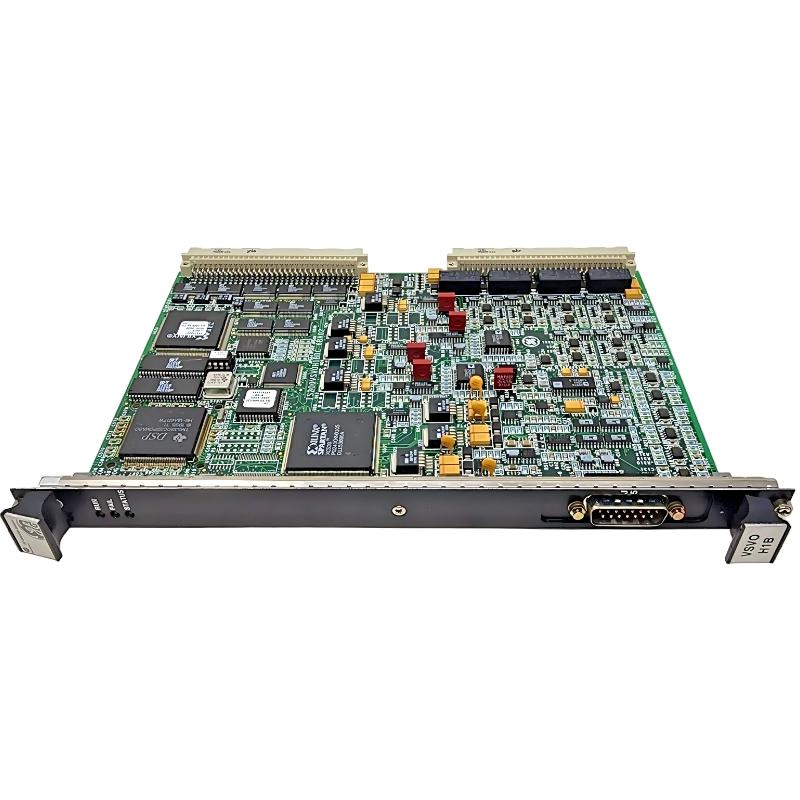
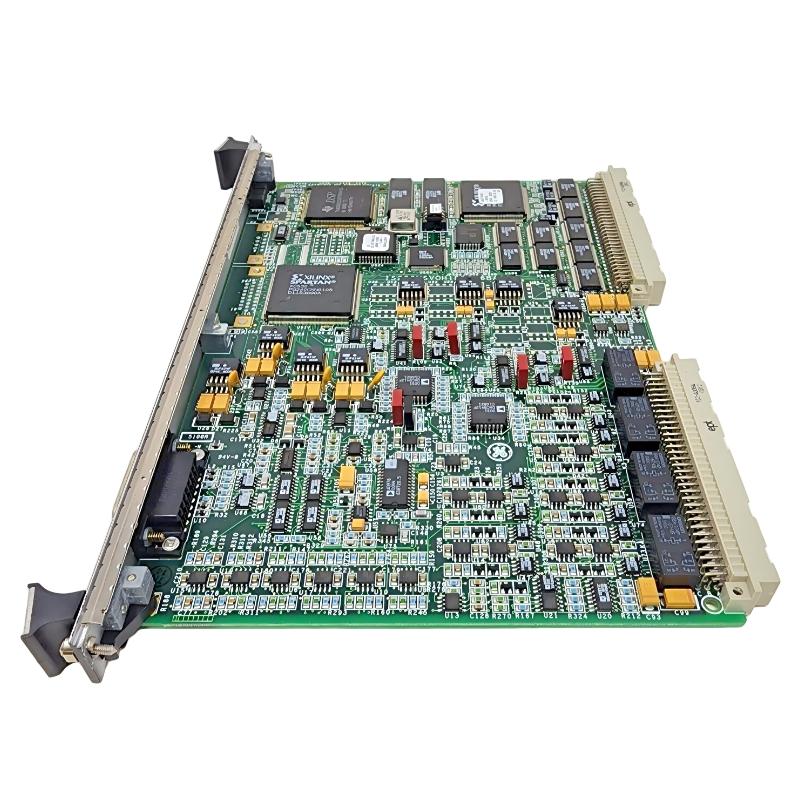
The GE IS200VSVOH1BDC VME Servo Control Board is a specialized industrial control board designed for servo-related signal processing and control functions within compatible GE automation architectures. As a VME-based electronic assembly, it is intended to operate as part of a larger control system in which precise feedback, command processing, and coordinated equipment operation are required.
Servo control systems are commonly used when industrial machinery requires controlled movement, positioning, speed regulation, or synchronization. Unlike simple discrete control, servo applications typically depend on continuous feedback and coordinated control commands. A dedicated servo control board provides an interface between the control architecture and the associated servo equipment, allowing motion-related information to be incorporated into the overall automation system.
The IS200VSVOH1BDC is identified as a VME Servo Control Board and has listed dimensions of 280 × 33 × 220 mm with a weight of approximately 0.635 kg. Its compact VME board construction allows it to be installed within compatible industrial control racks and systems where servo command and feedback functions need to be integrated with other control electronics.
A simplified servo-control architecture can be represented as:
Control Processor → Servo Control Board → Servo Interface → Servo Equipment
with feedback returning through the measurement path:
Servo Equipment → Feedback Device → Servo Control Board → Control System
The actual signal architecture, feedback configuration, servo channels, connectors, and supported functions depend on the host GE control platform and specific system configuration.
Technical Specifications
| Parameter | Specification |
|---|---|
| Manufacturer | General Electric (GE) |
| Model | IS200VSVOH1BDC |
| Product Type | VME Servo Control Board |
| Product Family | GE IS200 Series |
| Architecture | VME-based industrial control |
| Primary Function | Servo control and signal interface |
| Application | Industrial motion and servo control |
| Board Type | Servo Control / Interface Board |
| Dimensions | 280 × 33 × 220 mm |
| Weight | 0.635 kg |
| Installation | Compatible GE industrial control equipment |
| System Role | Servo command, feedback and control interface |
| Typical Applications | Industrial machinery, coordinated motion, positioning and control systems |
Note: Exact servo channel capacity, feedback types, electrical ratings, terminal assignments, I/O characteristics, and communication details can depend on the board revision and host-system configuration. These values should be confirmed against the applicable system documentation before commissioning.
What Is the GE IS200VSVOH1BDC?
The GE IS200VSVOH1BDC is a specialized VME Servo Control Board used as part of a compatible GE industrial control architecture.
A servo control system generally combines three major functions:
- Command generation – the controller determines the required motion or operating condition.
- Feedback acquisition – sensors provide information about actual equipment behavior.
- Control correction – the system compares the desired and actual conditions and adjusts the control command.
The servo control board participates in this closed-loop architecture by providing the required interface between control electronics and servo-related equipment.
A simplified closed-loop process is:
Command → Servo Control → Machine Movement → Feedback → Servo Control → Correction
This feedback loop allows the control system to maintain the required operating condition more accurately than an open-loop arrangement.
Servo Control Working Principle
Command Processing
The industrial control system generates commands according to the machine’s programmed operating sequence.
Depending on the application, the command may represent:
- Position
- Speed
- Direction
- Torque
- Acceleration
- Deceleration
- Synchronization
The servo control architecture processes these requirements and generates the appropriate control signals.
Feedback Acquisition
Servo systems generally depend on feedback from the controlled equipment.
Possible feedback devices can include:
- Position sensors
- Speed sensors
- Encoders
- Resolver-based devices
- Tachometer feedback
- Other machine-status signals
The exact feedback technology supported by a particular installation should be confirmed from the host-system design.
Closed-Loop Control
The control system compares the desired operating condition with feedback representing actual machine behavior.
For example:
Desired Position → Control Calculation → Servo Command → Motor Movement → Position Feedback
If an error exists between the commanded and actual condition, the control system can adjust the command accordingly.
This closed-loop process is fundamental to accurate servo control.
Signal Interface
The IS200VSVOH1BDC provides the interface between the servo-related field or equipment signals and the broader control system.
The exact signal path depends on the equipment architecture and installed hardware.
Role of the VME Architecture
VME technology is widely associated with modular industrial and embedded control systems.
A VME-based system typically uses a common backplane to connect multiple electronic boards.
This architecture allows individual boards to perform specialized functions while sharing system resources.
A simplified structure can be represented as:
VME Control Processor
↓
VME Backplane
↓
Servo Control Board
↓
Servo Equipment / Feedback
The backplane provides the physical and electrical infrastructure required for compatible modules to communicate and operate within the same control system.
The IS200VSVOH1BDC should therefore be considered as part of a complete VME system rather than as an independent servo controller.
Function in Industrial Automation
Servo control is important in applications where machine movement must be coordinated accurately.
The IS200VSVOH1BDC can contribute to functions such as:
- Motion control
- Position control
- Speed regulation
- Servo feedback
- Machine synchronization
- Equipment sequencing
- Closed-loop control
- Status monitoring
The board works together with other control-system components to create a complete automation solution.
The exact function assigned to the board depends on the host equipment, control software, connected servo devices, and system configuration.
Industrial Applications
Precision Machinery
Industrial machines that require controlled positioning can use servo systems to coordinate movement between mechanical components.
Servo control is particularly useful where repeatable positioning is required.
Manufacturing Automation
Automated production equipment may use servo motors for:
- Material positioning
- Mechanical adjustment
- Tool movement
- Product handling
- Coordinated machine motion
The servo control system manages these operations according to the programmed production sequence.
Packaging Equipment
Packaging machinery frequently depends on synchronized motion.
Servo control can coordinate:
- Feed mechanisms
- Cutting systems
- Conveyors
- Sealing mechanisms
- Product positioning
Feedback allows the control system to maintain synchronization during changing operating conditions.
Material Handling
Servo systems can be used for precise positioning in automated material-handling equipment.
The control architecture can coordinate motion while receiving feedback from the machine.
Process Machinery
Certain process machines require controlled movement of valves, actuators, positioning mechanisms, or other mechanical components.
Servo control can provide the closed-loop control necessary for accurate operation.
Turbine and Power-Generation Equipment
Specialized industrial control architectures can incorporate servo-related control functions into power-generation equipment.
The exact role of the IS200VSVOH1BDC depends on the host system and application.
System Architecture and Integration
A complete servo-control installation can contain multiple layers.
| Component | Typical Function |
|---|---|
| Control Processor | Executes control algorithms |
| VME Backplane | Provides board interconnection |
| IS200VSVOH1BDC | Servo control and interface functions |
| Servo Drive | Controls servo motor power |
| Servo Motor | Produces mechanical movement |
| Feedback Device | Reports actual machine condition |
| I/O Interface | Connects field signals |
| HMI | Displays operating information |
| SCADA / Supervisory System | Provides higher-level monitoring |
The actual system may contain additional interface and protection hardware.
The IS200VSVOH1BDC should be matched with the appropriate host equipment and associated servo architecture before installation.
Installation Guidelines
Verify Board Identification
Before installing or replacing the board, verify:
- Complete model number
- Revision designation
- Board markings
- Connector configuration
- VME rack position
- Host control platform
- Associated servo hardware
The correct identification is essential because GE IS200 boards with similar mechanical dimensions can perform very different functions.
Power Isolation
Maintenance should be performed only after the associated control equipment has been placed into an appropriate safe state.
Power isolation and electrical safety procedures should follow the requirements of the facility and host equipment.
Inspect the Board
Before installation, inspect the board for:
- Physical damage
- Contamination
- Corrosion
- Damaged connectors
- Signs of overheating
- Loose components
Any abnormal condition should be investigated before commissioning.
Check the VME Backplane
Because the board operates within a VME architecture, the associated backplane and board slot should also be inspected.
A backplane connection problem can create symptoms that resemble a board fault.
Servo Wiring and Feedback Considerations
Servo control systems depend on accurate command and feedback signals.
Field wiring should be checked for:
- Loose connections
- Damaged insulation
- Broken conductors
- Incorrect terminals
- Poor shielding
- Excessive cable length
- Electromagnetic interference
Feedback wiring is particularly important because an incorrect feedback signal can cause the control system to interpret the machine’s actual condition incorrectly.
Potential symptoms include:
- Incorrect position
- Speed instability
- Unexpected motion
- Servo alarms
- Position tracking errors
- Intermittent feedback
The correct wiring arrangement should always be verified against the actual system configuration.
Commissioning Procedure
After installation, the servo control system should be commissioned systematically.
Step 1: Verify Board Identity
Confirm that the installed board is the required IS200VSVOH1BDC configuration.
Step 2: Inspect the VME Slot
Verify that the board is installed in the correct slot and is securely connected to the backplane.
Step 3: Check Associated Connections
Inspect servo command, feedback, power, and communication connections.
Step 4: Verify Configuration
Confirm that the control software and system configuration correspond to the installed hardware.
Step 5: Verify Feedback
Check that the feedback signal corresponds correctly to actual machine movement.
Step 6: Perform Controlled Testing
Where permitted, test the servo system under controlled operating conditions before returning the equipment to normal production.
Step 7: Observe Motion
Monitor position, speed, direction, and feedback behavior during startup.
Step 8: Review Diagnostics
Check system diagnostics and alarm information for abnormal conditions.
Troubleshooting the IS200VSVOH1BDC
Servo problems should be diagnosed as complete control-loop problems rather than immediately assuming the board has failed.
No Servo Response
Possible causes include:
- Missing command signal
- Incorrect system configuration
- VME communication problem
- Servo drive issue
- Feedback problem
- Wiring fault
- Board connection problem
- External interlock
The complete control chain should be inspected.
Incorrect Position
If the servo does not reach the expected position, check:
- Feedback device
- Feedback wiring
- Servo configuration
- Mechanical coupling
- Command scaling
- Servo drive
- Control parameters
A position error does not automatically indicate a defective control board.
Unstable Servo Movement
Unstable movement can result from:
- Feedback noise
- Incorrect tuning
- Mechanical vibration
- Drive problems
- Damaged feedback wiring
- Electrical interference
- Incorrect configuration
The mechanical and electrical systems should both be evaluated.
Intermittent Servo Operation
Intermittent operation can be associated with:
- Loose connectors
- VME backplane connections
- Damaged cables
- Feedback interruptions
- Power instability
- Environmental conditions
- Communication problems
Monitoring the system during the occurrence can help identify the affected section.
Servo Fault or Alarm
When a servo alarm occurs, technicians should first record the complete diagnostic information.
The fault may originate from the:
- Control system
- Servo board
- Servo drive
- Motor
- Feedback device
- Mechanical system
- Wiring
- Safety or interlock system
A system-level diagnosis is therefore preferable to immediate board replacement.
Preventive Maintenance
Regular inspection can help maintain reliable servo control.
Inspect Board Connections
VME board connectors and associated connections should remain clean and securely seated.
Check Feedback Wiring
Feedback cables should be inspected for mechanical damage, loose connections, and shielding problems.
Monitor Servo Performance
Changes in positioning accuracy, speed stability, or response behavior may provide early indications of developing problems.
Review Diagnostic Information
Historical fault and alarm information can help identify recurring issues.
Inspect Mechanical Equipment
Servo-control problems can originate in mechanical components.
Check:
- Couplings
- Bearings
- Drive mechanisms
- Mechanical alignment
- Loads
- Moving assemblies
Maintain Cabinet Conditions
The control cabinet should be kept within the environmental requirements of the host system.
Replacement Considerations
When sourcing a replacement for the GE IS200VSVOH1BDC VME Servo Control Board, the complete part identification should be checked carefully.
Important information includes:
- Full model number
- Revision designation
- Board markings
- VME slot location
- Connector arrangement
- Host equipment
- Servo configuration
- Feedback architecture
The listed physical dimensions are:
280 × 33 × 220 mm
The listed weight is:
0.635 kg
These specifications are useful for inventory management, handling, shipping, and installation planning.
However, mechanical dimensions alone are not sufficient to establish electrical compatibility.
Physical Dimensions and Weight
The GE IS200VSVOH1BDC has the following listed physical characteristics:
| Physical Parameter | Value |
|---|---|
| Dimension 1 | 280 mm |
| Dimension 2 | 33 mm |
| Dimension 3 | 220 mm |
| Weight | 0.635 kg |
The compact VME-style construction allows the board to be integrated into compatible GE control racks while providing dedicated servo-control functionality.
Engineering Best Practices
Confirm the Complete Control Architecture
Before replacing the board, identify the relationship between the VME processor, servo board, servo drive, feedback device, and machine.
Verify Feedback First
Many apparent servo-control problems originate from feedback wiring, sensors, mechanical systems, or configuration.
Protect Signal Integrity
Servo command and feedback signals should be routed appropriately to reduce electrical interference.
Check Mechanical Components
A servo system can report control errors even when the electronic controller is functioning correctly if the mechanical load or coupling has a problem.
Maintain Accurate Configuration
Incorrect scaling, feedback parameters, or control settings can cause positioning and motion problems.
Review Fault History
Recurring faults can reveal patterns that are not apparent from a single alarm event.
Verify Before Replacement
The IS200VSVOH1BDC should not be replaced solely because a servo system is malfunctioning. The complete control loop should be tested before concluding that the board is defective.
Recommended Related GE IS200 Models
| GE Model | Product Description | General Role |
|---|---|---|
| IS200TSVOH1BBB | Servo Terminal Block | Servo signal termination and interface |
| IS200TSVOH1BDC | Servo Terminal Block | Servo signal termination and interface |
| IS200VCMIH2BEE | VME Bus Master Controller Board | VME system control and bus management |
| IS200VAICH1DAA | VME Analog Input Board | Analog signal acquisition |
| IS200VAICH1DAB | VME Analog Input Board | Analog measurement interface |
| IS200VCRCH1BBB | Discrete Input/Output Board | Discrete field signal interface |
| IS200VCRCH1BBC | Discrete Input/Output Board | Discrete signal interface |
| IS200DSPXH1CAA | Digital Signal Processor Control Board | Digital control processing |
| IS200DSPXH2CAA | Digital Signal Processor Control Board | Digital signal processing and control |
These boards can represent related control, VME, signal-interface, and servo-system functions. They should not be considered direct replacements for the IS200VSVOH1BDC without verifying the host-system architecture and hardware configuration.
Key Advantages
Dedicated Servo Control Function
The IS200VSVOH1BDC is designed for servo-related control and signal-interface applications within compatible GE industrial automation architectures.
VME-Based Integration
Its VME architecture allows the board to operate as part of a modular industrial control system.
Closed-Loop Control Support
Servo architectures use feedback to compare commanded and actual machine conditions, supporting accurate control.
Industrial Motion Applications
The board can be integrated into applications involving positioning, speed regulation, synchronization, and coordinated machine operation.
Compact Construction
With listed dimensions of 280 × 33 × 220 mm, the board can fit within compatible industrial control equipment.
Lightweight Design
The listed weight of 0.635 kg makes the board practical for maintenance handling and spare-parts management.
Technical FAQs
What is the GE IS200VSVOH1BDC?
The GE IS200VSVOH1BDC is a VME Servo Control Board designed for servo-related control and signal-interface functions in compatible GE industrial control systems.
What is the main function of the IS200VSVOH1BDC?
Its general role is to participate in servo control and signal processing between the industrial control architecture and associated servo equipment.
What is VME?
VME is a modular computer-bus architecture commonly used in industrial and embedded control systems. VME boards communicate through a compatible backplane.
Why is feedback important in servo control?
Feedback allows the control system to compare the commanded machine condition with the actual condition. This enables closed-loop correction.
What are the dimensions of the IS200VSVOH1BDC?
The listed dimensions are 280 × 33 × 220 mm.
How much does the IS200VSVOH1BDC weigh?
The listed weight is approximately 0.635 kg.
What can cause servo-control problems?
Potential causes include feedback faults, wiring problems, configuration errors, mechanical problems, servo-drive faults, VME connections, or issues with the control board.
Can another GE IS200 board replace the IS200VSVOH1BDC?
A different IS200 board should not automatically be considered interchangeable. Complete part number, revision, connectors, VME configuration, and host-system requirements must be verified.
How should the board be troubleshot?
Troubleshooting should begin with the complete servo-control loop, including command generation, VME connections, board installation, feedback, drive, motor, wiring, and mechanical equipment.
Why should feedback wiring be checked during troubleshooting?
A faulty feedback signal can cause the controller to receive incorrect information about actual position or speed, producing symptoms that may appear to be electronic control-board problems.
Conclusion
The GE IS200VSVOH1BDC VME Servo Control Board is a specialized industrial control component intended for servo-related signal processing and control functions within compatible GE automation architectures. Its VME-based design allows it to operate as part of a modular control system where servo commands, feedback signals, and machine-control functions must be coordinated.
Servo systems depend on a closed-loop relationship between command signals, machine movement, and feedback. The IS200VSVOH1BDC participates in this architecture by providing a dedicated servo-control interface between the control system and associated equipment.
Potential applications include industrial positioning systems, manufacturing machinery, packaging equipment, material handling, process machinery, and other automation systems requiring coordinated motion or servo-related control.
The board has listed dimensions of 280 × 33 × 220 mm and a weight of 0.635 kg. These specifications are useful for equipment identification, inventory planning, maintenance handling, and replacement logistics.
For reliable operation, technicians should evaluate the complete servo system rather than treating the control board as an isolated component. Feedback devices, wiring, VME backplane connections, servo drives, mechanical equipment, configuration parameters, and control logic can all influence servo performance.
When replacing or servicing the GE IS200VSVOH1BDC, the complete part number and revision should be verified before installation. Correct board identification, proper VME integration, accurate feedback configuration, and systematic commissioning are essential for dependable servo control and stable industrial automation performance.