

ProductPRODUCT
Featured products
Contact Us
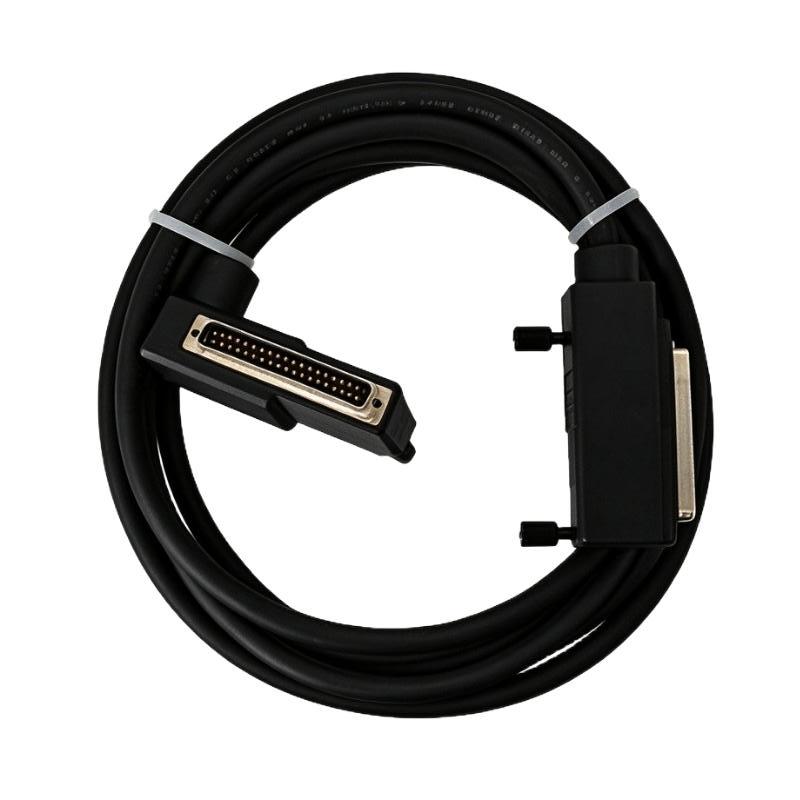
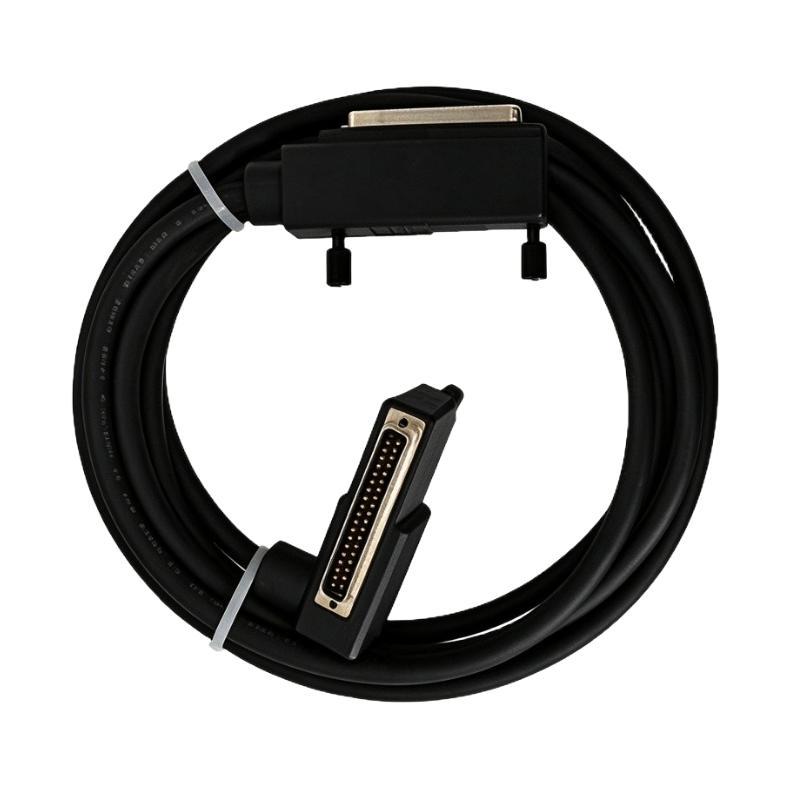
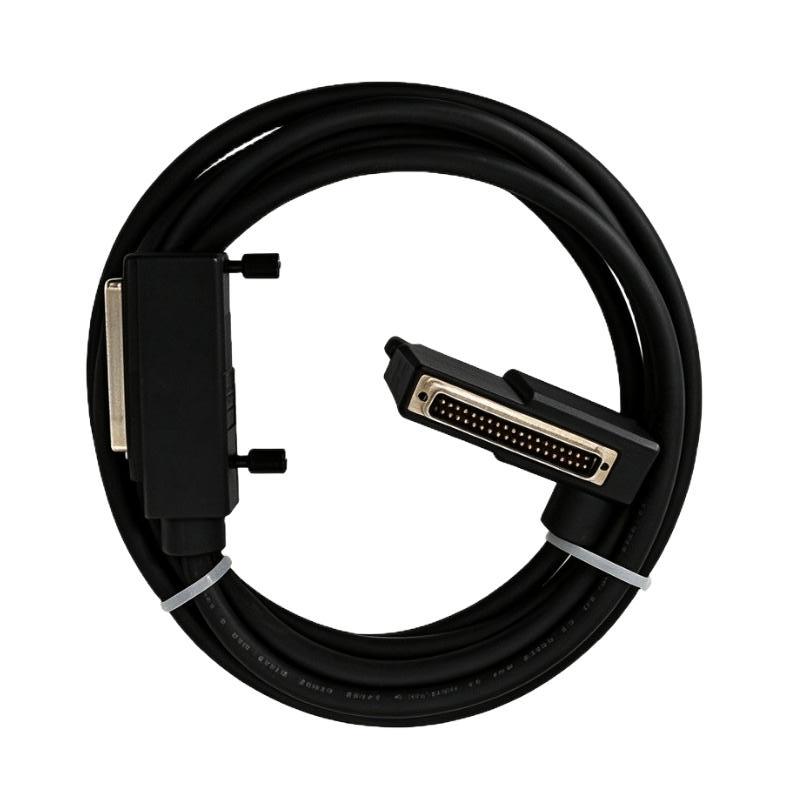
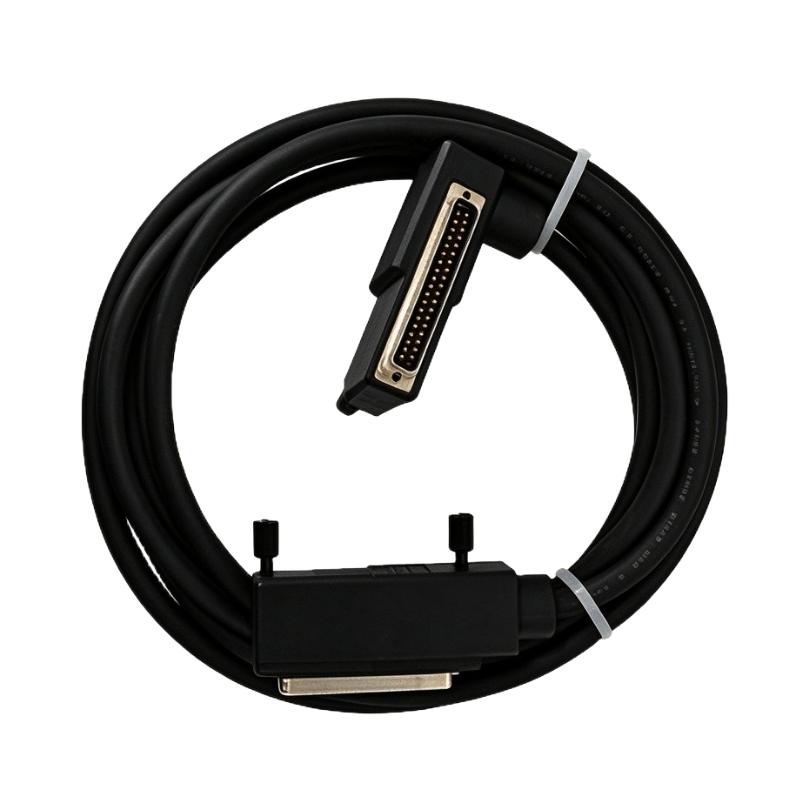
- Foxboro
- RH928AW
- Termination Cable
- USA
- 1 meter
- 3 kg
- Xiamen, China
- New & In Stock
- T/T, PayPal, Western Union
- 1 Year
- 1-3 Working Days
- DHL, UPS, TNT, FedEx and EMS.
- 24-Hour Service
- COO
- 10
Our advantage

Global Logistics
We have a 10-year logistics and express cooperation agreement, so our products can be shipped to any place in the world.

Brand new and original
Our products are imported in bulk from the place of origin. Because of the cooperative relationship, our products are all original and 100% new.

24-hour service
We provide 7*24 hours service to our customers. We will be there whenever you need us.

Price advantage
All our products are priced very favorably because we have our own warehouse and supply.
| Company Information | |||
| [email protected] | |||
| Mobile | +8615980777398 | ||
| +8615980777398 | |||
| 15980777398 |
Product Overview
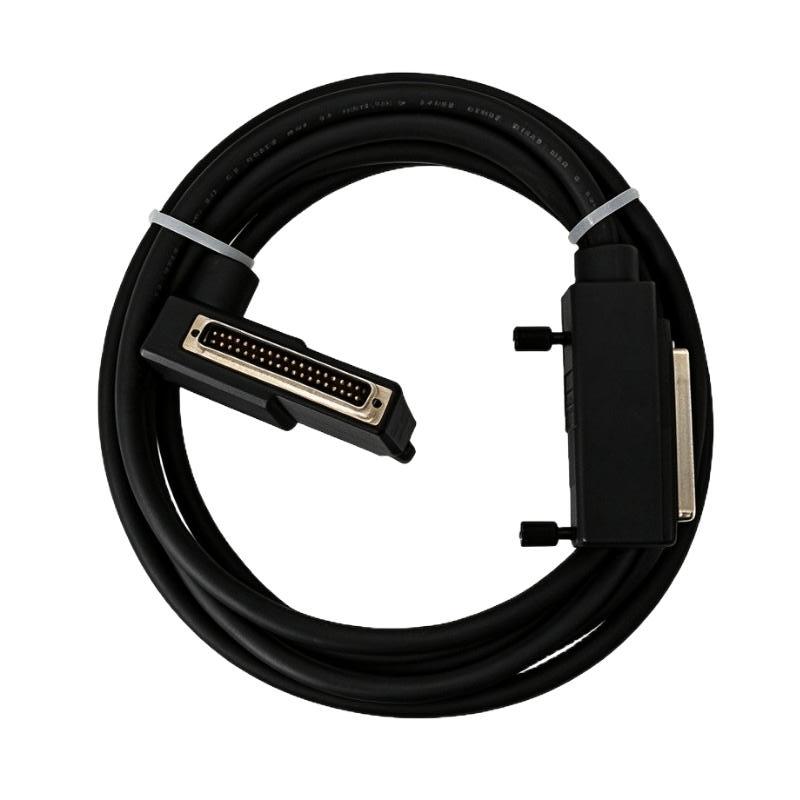
The Foxboro RH928AW I/A Series 200 Type 5 LSZH Termination Cable is a cable assembly associated with Foxboro I/A Series 200 industrial control system installations. It forms part of the physical wiring infrastructure used to connect designated system interfaces and maintain the intended electrical signal path within a configured control system.
In distributed control system (DCS) installations, termination cables connect equipment across different parts of the control architecture. Correct cable selection helps preserve the intended connection arrangement during initial installation, system maintenance, and cabinet refurbishment. The RH928AW is identified as a Type 5 LSZH termination cable, making both its cable classification and material designation relevant when selecting a replacement for an existing installation.
LSZH stands for Low Smoke Zero Halogen. This type of cable construction is relevant to industrial facilities where reducing smoke generation and halogen-containing emissions during a fire is an important consideration. It may be specified in process plants, equipment rooms, and control cabinets according to the facility’s wiring requirements and applicable installation standards.
For maintenance personnel working with established Foxboro infrastructure, identifying the correct cable is essential. A replacement should match the specified model and connection arrangement rather than being selected solely because another cable belongs to the same product family. Connector configuration, endpoint assignment, and the intended system application should be confirmed before installation or substitution.
The RH928AW is a passive connection component rather than an active control device. Its contribution to the overall system depends on maintaining the physical connection required by the installed architecture, with appropriate routing, identification, and connector handling throughout the cable’s service life.
Technical Specifications
| Parameter | Specification |
|---|---|
| Brand | Foxboro |
| Model | RH928AW |
| Product Type | I/A Series 200 Type 5 LSZH Termination Cable |
| Product Series | I/A Series 200 |
| Cable Classification | Type 5 |
| Cable Construction | LSZH (Low Smoke Zero Halogen) |
| Cable Length | 1 meter |
| Shipping Weight | 3 kg |
| Product Category | Industrial control system termination cable |
| Primary Function | Electrical interconnection between designated system interfaces |
| Intended System | Compatible Foxboro I/A Series 200 configurations |
| Typical Installation Location | Industrial control cabinets and automation equipment enclosures |
| Maintenance Application | Cable replacement, wiring inspection, and control system refurbishment |
| Identification Method | RH928AW model designation and applicable system documentation |
Product Features
- I/A Series 200 system association: The RH928AW belongs to the termination cable category associated with Foxboro I/A Series 200 installations. Its application should match the actual system configuration and the connection points specified for the installation.
- Type 5 cable identification: The Type 5 designation distinguishes this cable configuration from other termination cable variants. This distinction is useful when several cable types are installed in the same cabinet or maintained in the same spare-parts inventory.
- LSZH cable construction: Low Smoke Zero Halogen materials are intended to limit smoke generation and avoid halogen-containing compounds in the cable materials. The specific fire performance of an individual cable depends on its tested construction and applicable standards.
- Defined electrical interconnection: The cable provides a physical conductive path between compatible interfaces. It does not independently execute control logic, convert process measurements, or replace the functions of an I/O module.
- Support for organized cabinet wiring: Correct identification and routing help technicians maintain a traceable wiring layout, particularly in control cabinets containing multiple modules, termination assemblies, and cable connections.
- Useful for planned replacement work: The RH928AW model number gives maintenance personnel a specific reference for checking installed equipment, spare-parts records, and replacement requirements.
- Configuration-specific application: Using the specified model helps avoid substitutions based only on visual similarity or a shared product family. The connector arrangement and intended endpoints still need to match the installation.
- Maintenance-friendly identification: Clear labels at both cable ends make it easier to trace the connection during inspection, troubleshooting, and subsequent replacement.
- Compatibility with established wiring practices: The cable can be routed according to the cabinet’s cable-management, separation, and labeling arrangements, subject to the requirements of the particular system.
- Support for connection integrity: Proper connector seating, cable handling, and routing help reduce the risk of connection interruptions caused by installation errors or mechanical strain.
Working Principle
The Foxboro RH928AW functions as a passive electrical connection within a compatible I/A Series 200 control system arrangement. When connected between its designated endpoints, it provides the conductive path required for the connected equipment to exchange the electrical signals supported by that interface.
The cable itself does not interpret process measurements or make control decisions. Those functions belong to the relevant controllers, I/O modules, and other active system equipment. The RH928AW supports the physical connection between the appropriate interfaces, allowing signals to pass through the wiring arrangement specified for the installation.
A typical connection path can be represented as:
Designated system interface → RH928AW termination cable → Compatible termination or equipment interface
The actual connection arrangement depends on the system design. The cable may form part of an internal cabinet interconnection or another designated connection between compatible system interfaces. The exact endpoints must be identified from the installed configuration and relevant documentation rather than assumed from the general product description.
During normal operation, the cable remains largely passive. Its electrical continuity and connector condition help maintain the intended signal path. Incorrect endpoint assignment, a loose connection, damaged conductors, or an unsuitable replacement can interrupt that path and cause signal-related symptoms in the connected equipment.
When investigating a suspected cable fault, technicians should distinguish a physical connection problem from a fault in the associated module or interface. Inspecting the cable, checking connector seating, confirming endpoint identification, and performing approved continuity checks can help narrow down the cause before other system components are replaced.
Role in an I/A Series 200 Control Architecture
Within a Foxboro I/A Series 200 control architecture, termination cables form part of the physical interconnection layer. They connect designated interfaces and support the wiring structure through which system signals travel. The RH928AW belongs to this connection layer when the installed configuration specifies the corresponding Type 5 LSZH cable.
The cable does not replace an I/O module, termination assembly, controller, or communication interface. Instead, it works alongside those components by maintaining the required electrical connection between them. Correct cable selection is therefore relevant during commissioning, maintenance, system refurbishment, and replacement of existing wiring.
| Control Architecture Layer | Component or Function | Relationship to the RH928AW |
|---|---|---|
| Process field layer | Sensors, transmitters, switches, and actuators | Supplies process signals or receives control outputs through the applicable system interfaces |
| I/O layer | Analog and digital input/output modules | Interfaces with process signals; the cable may form part of the associated connection path where specified |
| Termination layer | Termination assemblies and connection interfaces | Provides designated connection points for the cable and associated wiring |
| Interconnection layer | Termination cables and cabinet wiring | Establishes the physical electrical path between compatible endpoints |
| Control processing layer | Controllers and related processing equipment | Executes configured control strategies using information exchanged through the system |
| Cabinet infrastructure layer | Cable ducts, supports, labels, and terminal arrangements | Keeps wiring organized and assists inspection, tracing, and maintenance |
Industrial Applications
| Application | How the RH928AW May Be Used |
|---|---|
| Distributed control system cabinets | Supports a designated electrical interconnection within a compatible Foxboro control system installation |
| Process automation facilities | Forms part of the physical wiring infrastructure used to connect designated control system interfaces |
| Chemical processing plants | May be used where the specified termination cable and LSZH construction meet the facility’s installation requirements |
| Oil and gas installations | Supports control cabinet wiring in compatible system configurations where the cable is specified |
| Power generation and utility facilities | May be used in applicable automation cabinets as part of an established control system connection arrangement |
| Industrial equipment rooms | Supports organized cable routing between designated system interfaces and associated equipment |
| Control system refurbishment | Provides a model-specific identification reference when replacing an installed RH928AW cable |
| Preventive maintenance programs | Allows technicians to inspect, identify, and record the termination cable during planned cabinet maintenance |
| Spare-parts management | Helps distinguish the required Type 5 LSZH cable from other cable variants held in maintenance inventory |
| Cabinet wiring reorganization | Can be retained or installed when the existing design calls for this cable and the revised routing preserves the specified connection arrangement |
| Control system fault investigation | Provides a specific cable component to inspect when investigating suspected connection or continuity problems |
| Legacy system maintenance | Supports maintenance of existing Foxboro infrastructure when the installed configuration specifically calls for the RH928AW |
Installation and Maintenance
- Confirm the model and application. Before installation, check that RH928AW is the cable identified in the system documentation, equipment records, or approved replacement-parts list. Do not select it solely because it belongs to the I/A Series 200 cable family.
- Identify both connection endpoints. Establish where the cable begins and ends before disconnecting an existing cable. Record the relevant cabinet, module, connector, or interface identifiers so that the original wiring arrangement can be restored correctly.
- Apply the required isolation procedure. Follow the site’s electrical safety rules and approved maintenance procedure before disconnecting control system wiring. Determine whether the affected equipment must be taken out of service and ensure that the work will not create an unintended process or control-system interruption.
- Inspect the replacement cable. Examine accessible portions of the cable and its connector areas for cuts, crushing, deformation, contamination, or other visible damage. Do not install a cable with defects that could affect its electrical or mechanical condition.
- Verify connector compatibility. Compare the cable connectors with the designated interfaces and confirm that the connection arrangement matches the installed configuration. Do not force a connector into place or assume that visually similar connectors have the same electrical assignment.
- Preserve cable identification. Retain existing labels when they remain accurate, or apply clear identification that corresponds to the current wiring records. Labeling both ends helps technicians trace the cable during subsequent inspection and troubleshooting.
- Route the cable carefully. Follow the established cabinet wiring path where practical. Keep the cable away from sharp edges, moving mechanisms, hot surfaces, and other conditions that could damage the jacket or compromise the connection.
- Avoid excessive bending and pulling. Handle the cable without placing unnecessary tension on the conductors or connectors. Observe the applicable bend-radius requirements and avoid tight loops, kinks, or routing that places continuous strain on the connection points.
- Maintain suitable cable separation. Follow the cabinet’s wiring design and applicable installation practices for separating signal or control wiring from power cables and other potential sources of electrical interference. The required separation depends on the system design and cable application.
- Secure the cable without crushing it. Use suitable cable-management accessories to keep the cable in position. Ties, clips, and supports should prevent uncontrolled movement without compressing the jacket or putting stress on the connector ends.
- Verify the completed connection. Check that both endpoints are correctly connected and that the cable follows the intended route. Where the approved maintenance procedure permits, perform the appropriate continuity or connection checks and confirm the associated system signal path after restoration.
- Document the maintenance activity. Record the installed model, the connection points affected, and any defects or corrective actions. Update the cabinet wiring records or maintenance log when the work changes the documented cable arrangement.
Troubleshooting considerations: If a signal or connection problem appears after installation, first verify the cable identification, endpoint assignment, connector seating, and physical condition. Check whether the fault remains after the connection has been inspected according to the approved maintenance procedure. Do not assume the cable is defective until the connected interfaces and the wider signal path have also been considered.
Related Components
| Component | Function | Relationship to the RH928AW |
|---|---|---|
| Foxboro I/A Series 200 I/O modules | Interface with analog or digital process signals | May be part of the connected system where the documented cable arrangement specifies an associated connection |
| Foxboro termination assemblies | Provide connection points for field or system wiring | Can form one side of a termination cable connection, depending on the installed configuration |
| Foxboro system interface modules | Support communication or signal exchange between designated system sections | May be connected through the relevant cabling arrangement in compatible installations |
| Control cabinet terminal blocks | Organize electrical connections and facilitate wiring inspection | Support the wider cabinet wiring structure surrounding the cable’s connection points |
| Cabinet wiring harnesses | Group and route multiple conductors within an equipment enclosure | May share the same cable-management layout while remaining electrically distinct from the RH928AW |
| Cable markers and identification labels | Identify individual cable runs and connection endpoints | Help technicians trace the RH928AW and reduce the chance of incorrect reconnection |
| Cable ducts and routing accessories | Support cable organization and protect wiring from mechanical interference | Help maintain the intended route and reduce strain on the installed cable |
| Control system power supplies | Supply power to the relevant system equipment | Form part of the wider system infrastructure but are not a direct substitute for the termination cable |
| Foxboro control processors | Execute control logic and coordinate system operation | Use information exchanged through the control system; they do not perform the cable’s physical connection function |
| System wiring documentation | Records connection assignments and cable routing | Provides the reference for verifying the correct endpoints and replacement requirements |
Recommended Related Models
| Model | Product Description | Relationship |
|---|---|---|
| Foxboro RH928AW | I/A Series 200 Type 5 LSZH Termination Cable | Reference model for installations specifying this cable configuration |
| Foxboro P0928AW | I/A Series 200 Type 5 LSZH Termination Cable | Related model designation within the same stated cable category; verify the required part number and connection details before substitution |
| Foxboro RH916FK | I/A Series 200 Type 4 P/PVC Termination Cable | Related termination cable variant, but its Type 4 P/PVC classification differs from the RH928AW |
| Foxboro P0916FL | I/A Series 200 Type 4 P/PVC Termination Cable | Another cable in the I/A Series 200 termination cable family; use only where the installed configuration calls for it |
| Foxboro RH916FL | I/A Series 200 Type 4 P/PVC Termination Cable | Related cable variant for configuration-specific maintenance and replacement |
| Foxboro P0916FM | I/A Series 200 Type 4 P/PVC Termination Cable | Related termination cable model with a different model designation and cable configuration |
| Foxboro RH916FM | I/A Series 200 Type 4 P/PVC Termination Cable | Alternative family reference for identifying Type 4 termination cable requirements |
Key Advantages
- Specific model identification: RH928AW gives maintenance teams a clear part-number reference for checking replacement requirements.
- LSZH material designation: Supports cable-selection decisions in facilities that specify low-smoke, zero-halogen cable construction.
- Established system association: Identifies the cable with the Foxboro I/A Series 200 product family.
- Support for wiring maintenance: Can be included in planned replacement, cabinet inspection, and control system refurbishment tasks where specified.
- Clear distinction between cable variants: The Type 5 LSZH designation helps separate this cable from other termination cable configurations.
- Improved traceability: Model and endpoint labeling can make future inspections, fault tracing, and replacement work easier to manage.
Technical FAQs
1. What is the Foxboro RH928AW I/A Series 200 Type 5 LSZH Termination Cable used for?
The RH928AW is a termination cable associated with Foxboro I/A Series 200 control system installations. It provides a physical electrical connection between designated interfaces when the installed configuration specifies this cable type. It does not independently process signals or execute control logic.
2. What does Type 5 LSZH mean for the RH928AW?
Type 5 identifies the cable classification stated in the product name, while LSZH means Low Smoke Zero Halogen. The LSZH designation describes cable material characteristics intended to limit smoke and avoid halogen-containing compounds in the cable materials. It does not, by itself, establish a particular fire rating or suitability for every installation environment.
3. Is the RH928AW interchangeable with the Foxboro P0928AW?
The two model designations are associated with the stated I/A Series 200 Type 5 LSZH termination cable category, but that alone does not establish complete interchangeability. Before substituting one for the other, verify the exact part number, connector arrangement, endpoint assignment, and applicable system documentation.
4. What should be checked before replacing an RH928AW cable?
Confirm the specified model and connection points, inspect the replacement cable and connectors, and follow the site’s isolation and wiring procedures. After installation, verify correct endpoint assignment, connector seating, cable routing, and the associated signal path according to the approved maintenance procedure.