

ProductPRODUCT
Featured products
Contact Us
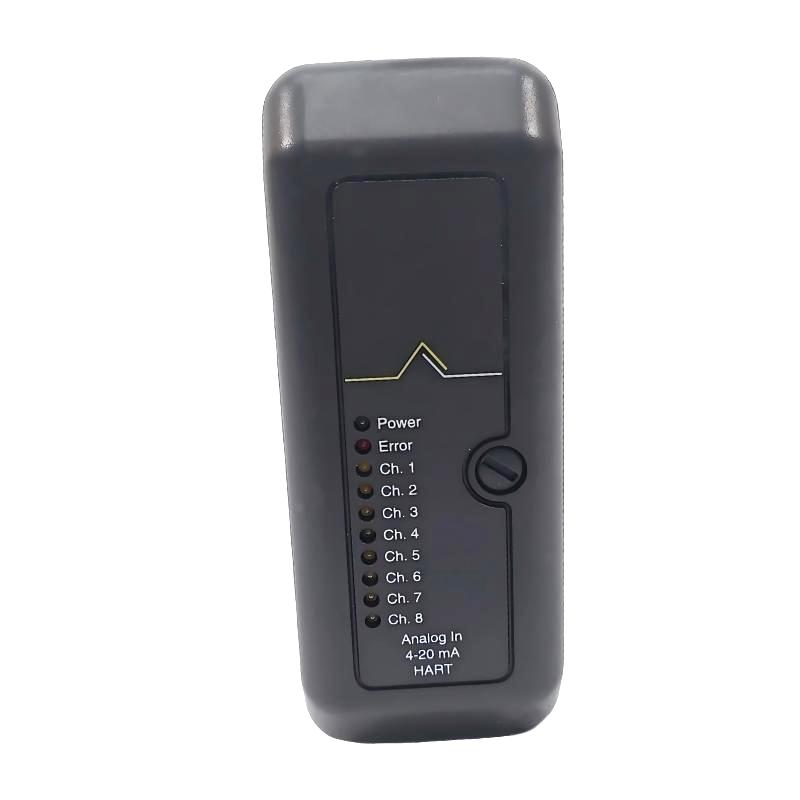
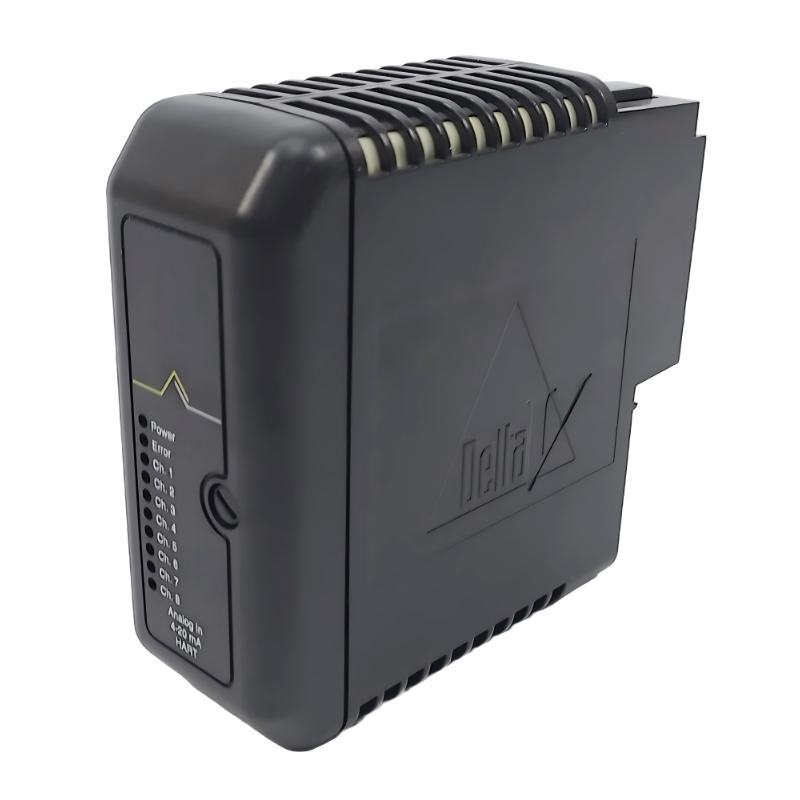
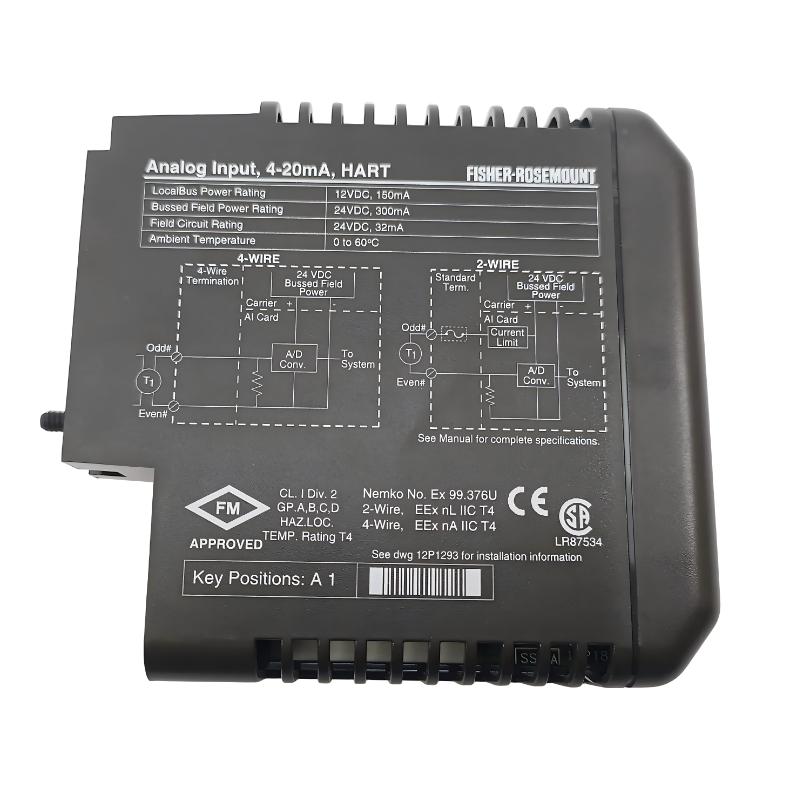
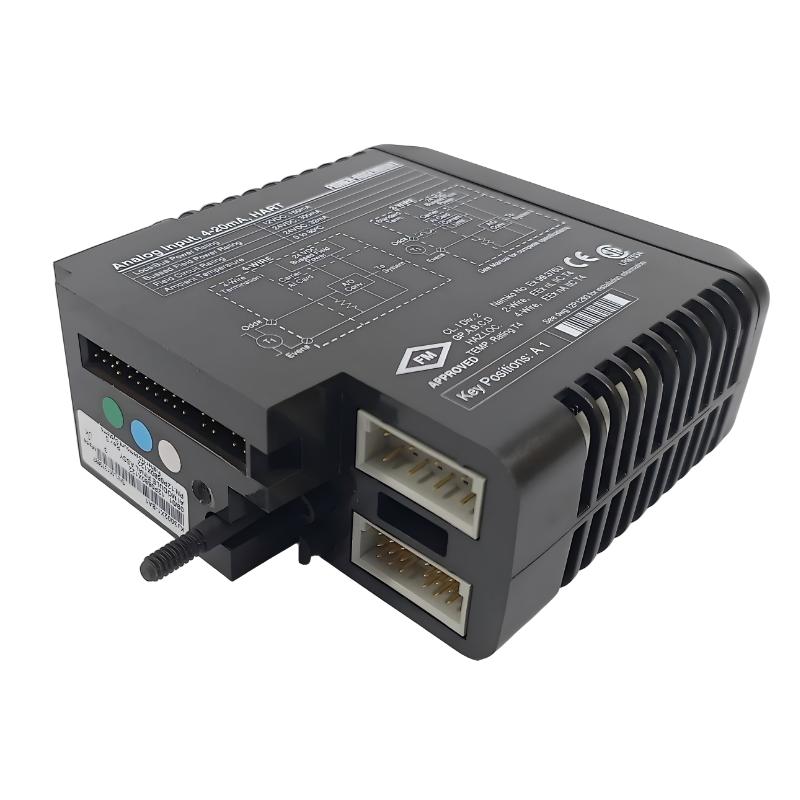
- Emerson
- VE4102
- DeltaV Serial Interface Port License
- USA
- 107 x 41 x 105 mm
- 0.25 kg
- Xiamen, China
- New & In Stock
- T/T, PayPal, Western Union
- 1 Year
- 1-3 Working Days
- DHL, UPS, TNT, FedEx and EMS.
- 24-Hour Service
- COO
- 5
Our advantage

Global Logistics
We have a 10-year logistics and express cooperation agreement, so our products can be shipped to any place in the world.

Brand new and original
Our products are imported in bulk from the place of origin. Because of the cooperative relationship, our products are all original and 100% new.

24-hour service
We provide 7*24 hours service to our customers. We will be there whenever you need us.

Price advantage
All our products are priced very favorably because we have our own warehouse and supply.
| Company Information | |||
| [email protected] | |||
| Mobile | +8615980777398 | ||
| +8615980777398 | |||
| 15980777398 |
Product Overview
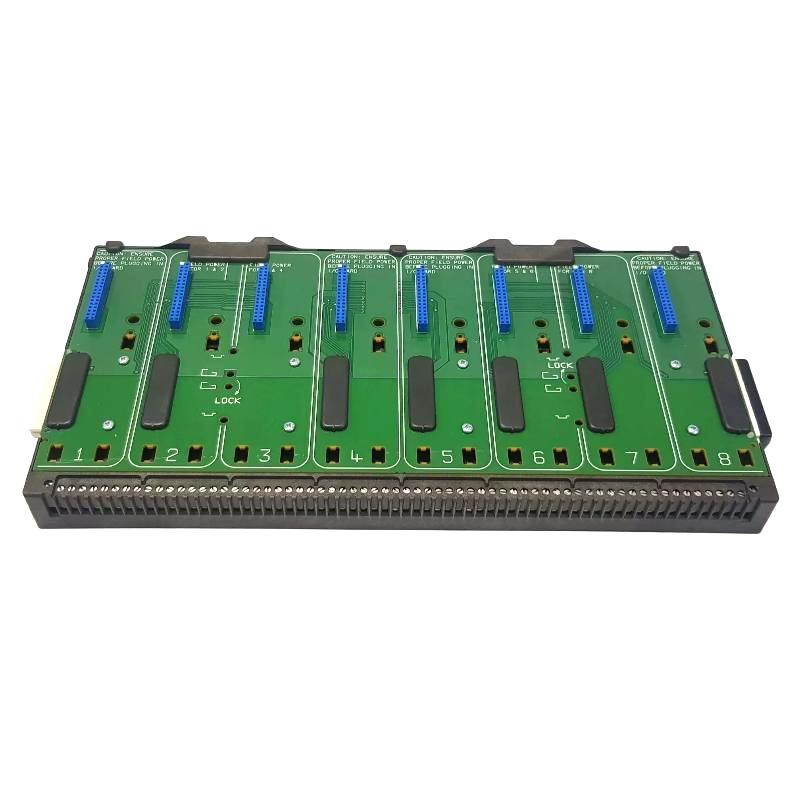
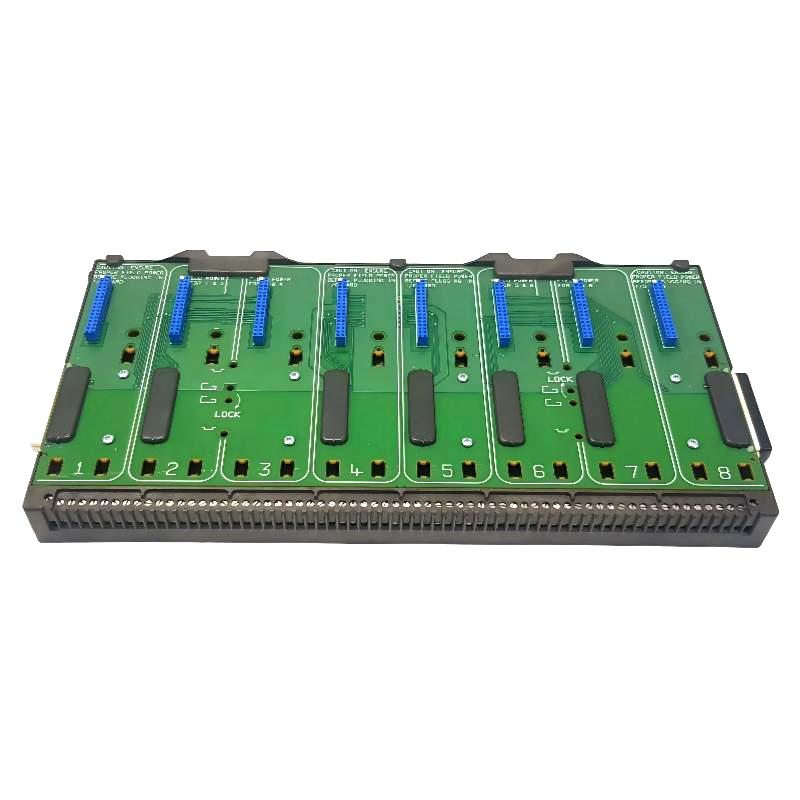
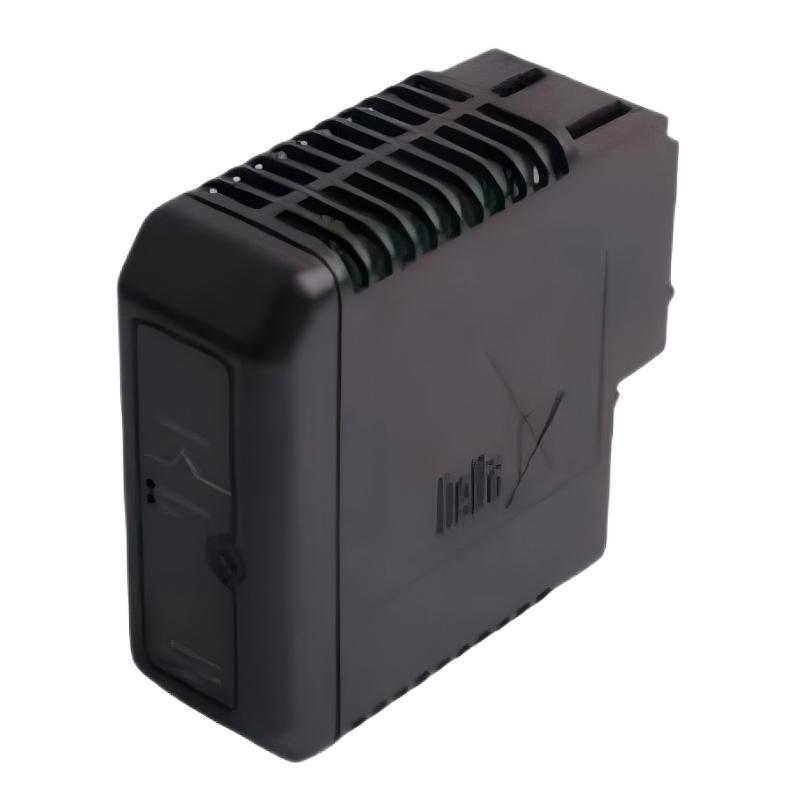
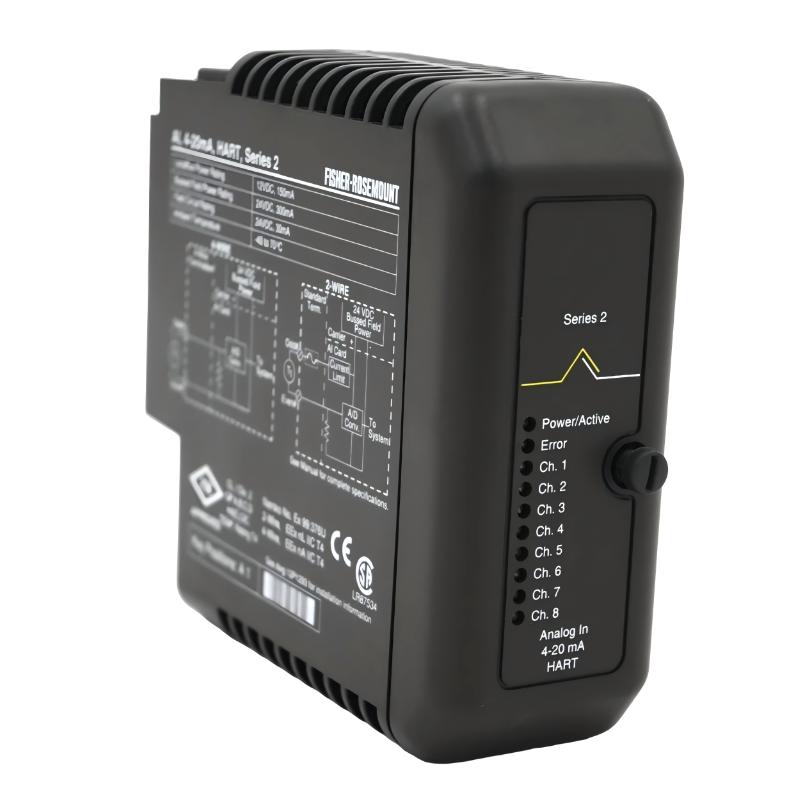
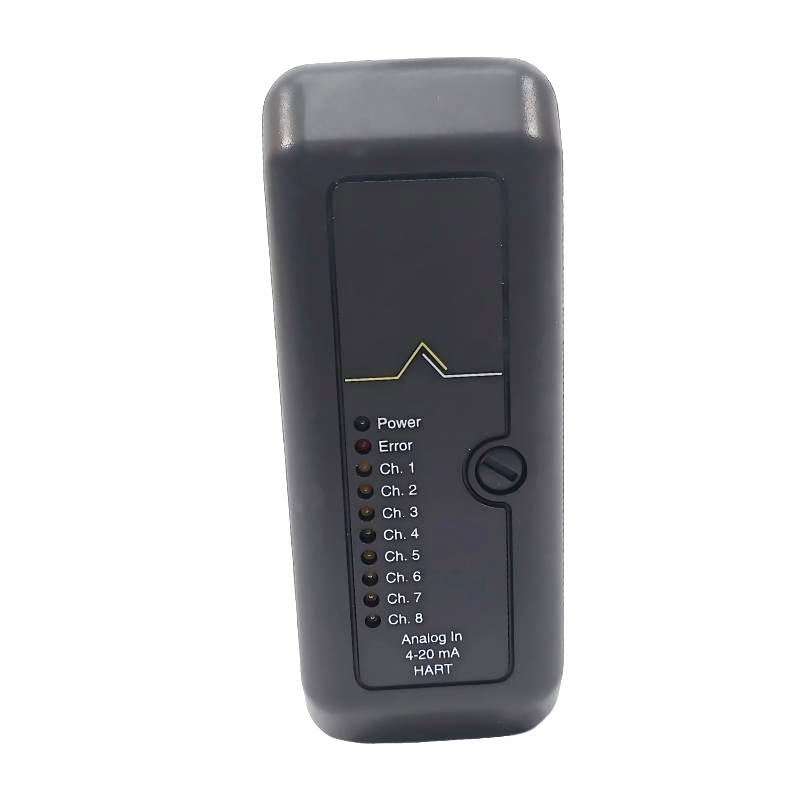
The Emerson VE4102 DeltaV Serial Interface Port License is a licensing component associated with serial communication functionality within the Emerson DeltaV process automation environment. It is intended to support the use of serial interface capabilities in a DeltaV control architecture, allowing appropriately configured systems to communicate with compatible serial-based devices and equipment.
Serial communication remains important in many industrial facilities because process plants often contain legacy instruments, analyzers, controllers, meters, packaged equipment, and third-party devices that communicate through serial interfaces. A serial interface license can therefore form part of the software and system configuration required to integrate these devices into a modern distributed control environment.
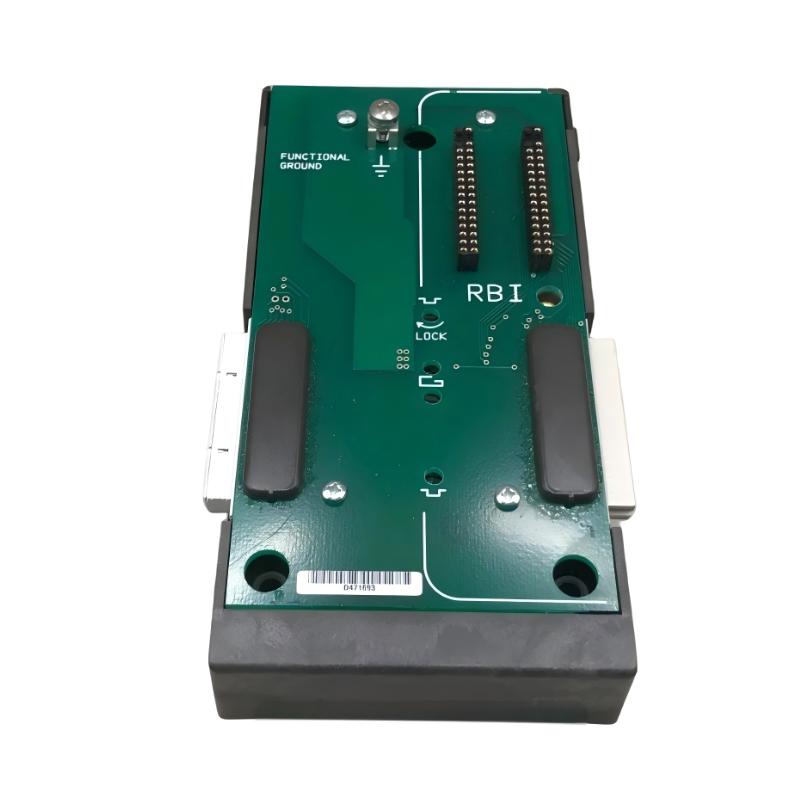
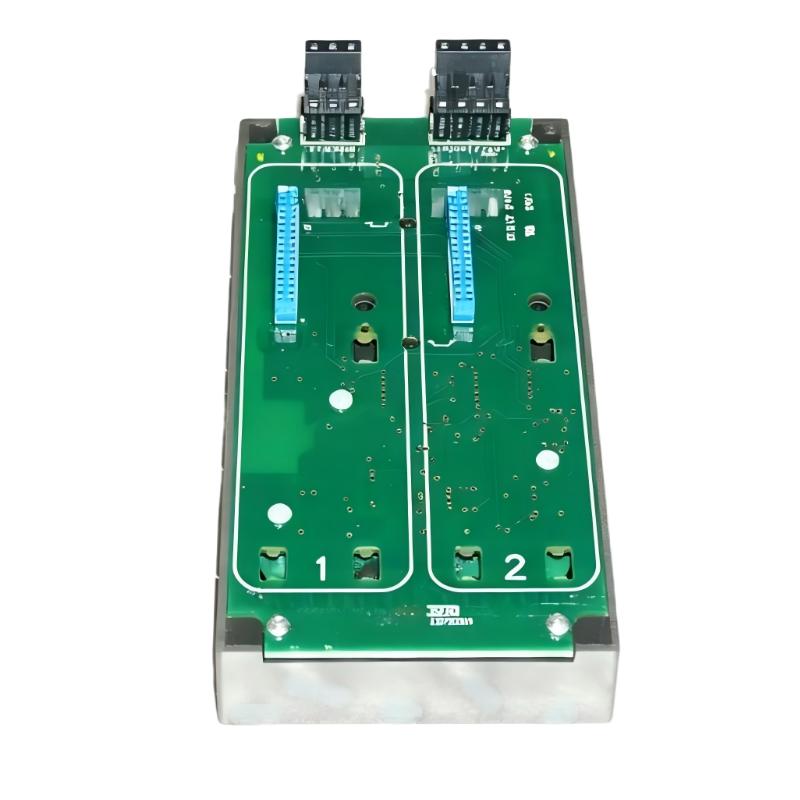
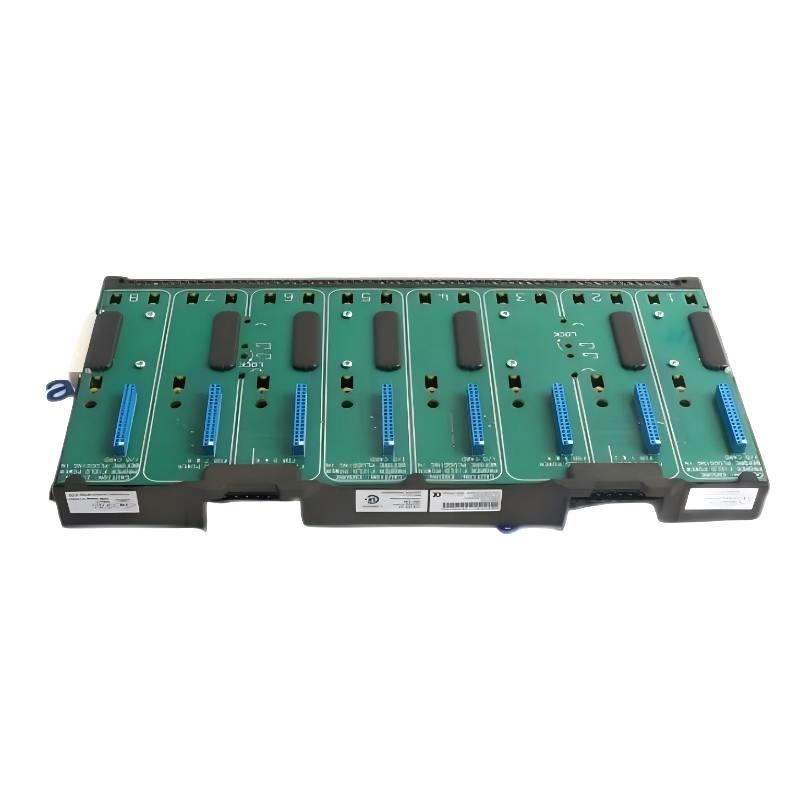
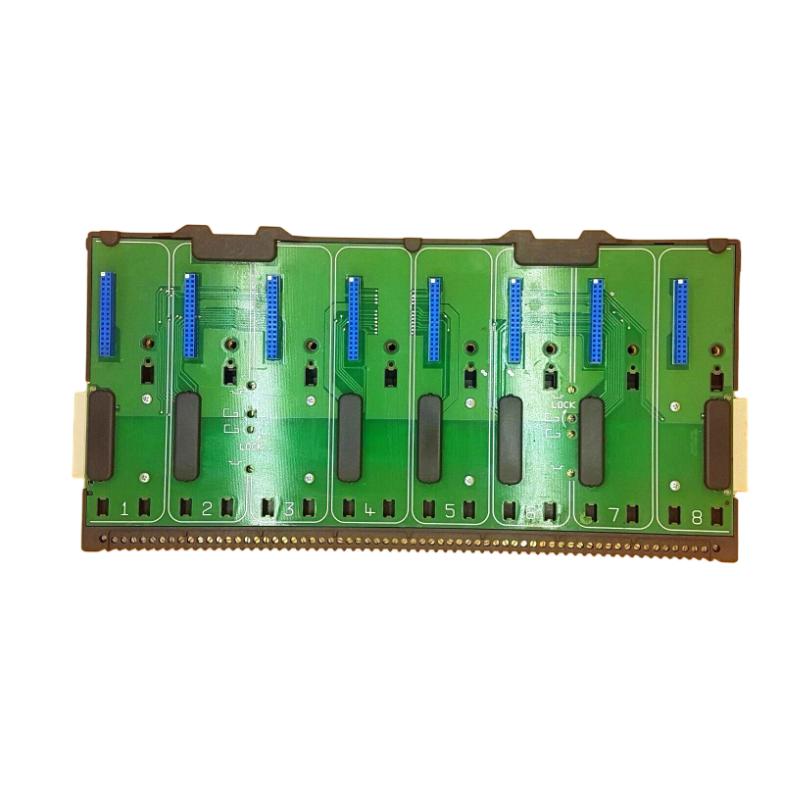
The Emerson VE4102 is identified as a DeltaV Serial Interface Port License with listed dimensions of 107 × 41 × 105 mm and a weight of approximately 0.25 kg. Because the product is identified as a license-related component, the physical specifications should be considered together with its licensing and system-configuration role rather than treating it as a conventional standalone I/O module.
The exact supported serial interface functions, port quantity, protocol support, licensing limitations, and DeltaV version compatibility should be verified against the applicable Emerson system configuration before deployment.
Technical Specifications
| Parameter | Specification |
|---|---|
| Manufacturer | Emerson |
| Model | VE4102 |
| Product Type | DeltaV Serial Interface Port License |
| System | Emerson DeltaV |
| Primary Function | Licensing for serial interface functionality |
| Communication Type | Serial Interface |
| Application | Industrial Process Automation |
| Dimensions | 107 × 41 × 105 mm |
| Weight | 0.25 kg |
| Installation | DeltaV System / Compatible Hardware Environment |
| Compatibility | Verify with the installed DeltaV version and system configuration |
What Is the Emerson VE4102?
The Emerson VE4102 is a DeltaV Serial Interface Port License associated with serial communication functionality in the DeltaV process control environment.
Unlike a conventional analog input card or digital output module, a license-related product is primarily concerned with enabling or authorizing a defined system capability.
In an industrial automation environment, serial communication may be required when a DeltaV system needs to exchange information with equipment that does not use the same native communication architecture as the main control system.
A simplified architecture can be represented as:
Serial Device → Serial Interface → DeltaV Communication Infrastructure → DeltaV Control System
The exact architecture depends on the installed DeltaV hardware, software version, interface equipment, and licensed functionality.
Understanding DeltaV Serial Interface Licensing
Modern process automation systems frequently combine equipment from different generations.
A single plant may contain:
- Legacy controllers
- Process analyzers
- Intelligent instruments
- Power monitoring equipment
- Package skids
- Third-party controllers
- Specialized measurement systems
- Serial-based instruments
These devices may use serial communication to exchange configuration, measurements, status information, or control commands.
Licensing can be used within a control-system architecture to manage access to specific communication capabilities.
The VE4102 therefore has a different role from a traditional physical I/O card. Its function should be understood in the context of DeltaV system licensing and serial communication configuration.
Function and Working Principle
Serial Communication Enablement
The VE4102 is associated with the licensing of serial interface functionality within a DeltaV environment.
The licensed capability can support system configurations where serial communication is required between DeltaV and compatible external equipment.
Integration with DeltaV
Once the required licensing and hardware configuration are correctly established, serial communication can become part of the broader DeltaV control architecture.
The DeltaV system can then be configured to exchange the appropriate information with supported external equipment.
Legacy Equipment Integration
One important use of serial communication is the integration of existing plant equipment.
Instead of replacing every legacy device during a control-system modernization project, engineers may use an appropriate communication interface to integrate selected existing equipment into the newer control environment.
Communication Management
Serial interface functionality can provide a structured communication path for exchanging data between DeltaV and compatible devices.
The exact protocol, data structure, communication parameters, and supported device types depend on the installed DeltaV configuration and applicable interface hardware.
Role in DeltaV Process Control Systems
The VE4102 can contribute to the communication layer of a DeltaV process automation architecture.
A simplified system structure is:
Field / Package Equipment
↓
Serial Communication Interface
↓
DeltaV Serial Interface Functionality
↓
DeltaV Control System
↓
Operator / Supervisory Interface
The VE4102 is associated with the licensing layer supporting this functionality.
It should therefore not be treated as a conventional controller or standalone serial converter.
The physical communication interface still depends on the appropriate DeltaV hardware and system architecture.
Industrial Applications
Serial communication remains useful in many industrial environments.
The VE4102 can be relevant to compatible DeltaV applications involving:
- Oil and Gas
- Refining
- Petrochemical Processing
- Chemical Manufacturing
- Power Generation
- Water Treatment
- Wastewater Treatment
- Pharmaceutical Manufacturing
- Pulp and Paper
- Food and Beverage Processing
- Industrial Utilities
- Manufacturing Plants
Typical connected equipment may include third-party controllers, analyzers, packaged systems, intelligent instruments, and legacy automation devices.
System Integration
Integration of the VE4102 should begin with a clear understanding of the existing DeltaV architecture.
Before deployment, engineers should identify:
- DeltaV system version
- Existing serial interface hardware
- Required communication functions
- External serial devices
- Applicable communication protocols
- Licensing requirements
- Existing system configuration
- Required operator and control-system functions
The license should be matched to the intended DeltaV environment before commissioning.
Serial Communication Architecture
A typical serial integration architecture can contain several layers.
External Device
The external instrument, controller, analyzer, or package system generates or receives process-related data.
Serial Interface Hardware
Physical interface hardware provides the electrical communication connection between the external device and the control-system environment.
Licensed DeltaV Functionality
The appropriate DeltaV license enables the configured serial communication capability where required.
DeltaV Configuration
The communication parameters and device data structure are configured within the DeltaV environment.
Control Strategy
Once the required information is available, DeltaV control logic can use the data for monitoring, alarms, calculations, sequencing, or other process functions.
The exact architecture varies according to the application.
Installation and Configuration Considerations
Because the VE4102 is identified as a DeltaV Serial Interface Port License, installation should be understood primarily as a system licensing and configuration activity rather than simply installing a conventional physical I/O module.
Before commissioning, verify:
- VE4102 identification
- DeltaV system version
- License configuration
- Serial interface hardware
- Connected external equipment
- Communication protocol requirements
- Device configuration
- Control-system database configuration
The physical dimensions provided for the VE4102 are 107 × 41 × 105 mm, with a listed weight of 0.25 kg.
If the supplied product is packaged with or associated with physical hardware, the actual installation procedure should follow the applicable system documentation.
Commissioning Procedure
1. Verify the License
Confirm that the required VE4102 licensing capability corresponds to the intended DeltaV system.
2. Check the DeltaV Environment
Verify the installed DeltaV version and system configuration.
Compatibility should be established before attempting to activate or configure the serial interface function.
3. Verify Interface Hardware
Confirm that the required physical serial interface hardware is installed and correctly connected.
A license by itself should not be assumed to provide the physical serial communication interface.
4. Check External Devices
Verify the connected serial devices and their communication requirements.
Record applicable device information before configuration.
5. Configure Communication
Configure the serial interface according to the applicable DeltaV architecture and device requirements.
Communication parameters should match between the connected systems.
6. Verify Data Exchange
After configuration, verify that the expected data can be exchanged correctly.
Check values, status information, alarms, and communication diagnostics where applicable.
7. Validate the Control Strategy
Confirm that the received serial data is correctly mapped to the intended DeltaV control functions before placing the system into normal service.
Troubleshooting Guide
Serial communication problems should be investigated systematically because a communication failure can originate from several different layers.
Serial Device Not Communicating
Check:
- License status
- DeltaV configuration
- Serial interface hardware
- Cable connections
- Device configuration
- Communication parameters
- Device power
- System diagnostics
A valid license does not eliminate the possibility of a physical wiring or configuration problem.
Intermittent Communication
Possible causes include:
- Loose connections
- Cable damage
- Electrical interference
- Incorrect communication parameters
- Device instability
- Interface hardware problems
- Configuration errors
Inspect the complete communication path rather than replacing the license immediately.
Communication Parameters Mismatch
A serial connection can fail when the connected systems use incompatible communication settings.
Verify the configuration of both ends according to the applicable device documentation.
License-Related Problem
If the DeltaV system reports a licensing-related issue, check:
- License activation status
- License assignment
- System configuration
- DeltaV version compatibility
- Available licensed functionality
- System diagnostics
Licensing issues should be resolved before attempting extensive hardware replacement.
Preventive Maintenance
Although licensing functionality is software-oriented, reliable serial communication still depends on maintaining the complete system.
Review License Status
Periodically verify that the required DeltaV licensing configuration remains valid.
Maintain Configuration Records
Keep records of installed licenses, serial interfaces, connected devices, and communication configurations.
Inspect Physical Interfaces
Check serial cables, connectors, and associated hardware for damage or loose connections.
Monitor Communication Diagnostics
Repeated communication faults should be investigated rather than repeatedly cleared.
Maintain Backup Documentation
Control-system configuration and licensing information should be included in appropriate system backup and maintenance procedures.
Physical Dimensions and Weight
The Emerson VE4102 has the following listed physical specifications:
| Physical Parameter | Value |
|---|---|
| Length | 107 mm |
| Width | 41 mm |
| Height | 105 mm |
| Weight | 0.25 kg |
These values can be useful for inventory planning, replacement logistics, and identifying the supplied hardware.
Because the product is identified as a license-related component, physical dimensions and weight should not be interpreted as a complete description of its functional role.
Replacement and Licensing Considerations
When replacing or transferring an Emerson VE4102, the complete model identification and licensing requirements should be verified.
Important considerations include:
- VE4102 model
- DeltaV system version
- Existing license configuration
- Serial interface hardware
- Connected external devices
- Communication requirements
- System configuration
- License activation or assignment requirements
A physically similar component should not automatically be treated as an equivalent license.
For a DeltaV communication application, software licensing and physical interface compatibility must be considered together.
Related DeltaV System Components
A DeltaV serial communication installation can contain several layers of hardware and software.
| Component | General Function |
|---|---|
| VE4102 | Serial interface port licensing |
| Serial Interface Hardware | Provides physical serial communication |
| DeltaV Controller | Executes control strategies |
| DeltaV I/O Hardware | Interfaces process signals |
| Communication Network | Transfers control-system data |
| External Serial Device | Provides or receives process data |
| Operator Interface | Displays process information |
| Engineering Environment | Provides system configuration and maintenance |
The exact combination depends on the DeltaV architecture and connected equipment.
Engineering Best Practices
Verify Licensing Before Commissioning
Confirm that the required serial interface capability is properly licensed before attempting system commissioning.
Separate License and Hardware Troubleshooting
A licensing problem and a physical communication problem can produce different symptoms. Investigate both layers independently.
Maintain Accurate Device Records
Document connected serial devices, interface hardware, configuration parameters, and licensing information.
Protect Serial Wiring
Serial cables should be properly routed and protected from mechanical damage and excessive electrical interference.
Use Consistent Configuration
Communication parameters should be coordinated between the DeltaV system and the connected external equipment.
Keep System Documentation Updated
Any change to serial devices, interface hardware, licenses, or control-system configuration should be documented.
Key Advantages
DeltaV Serial Communication Support
The VE4102 is associated with licensing for serial interface functionality within the DeltaV environment.
Integration of Existing Equipment
Serial communication can help integrate compatible legacy and third-party equipment into a modern process control architecture.
Structured Communication Management
Licensed serial interface functionality can form part of an organized DeltaV communication architecture.
Industrial Process Control Application
The VE4102 is intended for use within compatible DeltaV process automation environments.
Compact Listed Form Factor
The supplied physical specifications are 107 × 41 × 105 mm with a listed weight of 0.25 kg.
Technical FAQs
What is the Emerson VE4102?
The Emerson VE4102 is a DeltaV Serial Interface Port License associated with serial communication functionality in the Emerson DeltaV process control environment.
Is the VE4102 a physical serial communication converter?
It is identified as a Serial Interface Port License, so its primary role is licensing rather than being treated as a standalone physical serial converter.
What are the dimensions of the VE4102?
The listed dimensions are 107 × 41 × 105 mm.
How much does the VE4102 weigh?
The listed weight is approximately 0.25 kg.
Why is serial communication useful in DeltaV systems?
Serial communication can provide a way to integrate compatible legacy instruments, analyzers, controllers, packaged equipment, and other devices into a process control architecture.
Does the VE4102 itself provide the physical serial port?
The product is identified as a licensing component. The physical communication interface depends on the appropriate DeltaV hardware and system architecture.
What should be checked before using the VE4102?
Engineers should verify the DeltaV version, licensing configuration, serial interface hardware, connected devices, communication requirements, and overall system compatibility.
What can cause a DeltaV serial communication failure?
Potential causes include licensing problems, incorrect configuration, incompatible communication settings, damaged cables, interface hardware faults, device problems, and electrical interference.
Conclusion
The Emerson VE4102 DeltaV Serial Interface Port License is a specialized licensing component associated with serial communication functionality in compatible DeltaV process automation systems. Serial communication remains important in industrial facilities because many existing instruments, analyzers, controllers, and packaged systems rely on serial interfaces for exchanging operational information.
With listed dimensions of 107 × 41 × 105 mm and a weight of 0.25 kg, the VE4102 can be documented and managed as part of an industrial automation spare-parts and system configuration inventory.
For implementation or replacement, the complete VE4102 identification should be verified together with the DeltaV version, license configuration, serial interface hardware, connected devices, and communication requirements. Correct licensing, configuration, physical connectivity, and commissioning are all important for reliable serial communication within the DeltaV control architecture.