

ProductPRODUCT
Featured products
Contact Us
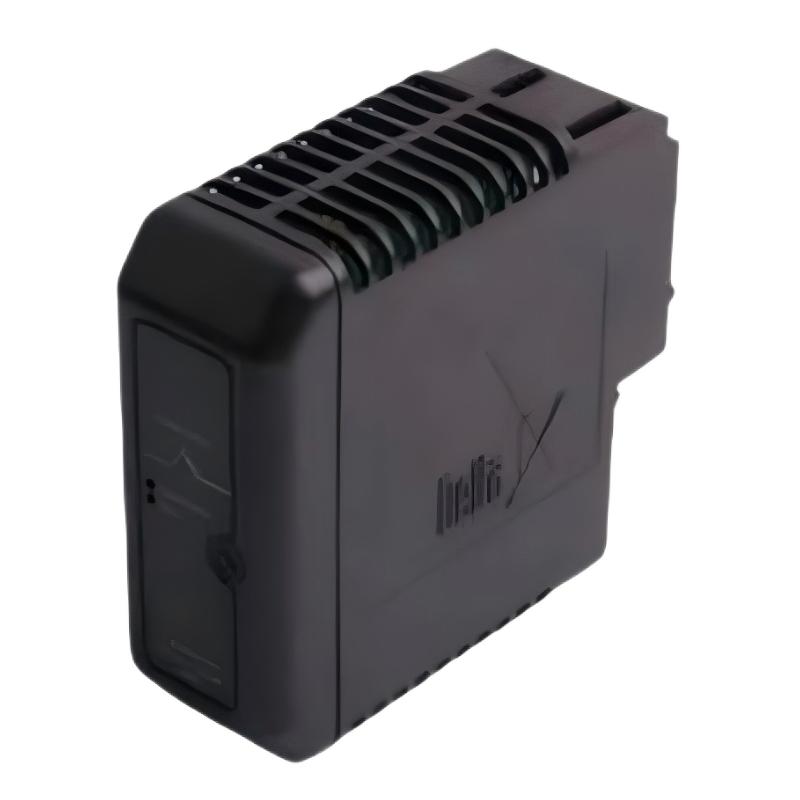
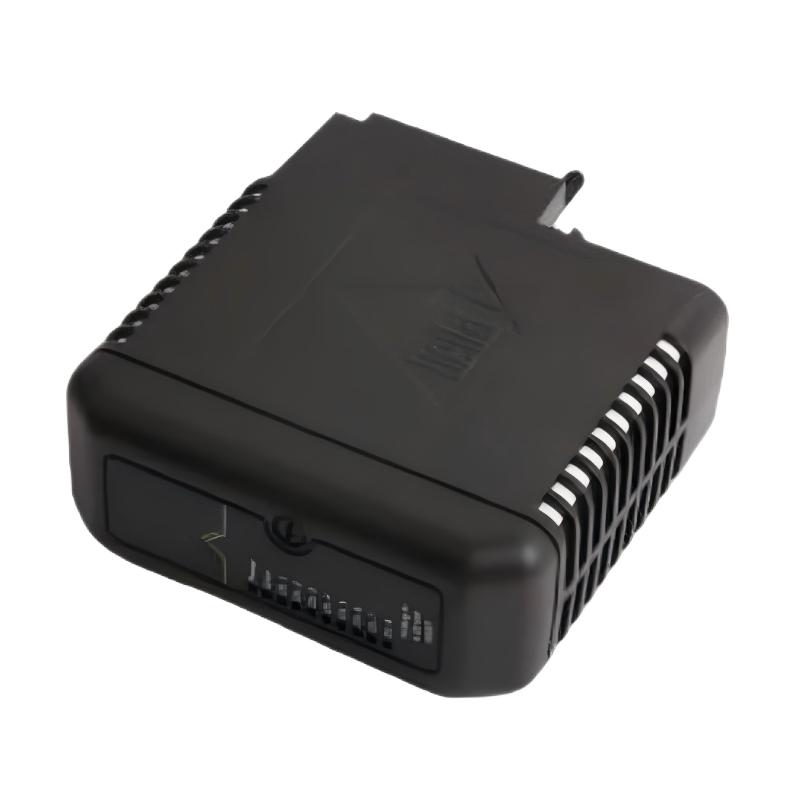
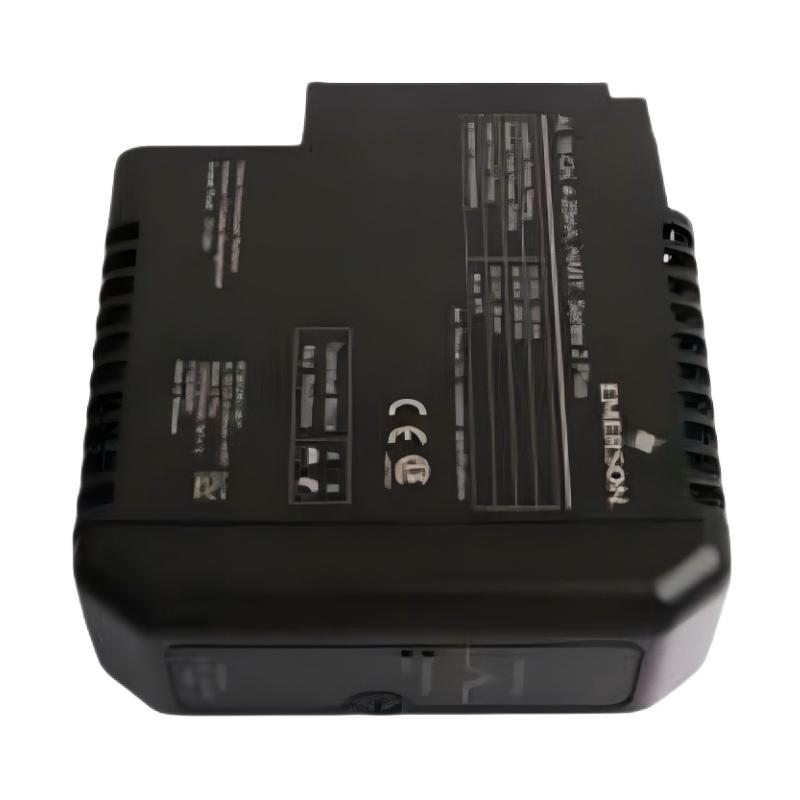
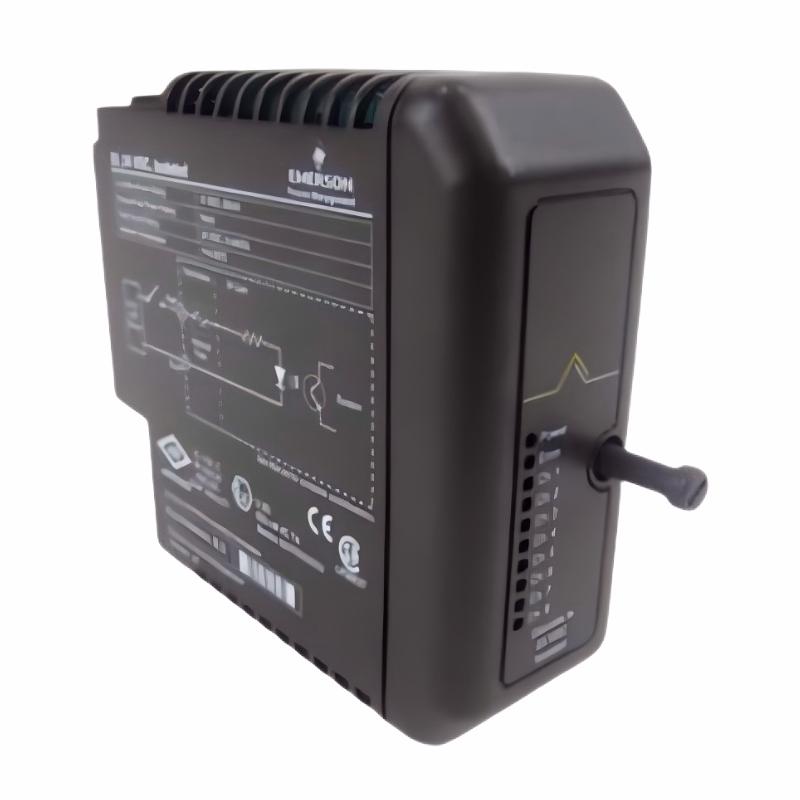
- Emerson
- VE4037P0
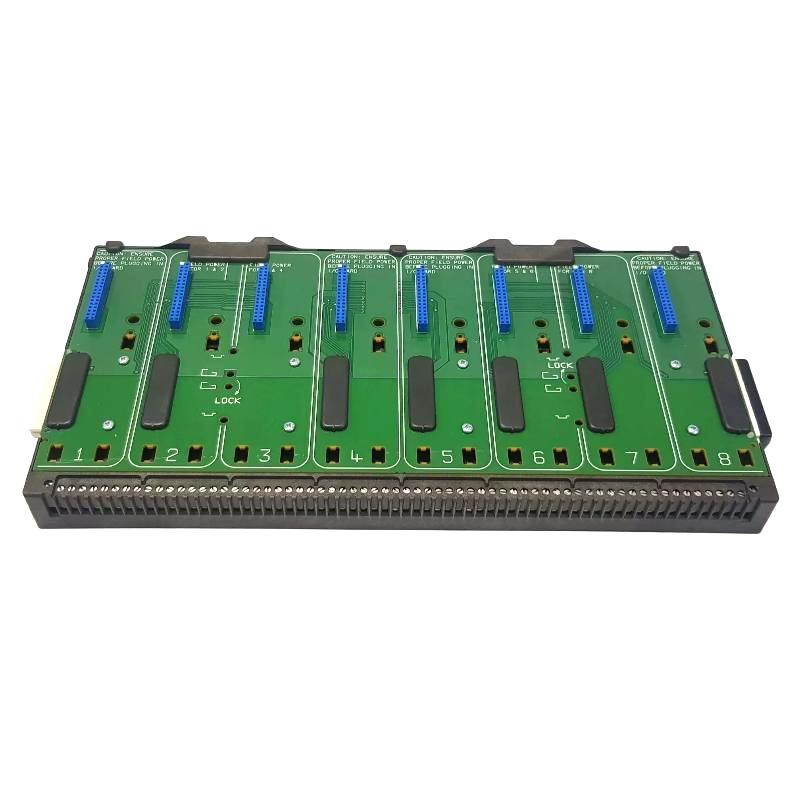
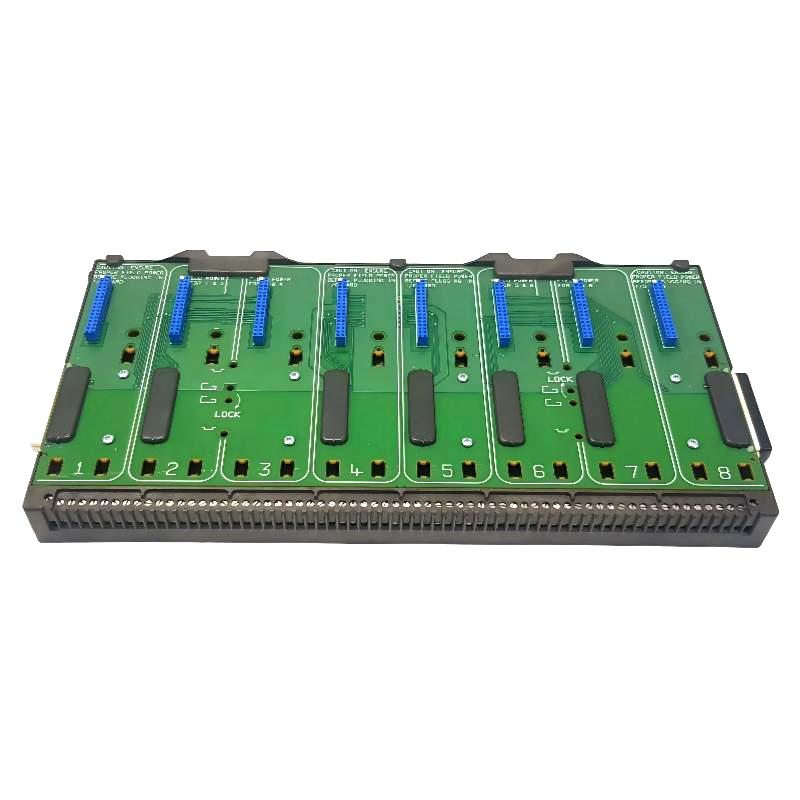
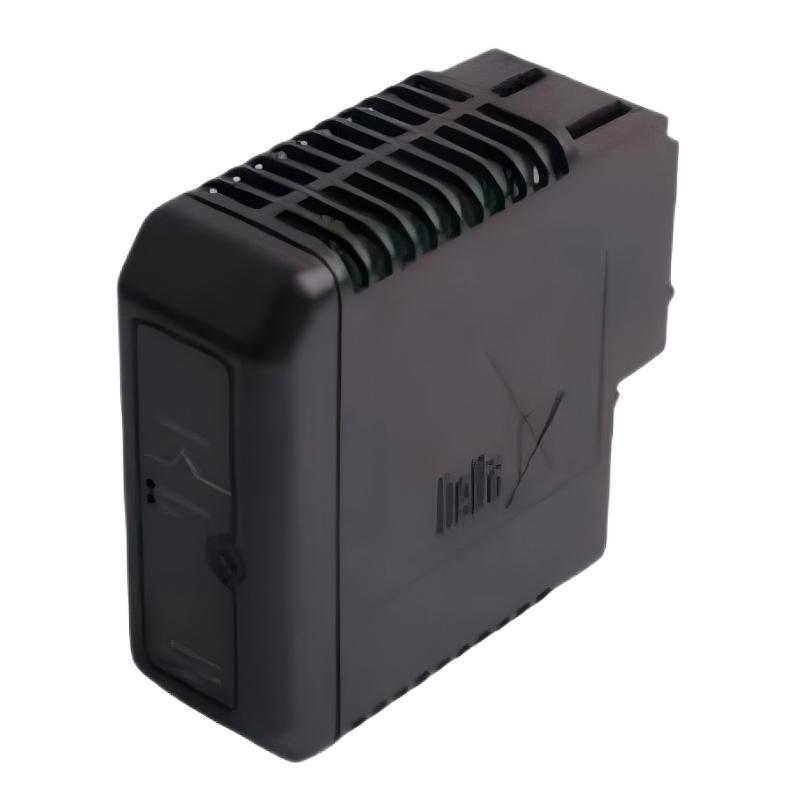
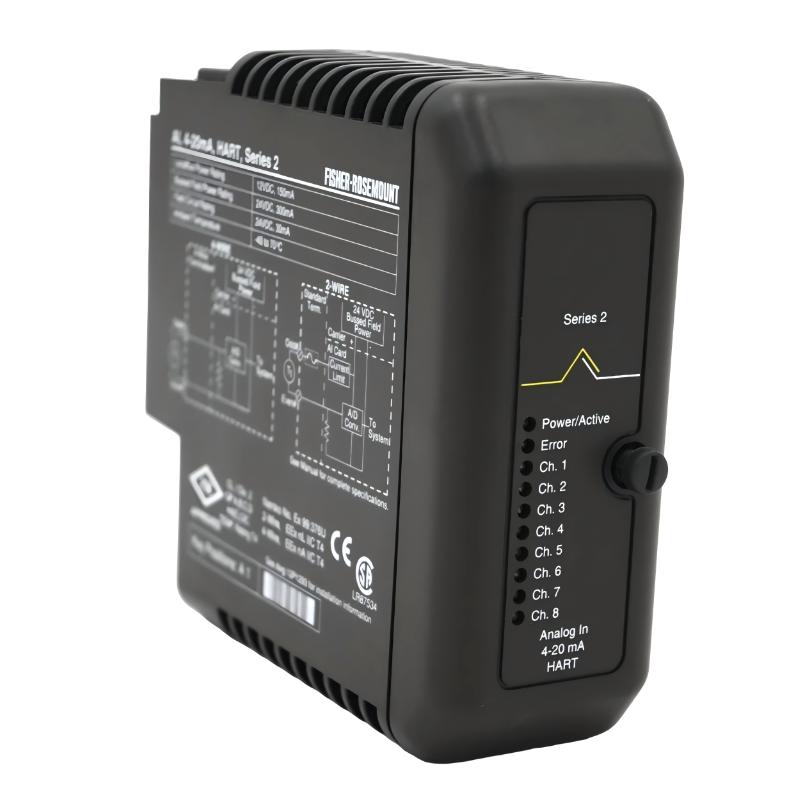
- Redundant M Series H1 I/O Interface Card and Terminal Block
- USA
- 107 x 41 x 105 mm
- 0.45 kg
- Xiamen, China
- New & In Stock
- T/T, PayPal, Western Union
- 1 Year
- 1-3 Working Days
- DHL, UPS, TNT, FedEx and EMS.
- 24-Hour Service
- COO
- 4
Our advantage

Global Logistics
We have a 10-year logistics and express cooperation agreement, so our products can be shipped to any place in the world.

Brand new and original
Our products are imported in bulk from the place of origin. Because of the cooperative relationship, our products are all original and 100% new.

24-hour service
We provide 7*24 hours service to our customers. We will be there whenever you need us.

Price advantage
All our products are priced very favorably because we have our own warehouse and supply.
| Company Information | |||
| [email protected] | |||
| Mobile | +8615980777398 | ||
| +8615980777398 | |||
| 15980777398 |
Product Overview
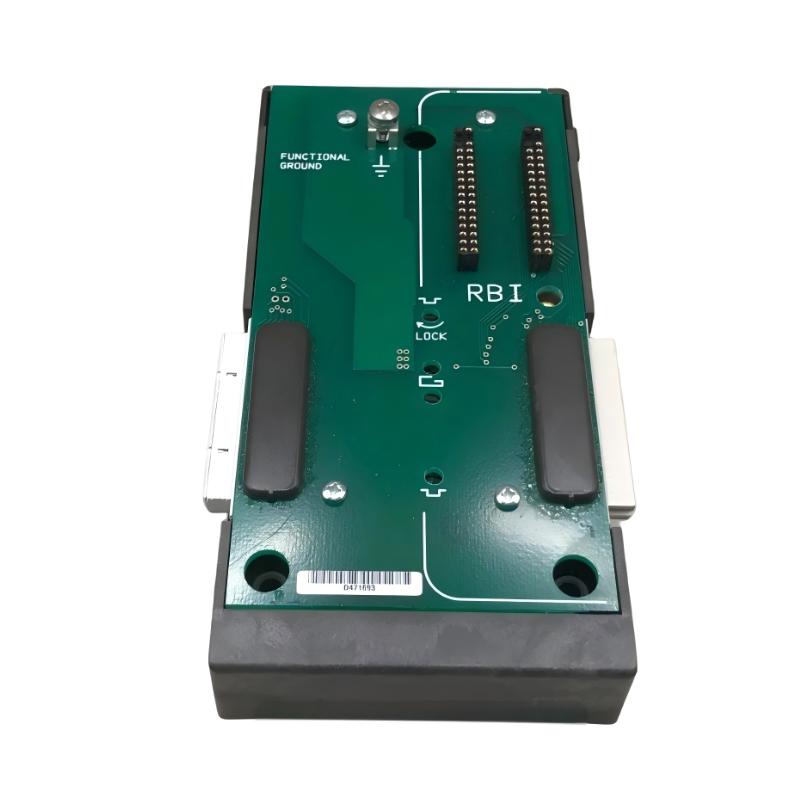
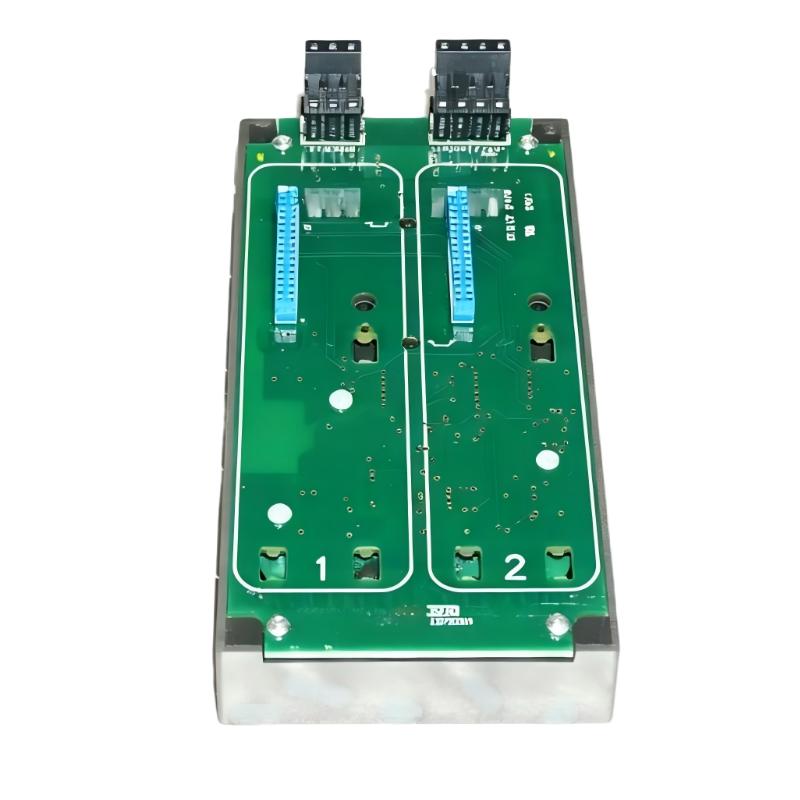
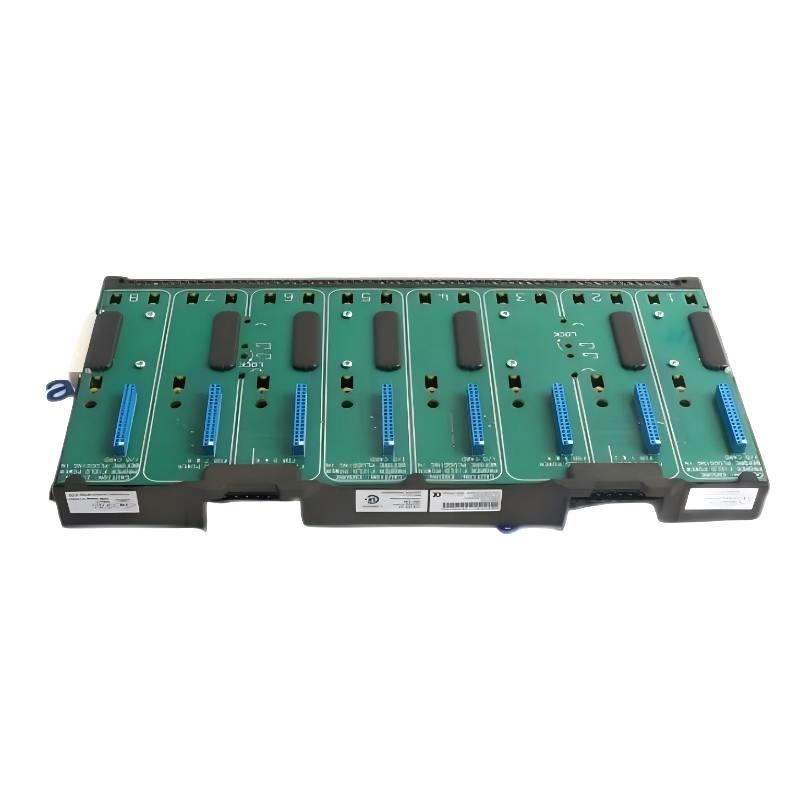
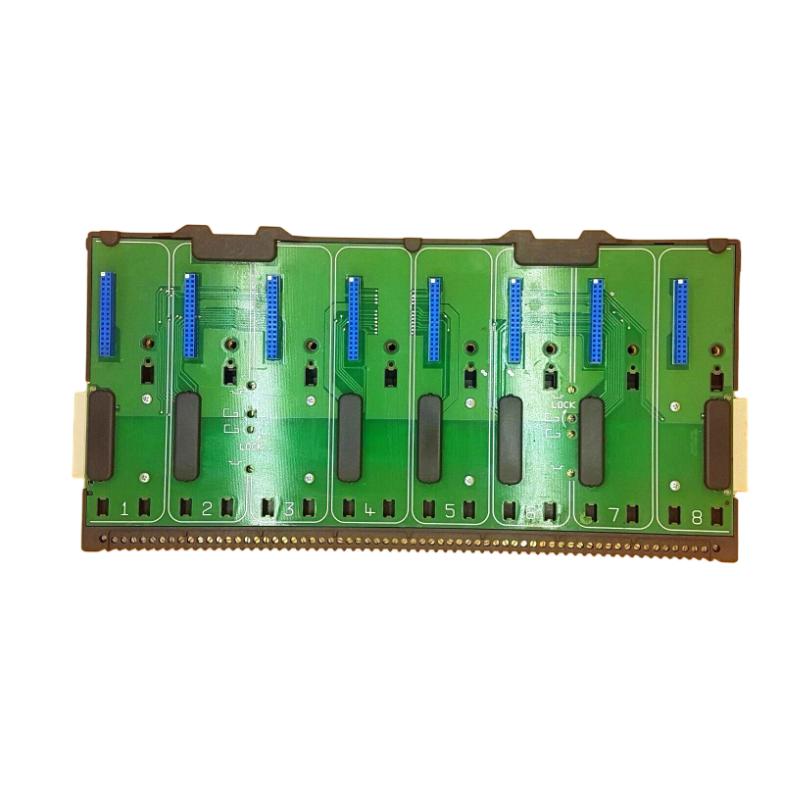
The Emerson VE4037P0 Redundant M Series H1 I/O Interface Card and Terminal Block is a specialized interface component designed for integration into Emerson DeltaV process automation systems. It combines the field-side termination and I/O interface functions required to connect process instrumentation with the control system, while supporting redundant system architectures where continuity of operation and dependable signal handling are important.
As part of the Emerson M Series I/O family, the VE4037P0 is intended to work as part of a larger process control architecture rather than as a standalone controller. The interface assembly provides a practical connection point between field wiring and the associated I/O electronics, helping organize signal termination, field-device connections, and communication with the control system.
The VE4037P0 is particularly relevant to process industries where distributed field instrumentation must be connected to a centralized or distributed control environment. Typical applications may include chemical processing, oil and gas, refining, power generation, water treatment, pharmaceutical manufacturing, and other continuous-process facilities.
The supplied physical specifications for the Emerson VE4037P0 are 107 × 41 × 105 mm with a weight of approximately 0.45 kg. Its compact construction allows it to be incorporated into control cabinets and I/O assemblies where efficient use of panel space is important.
Technical Specifications
| Parameter | Specification |
|---|---|
| Manufacturer | Emerson |
| Model | VE4037P0 |
| Product Type | Redundant M Series H1 I/O Interface Card and Terminal Block |
| Product Family | Emerson DeltaV / M Series I/O |
| Interface Type | I/O interface and field termination assembly |
| Architecture | Redundant M Series |
| Network / Interface Family | H1 |
| Primary Function | Field-device signal interface and termination |
| Application | Process Automation and Distributed Control |
| Dimensions | 107 × 41 × 105 mm |
| Weight | 0.45 kg |
| Installation | Industrial control cabinet / compatible M Series system |
| System Role | Interface between field wiring and process-control I/O architecture |
Exact electrical characteristics, terminal assignments, supported field-device configurations, and system-specific communication parameters should be confirmed against the applicable Emerson system documentation and hardware configuration before installation.
What Is the Emerson VE4037P0?
The VE4037P0 is a Redundant M Series H1 I/O Interface Card and Terminal Block used within an Emerson process automation environment.
In a distributed control system, field instruments such as transmitters, switches, sensors, valves, and other process devices must be connected to control-system electronics. These devices are typically distributed throughout a plant, while the control system organizes their signals into a structured I/O architecture.
The VE4037P0 provides part of this interface layer.
A simplified architecture can be represented as:
Field Devices → Field Wiring → VE4037P0 Interface / Terminal Block → M Series I/O Architecture → DeltaV Control System → Operator / Engineering Station
The exact signal path depends on the host system, I/O configuration, redundancy arrangement, and field-device architecture.
The redundant design is particularly relevant to applications where a loss of a single interface or associated path could affect process availability.
Function and Working Principle
Field Signal Termination
One of the primary functions of an I/O terminal assembly is to provide an organized termination point for field wiring.
Field cables entering an automation cabinet must be connected securely to the appropriate control-system interface. A properly designed terminal arrangement simplifies installation, maintenance, testing, and troubleshooting.
The VE4037P0 forms part of this physical connection layer.
I/O Signal Interface
The interface assembly connects field-side signals with the associated M Series I/O electronics.
Depending on the installed system configuration, field information can include measurements, device states, control signals, and other process information. The associated I/O system then makes the information available to the DeltaV control environment.
H1 Network Integration
The VE4037P0 is associated with the H1 interface family used in process automation environments. H1-based architectures are commonly associated with intelligent field-device networks and distributed instrumentation.
The interface arrangement helps integrate field-level instrumentation into the broader control architecture while keeping field wiring organized within the control cabinet.
Redundancy Support
Redundancy is an important concept in process automation. A redundant architecture is designed to reduce the impact of a single component or communication-path failure.
The VE4037P0 is identified as a Redundant M Series interface component. Its role therefore needs to be considered together with the complete redundant I/O architecture rather than as an isolated terminal block.
The exact redundancy implementation depends on the host DeltaV configuration and associated hardware.
Role in Emerson DeltaV Process Control Systems
The VE4037P0 can occupy an important position between plant instrumentation and the process-control system.
A typical control architecture may include:
- Field transmitters
- Process sensors
- Actuators and valves
- Field wiring
- Terminal blocks
- M Series I/O interface components
- Redundant I/O architecture
- Controller hardware
- DeltaV control software
- Operator workstations
- Engineering stations
- Plant-level monitoring systems
The VE4037P0 contributes to the interface portion of this architecture.
By providing an organized connection between field wiring and compatible I/O hardware, it can help engineers and technicians maintain a structured control cabinet layout.
Industrial Applications
Oil and Gas
Oil and gas facilities often require highly available process-control systems because unexpected interruptions can affect production and safety-related processes.
Redundant I/O architectures can be used to improve system availability, while interface and termination components provide organized connections between field instrumentation and control electronics.
Chemical Processing
Chemical plants use large numbers of sensors, transmitters, valves, and other field devices. A structured I/O interface helps simplify the connection and maintenance of these devices.
The VE4037P0 can form part of an M Series architecture used for such process applications.
Power Generation
Power plants depend on continuous monitoring and control of process variables. Redundant automation architectures can help reduce the consequences of hardware or communication failures.
The VE4037P0 may be incorporated into compatible Emerson control-system installations where redundant field I/O connectivity is required.
Water and Wastewater Treatment
Water-treatment facilities use instrumentation to monitor process conditions such as flow, pressure, level, and other variables.
An organized I/O interface architecture helps connect these instruments to the central process-control system.
Pharmaceutical Manufacturing
Pharmaceutical production requires controlled and repeatable process conditions. Reliable instrumentation and structured control-system connectivity are important parts of the automation infrastructure.
Refining and Petrochemical Processing
Refineries and petrochemical plants contain large numbers of distributed instruments and control devices. Redundant I/O architectures can provide additional system availability for critical process applications.
System Integration
The VE4037P0 should be treated as one element within a complete Emerson M Series I/O architecture.
A representative system arrangement can include:
Field Instrumentation
↓
Field Cabling
↓
VE4037P0 Interface Card and Terminal Block
↓
M Series I/O Hardware
↓
Redundant Control / Communication Architecture
↓
DeltaV Controllers
↓
Operator and Engineering Systems
This layered arrangement separates field wiring from higher-level control functions while allowing process information to be transferred through the automation system.
The exact system architecture should always be confirmed before replacing or adding the VE4037P0.
Installation Guidelines
Verify the Model
Before installation, confirm the complete product identification:
Emerson VE4037P0
Do not select a replacement solely because another component has similar dimensions or appears physically similar.
The product family, suffix, revision, terminal configuration, and host-system compatibility should all be checked.
Cabinet Installation
The supplied dimensions are:
107 × 41 × 105 mm
Cabinet layout should provide adequate space for the interface assembly, associated wiring, connectors, and maintenance access.
Avoid positioning the assembly where wiring becomes sharply bent or difficult to inspect.
Field Wiring
Field cables should be routed according to the plant’s electrical installation practices.
Important considerations include:
- Correct terminal identification
- Secure connections
- Appropriate cable routing
- Separation from high-energy conductors
- Proper shielding where required
- Clear cable identification
- Adequate strain relief
Incorrect field wiring can produce symptoms that resemble a defective I/O module.
Grounding and Shielding
Instrumentation systems can be affected by electrical noise. Proper grounding and shielding practices should therefore be followed according to the system design.
Signal cables should be routed in a way that minimizes unnecessary exposure to strong electromagnetic interference.
Commissioning Procedure
A structured commissioning process helps reduce the risk of wiring or configuration problems.
Step 1: Confirm Hardware
Verify that the installed component is the correct VE4037P0 model and that it is compatible with the associated M Series system.
Step 2: Inspect the Installation
Check the mounting arrangement, connectors, terminal points, cable routing, and physical condition of the assembly.
Step 3: Verify Field Wiring
Compare the actual wiring with the approved system drawings.
Step 4: Check the Redundant Architecture
Verify that the redundant configuration has been installed according to the system design and that the associated paths are correctly connected.
Step 5: Configure the Control System
Confirm that the corresponding I/O configuration and system database are consistent with the physical installation.
Step 6: Perform Signal Testing
Test the connected field devices individually and verify that the expected information reaches the control system.
Step 7: Check Diagnostics
Review available system diagnostics for communication, I/O, or redundancy-related alarms.
Step 8: Return to Normal Operation
After all relevant tests have been completed successfully, the system can be returned to normal process operation according to the plant commissioning procedure.
Troubleshooting the VE4037P0
No Field Signal
If a field signal does not appear correctly in the control system, inspect the entire signal path rather than immediately replacing the interface component.
Check:
- Field-device power
- Field wiring
- Terminal connections
- Connector seating
- Associated I/O hardware
- Redundant path configuration
- Control-system configuration
- System diagnostics
Intermittent Signal
Intermittent operation may be associated with:
- Loose terminals
- Damaged cables
- Poor connector contact
- Electrical interference
- Wiring movement
- Field-device problems
- Redundancy-path problems
Physical inspection is particularly important when the fault appears only under vibration or changing operating conditions.
Redundancy Alarm
If the system reports a redundancy-related alarm, verify both paths of the redundant architecture.
Potential areas of investigation include:
- Interface connections
- Associated I/O hardware
- Communication paths
- Configuration consistency
- Power availability
- System diagnostics
A redundancy alarm does not necessarily mean that the VE4037P0 itself has failed.
Communication Problems
Communication-related problems should be investigated across the complete architecture.
Check:
- Field device
- Field wiring
- Interface assembly
- Associated I/O electronics
- Communication path
- Controller
- DeltaV configuration
This approach helps prevent unnecessary replacement of functioning hardware.
Preventive Maintenance
Regular inspection can improve long-term reliability.
Visual Inspection
Inspect the VE4037P0 for:
- Physical damage
- Loose connectors
- Contamination
- Signs of overheating
- Corrosion
- Damaged wiring
Terminal Inspection
Terminal connections should remain secure and properly identified.
Loose connections can produce intermittent process signals and difficult-to-diagnose faults.
Cable Inspection
Field wiring should be checked for:
- Insulation damage
- Excessive bending
- Moisture exposure
- Mechanical stress
- Loose connections
- Incorrect routing
Cabinet Environment
The surrounding control cabinet should be maintained in a suitable condition.
Excessive dust, moisture, heat, or vibration can reduce the reliability of electronic control equipment.
Diagnostic Monitoring
Where system diagnostics are available, technicians should monitor recurring warnings and abnormal conditions rather than waiting for complete failure.
Physical Dimensions and Weight
The supplied physical specifications for the Emerson VE4037P0 are:
- Dimensions: 107 × 41 × 105 mm
- Weight: 0.45 kg
These values are useful for:
- Cabinet planning
- Replacement preparation
- Spare-parts inventory
- Shipping calculations
- Maintenance planning
- Equipment documentation
Physical dimensions alone should not be used to determine electrical compatibility.
Replacement Considerations
When replacing an Emerson VE4037P0, technicians should verify the complete identification before installation.
Important information includes:
- Full model number
- Product type
- M Series compatibility
- H1 interface architecture
- Redundancy configuration
- Terminal arrangement
- Associated I/O hardware
- Existing system configuration
- Hardware revision where applicable
A component with a similar appearance may perform a different function.
For this reason, the VE4037P0 designation should be matched carefully with the original installed component and the associated control-system documentation.
Related Emerson Components
The VE4037P0 can be considered alongside other Emerson DeltaV M Series components used for process I/O and system integration.
| Component Type | General Function |
|---|---|
| M Series I/O Module | Process signal acquisition or output |
| Redundant I/O Interface | Supports redundant system architecture |
| H1 Interface Components | Field-level process communication |
| Terminal Blocks | Field wiring termination |
| Controller Hardware | Executes control logic |
| DeltaV Engineering Station | System configuration and engineering |
| DeltaV Operator Station | Process monitoring and operation |
| Field Instruments | Measure process variables |
| Control Valves and Actuators | Execute process-control actions |
Exact compatibility between individual components should be confirmed against the intended DeltaV system configuration.
Engineering Best Practices
A reliable installation of the VE4037P0 depends on more than the interface component itself.
Use Accurate Documentation
Maintain current wiring diagrams, I/O lists, cabinet drawings, and system configuration records.
Label Field Wiring
Clear labeling makes troubleshooting and future replacement significantly easier.
Preserve Redundancy
Avoid bypassing or modifying redundant paths without understanding the effect on system availability.
Maintain Separation
Keep sensitive instrumentation wiring separated from high-power switching circuits whenever required by the installation design.
Record Replacement Information
When a component is replaced, record the model number, revision information, installation position, date, and reason for replacement.
Test Before Returning to Service
After replacement, verify field signals and system diagnostics before returning the affected process to normal operation.
Key Advantages
Redundant Architecture Support
The VE4037P0 is designed for use within a redundant M Series I/O environment where continuity and availability are important considerations.
Compact Physical Design
With dimensions of 107 × 41 × 105 mm, the interface assembly is suitable for compact industrial control cabinets.
Organized Field Termination
The interface and terminal-block arrangement helps provide a structured connection between field wiring and control-system electronics.
DeltaV System Integration
The VE4037P0 is intended for integration into compatible Emerson process-control architectures.
Practical Maintenance
A clearly organized interface layer can simplify field wiring inspection, signal testing, troubleshooting, and replacement activities.
Technical FAQs
What is the Emerson VE4037P0?
The Emerson VE4037P0 is a Redundant M Series H1 I/O Interface Card and Terminal Block designed for integration into compatible Emerson process automation systems.
What is the primary function of the VE4037P0?
Its primary role is to provide an interface and termination point between field-side instrumentation and the associated M Series I/O architecture.
Is the VE4037P0 a controller?
No. The VE4037P0 is an I/O interface and terminal component rather than a standalone process controller.
What does H1 refer to?
H1 refers to a field-level communication architecture used in process automation environments. The exact network implementation depends on the associated Emerson system configuration.
Does the VE4037P0 support redundancy?
The product is identified as a Redundant M Series H1 I/O Interface Card and Terminal Block, so it is intended for use within compatible redundant architectures.
What are the dimensions of the VE4037P0?
The supplied dimensions are 107 × 41 × 105 mm.
How much does the VE4037P0 weigh?
The supplied weight is 0.45 kg.
Can a visually similar Emerson terminal block replace the VE4037P0?
Not necessarily. Model number, system compatibility, interface architecture, terminal arrangement, and redundancy configuration should all be verified before replacement.
What should be checked when troubleshooting the VE4037P0?
Technicians should inspect field wiring, terminals, connectors, associated I/O hardware, redundant paths, system configuration, and available diagnostics before concluding that the interface component has failed.
Where can the VE4037P0 be used?
It can be used in compatible Emerson process automation installations across industries such as oil and gas, chemical processing, power generation, water treatment, refining, and other continuous-process applications.
Conclusion
The Emerson VE4037P0 Redundant M Series H1 I/O Interface Card and Terminal Block is a compact interface component intended to connect field instrumentation with compatible Emerson M Series process-control architecture. By providing an organized interface between field wiring and I/O electronics, it contributes to structured process instrumentation, signal handling, maintenance, and system integration.
The redundant architecture associated with the VE4037P0 is particularly relevant to process applications where reliable I/O connectivity and continued system operation are important design considerations. Its 107 × 41 × 105 mm dimensions and 0.45 kg weight also make it practical for control-cabinet installation and spare-parts management.
For installation or replacement, the complete VE4037P0 model identification should be verified together with the associated M Series I/O hardware, H1 architecture, terminal configuration, and redundancy design. Correct wiring, proper cabinet installation, accurate system configuration, and structured commissioning are essential for reliable long-term operation.