

ProductPRODUCT
Featured products
Contact Us
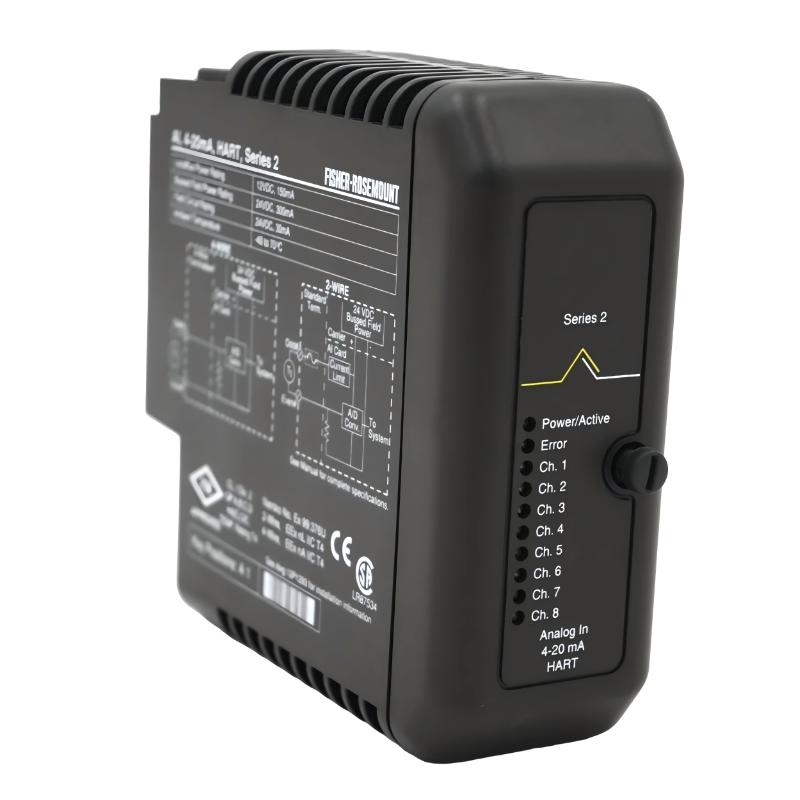
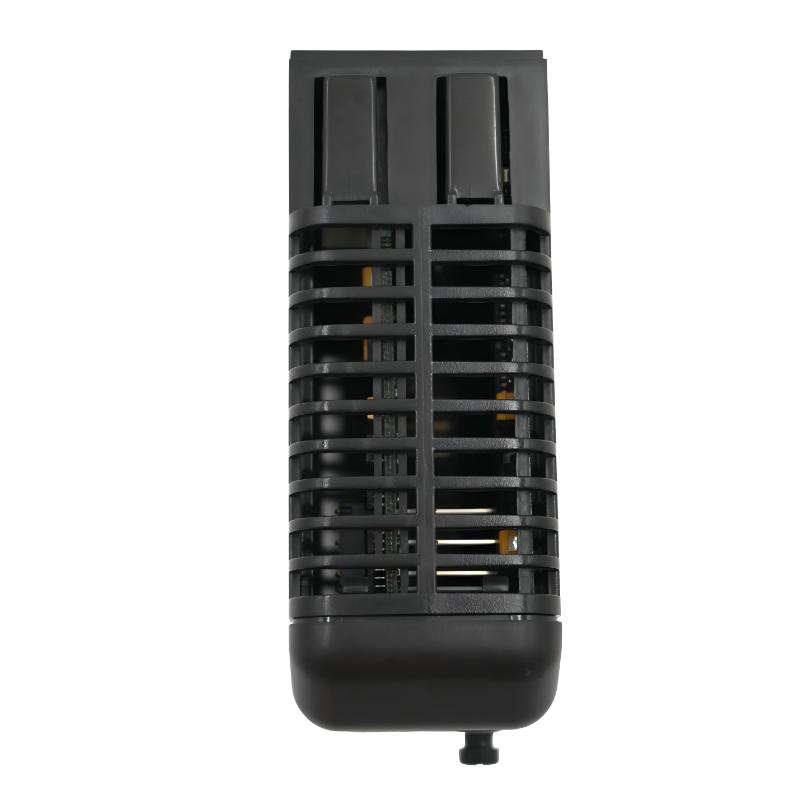
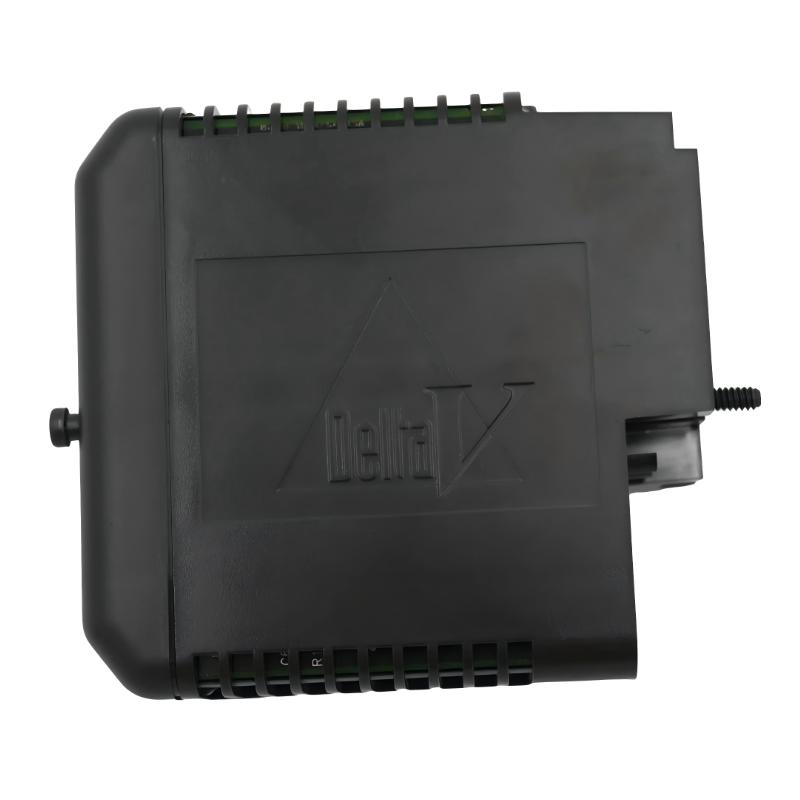
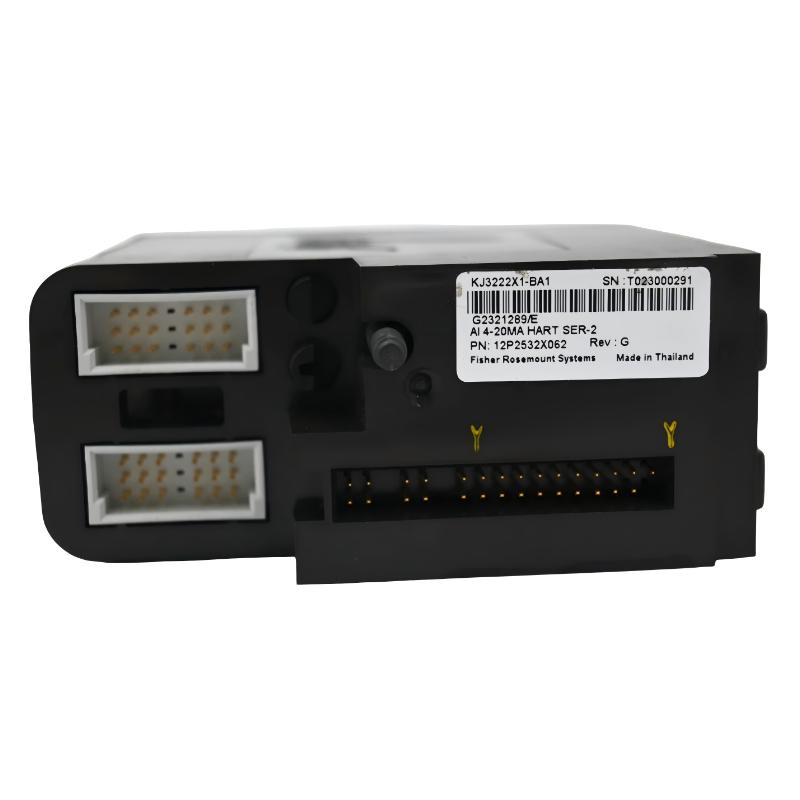
- Emerson
- VE4037P
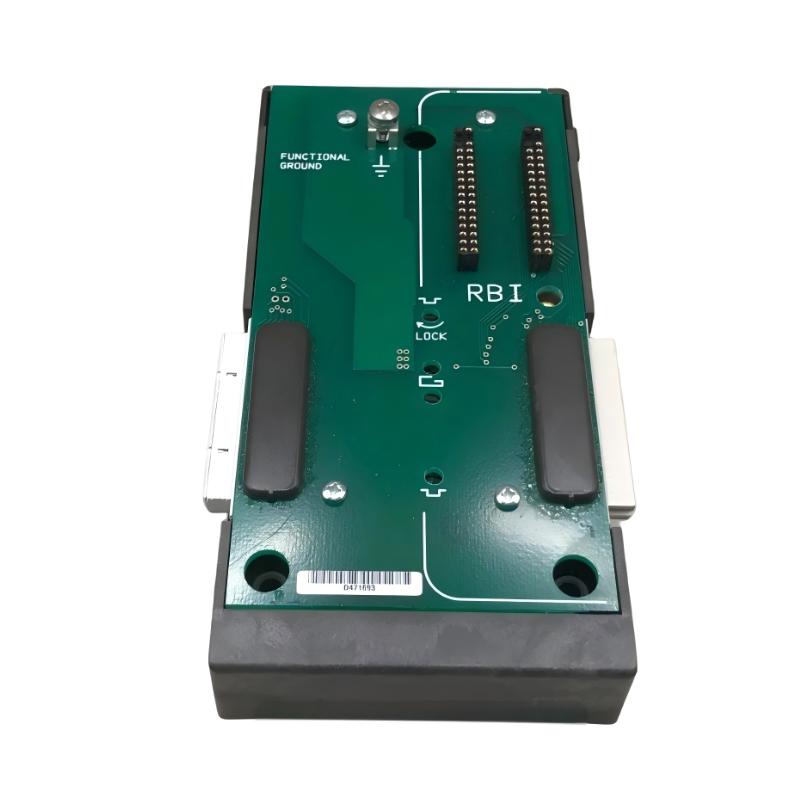
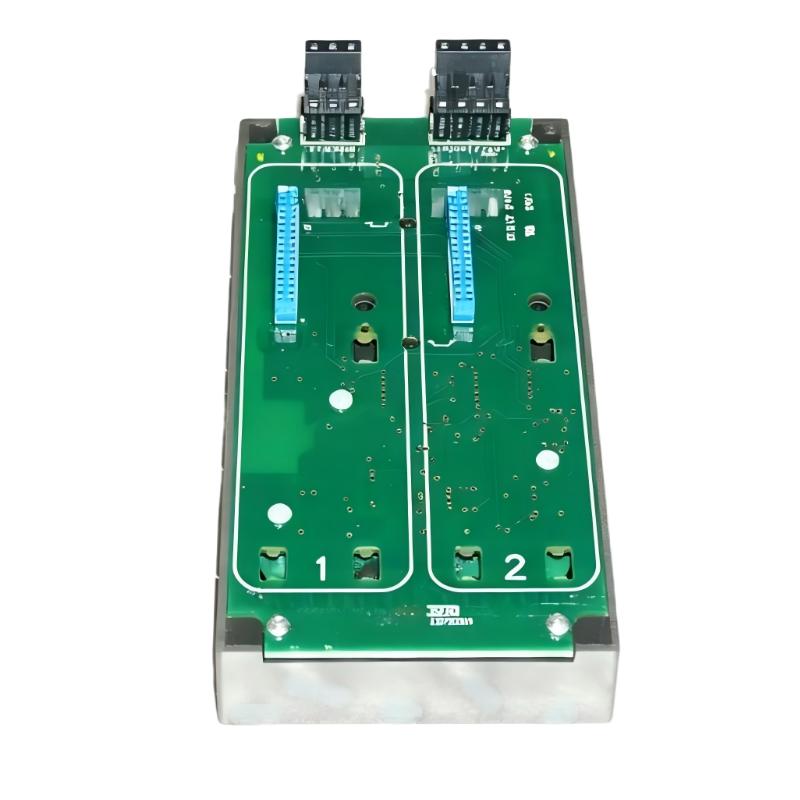
- Redundant M Series H1 I/O Interface Card and Terminal Block
- USA
- 107 x 41 x 105 mm
- 0.45 kg
- Xiamen, China
- New & In Stock
- T/T, PayPal, Western Union
- 1 Year
- 1-3 Working Days
- DHL, UPS, TNT, FedEx and EMS.
- 24-Hour Service
- COO
- 5
Our advantage

Global Logistics
We have a 10-year logistics and express cooperation agreement, so our products can be shipped to any place in the world.

Brand new and original
Our products are imported in bulk from the place of origin. Because of the cooperative relationship, our products are all original and 100% new.

24-hour service
We provide 7*24 hours service to our customers. We will be there whenever you need us.

Price advantage
All our products are priced very favorably because we have our own warehouse and supply.
| Company Information | |||
| [email protected] | |||
| Mobile | +8615980777398 | ||
| +8615980777398 | |||
| 15980777398 |
Product Overview
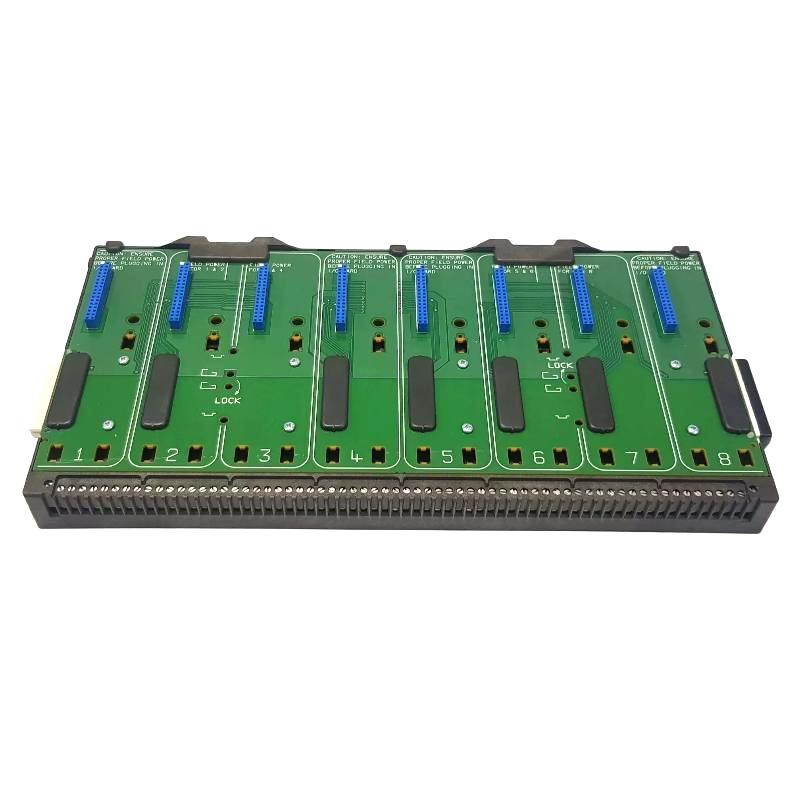
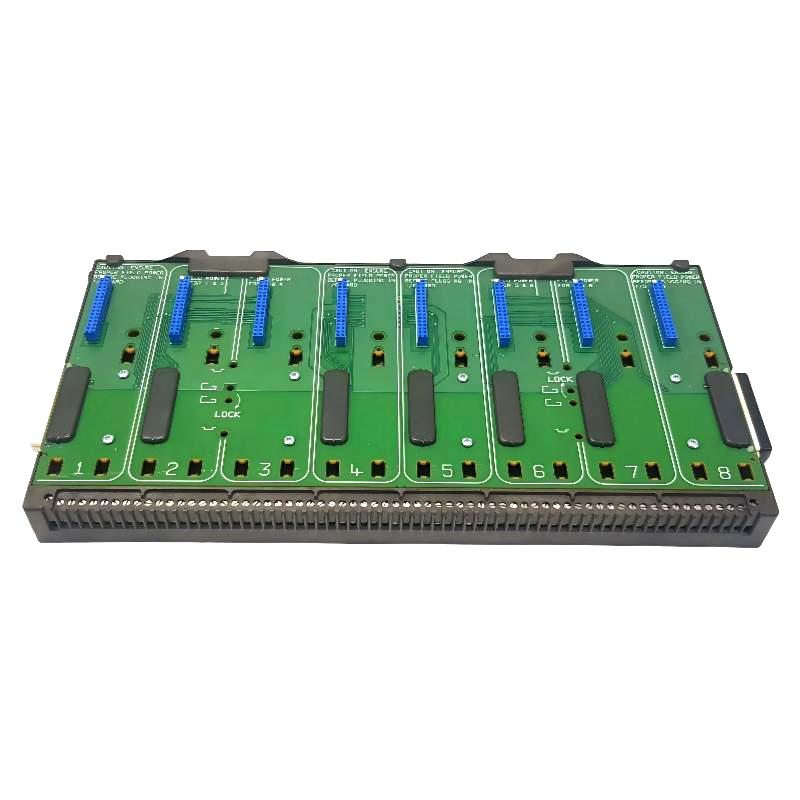
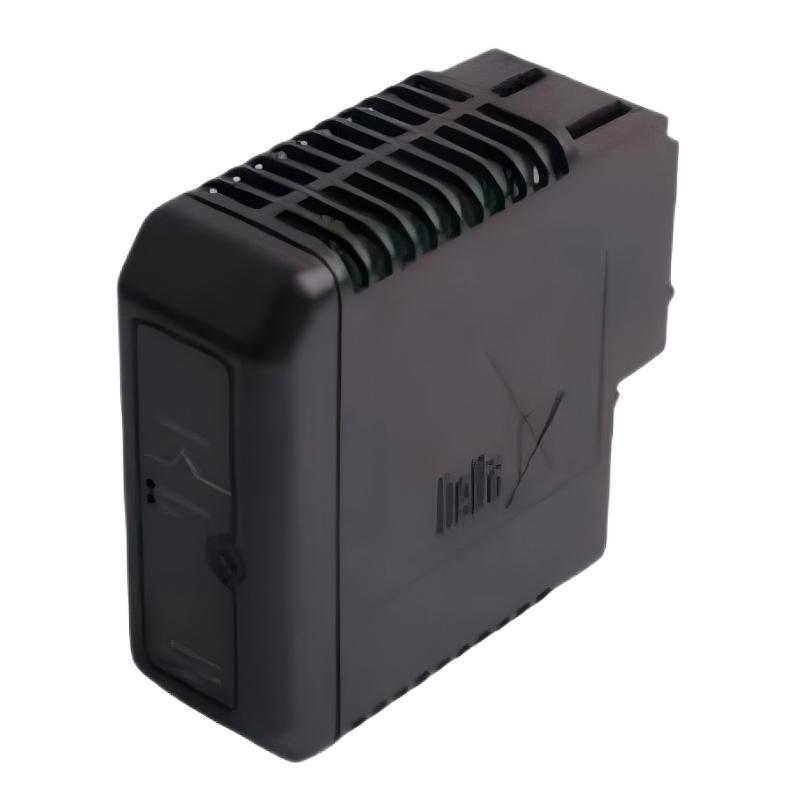
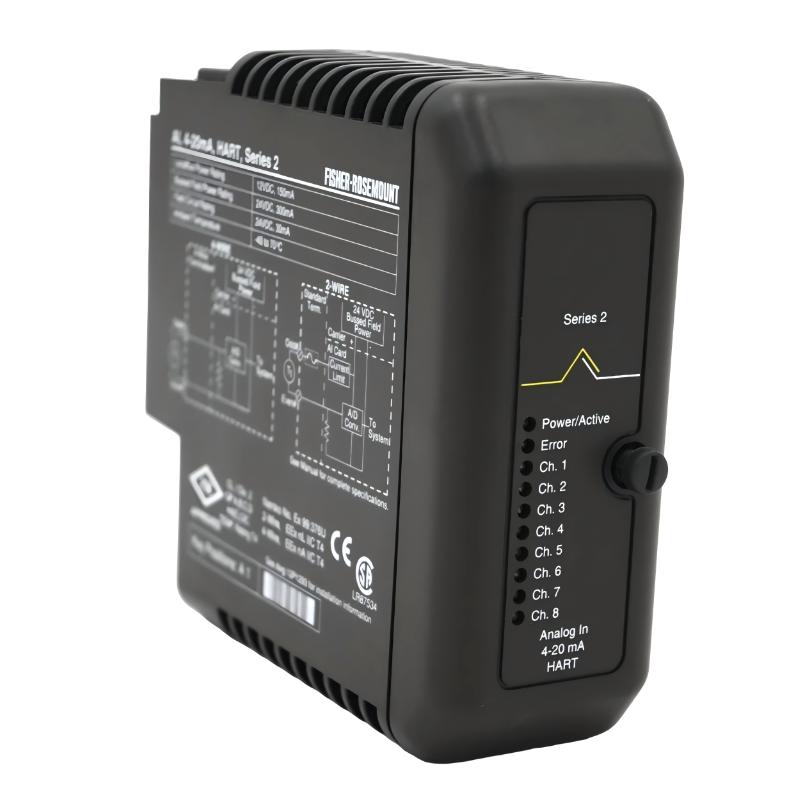
The Emerson VE4037P Redundant M Series H1 I/O Interface Card and Terminal Block is an industrial process-control interface assembly designed for compatible Emerson DeltaV automation architectures. It combines an H1 fieldbus I/O interface function with a termination interface, providing a structured connection between field-level FOUNDATION Fieldbus equipment and the control-system environment.
FOUNDATION Fieldbus H1 technology is widely used in process automation because it allows intelligent field devices to communicate digital process information, device status, diagnostics, and configuration information through a fieldbus network. Compared with conventional point-to-point wiring, a fieldbus architecture can connect multiple intelligent devices through a structured digital communication network.
The VE4037P is designed for redundant M Series H1 I/O applications. The redundant architecture is intended for process-control environments where communication availability and continuity are important. By combining the H1 interface with the associated terminal connection, the assembly provides an organized interface between the fieldbus wiring and the Emerson control-system architecture.
The listed physical dimensions are 107 × 41 × 105 mm, with a listed weight of 0.45 kg. Its compact construction allows the VE4037P to be installed in industrial control cabinets together with compatible Emerson I/O, fieldbus, controller, and termination components.
Technical Specifications
| Parameter | Specification |
|---|---|
| Manufacturer | Emerson |
| Model | VE4037P |
| Product Type | Redundant M Series H1 I/O Interface Card and Terminal Block |
| System | Emerson DeltaV |
| Communication Technology | FOUNDATION Fieldbus H1 |
| I/O Architecture | Redundant M Series |
| Primary Function | H1 fieldbus device interface and termination |
| Application | Process Automation |
| System Role | Fieldbus I/O interface |
| Installation | Industrial control cabinet |
| Dimensions | 107 × 41 × 105 mm |
| Weight | 0.45 kg |
| Typical Application | Distributed Process Control |
The exact H1 channel configuration, fieldbus segment capacity, power characteristics, terminal assignments, isolation details, and supported device architecture should be confirmed against the applicable Emerson system documentation and hardware revision before installation.
What Is the Emerson VE4037P?
The Emerson VE4037P is a Redundant M Series H1 I/O Interface Card and Terminal Block designed for compatible Emerson DeltaV process-control systems.
Its primary role is to provide an interface between FOUNDATION Fieldbus H1 devices and the DeltaV control architecture.
A simplified architecture can be represented as:
FOUNDATION Fieldbus H1 Devices → H1 Fieldbus Segment → VE4037P → DeltaV I/O Architecture → Controller → HMI / Engineering Station
The assembly provides both interface and termination functions, helping connect fieldbus wiring with the appropriate control-system hardware.
Unlike a conventional analog input module, an H1 interface works with digital fieldbus communication. Intelligent field devices can therefore exchange multiple types of information through the same fieldbus architecture.
Understanding FOUNDATION Fieldbus H1
FOUNDATION Fieldbus H1 is a digital communication technology designed specifically for industrial process automation.
An H1 fieldbus network can allow multiple intelligent field devices to communicate with a control system.
Depending on the connected device and application, information may include:
- Process measurements
- Device status
- Diagnostic information
- Alarm conditions
- Device identification
- Configuration information
- Maintenance information
- Control-related data
This digital architecture provides more information than a simple analog signal connection.
A simplified comparison is:
Conventional I/O
Sensor → Analog Signal → I/O Channel
H1 Fieldbus
Intelligent Device → Digital Fieldbus Network → H1 Interface → Control System
The VE4037P provides the system-level interface required for the second type of architecture.
Redundant M Series H1 Architecture
The VE4037P is identified as a redundant M Series H1 interface.
Redundancy is especially important in process industries where the continuous availability of control and monitoring functions is a major engineering consideration.
A redundant architecture can provide an additional hardware or communication path designed to reduce the impact of an individual component fault.
A simplified concept is:
H1 Field Devices
↓
Redundant H1 Interface
↓
DeltaV I/O Architecture
↓
Redundant / High-Availability Control Environment
The exact redundancy behavior depends on the complete Emerson DeltaV configuration.
The VE4037P should therefore be evaluated as part of the complete redundant system rather than as an isolated component.
Function and Working Principle
H1 Fieldbus Interface
The primary function of the VE4037P is to provide an interface between H1 fieldbus devices and the Emerson control architecture.
The fieldbus segment carries digital communication between connected field devices and the control system.
Digital Data Exchange
An intelligent H1 device can provide multiple data values through the fieldbus.
For example, a process transmitter may communicate:
- Primary process value
- Device status
- Diagnostic information
- Alarm state
- Configuration information
The interface card transfers this information into the control-system environment.
Terminal Interface
The integrated terminal-block function provides a structured physical connection for the associated fieldbus wiring.
This helps technicians organize field connections within the control cabinet.
Control-System Integration
After communication reaches the DeltaV system, the data can be used for:
- Process monitoring
- Control logic
- Alarm management
- Historical trending
- Equipment diagnostics
- Maintenance analysis
- Operator displays
Role in Emerson DeltaV Process Control
The VE4037P operates as part of the fieldbus interface layer in an Emerson DeltaV system.
A typical architecture may contain:
- H1 field devices
- H1 fieldbus segments
- Fieldbus cables
- Terminal interfaces
- VE4037P interface hardware
- DeltaV I/O components
- Controllers
- Operator workstations
- Engineering workstations
- Historian systems
The VE4037P provides the connection between the fieldbus network and the broader control architecture.
This allows intelligent field devices to become part of centralized process monitoring and control.
Industrial Applications
Oil and Gas
Oil and gas facilities use large numbers of intelligent pressure, flow, temperature, and level instruments.
H1 fieldbus technology can provide digital communication between these instruments and the control system.
Chemical Processing
Chemical plants require extensive process measurement and equipment diagnostics.
A redundant H1 interface can form part of a control architecture designed for continuous process operation.
Power Generation
Power plants use intelligent instrumentation throughout boilers, turbines, generators, and auxiliary systems.
Fieldbus interfaces can simplify the integration of compatible intelligent devices.
Water Treatment
Water and wastewater facilities use analyzers, transmitters, pump systems, and control equipment.
H1 communication can provide digital process and diagnostic information to the central automation system.
Pharmaceutical Manufacturing
Pharmaceutical production systems often use extensive process instrumentation.
Digital fieldbus communication can support centralized monitoring and diagnostics for compatible equipment.
General Process Automation
The VE4037P can also be used in other continuous or batch-process environments where compatible Emerson DeltaV H1 I/O architecture is deployed.
System Integration
The VE4037P should be integrated into a compatible Emerson DeltaV architecture.
A simplified structure is:
H1 Field Devices
↓
Fieldbus Segment
↓
VE4037P H1 Interface and Terminal Block
↓
DeltaV I/O System
↓
Controller
↓
Operator / Engineering Workstation
The actual architecture depends on the plant design and the specific Emerson hardware configuration.
Before installation, engineers should verify the fieldbus topology, redundancy design, wiring, device compatibility, and system configuration.
H1 Fieldbus Wiring Considerations
Fieldbus wiring should be planned carefully because communication quality depends on correct physical installation.
Important considerations include:
- Correct fieldbus cable
- Proper termination
- Correct grounding practices
- Appropriate cable routing
- Shielding
- Separation from high-power wiring
- Proper device connection
- Clear cable identification
Incorrect termination or poor wiring practices can cause communication instability even when the interface hardware is functioning correctly.
Installation Guidelines
Verify the Product Identification
Before installation, confirm:
Emerson VE4037P
Redundant M Series H1 I/O Interface Card and Terminal Block
The exact hardware designation should be compared with the existing installation and engineering documentation.
Inspect the Cabinet
Before mounting the component, check:
- Cabinet space
- Mounting arrangement
- Environmental conditions
- Cable routes
- Adjacent equipment
- Grounding
- Wiring organization
Check Fieldbus Wiring
Inspect H1 cables for:
- Physical damage
- Loose connections
- Incorrect termination
- Poor shielding
- Improper routing
- Moisture exposure
Verify Redundancy
The redundant architecture should be checked against the intended DeltaV system design before commissioning.
Both communication paths should be correctly connected and configured where required.
Commissioning Procedure
Step 1: Confirm Hardware
Verify the VE4037P model and physical installation.
Step 2: Inspect H1 Connections
Check all fieldbus cables, terminal connections, and associated wiring.
Step 3: Verify Field Devices
Confirm that connected H1 field devices are correctly installed and powered.
Step 4: Verify System Configuration
Confirm that the DeltaV engineering configuration corresponds to the physical fieldbus architecture.
Step 5: Establish Communication
Check whether the control system successfully communicates with the connected H1 devices.
Step 6: Verify Process Data
Confirm that process values and device status information are correctly received.
Step 7: Check Diagnostics
Review fieldbus and device diagnostics for communication or configuration errors.
Step 8: Verify Redundant Operation
Where applicable, perform the approved redundancy test to confirm the expected system response.
Troubleshooting the VE4037P
No H1 Communication
If H1 devices are not communicating, inspect:
- Fieldbus power
- Fieldbus cables
- Terminal connections
- Fieldbus termination
- Device status
- VE4037P installation
- DeltaV configuration
- Redundancy configuration
A communication failure does not automatically indicate a failed interface card.
Intermittent Communication
Intermittent H1 communication may be caused by:
- Loose wiring
- Damaged fieldbus cable
- Incorrect termination
- Electrical interference
- Grounding problems
- Shielding problems
- Device configuration errors
- Power problems
The physical fieldbus segment should be checked systematically.
One Device Missing
If only one field device is missing from the system, inspect the individual device and its local wiring before replacing the VE4037P.
Possible causes include:
- Device power loss
- Cable fault
- Incorrect device configuration
- Addressing problem
- Device hardware failure
Multiple Devices Missing
If multiple devices on the same fieldbus segment disappear simultaneously, investigate common components such as:
- Fieldbus power
- Segment wiring
- Termination
- Interface hardware
- Common connections
- System configuration
This approach can help distinguish segment-level faults from individual device problems.
Preventive Maintenance
Inspect Fieldbus Connections
Regularly inspect fieldbus cables and terminal connections for damage or looseness.
Check Termination
Improper fieldbus termination can affect communication stability and should be checked according to the system design.
Monitor Diagnostics
Review DeltaV and fieldbus diagnostic information for recurring communication problems.
Maintain Cabinet Conditions
Protect the VE4037P from excessive dust, moisture, heat, and vibration.
Maintain Wiring Documentation
Updated fieldbus diagrams and cabinet documentation make troubleshooting and replacement significantly easier.
Physical Dimensions and Weight
The Emerson VE4037P Redundant M Series H1 I/O Interface Card and Terminal Block has the following listed physical specifications:
- Dimensions: 107 × 41 × 105 mm
- Weight: 0.45 kg
These specifications are useful for:
- Control cabinet planning
- Spare-parts management
- Replacement logistics
- Equipment inventory
- Maintenance planning
The actual mounting arrangement should be confirmed against the target Emerson I/O architecture.
Replacement Considerations
When replacing a VE4037P, verify the complete product identification and system requirements.
Important checks include:
- VE4037P model
- H1 I/O architecture
- Redundancy configuration
- Associated terminal hardware
- Fieldbus wiring
- Connected H1 devices
- DeltaV configuration
- Hardware revision
A similar-looking H1 interface or terminal component should not automatically be considered an equivalent replacement.
Compatibility should be confirmed at the hardware, wiring, and system-configuration levels.
Related Emerson Components
| Component Type | Typical Function |
|---|---|
| VE4037P | Redundant M Series H1 I/O interface |
| H1 Field Device | Intelligent process measurement or control |
| H1 Fieldbus Cable | Digital field communication |
| Fieldbus Terminator | Signal termination |
| I/O Interface | Field-to-control-system connection |
| Analog Input Module | Analog process measurement |
| Discrete Input Module | Digital status acquisition |
| Discrete Output Module | Digital device control |
| Controller | Process control execution |
| Engineering Workstation | System configuration |
| Operator Workstation | Process monitoring |
The exact combination depends on the Emerson DeltaV architecture.
Engineering Best Practices
Plan the H1 Network Carefully
Fieldbus topology and termination should be designed according to the applicable system requirements.
Maintain Cable Identification
Every fieldbus cable should have clear identification corresponding to engineering documentation.
Protect Communication Wiring
Avoid routing sensitive fieldbus wiring alongside high-power conductors where this could increase electrical interference.
Verify Redundant Paths
Redundant systems should be tested as complete architectures rather than evaluating only individual hardware components.
Monitor Device Diagnostics
Intelligent H1 devices can provide useful diagnostic information. Regular review can help identify developing problems.
Keep Configuration Backups
The DeltaV configuration and field-device information should be documented and backed up before major maintenance activities.
Key Advantages
- Redundant M Series H1 I/O architecture
- Integrated H1 interface and terminal-block function
- Digital fieldbus communication
- Support for intelligent field-device integration
- Suitable for Emerson DeltaV process-control systems
- Compact 107 × 41 × 105 mm construction
- 0.45 kg listed weight
- Organized fieldbus connections
- Supports centralized device monitoring
- Suitable for continuous process automation environments
- Simplifies integration of compatible H1 field devices
Technical FAQs
What is the Emerson VE4037P?
The Emerson VE4037P is a Redundant M Series H1 I/O Interface Card and Terminal Block designed for compatible Emerson DeltaV process automation systems.
What communication technology does the VE4037P use?
The VE4037P is associated with FOUNDATION Fieldbus H1 process-control communication.
What is the purpose of the VE4037P?
Its primary purpose is to provide an interface between compatible H1 field devices and the Emerson DeltaV control architecture while providing the associated fieldbus termination interface.
What does redundant H1 I/O mean?
Redundant H1 I/O refers to an architecture designed to improve communication and system availability by providing redundant interface paths. The exact redundancy behavior depends on the complete Emerson system configuration.
What are the dimensions of the VE4037P?
The listed dimensions are 107 × 41 × 105 mm.
How much does the VE4037P weigh?
The listed weight is approximately 0.45 kg.
What can cause H1 communication problems?
Possible causes include incorrect fieldbus termination, damaged cables, loose connections, grounding problems, electrical interference, fieldbus power problems, device configuration errors, or interface hardware faults.
Is the VE4037P a controller?
No. It is an H1 I/O interface and terminal-block assembly. Process-control logic is handled by the associated Emerson control architecture.
Can another Emerson H1 module replace the VE4037P?
A different H1 interface should not be assumed to be interchangeable. The exact model, redundancy architecture, fieldbus configuration, terminal arrangement, and host-system requirements should be verified before replacement.
Conclusion
The Emerson VE4037P Redundant M Series H1 I/O Interface Card and Terminal Block is a specialized process-automation interface designed to connect compatible FOUNDATION Fieldbus H1 devices with an Emerson DeltaV control architecture.
By combining H1 fieldbus interface functionality with an associated terminal connection, the VE4037P provides a structured communication path between intelligent field instruments and the central control system. Its redundant M Series architecture is intended for applications where communication availability and process continuity are important engineering considerations.
The VE4037P has listed dimensions of 107 × 41 × 105 mm and a weight of 0.45 kg, providing a compact form factor for industrial control cabinet integration.
For installation, commissioning, and replacement, the complete VE4037P identification should be checked together with the H1 fieldbus topology, connected devices, termination arrangement, redundancy configuration, and DeltaV system settings. Proper fieldbus wiring, correct termination, accurate system configuration, and systematic diagnostics are essential for stable and reliable process communication.