

ProductPRODUCT
Featured products

Contact Us
- Emerson
- SE4003S6B1 KJ3225X1-BK1
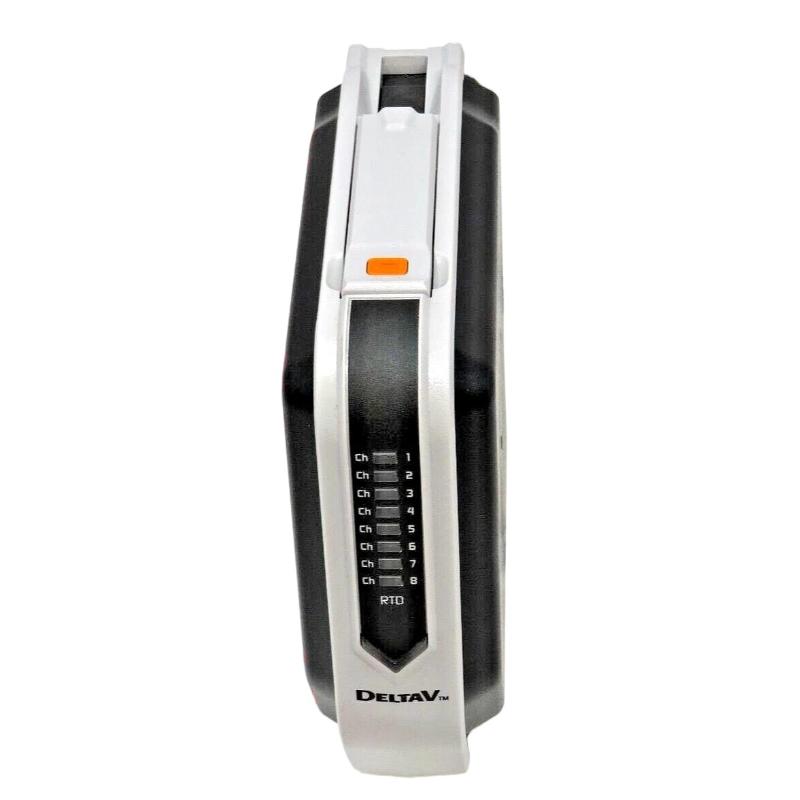
- RTD Input Card
- USA
- 131 × 41.8 × 130.8 mm
- 0.29 kg
- Xiamen, China
- New & In Stock
- T/T, PayPal, Western Union
- 1 Year
- 1-3 Working Days
- DHL, UPS, TNT, FedEx and EMS.
- 24-Hour Service
- COO
- 88
Our advantage

Global Logistics
We have a 10-year logistics and express cooperation agreement, so our products can be shipped to any place in the world.

Brand new and original
Our products are imported in bulk from the place of origin. Because of the cooperative relationship, our products are all original and 100% new.

24-hour service
We provide 7*24 hours service to our customers. We will be there whenever you need us.

Price advantage
All our products are priced very favorably because we have our own warehouse and supply.
| Company Information | |||
| [email protected] | |||
| Mobile | +8615980777398 | ||
| +8615980777398 | |||
| 15980777398 |
Product Overview
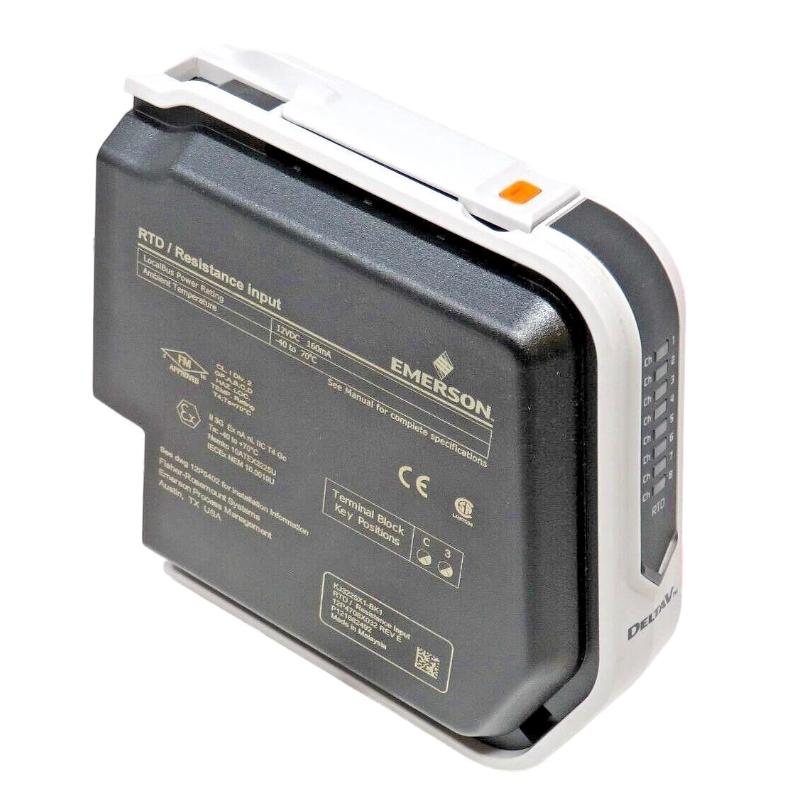
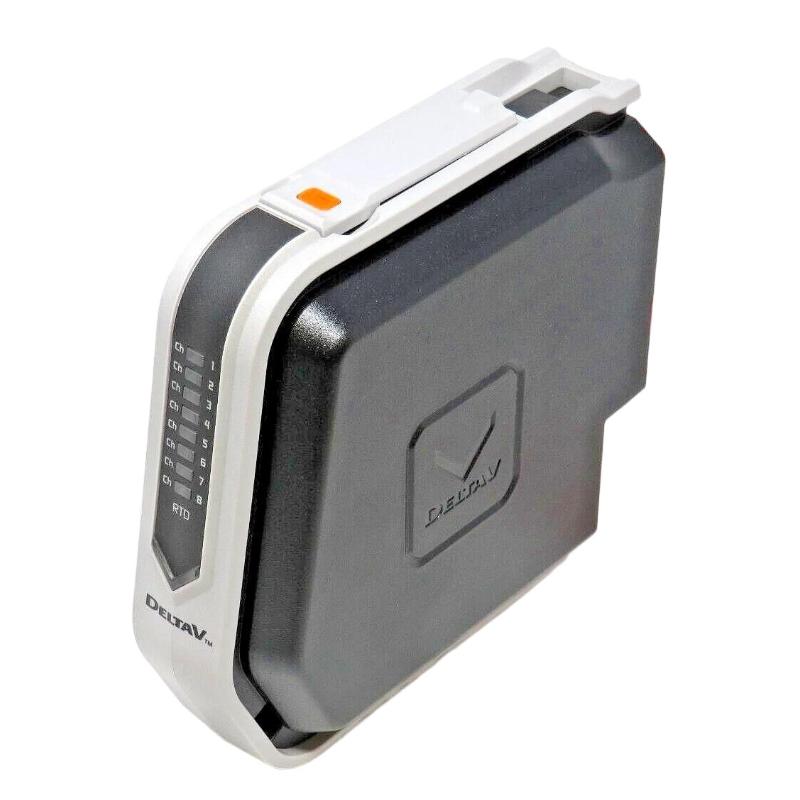
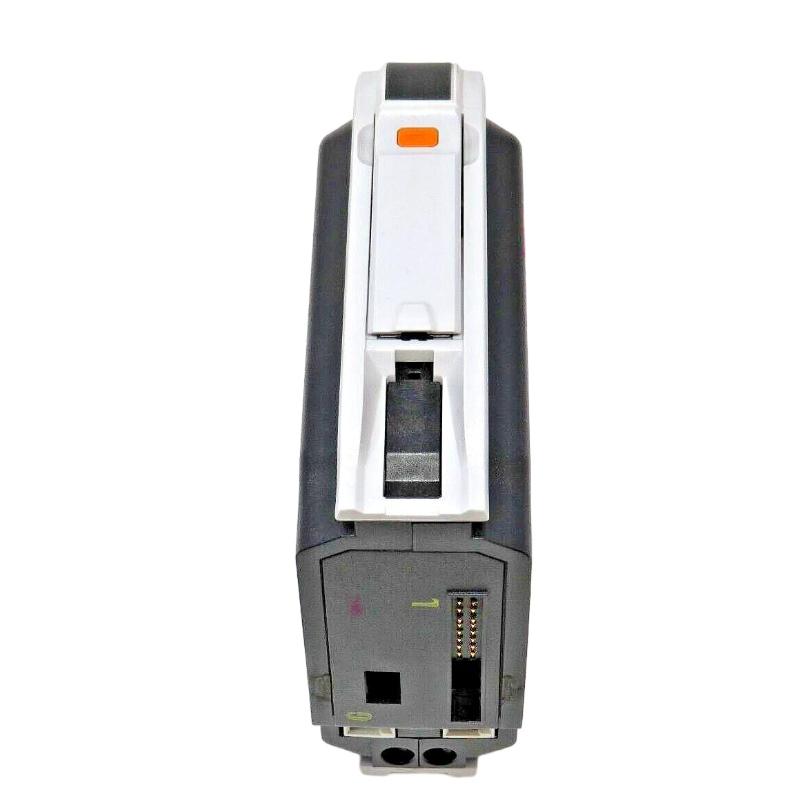
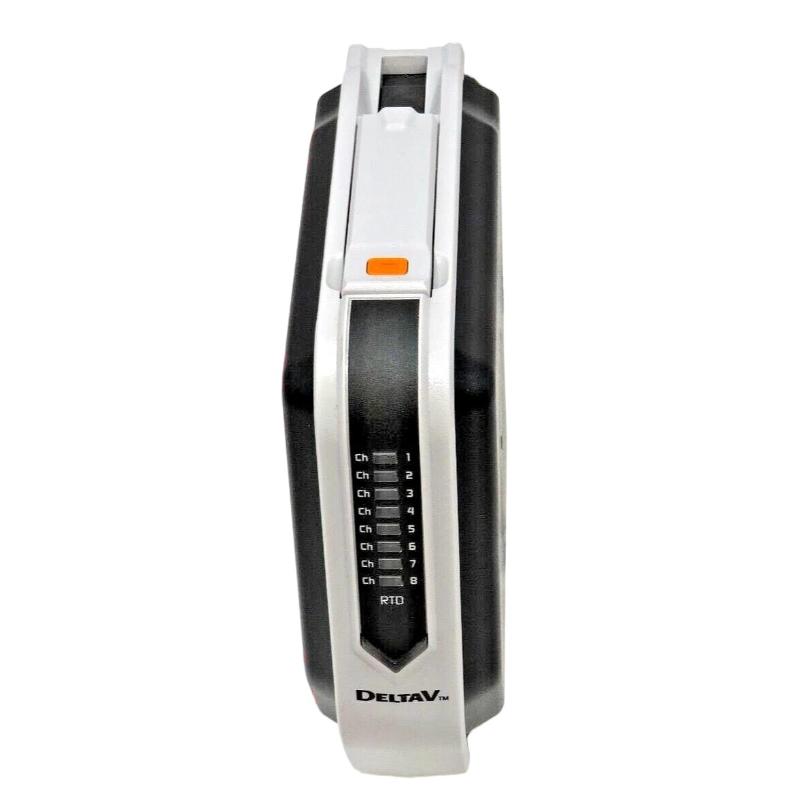
The Emerson SE4003S6B1 KJ3225X1-BK1 DeltaV S-series RTD Input Card is used to acquire resistance temperature detector (RTD) signals in an Emerson DeltaV S-series control system. It connects field-mounted RTD sensors with the DeltaV control architecture, allowing measured temperature values to be used for process monitoring, alarms, trends, interlocks, and control strategies.
RTD sensors are commonly installed where stable and repeatable temperature measurement is required, including reactors, storage vessels, heat exchangers, process piping, compressors, and utility equipment. The card receives the sensor signal through the field termination arrangement and makes the resulting temperature information available to the DeltaV control environment.
The SE4003S6B1 KJ3225X1-BK1 is suited to distributed process applications where temperature measurements are located throughout a plant rather than concentrated in one cabinet. Multiple temperature points can be integrated with other DeltaV I/O functions, allowing operators and control engineers to manage temperature-related process variables from the same control platform.
For maintenance work, troubleshooting should cover the entire measurement path rather than immediately replacing the card. Sensor condition, RTD wiring, termination connections, channel configuration, and the I/O hardware can each affect the final temperature value displayed by the DeltaV system.
Technical Specifications
| Parameter | Specification |
|---|---|
| Manufacturer | Emerson |
| Model | SE4003S6B1 KJ3225X1-BK1 |
| Product Family | DeltaV S-series |
| Product Type | RTD Input Card |
| Primary Function | RTD temperature signal acquisition |
| System Role | Temperature input interface |
| Application | Process temperature measurement and monitoring |
| Installation | DeltaV S-series I/O system |
| Dimensions | 131 × 41.8 × 130.8 mm |
| Weight | 0.29 kg |
Product Features
- Part of the Emerson DeltaV S-series I/O platform.
- Intended for RTD-based temperature measurement.
- Interfaces field temperature sensors with the DeltaV control system.
- Suitable for distributed process temperature monitoring.
- Temperature values can be incorporated into control, alarm, and trending functions.
- Appropriate for process equipment requiring continuous temperature measurement.
- Supports temperature-related instrumentation within a modular DeltaV architecture.
- Useful for maintenance and replacement of existing DeltaV S-series installations.
Working Principle
The SE4003S6B1 KJ3225X1-BK1 acquires the electrical characteristics of connected RTD sensors and interfaces the measurement with the DeltaV control system. Because an RTD’s resistance changes with temperature, the I/O channel can determine the corresponding process temperature from the sensor signal.
RTD Sensor → Field Wiring → SE4003S6B1 KJ3225X1-BK1 → DeltaV I/O System → Controller → HMI / Engineering Station
During operation, the RTD senses the temperature at the process measurement point. The card receives the sensor signal through the field wiring and processes it as an input for the DeltaV system. The resulting temperature value can then be used by configured control strategies, alarms, displays, and historical trends.
Typical uses include:
- Vessel temperature monitoring
- Reactor temperature measurement
- Heat-exchanger temperature monitoring
- Process piping temperature measurement
- Equipment temperature supervision
- High- and low-temperature alarms
- Temperature-based interlocks
- Closed-loop temperature control
The card therefore provides the measurement path between the physical temperature of the process and the software functions running in the DeltaV control system.
Role in a DeltaV Process Control Architecture
The SE4003S6B1 KJ3225X1-BK1 operates at the field-I/O level of the DeltaV architecture. It collects temperature measurements from RTD sensors and passes the resulting process information to the controller for use by higher-level control functions.
Process Equipment → RTD Sensor → SE4003S6B1 → DeltaV Controller → Control Strategy → Operator Interface
| System Element | Function |
|---|---|
| Process Equipment | Provides the physical temperature condition being measured |
| RTD Sensor | Detects temperature through resistance variation |
| Field Wiring | Carries the RTD signal to the I/O system |
| SE4003S6B1 | Acquires and interfaces RTD temperature measurements |
| DeltaV Controller | Executes control logic, alarms, and process strategies |
| Engineering Station | Provides configuration and diagnostic functions |
| Operator Interface | Displays temperature values, alarms, and trends |
This structure allows temperature measurements to be handled as normal DeltaV process variables and combined with other instrumentation within the same control environment.
Industrial Applications
| Application | Typical Use |
|---|---|
| Chemical Processing | Monitoring reactor, vessel, and process temperatures |
| Oil and Gas | Measuring temperatures throughout processing equipment |
| Petrochemical Plants | Monitoring process lines, vessels, and heat-transfer equipment |
| Power Generation | Temperature monitoring of plant and auxiliary equipment |
| Pharmaceutical Production | Monitoring temperature-sensitive process stages |
| Food and Beverage | Temperature measurement during heating and processing |
| Water and Wastewater | Monitoring temperatures in treatment and utility systems |
| Industrial Utilities | Monitoring pumps, compressors, heat exchangers, and other equipment |
Installation and Maintenance
- Confirm the DeltaV I/O configuration before installing the RTD input card.
- Isolate the relevant field circuits before handling RTD wiring.
- Verify the RTD sensor type and wiring arrangement against the project documentation.
- Confirm that the channel configuration corresponds to the installed RTD application.
- Inspect sensor wiring for broken conductors, loose connections, corrosion, or insulation damage.
- Check field termination points before troubleshooting the I/O card.
- Ensure the card is correctly seated in the DeltaV S-series I/O assembly.
- Check channel and module status after powering the system.
- Compare questionable temperature values with an independent calibrated measurement.
- Check the RTD sensor and field wiring before replacing the I/O card.
- After replacement, verify each affected temperature channel individually.
- Confirm alarms, trends, scaling, and control strategies before returning the process to normal operation.
For abnormal RTD readings, resistance measurement at the field side can help determine whether the sensor and wiring are functioning correctly. A systematic check from the sensor toward the controller is generally more effective than replacing I/O hardware without first isolating the fault.
Related Components
| Component | Function |
|---|---|
| DeltaV Controller | Executes process control strategies |
| DeltaV S-series I/O System | Provides the distributed process I/O architecture |
| RTD Sensor | Measures process temperature |
| Field Termination Assembly | Provides field signal termination |
| DeltaV Engineering Station | Handles system configuration and diagnostics |
| Operator Workstation | Displays process values, alarms, and trends |
| Temperature Control Loop | Uses measured temperature for automatic control |
| Process Alarm Strategy | Monitors configured temperature limits |
Recommended Related Models
| Model / Product Family | Product Type | Typical Application |
|---|---|---|
| Emerson SE4003S6B1 KJ3225X1-BK1 | DeltaV S-series RTD Input Card | RTD temperature acquisition |
| Emerson SE4003S5B1 | DeltaV S-series Thermocouple Card | Thermocouple temperature measurement |
| Emerson SE4003S2B1 | DeltaV S-series Analog Input Card | General process analog input |
| Emerson SE4003S3B1 | DeltaV S-series Analog Input Card | Process instrumentation applications |
| Emerson KJ3225X1-BK1 | DeltaV S-series I/O Module | RTD input applications |
| Emerson DeltaV S-series | S-series I/O Platform | Distributed process I/O |
Key Advantages
- Direct integration with the DeltaV S-series I/O architecture.
- Dedicated interface for RTD temperature measurement.
- Suitable for distributed process temperature monitoring.
- Temperature values can be used by DeltaV control and alarm strategies.
- Appropriate for temperature-sensitive industrial processes.
- Practical for maintenance and replacement of existing DeltaV installations.
Technical FAQs
What is the SE4003S6B1 KJ3225X1-BK1 used to measure?
It is used to acquire temperature measurements from RTD sensors and make those measurements available to the DeltaV control system.
Why would an RTD input be selected instead of a thermocouple input?
RTDs are commonly selected when the application requires stable and repeatable temperature measurement over the sensor’s applicable operating range. The choice ultimately depends on the process temperature range, required accuracy, sensor installation, and instrumentation design.
What can cause an RTD channel to show an abnormal temperature?
Possible causes include an incorrect sensor configuration, damaged RTD element, open or high-resistance wiring, loose termination connections, incorrect channel setup, or an I/O hardware problem. Checking the sensor and field circuit before replacing the card can narrow down the fault efficiently.
Can RTD measurements from the card be incorporated into DeltaV control loops?
Yes. Once the RTD measurement is correctly acquired and configured in DeltaV, it can be used as a process variable for monitoring, alarms, trends, interlocks, and applicable temperature-control strategies.