

ProductPRODUCT
Featured products
Contact Us
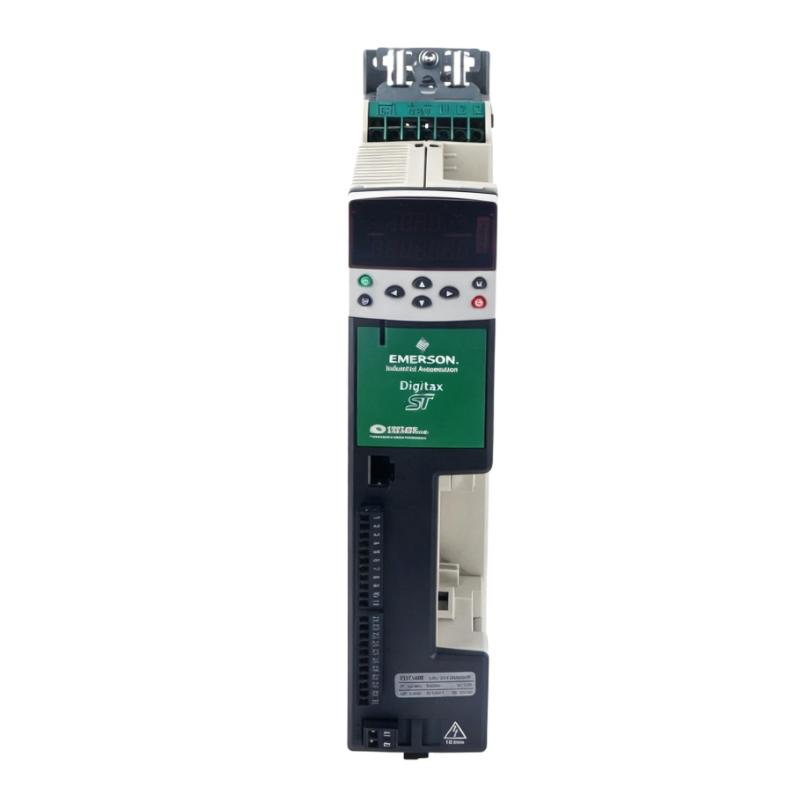
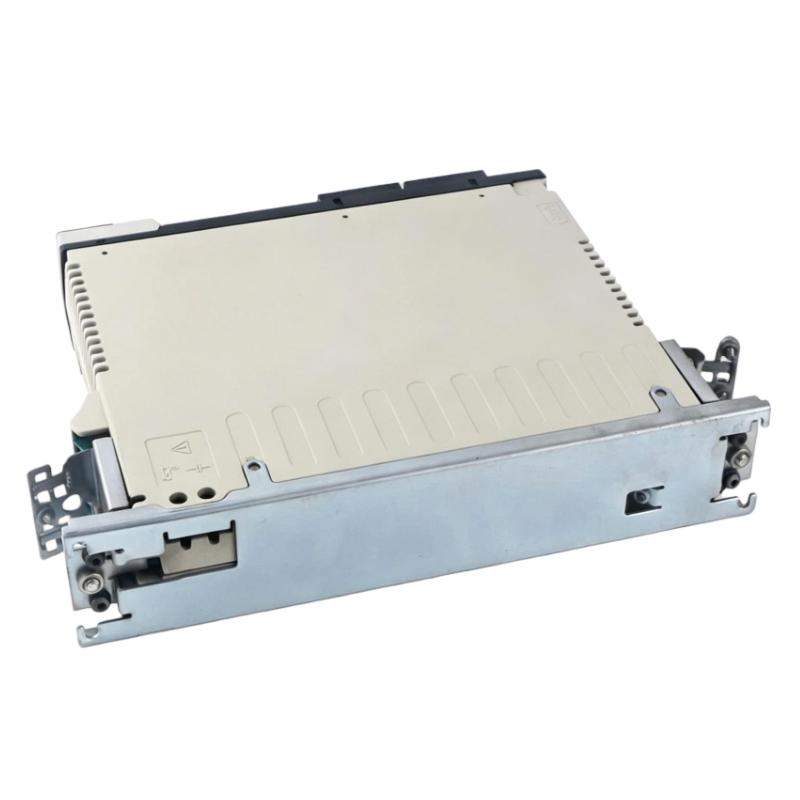
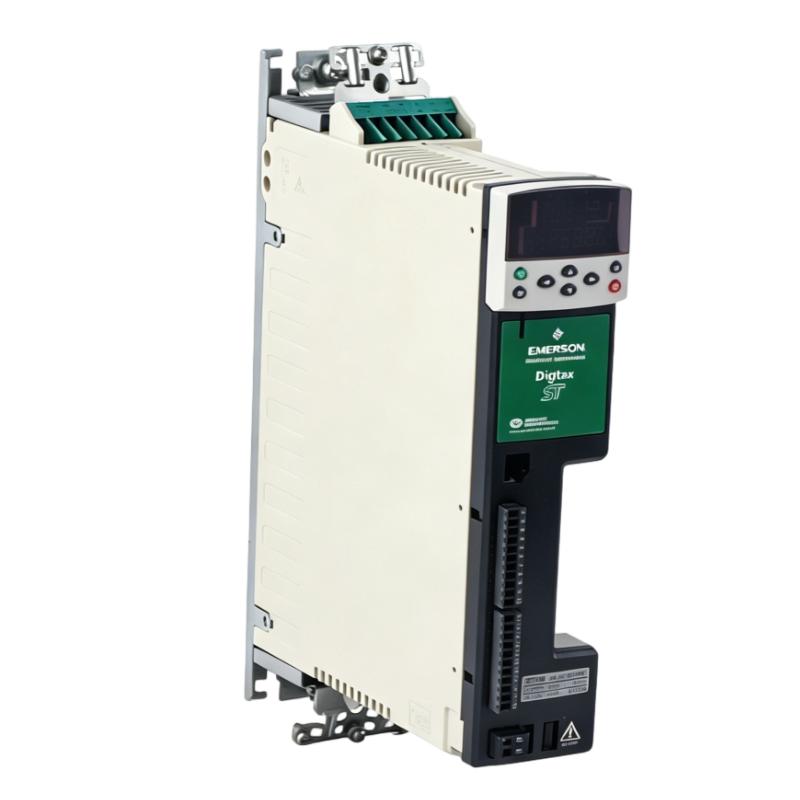
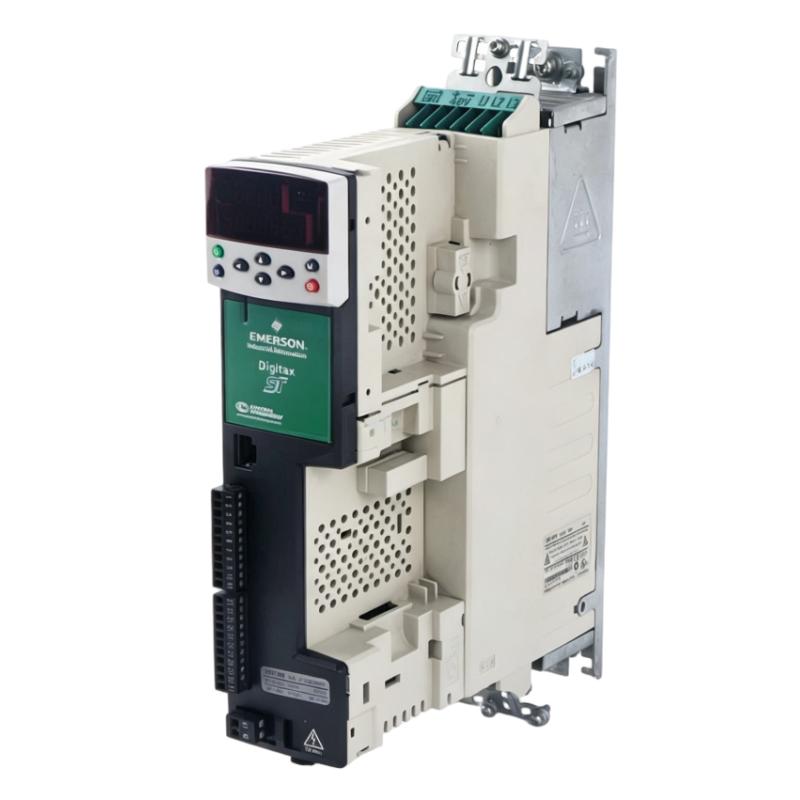
- Emerson
- DST1405
- Servo Drive
- USA
- 322 × 62 × 226 mm
- 2.1 kg
- Xiamen, China
- New & In Stock
- T/T, PayPal, Western Union
- 1 Year
- 1-3 Working Days
- DHL, UPS, TNT, FedEx and EMS.
- 24-Hour Service
- COO
- 4
Our advantage

Global Logistics
We have a 10-year logistics and express cooperation agreement, so our products can be shipped to any place in the world.

Brand new and original
Our products are imported in bulk from the place of origin. Because of the cooperative relationship, our products are all original and 100% new.

24-hour service
We provide 7*24 hours service to our customers. We will be there whenever you need us.

Price advantage
All our products are priced very favorably because we have our own warehouse and supply.
| Company Information | |||
| [email protected] | |||
| Mobile | +8615980777398 | ||
| +8615980777398 | |||
| 15980777398 |
Product Overview
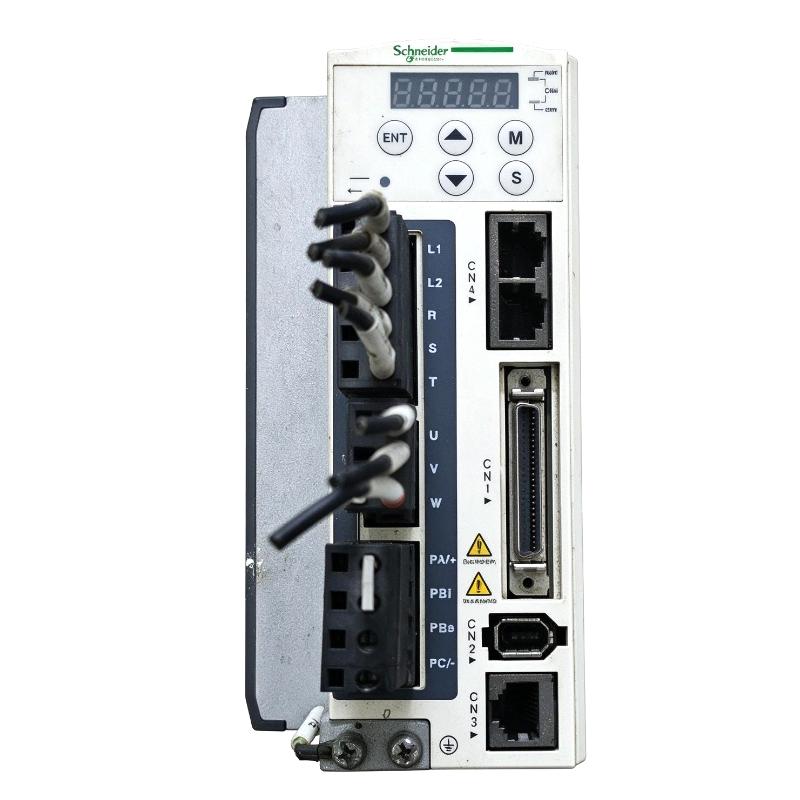
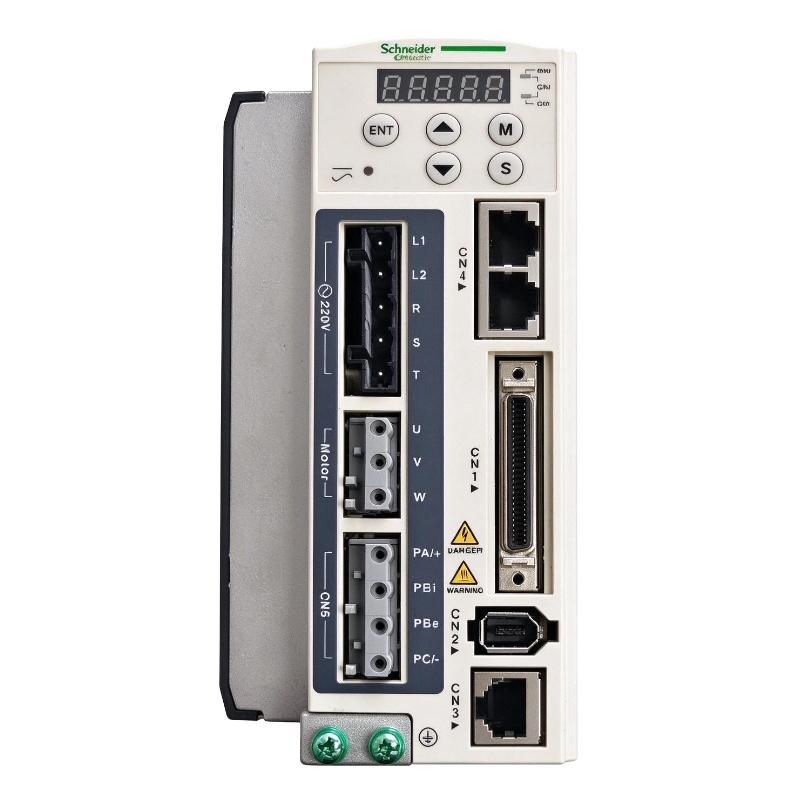
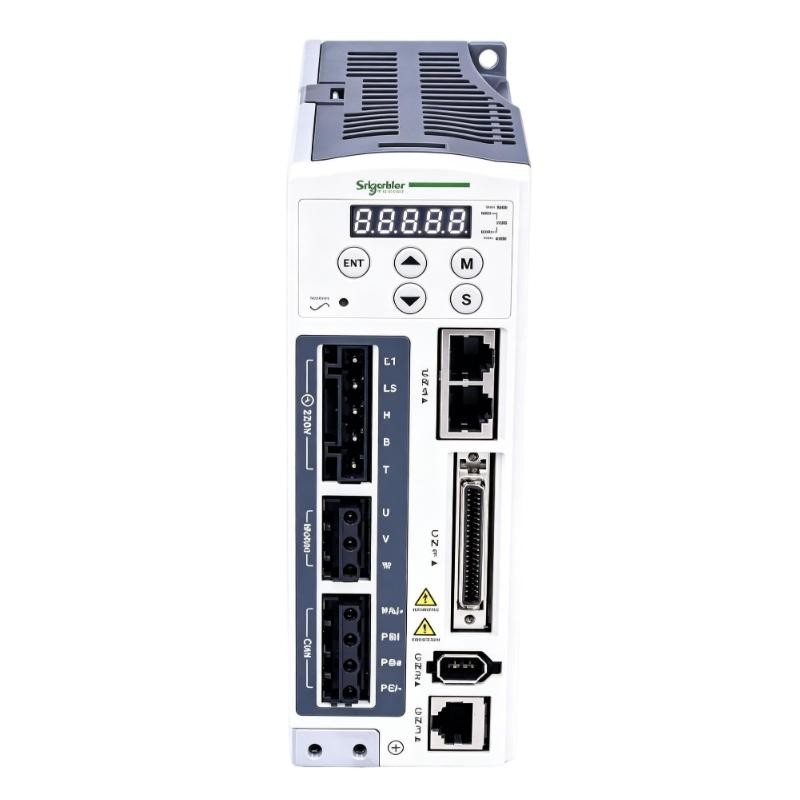
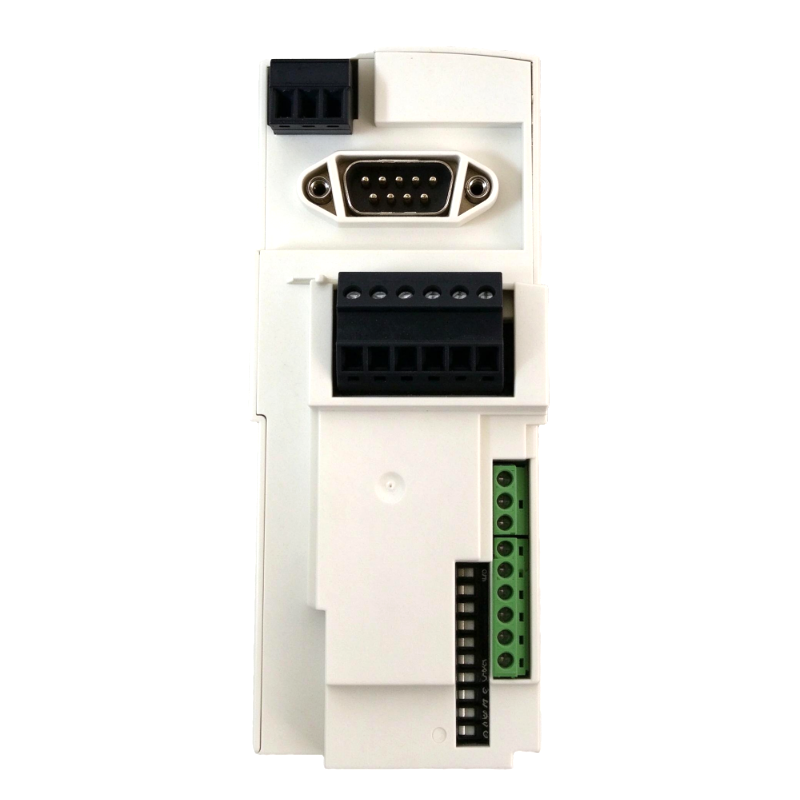
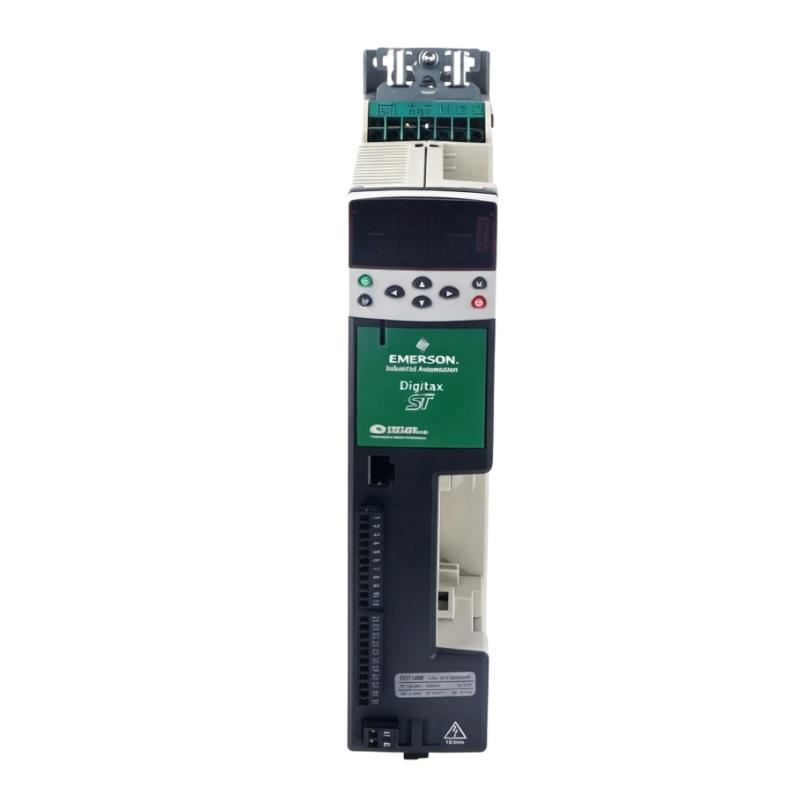
The Emerson DST1405 Digitax ST Servo Drive is an AC servo drive in the Digitax ST family, intended for controlling compatible servo motors in industrial motion systems. Within the 380–480 V three-phase range, it has an 8.0 A rated output current and a 24.0 A peak output current, making it the highest-current model among the DST1401–DST1405 variants.
The DST1405 is suitable for applications where motor current demand increases during acceleration, rapid positioning or changes in mechanical load. Examples include automated packaging equipment, assembly stations, indexing mechanisms and material-transfer systems. In these applications, the drive must respond to motion commands while keeping motor current within its permitted operating limits.
For a machine with a high-inertia axis, the motor may need substantial torque to accelerate the load and then decelerate it within a short cycle. Selecting the DST1405 requires checking both continuous current demand and short-duration peak demand, as well as the motor’s feedback interface and the system’s braking arrangement. The higher current rating alone does not establish that a particular motor and drive combination is suitable.
The DST1405 uses the Digitax ST Frame Size 1 configuration and an internal fan cooling arrangement. When replacing another Digitax ST model, engineers should verify the supply voltage, motor data, feedback configuration, control interface and parameter settings before commissioning the drive.
Technical Specifications
| Parameter | Specification |
|---|---|
| Manufacturer | Emerson / Control Techniques |
| Model / Part Number | DST1405 |
| Product Family | Digitax ST |
| Product Type | AC Servo Drive |
| Frame Size | Frame Size 1 |
| Rated Supply Voltage | 380–480 V AC |
| Number of Input Phases | 3 |
| Rated Output Current | 8.0 A |
| Peak Output Current | 24.0 A |
| Peak Input Current | 9.9 A |
| Cooling Method | Internal fan |
| Drive Function | Servo motor control |
| Control Functions | Speed, torque and position control, according to the installed configuration |
| Application | Industrial servo motion control |
| Dimensions | 322 × 62 × 226 mm |
| Weight | 2.1 kg |
Product Features
- Three-phase AC input: Operates from the specified 380–480 V AC supply range.
- 8.0 A rated output current: Supports compatible servo motors whose continuous current requirements fall within the drive rating.
- 24.0 A peak output current: Accommodates permitted short-duration current demands during demanding motion cycles.
- Digitax ST integration: Fits compatible servo systems using the same drive family.
- Closed-loop motor control: Uses supported feedback equipment to regulate motor response.
- Internal fan cooling: Removes heat generated during operation.
- Configurable motor parameters: Allows motor data, control settings and current limits to be matched to the application.
- Optional interface support: The Digitax ST family supports additional communication and control functions through compatible option modules and drive configurations.
Working Principle
The DST1405 converts incoming three-phase AC power into controlled electrical output for a compatible servo motor. The drive regulates motor current according to the selected operating mode and the commands received from the machine’s motion controller.
When the axis accelerates, the drive supplies the current needed to generate torque against the load’s inertia and mechanical resistance. As the axis approaches its target position or speed, the control loop adjusts motor output to follow the commanded motion profile. During deceleration, the drive manages the motor response and regenerative energy according to the installed braking arrangement.
Consider an automated transfer system that moves heavy fixtures between production stations. The axis must accelerate the fixture, reach its target position and stop within the available cycle time. The DST1405’s current capacity can accommodate higher motor-current demand when the selected motor and application fall within its permitted ratings. The controller remains responsible for defining the movement sequence and coordinating the axis with other equipment.
The 24.0 A peak rating is not a continuous current rating. The allowable duration of peak current depends on the drive’s operating limits and application conditions. Motor sizing, switching frequency, ambient temperature, load inertia and cycle frequency must all be considered when determining whether the drive is suitable for the intended duty.
Role in a Digitax ST Servo Motion Control System
The DST1405 serves as the power-control stage between the AC supply and the servo motor. It receives motion commands, regulates motor current and uses compatible feedback signals to control the motor’s response.
Three-Phase AC Supply → DST1405 Servo Drive → Servo Motor → Mechanical Axis
Motion Controller → Command Interface → DST1405 → Motor Feedback and Control Loop
| System Component | Function | Relationship to the DST1405 |
|---|---|---|
| Three-Phase AC Supply | Provides incoming electrical power | Supplies the drive’s input power |
| Input Circuit Protection | Protects the incoming electrical circuit | Must suit the drive and installation requirements |
| DST1405 Servo Drive | Regulates motor current and executes configured control functions | Controls the connected servo motor |
| Compatible Servo Motor | Converts electrical energy into mechanical movement | Executes the commanded motion |
| Motor Feedback Device | Reports motor movement and position information | Supplies feedback to the supported drive interface |
| Motor Power Cable | Carries electrical output to the motor | Connects the drive power stage to the motor |
| Feedback Cable | Transfers encoder or other supported feedback signals | Supports the motor feedback loop |
| Motion Controller or PLC | Generates movement commands and machine sequences | Coordinates the axis with the wider machine |
| Braking Resistor, Where Required | Dissipates regenerative energy | Must be selected for the drive and braking duty |
| Mechanical Transmission | Transfers motor torque to the driven mechanism | Determines the mechanical load and inertia seen by the motor |
Industrial Applications
| Application | Typical Equipment | Role of the DST1405 |
|---|---|---|
| Packaging Machinery | Indexing tables, feed mechanisms and transfer systems | Controls repeated movements within demanding production cycles |
| Automated Assembly | Positioning stations and fixture-handling mechanisms | Executes programmed movements between assembly operations |
| Material Handling | Servo-driven transfer tables and conveyors | Regulates movement under changing load conditions |
| Printing and Converting | Web-feed and registration mechanisms | Controls material movement and stopping sequences |
| Industrial Indexing | Rotary tables and multi-station production equipment | Supports repeated acceleration and positioning cycles |
| Machine Tools | Compatible servo-driven positioning axes | Controls motor movement within the required current limits |
| Special-Purpose Machinery | Custom servo-driven mechanisms | Executes application-specific motion profiles |
| Industrial Retrofit Projects | Existing Digitax ST installations | Replaces a matching drive after electrical and configuration checks |
Installation and Maintenance
- Verify the drive reference: Confirm that DST1405 matches the required voltage class, current rating and control configuration.
- Check the incoming supply: Verify that the three-phase AC supply falls within the specified 380–480 V range.
- Confirm motor compatibility: Compare the motor’s continuous and peak current requirements with the drive’s ratings and permitted overload characteristics.
- Isolate the equipment: Follow the approved electrical isolation procedure and allow the specified DC-bus discharge time before handling the drive.
- Inspect cabinet ventilation: Ensure that the internal fan has sufficient airflow and that the installation meets the drive’s ventilation requirements.
- Examine power connections: Check the incoming supply, motor output and protective earth connections for loose terminals or damage.
- Verify feedback wiring: Confirm that the motor feedback device, cable and drive interface are compatible.
- Check motor parameters: Verify the motor data, control mode, current limits and feedback settings before enabling the drive.
- Review braking requirements: Determine whether the application’s inertia and stopping cycle require a braking resistor or another approved energy-management arrangement.
- Inspect control wiring: Check command signals, enable circuits, interlocks and any installed option modules.
- Commission the axis: Test rotation direction, feedback response, acceleration, deceleration and positioning under controlled conditions.
- Record service information: Document the drive reference, motor configuration, parameter settings, fault history and commissioning results.
Compatible System Components
| Component | Function | Compatibility Consideration |
|---|---|---|
| Digitax ST Servo Motor | Converts drive output into mechanical motion | Match motor voltage, current and feedback requirements |
| Motor Power Cable | Connects the drive output to the motor | Verify cable rating, connector arrangement and installation requirements |
| Encoder Feedback Cable | Transfers motor feedback signals | Confirm compatibility with the installed feedback device |
| Motion Controller | Generates axis commands and machine sequences | Verify the command interface and control architecture |
| Braking Resistor | Dissipates regenerative energy where required | Select according to drive compatibility and braking duty |
| Input Circuit Protection | Protects the incoming power circuit | Size according to the drive and installation requirements |
| Line Reactor, Where Required | Addresses supply-side electrical conditions | Determine the need from supply characteristics and installation guidance |
| Digitax ST Keypad | Provides local access to drive parameters | Verify the supported keypad interface |
| Digitax ST Option Module | Adds supported communication or control functions | Check the specific drive variant and module requirements |
Recommended Related Models
| Model / Product | Product Type | Relationship | Selection Consideration |
|---|---|---|---|
| Emerson DST1401 | Digitax ST AC Servo Drive | Lower-current model in the same voltage class | Rated at 1.5 A continuous and 4.5 A peak output current |
| Emerson DST1402 | Digitax ST AC Servo Drive | Lower-current model in the same voltage class | Rated at 2.7 A continuous and 8.1 A peak output current |
| Emerson DST1403 | Digitax ST AC Servo Drive | Lower-current model in the same voltage class | Rated at 4.0 A continuous and 12.0 A peak output current |
| Emerson DST1404 | Digitax ST AC Servo Drive | Lower-current model in the same voltage class | Rated at 5.9 A continuous and 17.7 A peak output current |
| Emerson DST1204 | Digitax ST AC Servo Drive | Related drive in the 200–240 V AC family | Uses a different supply-voltage class and is not a direct electrical substitute |
| Emerson Digitax ST Keypad | Drive Keypad | Accessory for supported local drive operation | Verify the keypad interface and installed drive configuration |
| Emerson Digitax ST Braking Resistor | Braking Accessory | Used where regenerative energy must be dissipated | Check resistance, power rating and drive compatibility |
Key Advantages
- Operates from a three-phase 380–480 V AC supply.
- Provides 8.0 A rated output current and 24.0 A peak output current.
- Supports servo motion control with compatible motor feedback.
- Uses internal fan cooling.
- Fits suitable installations using the Digitax ST Frame Size 1 configuration.
Technical FAQs
How does the DST1405 differ from the DST1404?
The DST1405 has an 8.0 A rated output current and a 24.0 A peak output current, compared with 5.9 A and 17.7 A for the DST1404. Selection depends on the motor’s current demand, required acceleration and operating duty.
Can the DST1405 operate continuously at its peak current rating?
No. The 24.0 A figure is the peak output current rating, not the continuous rating. The drive must operate within its rated current and permitted overload limits.
What factors matter when using the DST1405 on a high-inertia axis?
Evaluate the load inertia, acceleration and deceleration times, cycle frequency, motor current requirements and regenerative energy. The drive and braking arrangement must suit the complete operating profile rather than only the maximum motor current.
What should be checked before replacing a DST1404 with a DST1405?
Confirm the supply voltage, motor ratings, feedback interface, control configuration, wiring and parameter settings. Also verify cabinet ventilation and braking requirements. A higher current rating does not by itself establish that the replacement is suitable for the existing machine.